-
Knowledge Without the Price Barrier: How Affordable Access Builds Stronger Societies

Knowledge should be treated as essential social infrastructure rather than a luxury reserved for those with substantial financial resources. This discussion explains how tuition, textbooks, subscriptions, technology, language, accessibility, and time combine to create barriers to meaningful learning. It examines open educational resources, libraries, open research, digital public infrastructure, translation, and community learning as practical…
-
Sakshatkara Vaibhavotsavams 2026: Sacred Darshan at Srinivasa Mangapuram

The Salakatla Sakshatkara Vaibhavotsavams at Sri Kalyana Venkateswara Swamy Temple, Srinivasa Mangapuram, will be celebrated from July 17 to July 19, 2026. The three-day festival includes special Snapana Tirumanjanam, Unjal Seva, and Vahana Sevas performed with traditional religious fervour. Lord Kalyana Venkateswara will bless devotees on Pedda Sesha Vahanam on July 17, 2026. The festival…
-
Srila Vakreśvara Paṇḍita: The Ecstatic Dance Legacy That Still Moves Bhakti

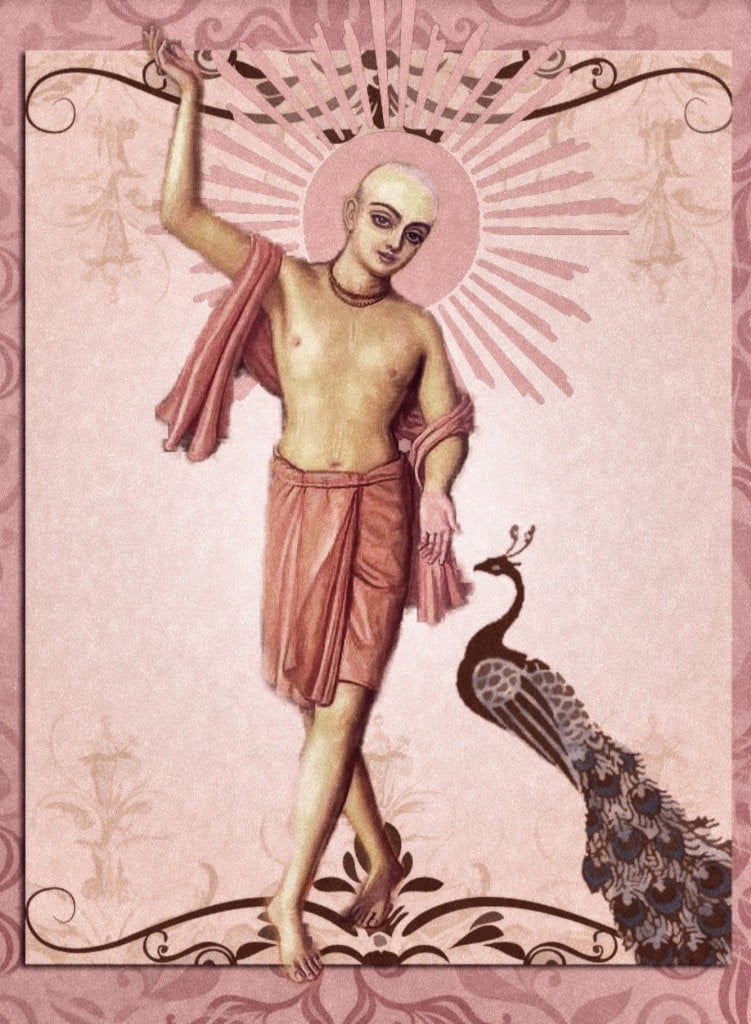
Srila Vakreśvara Paṇḍita is remembered as one of Sri Caitanya Mahāprabhu’s most beloved associates and an extraordinary dancer in the Gaudiya Vaishnava tradition. His life reveals the deep spiritual meaning of Sankirtana, where chanting, music, movement, and devotion become a unified path of Krishna consciousness. The account of Devānanda Pandit at Kuliā shows how service…
-
Powerful Lessons from ŚB 3.24.11: Pure Devotion and Kapila’s Sacred Mission

This long-form reflection explores the Alachua Temple Live class by Sesa dasa and Madhumati devi dasi on Śrīmad-Bhāgavatam 3.24.11. It explains the verse’s role in the narrative of Kardama Muni, Devahūti, Brahmā, and the divine appearance of Kapila Muni. The article highlights key Vaishnava themes such as purified consciousness, bhakti, Sāṅkhya-yoga, sacred family life, and…
-
Srimad Bhagavatam 3.26.58-60: Powerful Vision of Body, Cosmos and Mind

Śrīmad-Bhāgavatam 3.26.58-60 presents a profound vision of the virāṭ-puruṣa, linking the human body with cosmic order. The verses describe the manifestation of hands, feet, veins, rivers, abdomen, hunger, thirst, ocean, heart, and mind. This analysis explains how Bhāgavata Sāṅkhya connects anatomy, ecology, psychology, and devotion. It highlights the ethical meaning of hands as instruments of…
-
ISKCON Venezuela Safe After Devastating Quake: Faith, Seva and Seismic Resilience

ISKCON Venezuela reported that its devotees, Deities, and temple in Caracas remained safe after a major earthquake, even as nearby buildings and neighborhoods suffered severe damage. The update from Lilanandi-Subhadra Devi Dasi combines devotional gratitude with a sober recognition of the crisis surrounding the temple. This article explains why the report matters not only as…
-
Ram Mandir Donation Probe: Powerful Lessons on Trust, Dharma, and Accountability

The Ram Mandir donation case has become a major test of transparency, temple governance, and public trust in Ayodhya. Reports indicate that the PMO sought financial records after a complaint, while the Uttar Pradesh government formed an SIT that later led to an FIR against eight named accused. Chief Minister Yogi Adityanath has taken a…
-
Shambhu Gavare’s ‘Matrubhoomi Samman’: A Powerful Moment for Dharma Service

Shri. Shambhu Gavare, Eastern and North-Eastern States Coordinator of the Hindu Janajagruti Samiti, was honoured with the ‘Matrubhoomi Samman’ in Ranchi for his service to the nation, Dharma, and culture. The recognition highlights the importance of cultural preservation, ethical citizenship, and grassroots public engagement. It also draws attention to the complex cultural landscape of Eastern…
-
From IISc to ISKCON: A Powerful Journey of Intellect, Bhakti, and Inner Purpose

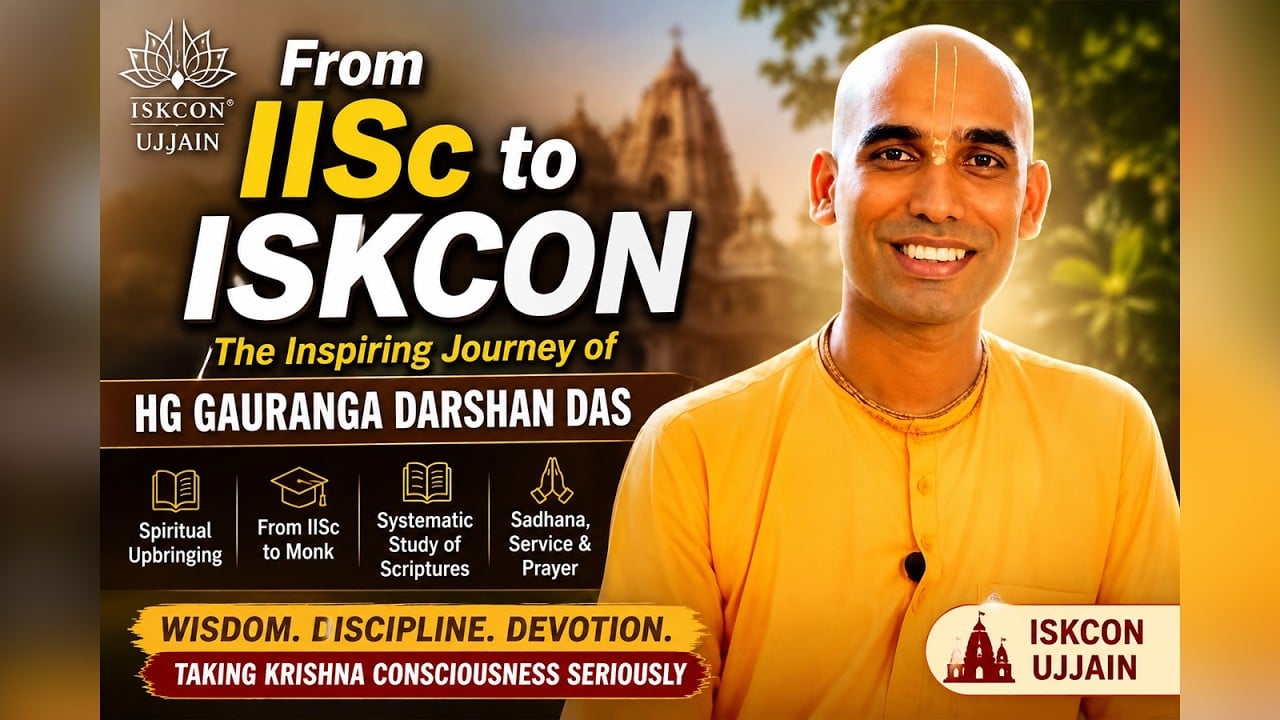
This article explores the inspiring journey of HG Gauranga Darshan Das from the intellectual environment of IISc to the devotional world of ISKCON. It examines how scientific training and Krishna consciousness can work together rather than stand in opposition. The discussion places his journey within the broader context of Gaudiya Vaishnavism, bhakti yoga, the Bhagavad…
-
Sacred Kaudi and Goddess Lakshmi: Powerful Meaning of the Cowrie Shell

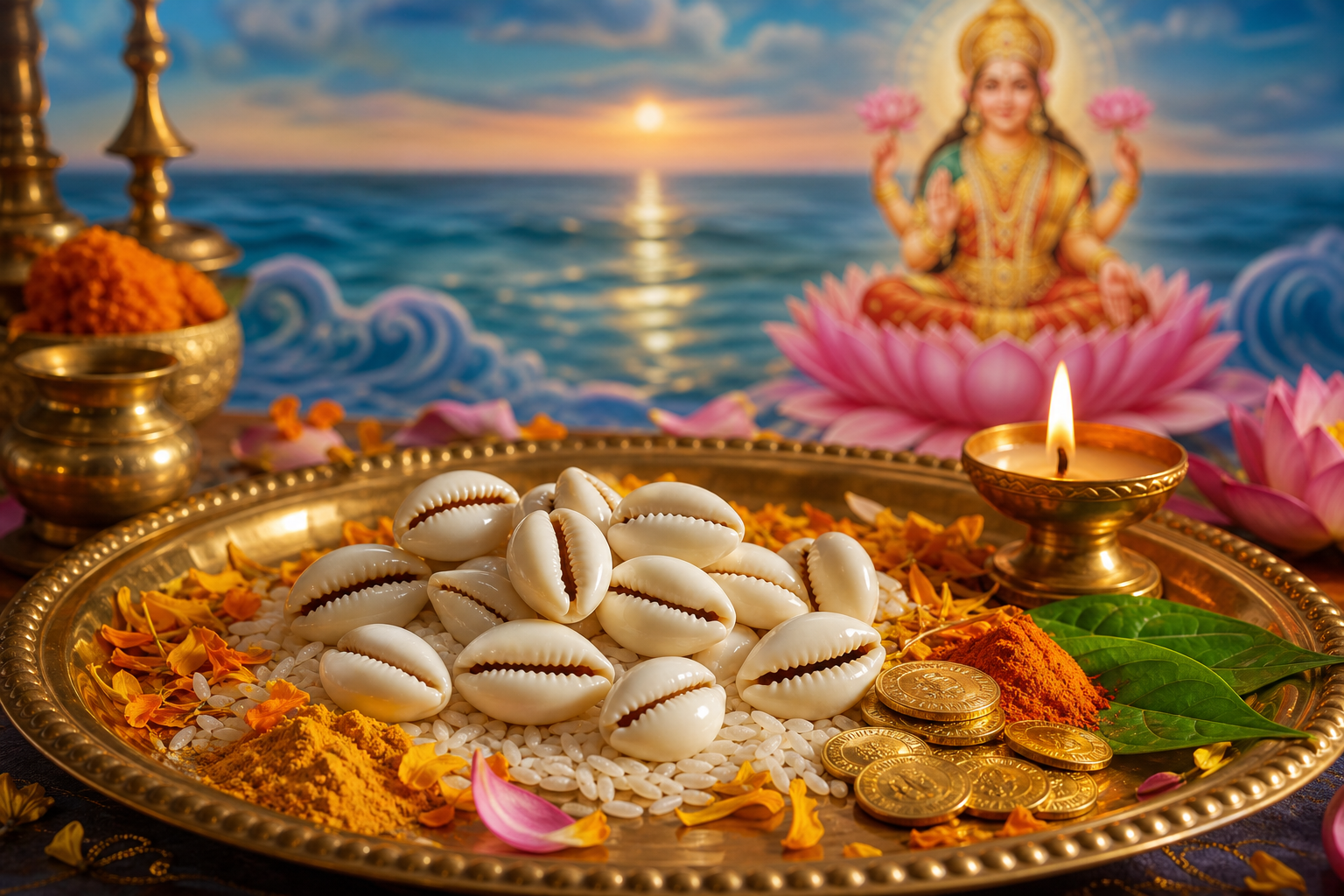
The cowrie shell, or kaudi, is associated with Goddess Lakshmi because it unites the meanings of wealth, fertility, oceanic abundance, protection, and auspicious grace. Its connection with the sea recalls Lakshmi’s emergence in the sacred imagination of Samudra Manthan and makes the shell a natural symbol of prosperity flowing from cosmic order. Historically, cowries also…
-
Conquering Pride with Humility: SB 11.3.13 and HH Guru Prasad Swami’s ISKCON Guidance

Pride undermines devotion, learning, and relationships; SB 11.3.13 situates humility as a practical method for transformation within the Nimi–Navayogendra teachings. Drawing on HH Guru Prasad Swami Maharaj’s ISKCON guidance, this analysis shows how precise sādhana, collaborative seva, and accountable satsaṅga systematically disarm ego. It distinguishes healthy self-respect from egoic inflation and offers clear behavioral metrics…
-
Beyond Birth: Why Scriptures Define a True Guru by QualitiesNot Caste or Lineage

Scriptures across the dharmic spectrum uphold qualities and realizationnot birthas the basis for authentic spiritual authority. Drawing on S.B. 7.11.35 and related teachings, this analysis explains why varṇa is determined by guna and karma, and how that principle governs the qualifications of a true guru. It revisits the Vrindavan controversy around Srila Bhaktisiddhanta Saraswati Thakura…
-
Solapur Women’s ITI harassment claims: Maharashtra orders probe to protect students’ rights

A formal complaint in Solapur alleges physical, mental, and religious harassment of 150 female trainees and nine staff at a Government Women’s ITI, prompting an official Maharashtra Government inquiry. The analysis explains the legal and institutional safeguards that apply to government-run ITIs, including POSH Act 2013 compliance, Internal Complaints Committees, and non-discrimination duties under the…
-
Kumari vs Kaumari in Shakta Tantra: Unmasking Virgin Consciousness and the Warrior Mother

Kumari and Kaumari are frequently conflated in Shakta and Tantric worship, yet they refer to distinct realities. Kumari primarily denotes a ritual and contemplative statevirgin consciousness invited into a pre-pubescent girl during Kumari Pujawhile Kaumari is a canonical Hindu goddess, a Matrika linked to Skanda and characterized by peacock vahana and spear. Clarifying this difference…
-
Beyond Ash and Skulls: Unmasking Aghora’s Hidden Non-Dual Path of Compassion

Aghora is widely misread through sensational images of skulls and cremation grounds, yet its classical meaning is non-dual fearlessness and radical compassion. This long-form analysis clarifies Aghora’s etymology, place within Śaiva philosophy, and integration with Advaita’s insight into indivisible reality. It explains why cremation grounds function as advanced contemplative classrooms in impermanence, not as theatres…
-
Kurukshetra TTD Brahmotsavams 2026: Sacred Dates, Powerful Rituals, Darshan & Travel Guide

Kurukshetra TTD Temple Brahmotsavams 2026 will be held from 25 June to 3 July at the Sri Venkateswara Swamy Temple in Kurukshetra, with Koil Alwar Thirumanjanam on 19 June and Ankurarpanam on 24 June. This guide explains the significance of Brahmotsavam, the roles of Koil Alwar Thirumanjanam and Ankurarpanam, and the symbolism of vahana sevas…
-
Aho Balam, Aho Bilam: Ahobilam Narasimha’s Origin, Nine Shrines, and Trek in Nallamala Hills

Set in Andhra Pradesh’s Nallamala hills, Ahobilam preserves the living memory of Lord Narasimha’s avatara where story and landscape interlock. This article explains the dual etymologyAho Balam (Oh, what strength) and Aho Bilam (Oh, what a cave)showing how it fuses theology and topography in Sri Vaishnava tradition. It maps the famed Nava Narasimha circuit, highlights…
-
June 21, 2026 Panchang: Shukla Saptami to Ashtami, Auspicious Times, Nakshatra & Rashi

Sunday, June 21, 2026 features Shukla Paksha Saptami until approximately 7:47 PM, followed by Shukla Paksha Ashtami. This Panchang overview explains how to choose Good Time (Shubh Muhurat) using Abhijit Muhurta alongside daily filters such as Rahu Kaal, Yamaganda, and Gulika Kaal, with Sunday-specific guidance. It outlines how Nakshatra and Rashi are computed locally from…