
-
Devuni Kadapa Temple Teppotsavam 2026: Sacred Float Festival Dates, 6 PM Darshan & Pilgrim Guide

Devuni Kadapa’s Sri Lakshmi Venkateswara Swamy Temple will observe the Teppotsavams from 29 April to 1 May 2026, featuring a daily 6:00 PM float on the temple pushkarini. This research-informed guide explains the ritual meaning of the float festival and what devotees can expect during the evening processions. Readers gain clear details on dates, timings,…
-
From Nataraja to Raas Leela: The Awe-Inspiring Science, Symbolism, and Legacy of Divine Dance
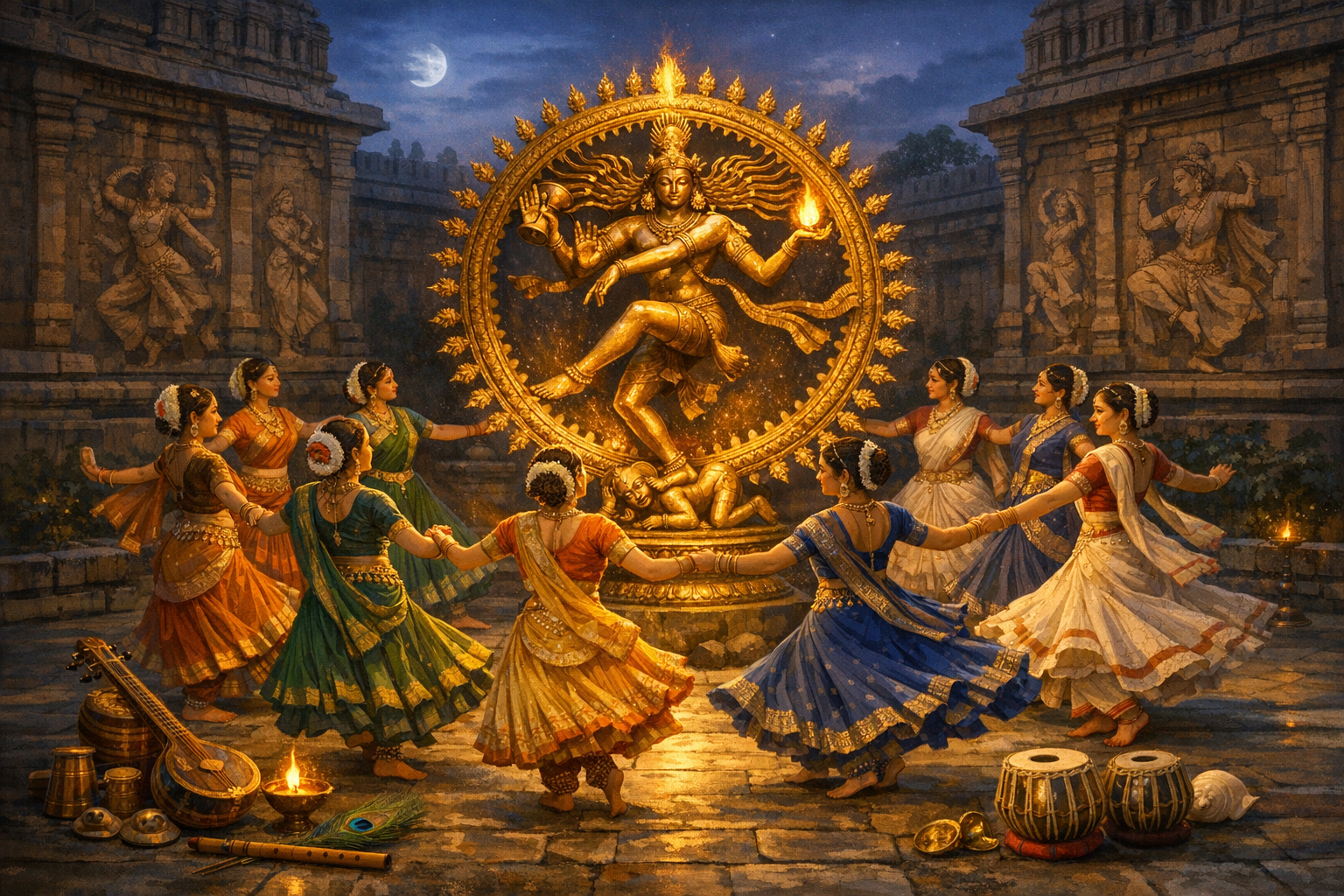
Divine dance in the dharmic traditions is a precise language of cosmology and devotion. This article explains Shiva as Nataraja with technical iconography (damaru, agni, abhaya, Apasmara) and maps his pañcha-kṛtya to movement, clarifying how sound (nada) and rhythm underpin Sanskrit and ritual. It situates Bharatanatyam, Odissi, Kuchipudi, Kathak, Mohiniyattam, Sattriya, Chhau, Yakshagana, Chakyar Koothu,…
-
Vaishakha Masam 2026: Dates, Key Vratas, and Dharmic Significance in the Telugu Calendar
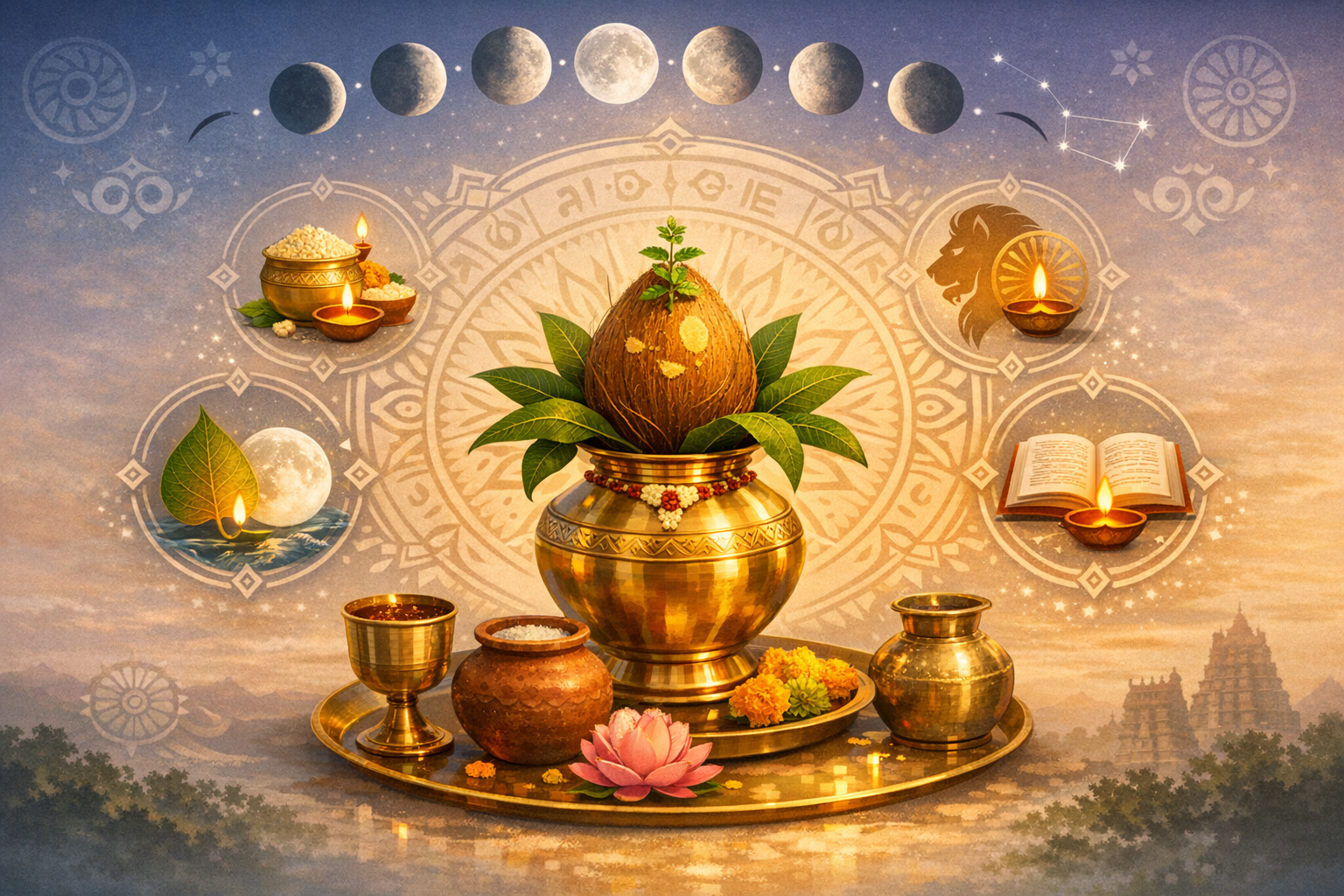
Vaishakha Masam 2026 (Madhava Masam) in the Telugu calendar runs from April 18 to May 16 and is revered for its focus on snana, dana, and japa. The month is dedicated to Lord Vishnu and features seminal observances such as Akshaya Tritiya, Narasimha Jayanti, and Vaishakha Purnima. Akshaya Tritiya emphasizes enduring merit and charitable service,…
-
Unveiling the Golden Glow of Temple Bronzes: Sacred Metallurgy and Living Rituals Explained
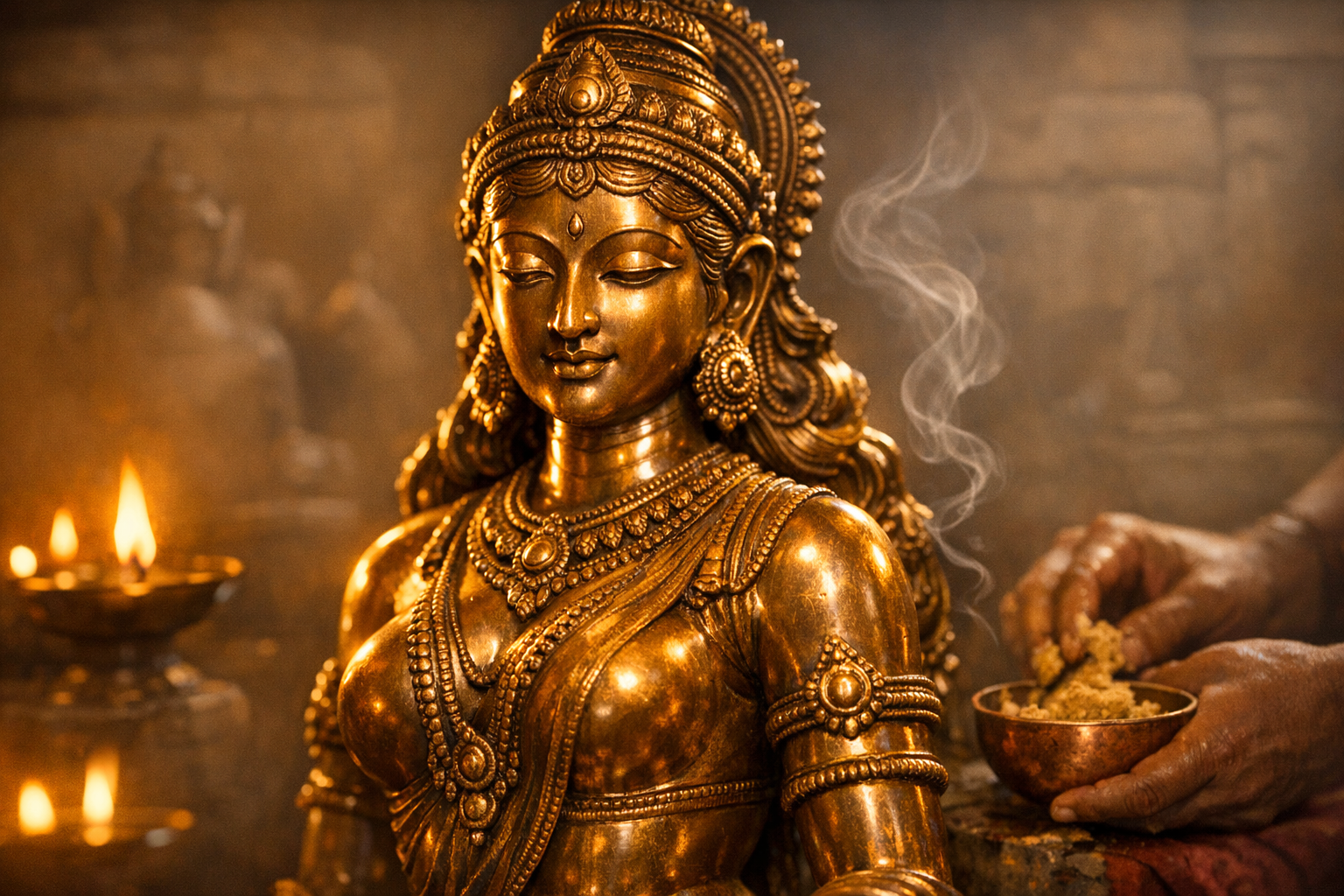
Temple bronzes often appear golden, yet their radiance rarely comes from gold. Instead, copper-rich alloysbronze or brassare cast using the lost-wax method, finished to high smoothness, and then refined by centuries of ritual. Abhishekam cycles, lamp soot, incense resins, sandalwood paste, and gentle wiping together thin oxides, add hydrophobic films, and produce a warm, stable…
-
Beyond Material Perception: Dharmic Wisdom to End the Cycle of Hoping Against Hope
Many public ideologies look different yet fail for the same reason: they rely on sensory empiricism while ignoring ethical and spiritual knowledge. This article clarifies how the ‘Daiva’ wayunderstood across Hinduism, Buddhism, Jainism, and Sikhismreintroduces moral causality and higher purpose, transforming short-lived enthusiasm into resilient, reality-based hope. Drawing on pramāṇa theory, the Bhagavad Gita’s analysis…
-
When Darkness Becomes Light: Dharmic Perspectives for Clarity, Compassion, and Unity

This essay unpacks the metaphor “Darkness from one side is light from the other side” through Hindu philosophy and its sister Dharmic traditionsBuddhism, Jainism, and Sikhism. Drawing on the Upanishads, the Bhagavad Gita, Advaita Vedanta, Nyaya, Samkhya, and Yoga, it explains why perspectives diverge and how disciplined methods convert contradiction into clarity. Jain Anekantavada and…
-
Inside Yuddha Dharma: How Hindu War Ethics Contrast Kutayuddha, Asura Vijaya, and Jihad
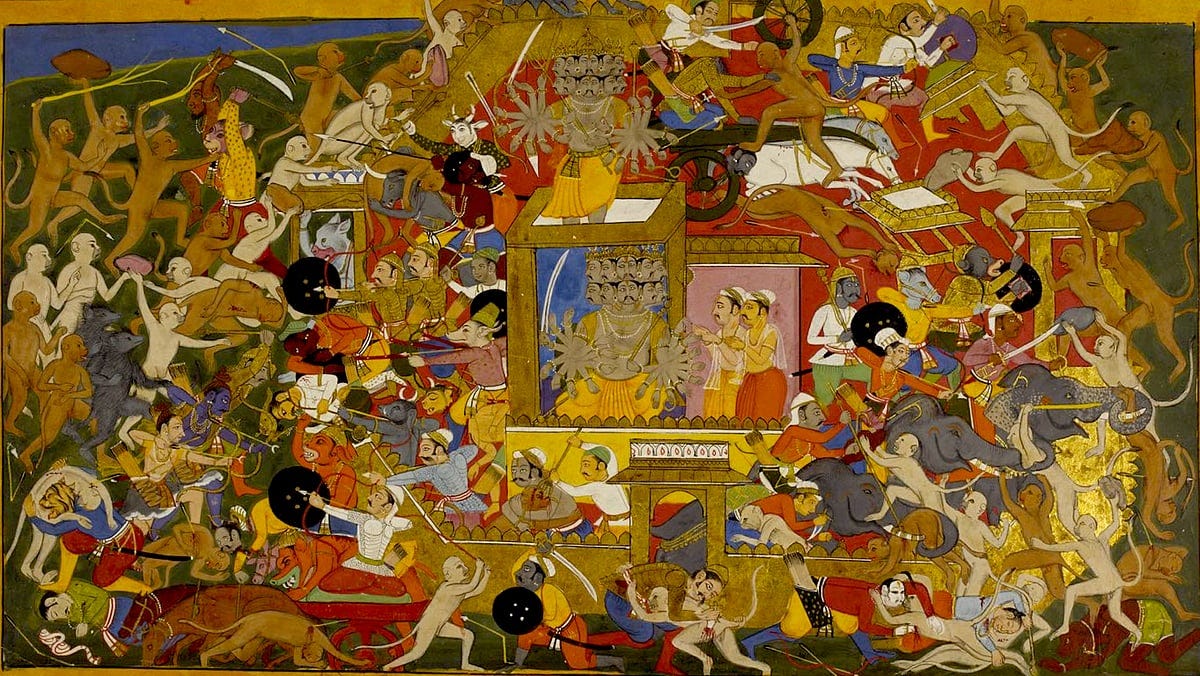
This long-form analysis explores Yuddha Dharmathe Indic ethics of warthrough the lens of Kutayuddha, Dharma-Yuddha, and Asura Vijaya, drawing on the Atharva-Veda, the Arthasastra, and epic literature. It explains how Kutayuddha functions as the negation of Sanatana war ethics by permitting perfidy, poisoned weapons, and harm to non-combatants. The essay clarifies Kautilya’s pragmatic reciprocity when…
-
When Agastya Drank the Ocean: The Cosmic Reset Behind Bhagiratha’s Ganga Avatara

This long-form exploration situates the startling image of Sage Agastya drinking the ocean within the Vedic–Puranic principle of rta (cosmic order) and reads it as the hidden prologue to Bhagiratha’s Ganga avatara. Drawing on references across the Ramayana, the Mahabharata, and Puranas such as the Skanda Purana, it explains how yogic containment (Agastya) and compassionate…
-
High-Stakes West Bengal 2026: BJP’s Hindutva–Bengali Identity Pitch vs TMC Corruption Overhang

West Bengal’s 2026 Assembly election is coalescing around two powerful narratives: the BJP’s fusion of Hindutva with a confident Bengali identity and the TMC’s defence of expansive welfare amid a corruption overhang. This long-form analysis explains how a polarised minority vote, border-state security anxieties, and women-centric welfare will shape margins. It maps the state’s decisive…
-
Radically Honest with Krishna: Vraja Vihari Prabhu on Real Bhakti, Courage, and Healing

This reflection distills Vraja Vihari Prabhu’s central insight: spiritual life flourishes through a truthful relationship with Krishna rather than perfectionism. It explains why divine omniscience makes honesty safe, not risky, and anchors the point in Bhagavad Gita and Bhakti Tradition teachings. It outlines how candid disclosure during japa, kirtan, and evening reflection reduces inner resistance…
-
The Eloquence of Silence: Sant Kabir’s Science of Inner Stillness and Dharmic Unity

This essay examines Sant Kabir’s teaching that inner stillness is the highest eloquence, situating his insight within the shared dharmic heritage of Hinduism, Buddhism, Jainism, Sikhism, and Sufism. It explains how silence functions not as withdrawal but as a precise method for clarifying perception, aligning ethics, and deepening compassion. Readers learn a stepwise contemplative progressionfrom…
-
Shaheedi of Guru Tegh Bahadur: 350 Years of Courage that Secured Freedom of Conscience
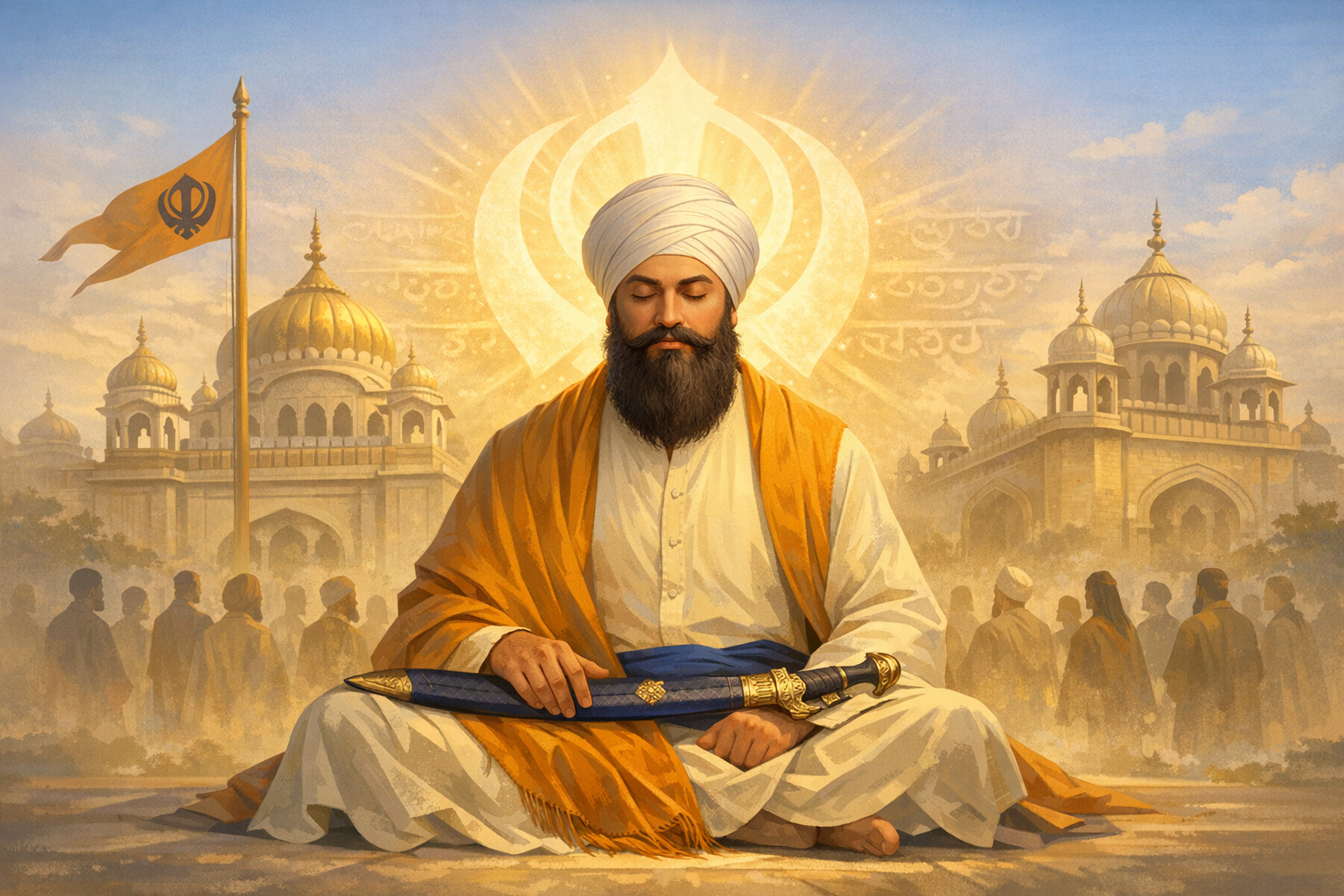
This long-form essay marks 350 years since the Shaheedi of Guru Tegh Bahadur Sahib Ji and examines the event’s historical context, ethical significance, and enduring legacy. It synthesizes Sikh, Persian, and European accounts while noting interpretive variations to present a rigorous, balanced narrative. Readers gain a concise timeline, a survey of key sites of memory…
-
Śrīmad-Bhāgavatam 4.4.29–35: Dakṣa’s Pride Unveiled and Practical Lessons in Humility
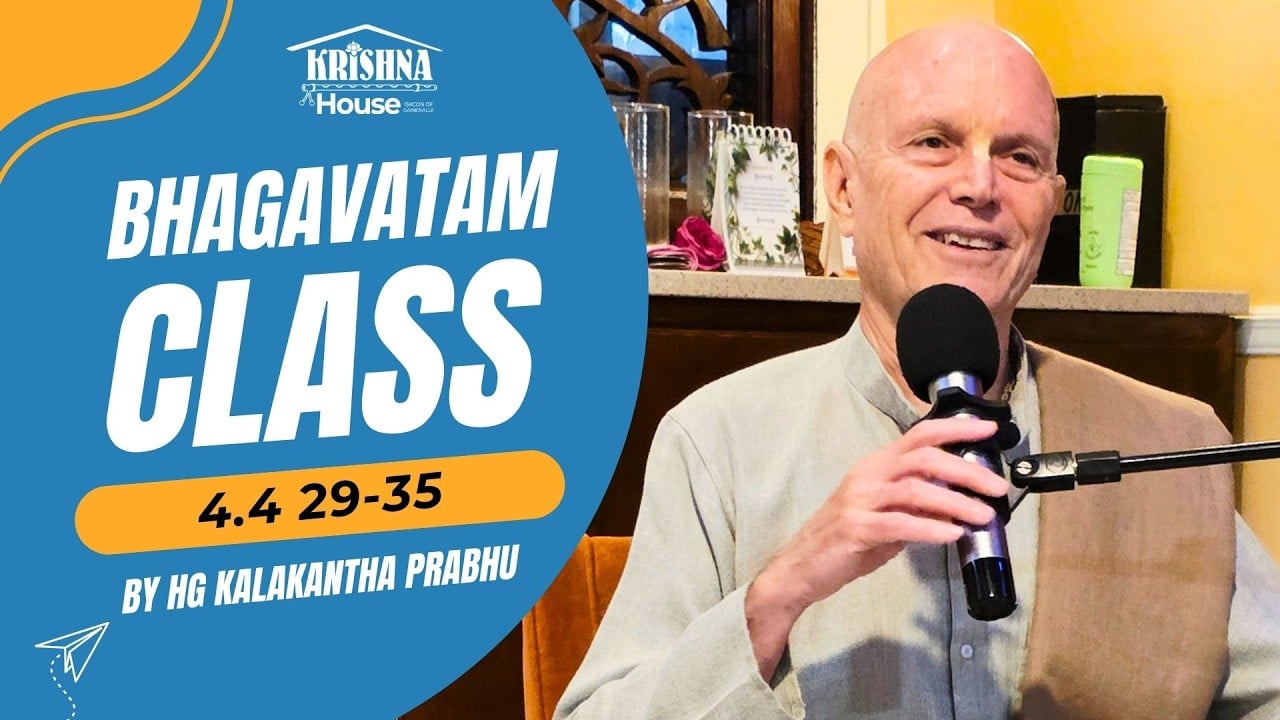
Śrīmad-Bhāgavatam 4.4.29–35 provides a rigorous ethical and spiritual analysis of Dakṣa’s conduct, showing how pride and ego distort judgment at the very heart of sacred duty. The passage underscores that neglect of basic respect and hospitality is not a minor lapse but a systemic failure that corrodes communal harmony. Verse 29 in particular crystallizes the…
-
Repakula Subbamma Thota Utsavam 2026: Sacred Garden Procession of Sita–Rama in Tirupati

Repakula Subbamma Thota Utsavam in Tirupati, observed on Saturday, 4 April 2026, brought the Utsava Murthis of Sri Sita, Sri Rama, and Lakshmana into a sanctified garden setting for darshan and ritual celebration. Beginning at 9:30 AM, the procession integrated Veda parayanam, Nadaswaram, and community bhajans, exemplifying how sacred movement extends grace beyond the sanctum.…
-
Knower of the Field: Cutting-Edge Insights into Consciousness, Experience, and Dharmic Unity

This essay examines consciousness through the Bhagavad-Gita’s kshetra–kshetrajna lens and connects it with current neuroscience and philosophy of mind. It clarifies arousal versus awareness, reviews global neuronal workspace and integrated information theory, and explains how predictive and recurrent processing shape experience. Drawing on cell biology, it traces how neuronal excitability, glial modulation, and plasticity ground…
-
Resisting the Dream‑Big Mandate: The Liberating Dharma, Joy, and Science of Wanting Less

This essay interrogates the cultural pressure to “dream big” and shows, with research and Dharmic insight, why wanting less can enhance well-being. It traces how social comparison and positional goods narrow youthful aspirations into a single script centered on status and income. Drawing on hedonic adaptation and self-determination theory, it explains why material gains often…
-
Brahma, Vishnu, and the Birth of Ego: A Powerful Hindu Lesson on Humility and Creation

This long-form analysis situates the well-known Purvakalpa scene of Brahma and Vishnu within Hindu cosmology to show how the birth of ego (ahamkara) emerges at the threshold of creation. It interprets the narrative through Samkhya’s technical cascadeprakriti, mahat, and ahamkaraclarifying why humility must precede and accompany creative agency. The discussion aligns the Vishnu-centered account with…
-
Forged in Faith: Weaponry in the Dasam Granth SahibHistory, Shastra-Vidya, and Symbolic Power

Weaponry in the Dasam Granth Sahib is presented as a disciplined convergence of steel and spirit, where shastra-vidya is sanctified by ethics and devotion. Set in the historical crucible of the Khalsa’s formation, these hymns catalog armsfrom khanda and kirpan to chakkar, banduq, and topwhile binding their use to Dharma-Yuddha principles. The text’s poetic multilingualism…
-
From Second Avenue to a Global Ethos: Śrīla Prabhupāda’s 1966 Peace Formula for Dharmic Unity

In late 1966, Śrīla Prabhupāda’s mimeographed “Peace Formula,” distributed from a small storefront temple on New York’s Second Avenue, offered a concise, scripturally grounded response to war and polarization. Anchored in Bhagavad-gita 5.29, it articulates a three-part ethicstewardship, service-centered leadership, and universal goodwillthat remains applicable in civic life, public policy, and community practice. The analysis…
-
SAB KE APNE RAM (SKAR) 4K: ISKCON Chowpatty’s Soul-Stirring Ramayana of Bhakti and Dharma
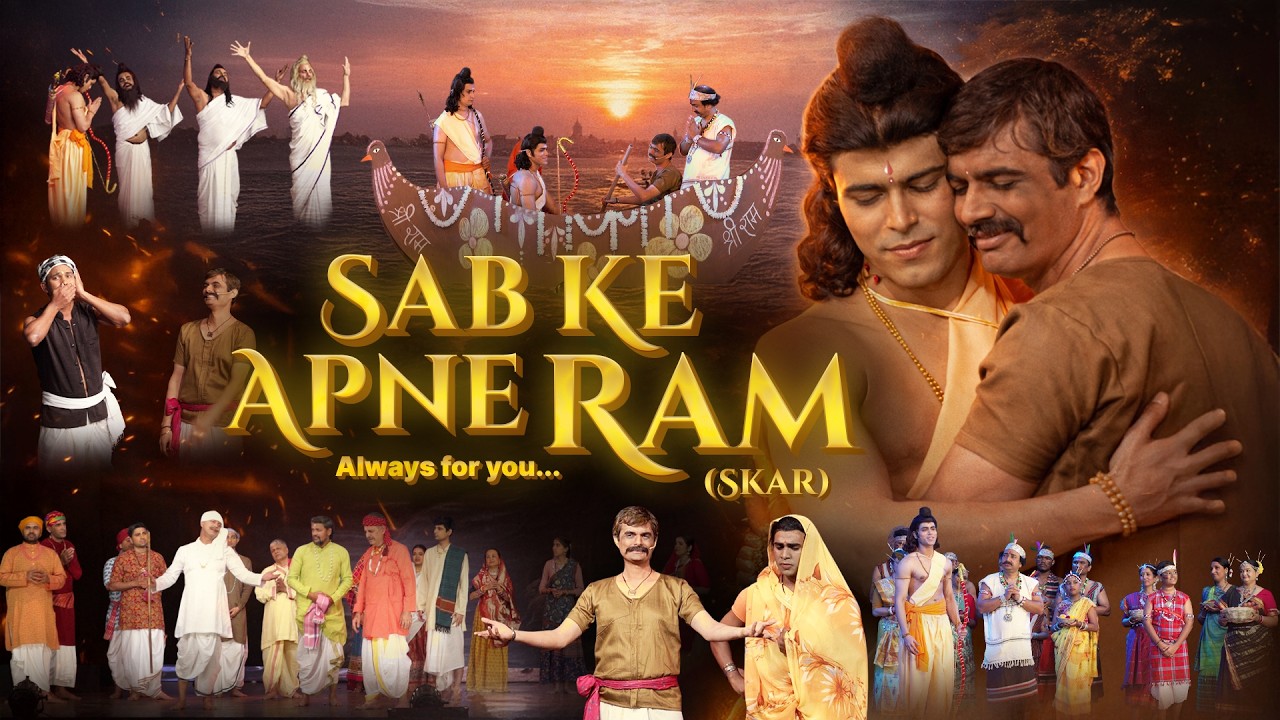
SAB KE APNE RAM (SKAR) at ISKCON Chowpatty delivers a 4K Ramayana drama that unifies devotion, ethics, and scholarship into an accessible cultural experience. The production frames Ram as Ideal King, Loving Friend, Goal of Sages, and Beloved of Devotees, translating Sanatana Dharma into relatable stagecraft. The Kevat episode becomes a living lesson in humility,…