
-
Varuna in the Vedas: Majestic Sovereign of rta, Waters, and Nature’s Vital Powers

Varuna, among the oldest deities in the Rigveda, stands as sovereign of rta (cosmic order), guardian of the waters, and witness to truth. The Vedic hymns credit him with distributing nature’s vital powersstrength in horses, milk in cows, vitality in the heart, and even fire concealed within the watersexpressing a grand ecology of interdependence. His…
-
The Transformative Science of Kirtan and Abhishek: Glories of Lord Gauranga at ISV

ISKCON of Silicon Valley’s 2026-03-02 gathering integrated kirtan, abhishek, and narrations of Lord Gauranga’s glories under the guidance of H.G. Vaisesika Dasa. The program illustrated how attentive hearing and chanting serve as the core of bhakti-yoga, balancing theology with lived practice. Technical details of the pañcāmṛta abhiṣeka, mantra recitation, and liturgical sequencing illuminated the symbolic…
-
Warkari Sampraday Urges Ban on Marathi Play ‘Iththala’ to Safeguard Reverence for Bhakti

The Warkari Sampraday of Lanja has petitioned the Chief Minister to ban the Marathi play ‘Iththala’ (‘Ithala’), alleging mockery of devotion. This analysis explains the Warkari Bhakti Tradition and why portrayals perceived as derisive can distress communities in Maharashtra. It outlines the constitutional balance between free expression (Article 19(1)(a)) and reasonable restrictions (Article 19(2)), and…
-
NHRC steps in on Ujani Dam crisis: notices issued as manganese spikes 51x over limits

The National Human Rights Commission has issued notices to Maharashtra authorities after a Surajya Abhiyan complaint flagged manganese levels reportedly 51 times above permissible limits in the Ujani Dam, Solapur. This intervention recognizes safe water as a human right and prioritizes urgent verification, risk assessment, and remediation. The analysis explains how manganese becomes elevated in…
-
Guardians at the Village Edge: Ayyanar’s Terracotta HorsesHistory, Ritual, Symbolism
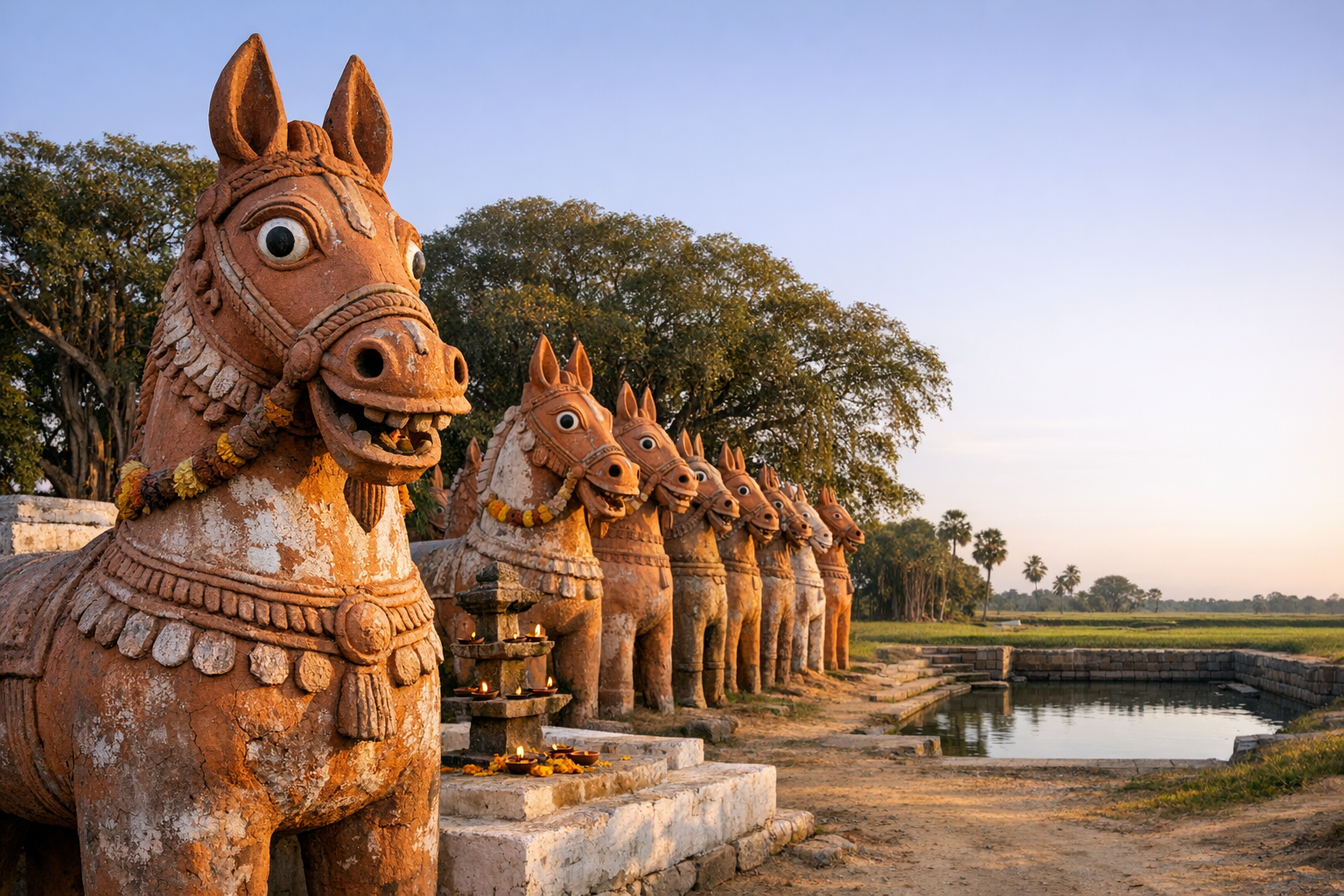
Across rural Tamil Nadu, monumental terracotta horses stand guard as votive offerings to Ayyanar, the village boundary-keeper whose protection encircles fields, groves, and water. This long-form, research-driven overview explains the history, iconography, and ritual ecology of Ayyanar worship, showing how art, craft, and community cohere into a living heritage system. Readers will learn how Velar/Kuyavar…
-
The School of Life: Insights from HH Svayam Bhagavan Keshava Maharaja’s Marathon Podcast (Dec 2025)

In December 2025, HH Svayam Bhagavan Keshava Maharaja’s Marathon Podcast, The School of Life, presented a disciplined framework for living as a spiritual education. The approach integrates puruṣārthas with yogic psychology, translating Vedic philosophy and the Upanishads into daily, reproducible practices. Bhakti, karma yoga, jñāna, and dhyāna are balanced with ethics like satya, ahiṁsā, and…
-
Vishkanya in Hindu Temples: Unmasking the Haunting Symbolism, Statecraft, and Ethics
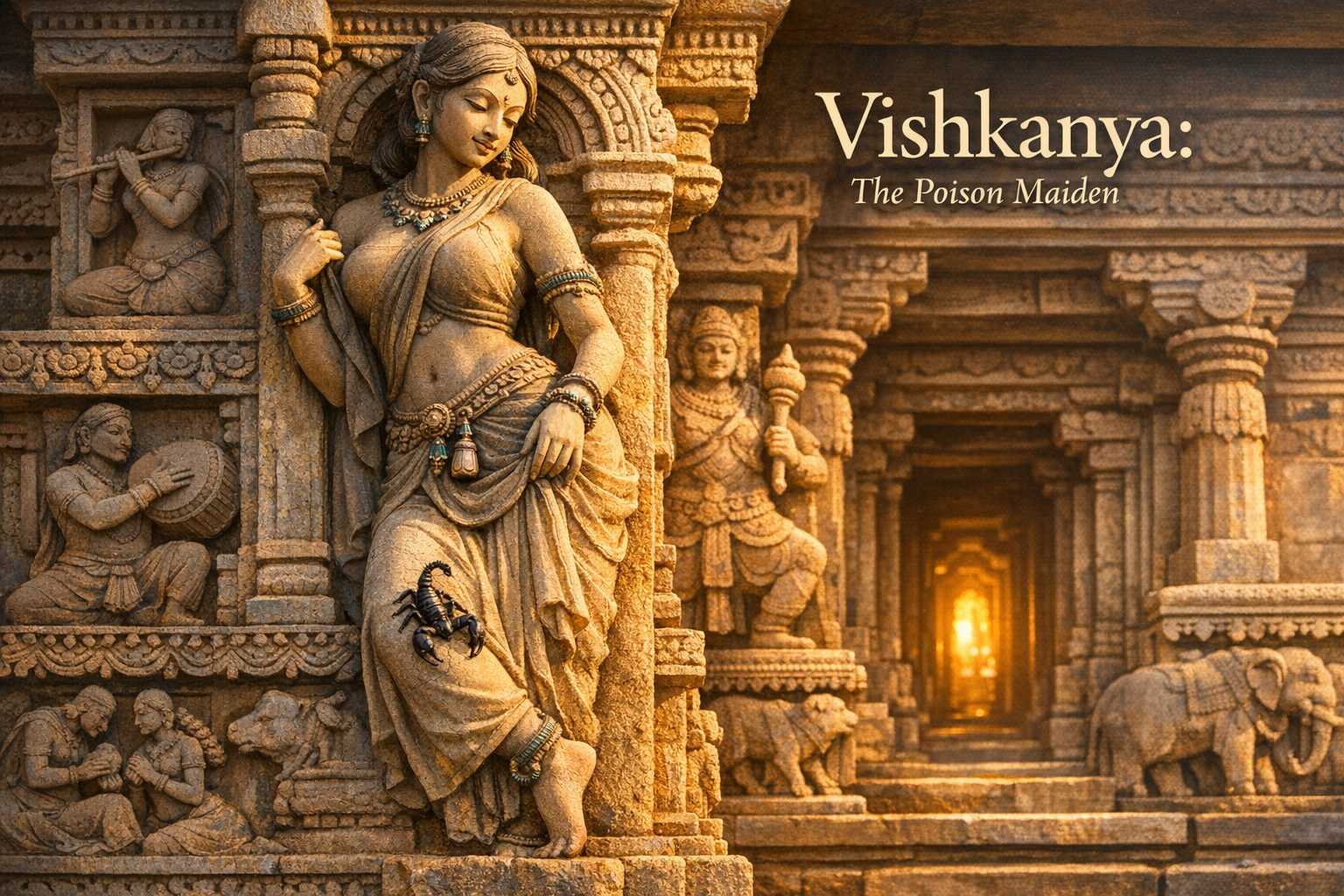
The Vishkanya (Vishakanyaka), or “poison maiden,” is one of the most intriguing and misunderstood figures in Hindu temple iconography. This long-form analysis situates the motif within Arthaśāstra-inspired statecraft, narrative literature like Mudrārākṣasa, and the premodern study of toxicology (agada-tantra). It explains how specific sculptural cuessuch as a scorpion on the thigh or serpent ornamentstransform a…
-
Darwin and the Vedas: Reconciling Evolution with Dharmic Wisdom for a Unified Path

This article examines how Darwinian evolution and dharmic wisdom can enrich each other without conflation. It maps three major differencesteleology, consciousness, and ethicsshowing why evolution’s non-teleological mechanisms complement rather than contradict dharmic metaphysics. It highlights ancient Indian reflections on change (Sāṃkhya, Nyāya–Vaiśeṣika, Ayurveda, Purāṇic cosmology), alongside Buddhist dependent origination, Jain classifications of life, and Sikh…
-
Decoding the Charchika Mudra: Chamunda’s Fearless Iconography and the Science of Inner Purification
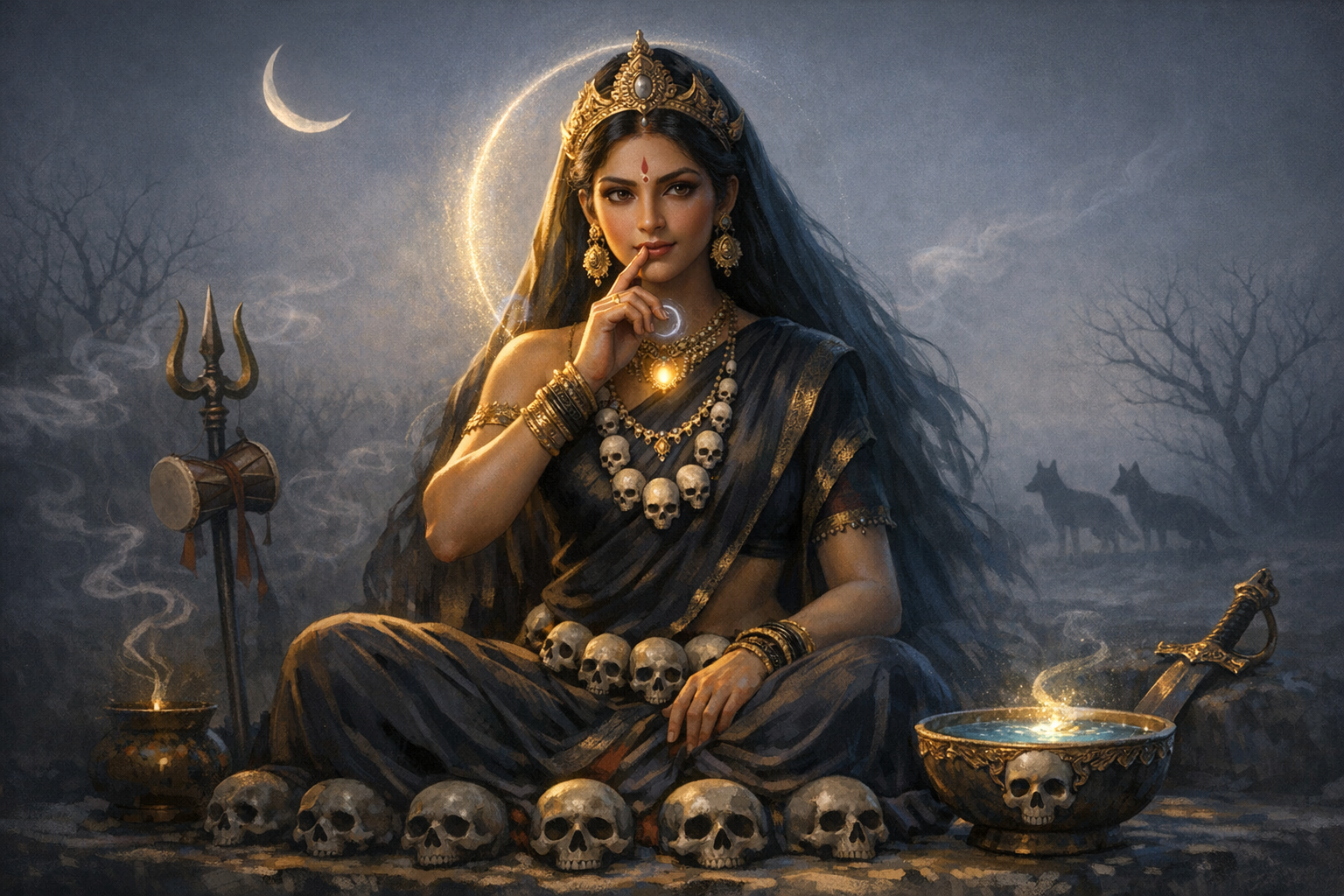
The Charchika MudraChamunda cleaning her teeth with the left little fingercondenses a complete Shakta theology of protection and purification into one subtle gesture. Read against the Devi Mahatmyam and Shakta iconography, it signifies post-conflict cleansing, non-attachment to the taste of violence, and disciplined speech and appetite. Jackals, cremation ground, and skull garlands frame a fearless…
-
February 27, 2026 Panchang: Auspicious Shukla Paksha Ekadashi Timing, Rituals, Nakshatra & Rashi

Friday, February 27, 2026 marks Shukla Paksha Ekadashi in most Indian regions, beginning at 12:06 AM IST and prevailing at sunrisemaking it the principal day for Ekadashi vrata. Commonly known as Amalaki Ekadashi, the observance emphasizes sattva, Tulasi and āmalakī offerings, and Vishnu-centered worship. The post explains how tithi is computed in the Panchang, why…
-
Sacred Damanak Chaturdashi 2026 at Puri Jagannath: Date, Dayana Rituals, Meaning, Travel Tips

Damanak Chaturdashi 2026, dedicated to Lord Jagannath, falls on Wednesday, April 1 (Chaitra Shukla Paksha Chaturdashi) and is marked at Puri Srimandir by distinctive offerings of Dayana (Damanaka) leaves. The festival’s focus on Artemisia indica integrates ritual aesthetics with botanical and Ayurvedic wisdom, symbolizing protection, clarity, and seasonal renewal. Temple lore preserves a symbolic ‘forcible…
-
Safeguarding the Shankaracharya Parampara: Ex-CBI Chief Seeks Unity, Dignity, and Dialogue

A widely discussed letter by former CBI Director M. Nageswara Rao urges the Shankaracharyas of Puri, Sringeri, and Dwarka to help resolve a row over the alleged humiliation of the Jyotirmath Shankaracharya. This analysis explains why the Shankaracharya Parampara is pivotal to Hindu Tradition and Culture and outlines how amnaya peethas and temple administrations can…
-
Samastipur Hindu Rashtra-Jagruti: Urgent call for dharmic unity amid demographic change
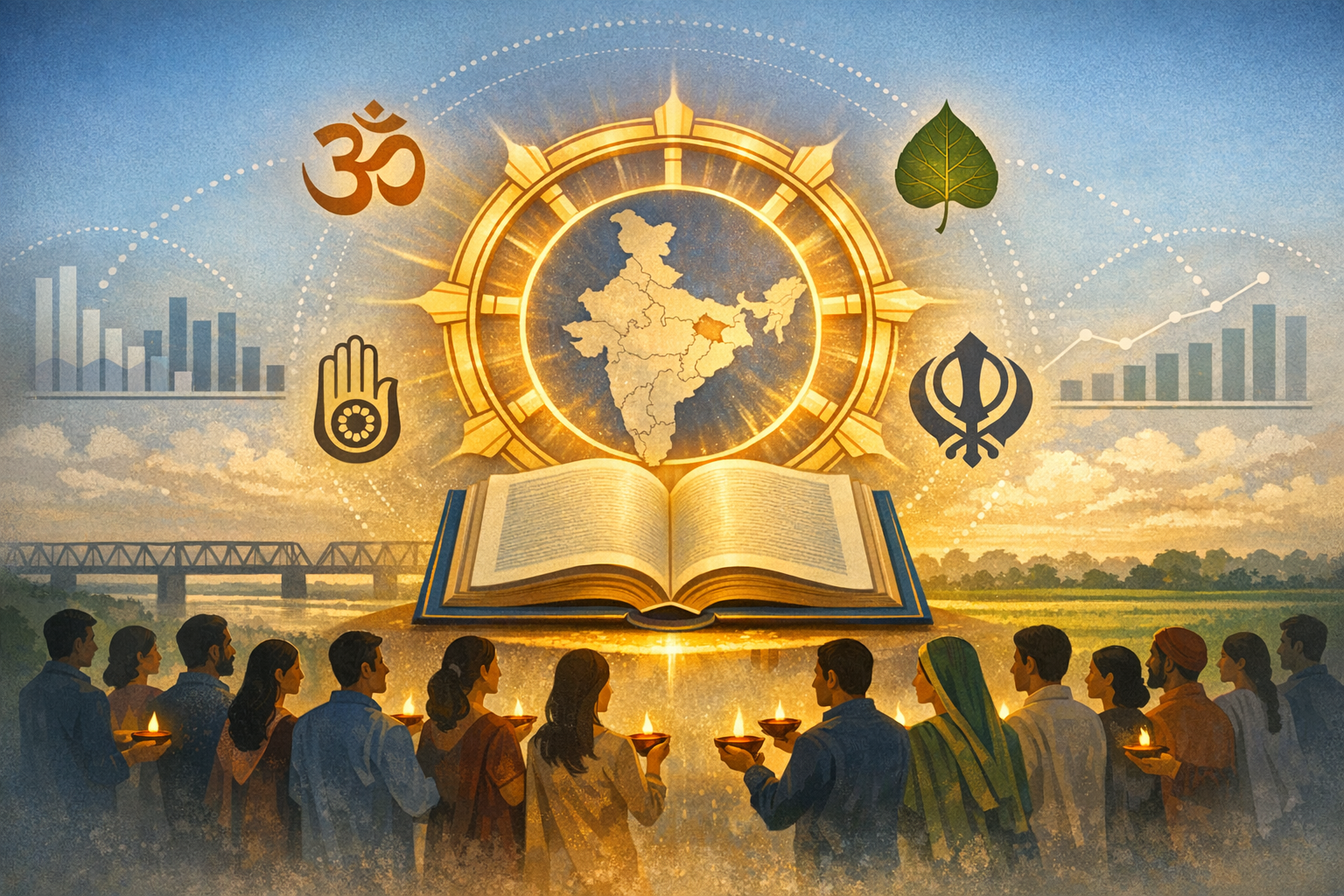
A Hindu Rashtra-Jagruti Vyakhyan in Samastipur, Bihar, examined demographic shiftspopulation trends, migration, and conversionthrough a constitutional and dharmic lens. The discussion, led by Sadguru Nilesh Singbal (HJS), framed “Hindu Rashtra” as a values-centered civilizational ethos aligned with pluralism and the rule of law, not a theocracy. Readers gain a data-anchored overview of India’s religious composition…
-
Herath 2026 Explained: Kashmiri Pandits’ Shivaratri on TrayodashiDate, Rituals, Significance

Herath is the Kashmiri Pandit observance of Maha Shivaratri, celebrated on Trayodashi rather than Chaturdashi. In 2026, Herath falls on 15 February, following the traditional Kashmiri rule that centers the observance on the tithi active during Nishita Kaal (the sanctified midnight). The festival’s heart is the Vatuk Puja to Vatuk Bhairav, Shiva, and Pārvatī, with…
-
Arthavada in Mimamsa: Unlocking the Purposeful Praise That Animates Vedic Ritual

Arthavada, the eulogistic and explanatory stratum of Vedic discourse in Mimamsa, explains why rites matter and how their value should be understood. It complements injunctions and prohibitions by providing praise, censure, and narrative that motivate precise action and steady restraint. Distinguishing Arthavada from mantra and namadheya clarifies the complete architecture of Vedic literature: what to…
-
Buddhi Yoga Explained: Master Inner Calm and Outer Action through Discernment and Equanimity

Buddhi Yoga refines the discriminative intellect (viveka) to harmonize inner awareness and outer action. Rooted in the Bhagavad Gita, it cultivates equanimity“samatvam yoga ucyate”and translates insight into capable, compassionate deeds“yogaḥ karmasu kauśalam.” Through meditation, breathwork, pratyāhāra, and svādhyāya, practitioners build clarity, emotional resilience, and ethical grounding. Common experiences include responding to conflict with calm poise…
-
Ahilyanagar Valentine’s ‘Coffee Rave’ Cancelled: Protests Spotlight Culture, Safety, Harmony

A planned Valentine’s Day “Coffee Rave Party” in Ahilyanagar was cancelled after Hindu organisations submitted a joint memorandum to district authorities, flagging cultural sensitivities and law-and-order risks. The decision highlights how public festivities intersect with local norms and administrative responsibility. By appealing through due process, petitioners framed the issue around safety, licensing, and youth welfare…
-
When Srila Prabhupada Mastered a Dictaphone: Shattering Assumptions About Tradition and Tech
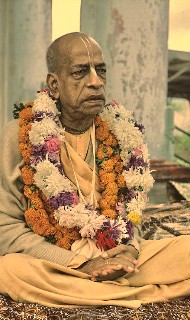
A brief, vivid episode with a Dictaphone reveals Srila Prabhupada’s calm mastery of electronics, overturning the common assumption that spiritual leaders resist modern tools. Recounted by Gargamuni Das, the scene demonstrates discernment, adaptability, and confidence in service of the Hare Krishna movement’s mission. Readers gain a practical model for integrating technology without compromising spiritual purpose.…
-
Resounding Call for Dharmic Unity: VHP’s Hindu Sangam in Karnataka Spurs Weekly Satsang

VHP’s ‘Hindu Sangam’ events across Karnataka issued a strong, practical call for weekly community gatherings to strengthen unity and social resilience. Guided by HJS State Coordinator Shri. Guruprasad Gowda, the emphasis on Dharmacharan framed Dharma as lived practice in daily ethics, seva, and intergenerational learning. Attendees observed that regular satsangs and study circles improve community…
-
Vishnupathi Punyakalam on 13 February 2026: Auspicious Timings, Meaning, and Devotional Guidance
Vishnupathi Punyakalam occurs on 13 February 2026, with the auspicious muhurta from 01:30 to 10:30 IST. Rooted in the Sun’s transit and aligned with Kumbha Sankranti, this sacred window is ideal for Lord Vishnu worship, mantra-japa, and charitable acts. Families can observe at home or in temples through simple practices like Vishnu Sahasranama recitation, tulasi…