
-
Kerala’s Demographic Crossroads: Natural Growth Turns Negative for Hindus and Christians

Kerala has reached a late-transition demographic milestone: among Hindus and Christians, deaths now outnumber births, a predictable outcome of low fertility, longer lives, and older age structures rather than any abrupt social decline. The analysis explains natural growth, unpacks how age composition and migration shape crude rates, and highlights that Muslims remain younger on average…
-
Betageri Krishna Sharma (Anandakanda): Editor, Educator, and Architect of Kannada Sahitya’s Legacy
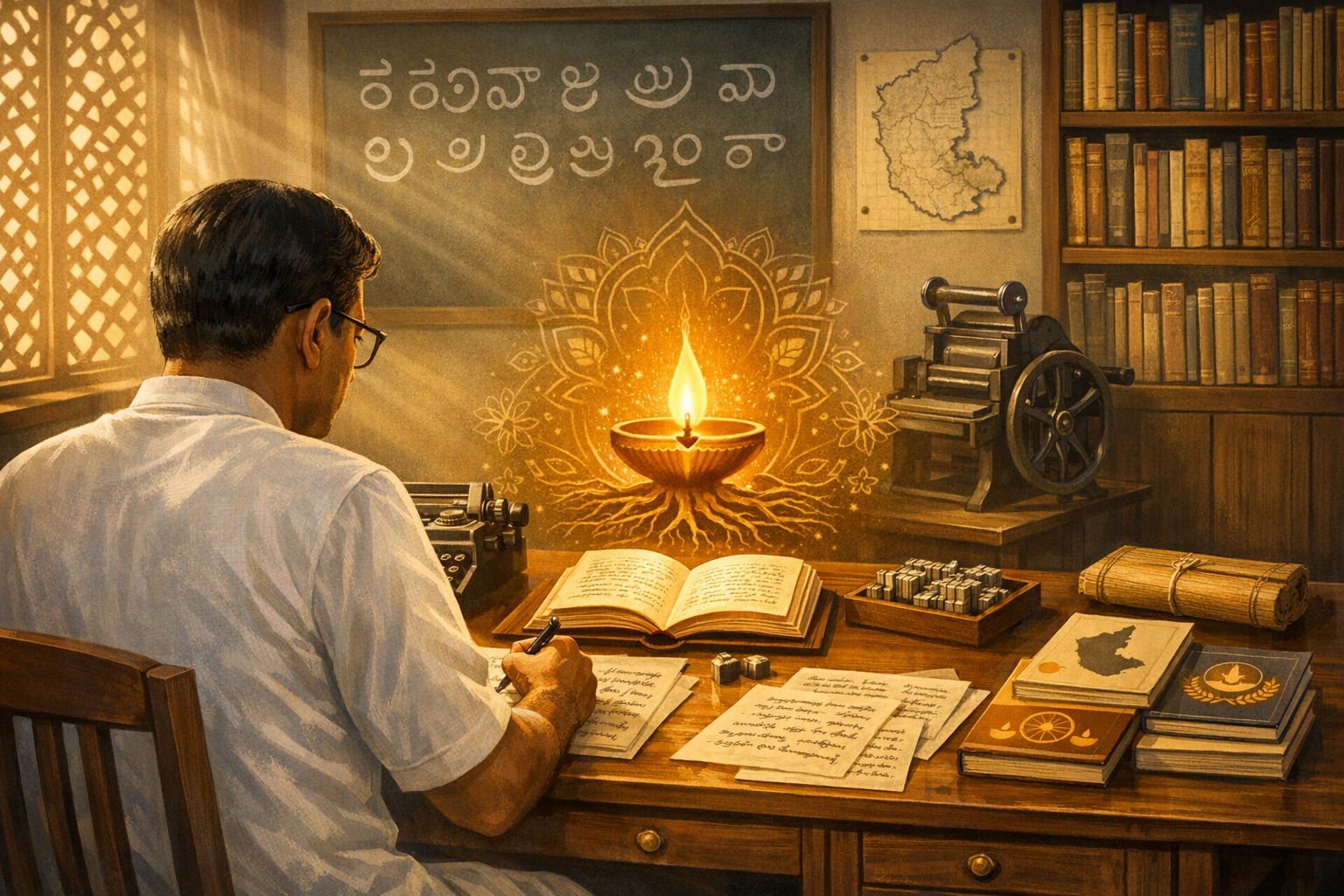
Betageri Krishna Sharma (1900–1982), known as Anandakanda, bridged classroom and newsroom to help shape twentieth-century Kannada Sahitya. As editor of Matru Bhumi and Svadharma and founder of Jayanti, he advanced a rigorous yet accessible print culture that nurtured new writers and informed readers. The analysis situates his biography in the context of Kannada’s Navodaya-era transformation,…
-
Facing Time’s Truth: A Research‑Backed Guide to Intentional Living, Courage, and Meaning

This research-backed guide distills a difficult truth: time is finite and later is not guaranteed. Drawing on behavioral science and dharmic wisdom from Hinduism, Buddhism, Jainism, and Sikhism, it outlines a practical system for intentional living under conditions of uncertainty. The four-step Life ListReflective Audit, Who Check-in, Tiny Brave Thing, and Loving Accountabilitytranslates values into…
-
From Kirtan to Chapatis: The Irresistible Rise and Legacy of Krishna Lunch on Campus
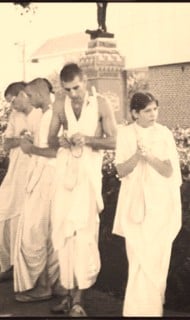
Krishna Lunch began as a daily campus program that joined kirtan, a concise talk on bhakti, and prasadam into a reliable ritual of welcome. Trained by Srila Prabhupada, Gargamuni standardized simple, flavorful methods so that quality and warmth were reproducible at scale. Eyewitnesses recall the chaunce of the dahl sending aromas through the neighborhood and…
-
The Golden Deer in Ramayana: Destiny, Dharma, and the Perils of Illusion Unveiled

The Golden Deer episode in the Ramayana is a precise study in destiny, duty, and perception, showing how beauty can mask deception and how dharma reasserts itself through tested choices. Grounded in Valmiki’s Aranya Kanda and enriched by later Rama-kathas, the narrative functions as a catalyst that transforms exile into righteous struggle. A symbolic reading…
-
Sri Radha’s Tears and the Science of Bhakti Rasa: A Gaudiya Guide to Ecstatic Love
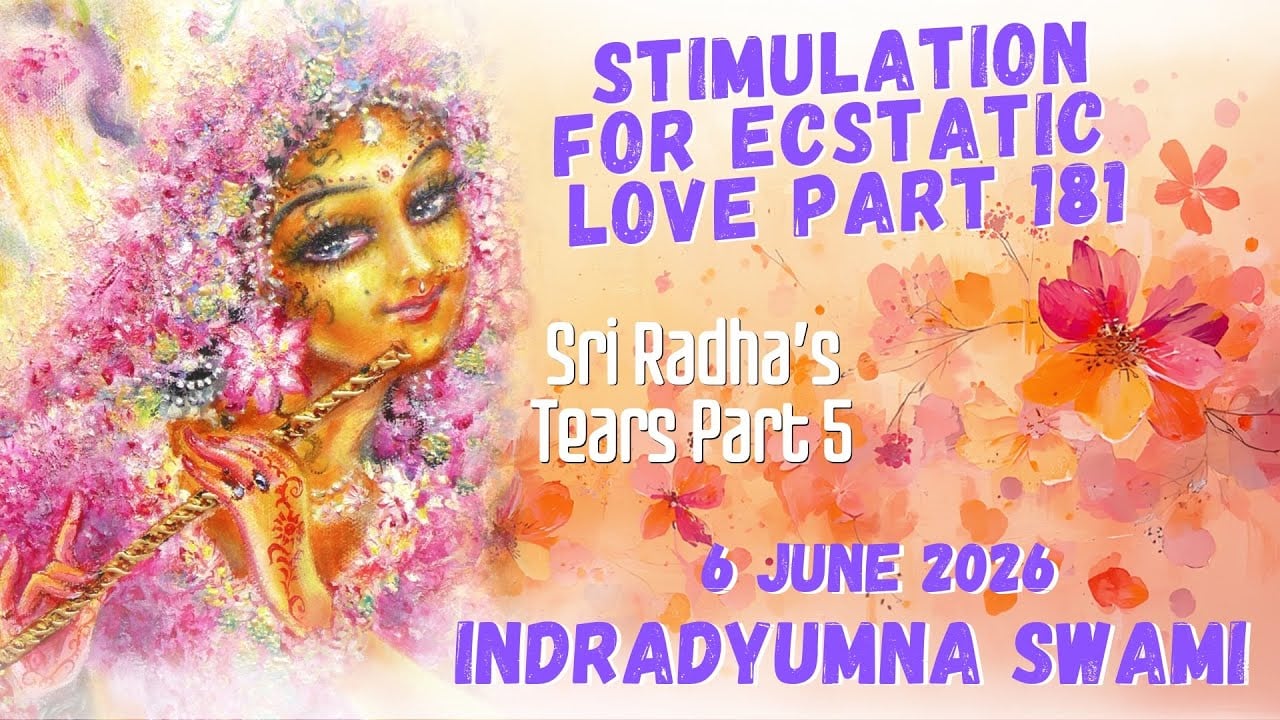
The theme of “Sri Radha’s Tears” in the Gaudiya Vaishnava tradition is not poetic excess but a carefully mapped feature of bhakti-rasa, where tears (aśru) belong to the eight sāttvika-bhāvas recognized by Rūpa Gosvāmi. This article explains how uddīpana (devotional stimulants), anubhāva (expressions), vyabhicārī-bhāva (transitory states), and the sthāyī-bhāva (enduring love) synthesize into tasted devotion…
-
Unveiling the Golden Wisdom of Sri Sadasiva Brahmendra: Advaita Quotes, Music, and Practice
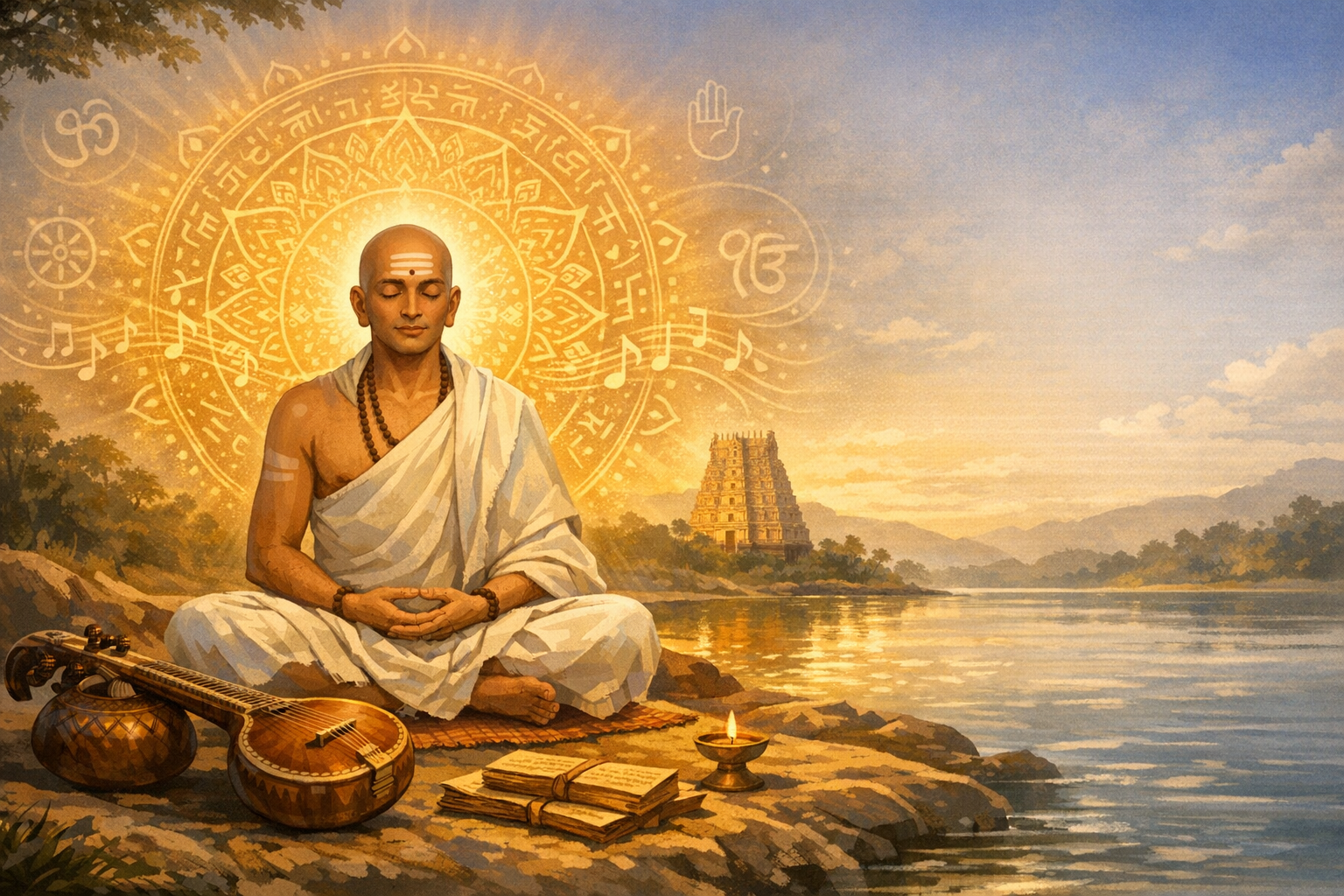
Sri Sadasiva Brahmendra, the 18th‑century Advaita sage of Tiruvisainallur near Kumbakonam, shaped South Asia’s spiritual landscape through luminous Sanskrit kirtanas and incisive nondual teaching. His widely cherished refrains“Sarvam Brahma-mayam,” “Manasa sañcarare Brahmani,” and “Pibare Rāma-rasam”translate Upanishadic insight into accessible, daily practice. Read together, they offer a coherent path: perceive all as Brahman, abide the mind…
-
Samhara Dakshinamurti Unveiled: Tantric Iconography, Fierce Symbolism, and Sacred Meaning
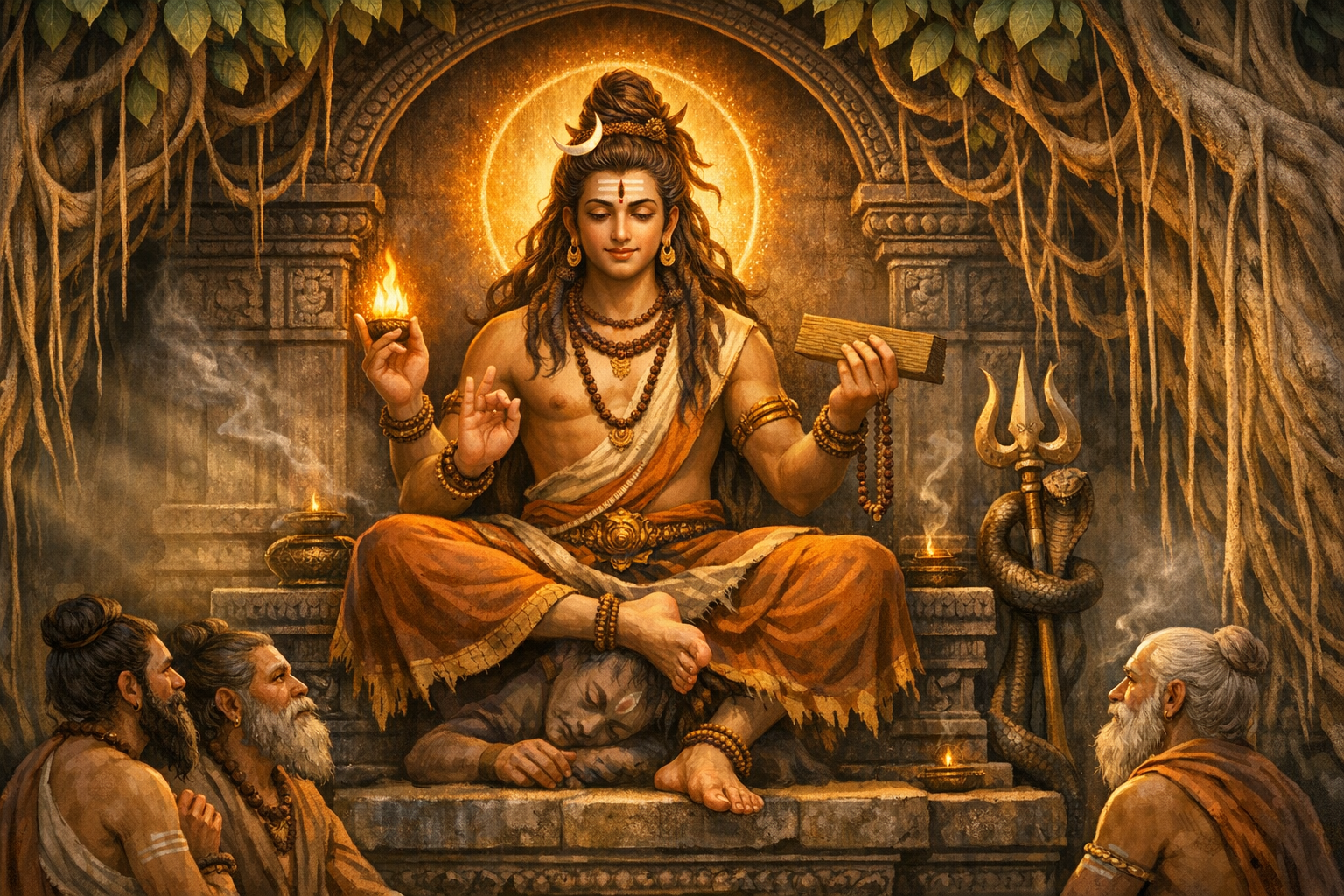
Samhara Dakshinamurti distills Shiva’s role as the silent guru who dissolvesnot destroyswhat obscures knowledge. This long-form, research-driven essay maps the iconography (banyan canopy, Apasmara, mudras, agni) and shows how the Samhara nuance shifts emphasis toward the transformative fire of discernment. It explains how attributes like fire, rosary, and scripture operate as practical metaphors in tantric…
-
From Mayapur Lockdown to Immortal Kirtan: A Powerful Tribute to Agnideva Das

A new release from Mayapur“Merciful to Me (Śrī Kṛṣṇa Chaitanya Prabhu)” by Hari Kirtan Kaufmannpreserves one of the late Agnideva Das’s final collaborative recordings, transforming a lockdown-era session into a powerful devotional tribute. Grounded in Gaudiya Vaishnavism, the piece foregrounds the Pañca-tattva invocation and the participatory core of kirtan. The article examines how careful recording,…
-
Saligao case sparks call: Sakal Hindu Samaj seeks urgent Goa safeguards for child protection

Sakal Hindu Samaj’s call in Goa, prompted by a reported Saligao case involving a minor, has sharpened the focus on how best to protect children from coercion and exploitation while preserving constitutional freedoms. This analysis outlines how existing toolsPOCSO, IPC provisions, the Goa Children’s Act, and the Special Marriage Actalready address core harms when effectively…
-
June 6, 2026 Panchang: From Sashti to SaptamiEssential Shubh Muhurat, Nakshatra & Rashi
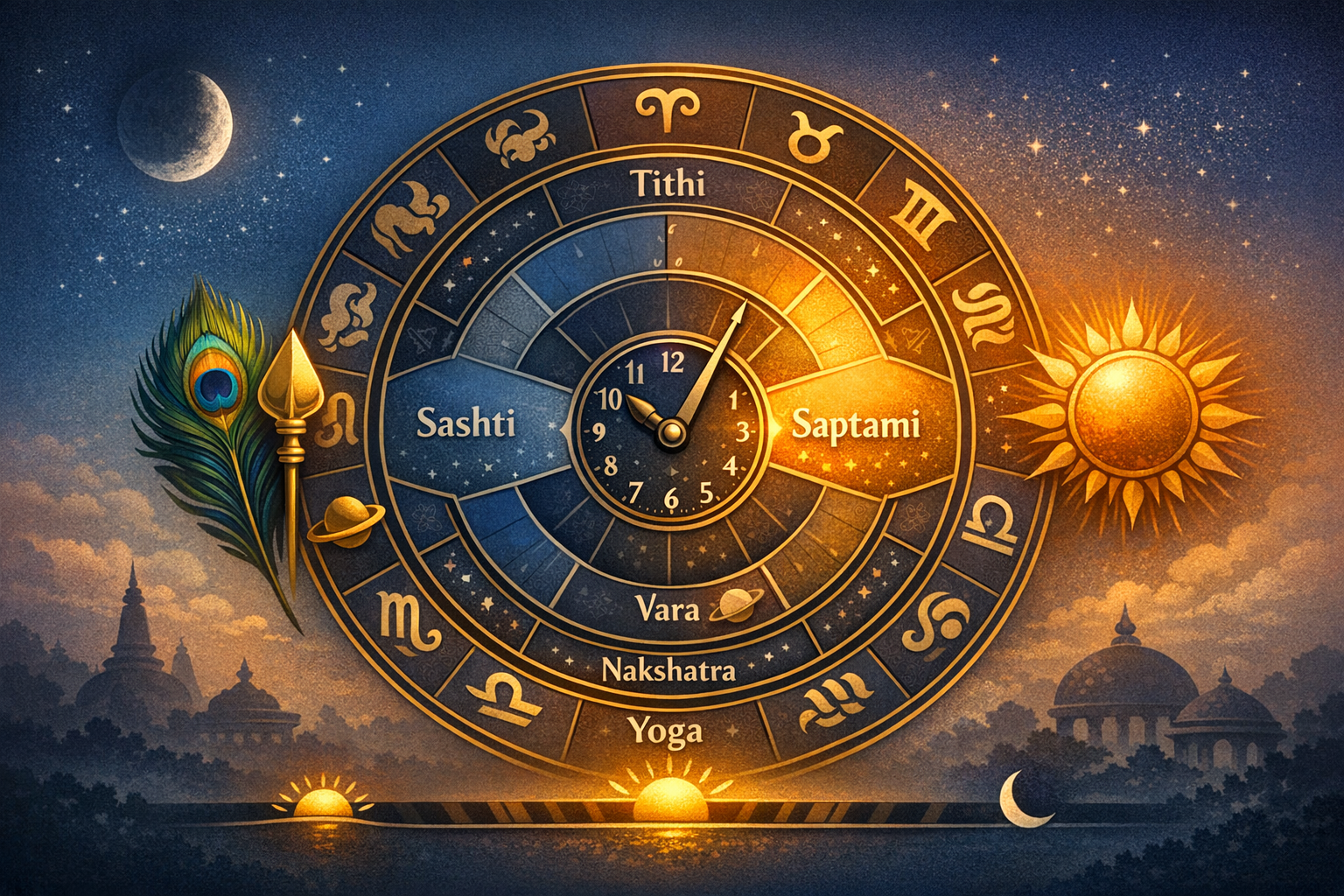
Saturday, June 6, 2026 aligns with Krishna Paksha Sashti until 10:06 PM (IST), followed by Krishna Paksha Saptami. This Panchang-based guide explains how Tithi, Nakshatra, Rashi, Yoga, and Karana jointly inform Shubh Muhurat selection. It clarifies why timings vary by location and sunrise, and how to adjust for time zones. Practical tips highlight Sashti observances…
-
Decoding the Ten Siddhi Devis: Guardians of Mahameru’s Sri Chakra First Avarana

The Mahameru Sri Chakra’s first avaranaTrailokya-mohana, the bhupurahouses the Ten Siddhi Devis who guard the sacred threshold from Anima to Sarvakama. This long-form, research-driven essay decodes their technical meanings, ritual functions in Sri Vidya navavarana puja, and practical correlates in attention, ethics, and resilience. It clarifies variant lineage lists while preserving accuracy, situating siddhi within…
-
Asitanga Bhairava Unveiled: Iconography, Mantras, and the Sacred Power of the Golden Lord
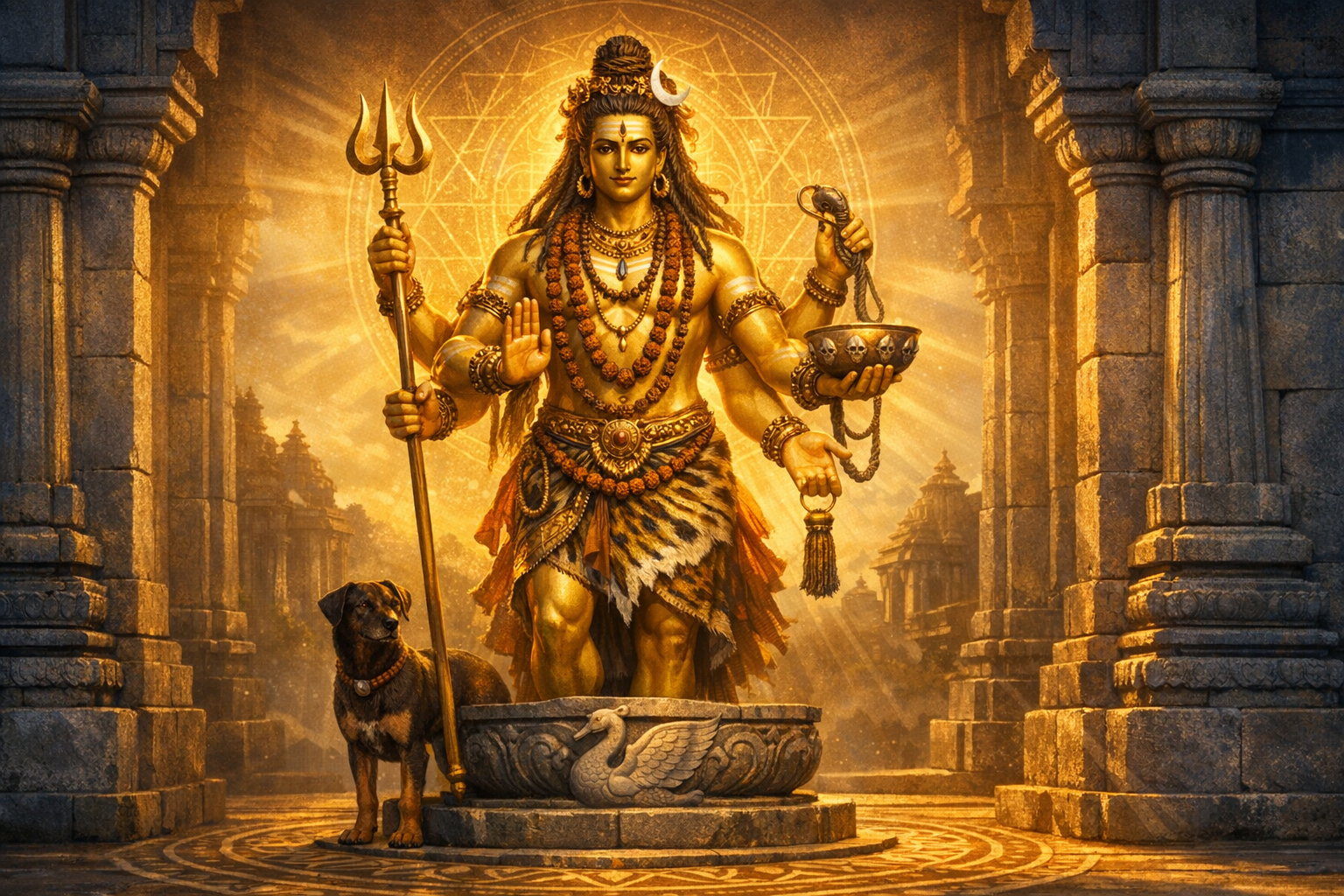
Asitanga Bhairava, the Golden Lord of the First Octet, embodies a luminous, eastward guardianship that unites protection with awakening. This long-form exploration decodes his iconographygolden hue, trident, drum, skull-bowl, and threshold placementso readers can recognize and interpret the form in temples and texts. It clarifies how attributes map to disciplined practice, turning weapons into inner…
-
Why Balarama Wears Blue: Profound Symbolism of Strength, Serenity, and Seva Revealed
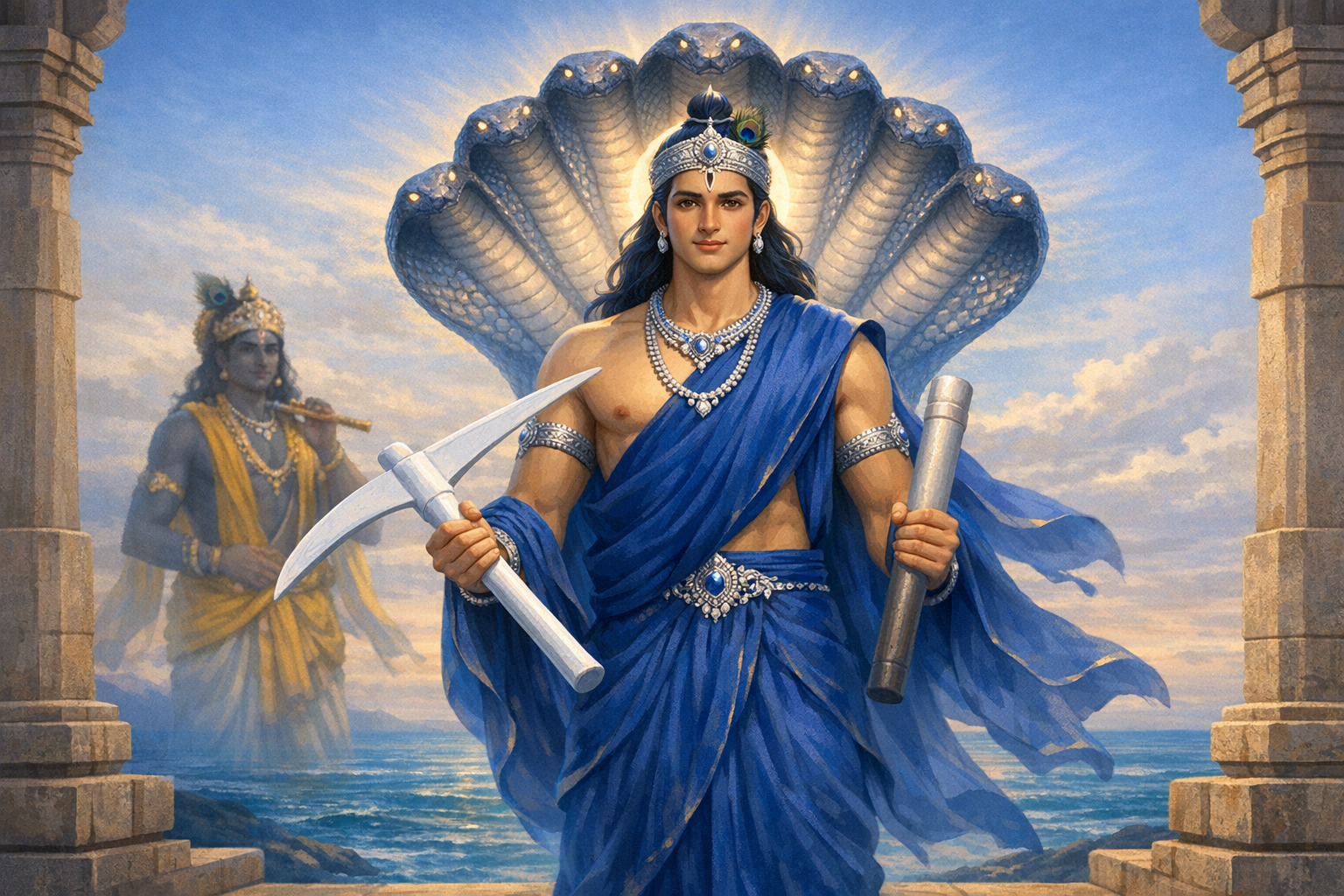
Balarama’s fair form and blue garment, described in the Bhagavata tradition, operate as a visual theology encoding strength, serenity, and selfless service. The Sanskrit color terms nīla, śyāma, and pīta clarify the chromatic contrast with Krishna and convey deeper cosmological moods. Vaishnava exegesis links Balarama’s blue attire to his identities as ādi-guru, Ananta Śeṣa, and…
-
Unmasking Medieval Indo-Persian Chronicles: How Propaganda and Piety Shaped India’s Memory
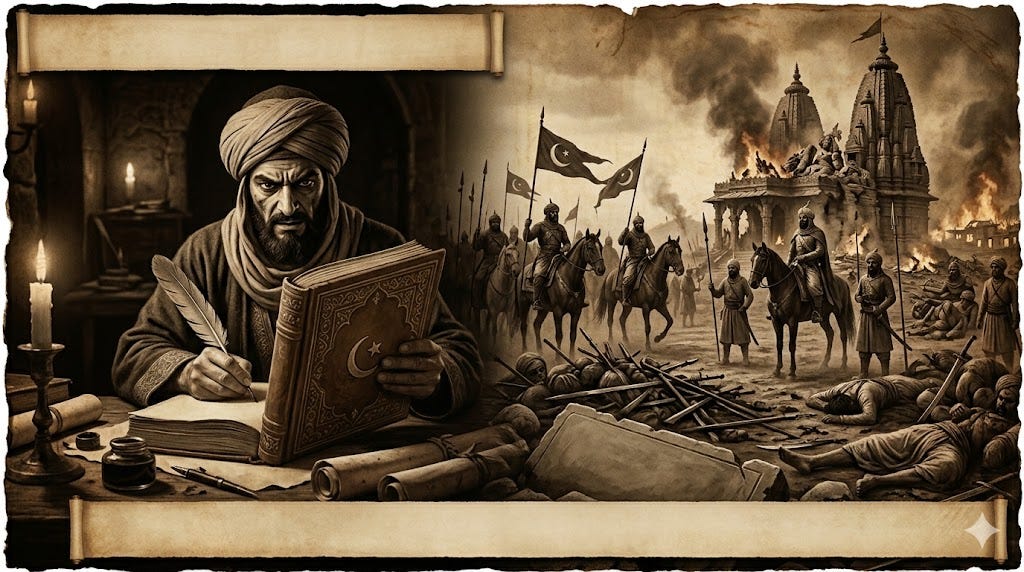
Medieval Arabic and Persian court chronicles in India did more than list battles and datesthey engineered collective memory by merging piety, patronage, and propaganda. This analysis maps their genres (Sirah, Tabaqat, Tarikh, Malfuzat, Maghazi, Maktubat), clarifies how narratives framed Darul Harb and the Ghazi ideal, and explains why panegyric conventions celebrated conquest as sanctity. It…
-
Dhruva’s Turning Point: Manu’s Counsel on Anger, Humility, and Surrender (SB 4.11.15–35)
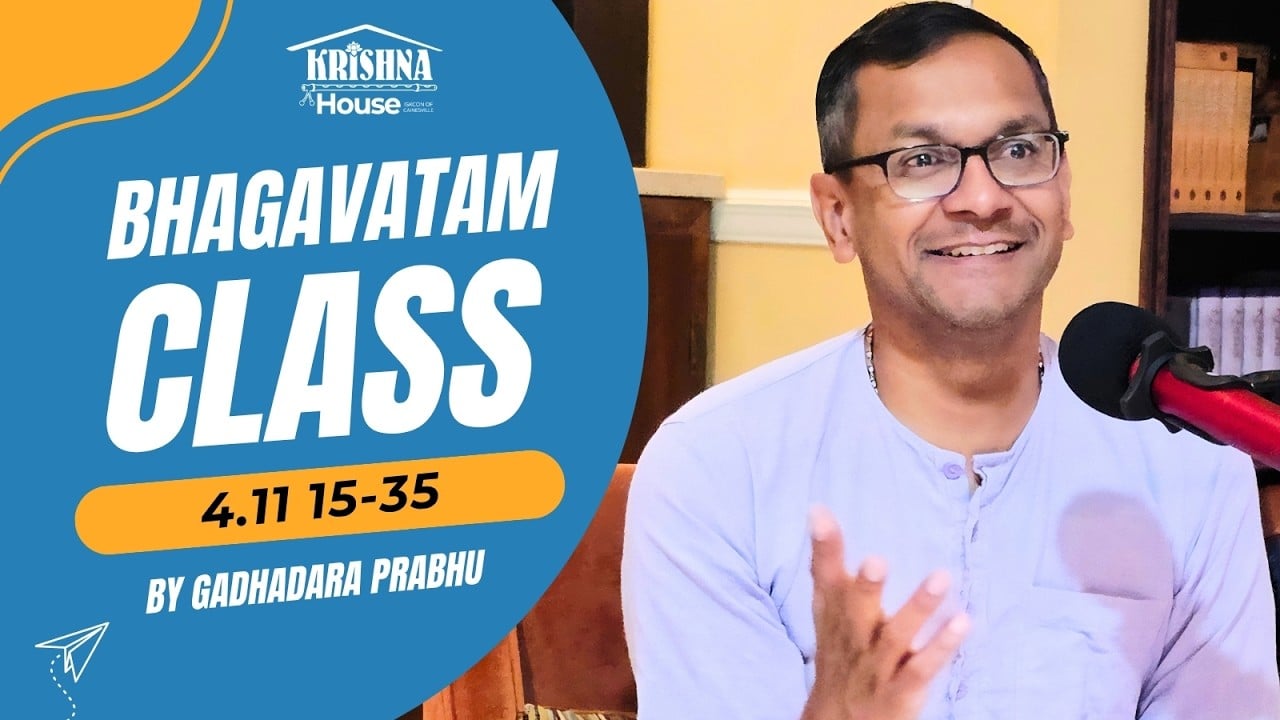
Bhagavatam Class 4.11 15–35 explores Svayambhuva Manu’s intervention as Dhruva Maharaja shifts from reactive anger to disciplined humility. The class clarifies a core Vaishnava principle: the Supreme Lord is the ultimate cause behind all causes, guiding practitioners toward surrender rather than escalation. Verse 27 functions as a cognitive pivot, redirecting the mind from krodha to…
-
Shyam Manav’s Pune Remarks Ignite Fierce Debate: Free Speech, Faith, and Social Harmony

A public programme in Pune featuring rationalist activist Shyam Manav sparked a forceful debate about the boundaries of criticism, constitutional protections for free speech, and the duty to uphold dignity around Hindu Dharma, saints, and traditions. This analysis frames the incident through a dharmic-unity lens, emphasizing shared values across Hinduism, Buddhism, Jainism, and Sikhism. It…
-
Decoding the Pitha of the Shivling: Divine Architecture, Agamic Science, and Living Ritual

The pitha or yoni-pitha of the Shivling is not merely a base but a sacred support that grounds, stabilizes, and channels divine energy. Rooted in Agamic prescriptions and Shilpa Shastra canons, it integrates precise geometry, structural stability, and a hydraulically sound soma-sutra or gomukha outlet for abhishekam. The linga’s three-part articulation fits into the pitha…
-
Konark Sun Temple: A Radiant Masterpiece of Kalinga Architecture, Astronomy, and Dharma
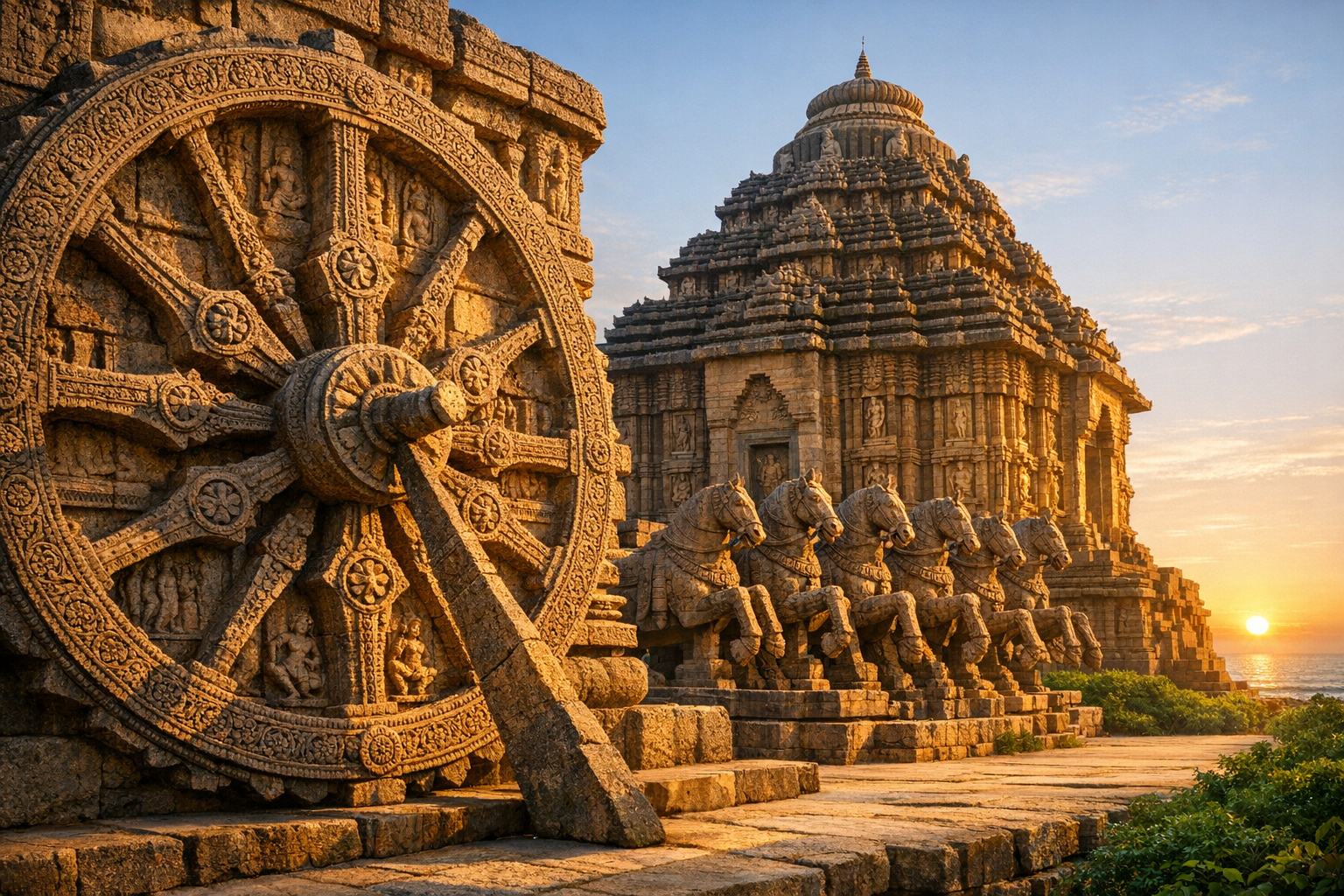
Konark Sun Temple in Odisha, a 13th-century UNESCO World Heritage Site, unites Kalinga architecture, astronomy, and living ritual in a single monumental vision. Commissioned by Narasimhadeva I of the Eastern Ganga Dynasty, the complex was conceived as Surya’s celestial chariot, complete with functional stone sundials. The surviving jagamohana, masterful masonry, and encyclopedic iconography make the…
-
Dhama in Hinduism: Unveiling India’s Sacred Geography and Transformative Char Dham Yatras

Dhama in Hinduism denotes a sanctified abode where the divine presence is experienced most intensely, shaping India’s sacred geography and animating transformative pilgrimages. This long-form exploration clarifies how tirtha, kshetra, pitha, and dhama interrelate, and why Char Dham and the Himalayan Chota Char Dham have become enduring circuits of devotion. Readers discover the theological roots…