
-
Virat Hindu Dharmasabha: T. Raja Singh urges vigilant, compassionate unity across dharmic paths
Goshamahal MLA T. Raja Singh’s remarks at the Virat Hindu Dharmasabha in Mangrulnath, Washim, stressed community vigilance and adherence to Sanatani values. This analysis reframes that appeal toward inclusive, evidence-based action that strengthens Hindu Unity and Religious harmony. It emphasizes historical lessonssatya, ahimsa, and sevaas enduring anchors of social resilience. Readers gain practical ways to…
-
Vande Mataram at 150 (1875–2025): The stirring anthem that forged India’s unity

On 7 November 2025, India commemorates 150 years of Vande Mataram, the National Song that inspired the Indian independence movement and affirmed a shared civilizational identity. Composed by Bankim Chandra Chattopadhyay and later sung by Rabindranath Tagore, the hymn’s ethical vocabulary aligns with the values of Hinduism, Buddhism, Jainism, and Sikhism. Sri Aurobindo’s translation deepened…
-
Debunking the Skill-Gap Myth: How Demand, Training, and Wages Rapidly Build Talent

The alleged “skill gap” is best understood as a demand-and-incentives problem, not a talent shortage. When wages signal value and firms see opportunity, they fund training, partner with universities, and upskill adjacent talent at speed. Case studies from global enterprisesspanning fashion, precision glass, automotive production, and franchised foodshow how practice, process, and market feedback outperform…
-
Preta Kalyanam: A Poignant ‘Marriage of the Dead’ in South Karnataka and Kasaragod
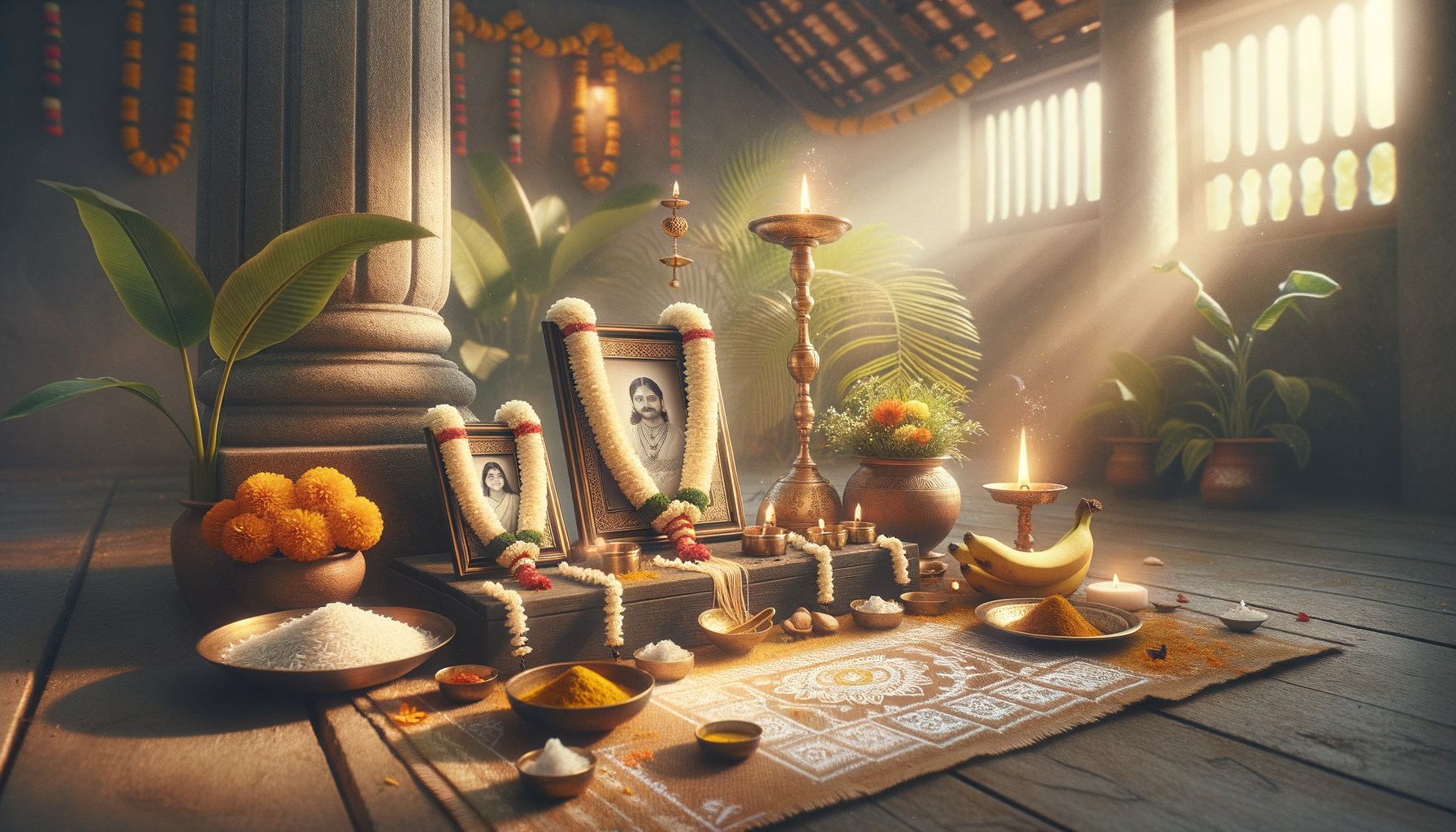
Preta Kalyanam (Preta Maduve) is a centuries-old Hindu custom practiced in parts of South Karnataka and Kasaragod, Kerala. The ritual symbolically confers the samskara of marriage upon children or adolescents who passed away before marriage, offering dignity to the departed and closure to the living. Simple, reverent, and community-centered, it prioritizes intention over display and…
-
Abhagna Yoga in the Mahabharata: The Unbroken Flow of Dhyana for Inner Stability
Abhagna Yoga, articulated in the Mahabharata’s Shanti Parva, describes an unbroken flow of contemplative attention that steadies the mind and refines discernment. Rooted in the sense of a-bhagna (unbroken) union, it aligns with the classical principle of nairantarya abhyasepractice without interruption. The approach is both practical and profound, encouraging brief, linked moments of breath awareness,…
-
Alalanatha’s Sacred Calm: Final Temple Parikrama, Forest Gathering, and Living Heritage

A reflective visit to the Alalanatha Temple concluded the month’s final parikrama with calm focus and cultural depth. Set beneath a mango tree in a serene forest, the gathering revisited sacred narratives associated with the site. Tradition holds that a temple stone softened under Sri Chaitanya Mahaprabhu’s devotion, a memory that conveys the intensity of…
-
Krishnamoorthi Rebukes VP JD Vance, Igniting Demand for Respect for Hindu Faith
US Congressman Raja Krishnamoorthi condemned remarks by US Vice President JD Vance about Usha Vance’s Hindu faith, calling them “deeply disappointing.” The exchange has sparked a wider debate about Religious Freedom, the responsibilities of public officials, and the lived experiences of the Hindu American Community. Reporting attributed to Upananda Brahmachari | HENB | New Delhi…
-
From Relentless Intrusions to Calm: Evidence‑Based Relief for OCD and Anxious Minds

Intrusive thoughts and compulsions can feel urgent and inescapable, yet OCD reflects a misfiring alarm system rather than genuine danger. This narrative documents how accurate naming, mantra-based cognitive reframing, and consistent attentional redirection weakened compulsive loops over time. A simple phrase“That’s a brain glitch. I don’t have to pay attention to that.”created space to choose…
-
Why Calling One Faith Eternal Is Misguided: Dharmic Wisdom on Plurality and Peace
This essay explains why claiming one religion as exclusively eternal contradicts the dharmic commitment to humility, openness, and pluralism. It shows how Hinduism’s Ishta, Jainism’s Anekantavada, Buddhism’s upaya, and Sikhism’s Ik Onkar converge on a shared ethic of acceptance. Readers gain a clear understanding of Sanatana Dharma as timeless principles rather than a singular creed.…
-
Eternal Truth in Time: How Hindu Avatars Restore Dharma and Inspire Inner Freedom
This article explores the Hindu concept of avatars as the eternal manifesting within time to restore dharma and guide beings toward moksha. It grounds the discussion in the Bhagavad Gita and Puranic narratives, while noting philosophical nuances across Advaita, Viśiṣṭādvaita, and Dvaita. Readers discover how avatars function as ethical exemplars whose presence educates through action…
-
Donating Bangles in Hinduism: Auspicious Benefits for Prosperity, Peace, and Harmony

Donating bangles in Hinduism is a sacred expression of daana that honors feminine energy, invites Goddess Lakshmi’s grace, and nurtures prosperity with inner peace. The practice reduces attachment through aparigraha, deepens devotion, and generates spiritual merit (punya). Devotees often report greater serenity and improved relationships following this mindful act. Socially, the donation supports girls and…
-
कौनसी पूजा में कौनसी तिलक: शिव, कृष्ण, देवी और गणपति हेतु प्रमाणिक, सरल मार्गदर्शिका

यह मार्गदर्शिका बताती है कि कौनसी पूजा में कौनसी तिलक धरना करनी है | Kaunsi Puja me Kaunsi Tilak, ताकि उपासना अधिक सटीक और भावपूर्ण बने। शिव पूजा में विभूति/त्रिपुण्ड्र, कृष्ण/विष्णु पूजा में गोपी-चंदन का ऊर्ध्व-पुण्ड्र, देवी पूजा में कुमकुम/केसर-चंदन, और गणपति पूजा में रक्त-चंदन/सिंदूर का महत्व स्पष्ट किया गया है। ललाट बिंदु पर तिलक…
-
Sundarakanda Parayana Procedures: A Clear, Devotional Guide to Parayanam Vidhanam for Courage and Grace

This guide presents Sundarakanda Parayana Procedures (Sundarakanda Parayanam Vidhanam) in a clear, flexible format that suits home and community practice. It explains essential preparationclean space, sankalpa, lamp, and sattvik offeringsand a simple step-by-step sequence for focused recitation and graceful conclusion. Multiple day-wise schedules are outlined, from 1-day to 41-day observances, so practitioners can match pace…
-
Bahuchara Mata: Fertility, Courage, and Inclusive Devotion at Gujarat’s Sacred Shrine

Bahuchara Mata is venerated as a goddess of fertility and an incarnation of Pārvatī, with her principal shrine at Bahucharaji (Becharaji) in Gujarat. Devotion is especially meaningful for issue-less couples and for the Hijra and transgender communities, who seek blessings for dignity, courage, and new beginnings. The goddess’s four-armed iconography and rooster vahana convey vigilant…
-
November 12, 2025 Panchang: Krishna Paksha Ashtami TithiEssential Timings and Insight

Wednesday, November 12, 2025, features Krishna Paksha Ashtami in most regions, with Krishna Paksha Saptami lasting until 5:02 AM and Ashtami thereafter. The Panchang (Hindu calendar) highlights this tithi during the waning moon as a reflective period in many traditions observing Karthika masam. Readers seeking precise nakshatra, rashi, and shubha muhurta should consult local almanacs…
-
When Love Can’t Heal: Reclaiming Safety, Dignity, and Dharma After Emotional Abuse

This reflection explores how healing from emotional abuse begins when safety and dignity are prioritized over the belief that love alone can change harmful dynamics. It shows that love cannot substitute for another person’s willingness to do the work and that true transformation requires mutual participation, respect, and safety. Readers will learn how social and…
-
Tamil Nadu’s Quiet Bhakti Resurgence: Grassroots Devotion Reframes Dravidian Politics

A vivid scene on the steps of Sholingur’s Yoga Narasimha Swamy Temple reveals how everyday Bhakti remains deeply woven into Tamil life. Set against centuries of cultural pressuresfrom missionary inculturation to modern linguistic-political movementsTamil Nadu’s temple traditions display remarkable resilience. The 2019 Atti Varadarajaswamy festival in Kanchipuram, with its forty-eight days of worship once every…
-
Gavamayana Yajna Unveiled: Meaning, Ritual Structure, and Lessons for Dharmic Unity
Gavamayana Yajna, a classical Vedic Sattrayaga, exemplifies collaborative sacrifice in ancient Hinduism where priests also serve as yajamanas. The ritual’s structure, grounded in Shrauta protocols and Vedic recitation, unfolds through coordinated roles and extended phases that emphasize precision and continuity. Symbolically tied to nourishment and well-being, Gavamayana encodes an ethic of reciprocity with the natural…
-
Why Hinduism Has No Satan: A Powerful Dharmic Lens on Evil, Responsibility, and Liberation

Many ask why Hinduism has no Satan. The answer reveals a deliberate dharmic framework: evil is understood as ignorance, imbalance in the guṇas, and misalignment with dharmanot the work of an eternal adversary. Karma and the possibility of purification make an all-evil figure unnecessary, while epics like the Mahābhārata and the Bhagavad Gita emphasize inner…
-
Kolhapur Gathering Honors Pujya Avimukteshwaranand; HJS Highlights Dharmic Unity
Pujya Avimukteshwaranand’s visit to Kolhapur brought together Hindu Janajagruti Samiti (HJS) volunteers and community advocates for a calm, substantive dialogue on dharma and cultural responsibility. Participants presented “Why do we need a Hindu Rashtra?” to invite reflection on ethical public life grounded in pluralistic dharmic values. The event emphasized unity across Hinduism, Buddhism, Jainism, and…