-
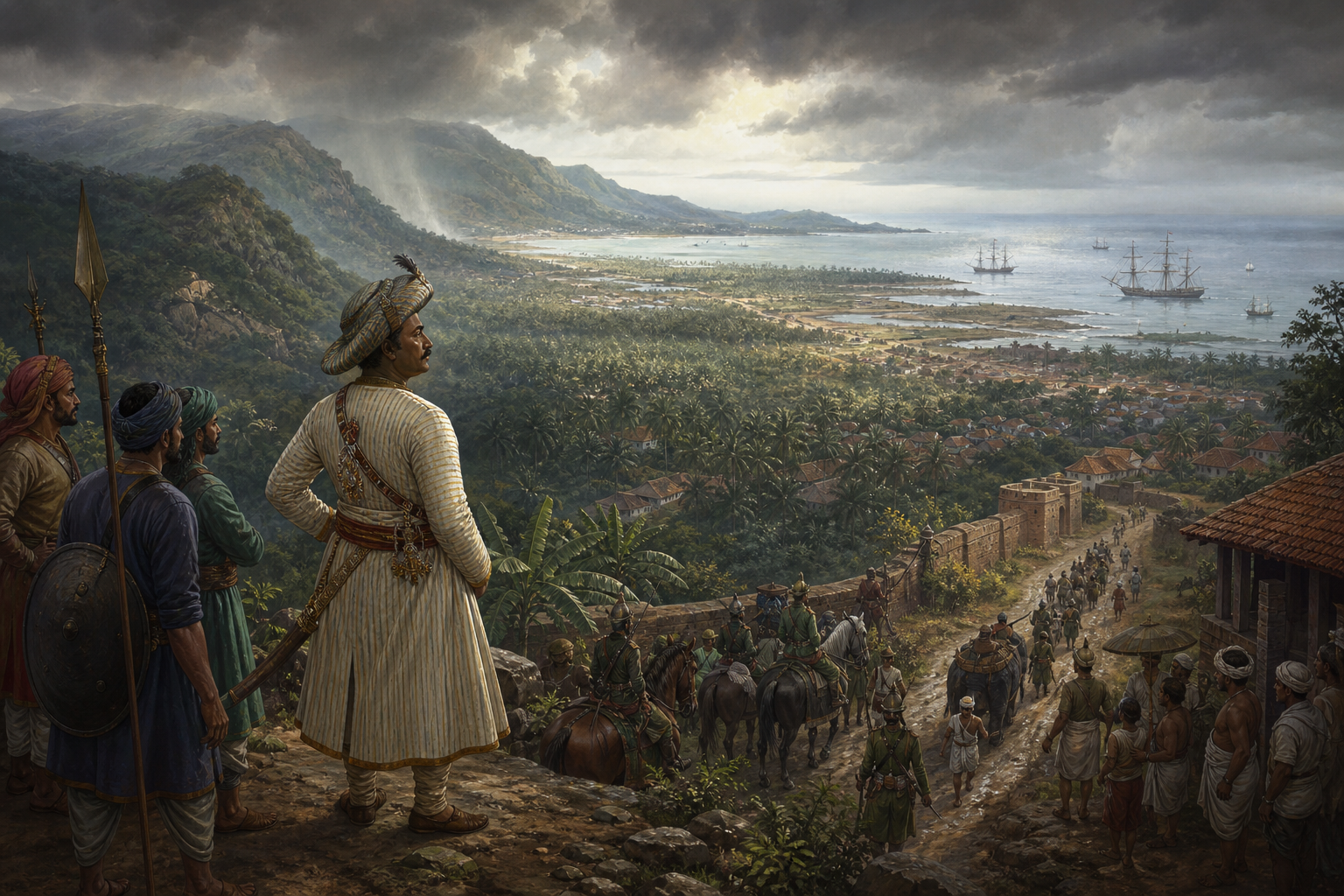
Tipu Sultan vs Savarkar? Cut Through Rhetoric with History, Sources, and a Dharmic Unity Lens

Asaduddin Owaisi’s remark—“Tipu Sultan died a martyr fighting the British, unlike Savarkar who wrote mercy petitions”—reopens a vital debate at the nexus of history, politics, and colonial archives. This analysis verifies what is factual (Tipu’s death in combat, Savarkar’s clemency petitions) and clarifies what is interpretive (the normative label of ‘martyr’). It situates both figures…
-
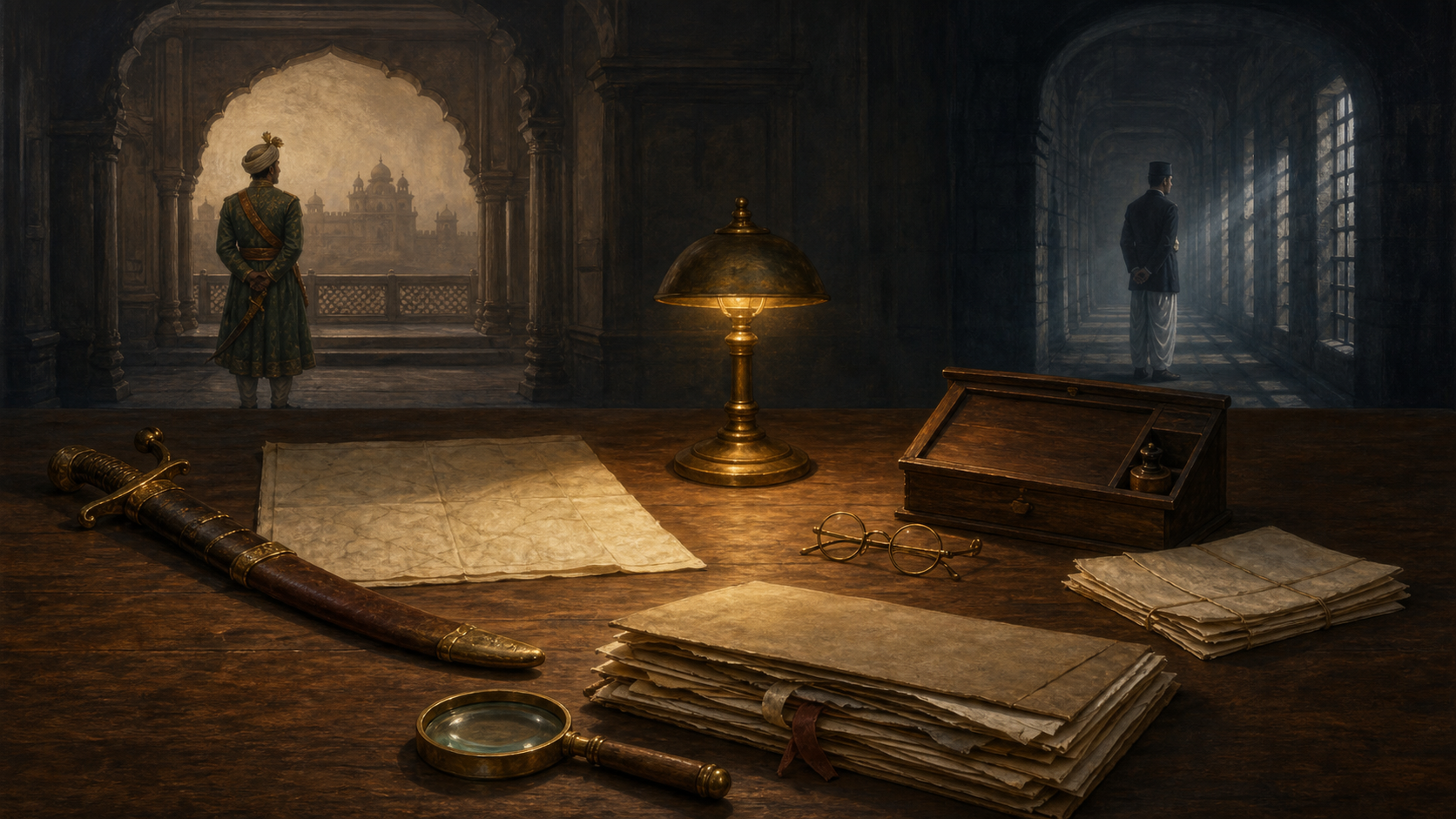
Viscount Valentia’s India Voyage: A Candid Colonial Chronicle and Dharmic Unity Lessons

This analytical retelling situates Viscount Valentia’s 1802–1806 voyage within the accelerating arc of British East India Company power and the late-Mughal political landscape. It highlights the work’s value as a meticulously dated primary source that blends geography, society, and statecraft across India, Ceylon, the Red Sea, Abyssinia, and Egypt. Readers gain a clear view of…
-
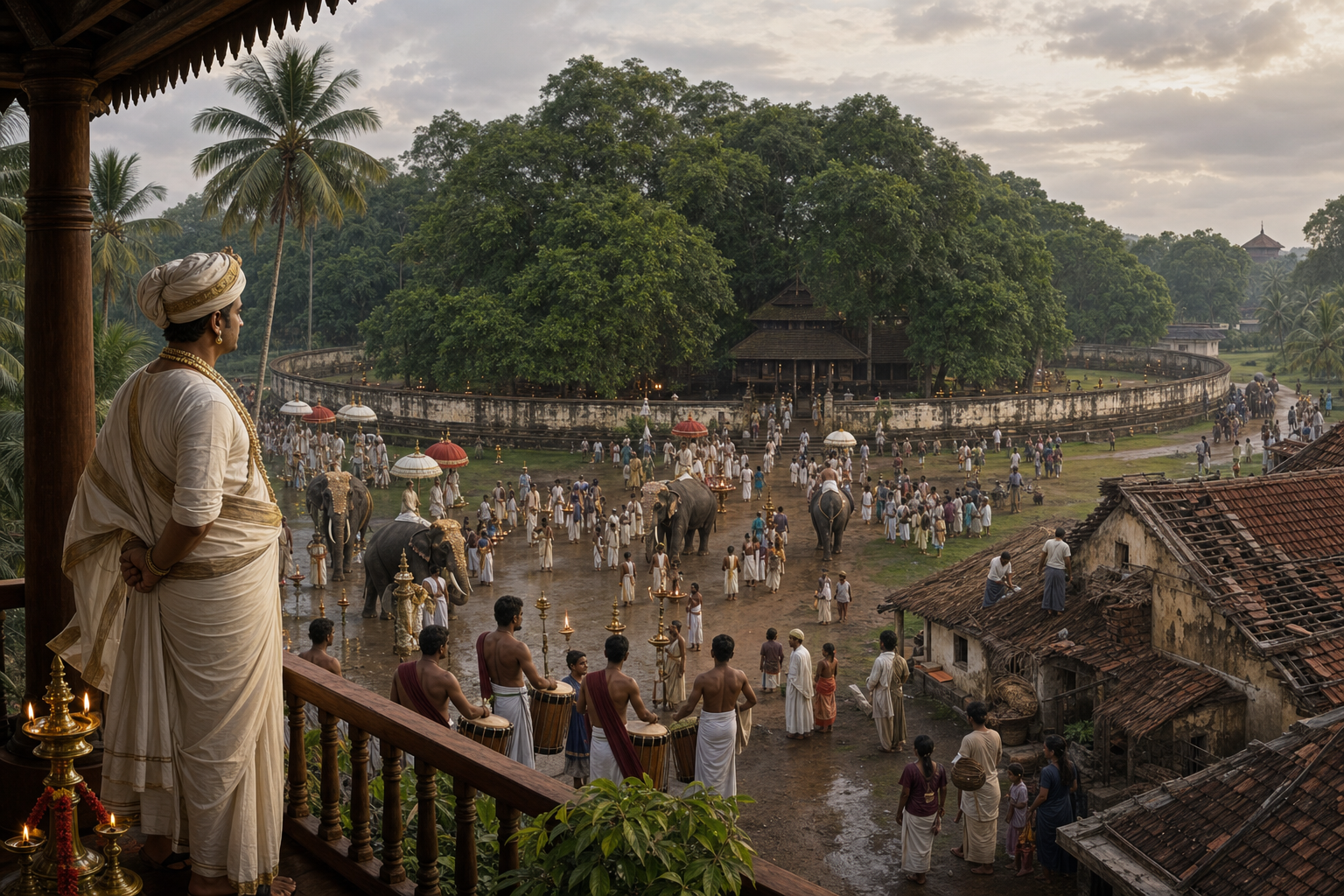
Maharashtra School Row: HJS Decries Tipu Sultan Jayanti, Seeks Lawful Review and Harmony

HJS objected to the celebration of Tipu Sultan Jayanti at a government-run school in Beed district, calling for a lawful, transparent review. The issue highlights the need for curricular neutrality, student safety, and community-sensitive practices in Maharashtra schools. Framing commemorations through multiple scholarly perspectives can protect educational spaces from polarization. Clear guidelines, stakeholder consultations, and…
-
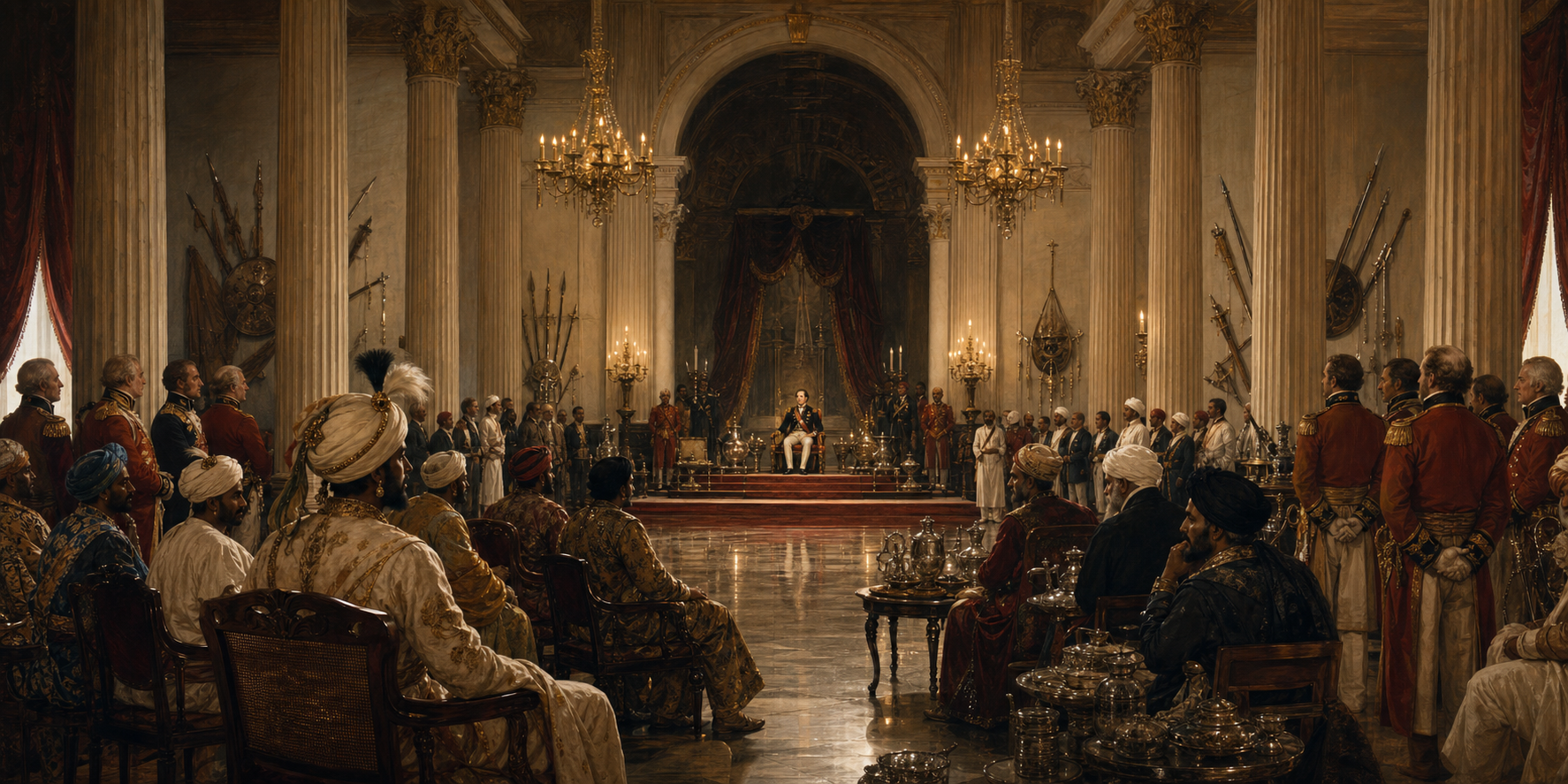
Discover the Complete Story of Shah Alam II: Proven Insights into an Empire’s Unraveling

Shah Alam II’s long and turbulent reign reveals how imperial symbols persisted even as real power shifted to Maratha, Sikh, Afghan, and British actors. This clear, chronological analysis traces his return to Delhi under Mahadji Scindia, the Sikh reconfiguration of Delhi’s sacred landscape under Baghel Singh, and the decisive impact of the Battle of Buxar…