
-
Beyond Heaven and Hell: Karma, Consciousness, and Self-Reward in Dharmic Philosophy

This essay explains, in clear academic terms, why Dharmic traditions reject an externalized reward-and-punishment model after death while affirming a rigorous moral universe. It clarifies karma-phala using concepts like sanchita, prarabdha, and agami, and links Mimamsa’s apurva and Nyaya–Vaisheshika’s adrishta to a self-executing moral order. Hindu philosophy, Buddhism, Jainism, and Sikhism are presented in harmony:…
-
Dharma Unveiled: The Living Code of Virtue Guiding Daily Life Across Dharmic Traditions

Dharma is presented as a living, context-sensitive code of virtue shared across Hinduism, Buddhism, Jainism, and Sikhism. The article clarifies its scopefrom universal virtues like ahiṃsā and satya to role-specific dutiesand shows how it governs the pursuit of prosperity and well-being without compromising conscience. It draws on classical sources (Dharmashastras, the Bhagavad Gita, Buddhist canons,…
-
Servant of a Glorious Master: The Transformative Power of Seva and Guru-Tattva Across Dharmic Paths
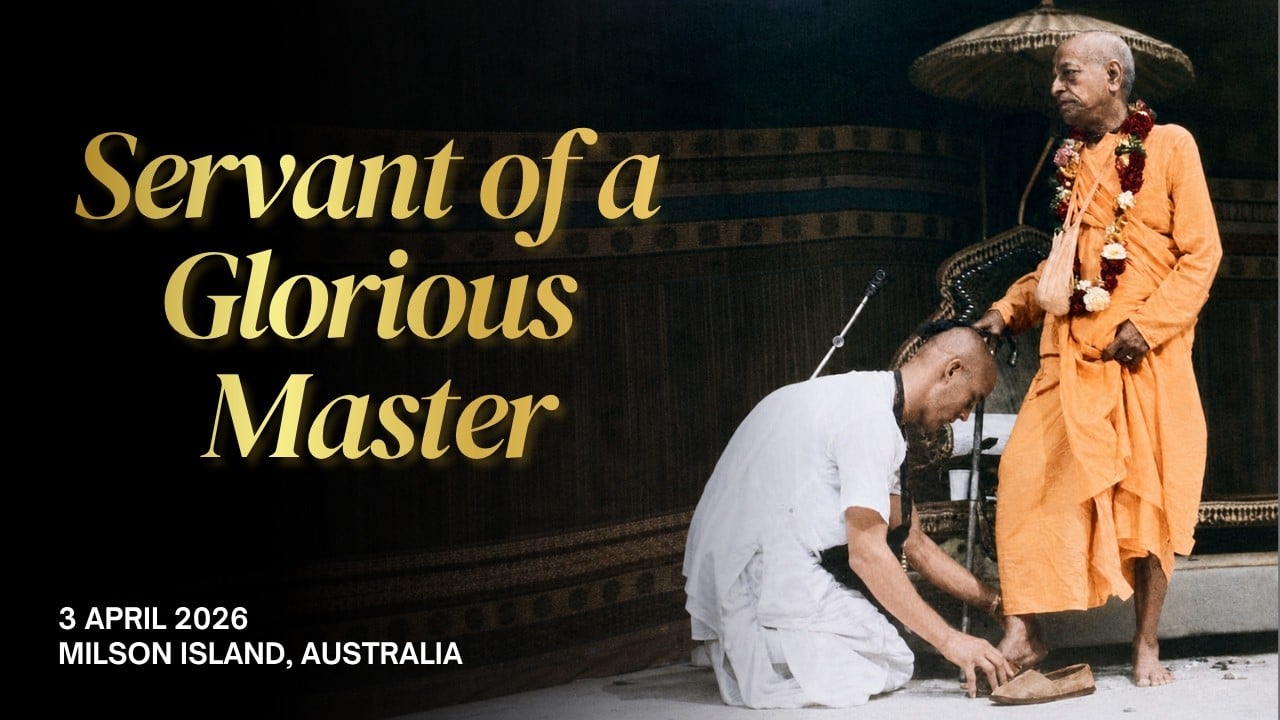
This long-form reflection reframes ‘Servant of a Glorious Master’ as a disciplined path of seva, wisdom, and devotion shared across Hindu Dharma, Buddhism, Jainism, and Sikhism. It clarifies how dasya-bhava, prapatti, nam-simran, refuge, ahimsa, and anekantavada converge as a common grammar of service. Drawing on the Bhagavad Gita and classical Bhakti theory, it distinguishes service…
-
Introspection to Self-Realization: A Rigorous Dharmic Blueprint for Knowing the Divine

This long-form analysis explains why disciplined self-analysis is a direct, repeatable path to self-realization and knowing the Divine across Hinduism, Buddhism, Jainism, and Sikhism. It integrates the Upanishads, the Bhagavad Gita, Patanjali’s Yoga Sutra, the Satipaṭṭhāna Sutta, Jain Anekāntavāda with Samayik and Pratikraman, and Sikh Naam-centered living under hukam. A rigorous seven-phase practice cycleintention, observation,…
-
Beyond Abundance: Why Modest Expectations Foster Lasting Happiness in Dharmic Wisdom

Modern abundance has not eliminated dissatisfaction because expectations often outrun reality. Dharmic wisdomHindu, Buddhist, Jain, and Sikhoffers a unifying solution: cultivate santosha (contentment) and aparigraha (non-hoarding) while acting with clarity and purpose. The Bhagavad Gita’s karma-yoga and the Yoga Sutra’s abhyāsa–vairāgya framework train steadiness without suppressing healthy ambition. Contemporary psychology aligns with these teachings: lower,…
-
Beyond Maya: Dharmic Wisdom on Materialism, Ethical Wealth, and Lasting Fulfilment

Hindu philosophy and its sister Dharmic traditions view wealth as a legitimate aim governed by ethics, moderation, and service. The puruṣārthas align Artha with Dharma and Moksha, while the Bhagavad Gita’s Karma Yoga reframes success as disciplined action without fixation on results. Upanishadic counsel, Yoga’s aparigraha, Buddhism’s Right Livelihood, Jain vows of limitation, and Sikh…
-
Do Our Words Convey Our Heart? HG Caitanya Charan Das on Dharmic Speech at ISKCON Adelaide

At ISKCON Adelaide on 01.05.26, HG Caitanya Charan Das explored how speech reflects inner consciousness and why language, refined through sādhana, is central to bhakti and community harmony. Grounded in Bhagavad Gita 17.15, the essay outlines a composite ethic for speechtruthful, kind, beneficial, and non-agitatingthat resonates across Hinduism, Buddhism, Jainism, and Sikhism. It translates classical…
-
Tapasya in Hinduism: Transformative Austerity for Self-Realization, Clarity, and Inner Power

Tapasya in Hinduism is a disciplined, life-affirming austerity that refines body, speech, and mind to foster Self-Realization and ethical clarity. Drawing on the Upanishads, Bhagavad Gita, and Yoga philosophy, it is defined as a transformative heat that burns impurities and ripens insight. The Gita’s typology (sāttvika, rājasika, tāmasika) and Patañjali’s Kriyā Yoga supply practical guardrails…
-
When Do Our Actions Bear Fruit? Unraveling Karma’s Timing with Profound Dharmic Insights

A perennial dharmic question asks when the actions of this lifetime truly bear fruit. Drawing on Hindu sources such as the Bhagavad Gita, Upanishadic thought, the Yoga Sutras, and dharmashastra, this analysis explains how outcomes may manifest immediately, over time, or in future births through the interplay of sanchita, prarabdha, and agami karma. It integrates…
-
‘Gavyapataye’ Bhairava: Tantric Guardian of Cows, Compassion, and Sacred Ecology

Gavyapataye Bhairava reveals Bhairava’s Tantric role as guardian of cattle, food purity, and sacred ecology. The epithet’s Sanskrit morphology (gavya + pati) ties devotion directly to agrarian life and ritual substrates like pañcagavya. Set within Bhairava-sahasranāma practice, it unites vigilant protection with compassionate stewardship. Textual, iconographic, and ethnographic threadsspanning Skanda Purāṇa references, temple sub-shrines, and…
-
Illuminating Sikh Lives: Eleanor Nesbitt’s Transformative Legacy in Sikh Studies and Dialogue

Eleanor Nesbitt’s scholarship reshaped Sikh Studies by centering lived religion, diaspora ethnography, and dialogue with communities. Her workrooted in careful fieldwork and clarity of methodhelps educators and students understand Sikhism through both scripture and everyday practice. By examining home, school, and gurdwara as interconnected learning spaces, she demonstrates how seva, langar, kirtan, and the 5…
-
Finding Shelter in True Identity: A Transformative Dharmic Path for Diaspora Unity and Service

Lord Chaitanya’s callrealize life and serve the worldoffers a rigorous, universal ethic for the Indian diaspora and beyond. This analysis defines “true identity” through Vedanta’s ātman, deepens it with Gaudiya Vaishnava notions of āśraya and sharaṇāgati, and shows how bhakti stabilizes a service-first life. It highlights natural harmony among Hinduism, Buddhism, Jainism, and Sikhism, emphasizing…
-
Master One-Pointed Attention: Dharmic Science to Transform Every Action into Sacred Power

Modern life fractures attention, but Dharmic traditions teach a precise science of wholeness through one-pointed engagement. Drawing on the Bhagavad Gita, Yoga Sutra, Buddhist Satipatthana, Jain Samayik, and Sikh simran, this article explains how complete presence elevates everyday action. It integrates cognitive science on task switching, attentional residue, and flow with practices like pratyahara, dharana,…
-
12th State Gatka Championship for Girls: Precision, Courage, and Dharmic Unity on Display

The 12th State Gatka Championship for Girls showcased a disciplined, safety-first competition rooted in the Sikh martial tradition, highlighting precision, timing, and ethical strength. Organized with standardized rules and protective equipment, it balanced point-sparring duels with judged demonstrations that rewarded control, coordination, and cultural literacy. Athletes benefited from periodized training, sports medicine awareness, and psychology-informed…
-
Kalachakra in Hindu Tantra: Decoding the Wheel of Time, Consciousness, and Dharmic Unity

Kalachakra in Hindu Tantra presents time as a living cycle that unifies microcosm and macrocosm, offering a precise path to the timeless ground of awareness. Drawing on the Maitri Upanishad and the Bhagavad Gita, it treats time as both measurable rhythm and doorway to the Akāla, the unconditioned. The framework integrates Vedic cosmology, pañcāṅga timing,…
-
Reviving Sacred Questioning: Vedic, Buddhist, Jain, and Sikh Paths to Intellectual Freedom

Sacred questioning sits at the heart of the dharmic heritage. This long-form analysis traces how Vedic dialogues, Nyāya–Mīmāṃsā logic, Buddhist pramāṇa theory, Jain anekāntavāda, and Sikh vichar cultivated disciplined inquiry as a path to truth and social harmony. It explains the technical tools of reasoningpramāṇas, syllogisms, hermeneutic canons, and fallacy-detectionand shows how classical śāstrārtha fostered…
-
Sant Ravidas (1450–1520): Visionary Bhakti Poet of Equality, Begampura, and Dharmic Unity
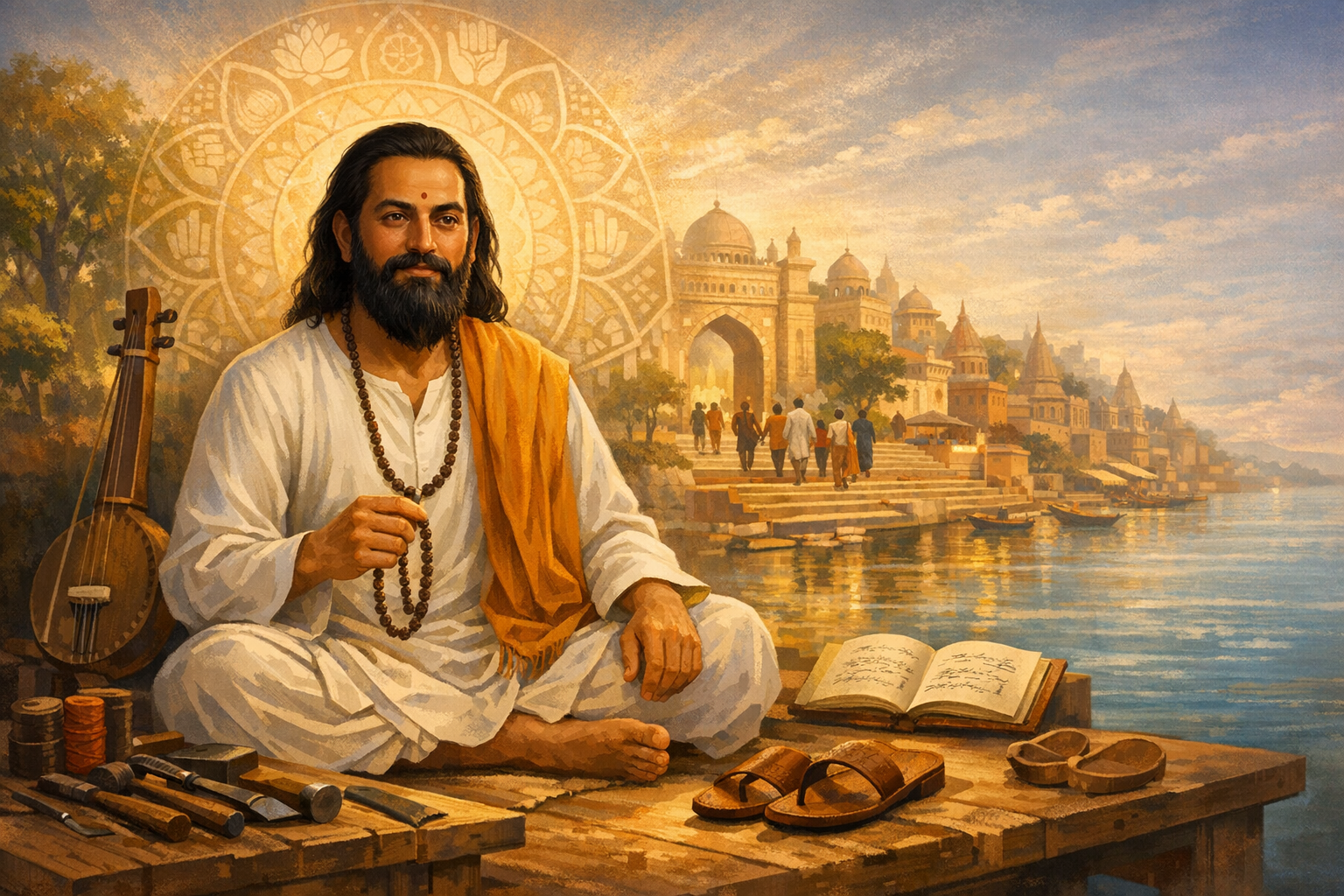
Sant Ravidas (c. 1450–1520) emerges as a central voice of the North Indian Bhakti movement, uniting deep nirguna bhakti with an uncompromising ethic of social equality. Born near Varanasi in a community deemed “untouchable,” he transformed everyday labor into a field of devotion and taught that divine grace recognizes no caste or status. His hymns,…
-
Pratyaksha in Nyaya Darshana: Mastering Direct Perception as the Bedrock of True Knowledge

This long-form, research-driven overview presents pratyaksha (direct perception) in Nyaya Darshana as the foundational pramana that grounds inference, analogy, and testimony in Indian epistemology. It clarifies Nyaya’s definition of valid perception, its two-stage phenomenology (nirvikalpa and savikalpa), and its fine-grained analysis of sense–object contact and extraordinary forms such as samanyalakshana, jnanalakshana, and yogaja pratyaksha. Readers…
-
Nyaya Darshana’s Four Pramanas: A Practical Guide to Valid Knowledge and Clear Reasoning

Nyaya Darshana locates the pursuit of truth in four reliable pramanasperception, inference, analogy, and trustworthy testimonyoffering a rigorous, practical method for valid knowledge. It clarifies how accurate observation is secured, how reasons genuinely support conclusions, how analogies bridge the known and the unfamiliar, and how credible sources can be identified without cynicism. The framework diagnoses…
-
Beyond the Senses’ Trap: Dharmic Science of Lasting Joy across Hindu, Buddhist, Jain, Sikh

Modern restlessness around pleasure and possession is precisely mapped in the shared wisdom of Hinduism, Buddhism, Jainism, and Sikhism. Each tradition explains how untrained senses agitate the mind and how disciplined attentionthrough pratyahara, mindfulness, aparigraha, Seva, and devotiontransforms agitation into equanimity. The piece integrates Hindu models of the indriyas, Gita psychology of desire, Buddhist dependent…