
-
Why Shiva Rejected Ravana After Sita’s Abduction: Dharma, Bhakti, and Divine Justice

This analysis explores why Shiva is portrayed as withdrawing protective grace from Ravana after the abduction of Sita, drawing on the Valmiki Ramayana and regional traditions like Kamba and Krittivasi Ramayanas. It shows that divine boons operate within the moral framework of dharma and cannot shield adharma. The piece highlights how Ravana’s sacred deceptionmisusing the…
-
Bhasa’s Bold Reimagining of Sita’s Abduction in Pratima Natakam: Ethics, Dharma, Drama

Bhasa’s Pratima Natakam (Pratimanatakam) presents Sita’s abduction not as onstage spectacle but as a reflective, ethically charged episode grounded in classical Sanskrit dramaturgy. By channeling the event through memory, messenger-reports, and the symbolic power of the pratima (statue), the play emphasizes dharma, agency, and the psychology of crisis over physical action. This approach foregrounds rasaespecially…
-
Darbha Sayana Murthy: Sri Rama’s Yoga Nidra Before LankaSymbolism, Strength, and Serenity

Darbha Sayana Murthy recalls the moment Sri Rama, poised to reach Lanka, prays to Lord Varuna and enters Yoga Nidra upon a bed of Darbha grass. The scene blends disciplined patience with strategic resolve, presenting leadership as calm strength before decisive action. Darbha symbolizes purity and protection, turning the earth into a sacred altar that…
-
Unmasking the Golden Deer: The Ramayana’s Allegory of Desire, Maya, and Dharma

The golden deer episode in the Ramayana functions as a refined allegory of human desire, maya (cosmic illusion), and ethical vigilance. By tracing Sita’s captivation, Rama’s pursuit, and Ravana’s exploitation, the narrative shows how alluring appearances disperse attention and compromise dharma. Read symbolically, the deer represents desire’s shimmerradiant yet elusivewhile the episode models the need…
-
Surpanakha in Kerala Folklore: A Gripping Tale of Love, Betrayal, and Sacred Justice

This article explores a compelling Kerala folktale in which Surpanakha is depicted as killing her husband, highlighting how regional Ramayana variants deepen ethical reflection. It situates Surpanakha within the sacred lineage of Pulastya, Vishrava, and Ravana while examining how Kerala’s oral tradition reframes her agency and motives. The discussion analyzes themes of raudra rasa and…
-
Ravana’s Calculated Deception at Panchavati: Strategy, Dharma, and the Road to Lanka’s Fall

Ravana’s decision not to march with a large army to Panchavati reflects a strategic calculus grounded in recent battlefield evidence, logistical realities, and counsel from Maricha. After Rama’s defeat of Khara and Dushana’s Janasthana garrison, direct confrontation appeared perilous. Instead, Ravana adopted deceptionthe golden deer stratagemto create psychological asymmetry and relocate the conflict toward Lanka.…
-
Sita’s Ashokavana Ordeal: Unwavering Dharma, Karma, and Timeless Strength to Endure

Sita’s ordeal in Ashokavana exemplifies how dharma and karma inform spiritual resilience under extreme duress. Confined by Ravana and pressured to capitulate, she remained unwavering through ethical clarity, disciplined remembrance, and self-restraint. Her acceptance of karma’s ripening never became fatalism; instead, it sustained equanimity and moral agency. The Sundara Kanda encounter with Hanuman affirmed her…
-
Pushpaka Vimana: Legendary Flying Chariot in Vedas, Puranas, Ramayanaand a Unifying Vision

Pushpaka Vimana, the most renowned among ancient vimanas, is presented in Hindu scripturesespecially the Ramayana and Puranasas a radiant aerial chariot bound to dharma. Traditionally linked to Lord Kubera and later seized by Ravana, it ultimately returns Sri Rama, Sita, and Lakshmana to Ayodhya, symbolizing moral restoration. Descriptions emphasize inclusivity and immense capacity, reinforcing ideals…
-
Sita’s Compassion Tested: Dharma and the Ethics of Lakshmana’s Punishment of Surpanakha

The Aranya Kanda episode of Surpanakha’s attack and Lakshmana’s response invites a careful reading of dharma and compassion. Valmiki’s text does not quote Sita’s immediate reaction, so understanding her stance relies on her consistent character across the Ramayanarooted in karuṇā and kṣamā. Interpreted through proportionality and restraint, Lakshmana’s non-lethal action reflects kṣātra-dharma: protecting the innocent…
-
Fatal Pride in Hindu Epics: Comparing Mahishasura and Ravana for Timeless Dharmic Lessons

Mahishasura and Ravana exemplify how unchecked pride destabilizes power and invites a dharmic corrective. Drawn from the Devi Mahatmya and the Ramayana, their stories trace boons misused, counsel ignored, and justice ultimately restored. Readers gain clear leadership lessons: humility, accountability, and attention to wise advice sustain order. The festivals of Durga Puja and Dussehra translate…
-
Why Rama Chose Humanity: Profound Wisdom Behind Ravana’s Boon, Suffering, and Dharma

This article explains why Lord Rama, an avatar of Vishnu, chose to be human in response to Ravana’s boon. It shows how Ravana’s selective invulnerability created a lawful path for dharma to prevail without violating cosmic commitments. By accepting human limitations and suffering, Rama modeled maryadaethical excellence under constraint. The narrative highlights the power of…
-
Surpanakha Unveiled: The Powerful Etymology, Symbolism, and Dharma Lessons in the Ramayana

Names in the Ramayana carry layered meanings that guide ethical understanding, and Surpanakha is a vivid example. This piece explains the Sanskrit etymology of Surpanakha (śūrpa + nakha) and shows how the name functions as narrative symbol and moral cue. It places the episode within the Valmiki tradition while acknowledging later retellings that frame the…
-
Discover Kartavirya Arjuna: The Complete Guide to Sahasrabahu’s Boons, Valor, and Legacy

Karthaveerya Arjunaalso known as Sahasrabahu Arjunaemerges in Ancient Hindu Texts as a Haihaya king whose thousand-armed prowess, granted by Dattatreya, symbolized both power and responsibility. His storied feats, including subduing the Narmada and capturing Ravana, illustrate the heights of kshatra while inviting reflection on ethical governance. Puranic narratives also chart a cautionary turn through his…
-
Ultimate Ramayana Insight: Guru Shukracharya’s Prophetic Curse and Ravana’s Downfall
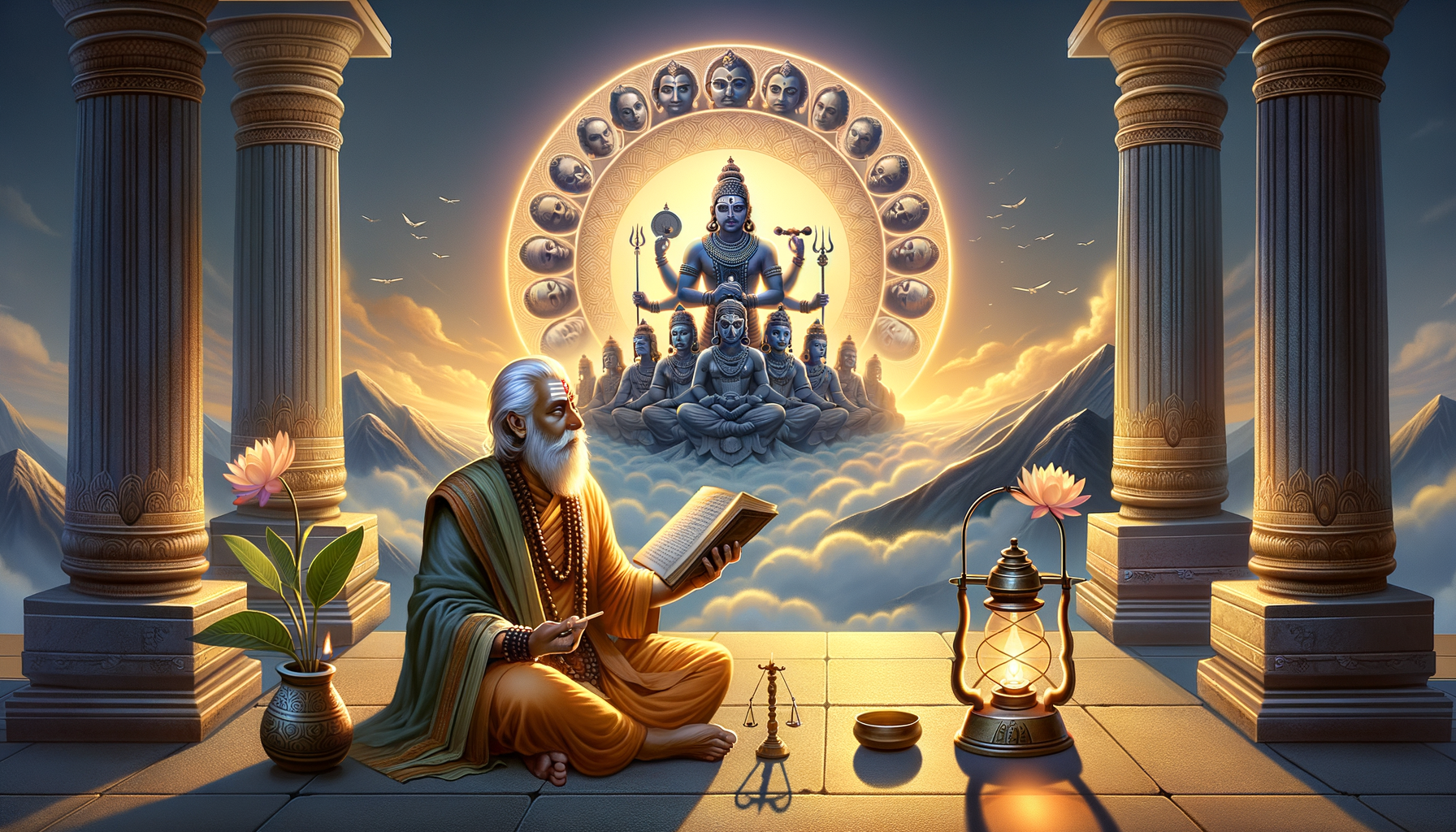
This exploration presents a scholarly reading of a lesser-known Ramayana motif linking Guru Shukracharya’s prophetic curse with Ravana’s downfall. It situates the episode within Hindu scriptures while acknowledging parallel vows and pronouncements such as those of Nandi, Vedavati, and Nalakubera. Readers discover how the language of “curse” functions as ethical causality, reinforcing the Ramayana’s core…
-
Episodes from the Udyoga Parva as Profound Guides to the Contemporary Hindu Society

Delve into the Udyoga Parva, a pivotal section of the Mahabharata, and explore its significance as a guide to statecraft, diplomacy, ethics, and values. This blog post draws parallels between the Udyoga Parva and the Sundara Kanda in the Ramayana, highlighting how both serve as preludes to battles defending Dharma against Adharma. Contrasting Sri Rama’s…