
-
True Humility, Not Self-Hatred: A Dharmic Guide to Ego, Worth, and Inner Strength
Humility in the shastras is not self-hatred; it is an accurate acknowledgment of limitation that preserves self-worth while dismantling narcissism and self-promotion. Across Hinduism, Buddhism, Jainism, and Sikhism, humility appears as amanitvam, anatta, Anekantavada, Aparigraha, and nimrata, forming a shared dharmic ethic. Cognitive biases and modern incentives make humility difficult, but dharmic psychology and disciplined…
-
Conquer the Kleshas: Patanjali’s Yoga Sutras on Ending Suffering and Reclaiming Clarity

This in-depth guide explains Patanjali’s doctrine of kleshasthe inner afflictions that fuel sufferingand shows how the Yoga Sutras translate diagnosis into a practical path of freedom. Readers learn the five kleshas (avidya, asmita, raga, dvesha, abhinivesha), their activation states, and how they perpetuate karma and samskaras. The article details Kriya Yoga and Ashtanga Yoga as…
-
Why Devotional Focus Suddenly Turns Sensualand Science-Backed Ways to Steady the Mind

Devotional focus can collapse into sensual distraction with surprising speed because material desire functions like a gravitational pull on attention. Classical frameworks from Hinduism, Buddhism, Jainism, and Sikhism explain this shift through gunas, kleshas, hindrances, and the five thieves, while neuroscience highlights cue-driven reward predictions and attentional capture. A practical, evidence-aligned toolkit helps steady the…
-
Sankalpa to Samadhi: How Focused Intention Forges Divine Union Across Dharmic Paths
This article examines how strong intentionsaṅkalpa, cetanā, bhāvanā, or alignment with Hukambecomes the central engine of transformation across Hinduism, Buddhism, Jainism, and Sikhism. It explains the shared architecture that links ethics, attention training, contemplative absorption, and compassionate action, showing how these elements cohere into divine union or ultimate realization. Drawing on the Bhagavad Gita, the…
-
Overcoming Inner Battles in Meditation: Hindu-Yogic, Buddhist, Jain, Sikh Tools for Calm
Meditation across the dharmic traditions often collides with restlessness, distracting thoughts, emotional agitation, doubt, and subtle resistance. Drawing on the Yoga Sutras of Patanjali and the Bhagavad Gitaalongside Buddhist, Jain, and Sikh parallelsthis piece delivers a technical, evidence-informed roadmap to stabilize dhyana. Readers learn how to diagnose obstacles (antaraya), regulate arousal with breath awareness and…
-
Stop Chasing Happiness: Dharmic Science to Light the Inner Cave of Joy and Resilience
The dharmic saying “Seeking happiness outside is like waiting for sunshine inside a deep cave” captures a precise psychology of well-being common to Hinduism, Buddhism, Jainism, and Sikhism. Rather than promising joy through acquisition, these traditions direct attention to the hṛdaya-guhathe cave of the heartwhere clarity and resilience abide. Vedanta, the Yoga Sutra, Buddhist insight,…
-
Abhyasa Yoga Explained: Master the Mind with Steady Practice and Dharmic Unity

Abhyasa Yoga emphasizes disciplined, continuous practice that steadies attention and prepares the mind for dhyana and samadhi. Grounded in Patanjali’s Yoga Sutra and the Bhagavad Gita, it integrates yama, niyama, asana, pranayama, pratyahara, and focused meditation into a coherent path. Practitioners benefit from small, consistent sessions that build cognitive clarity, emotional balance, and ethical insight.…
-
Sacred Sound at Life’s Threshold: The Transformative Power of Om for Conscious Departure

This essay explores why chanting Om at the end of life is revered in Hinduism and how it supports a conscious, peaceful departure. Drawing on the Bhagavad Gita and the Upanishads, it explains Om as a symbol of total consciousness and a practical aid for liberation (moksha). It highlights how regular mantra-japa, meditation, and pranayama…
-
Find Lasting Peace: The Transformative Hindu Teaching of Not Looking at Others’ Faults

A time-tested teaching in Hindu philosophy states, “If you want peace, do not look into anybody’s faults.” Grounded in the Bhagavad Gita, the Upanishads, and Yoga, this practice transforms attention from judgment to self-reflection, acceptance, and mindful speech. Dharmic perspectivesAnekantavada in Jainism, mindfulness and Right Speech in Buddhism, and humility with seva in Sikhismconverge to…
-
योग साधना द्वारा जीवन विकास: Transform Daily Life with Practical Yoga, Calm, and Clarity

Yoga is often misunderstood as an ascetic pursuit, yet it serves as a practical method for everyday life development. Rooted in shared dharmic values, it unites Hindu, Buddhist, Jain, and Sikh perspectives through ethics, breath awareness, and meditation. A simple, consistent routinebrief asana, breathing techniques, and reflective practicebuilds emotional resilience and steady focus. Ethical principles…
-
The Inner Inferno: How Hindu Wisdom Transforms Uncontrollable Anger into Clarity and Peace

Hindu philosophy reframes hell as an inner stateuncontrollable anger (krodha)that distorts judgment and harms relationships. Drawing on the Bhagavad Gita and yogic disciplines, this article explains how anger escalates and how breath, meditation, and self-study interrupt the cycle. Practical stepssuch as short pranayama sets, mindful naming of emotions, and satttvic routinesbuild emotional resilience and self-control.…
-
Beyond Willpower: How Breathwork and Yoga Rewire the Nervous System in Addiction Recovery

This analysis traces a journey from relapse to stability, showing how yoga and breathwork can regulate the nervous system during addiction recovery. It explains why rooting in the body must precede rising into lasting change, linking somatic healing with practical pranayama. It outlines three evidence-aligned breathing techniquesAnulom Vilom, Sama Vritti, and Dirgha Pranayamathat reduce anxiety,…
-
Mind, Body, and Soul in Balance: Practical Strategies to Build Inner Strength and Harmony
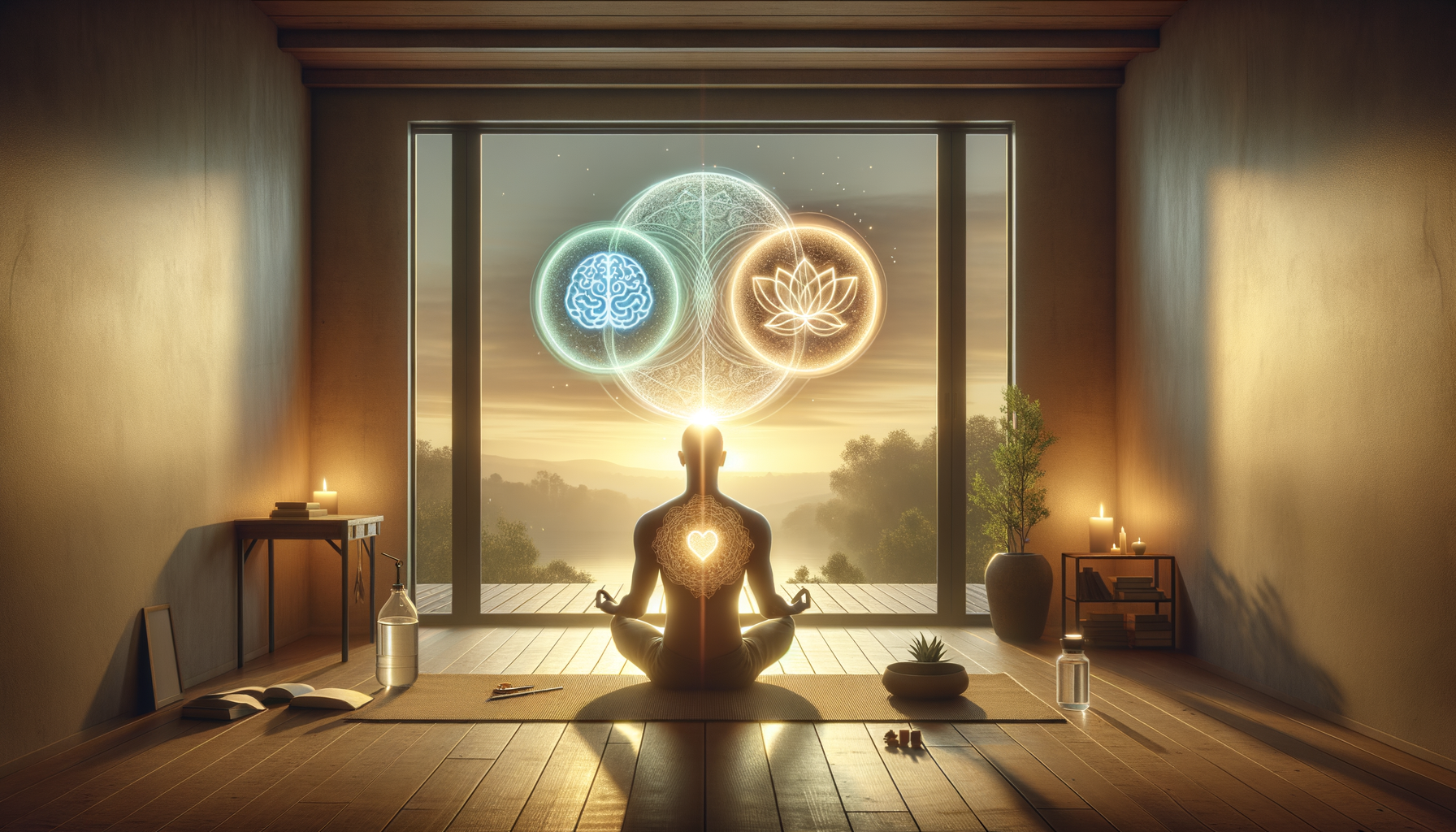
Asking whether mind, body, or soul is strongest creates a false contest; each holds a distinct role that becomes powerful in balance. The body anchors vitality, the mind refines attention and choice, and the soul aligns life with dharma and meaning. Practical routinesmovement, breath awareness, and meditationintegrate these dimensions to cultivate emotional resilience and holistic…
-
Janma Shani for Karka Rashi: Navigate the Middle Sade Sati with Clarity and Strength
Janma Shanithe second 2½-year phase of Shani Sade Sati for Karka Rashiheightens responsibility, emotional maturity, and practical restructuring. Relationships may feel tested yet become manageable with patient communication. Career progress rewards diligence and process excellence, while conservative financial planning stabilizes outcomes. Gentle routines, mindfulness, and pranayama help regulate stress. Inclusive dharmic practicesseva, satya, ahimsa, meditation,…
-
Vayudeva Mahatmyam: Exploring the Wind God’s Power, Prana, and Dharma Across Traditions

Vayu Bhagavan, the wind god of Hindu tradition, is revered as the sustaining force behind prana, movement, and life. Classical narratives honor him as the divine father of Hanuman and Bhima, whose devotion to Lord Rama and loyalty to Lord Krishna exemplify courage and service. Philosophically, Vayu’s essence is experienced through pranayama and mindful breathing,…
-
Dormant Human Energy in a Sedentary Age: Dharmic Ways to Awaken Vital Life Force

Modern life often traps people in mental overdrive and physical stagnation, leaving vital energy unused and unfocused. Drawing on complementary insights from Hinduism, Buddhism, Jainism, and Sikhism, this piece outlines a practical, inclusive path to awaken and channel Prana. It explains how movement, Pranayama, and mindfulness stabilize attention and reduce stress. It offers an evidence-aligned…
-
Discover Bliss in the Eternal Now: Dharmic Wisdom on Presence Beyond Happiness
Modern life scatters attention, yet dharmic traditions affirm that abiding in the present moment reveals a stable blissanandabeyond fleeting happiness. Hinduism links Presence to equanimity and Karma Yoga, turning daily duties into contemplative practice. Practical methods such as breath awareness, Pranayama, dhyana, and japa make the Eternal Now accessible in ordinary routines. Buddhism’s mindfulness, Jainism’s…
-
Education Totke for Focused Study: Ethical, Dharmic Remedies to Boost Learning and Memory

Education Totke, अच्छी शिक्षा के लिए टोटके, पढ़ाई में उन्नति के लिए टोटके are presented as gentle, ethical practices that support focus, memory, and confidence. The guidance integrates dharmic unityhonoring Hinduism, Buddhism, Jainism, and Sikhismthrough short invocations, gratitude, and respect for teachers. Practical steps include preparing a clean study space, a brief mantra or mindfulness…
-
Hrid Dhauti in Hatha Yoga: Powerful Throat Cleansing for Clarity, Balance, and Vital Health

Hrid Dhauti is an advanced Hatha Yoga cleansing practice aimed at purifying the throat and upper digestive tract to support breathwork, vocal clarity, and inner balance. Classical texts place it within the Shatkarma family, emphasizing shaucha and careful supervision. Practitioners often report easier pranayama, improved focus, and a sense of internal lightness when the practice…
-
Yoga and Inner Peace: How Breath, Mindfulness, and Movement Dissolve Daily Stress

Yoga unites body, mind, and inner awareness to reduce stress and nurture peace. Through breath awareness (pranayama), mindful movement (asana), and meditation, practitioners experience fewer reactive emotions and greater clarity. Ethical principles such as ahimsa, truthfulness, and contentment stabilize relationships and reinforce lasting harmony. These foundations resonate across Hinduism, Buddhism, Jainism, and Sikhism, where mindfulness,…