
-
Pranavopasana: Mastering Om for Self‑Realization, Inner Calm, and Dharmic Unity
Pranavopasanameditation on the Pranava (ॐ)is a disciplined path in Hinduism and Advaita Vedanta that moves attention from sound to silence and from symbol to the Ultimate Reality. Drawing on the Upanishads, Bhagavad Gita, and Patanjali, it unites devotion, meditation, and inquiry into a coherent practice for Self-realization. The article explains the A–U–M arc, the turiya…
-
Kindling the Inner Agni: How Food, Breath, and Mind Shape Consciousness in Hindu Philosophy
This essay explores Agni as the inner principle of transformation in Hindu philosophy and across Dharmic traditions. It explains how food, breath, sensory inputs, and intention function as fuels for consciousness through the Upanishadic pañca-kośa model. Drawing from the Bhagavad Gītā’s sāttvika–rājasa–tāmasa framework and Ayurveda’s doctrine of Agni, it outlines practical protocols to strengthen clarity,…
-
Laghima Siddhi in Hinduism: The Sacred Science of Lightness to Elevate Mind, Body, and Life

Laghima Siddhi, one of the classical ashta-siddhis in Hinduism, signifies far more than levitation; it encodes a holistic science of lightness spanning ethics, breath, posture, diet, and contemplation. Anchored in sources like the Bhagavata Purana and thematically aligned with Patanjali’s Yoga Sutra, Laghima relates to mastery of udana vayu and the cultivation of sattva. In…
-
Breaking the Invisible Cage: Hindu Dharma on Renewal, Impermanence, and Dynamic Living

Modern routines can harden into an invisible cage, but Hindu Dharma treats life as ceaseless transformation rather than fixed habit. This essay explains why stagnation is a spiritual peril, using core ideas such as samskara, gunas (sattva–rajas–tamas), abhyasa–vairagya, and rita. It distinguishes lifeless routine from living rhythm, showing how nitya- and naimittika-karmas, pranayama, dhyana, and…
-
Arise and Awaken: Why Sense Control is the First Mastery on the Path to Liberation
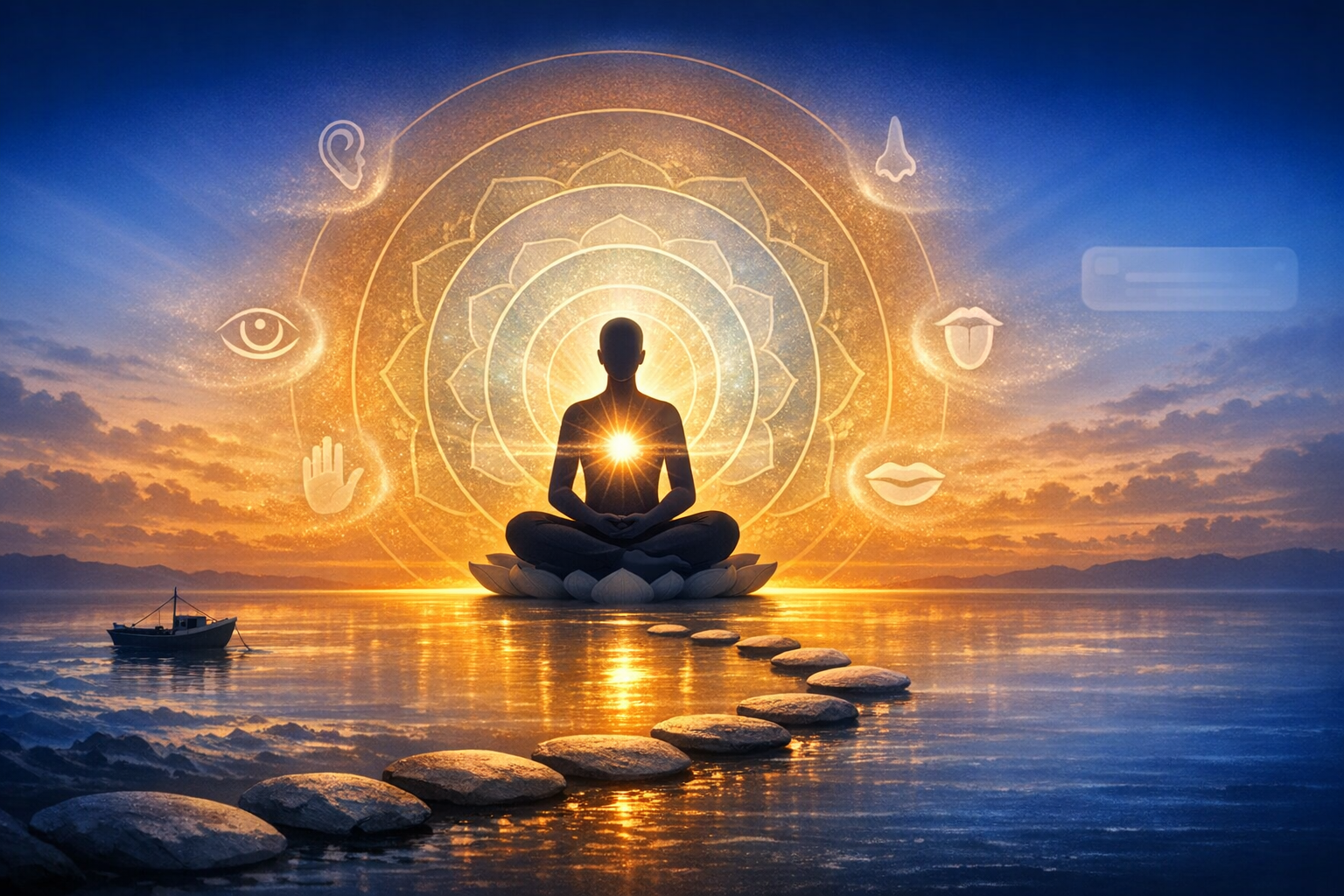
A rigorous yet accessible exploration explains why control of the senses is the first indispensable skill for Self-Realization across Hinduism, Buddhism, Jainism, and Sikhism. Drawing on the Bhagavad Gita, Upanishadic insights, and Patanjali’s Yoga, it clarifies pratyahara as alignment rather than repression. Practical guidance shows how breath-led meditation, japa, and ethical living reduce impulsivity, stabilize…
-
Parabhava 2026–2027 (Ugadi to Ugadi): Transform Obstacles into Opportunity with Vedic Insights

Parabhava Nama Samvatsaram (2026–2027) begins on Ugadi, March 19, 2026, and invites a disciplined, optimistic approach to karmic transformation, deep reflection, and overcoming obstacles. As the 40th year in the 60-year Hindu calendar cycle (Śaka 1948), it encourages clarity of intention, ethical restraint, and steady practice. Practical frameworks such as Aaya–Vyaya 2026–2027 support prudent budgeting,…
-
Mastering the Modern Mind: Bhagavad-gita, Patanjali, and Dharmic Paths to Clarity

Delivered at Hsuan Chuang University (Hsinchu City, Taiwan) on 18 March 2026, this lecture by Dr. Kenneth Valpey (HH Krishna Kshetra Swami) offers a rigorous, practical roadmap for mastering the modern mind. It integrates the Bhagavad-gita, the Yoga Sutras of Patanjali, and allied dharmic traditions to explain manas, buddhi, citta, and the five koshas. Listeners…
-
Faridabad Yoga Workshop by HJS & Jeev Kalyan Sansthan Boosts Holistic Health and Focus

Hindu Janajagruti Samiti and Jeev Kalyan Sansthan hosted a focused Yoga Workshop in Sector 19, Faridabad, where 19 participants explored foundational asanas and pranayama for holistic health and self-development. The program emphasized safe alignment, breath regulation, and reflective rest to improve mobility, postural integrity, and autonomic balance. Instruction framed nasal, diaphragmatic breathing as the cornerstone…
-
Kundalini Tantra Unveiled: A Scientific, Dharmic Guide to Awakening the Serpent Power
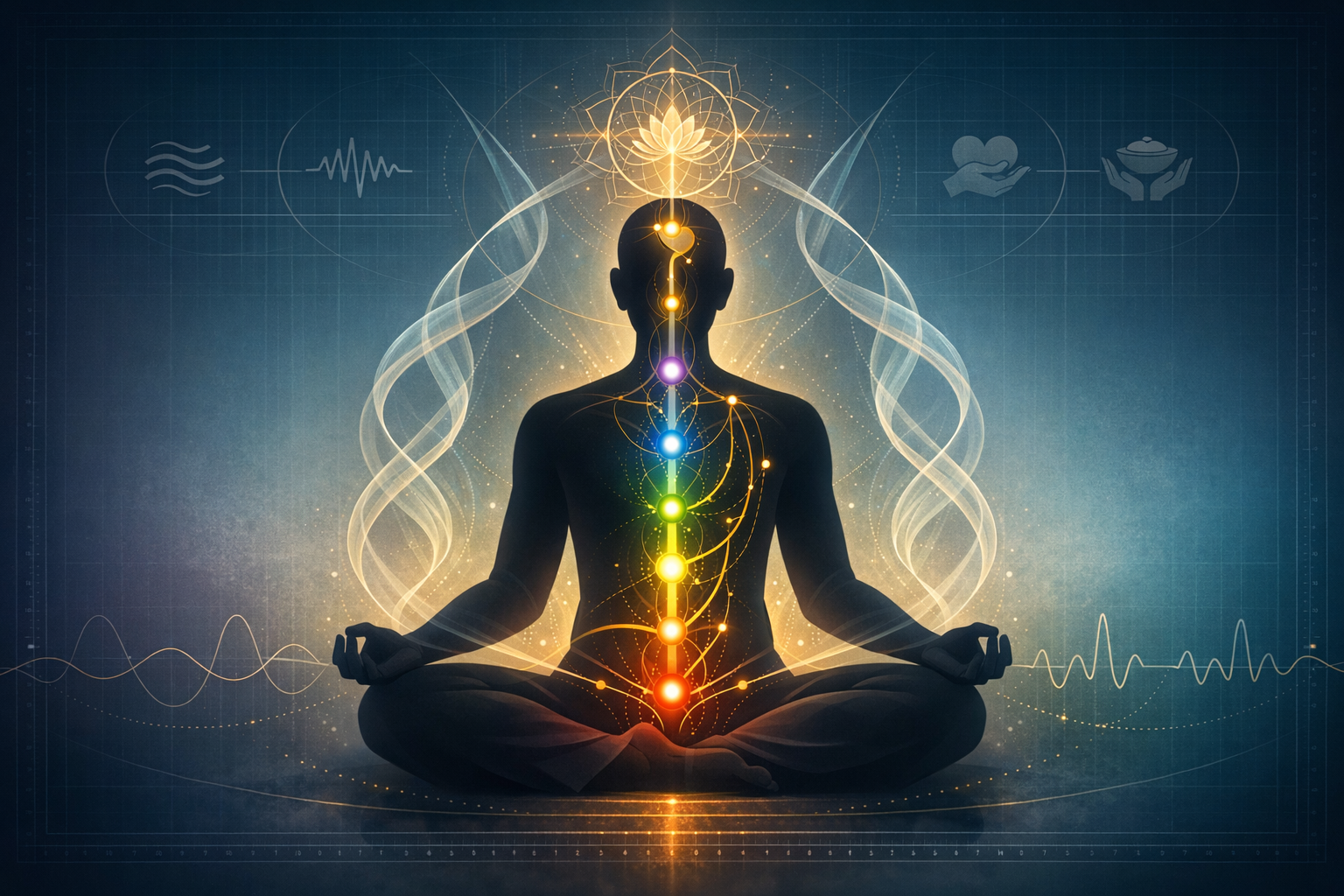
This comprehensive guide presents Kundalini Tantra as a precise, ethical, and integrative science shared across dharmic traditions. It clarifies yogic anatomy (nadis, chakras, sushumna nadi) and explains how breathwork, bandhas, mudras, mantra, and meditation organize subtle energy safely. A stepwise 12-week framework details how to build foundations with yama-niyama, asana, and pranayama before progressing to…
-
From Overwhelm to Ease: A Dharmic, Science-Backed Guide to Cooling an Anxious Mind

Anxiety can be cooled reliably by combining physiology, contemplative training, and ethical living. This guide bridges modern neuroscience with dharmic wisdom from Hinduism, Buddhism, Jainism, and Sikhism to offer practical tools that downregulate the nervous system. Readers learn how breath awareness, pranayama, and humming stimulate the vagus nerve and improve HRV for fast-acting calm. Somatic…
-
On the Banks of Mother Ganga: Immersive Kirtan, Mantra Science, and Dharmic Unity in Rishikesh

Set in Rishikesh on the banks of Mother Ganga, this in-depth exploration of Rishikesh Kirtan Fest explains how communal chanting, breathwork, and meditation combine to create a sustained field of devotion and learning. It defines kirtan within the Bhakti Tradition, outlines its musical architecture, and connects mantra practice to contemporary insights in neuroscience and physiology.…
-
Yoga and Psychological Stress Relief: Evidence-Based Pathways to Calm, Clarity, and Resilience
HH Krishna Kshetra Swami’s address at China Medical University highlighted how the classical yoga tradition approaches stress through systematic preparation of the minduniting meditation, Pranayama, and ethics. This comprehensive analysis bridges those insights with contemporary psychophysiology, explaining how slow breathing boosts vagal tone, meditation reshapes attention and emotion, and ethical congruence reduces cognitive load. Practical…
-
Lauliki (Nauli) in Hatha Yoga: The Fourth Shatkarma to Ignite Digestion, Detoxify, and Focus

Lauliki (Nauli), classically presented as the fourth Shatkarma in several Hatha Yoga lineages, is an advanced abdominal kriyā that refines digestion, steadies the autonomic nervous system, and prepares the mind for deeper practices. Rooted in the Haṭha Yoga Pradīpikā and Gheraṇḍa Saṁhitā, the method isolates and gently churns the abdominal wall on an exhaled retention…
-
12 Evidence‑Backed Advantages of Spirituality for Resilience, Clarity, and Inner Peace

Spirituality, practiced within the plural dharmic streams of Hinduism, Buddhism, Jainism, and Sikhism, offers reliable advantages during life’s hardest moments. Evidence from contemplative science shows that meditation, pranayama, and compassion training calm the nervous system, improve heart rate variability, and sharpen decision-making. Ethical frameworks like dharma, ahimsa, and seva provide clarity under moral pressure while…
-
Healthy Jiva Seminar Insights: Harnessing Vedic Wisdom for Body–Mind–Atma Harmony and Resilience
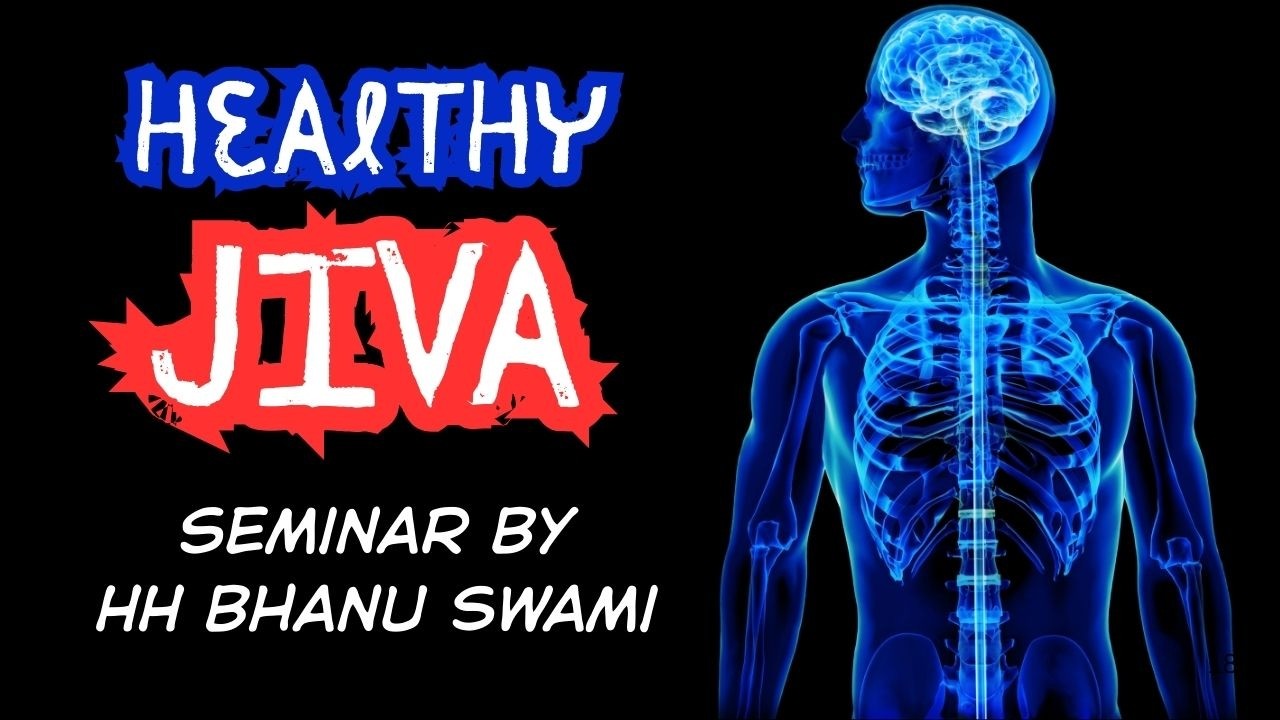
The “Healthy Jiva” seminar by HH Bhanu Swami (Fri 06 Mar 2026) distilled a Vedic, evidence-aligned model of health that integrates the gross body, the subtle body, and the atma. It explained how imbalances propagate across layers, clarifying why mind-body practices such as asana, pranayama, meditation, and bhakti stabilize well-being. Drawing on tri-sharira, pancha-kosha, and…
-
How a Daily Yoga Routine Rewires the Brain, Calms the Nervous System, and Lifts Mood

Embedding yoga into a daily routine produces measurable benefits for mental health. Regular asana, pranayama, and dhyana raise endorphins and GABA, boost BDNF, and rebalance serotonin and dopamine. Consistent practice calms the HPA axis, lowers cortisol, improves vagal tone and HRV, and reduces inflammatory markers linked to low mood. Imaging studies show stronger prefrontal–amygdala control…
-
Success Sadhana 2026: Retrain the Mind for Lasting Happiness with Proven Dharmic Science
Many chase happiness outside and feel more empty over time. This article presents Success Sadhanaan integrative, dharmic, and science-informed method to retrain the mind for durable well-being. Drawing on Yoga, Buddhism, Jainism, and Sikhism, it unifies ethics, pranayama, mindfulness, and seva into a practical routine. Readers learn why hedonic chasing fails and how breath, attention,…
-
Overwhelmed? An Evidence‑Based, Dharmic Guide to Pause, Deep Rest, and Recenter Your Life
Many people today live in survival modeshort breath, scattered focus, and chronic exhaustiondue to nonstop demands and digital noise. This evidence-based, dharmic guide explains how to create restorative space that lowers allostatic load, improves sleep, and strengthens emotional resilience. It distills accessible practices from Hinduism, Buddhism, Jainism, and Sikhismbreathwork, mindful movement, attention training, compassion, and…
-
Decoding the Black Bee: Bhramari Devi and the Dark Radiance of Shakti in Hinduism

This essay decodes the Hindu symbolism of black bees through Bhramari Devi, a form of Shakti whose dark radiance signifies protection, interdependence, and transformative power. It traces Puranic and regional narratives where the Goddess overcomes adversaries as a coordinated swarm, embodying distributed Shakti. Drawing on Upanishadic Madhu-Vidyā, the Bhagavata Purana’s Bhramara-gītā, and allied motifs in…
-
Unlocking Kosha: From the Five Sheaths of the Self to the Treasury of Hindu Statecraft

Kosha holds a powerful dual meaning in Hindu thought: the five sheaths (panchakoshas) that veil the self in Vedanta and the treasury that sustains a kingdom in classical statecraft. Grounded in the Taittiriya Upanishad and Pancha Kosha Viveka, this analysis clarifies each sheathannamaya, pranamaya, manomaya, vijnanamaya, anandamayaand maps practices from asana and pranayama to pratyahara,…