
-
Chhinnamasta Unveiled: The Mahavidya of Sacred Paradox, Kundalini, and Fearless Compassion

Chhinnamasta, one of the ten Mahavidyas, distills the paradox of creation and destruction into a single, coherent symbol. Her iconography—self-severed head, three streams of blood, and stance atop Kama and Rati—teaches sublimation of desire, mastery over ego, and the redistribution of life-energy as compassion. Read through the lenses of Shakta-Tantra and kundalini yoga, the triple…
-
Serpents, Secrets, and Shakti: Decoding the Hidden Power of Goddess Guhya Kali
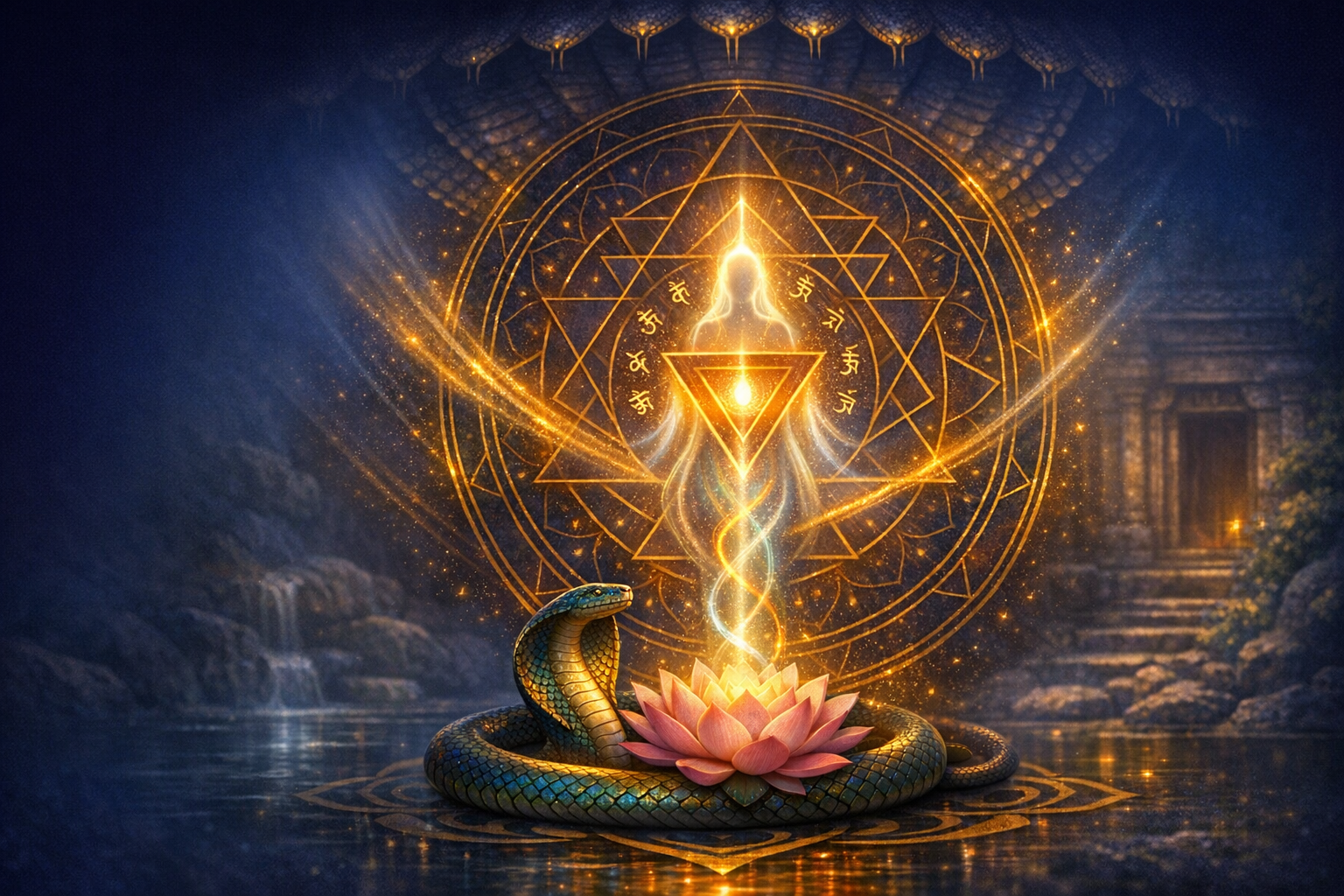
This in-depth exploration decodes the symbolism of serpents alongside the esoteric presence of Goddess Guhya Kali in Shakta Tantra. It clarifies the meaning of guhya (secret) as ethical, paced revelation and shows how Kali, as Shakti, cuts through inner knots that obscure clarity. Readers gain a technical overview of kundalini, the nadis (ida, pingala, sushumna),…
-
Kundalini Tantra Unveiled: A Scientific, Dharmic Guide to Awakening the Serpent Power

This comprehensive guide presents Kundalini Tantra as a precise, ethical, and integrative science shared across dharmic traditions. It clarifies yogic anatomy (nadis, chakras, sushumna nadi) and explains how breathwork, bandhas, mudras, mantra, and meditation organize subtle energy safely. A stepwise 12-week framework details how to build foundations with yama-niyama, asana, and pranayama before progressing to…
-
Laya in Hinduism: The Transformative Power of Dissolution, Rhythm, and Unitive Awareness

Laya, from the Sanskrit root lī, signifies dissolution, absorption, and repose—an idea that unites Hindu cosmology, contemplative practice, yoga, and the aesthetics of Indian classical music. This long-form, technical exploration clarifies how laya differs from pralaya, why Advaita Vedānta treats laya as a potential pitfall without viveka, and how Yoga, Laya Yoga, and Nāda Yoga…
-
Unveiling the Sacred Nāgas: Cosmic Serpents, Seven Realms, and Living Dharma

Serpents (Nāgas) in Hindu tradition are far more than reptiles; they are guardians of waters, thresholds, and cosmic order across the seven realms and seven netherworlds. Grounded in the Sarpa Suktam and extended through Purāṇic and Itihāsa narratives, Nāga lore unites temple iconography, regional festivals, yogic anatomy, and ecological stewardship. Key figures such as Ananta-Śeṣa…
-
Kapalini: Shakti’s Terrifying Grace and the Awe-Filled Storm that Seeds Creation Cycles

Kapalini, the skull-bearing form of Goddess Shakti, stands at the threshold where dissolution gives birth to creation. Set against the awe-filled storm of pralaya, Kapalini carries the Brahma-substance—the causal seed from which new worlds emerge—offering a precise map of Hindu cosmology. The narrative clarifies the five cosmic acts, types of pralaya, and the role of…
-
Shakini Yogini Unveiled: Lion-Headed Shakti, Bhairava’s Wrath, and Deep Tantric Symbolism

Shakini Yogini, often depicted with a lion face, crystallizes Tantric teachings about fearless clarity, ethical speech, and disciplined power. Emerging mythically from Bhairava Samvarta as mahauraudra, she embodies purgative intensity in service of transformation, not harm. Many traditions map her to the Vishuddha chakra, where the seed sound HAM refines voice and intention into vāk-siddhi—truthful…
-
Goddess Shivani as Divine Shakti: Symbolism, Yogic Science, and Awakening Consciousness
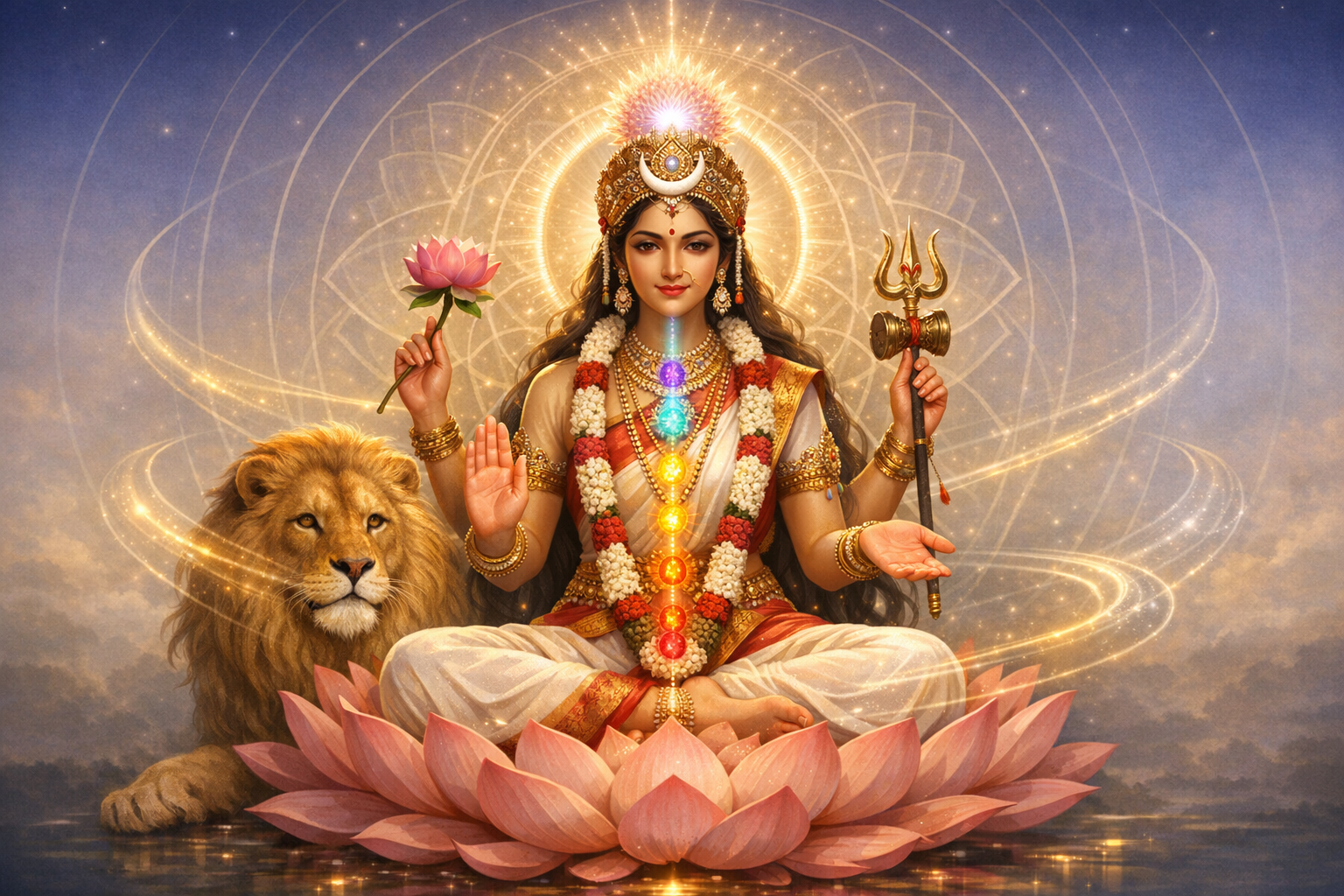
Goddess Shivani is presented as a luminous expression of Devi Shakti, the Sacred Feminine that awakens divine consciousness in Hindu philosophy. The discussion clarifies Shivani’s identity as an epithet aligned with Parvati, explores Shiva–Shakti non-duality, and explains the five cosmic functions, the triad of shaktis, and their ethical implications. Yogic science is detailed through Kundalini,…
-
Sankalpa to Samadhi: How Focused Intention Forges Divine Union Across Dharmic Paths
This article examines how strong intention—saṅkalpa, cetanā, bhāvanā, or alignment with Hukam—becomes the central engine of transformation across Hinduism, Buddhism, Jainism, and Sikhism. It explains the shared architecture that links ethics, attention training, contemplative absorption, and compassionate action, showing how these elements cohere into divine union or ultimate realization. Drawing on the Bhagavad Gita, the…
-
Shiva’s Third Eye and the Ashes of Desire: Profound Symbolism Behind Kamadeva’s Fall

Shiva’s incineration of Kamadeva is a profound Hindu symbol of transforming craving into clarity. The third eye represents the fire of insight (jñāna-agni) that burns compulsion to ash (vibhūti) without rejecting love or life. Variations across Puranic and poetic retellings agree on a core teaching: desire is refined, not denied. The story models how tapas,…
-
Nagapasha in Durga’s Hand: Unleashing Conscious Power and the Serpent’s Victory Over Evil

The serpent—Sarpa—in Goddess Durga’s hand is not mere ornament but Nagapasha, the symbol of conscious power and ethical control. It signifies the binding of ego and disorder through lucid awareness rather than brute force. A yogic reading links the serpent to Kundalini rising from the muladhara through the sushumna nadi, illustrating disciplined Shakti in service…
-
Ekajata’s Single Braid: Powerful Symbolism of Focus, Protection, and Supreme Consciousness
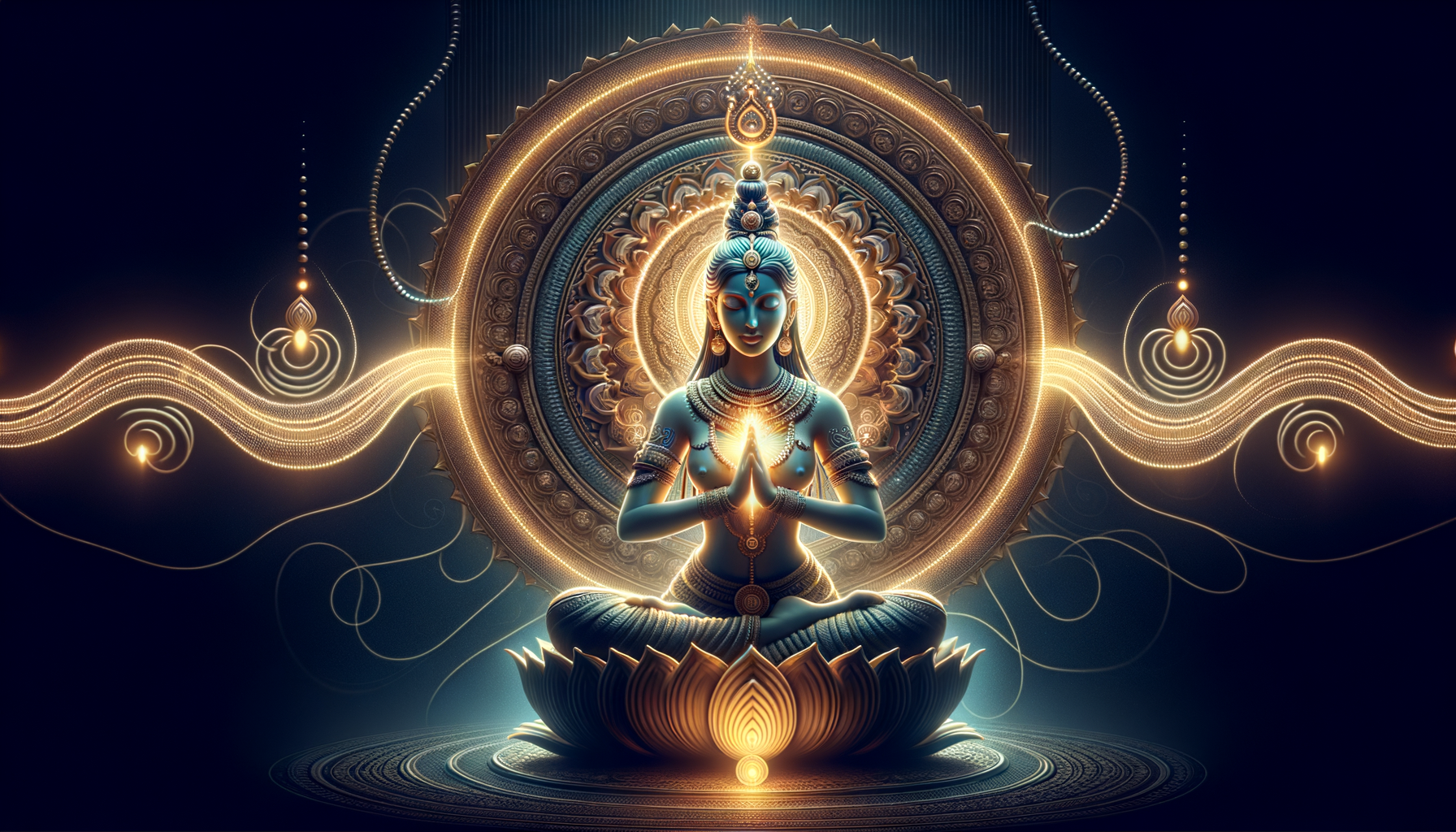
Goddess Ekajata’s single braid is a concentrated teaching in Hindu Tantra: a symbol of supreme consciousness, one-pointed focus (ekagrata), and vigilant spiritual protection. Read as Tantric anatomy, it reflects the unification of ida and pingala within the sushumna nadi, supporting sustained dhyana and the ascent of Kundalini. The braid’s tightly bound form evokes vows, secrecy,…
-
Radiant Kankali Kali and the Chakras: A Transformative Guide to Sacred Energy Centers

This article explores Kankali Kali as a radiant symbol of transformative strength within Hindu spirituality, illuminating how her fierce compassion supports the harmonization of the chakras. It outlines each sacred energy center—from mulādhāra to sahasrāra—and explains how ethical clarity, steady breath, and mindful practice guide balanced awakening. Readers gain a practical, non-dogmatic framework for working…
-
Best of 2025: Unmissable Indian History, Dharmic Heritage, and Spiritual Insights

This best-of-2025 collection curates ten most-read essays spanning Indian history, cultural heritage, and spiritual insight. Readers encounter a Vijayanagara inscription that documents dam-building and temple ecology in the 14th century. A cultural analysis of Dhurandhar maps a shift toward a more assured Indian cinematic voice. Historical studies revisit Parāvartana, a Lampsacos engraving of Bharata Mata,…
-
Madanakala’s Sacred Fire: The Transformative Power of Divine Passion in Tantrism & Shaktism

Madanakala in Hindu Tantrism and Shaktism reframes passion as a sacred, creative force rather than mere desire. Anchored in Shakti-tattva and guided by iccha-, jnana-, and kriya-shakti, it channels emotional intensity toward clarity, compassion, and purposeful action. Through Tantric practices—mantra, yantra, mudra, and pranayama—this energy is ethically refined, supporting transformative kundalini processes. The approach aligns…
-
Manthanabhairavatantra: Unveiling Kubjika’s Shakti and the Western Kaula’s Living Wisdom

The Manthanabhairavatantra is a monumental Shakta scripture centered on Goddess Kubjika and Bhairava, anchoring the Western Kaula tradition. It presents a unified vision of energy and awareness, integrating mantra, ritual, and meditation with a nuanced map of consciousness and kundalini awakening. The churning metaphor makes complex metaphysics vivid and emotionally resonant, offering readers an accessible…
-
Goddess Chinnamasta and the Jackals: Tantric Symbolism, Fierce Grace, and Inner Transformation

Goddess Chinnamasta’s self-decapitated form and the presence of jackals create a profound Tantric teaching on ego-transcendence, impermanence, and compassionate energy. The three blood streams symbolize iḍā, piṅgalā, and suṣumṇā, suggesting redistribution of prāṇa rather than loss. Jackals, as cremation-ground denizens, represent threshold spaces and the recycling of form, turning fear and instinct into wisdom. Psychological…
-
Unlocking Kundalini: The Mad Sadhu on Purusha–Prakriti, Nirvikalpa, and Praṇava
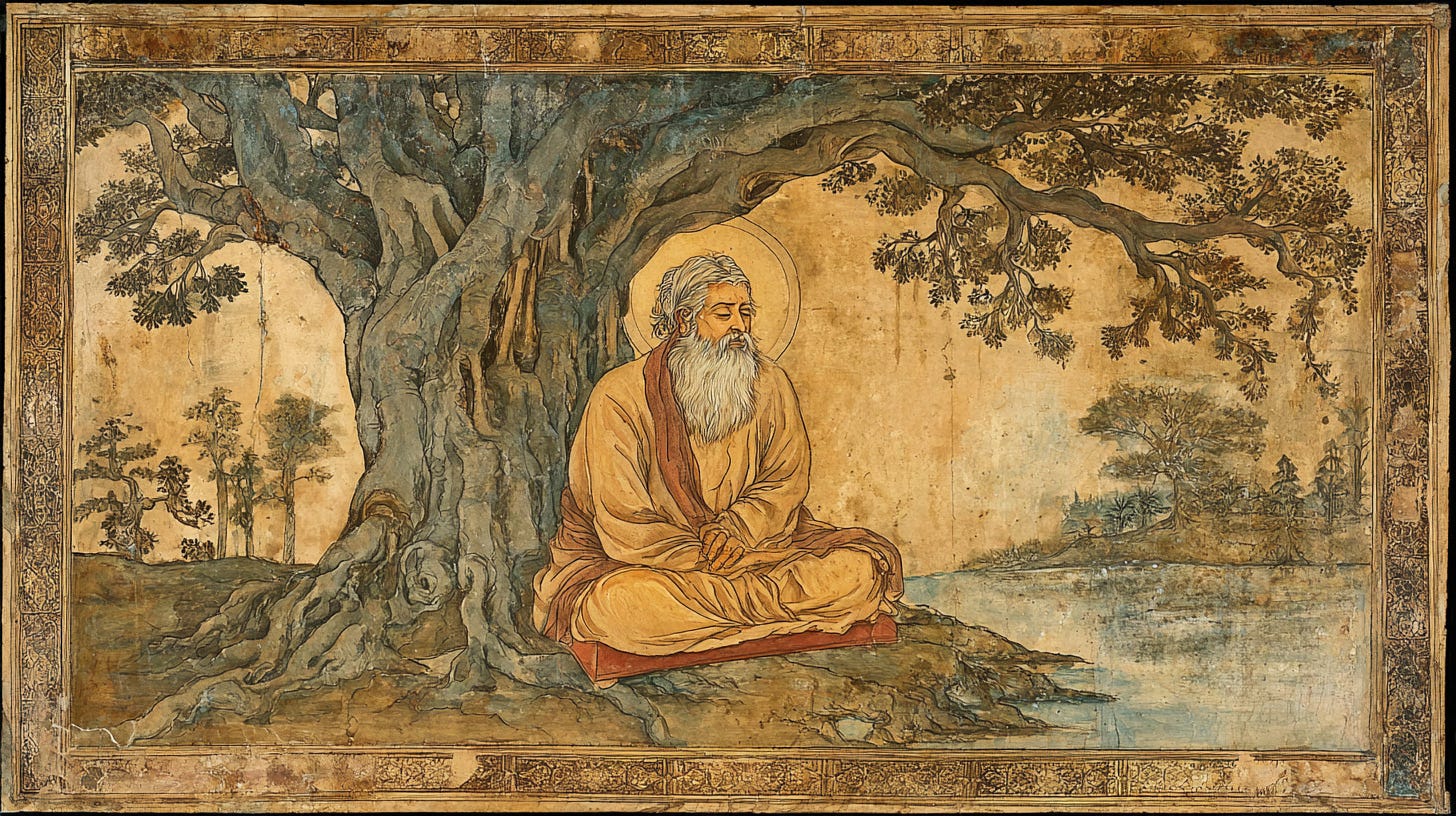
This rigorous retelling of Babaji’s discourse on Kundalini Yoga clarifies how the mind’s restraint (nirodha) opens into laya and nirvikalpa samādhi, where stillness reflects Purusha and activity reflects Prakriti. It explains how icchā-śakti awakens near nirvikalpa, refining desire into a unitive will aligned with pure consciousness. The analysis of bhāva-ākāśa shows how feeling unfolds as…
-
Decoding Śūnya, Bhakti, and Avatāra: Profound Insights from Kashi’s ‘Mad Monk’
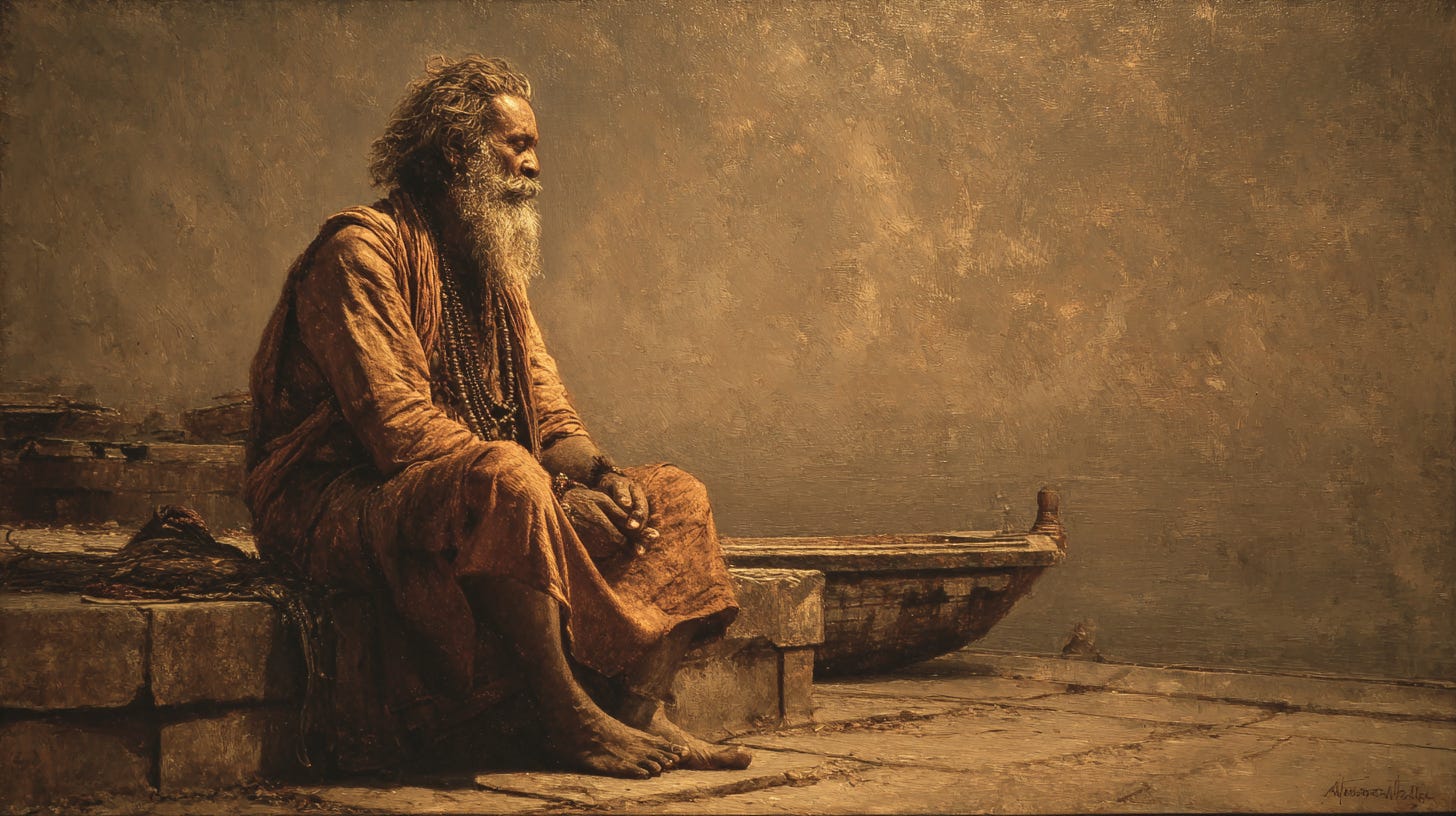
A rare Kashi dialogue with the so-called “Mad Monk” maps creation from Bhāvākāśa to bindu, rekhā, and vṛtta, framing śūnya as a luminous interval rather than mere emptiness. The Sadhu links kāma and prema to two textures of creation, explains how inner blossoming at sahasrāra, anāhata, maṇipūra, or mūlādhāra colours experience, and outlines a tenfold…
-
Muruga (Kumara) as Kundalini Shakti Embodied: Awaken Inner Fire, Focus, and Fearlessness
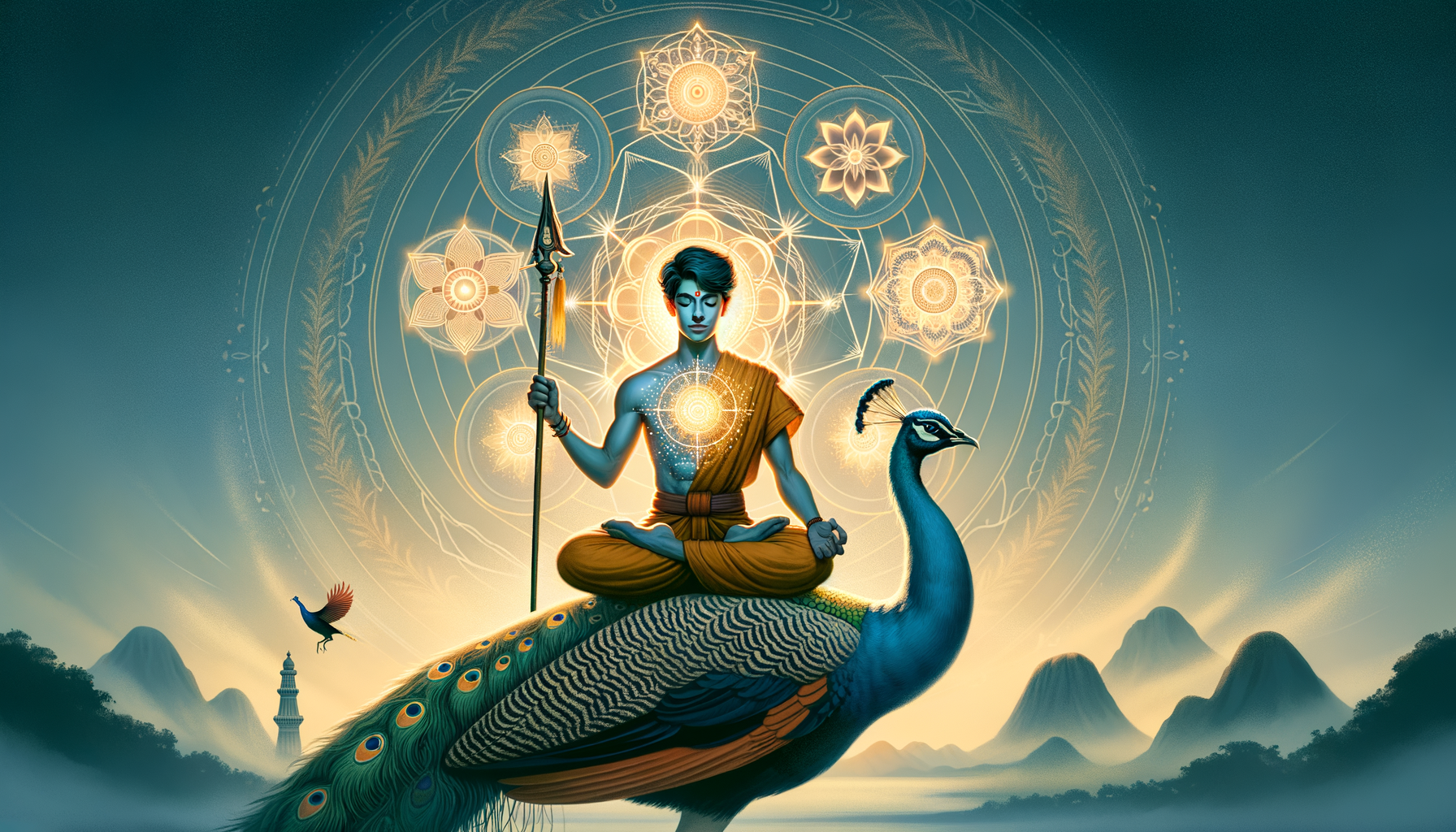
This essay presents Muruga (Kartikeya, Subrahmanya, Kumara) as a contemplative symbol of Kundalini Shakti—inner power awakened through disciplined focus and ethical living. It explains how the Vel, peacock vahana, and Shanmukha iconography map to psychological integration and spiritual ascent through the sushumna nadi from muladhara upward. Drawing on textual memory from the Skanda Purana and…