
-
Vin Diesel’s ‘Shroom’ Quotes the Bhagavad Gita: Duty, Fear, and Dharma in Billy Lynn’s World

A pivotal scene in Billy Lynn’s Long Halftime Walk (2016) brings the Bhagavad Gita into a modern war setting, as Vin Diesel’s ‘Shroom’ reflects on karma, fear, and duty with Joe Alwyn’s Billy Lynn. By invoking Krishna’s counsel to Arjuna, the film reframes courage as ethically grounded clarity rather than mere boldness. The moment resonates…
-
Answering Krishna’s Call: Overcoming Fear and Embracing Devotion in Vrindavan’s Forests
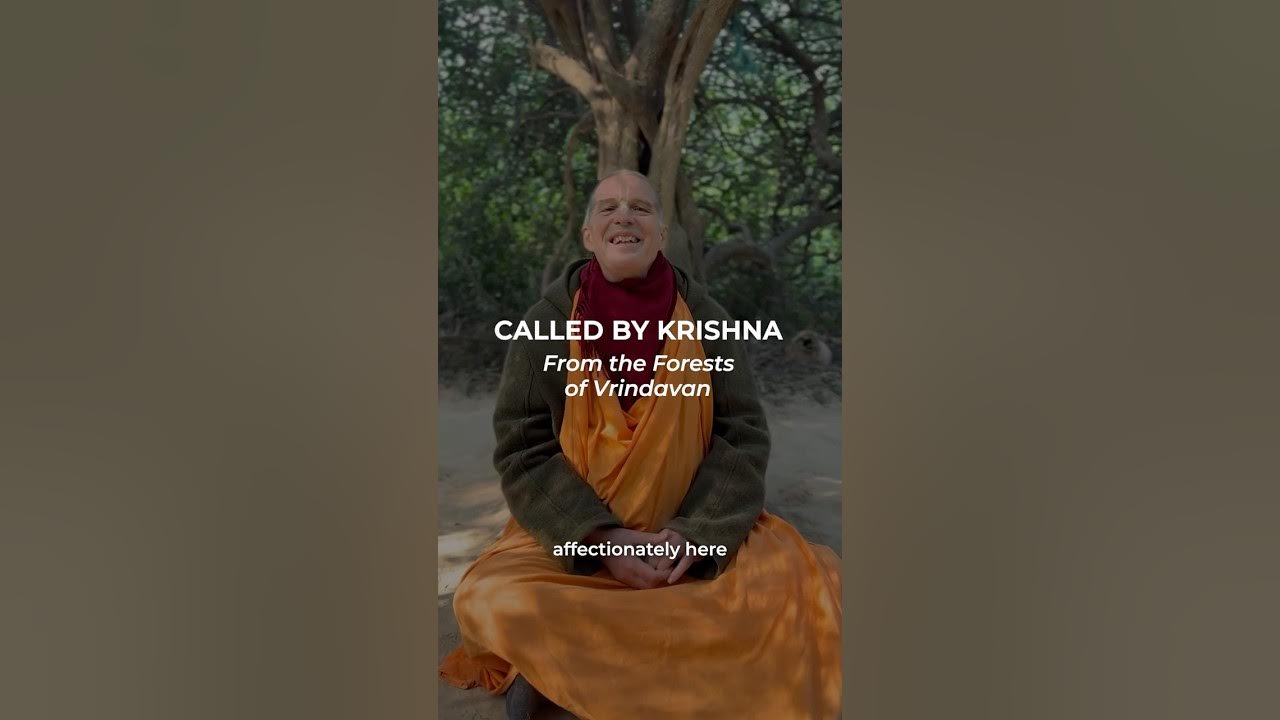
This reflection from Vrindavan explores how Krishna’s call is experienced through nature, conscience, and community. It examines the core question of response versus fear in a measured, academic tone grounded in Hindu spirituality and the Bhakti Tradition. Drawing parallels across dharmic traditionsHindu, Buddhist, Jain, and Sikhit highlights shared values of courage, compassion, and service. Readers…
-
Krishnakali: Bengal’s Enchanting Fusion of Sri Krishna and Goddess Kali, Devotion and Unity

Krishnakali, cherished in Bengal, unites Sri Krishna’s compassionate play with Goddess Kali’s protective power in a single devotional vision. Rooted in bhakti traditions linked to Radharani, it demonstrates Hinduism’s pluralism and the Ishta principlehonoring personal freedom in worship. The folkloric episode, featuring Jatila, Kutila, and Ayan, highlights how divine wisdom reconciles social tension without conflict.…
-
Divine Responsibility and the Yadus: Transformative Lessons from Srimad Bhagavatam 11.1.4
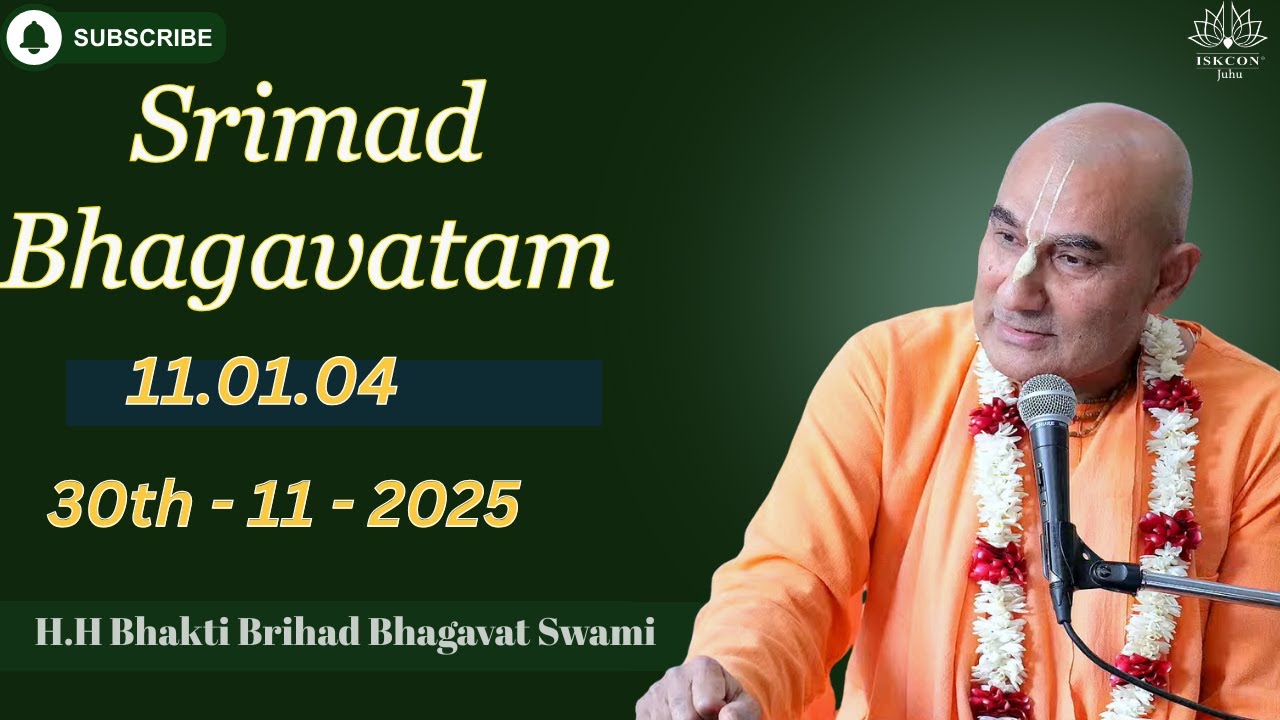
This reflection on Srimad Bhagavatam 11.1.4, presented at ISKCON Juhu by H.H Bhakti Brihad Bhagavat Swami, explains why Lord Krishna did not allow others to end the Yadu dynasty. As His own family, the Yadus could not be destroyed by any being in the universe, not even the demigods, ensuring that no external party accrued…
-
Paris Bhakti Festival: Hare Krishna Ratha Yatra, Living Devotion and Dharmic Harmony

Set against Paris’s cosmopolitan backdrop, the Paris Bhakti Festival and Hare Krishna Ratha Yatra present bhakti yoga as a living, participatory tradition. The public procession of Lord Jagannath, accompanied by kirtan and vibrant offerings, invites residents and visitors to join in a shared experience of devotion. Rooted in Srila Prabhupada’s vision, the festival demonstrates how…
-
Tiruppavai in Hindi (तिरुप्पावै): Meaning, Practice, and Andal’s Divine Bhakti for Margazhi

Tiruppavai in Hindi (तिरुप्पावै) brings Āṇḍāḷ’s thirty Margazhi hymns into clear focus for Hindi readers, blending poetic beauty with scriptural depth. The preserved dhyānam honors गोदा as the awakener of Krishna and teacher of Vedic essence through loving surrender. Presented in an academic yet accessible style, the post explains key themesgrace, prapatti, communal vows, and…
-
One Divine Reality Beyond Many Names: A Powerful, Unifying Insight into Krishna and God
This reflection explains how one Divine Reality is known by many names across cultures and languages, emphasizing unity rather than division. It clarifies that attributes like Almighty or Omniscient name the same Supreme Being, not separate deities. The Sanskrit name Krishna, meaning “all-attractive,” highlights a universal, inclusive vision of the Divine. The discussion encourages religious…
-
Bhagavad Gita as a Living Guide: Chaitanya’s Moving Lesson on Devotion, Duty, and Unity

The Bhagavad Gita offers practical guidance for daily life through duty, selfless action, and devotion. A noted account from Chaitanya Mahaprabhu’s travels in South India highlights how a sincere heart can grasp the Gita’s essence beyond textual study. The image of Krishna guiding Arjuna’s chariot symbolizes trust, ethical action, and inner steadiness. These themes align…
-
Beyond Fashion: Recognize the True Guru and Surrender with Discernment for Inner Clarity

In dharmic traditions, a guru is not a trend but the principle of authentic guidance shaping a seeker’s life. Surrender means practicing the guru’s counsel with integrity, not passive or blind obedience. The Bhagavad Gita’s example of Arjuna and Sri Krishna illustrates how discerned acceptance refines agency and aligns action with dharma. Across Hinduism, Buddhism,…
-
Grace on the Temple Floor: A Sweetball, Surrender, and Srila Prabhupada’s Blessing

A crowded darshan in New Dwaraka revealed how surrender in service can invite unexpected grace. As Srila Prabhupada tossed sweetballs, one rolled through the packed temple to reach Omkara devi dasi at the very moment she bowed in departure. This seemingly impossible detail became a vivid emblem of Guru’s Blessings and the sanctity of prasadam…
-
Experience Krishna Katha’s Transformative Power with H.G. Vaisesika Dasa at ISV
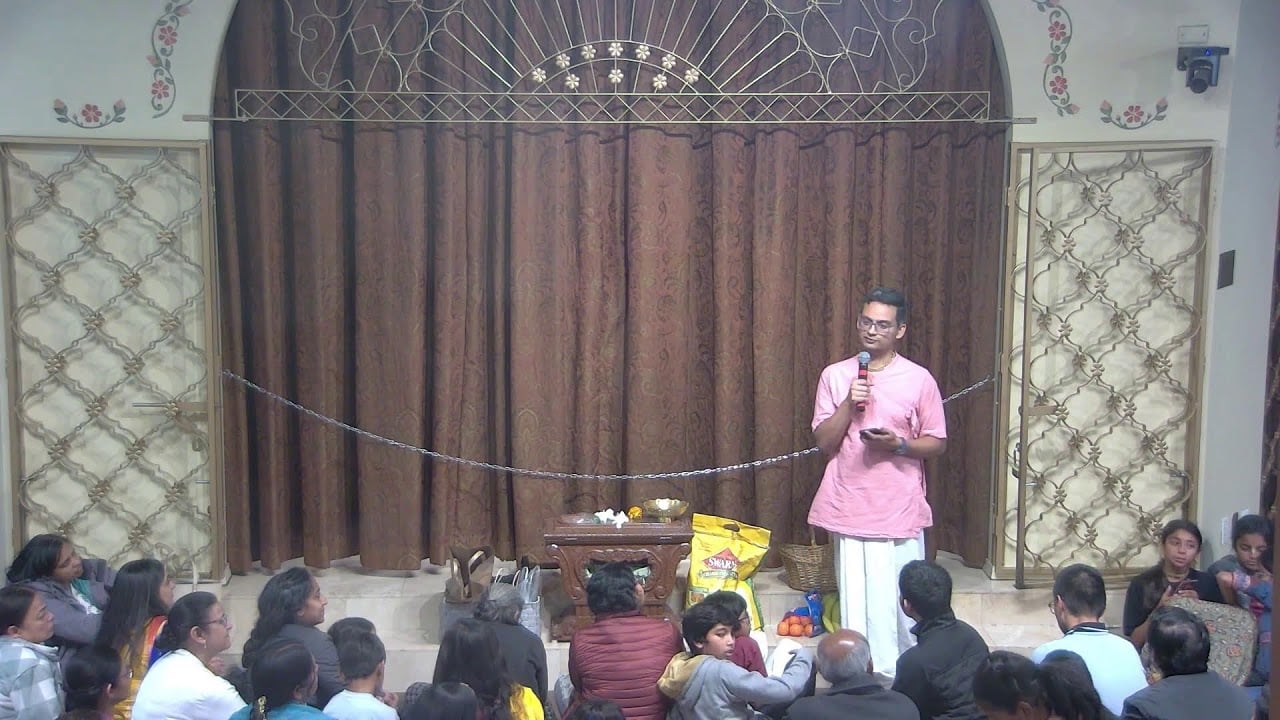
ISKCON of Silicon Valley hosts a Krishna Katha with H.G. Vaisesika Dasa on 2025-11-23, centering on the bhakti practices of hearing and chanting. The program highlights how sravana and kirtana deepen devotion, stabilize attention, and cultivate inner calm. Participants often experience renewed clarity, emotional balance, and a meaningful sense of community. The approach resonates with…
-
SB 10.86.31Bahulāśva’s Praise of Kṛṣṇa: Witness of All Actions, Awakener of Bhakti

SB 10.86.31, as illumined by Śrīla Viśvanātha Cakravartī, presents Bahulāśva honoring Kṛṣṇa as both the inspirer of consciousness and the witness of all actions. This dual insight nurtures humilitytrust in grace to awaken devotionand accountabilityawareness that conduct is always seen by the divine. The teaching naturally translates into practice through svādhyāya, mindful japa, and seva.…
-
Govind Dev Ji Temple, Jaipur: A Soul-Stirring Krishna Shrine in the City Palace Complex

Situated within Jaipur’s City Palace complex, Govind Dev Ji Temple is a renowned Krishna shrine where living bhakti shapes daily life. Historically installed by Maharaja Sawai Jai Singh II, the deity’s presence reflects a seamless integration of devotion and civic identity. The temple’s Rajput–Mughal aesthetics, open courtyards, and axial alignments exemplify Jaipur’s heritage planning. Daily…
-
Srila Prabhupada’s Boston Arrival: The Hare Krsna Mantra and a Historic Mission of Compassion

A seventy-year-old sannyasi arrived in Boston on September 17, 1965, after an arduous voyage on the Jaladuta, intent on sharing krsna-bhakti beyond its Indian heartland. His diary entry from that day reveals deep humility, reliance on causeless mercy, and strong faith in the holy name of Krsna. Historically, the moment marks a turning point in…
-
Immersive Devotional Dramas at ISKCON Vrindavan: Srila Prabhupada’s Living Legacy

Srila Prabhupada’s ISKCON Vrindavan Cultural Theatre (IVCT) transforms devotional drama into a contemplative practice centered on Krishna’s leelas. The performances create an immersive environment that deepens remembrance and supports mindful attention. As a living repository of cultural heritage, IVCT translates scriptural narratives into accessible, intergenerational learning. The theatre’s inclusive ethos resonates with shared values across…
-
Timeless Vedic Wisdom for Harmony: SB 3.22.1–14 Insights with HG Kalakantha Prabhu

This reflection on SB 3.22.1–14, presented at Krishna House Gainesville, clarifies the Vedic purpose of transmitting transcendental knowledge of the Absolute Truth. It interprets classical symbolism about brāhmaṇas and sacred speech in an inclusive, ethical frame centered on service. Bhagavad-gītā’s emphasis on disseminating wisdom and glorifying Lord Kṛṣṇa is shown to align with this mandate.…
-
Govind Dev Ji Temple, Jaipur: A Timeless Sanctuary of Krishna Bhakti in City Palace

Govind Dev Ji Temple, set within Jaipur’s City Palace Complex, is a renowned Krishna shrine that blends living worship with cultural heritage. The name “Govind” reflects the intimate bhakti bond between Lord Krishna and devotees, embodied through aarti, kirtan, and daily darshan. Historical patronage by Sawai rulers sustained its rituals and conservation, reinforcing its status…
-
Sacred Footsteps in New Vrindaban: Srila Prabhupada’s Timeless Guidance on Simple Living

Srila Prabhupada’s four visits to New Vrindaban offered ISKCON a practical, enduring blueprint for simple, devotional living. His first month-long stay in 1969 emphasized austere contentment, praising modest lodgings, well water, and fresh milk from “Kaliya,” ISKCON’s first cow. These moments translated the Bhakti Tradition into everyday practiceself-sufficiency, cow protection, and sustainable village life rooted…
-
Enlightenment Meets Dharma: Uniting Dharmic Paths with Krishna-Conscious Compassion

This reflection presents Krishna consciousness as a bridge to universal values that resonate across Hinduism, Buddhism, Jainism, and Sikhism. It explains how Vedic principles harmonize with compassion, dignity, protection of life, and the cultivation of wisdom. The discussion highlights ahimsa, karuna, maitri, and seva as practical, everyday commitments that build social cohesion. It emphasizes ethical…
-
Srimad Bhagavatham’s Timeless Wisdom: Sri Krishna’s Leelas, Devotee Tales, and Living Bhakti

Srimad Bhagavatham, attributed to Sri Veda Vyasa, offers an elegant, spiritually rich portrayal of Sri Krishna’s Leelas and the lives of devoted bhaktas. Its narratives of divine play, ethical courage, and compassionate guidance bring Bhakti into daily practice. Readers often find emotional resonance in Krishna’s childhood tales and practical insights for cultivating humility, seva, and…