-
FCRA Flashpoint: Why Rep. Chris Smith Pressed Rubio on India—and the Stakes for Civil Society

Representative Chris Smith’s call for Senator Marco Rubio to raise India’s FCRA in high-level talks has revived a sensitive debate: how to balance India’s sovereign right to regulate foreign funding with the need to protect legitimate civil-society and faith-based work. This analysis clarifies what the FCRA is, how it evolved (1976, 2010, 2020), and why…
-
In Yamanashi, a Namaste and Sanskrit shlokas move Yogi Adityanath, spotlighting India–Japan ties

A classroom exchange in Yamanashi, where a student greeted Uttar Pradesh Chief Minister Yogi Adityanath with a namaste and Sanskrit shlokas, became the most resonant image of an India–Japan outreach focused on trade, strategy, and investment. The moment showcased education diplomacy and soft power in action, translating policy intent into relational trust. It highlighted how…
-
What Macron’s Mumbai Jog Reveals about Leadership Fitness, Soft Power, and India–France Ties

French President Emmanuel Macron’s late-morning jog through Mumbai’s Churchgate district, during a visit associated with the AI Impact Summit, offered a concise case study in soft power and public diplomacy. The moment projected leadership fitness and approachability while showcasing coordination by Indian security and civic agencies. It also served as earned media, linking a policy-focused…
-
“Once Iran Is Free”: Reza Pahlavi’s Vision for a Bold, Respectful New Chapter with India

Reza Pahlavi outlines a values-based pathway for India–Iran relations that places sovereignty, liberty, and mutual partnership at the center. He highlights deep civilisational links and India’s cultural heritage as foundations for renewed cooperation. Policy priorities include energy security, water resilience, and demographic challenges, areas where India’s technology and renewable energy leadership can make a decisive…
-
Economic Shockwaves, Ethical Restraint: India’s Trade Levers to Protect Hindus in Bangladesh

This analysis explores how India can apply calibrated economic pressure—via land routes, sea facilitation, and airspace permissions—to deter violence against Hindus in Bangladesh while preserving regional stability. It outlines practical levers, from targeted suspensions with humanitarian carve-outs to compliance-focused reviews of electricity, fuel, and logistics. It explains risks and second-order effects on Indian exporters, border…
-
Complete, Lawful Playbook for India–Pakistan Stability: Proven Strategies to Transform Security

This analysis offers a complete, lawful playbook to transform India–Pakistan security dynamics without courting uncontrolled escalation. It explains how precision deterrence, cyber resilience, and financial countermeasures can degrade terror ecosystems while safeguarding civilians. Readers will discover proven options that align with international law, from targeted sanctions and FATF processes to intelligence-led interdictions and legal accountability…
-
Iran’s Nuclear Program and Israel’s Red Lines: The Complete Guide to Regional Security Stakes

This analysis clarifies why Israel views Iran’s nuclear program as an existential risk, how U.S. policy has shifted from sanctions to negotiated limits and back, and where India’s strategic autonomy fits into the picture. Readers discover the roles of Hamas, Hezbollah, the Houthis, and regional militias in shaping deterrence and escalation. The piece outlines practical…
-
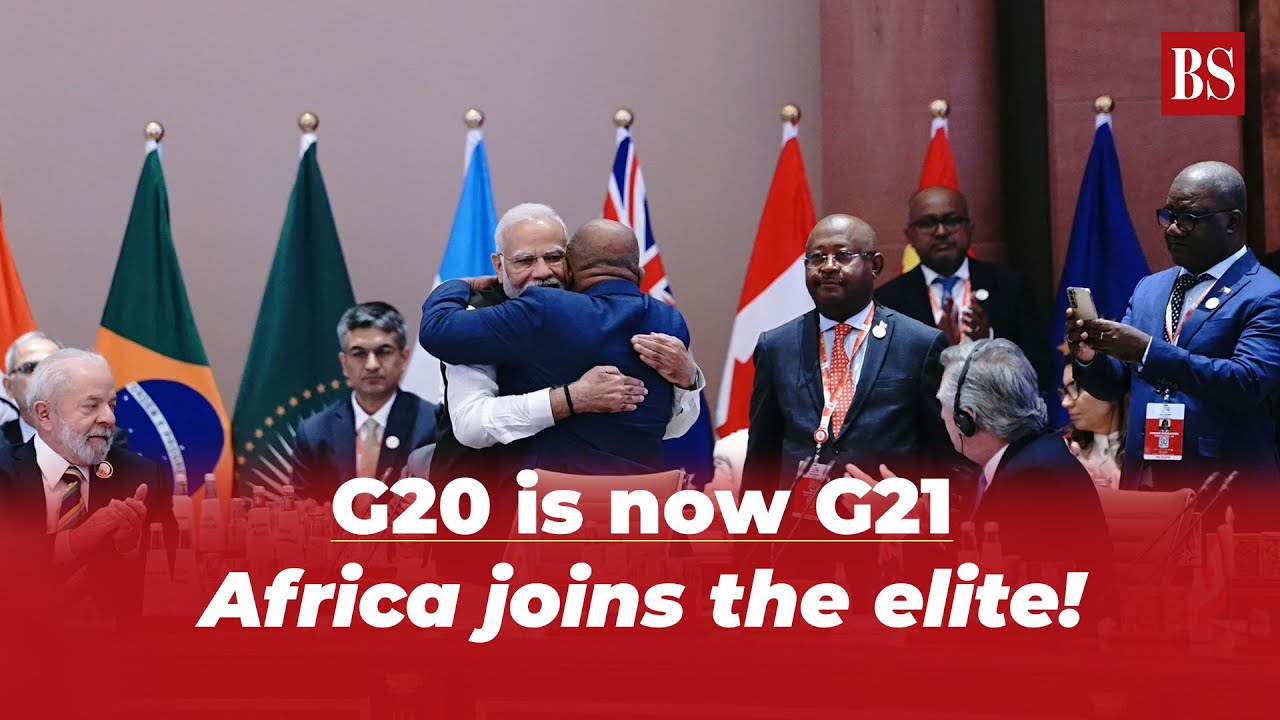
G-21: FORGING THE FUTURE

In a reflective account of the G-20 Summit in New Delhi, this blog post extols the transformative impact and commitments made by global leaders for a sustainable future. Emphasizing India’s leadership, the narrative showcases Prime Minister Narendra Modi’s priorities and the summit’s key outcomes. It highlights critical issues addressed, such as climate change and geopolitical…
-
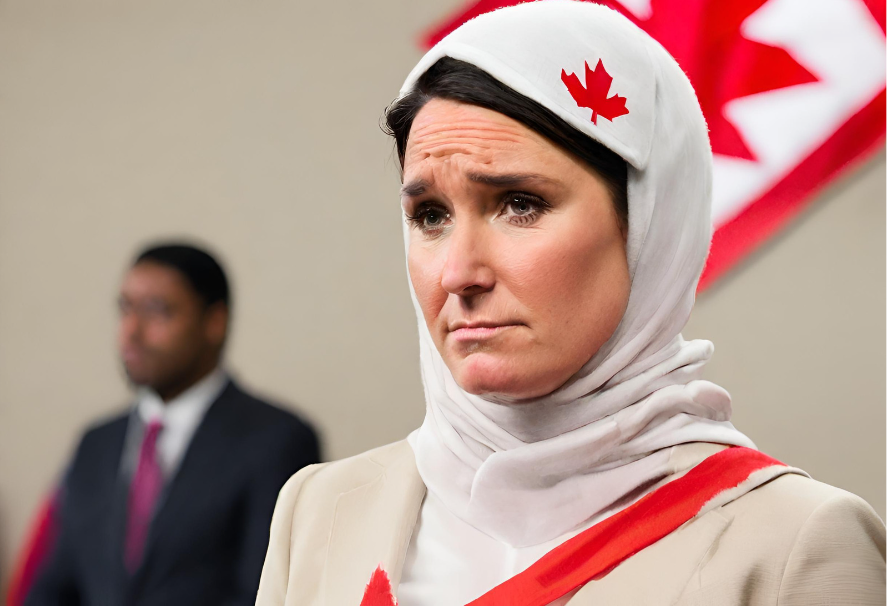
Justin Trudeau booed in Canada mosque over Israel-Hamas war

Canadian Prime Minister Justin Trudeau faced booing at a Toronto mosque during his visit due to his response to the Israel-Hamas conflict. Liberal MPs in Canada are aligning with calls from Muslim groups for a ceasefire, while prominent Canadian Jewish organizations are demanding Trudeau retract a comment that was seen as supporting Hamas’s claim that…
-
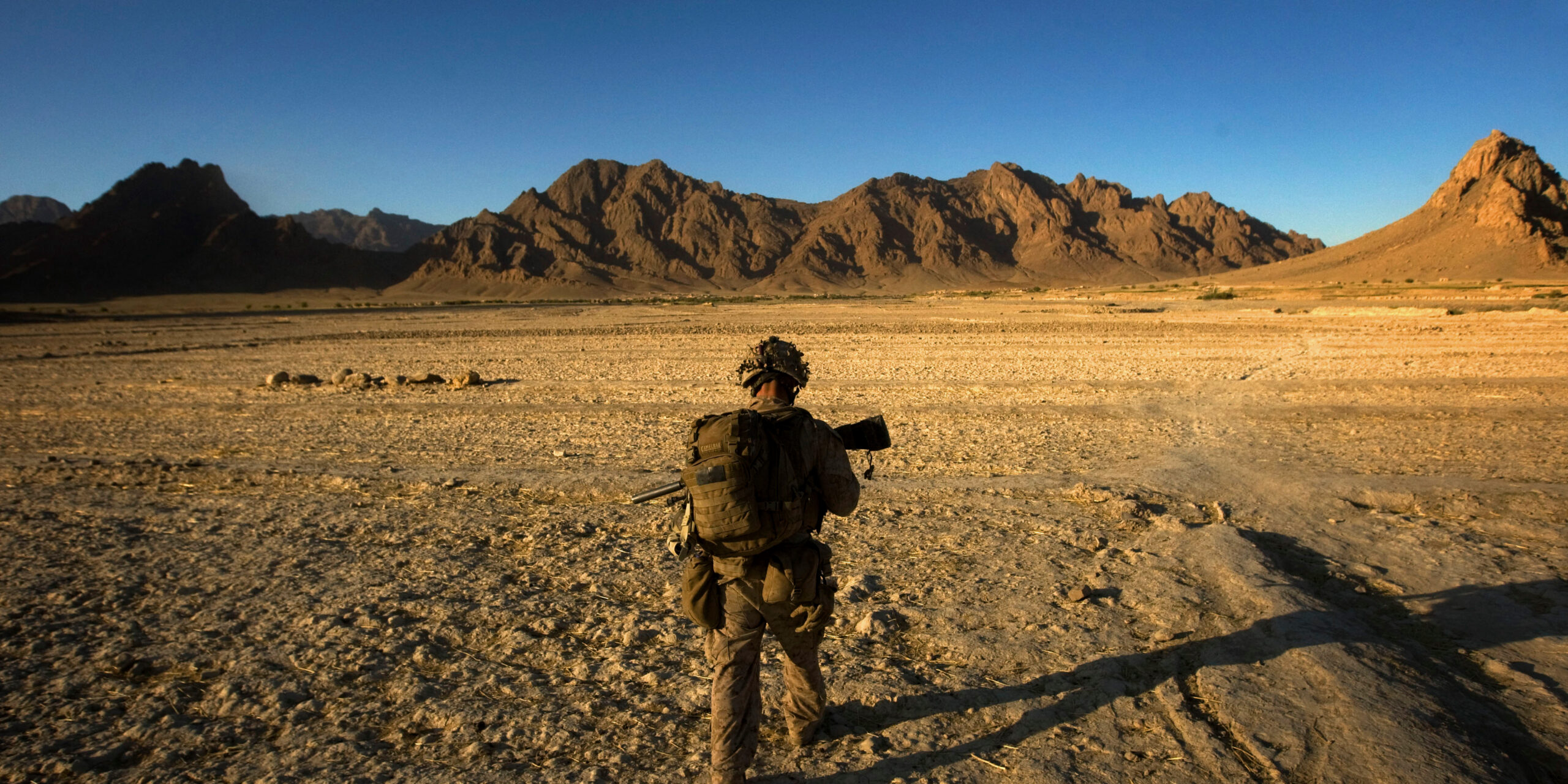
Afghanistan’s Throes Of Instability And Conflict

The situation in Afghanistan, often referred to as the ‘graveyard of empires,’ has been marked by ongoing conflicts and instability within its borders and in its relations with neighboring countries like Pakistan and Iran. The Taliban’s strict rule has imposed a heavy burden on ordinary Afghans, leaving them with no escape from their oppressive regime.…
-
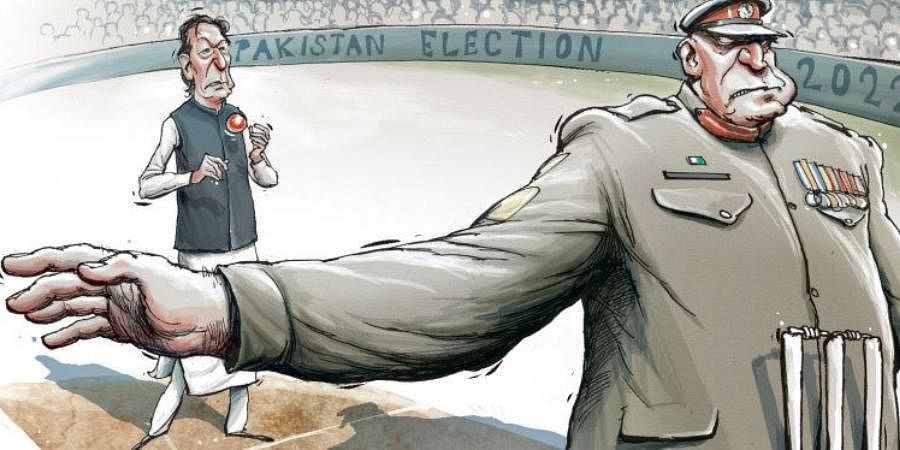
Pakistan, With Head Above The Water : Way The Cookie Crumbles

In my recent engagements in the realm of geopolitics, a recurring question has been the focus: Can Pakistan endure its current challenges? My unwavering response is a resounding “yes.” Pakistan, despite its fragile political and economic landscapes, has a history of resilience and survival. Voices from within Pakistan echo this sentiment, and international actors are…
-
Punjab – Seeking Way Forward In Simmering Crisis

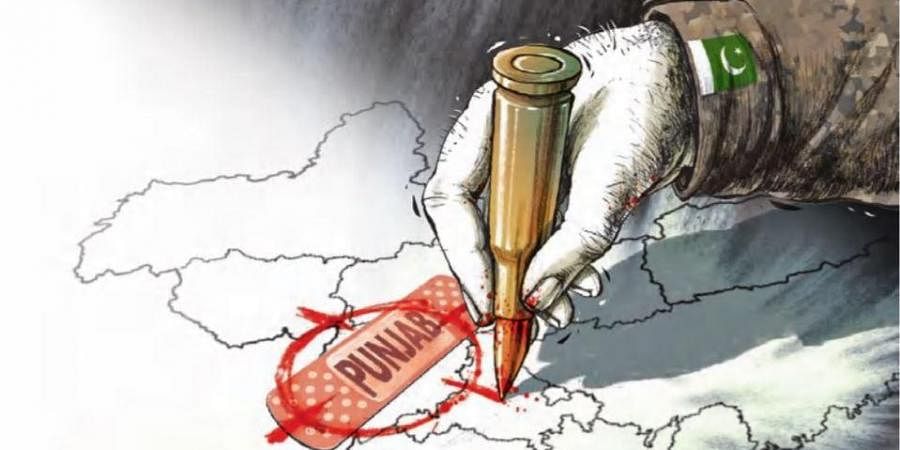
Amidst evolving geopolitical dynamics, the reported Kashmir-Khalistan (K2) project orchestrated by Pakistan’s ISI has raised concerns, aimed at rekindling the Khalistan movement even in the face of improving conditions in Kashmir. Extremist leaders operating from Pakistan and the recent shooting down of the Khalistan Commando Force Chief, Paramjit Singh Panjwar, in Lahore, serve as unsettling…
-
China’s Invisible War With India And The World

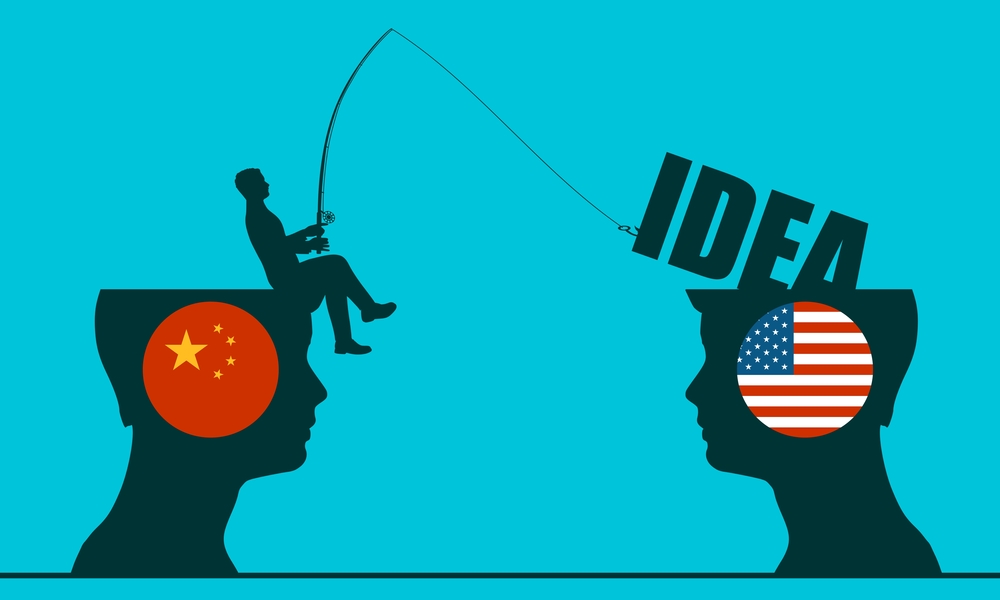
By Cdr Sandeep Dhawan (Retd). On 15 June 2020, the People’s Liberation Army (PLA) backstabbed the Indian Army patrolling team during the Galwan Valley Clash. The whole nation was angry, but the flag-bearers of the India-China Friendship Association (ICFA) were unwavering in their support for China. ICFA didn’t see any reason to sever ties with China or…