-
Unmasking Mental Colonialism: English Publishing vs Sanskrit and Bharatiya Bhasha Heritage

This essay examines how social media has disrupted legacy gatekeeping and why that disruption matters for English-language publishing in India. It argues that a prestige hierarchy—English over non-English—has long shaped acquisitions, prizes, and curricula, producing a deracinated sensibility often mislabeled as cosmopolitan. Drawing on Hartosh Singh Bal’s analysis of the “Literary Raj,” it highlights the…
-
Essential Breakthrough: Rethinking Vedic Origins, Saraswati, and Aryan Migration

This analysis revisits the Vedic people through archaeology, linguistics, and Vedic textual geography to clarify how Saraswati, Aryan Migration, and Out of India debates intersect. It highlights dense Harappan settlements along the Ghaggar–Hakra (Saraswati) paleochannel and explains why Vedic references to a mighty river matter for chronology. It reviews leading Indo-European homeland models and the…
-
Bharat: The Natural Home for Sanatanis (Hindus, Buddhists, Jains, and Sikhs)

“Bharat: The Natural Home for Sanatanis (Hindus, Buddhists, Jains, and Sikhs)” explores why India is the intrinsic homeland for these ancient religions. The post highlights India’s historical roots as the birthplace of these faiths, its rich cultural and spiritual heritage, and the preservation of ancient knowledge and texts. It emphasizes the socio-cultural practices and festivals…
-
Hello New York Times: Time to Eat Your Elitism. This is India’s Century.

The blog post titled addresses the New York Times’ biased and racist coverage of India over the years. The post discusses how Western media, including the New York Times, has portrayed India as a backward and unscientific country, but recent achievements like the successful Chandrayaan 3 mission challenge that narrative. It delves into historical examples…
-
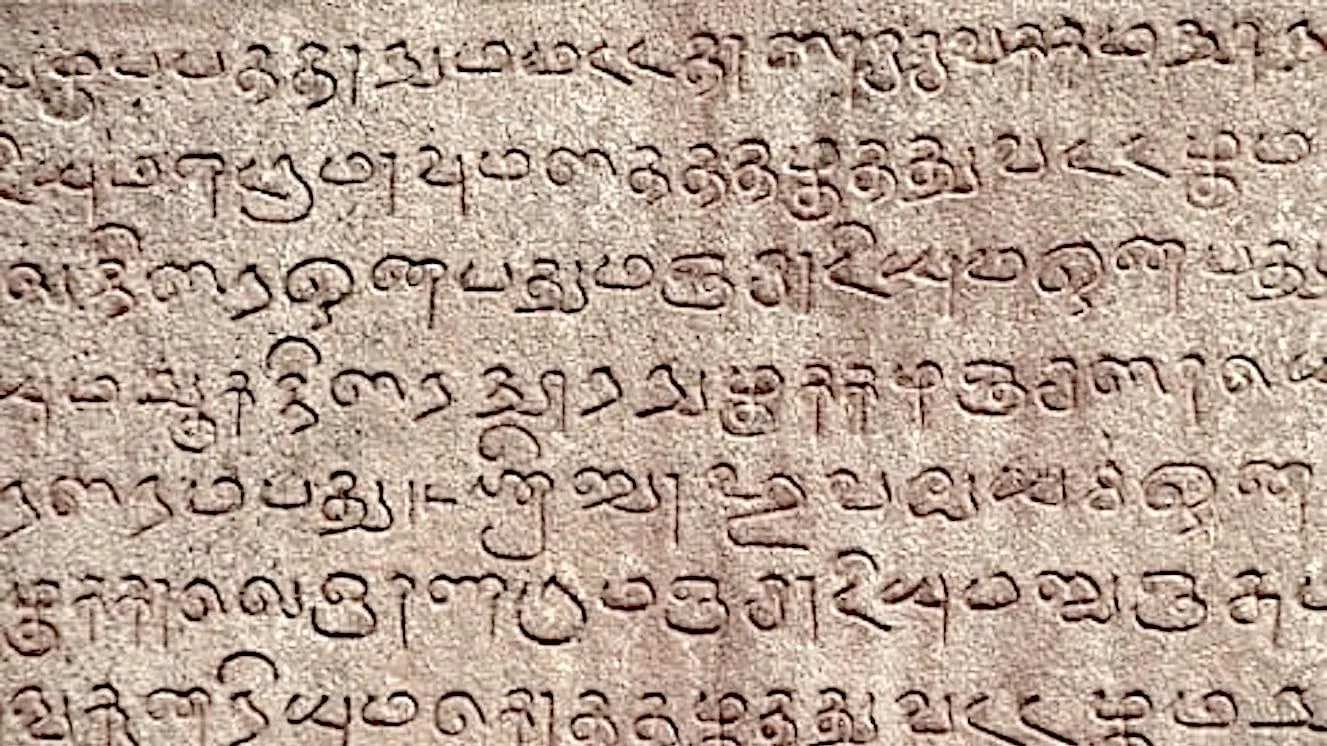
An Extraordinary Portrait of Dharmic Village Administration in Ukkal

This blog post takes readers on a historical journey to Koolamandal and Ukkal, two lesser-known but culturally rich villages in South India. Koolamandal was once a vibrant center of Sanatana society, home to the magnificent Gangaikondacholeesvarar Temple built by Rajendra Chola I. Ukkal, on the other hand, is known for its extraordinary village administration system,…
-
The Story of the Profound Hebbale Inscription

In a nondescript village called Hebbale, situated in the heart of Bharatavarsha, an ancient tradition of Tirtha-Yatra (pilgrimage) was upheld. This story unfolds eight centuries ago when Hebbale played a pivotal role in enabling Hindu pilgrims to undertake their sacred journeys, despite the oppressive Jizya tax imposed by the Islamic rulers. The noble act of…
-
Why is the Complete History of the Communists Still not Part of our School Textbooks?

The history of Communism in India is a contentious and complex one. The rise and influence of Communist parties in India have had significant consequences on the country’s political and social landscape. From its early days to the present, Communism has played a prominent role in Indian politics, often polarizing opinions and leading to intense…