
-
Evil Eye in Hinduism: Powerful Dharmic Wisdom Beyond Fear and Superstition
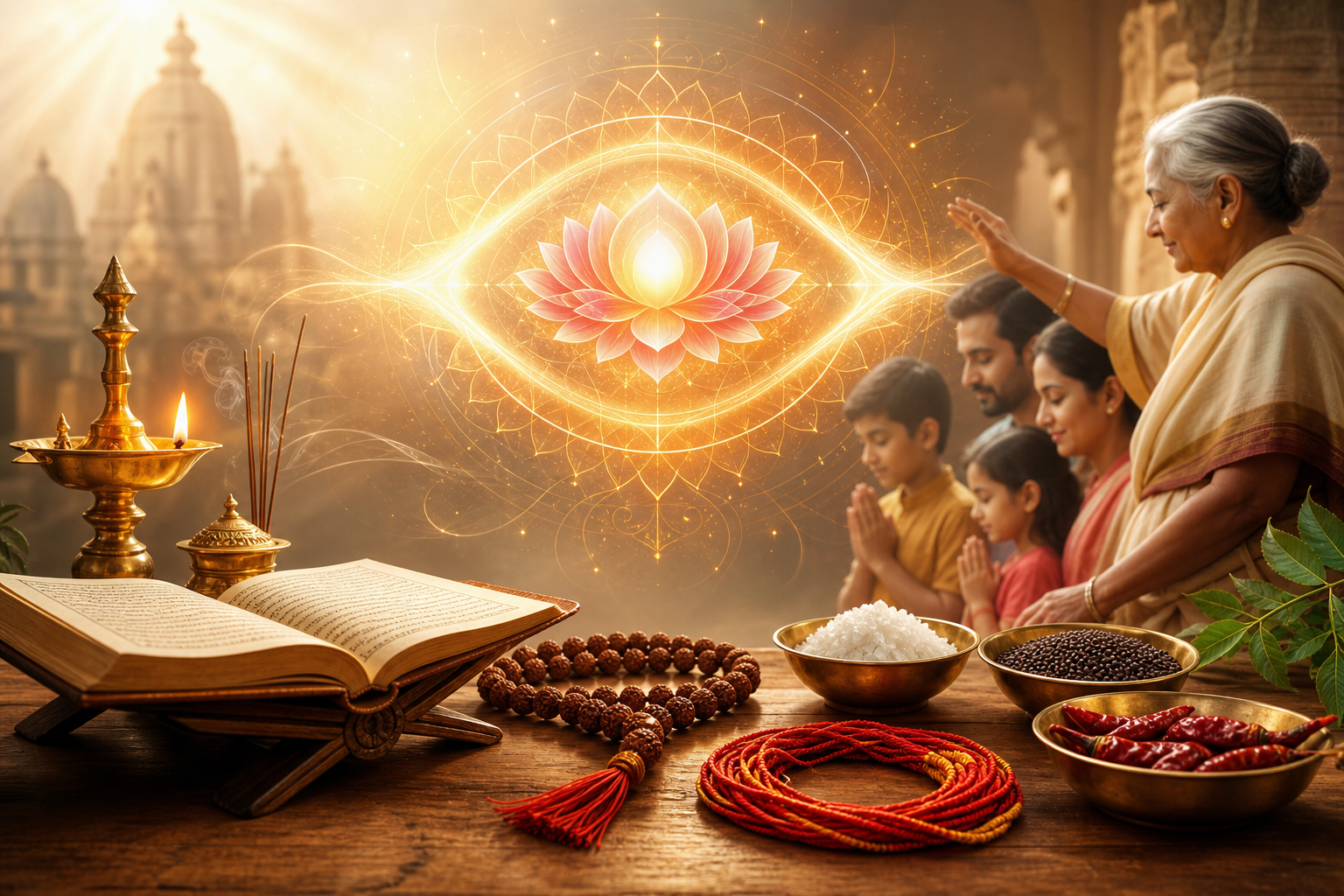
This article examines orthodox superstitions in Hinduism, especially the belief in the evil eye, through a balanced dharmic and academic lens. It explains that such practices should not be dismissed crudely or accepted blindly, because many inherited customs contain psychological, ethical, symbolic, and spiritual layers. Sri Sri Ravishankar’s insight that thoughts belong to a subtle…
-
Mahesh Navami 2026: Sacred Date, Auspicious Puja Vidhi, and Maheshwari Heritage Unveiled
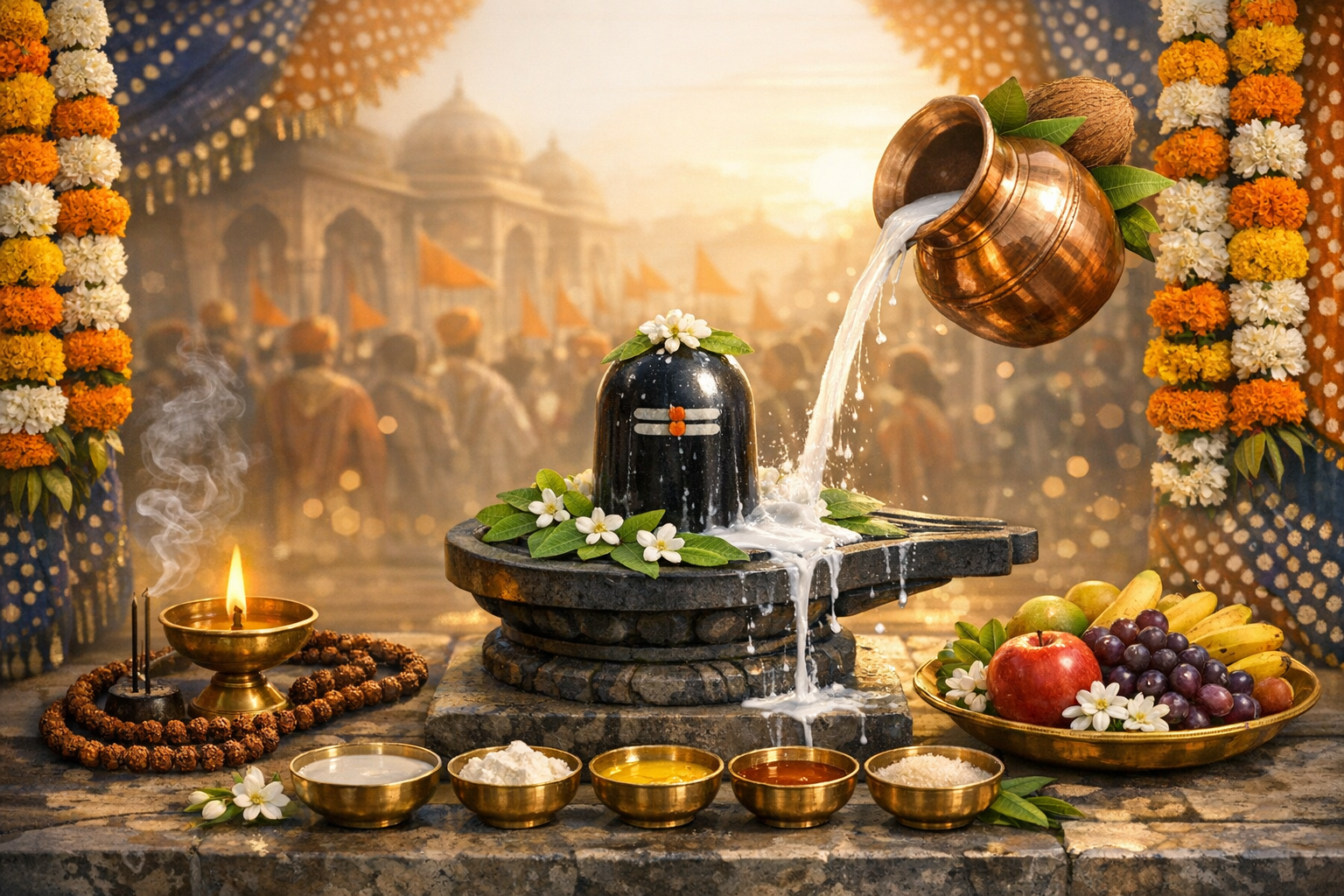
Mahesh Navami 2026 falls on June 23, aligning with Jyestha Shukla Navami, and honors Lord Shiva as Mahesh. The festival blends precise tithi-based observance with accessible household and temple rituals, including Abhishekam, Bilva Patra offerings, and mantra-japa. It carries special cultural significance for the Maheshwari community, functioning as a reaffirmation of ethical commerce, philanthropy, and…
-
Somvati Amavasya Fasting Masterclass: What to Eat, What to Avoid, and Safe Nirjala–Phalahari Plans
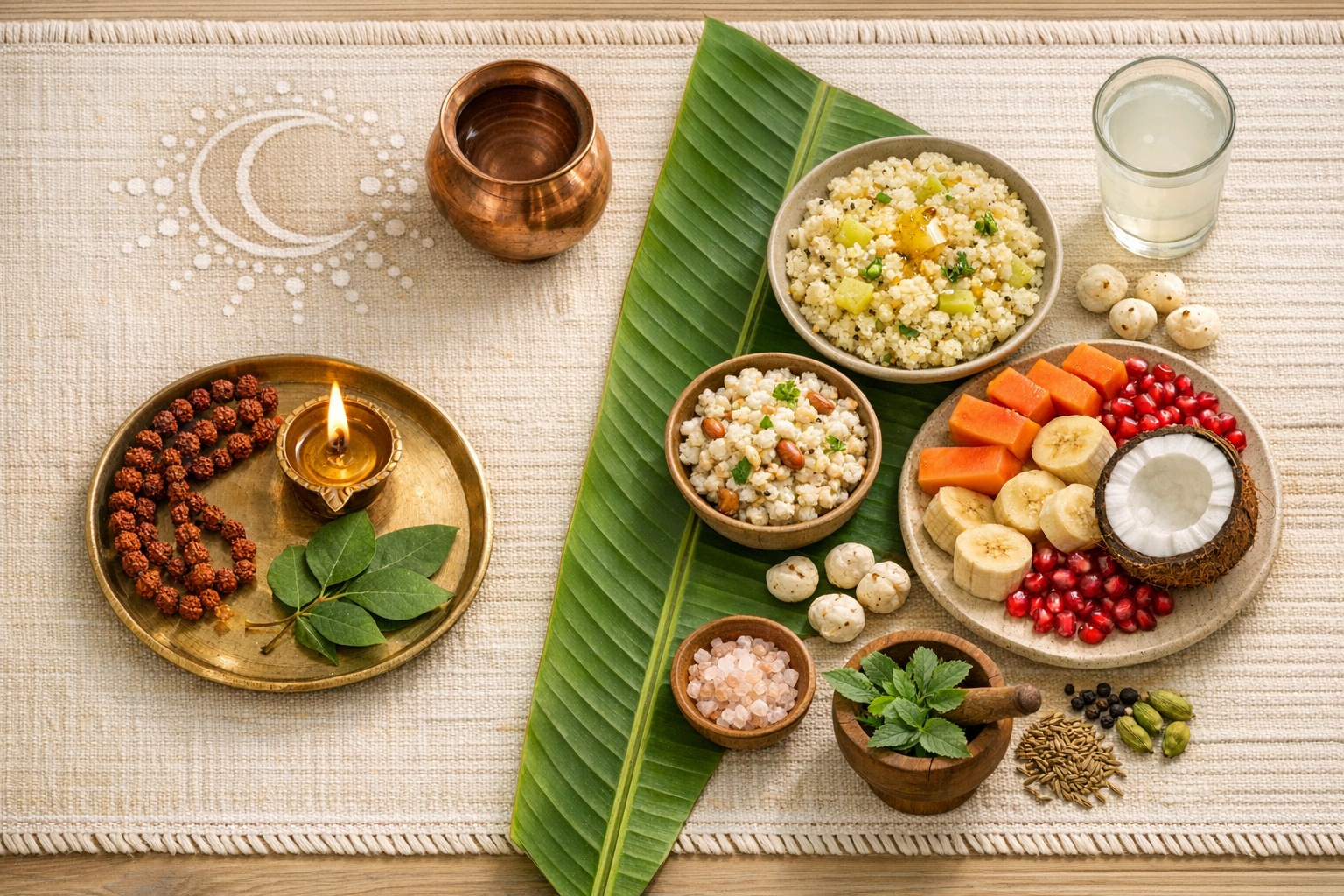
Somvati Amavasya is a powerful observance for inner quietude and ethical living, and its food code is central to the practice. This step-by-step guide clarifies what to eat and what to avoid for both Nirjala Vrat and Phalahari Vrat, grounding recommendations in sāttvika principles, customary practice, and Ayurvedic reasoning. Readers learn which vrat staples are…
-
The Pakora That Drew Crowds: Srila Prabhupada’s Favorite 1973 Recipe, Technique, and Legacy

An enduring anecdote from a Vyasa Puja celebration highlights how cauliflower pakoras, prepared for Srila Prabhupada with the 1973 Hare Krsna Cookbook formula, became an instant favorite. Senior devotees still consider that recipe unsurpassed for balance and consistent crispness. This long-form guide preserves the original ingredient list and method while adding precise, technical notes on…
-
When a Village Dog Joined the Kirtan: Compassion and Dharma on ISKCON Maharashtra Padayatra

During an ISKCON Maharashtra Padayatra, a village dog quietly joined the evening nagar sankirtan, offering a vivid case study in compassion expressed through public devotion. The incident illustrates how bhakti practice, sound, rhythm, and calm human posture can create a sense of safety recognizable even to animals. A cross-dharmic lensdrawing on Hindu daya and ahimsa,…
-
Nrusimha Navaratri 2026: Auspicious Dates, Puja Vidhi, Vrat Rules, and Protective Grace
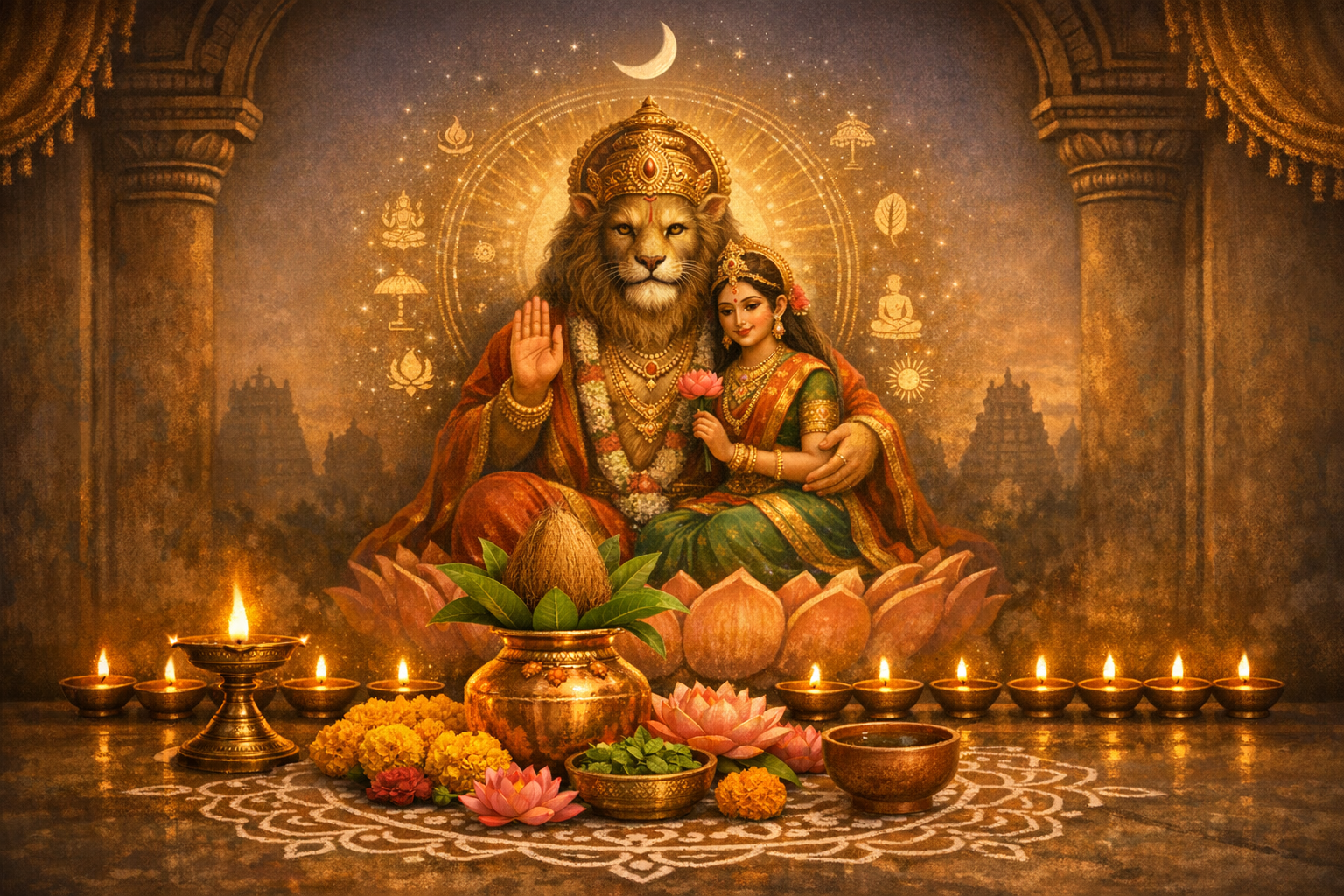
Nrusimha Navaratri 2026 will be observed from April 22 to April 30 in Vaishakh Month, culminating in Narasimha Jayanti on Vaishakha Shukla Chaturdashi. The festival honors the protective and compassionate power of the Narasimha Avatara of Lord Vishnu across nine sacred nights. This guide explains accurate dates, tithi considerations, and why local panchang alignment matters.…
-
Goddess Trikala: Uniting Trimurti and Tridevi as the Timeless, All-Seeing Power of Shakti

Goddess Trikala synthesizes Hinduism’s core triadspast, present, future and creation, preservation, dissolutioninto a single, time-enfolding vision of Shakti. Drawing on Purāṇic patterns in which the Goddess emerges from aggregated divine energies, Trikala Devi is interpreted as arising from the unified gaze and essences of the Trimurti. The article analyzes iconographic analogies (tri-netra, color triads, composite…
-
Celebrate Gudi Padwa with Purpose: Symbolism, Ritual Steps, Wishes and WhatsApp Status

Gudi Padwa marks the New Year in Maharashtra on Chaitra Shukla Pratipada, aligning with the Shaka Samvat and signaling renewal in the Hindu calendar. This guide explains the festival’s meaning, the symbolism of the Gudi, and step-by-step home rituals in clear, accurate terms. It situates Gudi Padwa alongside Ugadi and other spring observances to highlight…
-
Unveiling the Sacred Nāgas: Cosmic Serpents, Seven Realms, and Living Dharma

Serpents (Nāgas) in Hindu tradition are far more than reptiles; they are guardians of waters, thresholds, and cosmic order across the seven realms and seven netherworlds. Grounded in the Sarpa Suktam and extended through Purāṇic and Itihāsa narratives, Nāga lore unites temple iconography, regional festivals, yogic anatomy, and ecological stewardship. Key figures such as Ananta-Śeṣa…
-
Swaswas Bhairava: Fierce Protector of Dharma, Lord of Time, and the Sacred Bond with Dogs

Bhairava’s Swaswas form illuminates a profound synthesis of guardianship, time, and compassion through the sacred bond with dogsespecially black dogs. As kṣetrapāla, Bhairava protects thresholds while the dog symbolizes fidelity, vigilance, and the courage to dwell at liminal edges. Vedic memory of Yama’s four‑eyed dogs and Puranic narratives from the Skanda Purana reinforce the dog’s…
-
Kricchratikricchra Penance: A Rigorous Hindu Path to Heal Harm and Restore Dharma
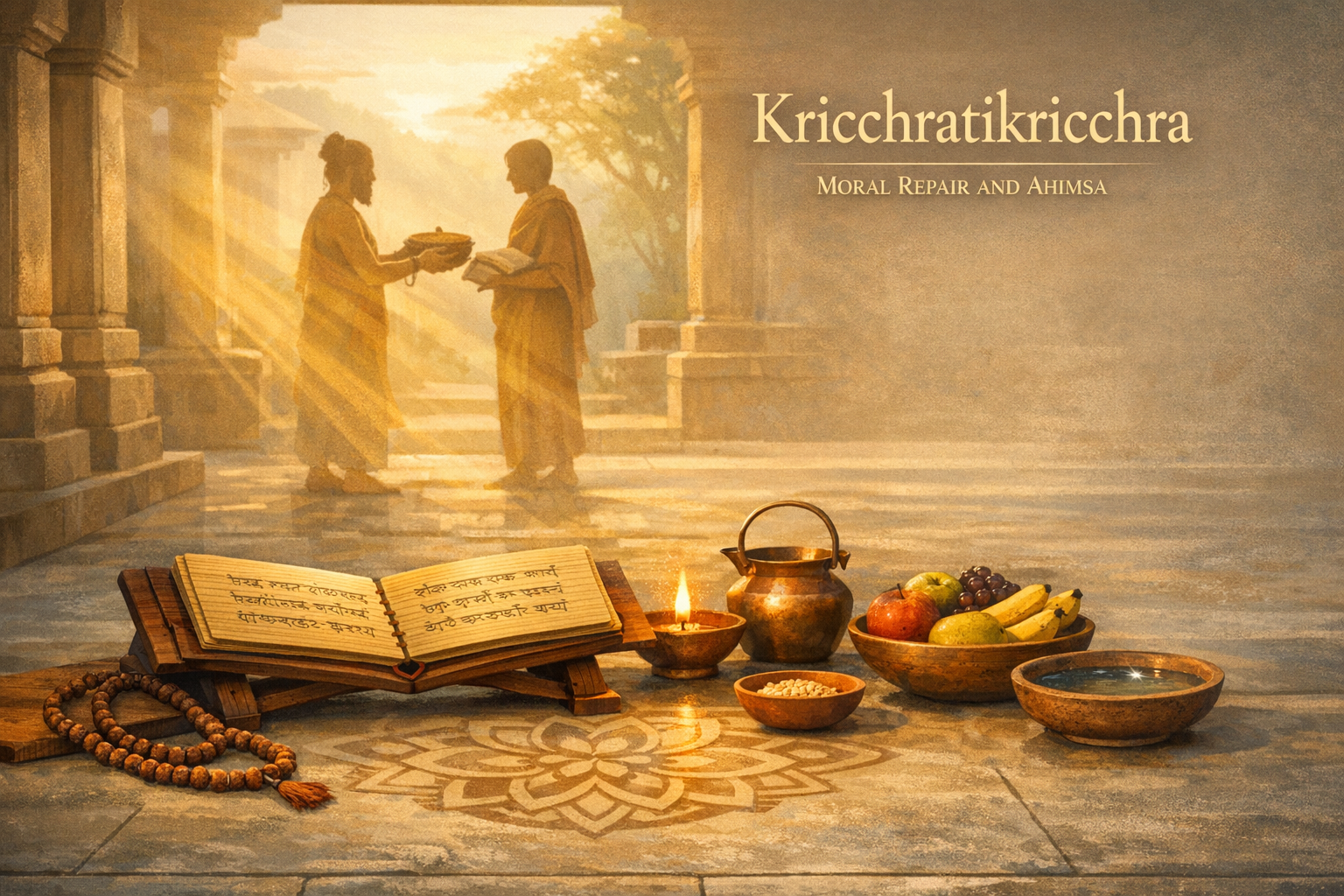
This in-depth guide explains Kricchratikricchraan austere Hindu prāyaścitta prescribed for injuring otherswithin the broader Dharmashastra tradition. It clarifies when and why this penance is used, how it integrates fasting, restitution, and service, and why proportionality and compassion are essential. The article offers a practical, textually grounded 12-day framework adaptable to modern health needs while preserving…
-
Before Surdas: Periyalvar’s South Indian Bhakti that First Envisioned Child Krishna’s Play
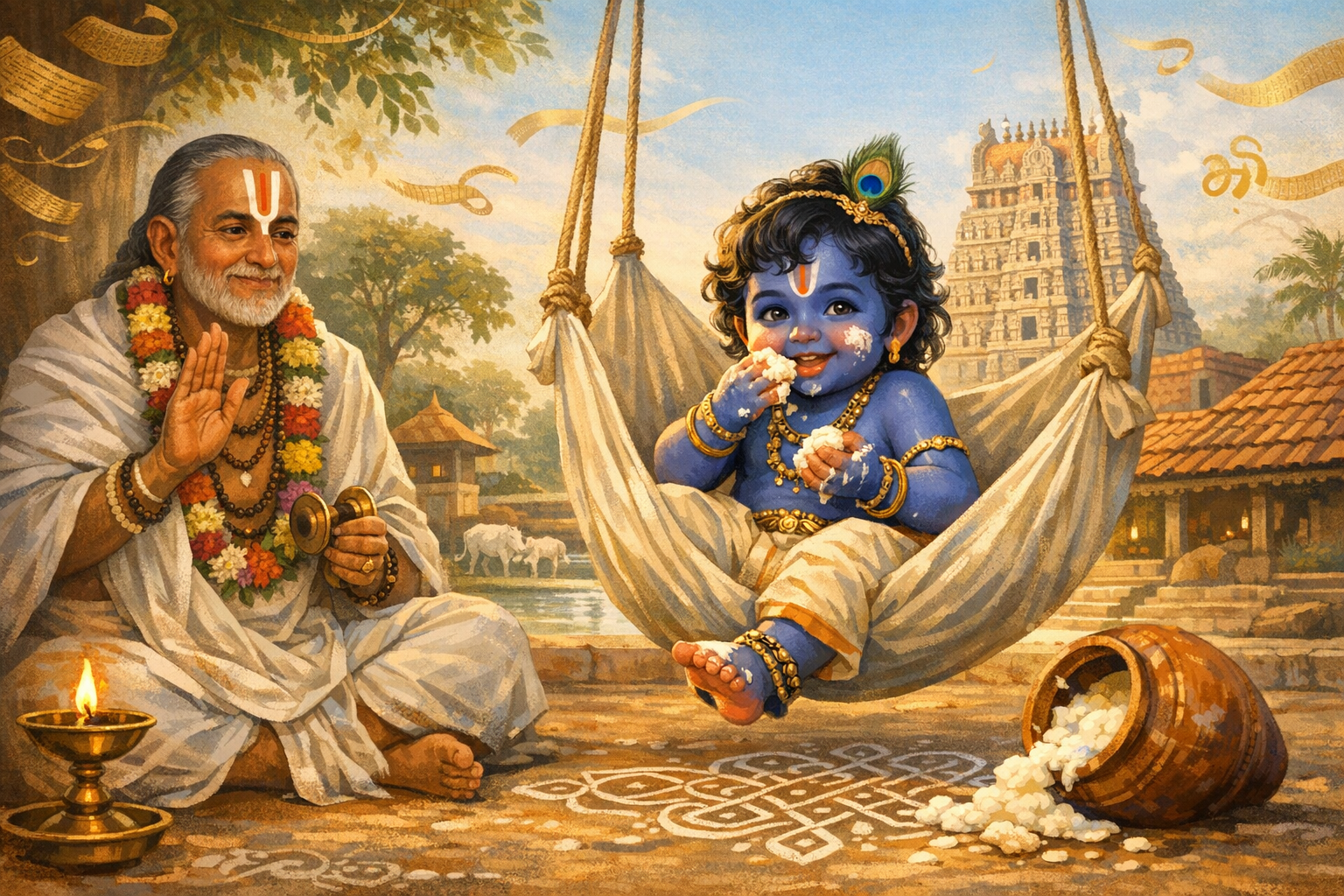
This long-form study maps how Tamil Āḻvar poetryespecially Periyāḻvār’s Tiruppallāṇḍu and Periyāḻvār Tirumoḻipioneered an intimate, vernacular devotion to Krishna as a child centuries before Surdas. It explains the theological innovation of blessing the Lord, the poetic craft that domesticates the divine, and the temple-liturgy networks that diffused these moods northward. The analysis situates Periyāḻvār within…
-
Bali’s Mercy Toward Ravana: A Ramayana Lesson on Dharma, Restraint, and Modern Leadership

The Bali–Ravana encounter in the Ramayana tradition yields a precise ethic for modern life: power must be governed by restraint. Later tellings and purāṇic echoes preserve the episode of Bali subduing yet sparing Ravana, illustrating kṣātra-dharma, proportionality, and the protection owed to a suppliant. The narrative anticipates principles of international humanitarian law while aligning with…
-
Herath 2026: Kashmiri Pandits’ Shivaratri on TrayodashiDate, Ritual Science, and Living Heritage

HerathShivaratri as preserved by Kashmiri Panditswill be observed on 15 February 2026, in accordance with the rule that the tithi present at Nishita Kaal (midnight) governs the vrata. Unlike the pan-Indian practice on Chaturdashi, Herath follows Trayodashi when Chaturdashi does not prevail at Nishita, a principle attested in classical dharma digests. The article explains this…
-
Surya in Bengal: The Sacred Dharma Deva (Ral Deva) Uniting Light, Righteousness, and Prosperity

In Bengal and eastern India, Suryarevered as Dharma Deva or Ral Devaembodies light, righteousness, fertility, and prosperity. The tradition integrates ethics with ecology, aligning daily life to the solar cycle through dawn arghya and seasonal vows, especially in Poush and Magh. Folk practices transmit values across generations, while classical Vedic symbolism links Bengal’s Dharma Deva…
-
Darbha (Kusha) and Durva Grass: Sacred Ritual Uses, Purifying Power, and Eco-Wisdom
Darbha (Kusha) and Durva occupy a revered place in Vedic and Hindu ritual life, where they symbolize purity, steadiness, and auspiciousness. Clarifying their botanical identityDarbha/Kusha as Desmostachya bipinnata and Durva as Cynodon dactylonhelps practitioners apply them accurately in puja, meditation, and ancestral rites. Traditional use highlights their purifying role and eco-friendly character, aligning sacred practice…
-
Sacred Rivers, Timeless Bonds: Why Tarpan with Flowing Water Deepens Ancestral Grace

Tarpan, central to Shradh, is traditionally performed with river water because flowing, living waters embody purity, movement, and sacred continuity. Scriptural traditions praise tirthas and link the efficacy of libations to water that carries offerings forward without stagnation. Riverbank rites also cultivate community memory, transmitting values of gratitude and filial duty across generations. Shared reverence…
-
Nistrimsa, the Sacred Curved Blade: Icon of Shakti, Justice, and Protection in Hindu Art

The nistrimsa (nistrimsha) is a sacred curved sword in Hindu iconography, distinct from the straight khadga and the heavier scimitar. Its measured arc symbolizes compassionate justice, aligning with Shakti’s protective and restorative power. Seen in temple sculpture and bronzes across regions, the nistrimsa represents ethical strengthpower exercised to defend the vulnerable and uphold dharma. During…
-
Dharmanath Beej 2026: Date, Rituals, and Navnath Legacy Inspiring Spiritual Unity

Dharmanath Beej 2026 will be observed on January 20, aligning with the second day (Beej/Dwitiya) of the Magh Month in the Hindu calendar. The festival commemorates the initiation of Shri Dharmanth, son of Shri Machindranath, and celebrates the Navnath Sampradaya’s enduring guru–shishya tradition. Devotees often mark the day with temple prayers, satsang, and simple home…
-
Panchagavya vs Panchamakara: Unveiling Sacred Purity and Esoteric Power for Seekers

This comparative guide explores Panchagavya in Vaishnavism and Panchamakara in Shaktism, showing how both systems aim at inner transformation within Sanatana Dharma. Readers gain clear definitions, historical context, and lived meanings of these fivefold practices. The analysis highlights Panchagavya’s emphasis on ritual purity and bhakti, and Panchamakara’s symbolic, ethically guided approach to integrating Shakti. Practical…