
-
Palannam (Milk Rice): A Soul‑Nourishing Naivedyam Beloved by Ma Annapurani

Palannam (Milk Rice) is a beloved naivedyam for Ma Annapurani, valued in South Indian culture for its purity, simplicity, and comforting taste. Prepared with rice, milk, and sugar, and often enriched with cashew nuts, Badam, and dry grapes, it offers a gentle, creamy profile suited to puja and festive rituals. Slow cooking on low heat…
-
Timeless Meaning of the Nath: Cultural, Ayurvedic, and Marital Significance in Hinduism

The nose ring, or nath, endures as a culturally significant ornament in Hinduism, symbolizing auspiciousness, marital commitment, and reverence for the sacred feminine. Regional stylesMaharashtrian, Punjabi/Rajasthani, and South Indianreflect localized identity and craftsmanship. Traditional Ayurvedic beliefs associate left-side piercing with women’s well-being, illustrating how symbolism and daily life intersect in Hindu traditions. As part of…
-
Legendary New Vrindaban Prasadam: Devotional Sweet Rice and Ice Cream from Krishna’s Cows

New Vrindaban’s early prasadam culture is remembered through two legendary offerings: Amburish Dasa’s sweet rice and Pitambar Dasi’s ice cream, both made with fresh milk from Krishna’s cows. Without prior culinary or cow-care experience, they learned through seva, transforming simple dairy into much-loved treats. Amburish’s journey began with a 1971 visit, initiation by Srila Prabhupada,…
-
Sacred Gateways Open: Vaikunta Ekadashi at TTD Sub-Temples, 30–31 December 2025

TTD sub-temples across Andhra Pradesh will observe Vaikunta Ekadashi on 30 December 2025 and Vaikunta Dwadashi on 31 December 2025. Key participating shrines include Soumyanatha Swamy (Nandalur), Sri Prasanna Venkateswara Swamy (Avulapalle, Somala Mandal), the shrine at Borragmanda (Sadum Mandal), Sri Konetiraya, and other TTD-managed temples. Devotees can anticipate the opening of the Vaikunta Dwaram,…
-
Kanuma 2026: Date, Rituals, and Heartfelt Traditions of Sankranthi in Andhra Pradesh
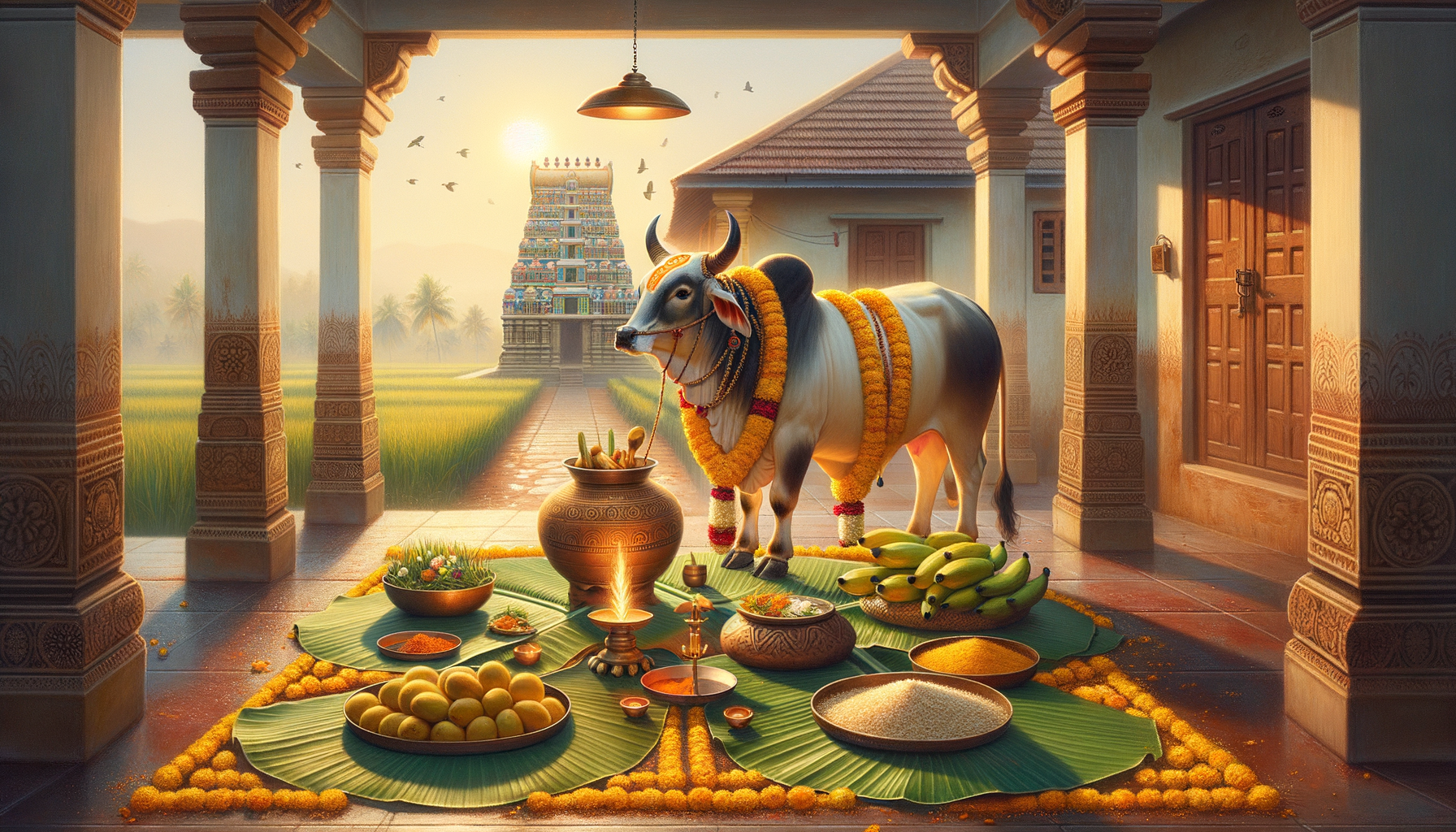
Kanuma 2026, the third day of the Sankranthi festivities in Andhra Pradesh and Telangana, falls on January 15. The day centers on Govardhana Puja (Go puja), where cows and bulls are worshipped in gratitude for their role in agrarian life. Families decorate cattle, prepare offerings from the new harvest, and visit temples, recalling Sri Krishna’s…
-
Sankranthi Bommala Koluvu: Meaning, Rituals, and Community Joy from Bhogi to Mukkanuma

Bommala Koluvu (Bommala Nomu) is a beloved Andhra tradition during Makara Sankranti that begins a day prior to Bhogi and concludes on Mukkanuma. The tiered display of dolls (koluvu padi) forms a narrative altar depicting deities, harvest life, and cultural scenes. Families invite women and girls for haldi-kumkum, share prasadam, and pass on stories to…
-
February 2026 Hindu Festivals: Essential Vrats, Purnima, and Phalgun Start | IST Guide

This IST-aligned guide highlights key Hindu festivals and vrats in February 2026, including Thaipoosam (Thaipooyam), Purnima with Guru Ravidas Jayanti, Guru Gorakhnath Jayanti, and the start of Phalgun in North India. It supports families and communities with clear calendrical references based on major Hindu calendars and the traditional Panchang. Readers gain a practical framework for…
-
Harsu Brahma Jayanti 2026: Date, Tithi, and the Inspiring Legacy of Dharma and Courage

Harsu Brahma Jayanti 2026 falls on 27 January and commemorates the birth anniversary of Harsu Brahmaji. The day honors Harsu Brahma Pandey, a Kanyakubja priest remembered for principled resistance and moral courage. Observers are encouraged to consult the local Panchang to determine the precise Harsu Brahma Tithi and regional timings. The Jayanti’s significance lies in…
-
6 Legendary Shiva Tales That Illuminate Dharma, Courage, and Compassion for Modern Life

Six legendary Shiva storiesNeelkanth, Gangādhara, Ardhanārīśvara, Tripurāntaka, Daksha Yajña, and Kirātārjunīyaoffer timeless insights for modern life. Each tale highlights a core dharmic value: compassion that contains harm, wisdom that channels power, balance of complementary energies, disciplined focus, humility with reconciliation, and perseverance aligned with dharma. Read together, they illuminate Sanatana Dharma’s emphasis on character and…
-
Shani Sade Sati for Karka Rashi: Master the First 2½ Years of Viraya Shani Wisely

Shani Sade Sati for Karka Rashi begins with Viraya Shani, the 12th-house phase emphasizing outflow, reflection, and disciplined restructuring. Readers learn how to identify typical patternsrising expenses, solitude, travel, and logistical dutiesand respond with budgeting, process discipline, and ethical steadiness. The piece highlights inward growth through dhyana, seva, daana, and aparigraha, resonating across Hindu, Buddhist,…
-
Ekadashi 2026 Vrat Guide: Accurate Dates, Smartha–Vaishnava Practices, Parana and Puja
Ekadashi, observed on the eleventh tithi during both Shukla Paksha and Krishna Paksha, is a cherished day for Lord Vishnu Puja. In 2026, accurate Ekadashi Vrat dates depend on regional Panchang calculations and time zones, making local verification essential. Distinct observance patterns among Smartha, Vaishnava, and Gauna traditions reflect a harmonious diversity rather than contradiction.…
-
December 22, 2025 Panchang: Shukla Dwitiya to Tritiya, Auspicious Timings & Spiritual Insights

December 22, 2025 features Shukla Paksha Dwitiya until 9:40 AM and Shukla Paksha Tritiya thereafter, according to the Hindu calendar. The morning favors gentle renewal and light observances, while the later period supports purposeful initiatives. Readers seeking auspicious timings should consult regional Panchang listings for Shubh Muhurat December 2025, including Abhijit Muhurat, Amrita Kalam, Rahu…
-
Protecting Dharmic Heritage in Education: HJS’s Appeal and Minister’s Positive Response
At the Yuva Warkari Parishad in Pune, Shri Sunil Ghanwat of HJS urged the Education Minister to protect Hindu traditions in education, receiving a positive response. The appeal linked cultural preservation with constitutional values and pluralist pedagogy. Proposed directions emphasized accurate representation, teacher sensitization, and consultative mechanisms with scholars and civil society. Such measures can…
-
When Murugan Faded from the North: A Powerful Historical Imagination of Lost Worship

This historically grounded imagination traces how Murugan (Kartikeya, Skanda, Subrahmanya) seemed to recede from public worship in Northern India without disappearing from the wider Hindu tradition. Drawing on Gupta-era markers, Mathura sculpture, and regional epigraphy, it reframes the shift as a plural, adaptive process rather than a rupture. Readers gain a nuanced view of sacred…
-
Ghati Subramanya Temple, Karnataka: Awe‑Inspiring Swayambhu Subramanya and Lakshmi Narasimha

Ghati Subramanya Temple near Doddaballapur, about 60 km from Bengaluru, is a renowned Karnataka shrine dedicated to Lord Subramanya. Its Swayambhu (self-originated) Subramanya idol enhances the site’s spiritual significance, complemented by the consecration of Lord Lakshmi Narasimha. The tranquil rural setting and contemplative worship rhythms make the temple ideal for reflective visits and day trips…
-
November 20, 2025 Panchang: Amavasya to Shukla Pratipada Tithi Timings and Insights
On Thursday, November 20, 2025, the Hindu Panchang notes Amavasya tithi until 11:00 AM, followed by Shukla Paksha Pratipada through 1:09 PM on November 21. These timings, observed in most regions, help plan prayers, charity, and contemplative practices during the no-moon day. The shift to the waxing phase supports fresh beginnings and structured sadhana aligned…
-
Kanchi Kamakshi Temple: A Timeless Shaktipeetham and Living Devi Heritage of Kanchipuram
Kanchi Kamakshi Temple (Kanchi Shaktipeetham) in Kanchipuram is a premier center of Shaktism in South India, revered for its living worship of Goddess Kamakshi and its Dravidian architectural grandeur. Tradition associates the sanctum with a Sri Chakra installation by Adi Shankaracharya, underscoring an integration of ritual and philosophy. Recognized in many traditional lists of the…
-
Vyanjan Dwadashi 2025 (Dec 2): Sacred Significance, Khichdi Bhog, and Krishna Temple Rituals
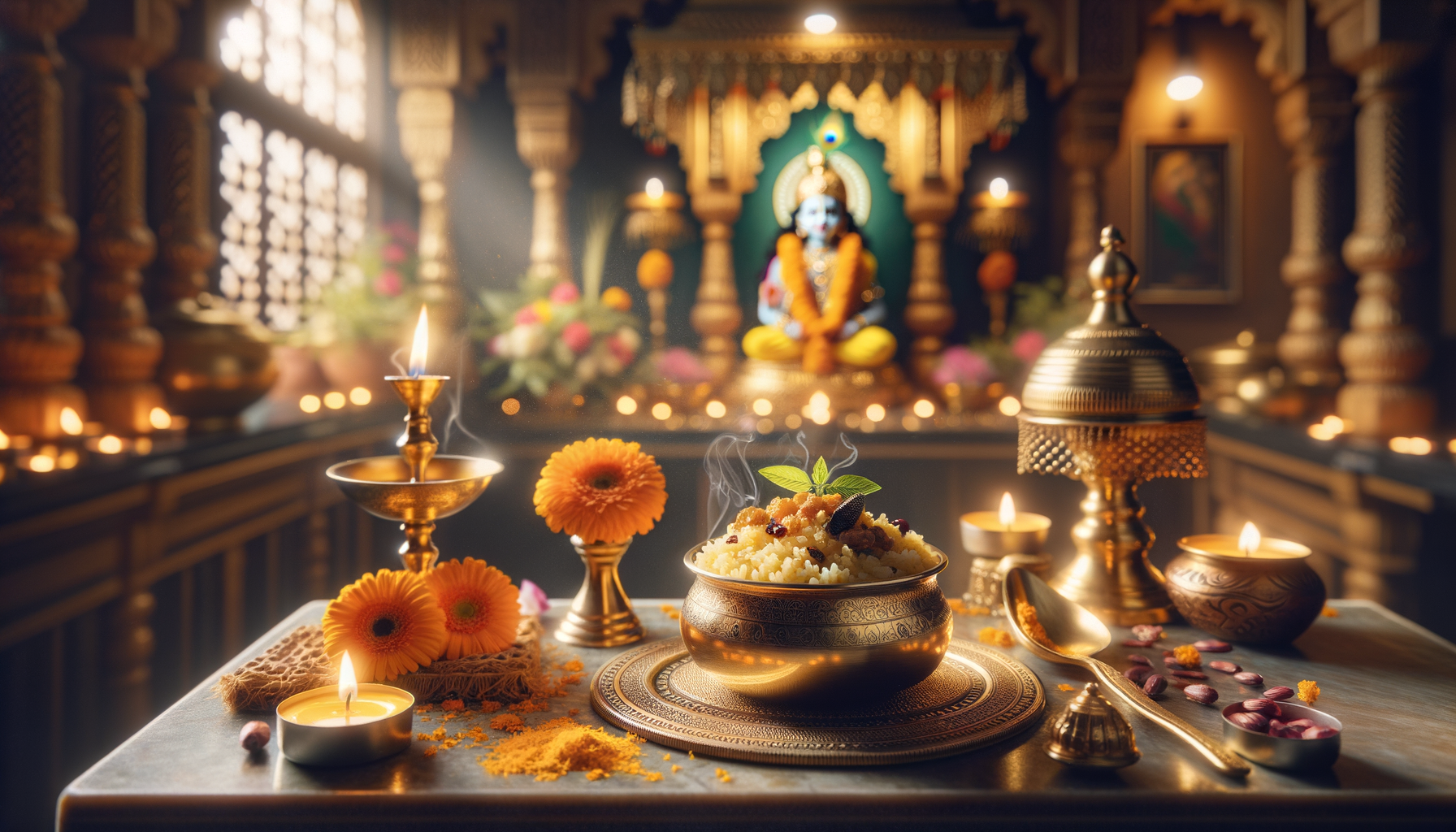
Vyanjan Dwadashi 2025 (Dec 2) falls on Margashirsha Shukla Dwadashi and is marked by the ‘Khichdi bhog’ offering to Sri Radharaman Dev. The observance emphasizes sattvic simplicity, anna-dana, and collective devotion in Krishna temples and ISKCON centers. Families value the warmth of preparing and sharing khichdi as prasada, linking seasonal nourishment with spiritual practice. The…
-
Vaikuntha Chaturmurti: Unveiling Vishnu’s Four-Faced Power and Kashmir’s Sacred Icon
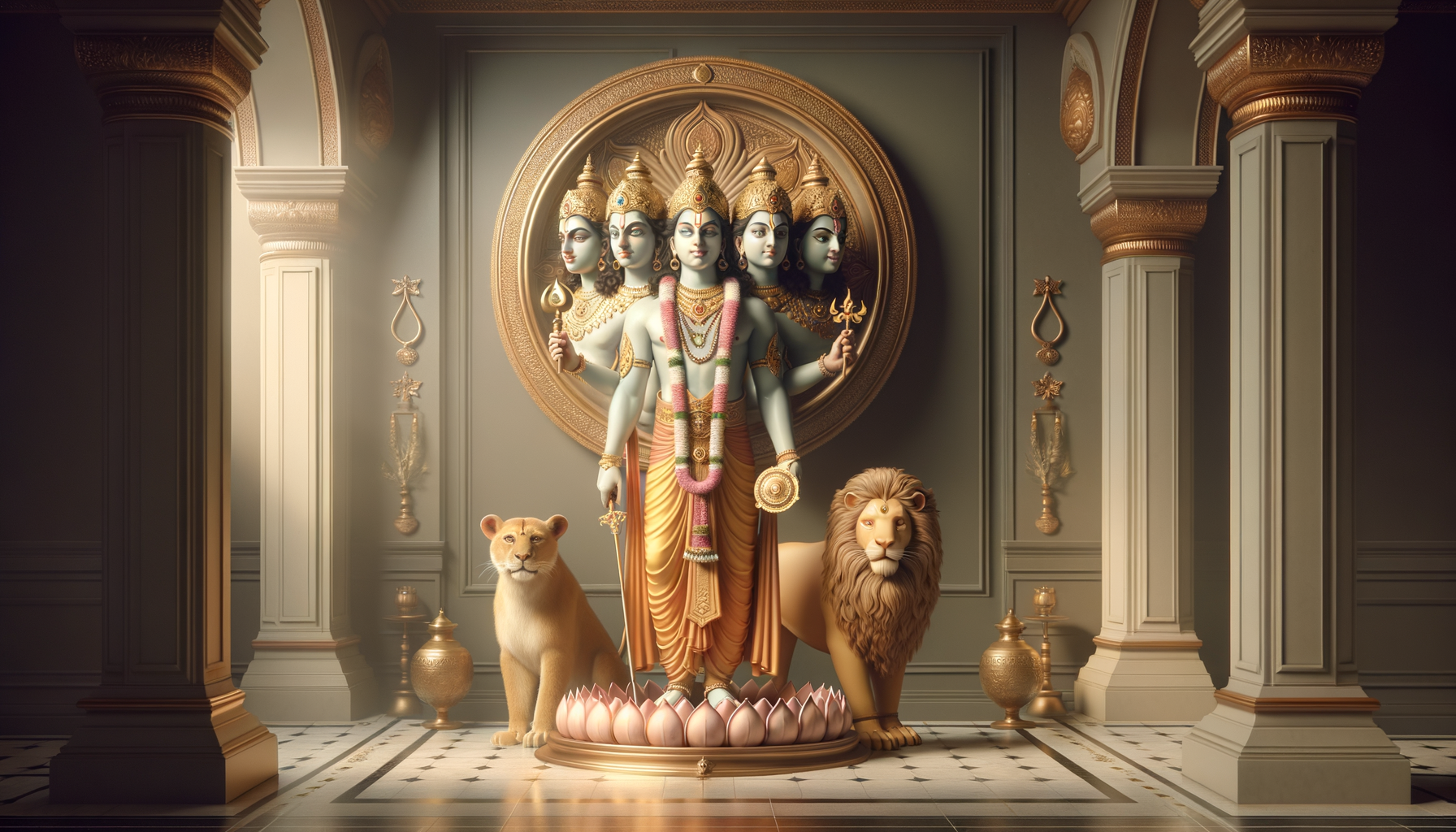
Vaikuntha Chaturmurti is a celebrated four-headed form of Lord Vishnu, especially revered in the Vishnu temples of Kashmir. Its iconographyhuman, Narasimha (lion), Varaha (boar), and a fierce raudra aspectunifies compassion, protection, renewal, and purification. Devotees describe the darshan as both calming and empowering, fostering moral clarity and resilience. The form’s symbolism aligns with the pluralistic…
-
Broken Pot in Hindu Death Rituals: Powerful Symbolism of Impermanence, Grief, and Liberation

In Hindu death rituals, the breaking of a clay pot during Antyeṣṭi powerfully symbolizes impermanence, the release of attachments, and the soul’s onward journey. The water’s steady drip reflects the fading of prāṇa, while the final shatter marks the clear separation of body and atman. This rite provides emotional structure for mourners, transforming raw grief…