
-
Kapalini Kali Symbolism Decoded: The Skull-Bearer’s Fierce Compassion and Inner Freedom

Kapalini, the Skull-Bearer form of Goddess Kali, is more than a fearsome image; it is a rigorous teaching on impermanence, ego-transcendence, and compassion. The kapala (skull-cup) symbolizes the power to receive and transform fear, while the mundamala (garland of heads) gestures to the Sanskrit varnamala and the severing of ignorance. Read in context, these symbols…
-
Vritrasura Katha Explained: A Gripping Retelling of Dharma, Devotion, and Destiny

This academic retelling of the Vritrasura Katha weaves together Vedic and Purana sources to illuminate a story of dharma, devotion, and ethical power. Readers learn how Tvashta’s yajna, Dadhichi’s self-sacrifice, and Indra’s duty intersect with Vritrasura’s hidden bhakti. The tale’s paradoxan asura who attains liberationoffers a powerful reminder that inner orientation surpasses outer identity. Symbolic…
-
Rishi Agastya–Lopamudra Kalyanam: Sacred Union at Pothigai Hills and Vedic Legacy

The Agastya–Lopamudra Kalyanam, revered in Hindu tradition and situated in the sacred Pothigai Hills, portrays a luminous union of tapas and vidya. It presents Agastya Maharshi as a pioneering sage and Ma Lopamudra as a Rigvedic voice and learned princess of Vidarbha, modeling the Vedic ideal of mutual respect and scholarly partnership. Their son Dridhasyu,…
-
Why Hibiscus Graces Goddess Kali’s Altar: Sacred Symbolism, Legend, and Living Devotion

The hibiscus is central to Goddess Kali Puja because its vivid red color, ritual role, and scriptural associations align powerfully with Shakta theology. Drawing on the Devi Saptashati, the tradition remembers Kali’s containment of Raktabija’s blood and translates that memory into a non-violent, flower-based offering. The crimson bloom symbolizes the transformation of aggression into reverence…
-
Story of Masan Thakur: Kali’s Fearsome Folk Son and Guardian of North Bengal’s Dead
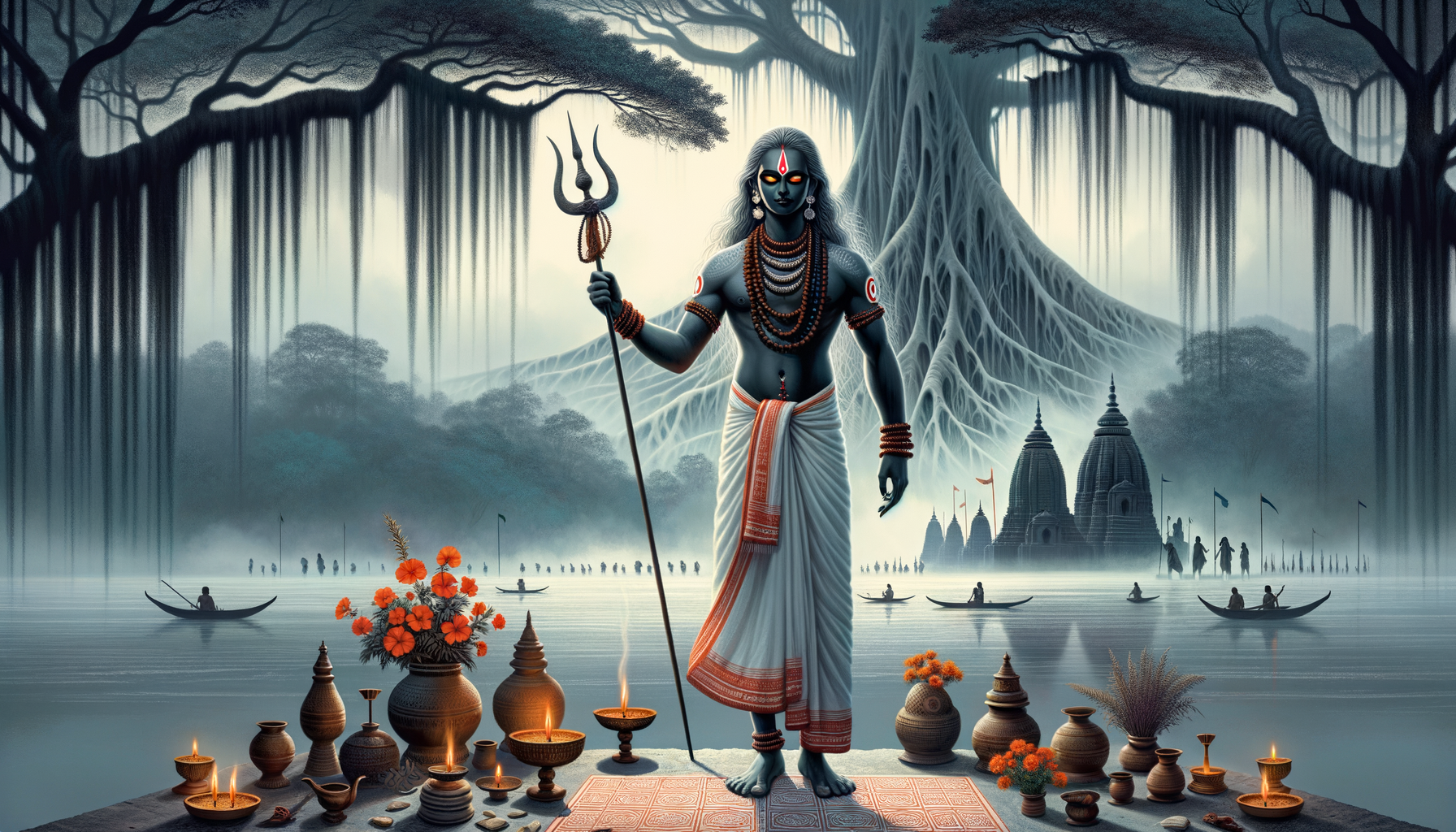
Masan Thakur, the fearsome folk son of Goddess Kali, is revered in North Bengal as a guardian of the cremation ground and mediator between the living and the dead. His worship commonly occurs on Tuesdays, Saturdays, and Amavasya, aligning with traditions of fierce protective deities and ancestral rites. Simple, locally rooted offerings reflect the humility…
-
Kubera’s Golden Eye (Eka Pingala): A Timeless Hindu Tale on Desire and Dharma

This academic retelling of Kubera’s epithet “Eka Pingala – The One With Golden Eye” explains how Hindu scriptures and Puranas use symbolic language to teach discernment and self-restraint. Readers learn why desire narrows perception and how dharma restores clarity in personal and social life. The narrative connects Kubera’s role in the Ramayana with a broader…
-
Dhanvantari’s Ocean-Born Emergence: Divine Ayurveda and the Healing Power of Dhanteras

Dhanvantari’s appearance during Samudra Manthan on the Trayodashi Tithi of Kartik is celebrated as Dhanvantari Jayanti, commonly observed as Dhanteras. The story situates Dhanvantari as an avatar of Lord Vishnu who brings amrita and the healing wisdom of Ayurveda to humanity. Observances emphasize health, longevity, and ethical living, with families lighting lamps and communities organizing…
-
Shiva Aur Shani Ka Yuddh: Divine Conflict, Dharma, and Cosmic Humility in Hindu Lore

Shiva Aur Shani Ka Yuddh (भगवान शिव और शनि का युद्ध) presents a nuanced conflict of principles where ambition meets dharma and is reconciled through Shiva’s rebalancing presence. Surya’s fair allocation of lokas symbolizes ethical governance, while Shani’s overreach dramatizes the dangers of unbounded authority. Interpreted as Hindu mythology rather than literal combat, the episode…
-
Valli Reclaimed: A Feminist Dharmic Reading of Lord Murugan’s LoveConsent, Agency, Unity

This essay reframes the Murugan–Valli love story through Valli’s perspective, highlighting her agency, consent, and discernment. It shows how the narrative affirms the dignity of indigenous communities and upholds a dharmic ethic of mutual respect. Symbolism such as the vel, the peacock, and Ganesha’s elephant presence is read as a guide to inner clarity and…
-
Shiva Aur Shani Ka Yuddh: A Timeless Clash of Cosmic Duty, Karma, and Compassion for Harmony

Shiva Aur Shani Ka Yuddh is a puranic narrative that explores how justice, karma, and compassion are reconciled when cosmic order is strained. Popular tellings depict Surya’s apportioning of realms, Shani’s dissatisfaction, and Shiva’s restorative intervention. Read as symbolism rather than literal war, the tale presents Surya as clarity, Shani as karmic discipline, and Shiva…
-
Ganesha and Kartikeya Manifested: Brahma Purana’s profound tale of love, duty, and wisdom
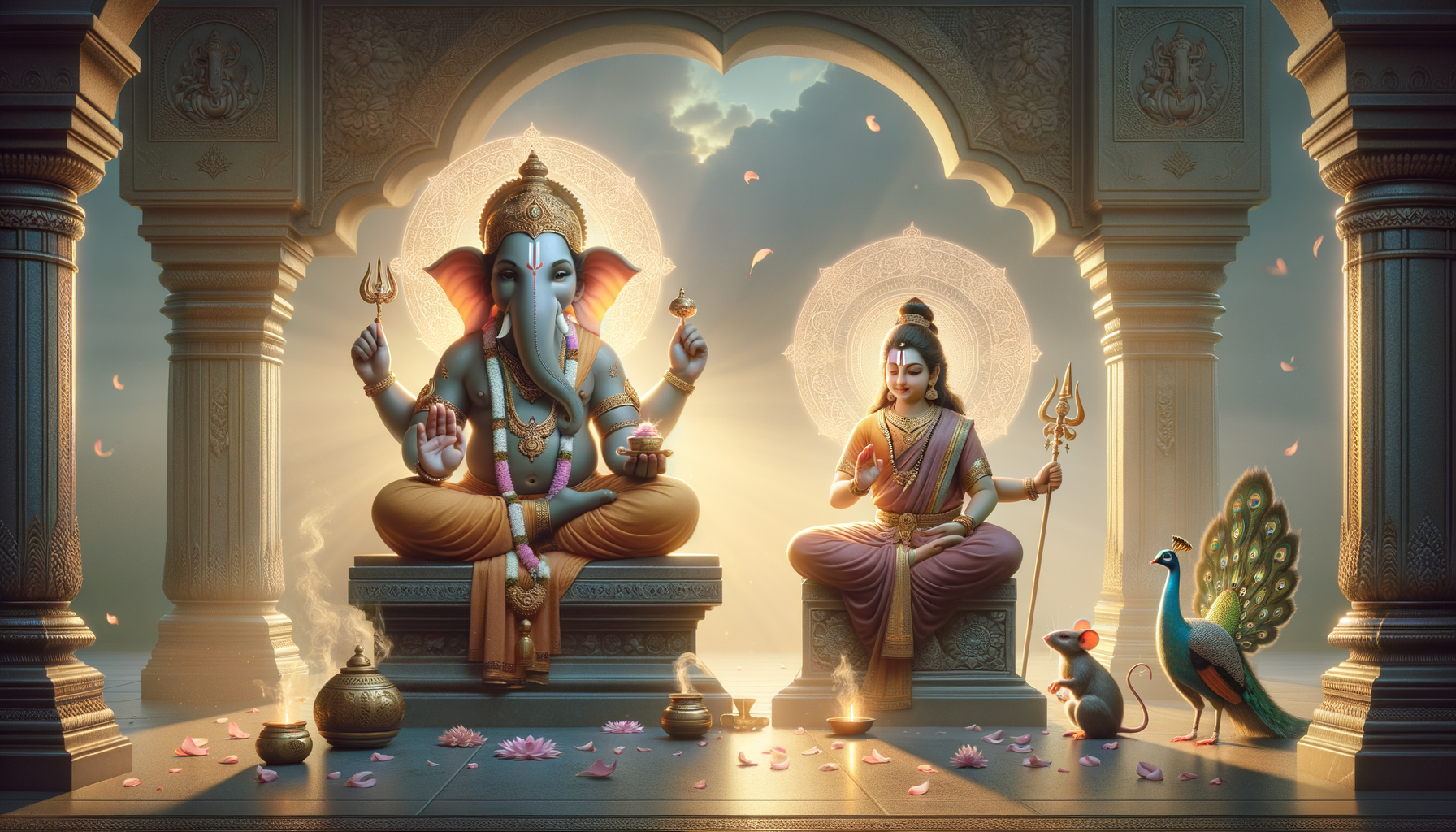
This Brahma Purana narrative explores the divine manifestations of Ganesha and Kartikeya as complementary embodiments of wisdom and valor. It explains Ganesha’s elephantine symbolismintellect, auspicious beginnings, and ethical guardianshipand Kartikeya’s martial ideal of disciplined courage. The story highlights how insight should precede action, offering a practical framework for facing obstacles and serving the community. It…
-
Kubera’s Rise to Lord of Wealth: A Riveting Ramayana Tale of Dharma, Loss, and Grace

Kubera (Vaiśravaṇa) becomes the God of Wealth in the Ramayana and Puranas through tapasya, merit, and entrusted stewardshipnot mere accumulation. As son of Vishrava and half-brother to Ravana, he first rules Lanka before destiny shifts him to Alakapuri. The tale highlights dharmic ethics: wealth as sacred trust, right livelihood, non-hoarding, and seva. Across Hindu, Buddhist,…
-
Gayasura Katha: Devotion, Immortality, and the Sacred Origins of Gaya’s Moksha Rites
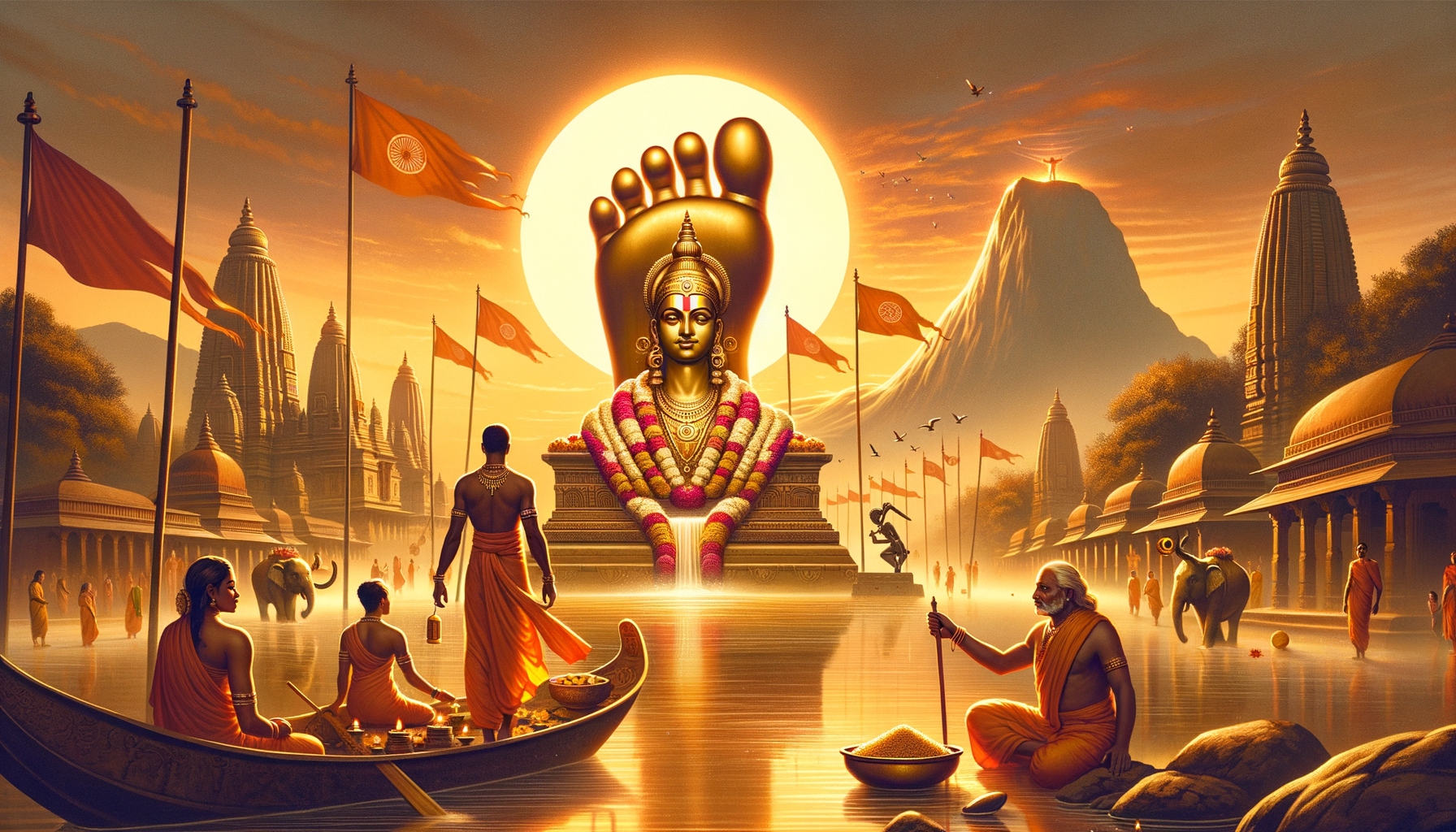
The Gayasura Katha narrates how Gayasura, son of Tripurasura, attains immortality through intense devotion to Lord Vishnu. In many tellings, Vishnu anchors Gayasura’s sanctity to the sacred geography of Gaya, where Vishnupad is venerated. This explains why śrāddha and pind-dān at Gaya are believed to aid ancestors on the path to moksha. The story’s core…
-
Sacred Origin of Narmada and the Banalinga: Shiva’s Grace, Vishnu’s Compassion, Humanity’s Hope

This article presents an academically grounded narrative of the Narmada’s sacred origin and the Banalinga tradition, tracing how Puranic lore frames the river as Shiva’s grace responding to Bhagavan Vishnu’s compassionate impulse to restore dharma. It explains why traditions describe amrita-like potency flowing from Shiva’s jata and how variations in the source accounts all affirm…
-
Kubera’s Ascent to Yaksha Sovereignty: Dharma, Devotion, and Lanka’s Silent Call

Kubera is portrayed in Hindu scriptures as a ruler who rose through discipline, devotion, and righteousness rather than conquest. Traditions connect him with Lanka, a city crafted by Vishwakarma that awaited stable rule, underscoring the need for moral governance alongside architectural splendor. His kingship over the Yakshas illustrates ethical wealth and stewardship aligned with dharma.…
-
Agra’s Kailash Mahadev Temple: Timeless Shivlings, Yamuna Sanctity, and Living Symbolism

On the banks of the Yamuna in Agra, the Kailash Mahadev Temple preserves a continuous line of worship linked by tradition to Lord Parashurama and two ancient Shivlings. The shrine’s symbolism highlights the formless Absolute while anchoring devotion in community practice. River sanctity, quiet ritual life, and simple architecture invite contemplative attention over spectacle. The…
-
Varudhini and Pravarakhya: Timeless Dharmic Love That Shaped King Swarochi and Manu Swarochisha

This academic retelling presents the Story of Varudhini and Pravarakhya as a timeless dharmic love narrative linked to the births of King Swarochi and Manu Swarochisha. Centered on the River Varuna, it highlights ritual discipline, hospitality, and karmic fruition. Readers gain a clear, accessible overview that preserves accuracy while enhancing readability. The piece emphasizes unity…
-
Kakabhushundi Katha: The Crow Sage of Ramcharitmanas and the Power of Devotion

Kakabhushundi, a revered rishi in ancient Hindu texts, is celebrated in the Ramcharitmanas for his luminous teachings on devotion and humility. Cursed by Rishi Lomasa to take the form of a crow, he chose to remain in that form, transforming adversity into spiritual strength. His dialogue with Garuda in the Uttarkanda distills the heart of…
-
Shiva as Kamadahana Murthy: The Fiery Triumph Over Desire and Lessons for Inner Freedom

Kamadahana MurthyShiva who burns Kamadeva to ashesoffers a timeless lesson on transforming desire into inner freedom. Grounded in Puranic narratives, the episode reveals how Shiva’s third eye purifies compulsion while preserving compassionate renewal through Rati’s plea. The symbolism aligns with dharmic insights across Hinduism, Buddhism, Jainism, and Sikhism, emphasizing self-mastery and ethical living. Readers gain…