
-
Eternal Bonds in Hinduism: Rituals and Dharma That Sustain Connections with the Departed
Hinduism teaches that the bond with a loved one endures beyond death, transforming rather than ending. Rooted in the concepts of ātman, karma, dharma, and moksha, this view honors grief while encouraging ethical remembrance. Rituals such as Antyeṣṭi, Pinda Daan, Tarpana, Shraddha, and Pitru Paksha provide structure and meaning to mourning. Home practiceslighting a diya,…
-
पितृ ऋण के कारण: संतान व मान–प्रतिष्ठा पर गहरा प्रभाव, Pitru Runa remedies और व्यावहारिक उपाय

यह लेख “पितृ ऋण (Pitru Runa)” की धारणा को स्पष्ट करते हुए कारण, प्रभाव और व्यावहारिक उपायों का संतुलित, अकादमिक विश्लेषण प्रस्तुत करता है। इसमें बताया गया है कि कृतज्ञता, सेवा और पारिवारिक उत्तरदायित्व के क्षीण होने पर मान–प्रतिष्ठा व संतान-सुख प्रभावित हो सकते हैंजैसे संतानाभाव, संतान का स्वास्यि खराब होना या बुरी संगति में…
-
Why Vishnu Rests on Cosmic Waters: Deep Symbolism, Dharmic Unity, and Living Wisdom

The image of Vishnu reclining on the cosmic waters conveys a complete philosophy of preservation, balance, and conscious repose. Scriptural narratives from the Puranas situate this scene in the primordial ocean, where yoga-nidra, Ananta Shesha, and the lotus of creation converge. Water symbolizes undifferentiated potential, while the lotus represents pure emergence and order. Psychologically, the…
-
Dogs in Hinduism: Sacred Companions, Loyal Guardians, and Kalabhairava’s Vahana
Dogs hold a revered place in Hinduism as the vigilant vahana of Lord Kalabhairava, reflecting values of loyalty, protection, and compassionate guardianship. Their presence in iconography and living practice conveys the safeguarding of dharma through alertness and service. Community observances such as Kukur Tihar honor dogs with garlands and tika, deepening ethical awareness toward animals.…
-
Bhairava and Shiva’s Fierce Compassion: Trimurti Legend, Ego-Cutting Symbolism, Inner Protection
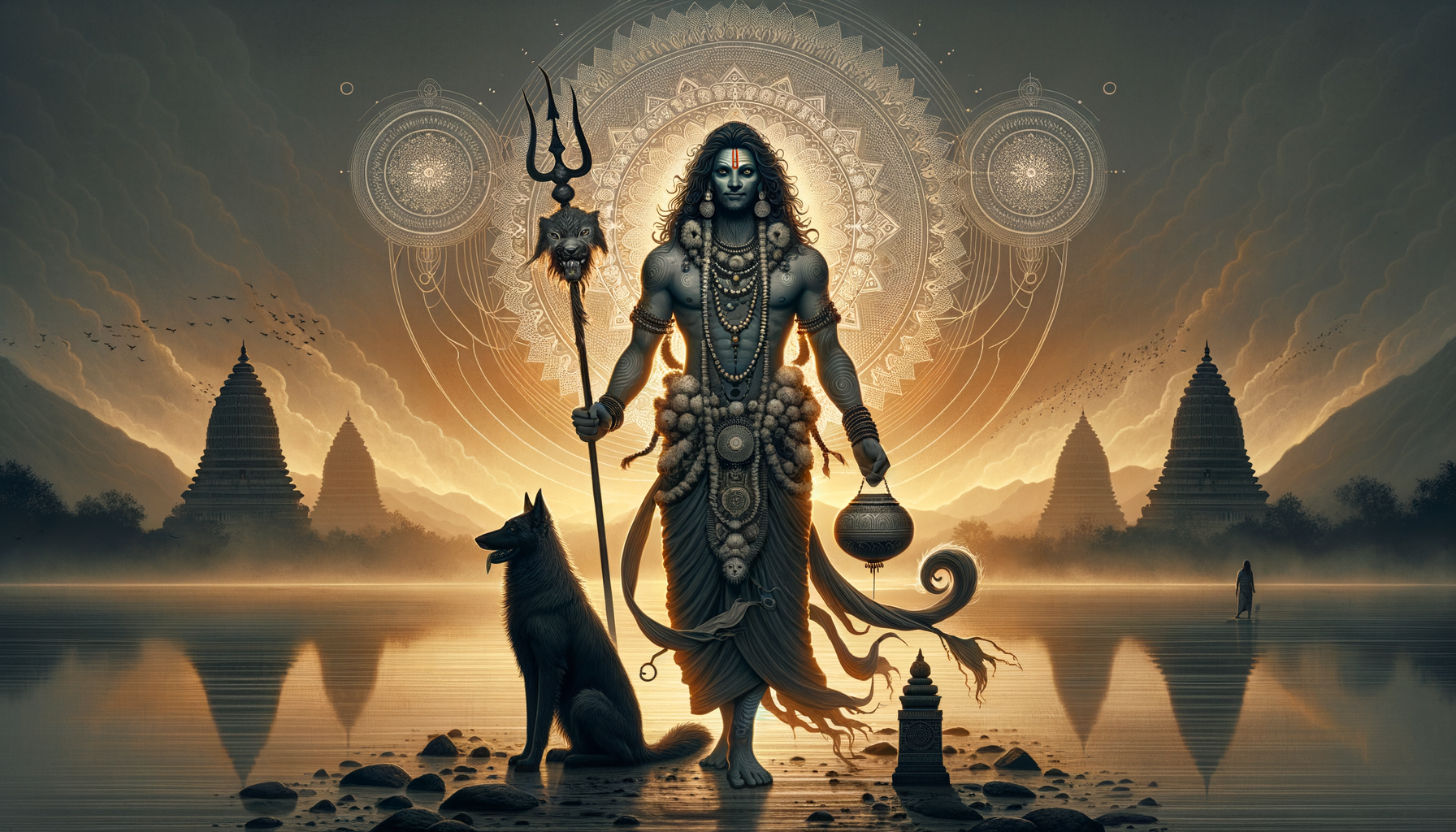
Bhairava represents the raudra, or fierce, aspect of Shivanot unrestrained anger, but disciplined power that protects dharma and cuts through ego. Puranic narratives describe Shiva manifesting as Kala Bhairava to humble Brahma’s pride, symbolically severing the fifth head that represents arrogance. The legend culminates in Varanasi, where Bhairava becomes the guardian of Kāśī, affirming the…
-
Discover the Sacred Map of the Body: How Each Limb Aligns with Devas in Vedic Practice

This article explains how Vedic practice maps specific Devas to the body’s limbs through mantras like ‘Prajanane Brahma tishtatu’, ‘Padayo Vishnu tishtatu’, and ‘Hastayo Hara tishtatu’. It clarifies the symbolismcreation, preservation, and transformationand shows how this enhances the body-mind connection in Hindu spirituality. Readers learn how simple, daily contemplations support ethical action, emotional balance, and…
-
Lal Kitab Remedies for Moon in the 7th House: Nurture Love, Marriage Harmony, and Peace

Lalkitab remedies for Moon in the 7th house focus on restoring emotional balance, strengthening marital harmony, and honoring maternal blessings. Classical guidance emphasizes respect for the mother and compassionate speech to prevent relational decline. Practical steps include Somvar vrat with white offerings, Chandra mantra japa (Om Som Somaya Namah), and charity of milk, rice, and…
-
Gau Mata Mahatmyam: Sacred Cow’s Transformative Grace, Vastu Harmony, and Dharmic Unity

Gau Mata Mahatmyam presents a holistic view of the cow’s sanctity in Hindu Dharma, linking spiritual symbolism, Vastu harmony, and ethical living. The preserved Hindi lines emphasize the presence of “तैतीस कोटी देवी देवताओं,” the easing of Vastu dosha where a contented cow resides, and the auspiciousness associated with her joyful presence. This understanding resonates…
-
Gau Mata Mahatmyam: Sacred Cow’s Grace, Vastu Harmony, and Dharmic Unity Explained
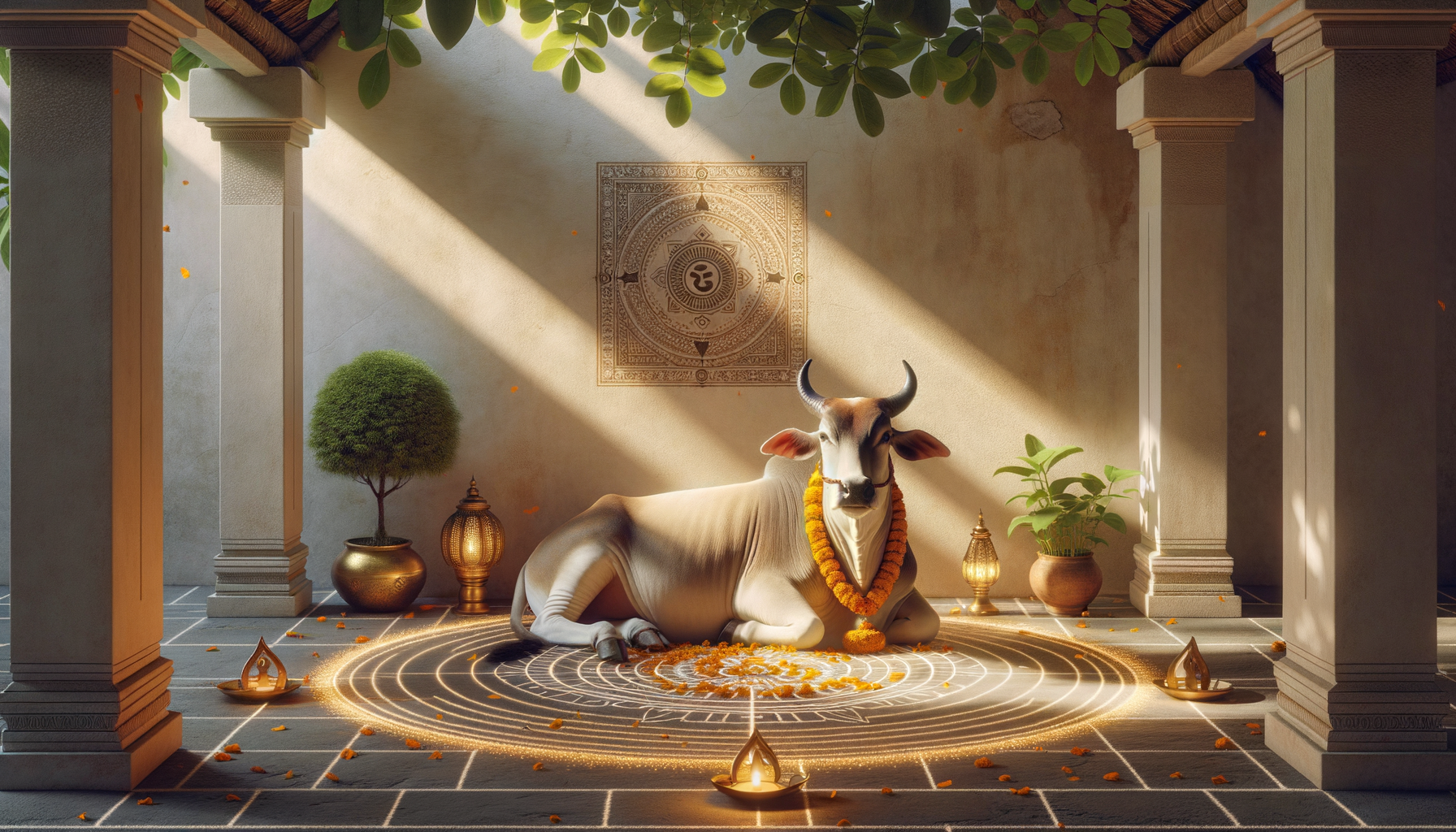
Gau Mata Mahatmyam frames the sacred cow as a symbol of harmony, abundance, and ethical living within Hindu Beliefs and Vedic culture. The excerpt’s claimslinking Gau Krupa to Vastu balance, associating divinity with the cow, and evoking auspicious joyare best read as symbolic affirmations of serenity and care. This understanding integrates spirituality with agrarian sustainability,…
-
Dashavatara Moorthy: Unveiling Lord Vishnu’s Ten Incarnations and Their Living Wisdom
Dashavatara Moorthy, the epithet for Lord Vishnu’s ten incarnations, conveys how the preserver intervenes to restore dharma whenever disorder rises. The tradition holds that nine avatars have appeared, with Kalki yet to come. Lists vary across regions and textssome include Buddha, others Balaramareflecting the breadth of Hindu belief while preserving a shared ethical core. The…
-
Lal Kitab Remedies for Venus in the 8th House: Timelines, Rituals, and Everyday Protection

Lal Kitab describes Venus in the 8th house as a nuanced placement, often sensitive until age 11, with vulnerable windows around ages 27, 34, and 39–45. This overview organizes those timelines and presents practical, Venus-friendly remediesFriday observances, ethical restraint, compassionate charity, and mantrato steady relationships, finances, and emotions. The guidance emphasizes service (dāna), cleanliness, and…
-
Lal Kitab Remedies for Mars in the 7th House: Practical Steps to Harmonize Partnerships

This article explains Lal Kitab remedies for Mars (Mangal/Kuja) in the 7th house with clear, practical steps to harmonize marriage and partnerships. It reframes classical cautions as ethical calls to safeguard family bondsespecially through respectful conduct toward womenrather than fatalistic predictions. Readers learn actionable upāya: Tuesday vrata, dāna of Mars-associated items, Hanuman devotion, and the…
-
Vrishabha Lagna (Taurus Ascendant): Timeless Traits, Mindset, and Life Path Insights
Vrishabha Lagna (Taurus Ascendant) is the second rising sign in Hindu Astrology, shaping physical features, temperament, and behavior. Typical traits include a sturdy build, bright eyes, and a resonant voice, paired with patience, loyalty, and practical judgment. The influence of Shukra (Venus) enhances aesthetics, stability, and creative appreciation. Health focus areas include the neck and…
-
Vrishabha Lagna (Taurus Ascendant): Grounded Traits for Timeless Calm and Daily Harmony
Vrishabha Lagna (Taurus Ascendant) is the second of the twelve Lagnas in Hindu Astrology and is traditionally linked with steadiness, aesthetic sensibility, and reliability. Classical sources describe medium stature, a plump build, a broad forehead, a stout neck, and bright eyes as common physical markers. Mentally, this Venus-ruled ascendant favors patience, pragmatism, and harmony, while…
-
Jwalini Mata and Lord Mangala: Unveiling the Fiery Consort of Mars and Tuesday’s Power
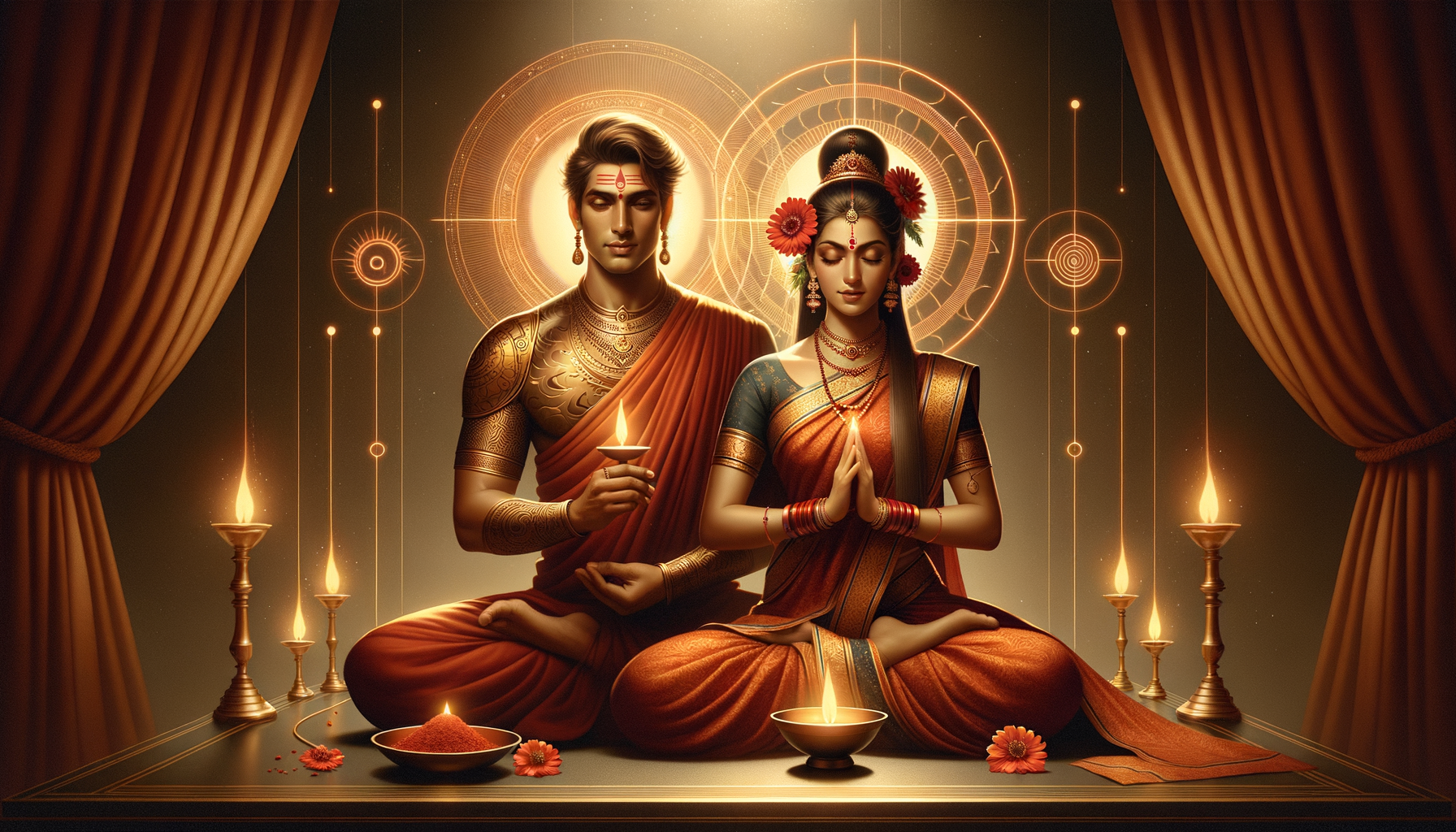
Jwalini Mata, revered as the consort of Lord Mangala (Mars), embodies fiery clarity that complements Mangala’s martial courage and ethical resolve. Rooted in Hindu cosmology of the Navagraha, this pairing guides disciplined energy and righteous action without aggression. Traditions often connect Mangala with Lord Muruga and Lord Veerabhadra, framing a protective yet refined power anchored…
-
Why Brahma Refuses Immortality Boons: Timeless Dharma, Cosmology, and the Path to Moksha

Why does Brahma never grant immortality? In Hindu cosmology, even the creator functions within time and cannot override the laws of dharma and karma. Puranic narratives, such as the story of Hiranyakashipu and Narasimha, illustrate that boons are conditional to preserve cosmic balance. This view shifts focus from bodily permanence to moksha, aligning with the…
-
Karma and Innocent Suffering: A Compassionate Dharmic Guide to Miscarriage and Child Loss

This reflection explores how karma is understood when young children die painfully or a baby passes in the womb, emphasizing humility before the mystery of cause and effect. It unifies perspectives across Hinduism, Buddhism, Jainism, and Sikhism, highlighting compassion rather than blame. Readers learn how dharmic traditions approach grief with practices such as prārthanā, dāna,…
-
The Proven Power of Bhakti: Discover How Devotion Sees Guruvayoor Unnikannan as Child-God

Bhakti frames familial tenderness as a rigorous spiritual practice, exemplified by devotion to Guruvayoor Unnikannan (Child Krishna). Treating the Divine as a beloved child (vatsalya-bhāva) cultivates humility, compassion, and daily mindfulness through seva, darshan, and remembrance. Rooted in Hindu spirituality and Kerala temple traditions, these practices are accessible to families and individuals of all ages.…
-
The Essential Playful Wisdom of Sri Chaitanya: Discover the Transformative Hasya Rasa

Sri Chaitanya Mahaprabhu, revered as Rasaraj, used “hasya” rasaone of the seven indirect mellowsto uplift hearts and deepen devotion in Nabadwip. Accounts in Sri Chaitanya Bhagavat (CB) portray His playful wit as affectionate and pedagogical, never divisive. Framed within Bengal’s Cultural Heritage, this humor fostered social cohesion, including among migrants from Sri Hatta (Sylhet), and…
-
Discover the Secret Eye on Kali’s Sickle Sword: A Complete Guide to Transformative Symbolism

The eye often depicted on Goddess Kali’s sickle-shaped sword (khadga or kripan) is a visual doctrine: wisdom guiding power. Far from signifying mere destruction, it encodes the union of discernment and actionawareness cutting through ignorance (avidya) with ethical clarity (dharma). The eye represents vigilant consciousness (jnana-netra), while the blade symbolizes transformative discernment (viveka). This symbolism…