
-
Narayana Mantra at Life’s Final Breath: How Last Thoughts Shape Destiny and Peace

This reflection explains why chanting the Narayana Mantra, Om Namo Narayanaya, is revered at life’s final breath in Hindu beliefs. It clarifies how the mind’s last impressions align with karma and reincarnation, echoing Bhagavad Gita teachings on the power of final consciousness. Practical, compassionate guidelines are offered for creating a calm environment, choosing suitable modes…
-
Vayudeva Mahatmyam: Exploring the Wind God’s Power, Prana, and Dharma Across Traditions

Vayu Bhagavan, the wind god of Hindu tradition, is revered as the sustaining force behind prana, movement, and life. Classical narratives honor him as the divine father of Hanuman and Bhima, whose devotion to Lord Rama and loyalty to Lord Krishna exemplify courage and service. Philosophically, Vayu’s essence is experienced through pranayama and mindful breathing,…
-
Achyuta Unveiled: Meaning, Symbolism, and the Imperishable Grace of Vishnu
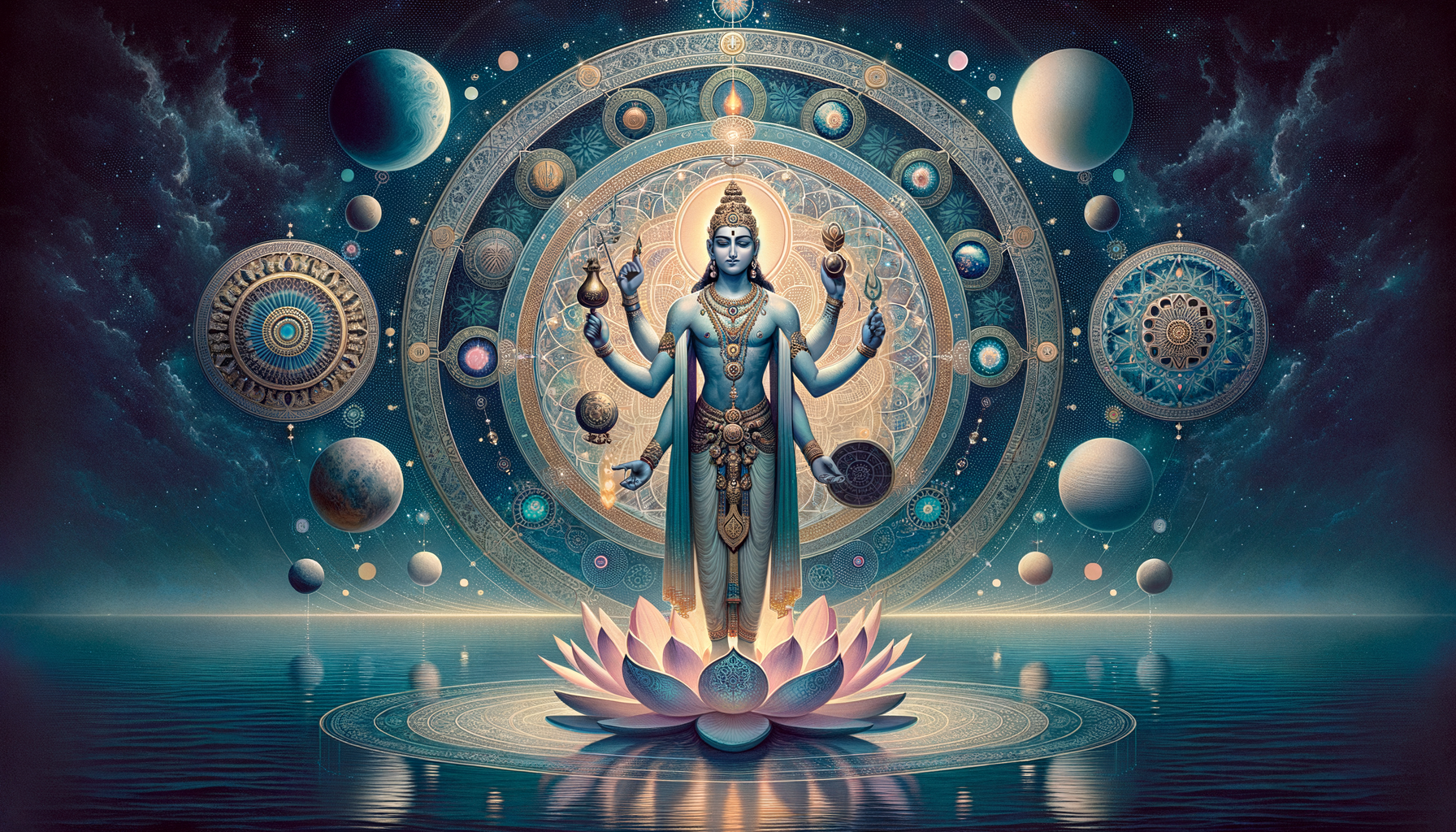
Achyutameaning “the unfallen”is a profound Sanskrit name of Lord Vishnu and Sri Krishna that conveys imperishability and unwavering grace. Scriptural anchors such as Bhagavad Gita 1.21 and the Vishnu Sahasranama highlight its theological depth and devotional relevance. The name’s symbolism nurtures steadiness, moral clarity, and resilience, guiding practitioners through uncertainty. Its core intuition of a…
-
Vaastu Bhagawan Explained: Harness Sacred Architecture for Peace, Protection, and Prosperity

Vaastu Bhagawan is honored in Hinduism as the guardian of structures, invoked to protect homes and sacred spaces. When Vastu Shastra principles are followed, spaces are believed to gain safety, peace, and prosperity through alignment with the Pancha Mahabhuta and cardinal directions. The deity is described as embodying aspects of the Trimurtis and the Tridevis,…
-
Pashupati’s Sacred Symbolism: How Shiva Liberates Bound Souls and Guides All Beings
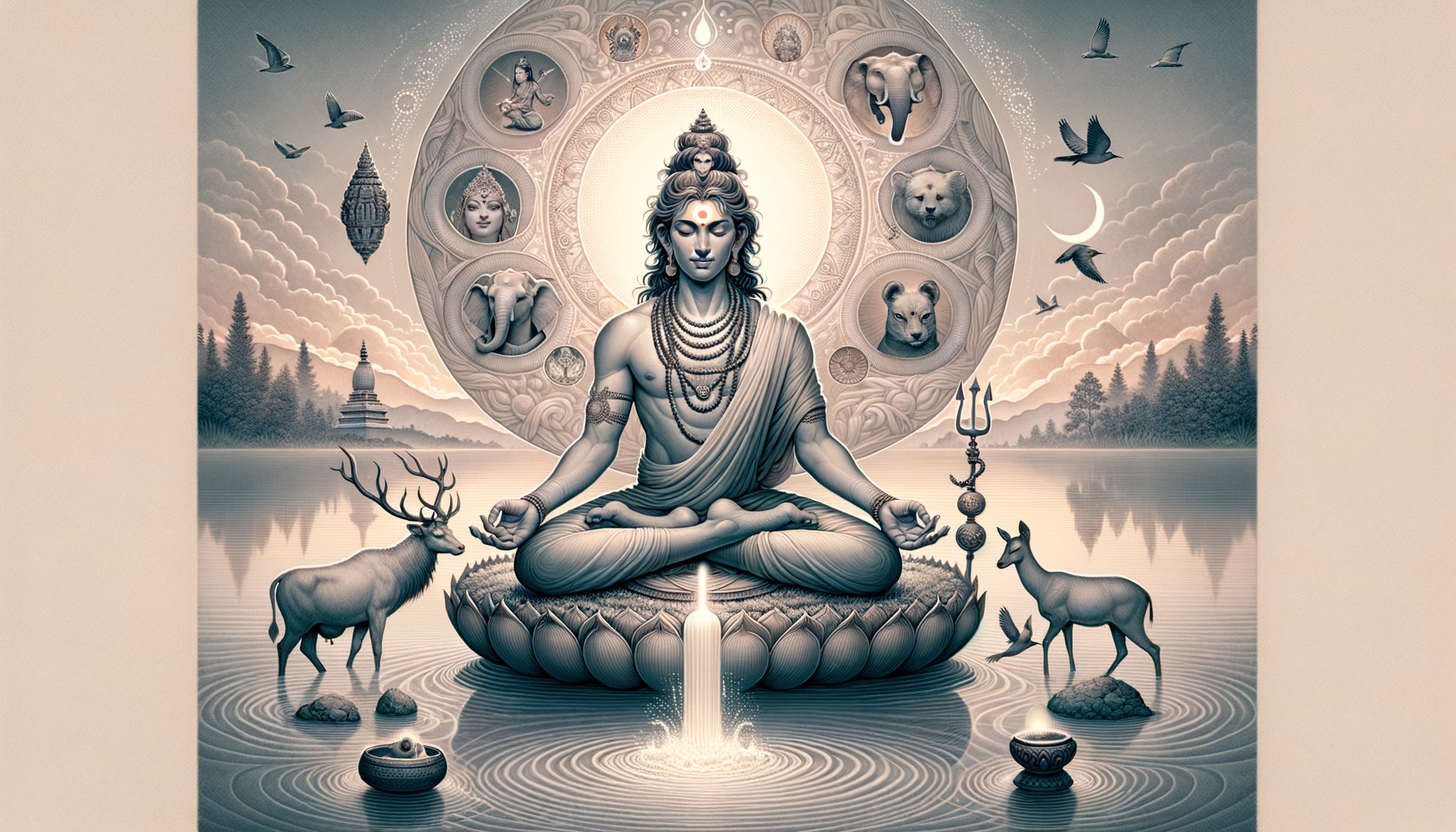
Pashupati, the profound epithet of Shiva, unites care for all beings with the promise of liberation from worldly bondage. Drawing on Hindu philosophy, it presents the Lord as protector of the bound soul and the One who severs the cords of ignorance and karma. The symbolism nurtures compassion, non-harm, and ethical living while guiding seekers…
-
Sacred Ecology in Hinduism: How Nature Worship Shapes Dharma, Ethics, and Daily Life

Nature worship in Hinduism is a core expression of sacred ecology that unites philosophy, ritual, and ethics. Rooted in the Vedas, Upanishads, and Puranas, it affirms cosmic unity and the sanctity of the five elements. Rituals like offerings to Surya and the care of Tulsi translate reverence into daily practice. Ethical pillarsAhimsa, Aparigraha, and devotion…
-
Shani Sade Sati for Kanya Rashi: Decode Janma Shani’s Second Phase, Effects, Remedies

Janma Shani, the second 2 1/2-year phase of Shani Sade Sati for Kanya Rashi (Virgo sign), invites disciplined effort, clarity, and ethical alignment. The transit’s effects vary by Lagna, Nakshatra, natal Shani, and Dasha, making outcomes neither fixed nor fated. Practical responsesstructured routines, mindful finances, meditation, and steady sevareduce stress and enhance resilience. Traditional upaya…
-
Shani Sadesati for Kanya Rashi: Master the Final 2.5 Years (Paada Shani) with Grace

Shani Sadesati for Kanya Rashi culminates in Tula Rashi as Paada Shani, an exalted Saturn phase that refines speech, strengthens family duties, and stabilizes resources. The emphasis shifts from short-term comfort to long-term integrity, making discipline and ethical clarity essential. Observing Panchang, and considering Nakshatra and Dasha, helps contextualize individual experiences. Simple, steady practicesseva, daan,…
-
Transformative Lal Kitab Remedies for Mercury in 2nd House: Heal Speech, Wealth, and Family Bonds
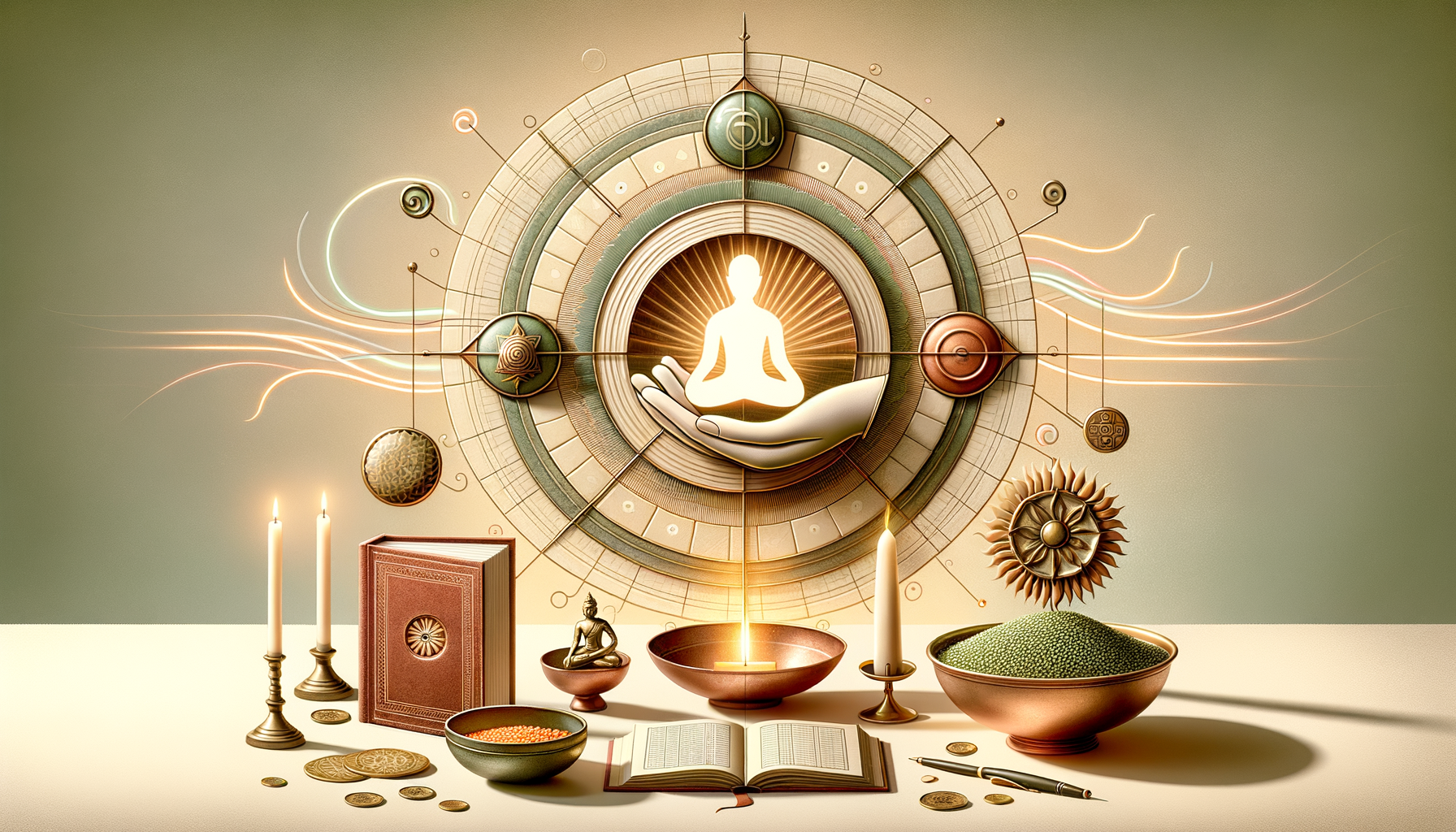
This guide distills Lal Kitab insights on Mercury (Budha) in the 2nd house into clear, practical steps. It explains how Ketu’s involvement may appear as delays around children, strained family ease, and risk-prone finances, then reframes these as tendencies that can be improved through ethical remedies. Readers gain speech-focused practices rooted in shared dharmic valuestruthfulness,…
-
Unlocking Abundance and Serenity: The Profound Significance of Kamalatmika Mahavidya

Kamalatmika Devi, the Kamala Mahavidya, is venerated as a radiant form of Mata Lakshmi who unites prosperity with inner serenity. Her golden iconographylotuses and gentle elephantssymbolizes purity, auspicious growth, and steady blessings grounded in dharma. In practice, devotees associate her worship with harmonizing Shukra (Venus), especially on Fridays, emphasizing ethical living, charity, and mindful mantra…
-
The Divine Paradox of Ganesha on a Mouse: Transformative Symbolism to Conquer Ego
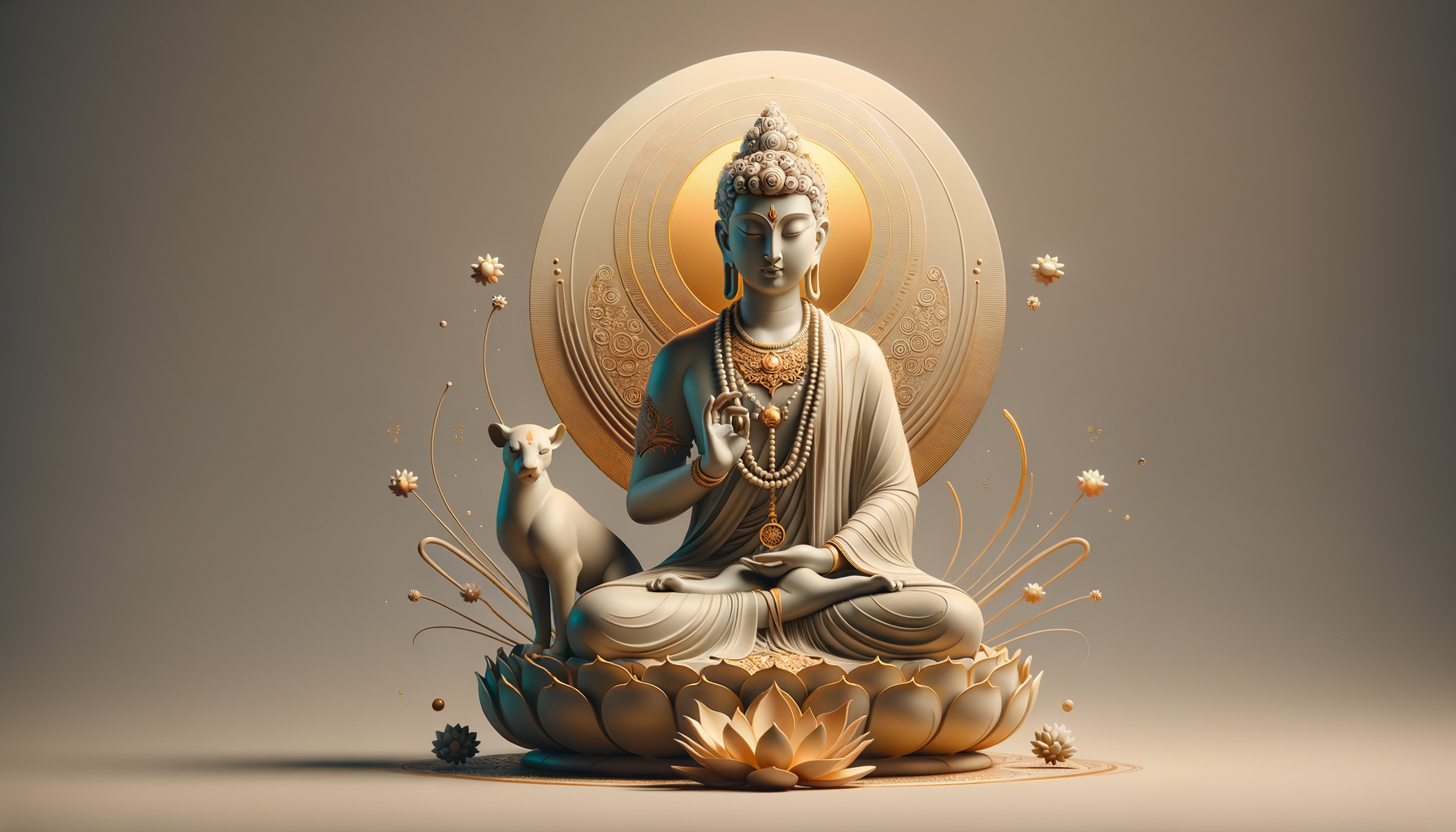
The iconic image of Lord Ganesha seated on a small mouse conveys a profound lesson: wisdom governs and transforms ego rather than destroying it. In Hindu symbolism, Ganesha embodies discernment while the mouse represents restless impulses, illustrating mastery of mind through knowledge. This insight harmonizes with Buddhist mindfulness, Jain aparigraha, and Sikh teachings on overcoming…
-
Paryavartanakam Explained: Hinduism’s Warning Against Denying Food and the Power of Compassion
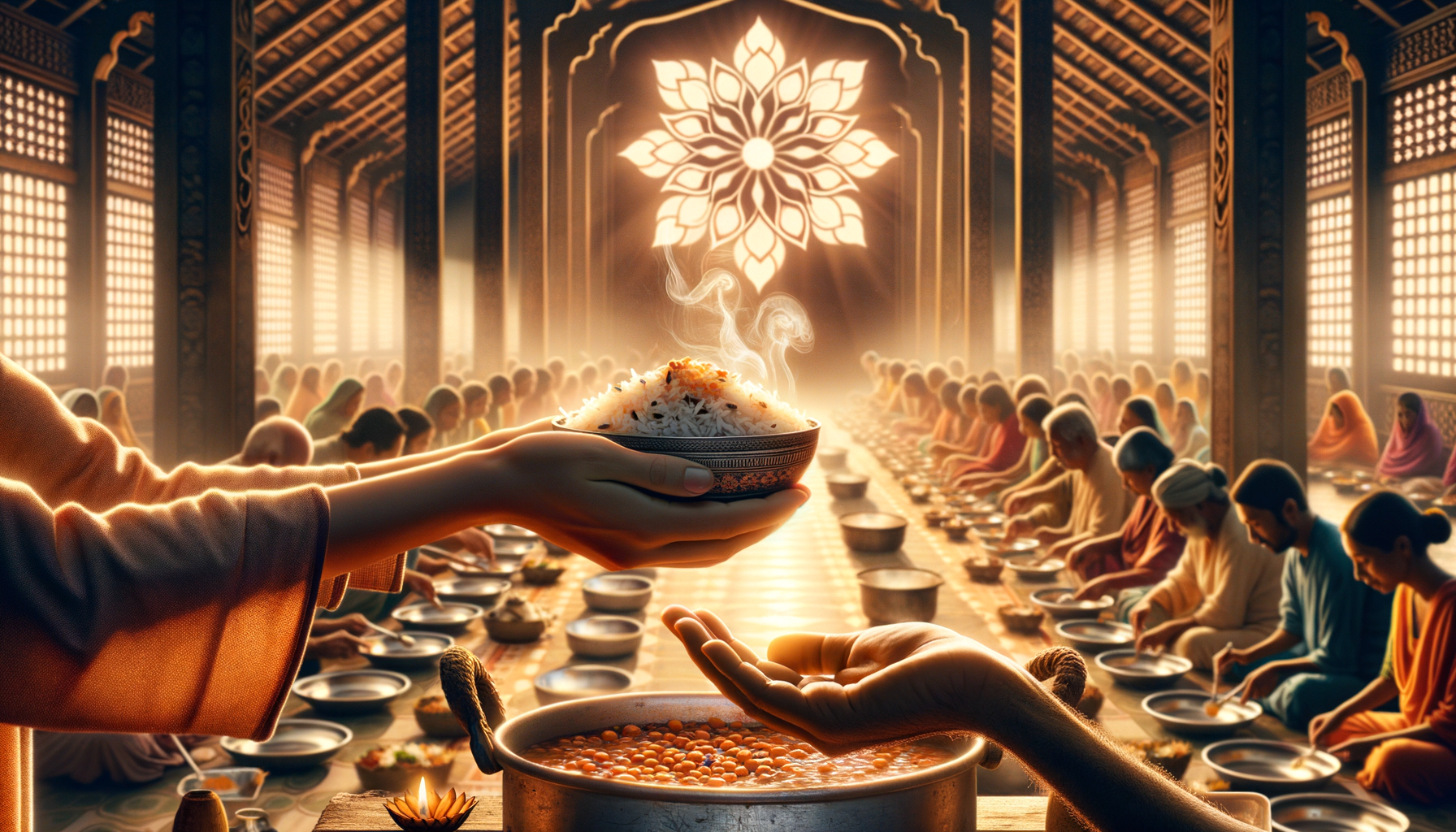
Paryavartanakam, described within Hindu ethical thought, warns against the grave act of denying food to the hungry and elevates anna-dāna as sacred duty. Purāṇic narratives such as those in the Garuḍa Purāṇa frame Naraka as a mirror of karmic consequence, not mere punishment. This teaching aligns with a wider dharmic consensus: Buddhist dāna, Jain ahiṃsā…
-
Lalita Tripura Sundari Mahatmyam: Unveiling the Mahavidya’s Transformative Grace and Wisdom

Lalita Tripura Sundari, one of the Mahavidyas, is revered as a unified expression of Devi Shaktinon-different from Pārvatī, Sati, Durga, and Mahakali. Rooted in Sri Vidya, her worship centers on the Śrī Cakra and practices like the Lalita Sahasranama, guiding seekers toward inner clarity and ethical strength. Devotees describe everyday ritualsespecially on Fridays and during…
-
Vishnu and Lakshmi in Dreams: Decode Sacred Signs, Find Peace, and Invite Prosperity

Dreams of Vishnu and Lakshmi are treated in Hindu tradition as sacred messages that connect the subconscious with the divine. This guide explains common symbolslike Vishnu’s Sudarshana Chakra or Lakshmi’s lotusand how they relate to protection, balance, and sattvic prosperity. It offers practical steps for integration, including journaling, mantra, meditation, and compassionate action. The approach…
-
Tripada Trimurti Unveiled: The Profound Symbolism of Shiva’s Three-Footed Trinity

Tripada Trimurti presents the TrimurtiBrahma, Vishnu, and Shivathrough the striking motif of three feet, highlighting the unity of creation, preservation, and transformation. This interpretation clarifies how the visible legs of Vishnu and Shiva, with the third principle implied through Brahma or the composite form, teach oneness-in-diversity. Readers gain a clear understanding of the term’s meaning,…
-
IFFI Goa Row: Alleged Insult to Goddess Chamundi Sparks Outrage, Dialogue on Respect

A reported incident at IFFI Goa, where Ranveer Singh allegedly referred to Goddess Chamundi as a “female ghost” and mimicked a sacred scene linked to Kantara, sparked widespread criticism. This analysis explains why such references can wound religious sentiment, outlining the cultural significance of Chamundi within Hindu traditions. It emphasizes lawful, dignified protest and institutional…
-
Deathbed Visions or Hallucinations? A Compassionate Dharmic Guide to the Final Journey

This article clarifies the difference between deathbed visitations and hallucinations through a Hindu and broader Dharmic lens, combining scriptural insights with contemporary hospice observations. It outlines clear phenomenological markerssuch as serenity, coherence, and value alignmentthat can help families distinguish spiritually meaningful visions from delirium. The discussion highlights convergences across Hinduism, Buddhism, Jainism, and Sikhism, fostering…
-
Shiva Loka Unveiled: Mount Kailash and the Timeless Abode of Lord Shiva

Shiva Loka is revered in Hinduism as the abode of Lord Shiva, reflected on earth by Mount Kailash. The Shiva Purana presents Shiva’s compassion and transformative power as ethical and contemplative guides for modern life. Pilgrims describe the Kailash parikrama as a humbling encounter with silence and awe, deepening bhakti beyond ritual. As Nataraja, Shiva’s…
-
Why Ganesha Is Invoked First: Timeless Wisdom Behind Auspicious Beginnings in Hindu Pujas

Ganesh is invoked first in Hindu pujas because dharmic tradition emphasizes auspicious beginnings grounded in wisdom, humility, and ethical intent. Scriptures present him as prathama pujya, the remover of obstacles who sanctifies new ventures. Symbolically, Ganesh represents focused intellect and expansive understanding, encouraging steadiness before action. Rituals such as Ganesh Puja, housewarmings, and educational commencements…
-
Lakshmi’s Radiant Manifestation in Samudra Manthan: A Timeless Lesson in Hope and Dharma
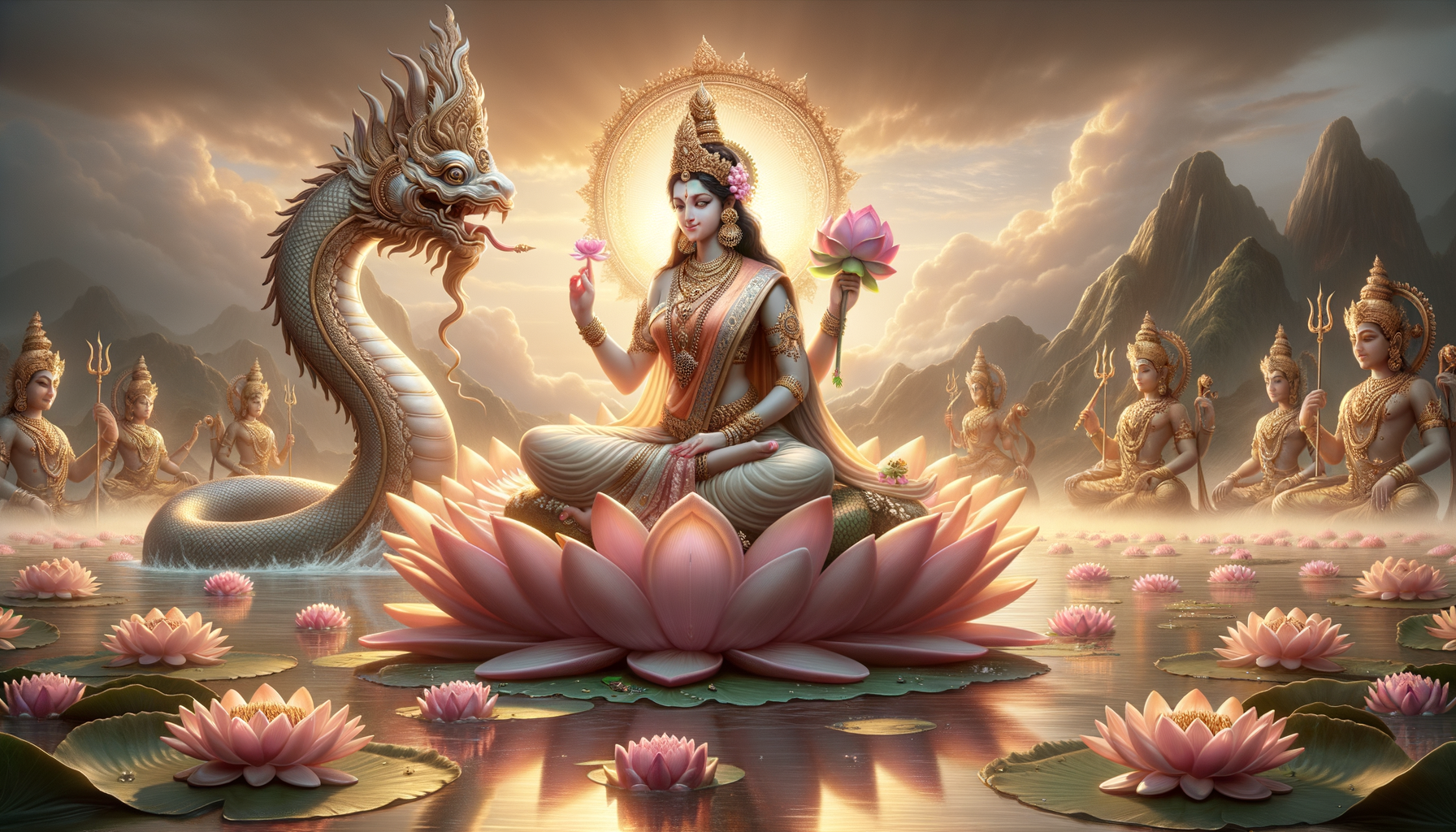
The Brahma Purana recounts the Manifestation of Maa Lakshmi as a disciplined response to crisis, where devas heed Vishnu’s counsel and undertake the Samudra Manthan. The narrative situates prosperity within dharma, showing how collective effort and ethical intent invite auspicious outcomes. Lakshmi’s emergence from the Kshira Sagara symbolizes purity, resilience, and the union of abundance…