
-
Naming Hinduphobia: Why Clarity Protects Civil Rights and Strengthens Dharmic Unity

Recognizing Hinduphobia—alongside antisemitism and racism—gives institutions the clarity needed to document, prevent, and address targeted hate without restricting free speech. Georgia’s SB 375 adds a definition; it creates no new penalties and does not reference India or any political leader. Evidence from reports and incident data underscores the urgency of accurate terminology to protect temples,…
-
Exposing a Pattern of Hate: Pieter Friedrich’s Rhetoric Against Hindus and Dharmic Pluralism
Public records reveal a consistent pattern in Pieter Friedrich’s rhetoric: delegitimizing Hindu American civic participation, invoking dual-loyalty tropes, and normalizing bigotry against multiple minorities. This analysis consolidates documented episodes—from chants targeting US Congressman Raja Krishnamoorthi to archived antisemitic and anti-LGBTQ writings—so civic leaders and the public can evaluate his claims with care. It examines his…
-
Data-Backed Warning: Interfaith Tour Sparks Concern as Hinduphobia Rises in California

A planned interfaith tour in California has sparked concern among Hindu, Buddhist, Jain, and Sikh communities who fear that political critique may spill into stigmatization of religious identity. Citing CRD data and community reporting, advocates warn that anti-Hindu incidents have risen for multiple years, calling for greater care in language and design of #Interfaith programs.…
-
Unpacking CNN’s Anti-Indian Racism Story: Media Bias, Hinduphobia, and Dharmic Unity
This piece analyzes CNN’s coverage of anti-Indian racism in the U.S., recognizing why many in the diaspora felt seen while scrutinizing the story’s expert framing on Hinduphobia. It explains how minimizing or disputing Hinduphobia conflicts with documented evidence of anti-Hindu bias and religious stereotyping. The discussion situates CNN’s approach within a broader media-bias context, referencing…
-
Times Square Uproar: Hindu Diaspora Decries CJI Gavai’s Vishnu Remarks, Calls for Respect

A peaceful protest at Times Square on 12 November 2025 saw members of the Hindu diaspora express concern over remarks attributed to CJI B.R. Gavai regarding Bhagwan Vishnu and idol restoration. The gathering emphasized dignity, religious sensitivity, and cultural understanding in institutional discourse. Attendees from Hindu, Buddhist, Jain, and Sikh traditions highlighted dharmic unity and…
-
Beyond Differences: Why Hindu Americans—and Dharmic Allies—Share an Urgent Common Cause
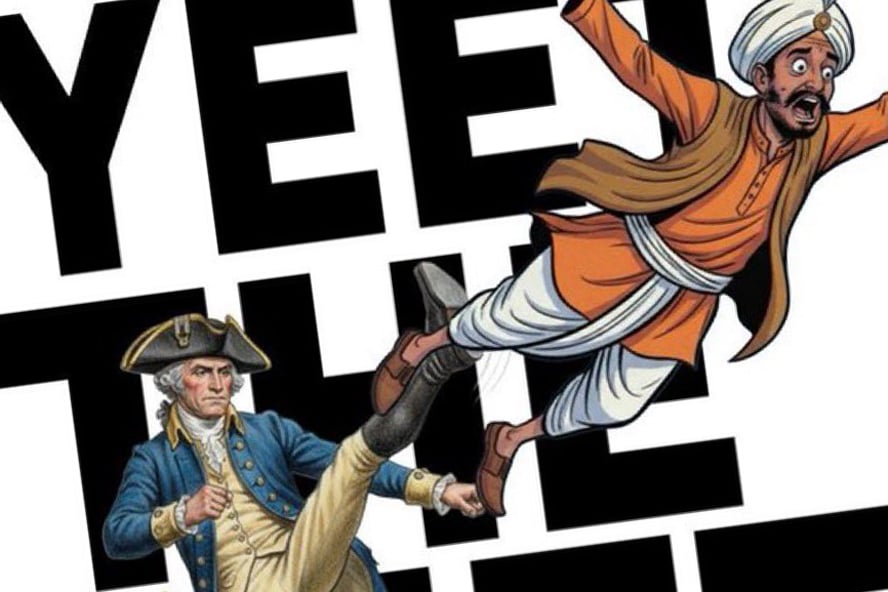
Public controversies during Diwali 2025 revealed both external pressures and internal debates within the Hindu American community and the wider Dharmic diaspora. This analysis clarifies why unity in civic advocacy matters more than doctrinal agreement, and how cooperation among Hindu, Buddhist, Jain, and Sikh communities strengthens pluralism. It balances second-generation critiques with lessons from practical…
-
Christian Nationalism in America: Hinduphobia’s Rise and a Dharmic Call to Unity
America’s founders built a secular republic to prevent sectarian strife; today’s Christian nationalist surge tests that promise for Hindu, Sikh, Buddhist, and Jain Americans. This analysis traces how policy campaigns around schools and public religion intersect with rising Hinduphobia and temple vandalism. It situates current tensions in longer histories—from the Goa Inquisition and Aurangzeb’s era…
-
Academic Freedom or Hinduphobia? A Call for a Fact-Based ‘Who Owns Hindutva?’ Debate
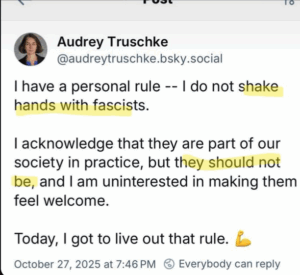
Rutgers University’s recent panel on “Hindutva in America” has reignited debate about academic freedom, Hinduphobia, and the fair representation of Hindu, Buddhist, Jain, and Sikh perspectives. Observers argue that one-sided framing and mischaracterized symbols undermine pluralism and public understanding. A fact-based “Who Owns Hindutva?” forum is proposed to convene diverse scholars and community voices, including…
-
Rutgers Event on ‘Hindutva’ Triggers Outcry, Lawmaker Scrutiny, and Calls for Dialogue
A recent Rutgers University event on “Hindutva” sparked strong reactions from the Hindu community and drew scrutiny from U.S. lawmakers concerned about student safety and campus climate. The debate highlights a core campus challenge: protecting academic freedom while preventing Hinduphobia and the profiling of Hindu students. Community voices urged precise language that distinguishes political ideologies…
-
Essential Breakdown of Rutgers ‘Hindutva in America’ Panel: Proven Ways to Safeguard Pluralism
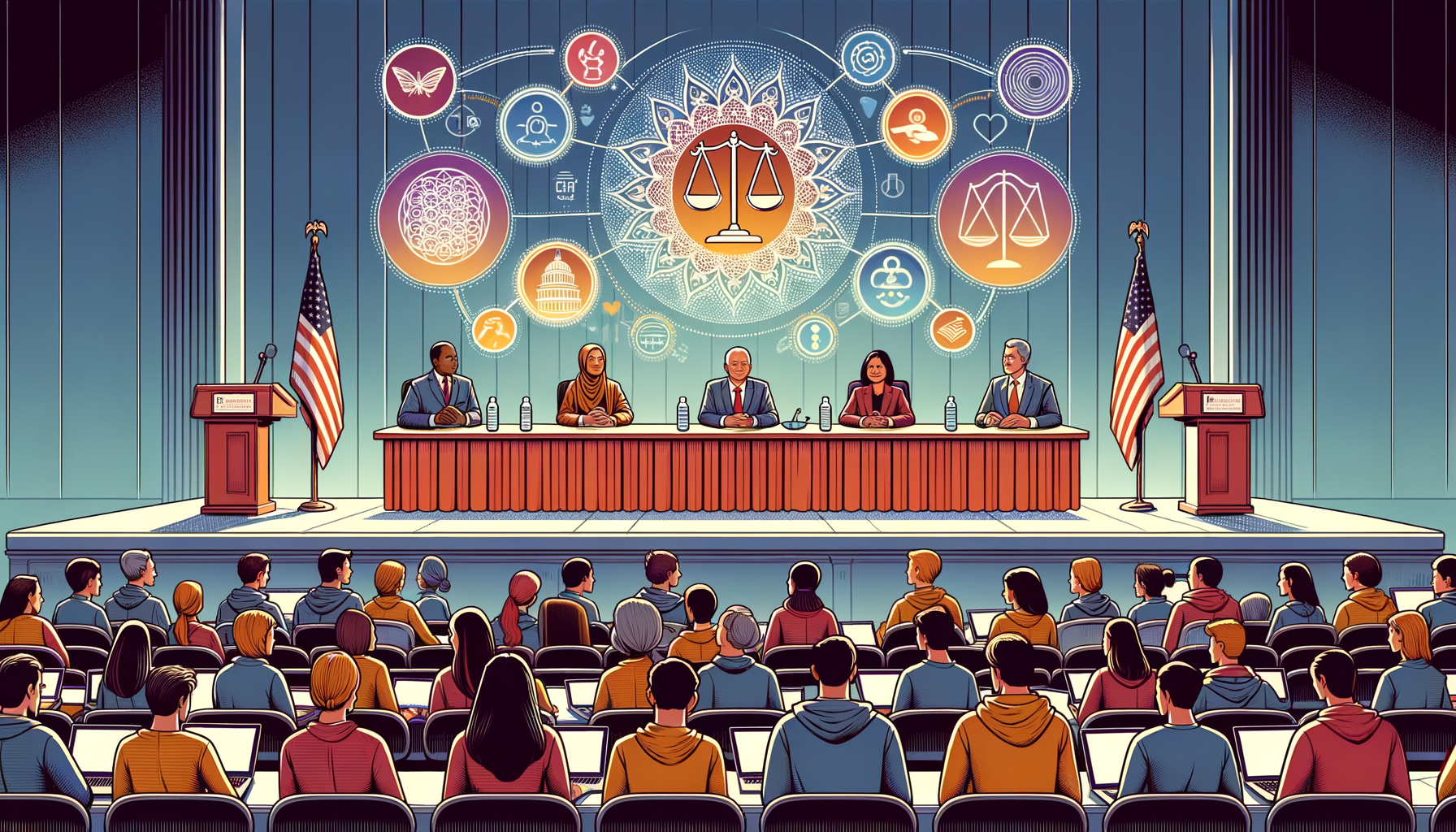
Rutgers University’s panel on “Hindutva in America” has sparked bipartisan concerns about academic balance and campus climate. Legislators urged the institution to safeguard free inquiry without stigmatizing Hindu students or, by extension, other dharmic communities. The Coalition of Hindus of North America welcomed the intervention, emphasizing rising bias incidents and the need to protect free…
-
Complete Photo Chronicle: Discover Harinama’s Transformative Spirit at Brooklyn’s Atlantic Antic
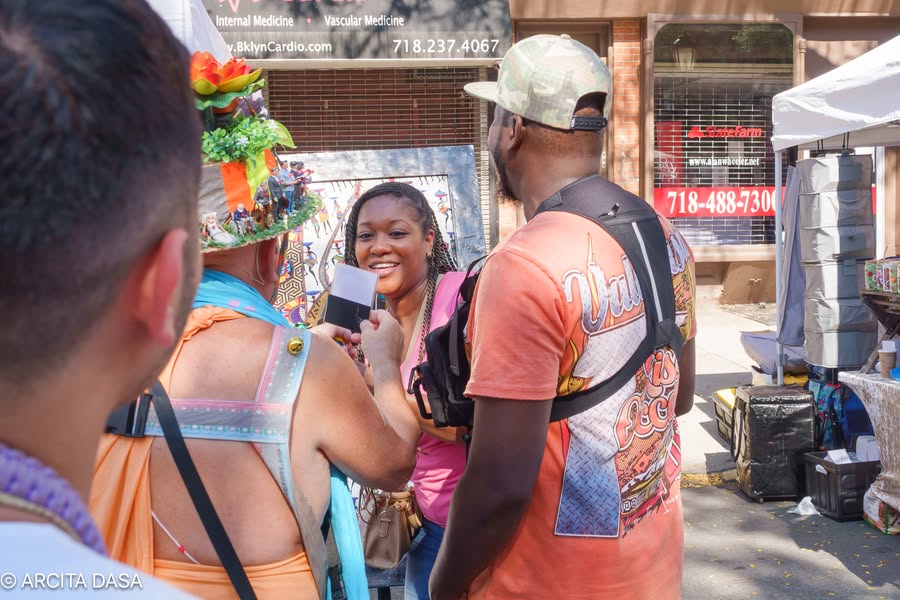
This photo chronicle captures a Harinama at Atlantic Antic on 05 October 2025, presenting a clear visual narrative of chanting and community life along Brooklyn’s Atlantic Avenue. Viewers discover how Bhakti Tradition flourishes within the Indian diaspora and engages a multicultural public in New York City. The images highlight inclusive values shared across Hinduism, Buddhism,…
-
Proven Pathways to Transform Outrage into Unity: Texas Anti-Diwali Protest Analysis

A small group of masked protesters in Texas used derogatory language toward Diwali, sparking widespread outrage and a vital public conversation about Hinduphobia. This analysis clarifies what happened, why it matters for the Hindu American Community, and how to respond lawfully and effectively. Readers will discover practical steps that transform anger into action, from incident…
-
US Lawmakers Condemn Rutgers “Hindutva Threat” Event: Essential Call to Protect Hindu Students
US lawmakers condemned a Rutgers University event titled “Hindutva in America, a threat,” cautioning that its framing could stigmatize Hindu students. The analysis clarifies the distinction between Hindutva as a contested political idea and Hinduism as a pluralistic dharmic tradition. It highlights how imprecise language can foster Hinduphobia and erode campus belonging for Hindu, Buddhist,…
-
Practical, Research-Informed Strategies to Address Anti-Hindu Bias at Rutgers on Oct 27
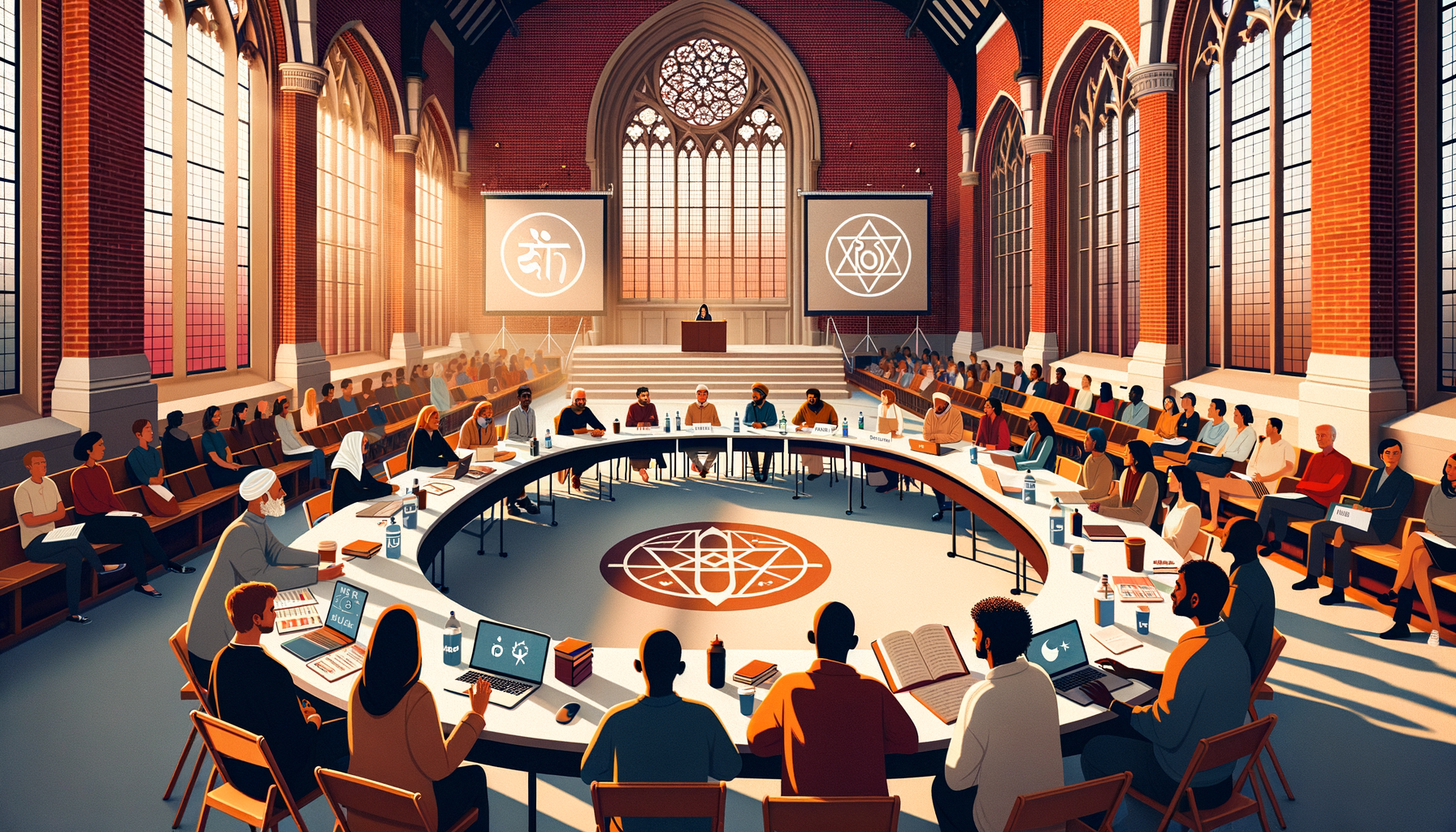
Concerns about an October 27 event at Rutgers University have prompted calls for an academic, measured response to perceived anti-Hindu narratives. This piece outlines practical strategies that center free speech, safety, and inclusion while countering bias through scholarship and dialogue. It recommends interfaith collaboration among Hindu, Buddhist, Jain, and Sikh student groups to affirm unity…
-
Proven Breakthrough for Equality: Why Newsom’s SB509 Veto Protects Diaspora Rights in California
Governor Gavin Newsom’s veto of SB509 marks a proven breakthrough for equality, civil liberties, and community safety in California. CoHNA and allied leaders argued the bill’s vague “foreign proxy” language risked mislabeling lawful advocacy by immigrant and dharmic communities. The decision keeps California aligned with federal TNR frameworks while avoiding duplicative, costly mandates. Documented rises…
-
Ultimate Breakdown: Trump’s White House Diwali and the Proven MAGA Backlash Exposed
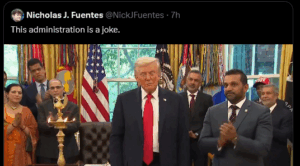
Diwali 2025 saw unprecedented global greetings, including bipartisan messages in the United States and public recognition at the White House. A small but vocal set of hostile online reactions sought to delegitimize Hindu and broader dharmic celebrations, yet the wider civic response affirmed pluralism and religious freedom. The episode illustrates how fringe digital hostility can…
-
Complete Dharmic Reflection on 9/11: Proven Lessons to Transform Grief into Unity

This reflection examines 9/11 through a Dharmic lens, honoring victims, Flight 93 heroes, and first responders with a sober, ethical clarity. It explains how concepts such as dharma and shraadh transform remembrance into responsibility and service. Readers discover proven, humane principles for confronting terrorism without surrendering to hatred. The piece emphasizes interfaith solidarity and unity…
-
Proven Strategy to Stop Temple Vandalism: An Essential Call to Unite and Confront Hate
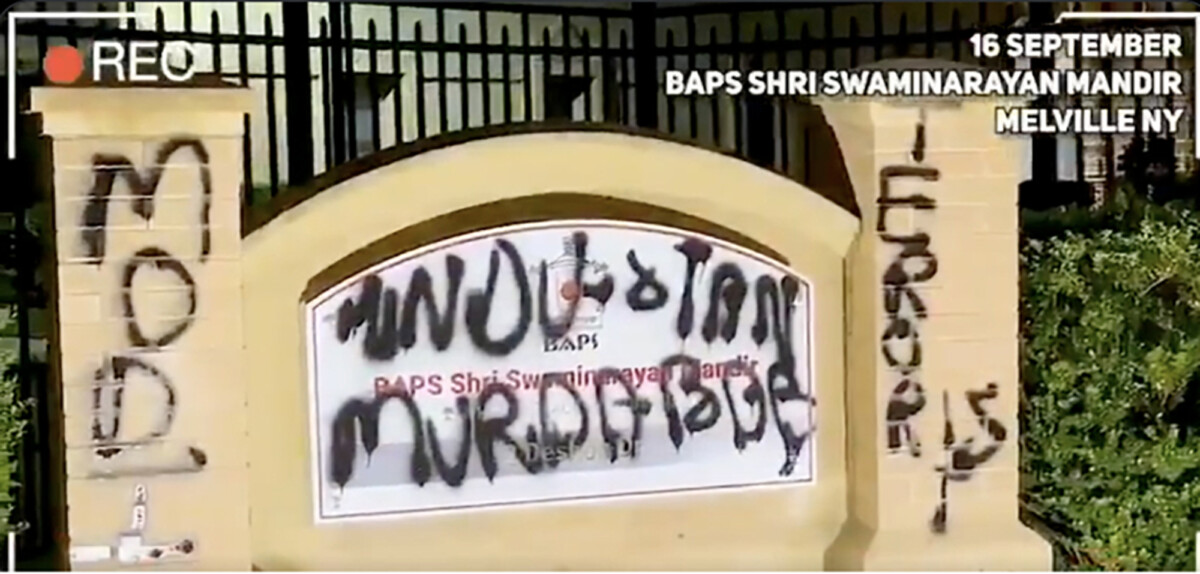
A series of near-identical attacks on Hindu temples in the United States signals a coordinated hate-crime trend, not isolated vandalism. This analysis outlines a proven, lawful strategy to deter future incidents: precise threat identification, thorough reporting, proactive engagement with law enforcement and policymakers, and standardized security protocols. It emphasizes unity among Hindus, Sikhs, Jains, and…
-
An Essential Call to Safeguard Mandirs: A Proven Path to American Unity and Safety
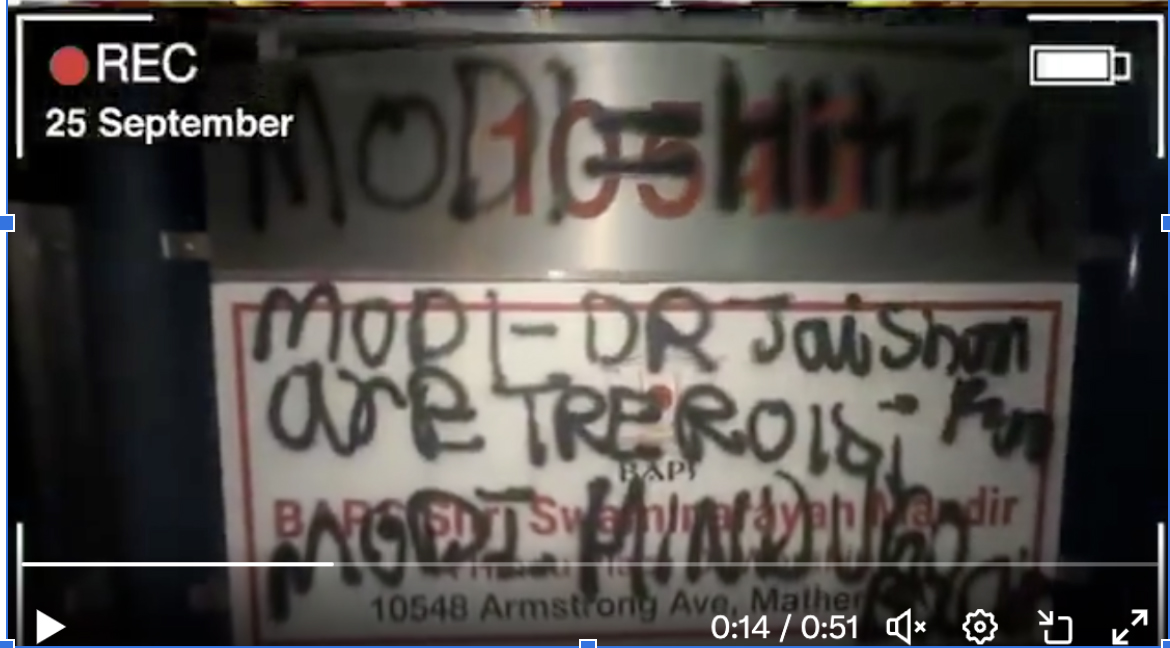
This analysis examines recent vandalism targeting Hindu temples in the United States and situates it within the broader American commitments to religious freedom, public safety, and pluralism. It highlights how mandirs function as community anchors that embody cultural diversity, service, and interfaith collaboration. The discussion emphasizes unity among dharmic traditions—Hinduism, Sikhism, Jainism, and Buddhism—while urging…
-
Historic Breakthrough: Sanskrit Mantras to Open US Virgin Islands Senate for the First Time

For the first time since 1954, the Legislature of the United States Virgin Islands will open its October 30 session in Charlotte Amalie with Hindu prayers. Distinguished Hindu statesman Rajan Zed will deliver the invocation, drawing on ancient Sanskrit and Vedic mantras known for their emphasis on peace and collective welfare. The event marks a…