
-
Landmark ASI survey at Dhar Bhojshala reveals extensive temple spolia in Kamal Maula Masjid
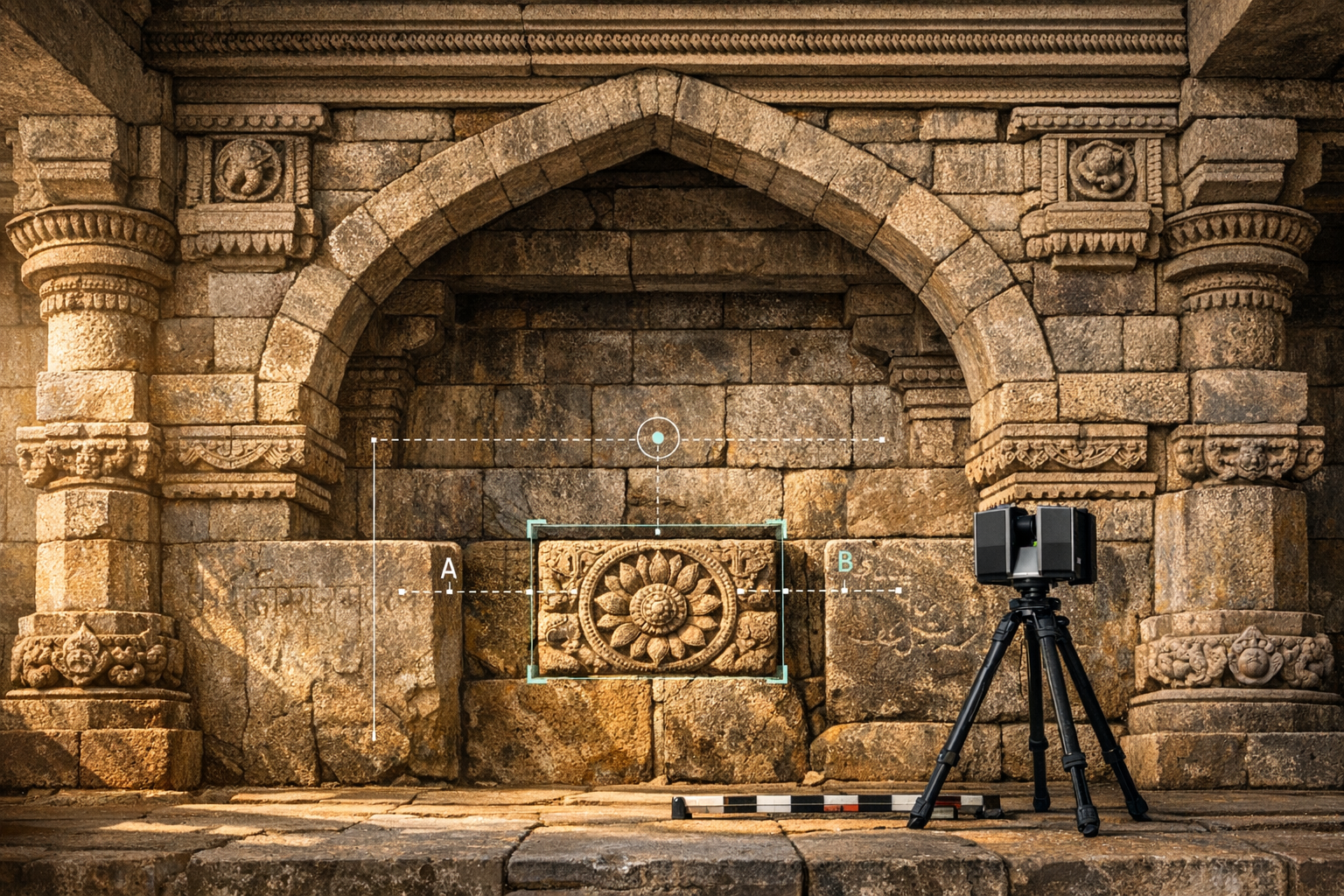
The Archaeological Survey of India informed the Indore Bench of the Madhya Pradesh High Court that Kamal Maula Masjid at Dhar Bhojshala incorporates reused temple materialsarchitectural members, sculptural fragments, and inscriptionsrevealing a stratified building history. This evidence of spolia, identified through standard archaeological methods including architectural typology and epigraphic analysis, places the complex within well-known…
-
ASI survey reveals temple-era spolia at Bhojshala–Kamal Maula, renewing shared heritage
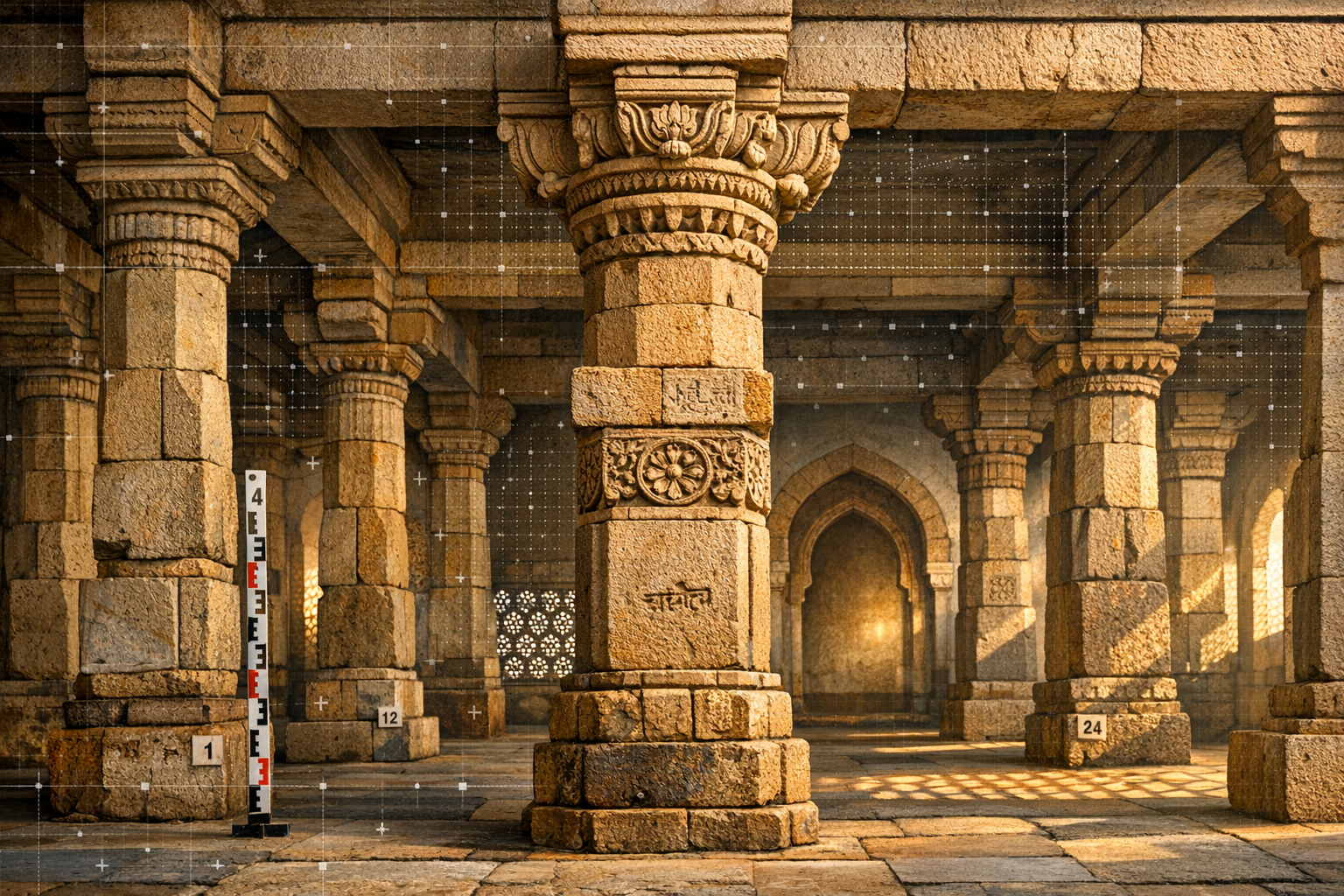
An ASI survey at the protected Bhojshala–Kamal Maula monument in Dhar, Madhya Pradesh, has renewed attention to the site’s layered history by documenting temple-era spolia reused within the present complex. This analysis explains, in clear archaeological terms, what ‘pre-existing structure’ and ‘spolia’ mean and why such findings are common across India’s syncretic monuments. It situates…
-
In Memoriam: HG Ekanatha Prabhu ACBSPGuardian of the Bhaktivedanta Archives and Vedabase

HG Ekanatha Prabhu ACBSP of The Bhaktivedanta Archives passed away on Vijay Ekadasi in Sandy Ridge, North Carolina, following sudden heart failure. He is remembered for exemplary stewardship of Srila Prabhupada’s books, tapes, photographs, and the Bhaktivedanta Vedabase. His work exemplified archival best practiceshigh-fidelity audio digitization, careful image capture, rigorous metadata, and OAIS-aligned long-term preservation.…
-
Illegal Encroachments at Panhala Fort Expose Stark Lapses in Heritage Protection
A formal memorandum has urged the district administration to remove illegal encroachments at the UNESCO-listed Panhala Fort, highlighting serious enforcement lapses at a protected heritage site. The post explains why this matters, connecting legal safeguards to the shared cultural values of Hinduism, Buddhism, Jainism, and Sikhism. It outlines specific, time-bound stepssurvey, demarcation, lawful removal, and…
-
Mussoorie Mazar Row: Baba Bulleh Shah Shrine Vandalised, Police Case Spurs Unity Call

A mazar in Mussoorie linked to Sufi poet Baba Bulleh Shah was reportedly vandalised, and a case has been filed to investigate the incident. The episode has raised questions about authorisation, heritage protection, and law and order in Uttarakhand. This analysis highlights the need for transparent verification of land records and due legal process over…
-
Rani Chennamma Punyatithi 2026: Honouring Kittur’s Brave Queen and Safeguarding Her Samadhi

Rani Chennamma Punyatithi 2026 (21 February) commemorates Kittur Chennamma’s enduring legacy as a 19th-century symbol of courage and justice. The day underscores shared dharmic values across Hinduism, Buddhism, Jainism, and Sikhism, strengthening unity in diversity. Her early resistance to the British East India Company in 1824 predates the 1857 War and highlights Tamil and Kannada…
-
Manikarnika Ghat Demolition in Varanasi: Outcry, Accountability, and Heritage Restoration

The reported demolition at Manikarnika Ghat in Varanasi has sparked national concern over heritage safeguards and due process. This analysis outlines why the ghat’s ritual and historical significance requires heightened conservation rigor and transparent decision-making. It recommends an independent, time-bound inquiry with conservation architects, engineers, dharmic representatives, and local stakeholders. Publishing tenders, permissions, and structural…
-
Protect Tuljapur’s Legacy: HJS Demands Probe into Damage of Ancient Brahmadev Idol

HJS has urged the Guardian Minister of Dharashiv to order an impartial probe into damage caused to the ancient Shri Brahmadev idol at Shri Kshetra Tuljapur, citing negligence and seeking criminal accountability where due. The call emphasizes transparent, time-bound investigation and adherence to conservation best practices. The incident underscores the urgent need for robust heritage…
-
Inspiring Sindhudurg Fort Cleanliness Drive Unites Shivpremis in HJS Heritage Campaign

A community-led cleanliness drive at Sindhudurg Fort brought together over 50 Shivpremis under Hindu Janajagruti Samiti’s heritage campaign, A day in presence of Chhatrapati Shivaji Maharaj. The initiative combined practical conservation with public awareness, elevating hygiene and visitor experience at a major historic landmark in Maharashtra. Participants reported a deep sense of seva and cultural…
-
Shri Ram Idols Unearthed in Sagar Mosque Excavation: Heritage Breakthrough, Path to Harmony

Idols of Shri Ram were reportedly discovered during a mosque excavation in Papred village, Sagar, Madhya Pradesh, prompting calls for recognition of possible earlier temple heritage. The situation highlights the importance of transparent Archaeological Excavation guided by ASI and state heritage bodies. A methodical, expert-led inquiry can establish chronology and Historical Significance while respecting ongoing…
-
Khanuja Sikh Art Gallery: Timeless Sikh Heritage and a Bridge Across Dharmic Traditions
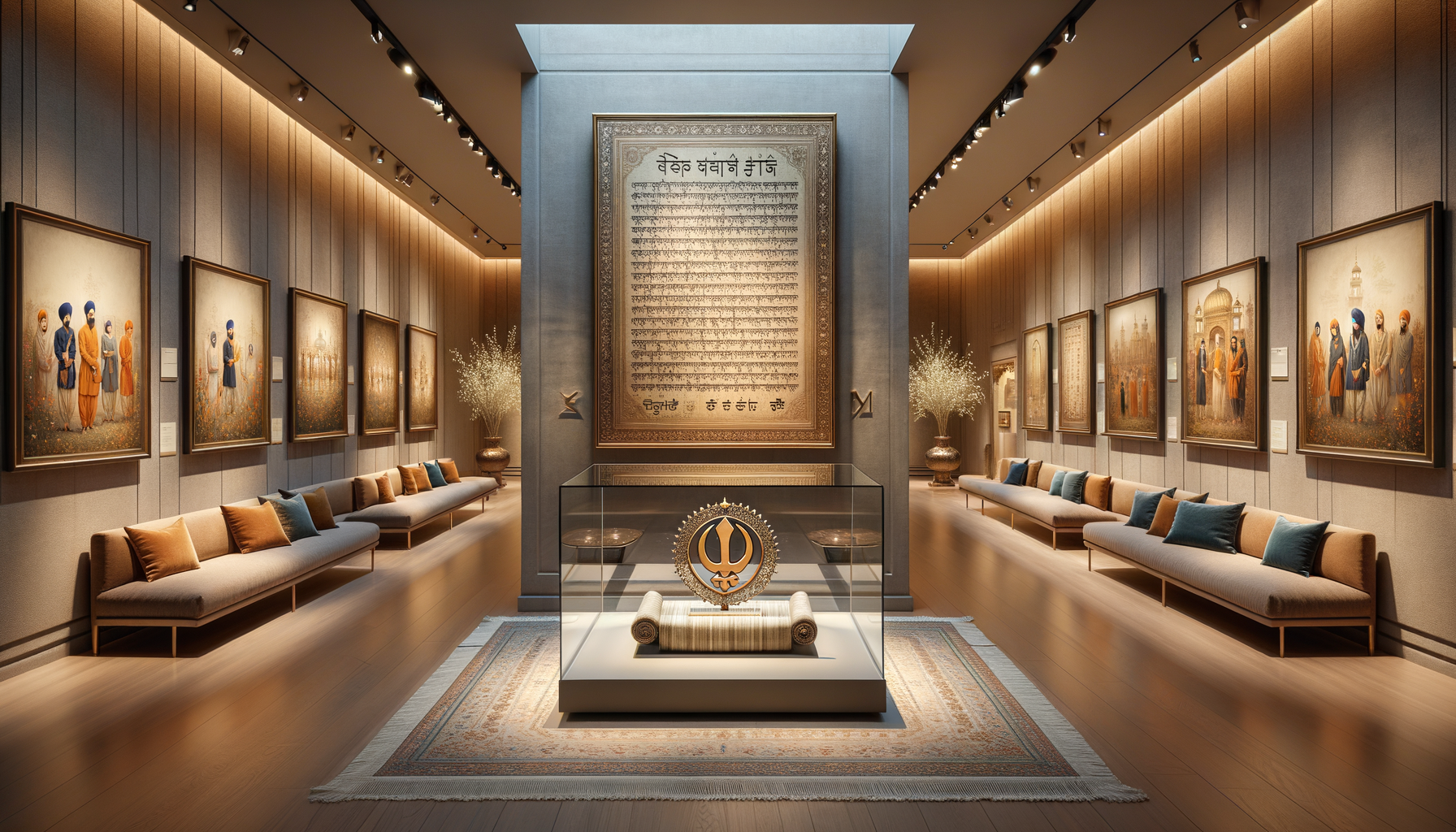
Khanuja Sikh Art Gallery offers a rigorous yet welcoming introduction to Sikh heritage through carefully curated artworks and contextual interpretation. Led by Dr. Parvinderjit Singh Khanuja, the gallery situates Sikh aesthetics within the broader dharmic traditions, highlighting shared values without blurring distinct identities. Exhibitions emphasize thematic coherenceseva, kirtan, ethical couragewhile educational programs foster cultural literacy…
-
Global ‘Shri Narayan Mahayadnya’ concludes in Mumbai, uniting voices for Shri Krishna Janmabhoomi

A two-day ‘Shri Narayan Mahayadnya’ organized by the Shri Krishna Janmabhoomi Sangharsh Nyas concluded in Mumbai after being conducted across 16 nations. The observance emphasized peaceful, community-led efforts related to Shri Krishna Janmabhoomi and the preservation of sacred heritage. Its global format highlighted the strength of diaspora networks in sustaining cultural memory and temple traditions.…
-
Fatehpur Standoff: Women’s Puja at Disputed Mausoleum Spurs Police Clash, Calls for Harmony
A brief clash in Fatehpur, Uttar Pradesh, followed an attempt by Hindu women to perform puja at a mausoleum identified by some as a former temple site. The incident highlights the sensitivity of contested religious heritage and the need for due process, including court-backed surveys and transparent documentation. It also underscores the importance of clear…
-
Sikh Museum Initiative at 10: A Decade of Digital Heritage Innovation and Dharmic Unity

The Sikh Museum Initiative’s 10th anniversary marks a noteworthy achievement in digital heritage and community-centered preservation. Through accessible exhibits and ethical documentation, it enhances visibility of Sikh cultural heritage within the wider Indian and global context. The milestone underscores shared dharmic valuesseva, learning, and harmonypromoting unity among Hinduism, Buddhism, Jainism, and Sikhism. By linking rigorous…
-
Essential Call to Save Ambernath’s 950-Year-Old Shiv Temple: Discover a Complete Conservation Plan

The 950-year-old Ambernath Shiv Temple in Thane district, protected by the ASI, faces deep cracks, localized collapses, and damaged sculpturessignaling urgent need for conservation. This analysis outlines a complete, evidence-based plan: rapid diagnostics, emergency shoring, micro-lime grouting, compatible lime mortars, anastylosis, and improved drainage. Readers discover how controlled visitor movement, protective canopies, and digital documentation…
-
Essential Breakdown of Pune’s Shaniwarwada Namaz Row: Heritage, Law, and Harmony

A viral video of namaz at Pune’s Shaniwarwada Fort led to a police case against three women, focusing attention on both heritage protocols and interfaith harmony. This analysis clarifies what is known, why the site’s conservation rules matter, and how due process safeguards fairness. It outlines practical stepsclear signage, permissions, and even-handed enforcementto protect historic…
-
Shaniwarwada to Sarasbaug: Essential, Proven Steps to Protect Heritage and Manage Public Worship

Public discussions around namaz at Parvati hill, Sarasbaug, and Shaniwarwada highlight the need for consistent, religion-neutral guidelines in public and heritage spaces. This piece outlines a practical frameworkdesignated zones, time-window permissions, stakeholder councils, conservation-first protocols, clear visitor communication, and rapid coordination cells. The approach protects Cultural Heritage while supporting religious freedom and public order. Clear,…
-
Seven Years of The Dharma Dispatch: Essential Reflections and Breakthroughs in Dharmic Heritage
This seventh-anniversary reflection of The Dharma Dispatch coincides with Navaratri, emphasizing gratitude, quiet scholarship, and dharmic unity across Hinduism, Buddhism, Jainism, and Sikhism. It highlights research milestones, including a twelve-part study on Ghar-Wapsi, a biographical analysis of Murshid Quli Khan, and acclaimed work on D.V. Gundappa’s renunciate poetry. Essays on ancient India’s Greek connections, the…
-
From Troy to Kampilya: Discover the Proven, Unbroken Continuity of India’s Civilization

Why do some archaeological finds electrify the world while others feel quietly familiar to local communities? This essay explains how India’s living continuity of land, people, and story makes many “discoveries” corroborations of persistent memory rather than revelations. From Troy and Kampilya to Vedic Saraswati, Abhijit (Vega), and Dwaraka, it presents evidence for an accumulative…
-
Discover the Taj Mahal’s Hidden Past: A Complete, Evidence-Based Reexamination for Unity

A new film on the Taj Mahal invites an evidence-based reexamination of contested narratives without foreclosing mainstream scholarship. Presented within an academic framework, it highlights how archaeology, epigraphy, and architectural analysis can clarify complex claims such as “Tejo Mahalaya” or earlier temple hypotheses. The discussion foregrounds rigorous methodsprovenance, peer review, and open archivesover rhetoric or…