
-
Jishnu: Krishna’s Ever-Victorious Name — Sanskrit Meaning, Origins, and Living Significance

Jishnu, a sacred epithet of Bhagavan Sri Krishna, means the ever-victorious and derives from the Sanskrit root √ji, “to conquer.” Classical sources, including the Vishnu Sahasranama, affirm its scope as the triumph of dharma rather than mere domination. In the Mahabharata and Bhagavad Gita, Krishna’s counsel frames victory as dharma-yuddha—ethical struggle grounded in inner mastery…
-
Fierce Grace on Kurukshetra: Goddess Kalaratri’s Sacred Role and Soul-Carrying Symbolism

Goddess Kalaratri emerges in the Mahabharata War as a profound symbol of Time, moral consequence, and fierce compassion. Read as a cosmic witness and soul-carrier, she reframes Kurukshetra not as mere carnage, but as a rite of ethical passage aligned with Dharma-Yuddha. This lens clarifies how endings in the epic serve renewal within a larger…
-
Peace and the Dharma of Self‑Defence: Devkinandan Thakur’s Measured Reply to Mani Shankar Aiyar

A national debate has followed Devkinandan Thakur’s assertion that peace and lawful self‑defence are compatible within the ethical compass of Sanatan Dharma and contemporary Hindutva discourse. This analysis clarifies how Ahimsa remains paramount while acknowledging a narrowly circumscribed right to protect life under the rule of law. Comparative insights from Sikh, Buddhist, and Jain traditions…
-
Vibhishana and Vikarna: Defiant Voices of Dharma Over Blood in India’s Epics

Vibhishana and Vikarna exemplify moral courage in India’s epics, choosing dharma over kinship and expedience. Vibhishana’s reasoned counsel to Ravana and subsequent alignment with Rama reflect fidelity to righteous order, not betrayal. Vikarna’s protest in the dice hall articulates truth amid power, even as his later choices reveal the tragic weight of duty. Together, they…
-
Rama’s Radiant Restraint: How the Ramayana Redefines Heroism Beyond Brutal Force

Popular culture often equates heroism with dominance, yet the Ramayana presents a higher ideal: power disciplined by restraint. Rama demonstrates that true courage is self-mastery first and calibrated action second, aligning kshatra dharma with ahimsa. Episodes such as the Kākāsura incident, the acceptance of Vibhīṣaṇa, and compassion after victory show justice without cruelty and strength…
-
From Near Annihilation to Empire: The Sikh Rise through Khalsa, Misls, and Ranjit Singh

This article traces how the Sikh Community rebuilt power after near-annihilation in the eighteenth century, culminating in a pluralist, stable state in Punjab. It explains how Khalsa discipline, Misls, and the Dal Khalsa translated spiritual ideals into practical governance. Readers gain clarity on pivotal moments from Anandpur Sahib and Banda Singh Bahadur to the Vadda…
-
Saka Chamkaur: Guru Gobind Singh’s valor, Sahibzadas’ sacrifice, and timeless dharmic unity

ਸਾਕਾ ਚਮਕੌਰ (Battle of Chamkaur) is presented with historical precision and a dharmic lens, highlighting Guru Gobind Singh’s leadership and the Sahibzadas’ sacrifice. Readers gain a clear timeline from the siege of Anandpur Sahib to the stand at Chamkaur. The narrative emphasizes dharma-yuddha—moral courage, restraint, and protection of the vulnerable—rather than glorifying conflict. Emotional resonance…
-
Unbreakable Loyalty in Chains: Sikh Brothers’ Principled Leadership during Captivity
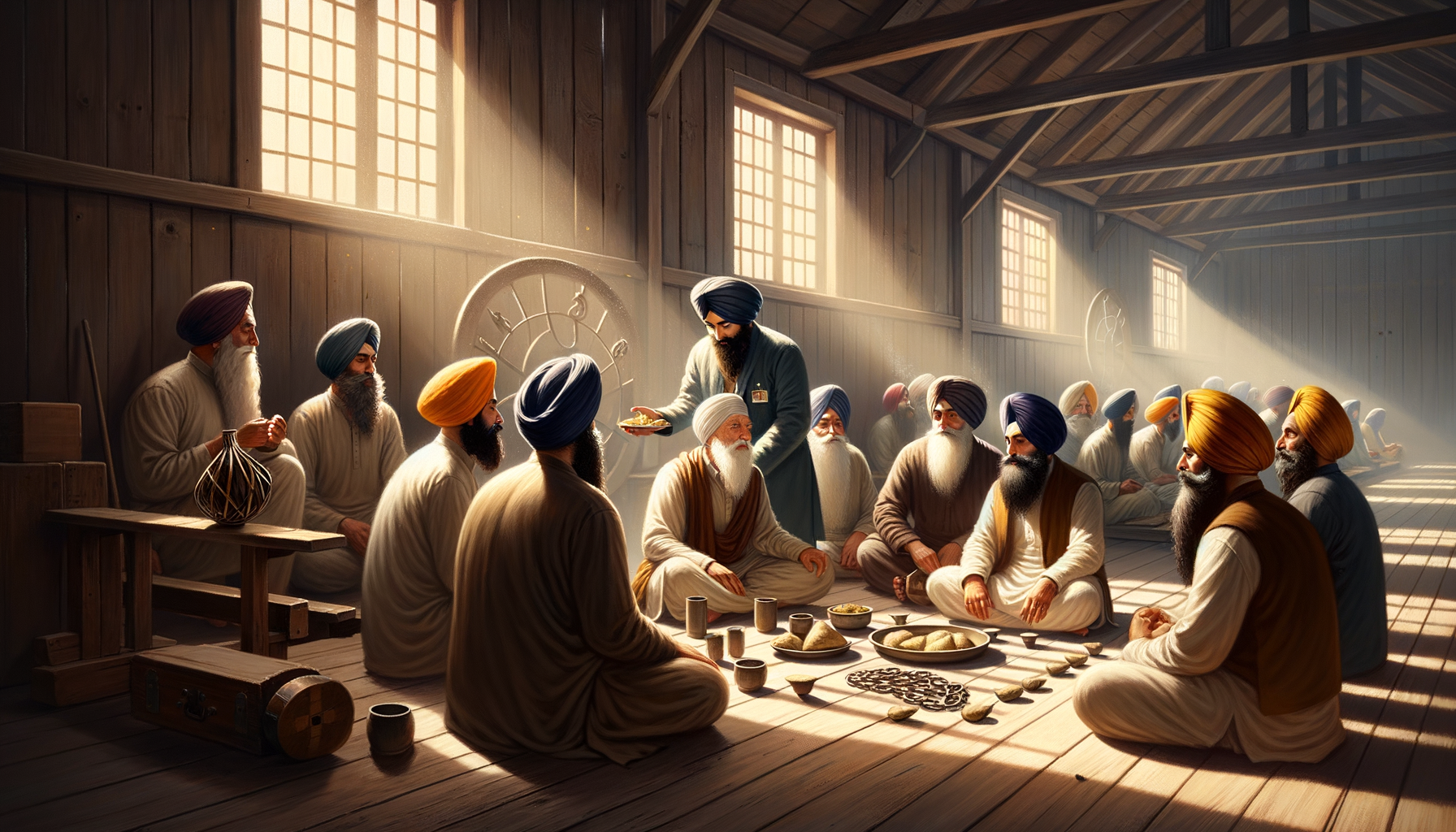
This piece explores how Sikh brothers embodied principled leadership during wartime captivity, demonstrating the sant-sipahi (saint-soldier) ethos where courage is guided by compassion. It shows how steady routines, shared rations, simran, and fair mediation preserved dignity and morale in harsh conditions. The narrative emphasizes that loyalty, rooted in dharma and Sarbat da Bhala, is fidelity…
-
Bhishma’s Fall in the Mahabharata: Strategy, Dharma, and Leadership Lessons from Kurukshetra
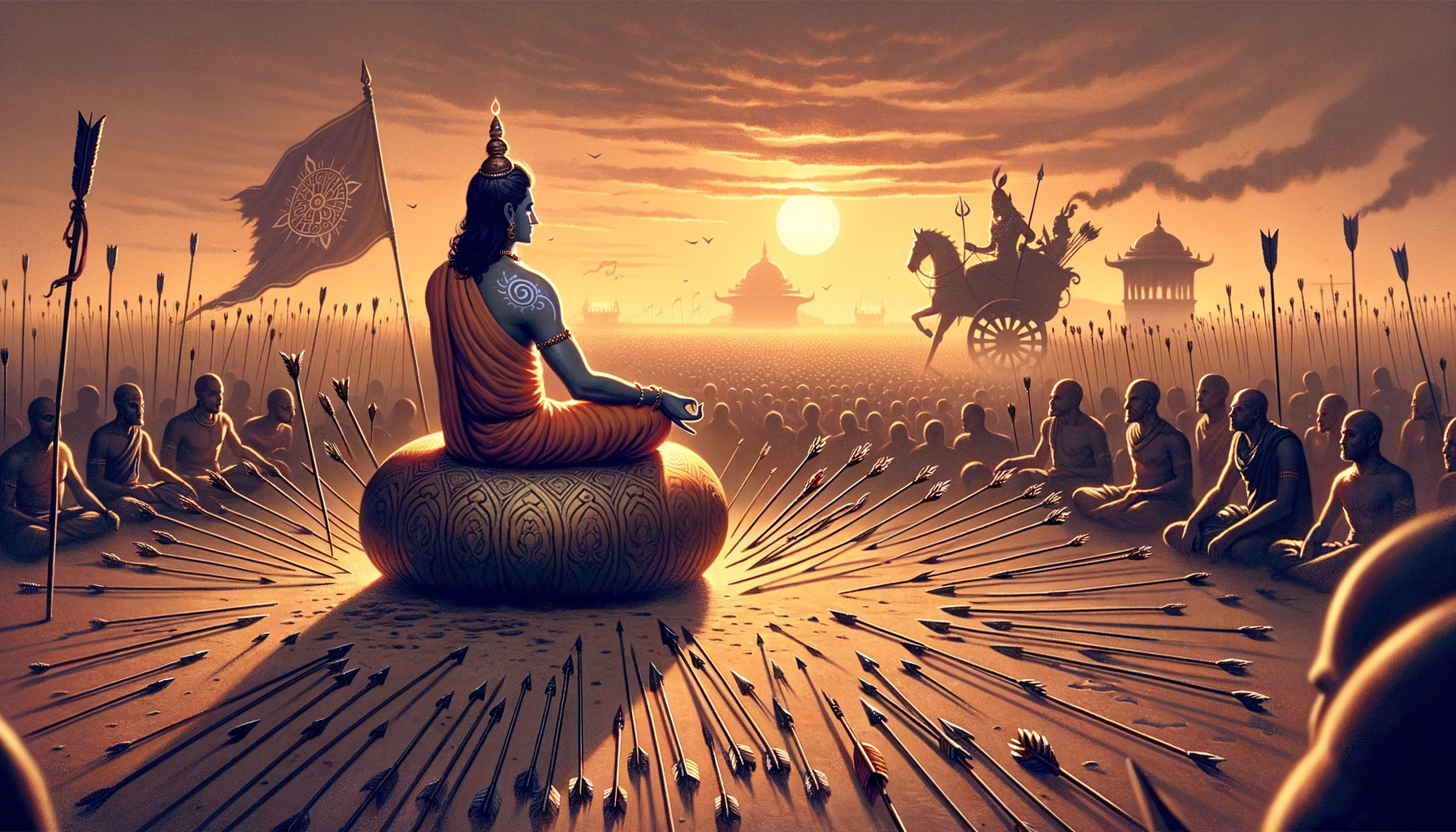
Bhishma’s fall marks a decisive shift in the Kurukshetra War, blending strategy with dharma in a way few epic moments achieve. The account clarifies why Bhishma’s vows shaped both the tactics and ethics of the Mahabharata. Readers gain context for Arjuna’s role, Krishna’s guidance, and the use of Shikhandi in preserving Dharma-Yuddha. The narrative shows…
-
Mahabharata’s Hidden Heroes: Shadow Diplomats, Espionage, and Dharma in Ancient Bharata

This exploration of the Mahabharata uncovers a disciplined intelligence culture—spies, envoys, and shadow diplomats—operating within a clear ethical framework. It highlights how Vidura-niti and Udyoga Parva illustrate protocols for reconnaissance, negotiation, and moral restraint. Readers gain insights into how Sri Krishna’s Diplomacy prioritized peace through precise knowledge and timing. The narrative shows intelligence as a…
-
Beyond Blame: Reframing the Rushdie Debate, Hinduphobia Narratives, and Dharmic Unity

This analysis situates the Salman Rushdie controversy within a broader debate on Hinduphobia, political polarization, and ethical discourse. It contextualizes Rushdie’s history of persecution while assessing claims that his recent remarks target Hindus and Prime Minister Narendra Modi. The piece cautions against collective blame and essentializing communities, urging evidence-based critique over vilification. It clarifies Dharma-Yuddha…
-
From Restraint to Revenge: Dharmic Psychology of Violence and Paths to Compassionate Action

Retaliatory violence feels intuitive, yet Dharmic wisdom reveals why it often harms more than it heals. Hindu, Buddhist, Jain, and Sikh traditions converge on Ahimsa, disciplined intention, and compassionate restraint. Hindu Dharma distinguishes protective duty from vengeful harm through Dharma-Yuddha principles. Buddhism interrupts anger’s cycle with mindfulness, right intention, and skillful means. Jainism extends non-violence…
-
Vīra Swarga Explained: The Uplifting Hindu Ideal of Dharma, Courage, and Sacred Sacrifice

Vīra Swarga, the “Heaven of Heroes,” illuminates a central Hindu philosophical ideal: selfless courage in service of dharma. It affirms valor only within strict ethical bounds—protection of innocents, restraint, and last resort—echoing the Bhagavad Gita and Kshatra Dharma. Distinguished from moksha, it represents a meritorious heavenly state that honors noble sacrifice while encouraging continued spiritual…
-
Parashurama Iconography Decoded: Powerful Symbols of Vishnu’s Warrior-Sage Avatar
This article decodes the iconography of Parashurama, Vishnu’s sixth avatar, to reveal how the warrior-sage form unites austerity (tapas) with protective strength (kshatra). Readers learn the meaning of the parashu (axe), bow and arrow, attire, and posture, and how these symbols teach disciplined action aligned with dharma-yuddha. The analysis situates regional motifs such as the…
-
Maharatha vs Atiratha: Timeless Warrior Ranks, Epic Valor, and Kshatra Dharma

This article clarifies the difference between Maharatha and Atiratha as presented in the Hindu epics, showing how these warrior ranks function as ethical and strategic categories rather than poetic embellishments. It explains Maharatha as disciplined excellence and Atiratha as transformative, dharma-aligned leadership on the battlefield. Readers gain a clear, historically grounded understanding rooted in the…
-
Lesser-Known Vanara General Rambha in the Ramayana: Lion-Hearted Commander of Lanka’s Fall

This article explores the lesser-known figure of Vanara General Rambha as portrayed in certain regional and popular retellings of the Ramayana. It clarifies how the Valmiki Ramayana lists other principal leaders, while later traditions sometimes expand the vanara roster to teach enduring virtues. Readers gain a clearer view of textual variation without losing sight of…
-
Discover Angada’s Proven Strength and Dharma: The Invincible Warrior Prince of the Ramayana

Angada, the warrior prince of the Ramayana, unites extraordinary strength with unwavering adherence to dharma. As Vali’s son and Sugriva’s nephew, he balances inheritance with ethical restraint, becoming a model of Kshatra Dharma in action. His leadership in the search for Sita and his role in Lanka illustrate how courage and diplomacy can work in…
-
Mahakapala in the Ramayana: Discover the Complete Path to Moksha through Divine Grace
Mahakapala’s brief but evocative appearance in Ramayana lore illustrates how divine grace can reveal the path to moksha even for those aligned with adharma. Framed within Dharma-Yuddha, his defeat is contemplated as a sacred end that preserves justice and dignity. The narrative shows how loyalty becomes virtue only when tethered to truth, and how sincere…
-
Episodes from the Udyoga Parva as Profound Guides to the Contemporary Hindu Society

Delve into the Udyoga Parva, a pivotal section of the Mahabharata, and explore its significance as a guide to statecraft, diplomacy, ethics, and values. This blog post draws parallels between the Udyoga Parva and the Sundara Kanda in the Ramayana, highlighting how both serve as preludes to battles defending Dharma against Adharma. Contrasting Sri Rama’s…