
-
Madhura Bhava in Bhakti Yoga: A Powerful Path to Experiencing Divine Love
Madhura Bhava in Bhakti Yoga offers a practical, heart-centered path to experiencing divine love by approaching the Divine as a beloved. Grounded in the aesthetics of bhava and rasa, it refines emotion into spiritual insight through kirtan, japa, lila-smarana, and seva. Practitioners report greater inner steadiness, compassion, and humility as egoic rigidity softens and devotion…
-
Markandeya Charitra Unveiled: Timeless Devotion, Shiva’s Grace, and Ever‑Youthful Wisdom

Markandeya Charitra presents a timeless portrait of devotion, courage, and divine grace centered on the enduring relationship between a devotee and Lord Shiva. Born in the Bhrigu lineage to Mrikandu and Marudvati, Markandeya meets a fated lifespan with fearless worship, prompting Shiva’s intervention as Kalantaka. The Bhagavata Purana and Markandeya Purana deepen this account, linking…
-
Ganapathi’s Brilliant World Tour: A Heartwarming Lesson in Devotion and Timeless Wisdom

This beloved Hindu folk story recounts how Ganapathi (Ganesha) won a celestial mango by circling Lord Shiva and Pārvatī, revealing that devotion and discernment can surpass speed. Subrahmanya’s swift journey across the three worlds showcases valor, while Ganapathi’s pradakṣiṇā illuminates a deeper metaphysical truth. The narrative teaches that honoring parents and teachersour first gurusembodies reverence…
-
Markandeya Jayanti 2026: Auspicious Date, Meaning, and Practices to Deepen Devotion

Markandeya Jayanti 2026 will be observed on January 22, aligning with Shukla Paksha Chaturthi in the Magha Month of the Hindu calendar. The day honors Sage Markandeya, celebrated for unwavering devotion to Lord Shiva and the transformative power of the Mahamrityunjaya mantra. Observances typically include Shiva and Markandeya puja, mantra recitation, reading from the Markandeya…
-
Beyond VIP Lines: Restoring True Bhakti and Sacred Calm in Popular Hindu Temples

Many popular Hindu temples now resemble busy theaters, with VIP lines and special passes risking a shift from devotion to display. This analysis explores how to restore simplicity and sacred calm without compromising safety or heritage conservation. It presents equity-centered steps for devotees and administratorssingle-queue time slots, transparent policies, and priority access only for vulnerable…
-
Agra Kalibari Temple: Living History, Miracle Pot Lore, and the Rhythm of Worship

Agra Kalibari Temple in Uttar Pradesh offers a compelling blend of living history, devotional practice, and community memory. Oral narratives describe over two centuries of worship, with the cherished lore of a “miracle pot” symbolizing abundance and grace. The temple’s ritualsespecially during Amavasya, Navaratri, and Kali Pujafoster focus, resilience, and gratitude. Sensory elements like incense…
-
SB 7.10.12: Nṛsiṁhadeva and Prahlāda’s Fearless DevotionTimeless Lessons on Surrender

SB 7.10.12, set within the Nṛsiṁhadeva–Prahlāda pastime, offers a clear and compelling synthesis of pure devotion, courageous surrender, and compassionate leadership. The narrative transforms fear through spiritual shelter, guiding seekers toward inner steadiness and ethical action. Its insights are practical: remembrance of the Divine, scriptural study, association with the virtuous, and conscientious conduct. Emotionally, the…
-
Goda Kalyanam 2026: Divine Wedding of Sri Godadevi and Sri Ranganatha in Dhanurmasam
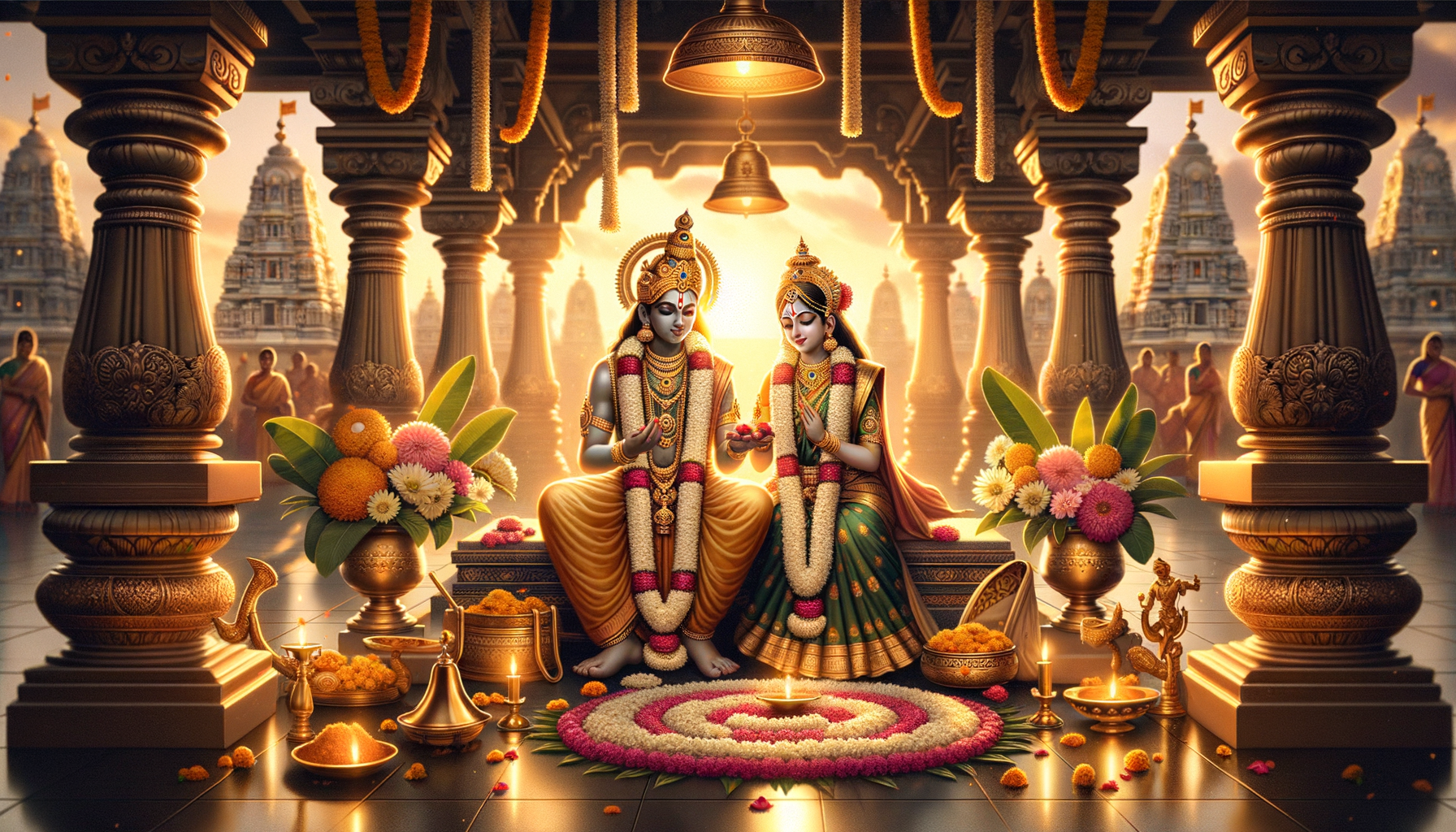
Goda Kalyanam (Sri Godadevi Kalyanotsavam) is observed worldwide on January 13, 2026, the concluding day of Dhanurmasam. The divine wedding of Sri Goda Devi (Andal) and Sri Ranganatha Swamy symbolizes grace, devotion, and the union of jiva with Ishvara. Temples mark the day with pre-dawn worship, Tiruppavai recitation, special alankarams, and mangalashtaka, culminating in the…
-
Srila Prabhupada’s Compassion in Calcutta: Enduring Leadership Lessons in Vaishnava Care

An early ISKCON incident in Calcutta reveals how Srila Prabhupada prioritized compassionate care over institutional busyness. When severe resource shortages left devotees struggling, he convened an open meeting and reframed priorities toward their welfare. His response to Tamal Krishna Goswami clarified that no plan is legitimate if it disturbs devotees. The episode offers actionable guidance…
-
Beyond Status and Titles: Hindu Wisdom on Power, Ego, and the Difference Between Fans and Love

Modern culture often confuses admiration for status with genuine love. Hindu philosophy, supported by the Bhagavad Gita, Upanishads, Vidura-niti, Panchatantra, and the Mahabharata, clarifies that bonds rooted in utility fade when advantage fades. Dharmic traditions agree: love grounded in dharma, maitri, aparigraha, and seva sees the person beyond the pedestal. Readers gain practical indicators to…
-
From Self-Interest to Selfless Seva: Bhakti’s Path to Serving the Divine and Boundless Joy
A common critique of devotion argues that serving the Divine for happiness is inherently self-interested. This reflection addresses that concern by showing how dharmic traditions teach a transformative arc: service may begin with personal motives but gradually matures into selfless love. Through consistent seva, intention is refined, and the heart shifts from seeking comfort to…
-
Gurukula Children Illuminate New Year’s Eve with Devotion, Culture, and Confidence

The Gurukula Hare Krishna Primary School’s New Year’s Eve event highlighted a holistic, Krishna conscious approach to learning. Students demonstrated confidence, creativity, and devotion through music, recitation, and storytelling. The program affirmed how cultural training enriches academic development with public speaking, teamwork, and emotional resilience. Families observed visible progress in attentiveness, gratitude, and empathy at…
-
Legendary New Vrindaban Prasadam: Devotional Sweet Rice and Ice Cream from Krishna’s Cows

New Vrindaban’s early prasadam culture is remembered through two legendary offerings: Amburish Dasa’s sweet rice and Pitambar Dasi’s ice cream, both made with fresh milk from Krishna’s cows. Without prior culinary or cow-care experience, they learned through seva, transforming simple dairy into much-loved treats. Amburish’s journey began with a 1971 visit, initiation by Srila Prabhupada,…
-
Purification and Transcendent Elevation: Sincere Chanting, Bhakti Practice, and Dharmic Unity
This reflection presents a Gaudiya Vaishnava perspective on how sincere chanting of the holy name of Krishna, supported by worship, listening, and service, cultivates purification and transcendent elevation. It explains that intention and humility, rather than mere repetition, unlock the practice’s transformative power. The discussion connects these insights with shared dharmic values across Hinduism, Buddhism,…
-
New Year Resolve for Spiritual Excellence and Dharmic Unity: Striving for Pure Devotion

This New Year resolution sets a clear intention: aim for the highest spiritual goal through disciplined practice and humility. It recognizes Srila Prabhupada’s rigorous benchmark of becoming a pure devotee and treats it as a compass rather than a claim. The approach emphasizes daily sadhana, ethical conduct, and compassion as practical tools for spiritual growth.…
-
Unbreakable Resolutions: Dhruva’s Determination and Sattvic Discipline for the New Year

New Year commitments flourish when intention becomes unbreakable resolve. Drawing on Srila Prabhupada’s reference to Dhruva Maharaja, this reflection clarifies the difference between desire and commitment through the lens of the gunas: tamas stalls at dreams, while sattva sustains disciplined action. It offers a practical, dharma-aligned framework for resolutionsclear purpose, small daily practices like japa…
-
Sacred Gateways Open: Vaikunta Ekadashi at TTD Sub-Temples, 30–31 December 2025

TTD sub-temples across Andhra Pradesh will observe Vaikunta Ekadashi on 30 December 2025 and Vaikunta Dwadashi on 31 December 2025. Key participating shrines include Soumyanatha Swamy (Nandalur), Sri Prasanna Venkateswara Swamy (Avulapalle, Somala Mandal), the shrine at Borragmanda (Sadum Mandal), Sri Konetiraya, and other TTD-managed temples. Devotees can anticipate the opening of the Vaikunta Dwaram,…
-
Sanatana Gosvami’s Humble Plea: Timeless Vaishnava Etiquette, Devotion, and Dharmic Unity
Sanatana Gosvami’s request to be guided from within models the core of Vaishnava etiquettehumility, devotion, and disciplined conduct. The passage elevates service over self-assertion and places ethical behavior within the Guru-Shishya Tradition. It highlights how genuine learning begins with surrender and culminates in responsibility to scripture, community, and practice. These themes resonate across Hinduism, Buddhism,…
-
Why Hanuman Embraced Eternal Brahmacharya: Devotion, Dharma, and the Strength of Service

Hanuman’s naishthika brahmacharyalifelong celibacyhas long symbolized the union of devotion, discipline, and service in the Ramayana tradition. While Valmiki’s text highlights unwavering focus rather than an explicit vow, later devotional memory firmly presents Hanuman as a celibate exemplar. Read as a dharmic principle, brahmacharya signifies self-mastery and conservation of energy for higher purpose. Variations such…
-
Magnanimous Devotion: How Exemplary Bhakti Inspires and Unites Dharmic Traditions

A magnanimous devotee, praised throughout the Bhakti Tradition and Hindu scriptures, is described as purifying, inspiring, and transformative in the lives of others. Even brief association with saintly personssadhu-sangaoften catalyzes ethical clarity, devotion, and renewed purpose. Comparable ideals appear across Buddhism, Jainism, and Sikhism, underscoring unity in spiritual diversity. The “ornaments” of the devoteehumility, compassion,…