
-
CC Madhya 2.94–95: Humility, Paramparā, and the Blessings of Śrī Caitanya’s Lotus Feet

CC Madhya 2.94–95 articulates a devotional ideal of humility through the paramparā framework, expressing reverence for Śrī Caitanya Mahāprabhu, Nityānanda Prabhu, Advaita Prabhu, and their associates. The symbolism of taking dust from the lotus feet conveys surrender, gratitude, and receptivity to grace in the Bhakti Tradition. Situated within the Guru-Shishya Tradition, the passage affirms a…
-
Grace Beyond Justice: Lord Nityananda Transforms a Thieves’ Plot into Redemption

Set in Navadvipa and preserved in the Chaitanya-bhagavata (Antya-khanda 5.527–706), this narrative presents a dramatic encounter between a band of thieves and Lord Nityananda. The contrast between Hiranya Pandita’s simple, love-filled home and the thieves’ material greed underscores a key bhakti insight: devotion recognizes wealth beyond ornaments. The thief’s plan to rob Nityananda Prabhu reveals…
-
Sri Radha’s Transcendent Eyes and the Guru’s Gaze: Ecstatic Love, Purifying Grace

This analysis presents Sri Radha’s eyes as the highest emblem of ecstatic love for Krishna and links that vision to the purifying grace of the guru’s compassionate glance. Readers gain a clear understanding of how darshan functions in the Bhakti Tradition to transform attention, soften the heart, and support steady practice. The lecture’s themes are…
-
Medaram Jathara 2026 Day 3: Sacred Sammakka Saralamma Darshan on 30 January

The third day of Medaram Jathara in 2026 occurs on 30 January, when Sammakka Saralamma Darshanam takes place after the traditional Punya Snanam in Jampanna Vaagu. Devotees then proceed to the goddesses with customary offerings‘Odi Biyyam’ (sacred rice) and ‘saare’ (daily essentials)that symbolize nourishment and household well-being. The day’s sequence is clear, culturally resonant, and…
-
Srimad Dhruva Bhagavatham: The Timeless Narada–Dhruva Dialogue and Transformative Devotion

Srimad Dhruva Bhagavatham presents a focused retelling of the Narada–Dhruva dialogue found within the Srimad Bhagavatam, highlighting how wise counsel and disciplined devotion lead to transformative realization. By concentrating on Dhruva’s journeyfrom hurt to humility to insightit offers a clear, accessible path for practitioners. The piece distinguishes this tradition from the encyclopedic Bhagavata Purana while…
-
Purandaradasa’s Radical Renunciation: A Moving Lesson in Devotion, Detachment, and Seva

This reflection highlights Purandaradasa’s renunciation as a powerful illustration of wealth rededicated to the Divine and society. It emphasizes the difficulty of detachment while showing how devotion and seva can reorder priorities. The narrative connects shared Dharmic idealsaparigraha, dana, tyaga, and sevaacross Hinduism, Buddhism, Jainism, and Sikhism. Readers gain practical guidance: dedicate money, time, and…
-
Touching the Book, Touching Freedom: HG Satyanarayana Prabhu on Bhakti and Service

This piece profiles HG Satyanarayana Prabhu, a direct disciple of Srila Prabhupada, whose service as Director of the Bhaktivedanta Book Trust in the Far East and Middle East exemplifies devotion grounded in scholarship. It highlights the bhakti conviction that sacred texts can catalyze inner transformation, beginning with a simple touch and deepening through study and…
-
Krishna Katha with H.G. Vaisesika Dasa: Transformative Chanting for Inner Clarity and Joy

Krishna Katha with H.G. Vaisesika Dasa at ISKCON of Silicon Valley (2026-01-25) presents an academically grounded, practice-centered exploration of hearing and chanting in the Bhakti Tradition. The session demonstrates how attentive listening to Krishna’s name, instructions, and pastimes supports inner clarity, emotional resilience, and ethical living. Practical stepsrecitation, reflection, and consistent applicationmake devotion accessible to…
-
Shri Chaitanya Jayanti 2026: Gaura Purnima Date, Significance, Rituals, and Devotional Joy

Shri Chaitanya Jayanti 2026, observed as Gaura Purnima on March 3, honors the birth of Sri Chaitanya Mahaprabhu on the Full Moon day of Phalguna. The festival emphasizes devotion through nama-sankirtana, compassion, and seva, and is celebrated widely in Bengal, Odisha, Bihar, and Jharkhand. Devotees customarily fast until moonrise, join kirtan, and offer prasada, often…
-
Nityalila in Vallabhacharya’s Vision: Eternal Divine Play, Grace, and the Soul’s Path

This article explores “Nityalila”the eternal divine playin Vallabhacharya’s Pushtimarg, explaining how grace-filled “bhakti” leads the soul toward intimate participation in Shri Krishna’s leela. It clarifies the three types of soulsPravaha, Maryada, and Pushtiwithout assigning hierarchy, showing how each reflects a distinct spiritual orientation. Readers gain practical insight into how seva, nama-smarana, and ethical living cultivate…
-
Vṛkāsura at Kedāranātha: Śiva’s Saving Compassion and the Ethics of Despair (SB 10.88.17–26)
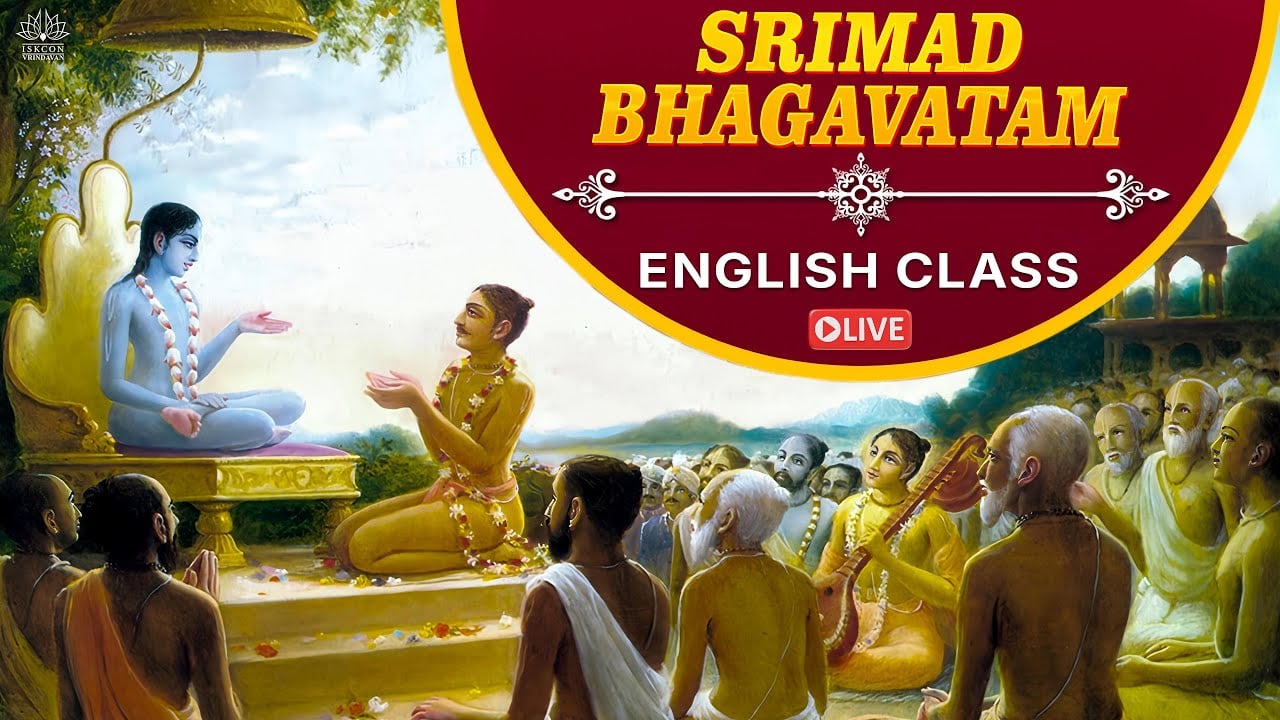
Srimad-Bhāgavatam (SB 10.88.17–26) depicts Vṛkāsura at Kedāranātha, poised for self-harm after severe austerities, when Lord Śiva intervenes with decisive compassion. The episode distinguishes steadfast tapasya from destructive extremity, re-centering devotion within the life-affirming ethics of Sanatana Dharma. Read alongside the Puranas and the Bhakti Tradition, it reveals how grace protects the devotee from inner turmoil…
-
Wealth of the Heart: Hinduism’s Abundance Through Simplicity, Devotion, and Dharma

Hinduism redefines wealth as an inner abundance nurtured by love, devotion, and dharma rather than by material accumulation. Across dharmic traditions, simplicity and servicebhakti, dana, aparigraha, and sevacreate shared dignity and social cohesion. The Bhagavad Gita and the Upanishads frame purposeful action and mindful restraint as pathways to enduring fulfillment. Everyday experiences like bhajan, langar,…
-
Srimad Bhagavatam 3.23.42: The Life-Changing Refuge at the Lotus Feet of the Divine
Srimad Bhagavatam 3.23.42 teaches that determined refuge at the Divine lotus feet turns difficult goals into attainable realities. The verse’s image of sacred rivers like the Ganga flowing from those feet signals purification and release from worldly danger. The phrase yair āśritas tīrtha-padaś caraṇaḥ highlights a shared dharmic metaphor: the holy ford that carries seekers…
-
From Stone to Spirit: Temple Worship that Deepens Realization of the All-Pervading Divine

Temple worship and divine omnipresence are not rivals in Hinduism; they are complementary stages on one path of God-realization. By training attention through darshan, aarti, and japa, the temple prepares the mind for stable, formless meditation. The Ishta concept personalizes devotion without limiting the Divine, guiding the heart from the particular to the universal. This…
-
4 Timeless Disciplines to Sustain Bhakti: Humility, Offense-Awareness, Strong Sanga, Clear Path
Long-term perseverance in the Bhakti Tradition flourishes when four stabilizing disciplines are cultivated: humility, freedom from offenses (aparadha), elevating sanga, and a clear path of sādhana. Humility softens ego and increases receptivity to guidance, making chanting and meditation more attentive. Guarding against offenses protects sacred relationships and aligns with universal dharmic values like right speech…
-
Profound Review of 64 Elements of Pure Devotional Service in Mayapur with HH Krishna Kshetra Swami
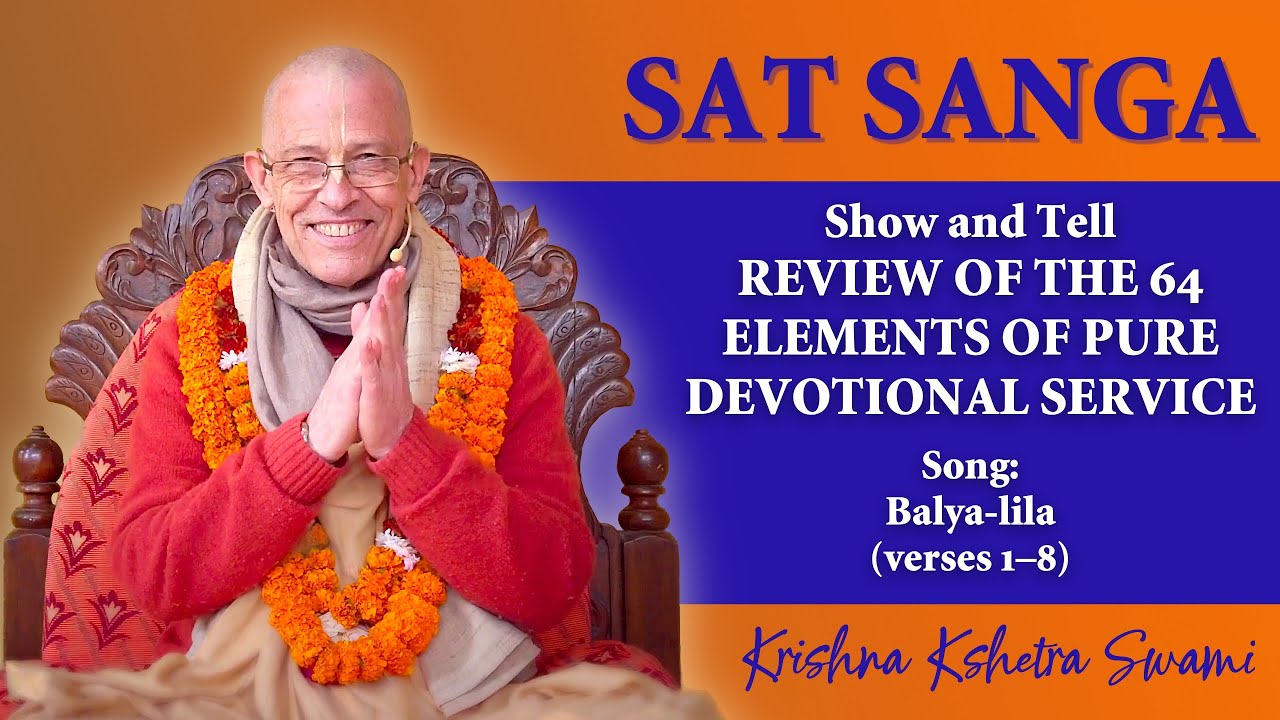
Held on January 10, 2026, at Go-druma Bhavan, Mayapur, the Sat Sanga led by HH Krishna Kshetra Swami offered a clear and compassionate review of the 64 Elements of Pure Devotional Service. The session began with Balya-lila (verses 1–8) from Srila Locana Dasa Thakura’s Sri Caitanya Mangala, setting an emotive and scriptural tone. Participants engaged…
-
Srimad Bhagavatam 11.2.32: Inspiring Dharmic Leadership and Devotion Lessons at ISKCON Juhu
This discourse from ISKCON Juhu on Srimad Bhagavatam 11.2.32 presents a clear, actionable model of dharmic leadership grounded in humility, accountability, and devotion. Drawing on the dialogue between Maharaja Nimi and the Nine Yogendras, it shows why rulers and decision-makers benefit from saintly counsel and ethical review. The analysis connects inner practicessadhana, study, and satsangato…
-
Transforming Temple Visits with Sacred Hospitality: Welcoming Every Guest with Love and Dignity

Sacred hospitality turns every temple visit into a dignified, inclusive, and uplifting experience. Drawing on Srila Prabhupada’s guidance, the practice emphasizes affectionate words, simple care, and thoughtful explanations of the Deities. Offering Krishna Prasadam with gratitude deepens devotion while keeping the atmosphere welcoming and serene, akin to Vaikuntha. Extending the same warmth to residents and…
-
When Nature Turns Fierce, Worship Unites: A Steady, Compassionate Path to Resilience

Natural disasters disrupt lives, strain resources, and test collective resolve. Worship, understood across dharmic traditions as prayer, meditation, and compassionate service, provides emotional steadiness and social cohesion when crises unfold. Shared practicesbhajans, kirtan, langar, mettā meditation, and Pratikramancreate safe spaces for grief, gratitude, and coordination. When integrated with preparedness measures such as drills, first-aid training,…
-
Why Worship Is Never a Waste: Enduring Protection, Inner Strength, and Dharmic Unity

Worship is never a waste because it builds resilient minds, compassionate hearts, and ethical action. Across Hinduism, Buddhism, Jainism, and Sikhism, disciplined devotion and meditation act as a protective shield by stabilizing attention and reinforcing purpose. This protection is not magical; it is psychological, moral, and communal. Unity in spiritual diversity allows many valid pathsbhakti,…