
-
Chant Shiva’s Eight Sacred Names for Inner Peace, Focused Mind, and Spiritual Awakening

Chanting the eight sacred names of Shiva (Ashtanama Shiva) offers a concise, effective practice for inner peace, focused attention, and spiritual clarity. Each nameBhava, Sharva, Rudra, Pashupati, Ugra, Mahadeva, Bhima, and Ishanaembodies a distinct contemplative quality that strengthens resilience and compassion. Practiced as mindful nama-japa with calm breathing and clear pronunciation, it enhances attentional stability…
-
Electrifying Bhakti on a Pop Stage: Jayadev John Richardson’s ‘Hare Krishna’ Call in Antwerp
In 2014 at the Lotto Arena in Antwerp, Jayadev John Richardson invited a pop audience to join a contemplative refrain: “From your heart, repeat after me…..…Hare Krishna.” The moment blended popular performance with devotional practice, turning spectators into participants through accessible, mantra-based rhythm. Interpreted across dharmic traditions, the chant aligns with Sikh kirtan, Buddhist mantra…
-
Start Devotional Yoga at Home: Transformative Bhakti Steps for Family Harmony and Inner Peace

Devotional yoga provides a home-based, cost-free way to cultivate clarity, compassion, and inner peace. Grounded in Krsna consciousness and aligned with the wider dharmic heritage, it emphasizes mantra meditation (japa), kirtan, reflective study, and ethical living. Household life is not a barrier; shared family practice strengthens intergenerational bonds and fosters mutual support. A simple routinebrief…
-
WSN October 2025: Powerful Sankirtan Achievements, Temple Leaders, and Global Outreach

WSN October 2025 showcases a strong month of sankirtan outreach, with Mayapur, Mumbai-Juhu, and Los Angeles leading large temples and London-Soho, Bengaluru-South, and Baroda topping the medium category. Atlanta Krishna Life, Surat, and Chandigarh excelled among small centers, while Baltimore, Winnipeg, and Ottawa led the maha-small group. More than 385,000 literatures were distributed, expanding access…
-
Kolkata’s Historic Gita Chanting Unites Dharmic Traditions: A Peaceful Call for Harmony

A massive Gita recitation at Kolkata’s Brigade Parade Ground on 7 December 2025 became a powerful unity rally grounded in Sanatan Dharma’s shared values. The program emphasized harmony across Hinduism, Buddhism, Jainism, and Sikhism, reframing unity as cooperation rather than uniformity. Participants experienced disciplined devotion, accessible explanations of key verses, and an inclusive atmosphere. The…
-
Srila Prabhupada’s New York Voyage: Bhakti, Chanting, and a Gentle Spiritual Revolution

Srila Prabhupada’s mid-1960s arrival in New York City placed the Hare Krishna movement at the crossroads of the youth counterculture and a growing global search for meaning. This reflection explains how simple practiceschanting, study, and serviceoffered a practical path from restlessness to inner steadiness. It highlights how Gaudiya Vaishnavism’s bhakti integrates with broader dharmic principles…
-
Hinkara in Vedic Sacrifices: The Transformative Power of ‘Him’ in Sama Veda Chanting
Hinkara, the intentional chanting of the syllable “Him,” serves as the invocation that inaugurates Sama Veda recitation during Vedic sacrifices. Located just before the Prastava and followed by the Udgitha, it marks the exact transition from silence to sacred sound. As a stobha syllable, Hinkara aligns breath, pitch, and attention, demonstrating the technical and contemplative…
-
CC Madhya 10.62–73 Explained: Devotional Wisdom and Harmony at ISKCON Govardhan Eco Village
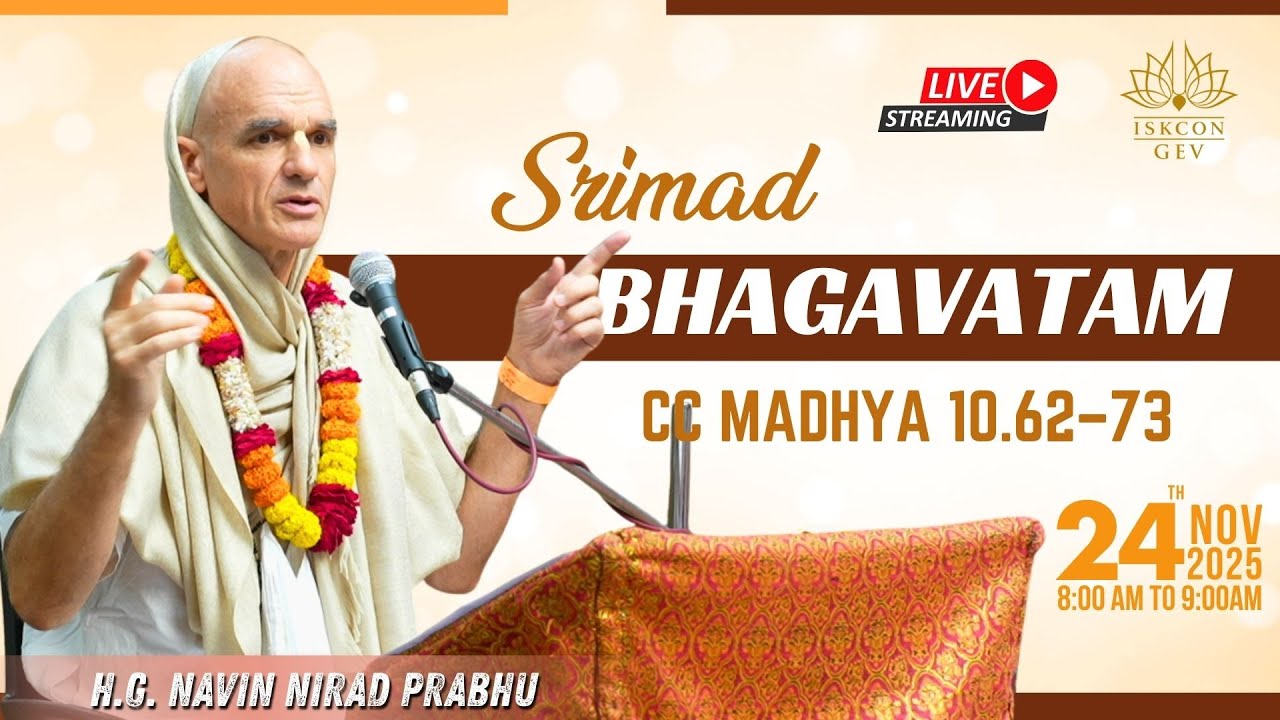
This academic yet accessible class at ISKCON Govardhan Eco Village examined Sri Caitanya-caritāmṛta, Madhya-līlā 10.62–73, drawing out enduring principles of humility, service, and attentive devotion. H.G. Navin Nirad Prabhu connected scriptural insights to daily routines, emphasizing nāma-saṅkīrtana, compassionate conduct, and steady sādhana. The session highlighted how Lord Chaitanya Mahaprabhu’s teachings translate into ethical action and…
-
Bhakti Night in Chandigarh: Radhika Das Leads Mantra Music Uniting Dharmic Hearts

A Bhakti concert at Homeland Global Park, Chandigarh, showcased kirtan and mantra chanting led by Radhika Das, drawing a diverse audience into a calm yet celebratory atmosphere. The program emphasized devotional music as a unifying force that nurtures well-being and collective resonance. Call-and-response mantras made participation accessible for both newcomers and seasoned practitioners. The evening’s…
-
Reassuring Health Update: HH Niranjana Swami Undergoes Minimally Invasive Angioplasty

HH Niranjana Swami is undergoing a minimally invasive angioplasty expected to last 2–2.5 hours, and it is not open-heart surgery. Local anesthesia will be used, allowing him to remain conscious and converse with physicians. Srila Prabhupada chanting will be audible throughout, supporting calm and focus in a devotional atmosphere. Angioplasty typically entails reduced stress and…
-
Japa’s Transformative Power: Awe-Inspiring Potencies of the Holy Name in Bhakti

Lord Caitanya’s teaching affirms that Krishna’s full potencies reside in each holy name, making japa a profound bridge between devotion, ethics, and contemplation. Hari Bhakti Vilas equates sincere chanting with the merits of charity, fasting, austerities, and pilgrimage, presenting an accessible practice for daily life. Many practitioners report greater clarity, emotional balance, and compassion, while…
-
When Poor Japa Becomes Habit: Proven Steps to Transform Chanting and Reclaim Joy

Sustained observation shows that inattentive japa tends to create more inattentive japa, normalizing poor quality and making rounds harder to complete. The cycle can be reversed with intentional, tradition-aligned steps that improve attention, taste, and steadiness. Practical methods include forming a clear sankalpa, slowing pace and pronouncing each syllable, using breath awareness to stabilize the…
-
How Personal Letters Shaped Krishna Consciousness: Srila Prabhupada’s Lesson on Compassionate Outreach
A disciplined, personal approach to letters transformed early outreach in Krishna Consciousness, inviting seekers to read Srila Prabhupada’s books, chant Hare Krishna, and continue the dialogue. A later reflection in the Bhaktivedanta Book Trust offices affirmed the principle of steady, respectful follow-up. Reframed within Gaudiya Vaishnavism, this practice prioritizes relationship-centered spiritual growth over persuasion. The…
-
Enlightenment Through Balance: How Meditation, Music, and Reason Shape Altered Consciousness

This article presents a practical, cross-traditional pathway to enlightenment as an altered state of consciousness. It explains why integrating music (chanting, bhajan, kirtan) with reflective inquiry and silent dhyana stabilizes attention and deepens practice. The popular left–right brain framing is acknowledged as a helpful metaphor, while emphasizing evidence-informed mindfulness of breath and gentle pranayama. A…
-
From Familiarity to Krishna Consciousness: How a Mystical Chant Sparked Lasting Hope

A chance encounter with the Hare Krishnas (ISKCON) near a college campus transformed a familiar idea of Krishna into a lived practice of Krishna Consciousness. The mystical chantexperienced through kirtan and japaoffered emotional calm, attentional stability, and renewed hope. Community support, prasad, and satsang made the discipline sustainable through academic and personal pressures. Parallels with…
-
Srimad-Bhagavatam and Sankirtan: Transformative Peace, Love, and Liberation in Kali-yuga
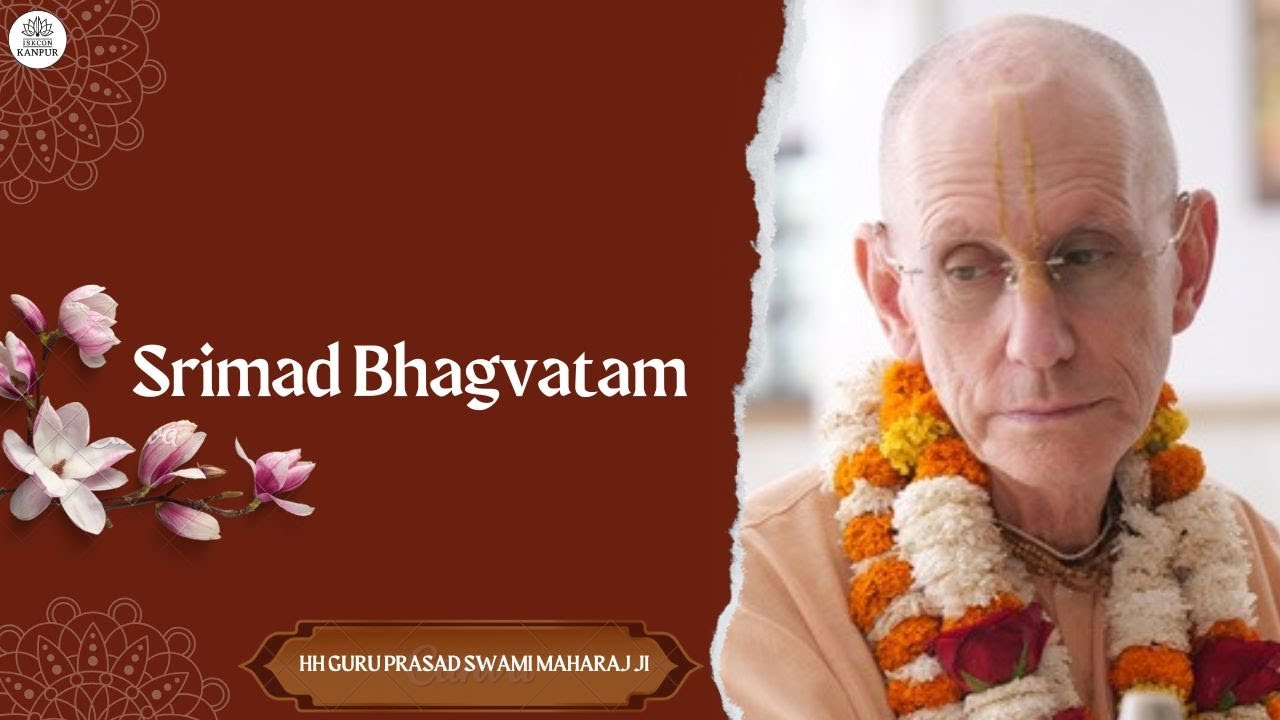
A discourse at ISKCON Kanpur by HH Guru Prasad Swami illuminates a core teaching of the Srimad-Bhagavatam: in Kali-yuga, nama-sankirtanchanting the holy name of Krishnaoffers a direct path to peace, liberation, and pure love. The devotee’s focus shifts from escaping hardship to embracing seva, transforming daily life into sacred service. This practice is simple yet…
-
The Transformative Power of Divine Names: Vedas, Upanishads, and Epics for Inner Renewal

This reflection examines the power of divine names as preserved in the Vedas, Upanishads, Ramayana, and Mahabharata, highlighting how sacred sound directs the mind toward dharma. It presents chanting, mantra, and japa as disciplined practices that transform remorse into responsible action. The analysis emphasizes unity across Hinduism, Buddhism, Jainism, and Sikhism, where sacred namessuch as…
-
The Transformative Power of Divine Names: Vedas, Epics, and Dharmic Unity
Divine names, celebrated in the Vedas, Upanishads, Ramayana, and Mahabharata, provide a practical discipline to steady attention, calm the breath, and strengthen ethical living. By anchoring the mind in nāma-smaraṇa or japa, practitioners experience reduced stress and clearer moral judgment. The same principle appears across Buddhism (Om Mani Padme Hum), Jainism (Namokar Mantra), and Sikhism…
-
Unforgettable Harinam at Jagannath Temple: Tens of Thousands Join Puri’s Unified Bhakti
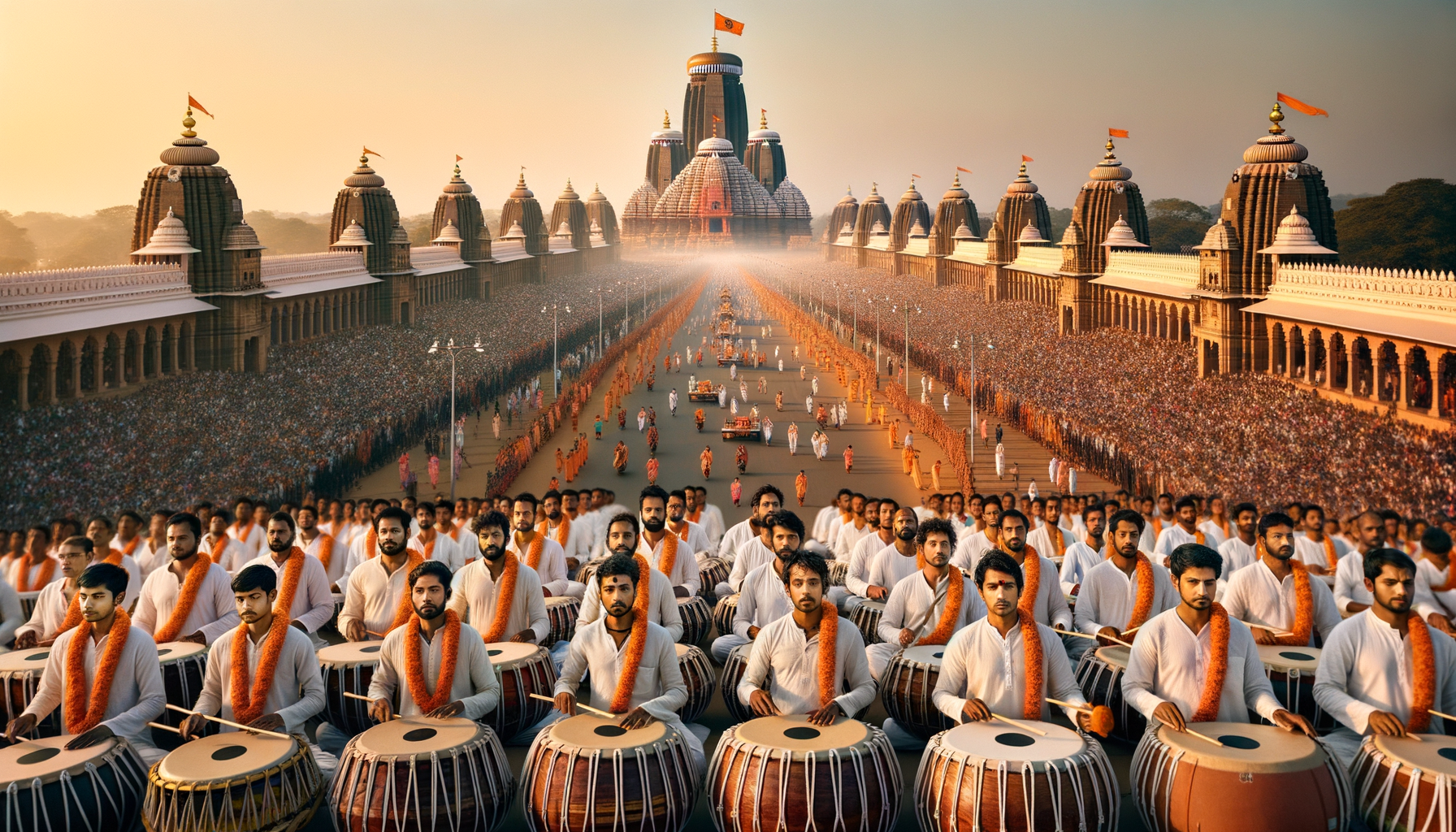
A large Harinam sankirtana encircled the Jagannatha Temple in Puri in November 2025, led by Indradyumna Swami with about 400 devotees and cheered on by tens of thousands. The procession completed two respectful circumambulations, marked by resonant call-and-response kirtan and the uplifting chant, Hare Krishna!!. Participants noted careful coordination that protected the Temple’s sanctity, ensured…
-
Rising Maha Mantra: Transcendental Sound, Urban Rush, and the Soul’s Subtle Listening
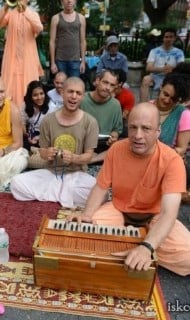
In the midst of New York’s rush hour, Sri Chaitanya Mahaprabhu’s Harinama Sankirtan Mission demonstrates how transcendental sound can calm and focus the mind. The rising Maha Mantra, guided by a kirtan leader shaped by Srila Prabhupada’s mercy, creates a vibrant yet contemplative atmosphere. Even when commuters do not look up, the inner earthe Soul’s…