-
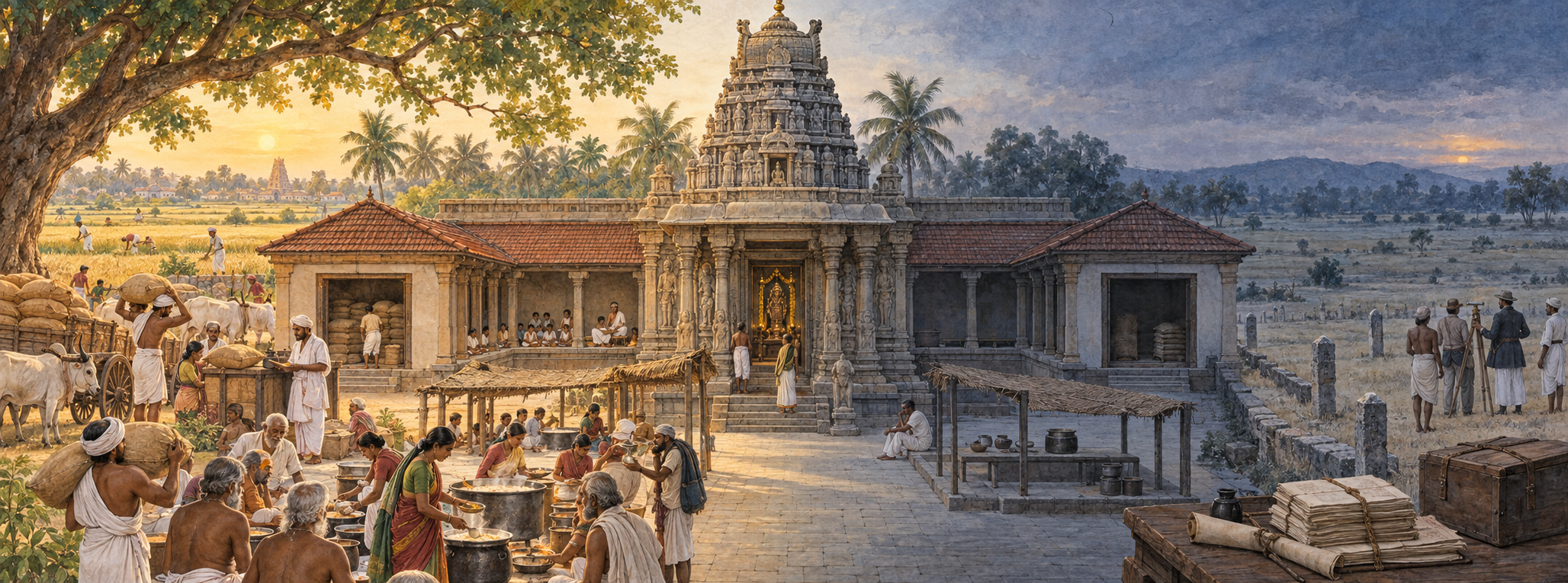
The War They Could Not Win: How Dharmic Resilience Defied Empire and Erasure

This long-form analysis explains why attempts to subdue India’s civilizational core repeatedly failed. It argues that dharmic polycentricity—rooted in Hindu, Buddhist, Jain, and Sikh traditions—produced resilient networks of ethics, learning, and care beyond the reach of central control. Drawing on the Revolt of 1857, British Colonial Rule, and the intellectual countercurrents of Vivekananda and Aurobindo,…
-
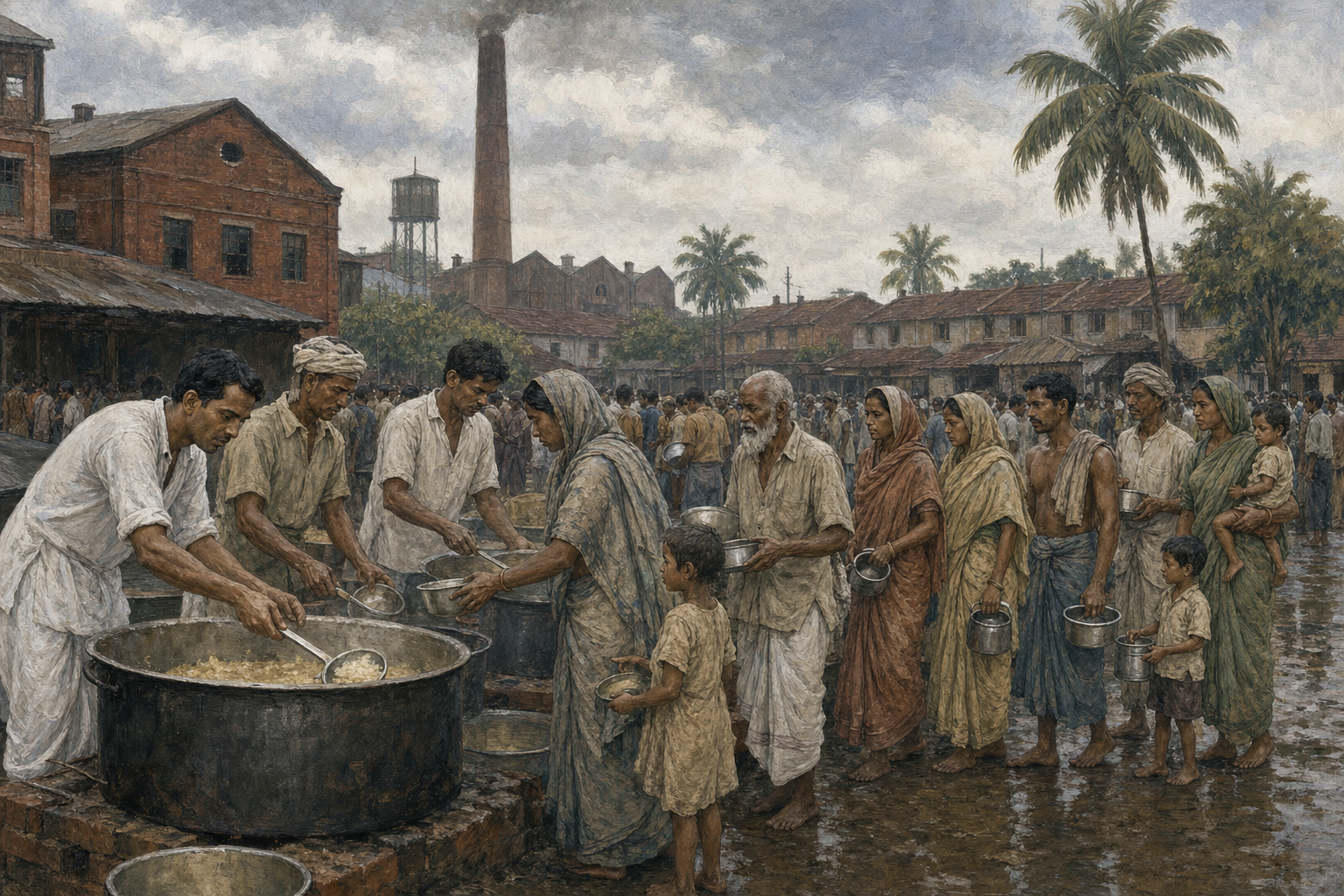
Hard Realities of the Bengali Bhadralok: From British Raj Brokers to Mamata Banerjee’s West Bengal

This long-form analysis offers a rigorous, non-polemical history of the Bengali Bhadralok from the late colonial period to the Trinamool era. It defines the Bhadralok as an intermediary elite shaped by British institutions yet rooted in a rich civilizational matrix, and explains why Marxist ideas resonated in Bengal’s post-famine and post-Partition moral economy. Readers gain…
-
Bahadur Shah Zafar and 1857: Evidence-Driven Reassessment Beyond Heroics and Betrayal

Bahadur Shah Zafar’s role in the Revolt of 1857 defies simple labels. Rather than casting him as either a heroic liberator or a betrayer, this analysis situates the last Mughal emperor within the material constraints of siege warfare, fractured command, and colonial-era power asymmetries. It traces the uprising’s structural causes—from annexations and revenue extraction to…
-
Grinding Memory: Mumbai’s Kolhu Reenactment Reawakens the Brutal Realities of Kala Pani

A live kolhu demonstration at the Swatantryaveer Savarkar Rashtriya Smarak in Mumbai recreated the oil-press labor once forced upon freedom fighters at the Cellular Jail (Kala Pani) in the Andamans. By translating archival testimony into an embodied experience, the exhibit made the mechanics and cruelty of colonial punishment legible to contemporary audiences. The kolhu’s simple…
-
Tipu Sultan vs Savarkar? Cut Through Rhetoric with History, Sources, and a Dharmic Unity Lens

Asaduddin Owaisi’s remark—“Tipu Sultan died a martyr fighting the British, unlike Savarkar who wrote mercy petitions”—reopens a vital debate at the nexus of history, politics, and colonial archives. This analysis verifies what is factual (Tipu’s death in combat, Savarkar’s clemency petitions) and clarifies what is interpretive (the normative label of ‘martyr’). It situates both figures…
-
How Colonial Rule Solidified ‘Caste’: Decoding History, Names, and Dharmic Unity

This article re-examines the widespread belief that “caste” is an ancient, rigid pillar of Hinduism by tracing how British colonial administration centralized and hardened fluid social identities. It contrasts England’s parish-register surname standardization—an administrative tool that rarely fixed social rank—with the subcontinent’s census-driven reclassification that tethered names to hierarchy. It clarifies the distinct roles of…
-
Reordering Britain’s Myth: A Powerful Satire of Colonial Classification and the Potterverse

Set in a satirical future where Bharat administers Britain, this piece examines how external classification—framed through a Potterverse House system—can reshape social realities. It traces how myths become templates for hierarchy, how census categories can reward strategic identity claims, and how well-intended policy may still rigidify fluid communities. Readers gain a clear, decolonial lens on…
-
Why Colonial Regimes Feared Indigenous Literacy—and How Dharmic Traditions Resisted

Indigenous literacy has long empowered communities to preserve memory, assert rights, and maintain cultural continuity—capacities that colonial regimes often perceived as threats. In South Asia under British Colonial Rule, vernacular education and scripts strengthened social cohesion across dharmic traditions, connecting Hinduism, Buddhism, Jainism, and Sikhism. Policies privileging English-medium instruction and standardized curricula frequently displaced local…
-
Calcutta to Bhagalpur: Valentia’s Journey Reveals Empire’s Privilege, Policy, and Paradox

Marquess Wellesley’s 1803 itinerary for Viscount Valentia reveals how rank and Company machinery fused to enable elite travel across the Bengal Presidency. From Chitpore Ghat to Bhagalpur, the journey exposes the infrastructures of empire—palanquins, cantonments, escorts—and the social circuits that sustained privilege. Stops at Palashi, Berhampore, Murshidabad, and Jangipur become lenses on military power, administrative…
-
Inside Marquis Wellesley’s 1803 Calcutta Banquet: Plunder-Fueled Opulence and Power

In January 1803, Viscount Valentia entered the newly built Government House in Calcutta and witnessed a meticulously staged display of colonial authority under Marquis Wellesley. The palace itself—announced as a seat of rule rather than a mere residence—projected power through architecture, ritual, and spoils of conquest, including a musnud drawn from Tipu Sultan’s throne. Elaborate…
-
Inside Viscount Valentia’s 1803 India Voyage: Opulence, Company Power, and Puri’s ‘Black Pagoda’

Viscount Valentia’s 1803 voyage moves from the Nicobar Islands to the Hooghly River, revealing how the East India Company fused spectacle and ceremony to project power. The narrative captures a barge’s opulence, courtly hospitality in Calcutta and Lucknow, and the subtle etiquette of inducement that shaped colonial politics. A telling phrase from Awadh—“Lord Saheb ka…
-
Viscount Valentia’s India Voyage: A Candid Colonial Chronicle and Dharmic Unity Lessons

This analytical retelling situates Viscount Valentia’s 1802–1806 voyage within the accelerating arc of British East India Company power and the late-Mughal political landscape. It highlights the work’s value as a meticulously dated primary source that blends geography, society, and statecraft across India, Ceylon, the Red Sea, Abyssinia, and Egypt. Readers gain a clear view of…
-
Spiritually Rich, Politically Vulnerable: Why India Fell to British Rule—and Rose United

This analysis examines why a spiritually rich India became vulnerable to British Colonial Rule while preserving civilizational continuity. Drawing on Sri Sri Ravi Shankar’s cyclical metaphor of the seasons, it situates conquest within broader structural forces—East India Company strategy, technological-military advantage, and administrative codification. It highlights how dharmic traditions—Hinduism, Buddhism, Jainism, and Sikhism—sustained social cohesion…