
-
The Eternal Now: Guru Nanak’s Mindfulness for Fearless Clarity and Compassionate Living

Guru Nanak’s teachings present a precise, research-aligned path to mindfulness that integrates attention training (Naam Simran), ethical action (Kirat Karo, Vand Chhako, Seva), and wise acceptance (Hukam). By cultivating fearless clarity (nirbhau) and non-resentment (nirvair), practitioners stabilize presence in the “eternal now” and translate inner poise into compassionate service. The approach resonates with dharmic practices…
-
Vulnerability Without Regret: Evidence‑Based Ways to Soothe the Post‑Sharing Hangover

Vulnerability often produces a predictable nervous-system surge after sharingtightness, second-guessing, and the urge to retract. This evidence-based guide explains why that “vulnerability hangover” occurs and offers practical, somatic strategies to restore safety. Drawing on neurobiology, mindfulness, and shared dharmic ethics (satya, ahiṁsā, aparigraha, maitri/karuṇā), it clarifies the difference between oversharing and conscious sharing. Two orienting…
-
From Restless Mind to Inner Clarity: How Yoga Rewires the Brain, Body, and Behavior

Yoga reframes a “restless” mind as a dynamic wave and offers precise methods to organize that energy into clarity, steadiness, and purpose. Patanjali’s ashtanga integrates ethics, postures, breath, and meditation, while parallel practices in Buddhism, Jainism, and Sikhism affirm unity in spiritual diversity. Evidence links yoga to better autonomic balance, reduced stress reactivity, improved mood,…
-
Kundalini Tantra Unveiled: A Scientific, Dharmic Guide to Awakening the Serpent Power
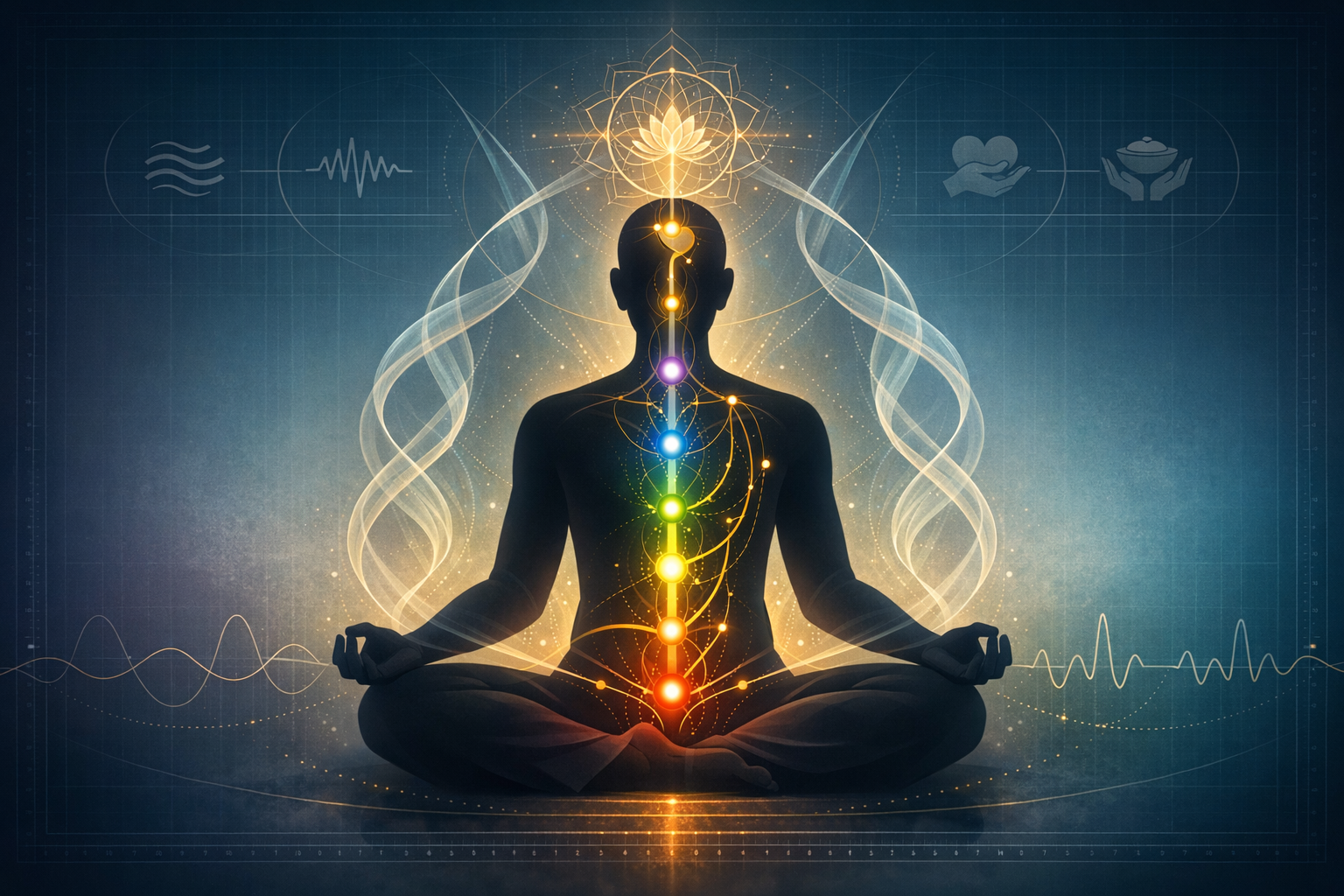
This comprehensive guide presents Kundalini Tantra as a precise, ethical, and integrative science shared across dharmic traditions. It clarifies yogic anatomy (nadis, chakras, sushumna nadi) and explains how breathwork, bandhas, mudras, mantra, and meditation organize subtle energy safely. A stepwise 12-week framework details how to build foundations with yama-niyama, asana, and pranayama before progressing to…
-
From Overwhelm to Ease: A Dharmic, Science-Backed Guide to Cooling an Anxious Mind

Anxiety can be cooled reliably by combining physiology, contemplative training, and ethical living. This guide bridges modern neuroscience with dharmic wisdom from Hinduism, Buddhism, Jainism, and Sikhism to offer practical tools that downregulate the nervous system. Readers learn how breath awareness, pranayama, and humming stimulate the vagus nerve and improve HRV for fast-acting calm. Somatic…
-
How a Daily Yoga Routine Rewires the Brain, Calms the Nervous System, and Lifts Mood

Embedding yoga into a daily routine produces measurable benefits for mental health. Regular asana, pranayama, and dhyana raise endorphins and GABA, boost BDNF, and rebalance serotonin and dopamine. Consistent practice calms the HPA axis, lowers cortisol, improves vagal tone and HRV, and reduces inflammatory markers linked to low mood. Imaging studies show stronger prefrontal–amygdala control…
-
Why Devotional Focus Suddenly Turns Sensualand Science-Backed Ways to Steady the Mind

Devotional focus can collapse into sensual distraction with surprising speed because material desire functions like a gravitational pull on attention. Classical frameworks from Hinduism, Buddhism, Jainism, and Sikhism explain this shift through gunas, kleshas, hindrances, and the five thieves, while neuroscience highlights cue-driven reward predictions and attentional capture. A practical, evidence-aligned toolkit helps steady the…
-
Overcoming Inner Battles in Meditation: Hindu-Yogic, Buddhist, Jain, Sikh Tools for Calm
Meditation across the dharmic traditions often collides with restlessness, distracting thoughts, emotional agitation, doubt, and subtle resistance. Drawing on the Yoga Sutras of Patanjali and the Bhagavad Gitaalongside Buddhist, Jain, and Sikh parallelsthis piece delivers a technical, evidence-informed roadmap to stabilize dhyana. Readers learn how to diagnose obstacles (antaraya), regulate arousal with breath awareness and…
-
Why Ganesha Rides a Mouse: Mastering the Restless Mind Through Ancient Sacred Symbolism
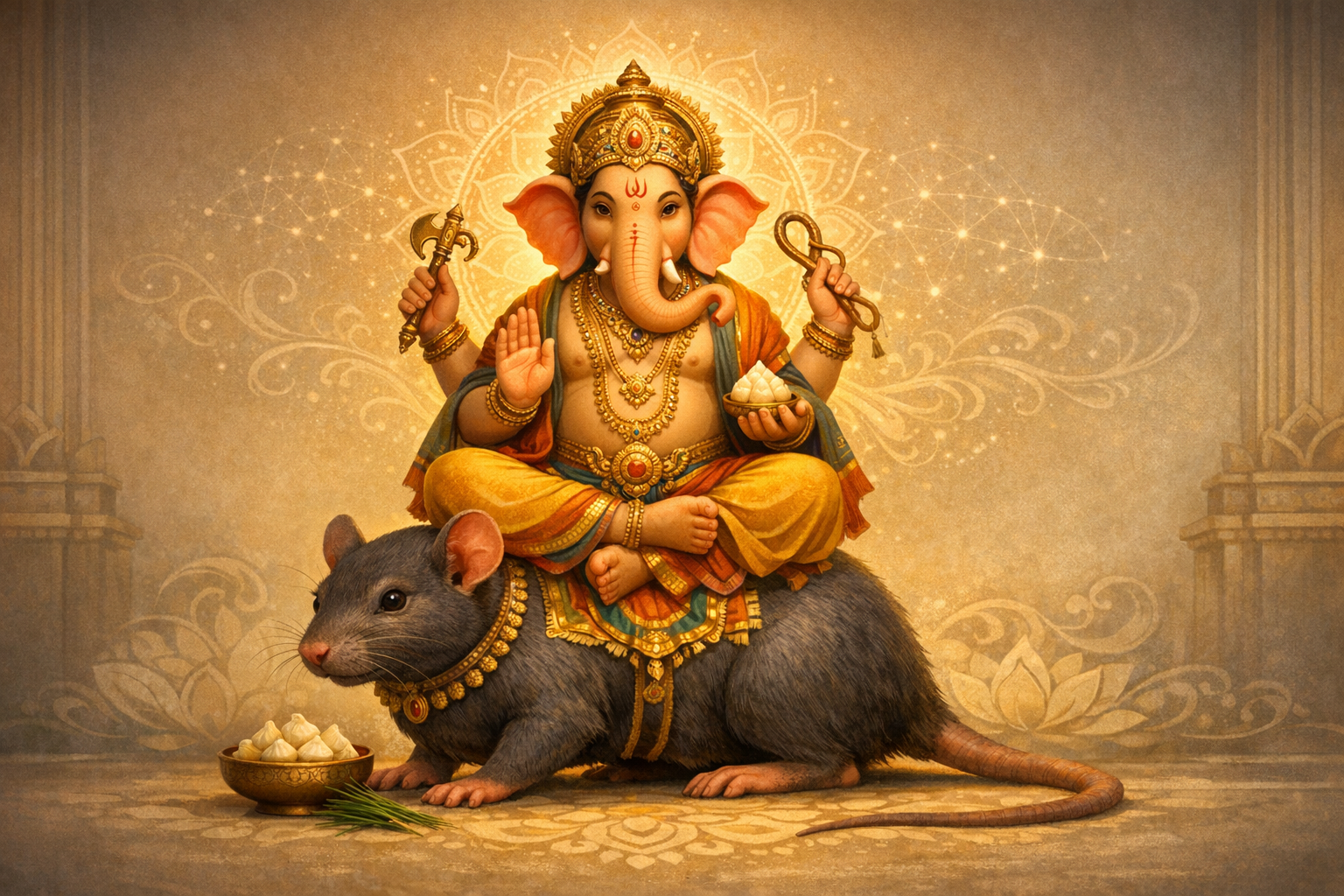
The celebrated image of Śrī Gaṇeśa seated on a mouse encodes a complete psychology of spiritual practice: wisdom seated above impulse, directing and calming the restless mind. Philological analysis of mūṣika (“the thief”) aligns with traditional models of manas, buddhi, and ahaṃkāra, while Purāṇic sources frame the vāhana as a pedagogical tool. Read alongside Yoga,…
-
योग साधना द्वारा जीवन विकास: Transform Daily Life with Practical Yoga, Calm, and Clarity

Yoga is often misunderstood as an ascetic pursuit, yet it serves as a practical method for everyday life development. Rooted in shared dharmic values, it unites Hindu, Buddhist, Jain, and Sikh perspectives through ethics, breath awareness, and meditation. A simple, consistent routinebrief asana, breathing techniques, and reflective practicebuilds emotional resilience and steady focus. Ethical principles…
-
Beyond Willpower: How Breathwork and Yoga Rewire the Nervous System in Addiction Recovery

This analysis traces a journey from relapse to stability, showing how yoga and breathwork can regulate the nervous system during addiction recovery. It explains why rooting in the body must precede rising into lasting change, linking somatic healing with practical pranayama. It outlines three evidence-aligned breathing techniquesAnulom Vilom, Sama Vritti, and Dirgha Pranayamathat reduce anxiety,…
-
Unlocking Life’s Mission: Clear-Mind Meditation and Dharmic Wisdom for Enduring Purpose

How does one find a life’s mission? Sri Sri Ravishankar Guruji’s insight places clarity of mind at the center, using Hollow and Empty meditation to dissolve mental noise. The result is a lucid awareness where genuine strengths, values, and dharma-aligned purpose become visible. Practical stepsbreath awareness, pranayama, mindfulness, and regular sessionsbuild consistency and confidence. Signs…
-
Mind, Body, and Soul in Balance: Practical Strategies to Build Inner Strength and Harmony
Asking whether mind, body, or soul is strongest creates a false contest; each holds a distinct role that becomes powerful in balance. The body anchors vitality, the mind refines attention and choice, and the soul aligns life with dharma and meaning. Practical routinesmovement, breath awareness, and meditationintegrate these dimensions to cultivate emotional resilience and holistic…
-
From People-Pleasing to Peace: Reclaiming Rest to Heal the Nervous System and Soul

Exhaustion is often mistaken for virtue, especially in people-pleasing patterns shaped by the fawn response. When the nervous system learns that stillness is unsafe, rest can trigger anxiety, urgency, and guilt. Understanding these reactions as survival adaptationsnot moral failingsopens a compassionate path to recovery. Practical steps such as small, time-bound pauses, anchoring with touch, redefining…
-
Quieting the Overthinking Mind: Ashtavakra’s Advaita Wisdom for Modern Mental Clarity

Information overload and constant notifications have intensified overthinking and anxiety. Ashtavakra’s Advaita insightone is not the mindoffers a clear, practical antidote by shifting identity from mental turbulence to steady awareness. The article explains sakshi (witness) consciousness, links it to Pancha Kosha discernment, and shows how breath awareness, pratyahara, dhyana, and inquiry (vichara) reduce reactivity. It…
-
Discover Bliss in the Eternal Now: Dharmic Wisdom on Presence Beyond Happiness
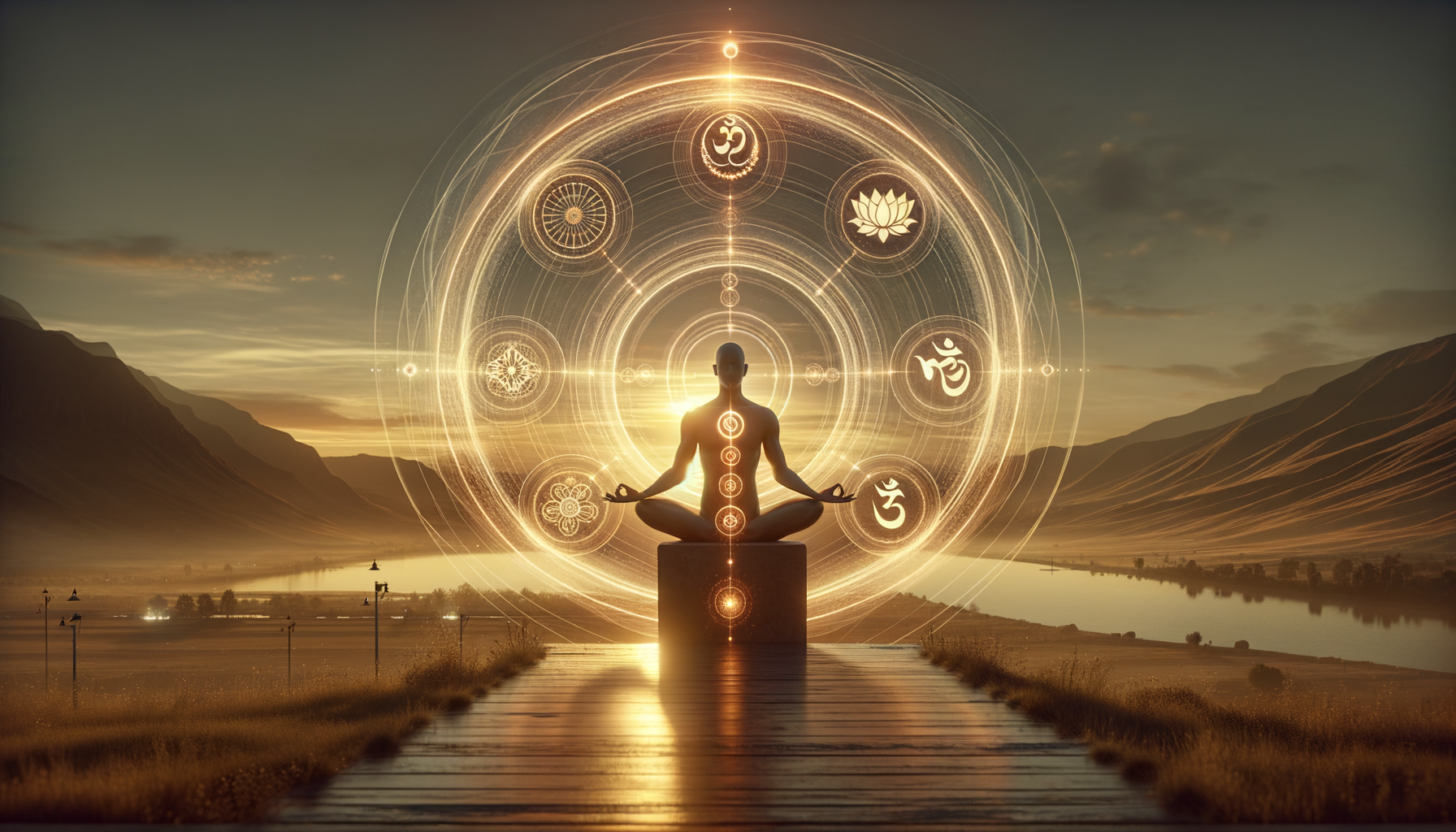
Modern life scatters attention, yet dharmic traditions affirm that abiding in the present moment reveals a stable blissanandabeyond fleeting happiness. Hinduism links Presence to equanimity and Karma Yoga, turning daily duties into contemplative practice. Practical methods such as breath awareness, Pranayama, dhyana, and japa make the Eternal Now accessible in ordinary routines. Buddhism’s mindfulness, Jainism’s…
-
Does God Really Exist? Experiential Practices to Sense the Divine Within Every Day

This reflection presents an experiential approach to the timeless question: Does God exist? Drawing on Sri Sri Ravishankar’s assurance that the Divine dwells within, it integrates methods shared across Hinduism, Buddhism, Jainism, and Sikhism. Readers gain practical stepsbreath awareness, dhyana (meditation), mantra (japa), ethical alignment, and sevato cultivate inner clarity. The guidance of community and…
-
Soham Hamsah Explained: The Transformative Mantra of Oneness, Breath, and Inner Peace

“Soham Hamsah” embodies an Advaita Vedanta insight: the unity of jivatma and paramatma realized through breath-aware mantra meditation. By aligning the natural rhythm of inhalation and exhalation with an inner mantra, practitioners cultivate calm, clarity, and discernment. The practice remains gentle and accessible while deepening mindfulness and ethical responsiveness. Cross-dharmic resonanceswith Buddhist ānāpānasati, Jain samayik,…
-
Yoga and Inner Peace: How Breath, Mindfulness, and Movement Dissolve Daily Stress
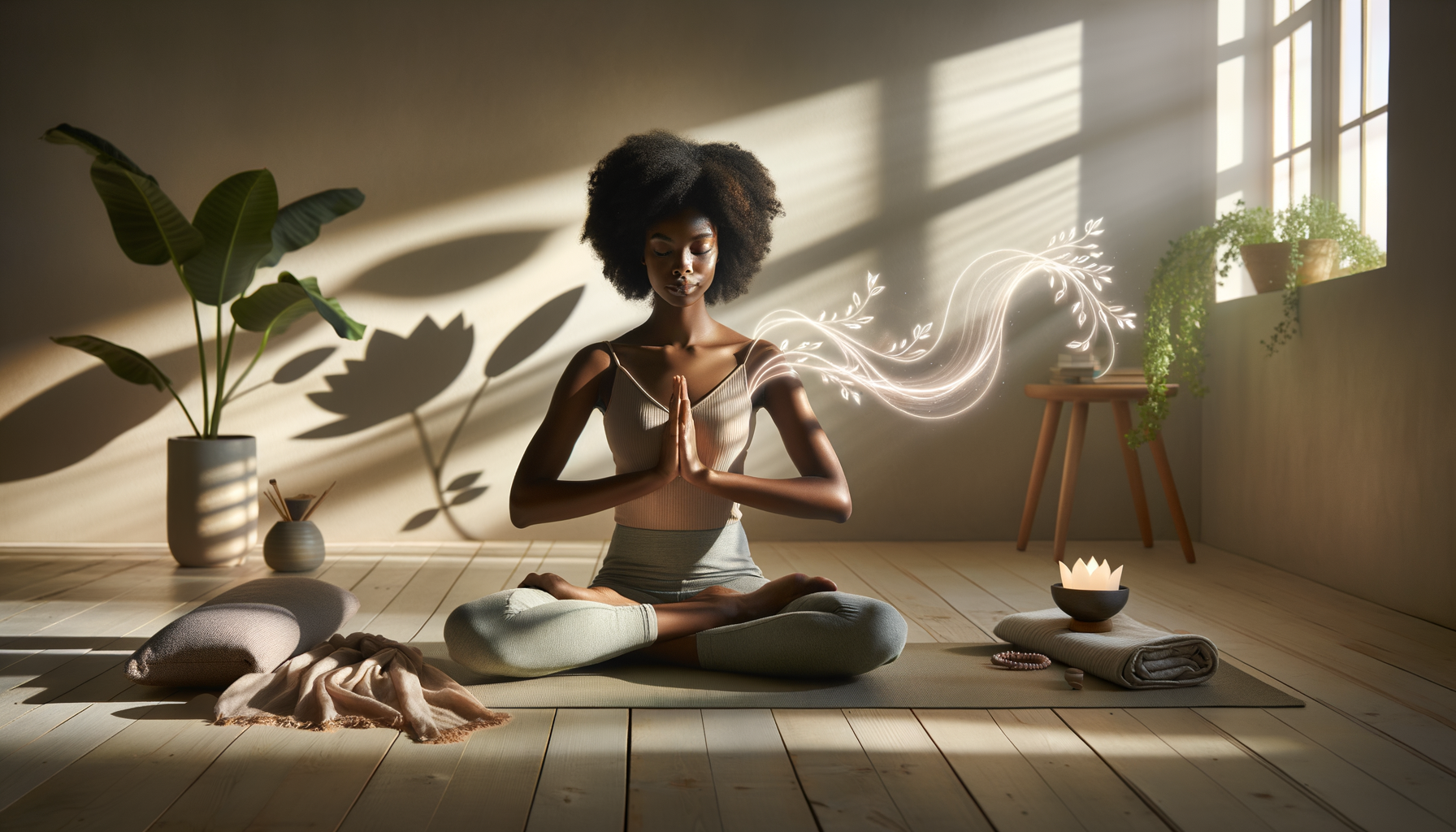
Yoga unites body, mind, and inner awareness to reduce stress and nurture peace. Through breath awareness (pranayama), mindful movement (asana), and meditation, practitioners experience fewer reactive emotions and greater clarity. Ethical principles such as ahimsa, truthfulness, and contentment stabilize relationships and reinforce lasting harmony. These foundations resonate across Hinduism, Buddhism, Jainism, and Sikhism, where mindfulness,…
-
Calm Anxiety from Childhood Wounds: Science‑Backed, Dharmic Practices to Restore Safety and Agency

Anxiety rooted in childhood often reflects a nervous system trained to protect, not a personal failing. This analysis traces how early experiences with shame and pressure can imprint persistent anxiety and how grief, loss, and responsibility can catalyze healing. It presents ten practical, trauma-informed methodsgratitude-based inquiry, life simplification, quiet observation and cautious fasting, shock recognition,…