
-
Abhyasa Yoga Explained: Master the Mind with Steady Practice and Dharmic Unity

Abhyasa Yoga emphasizes disciplined, continuous practice that steadies attention and prepares the mind for dhyana and samadhi. Grounded in Patanjali’s Yoga Sutra and the Bhagavad Gita, it integrates yama, niyama, asana, pranayama, pratyahara, and focused meditation into a coherent path. Practitioners benefit from small, consistent sessions that build cognitive clarity, emotional balance, and ethical insight.…
-
Kubera and Mammon Unveiled: How Icons of Wealth Shape Ethics, Society, and Spiritual Life

Wealth has long stirred both aspiration and anxiety. This comparative study of Kubera in Hinduism and Mammon in the Aramaic and Christian traditions clarifies how cultures transform riches into ethical guidance. It shows how Hindu texts situate prosperity within dharma and community welfare, while biblical teachings personify Mammon to warn against greed. Readers gain practical…
-
When Motives Turn Impure: Why Restlessness RisesA Dharmic Insight from Kamsa’s Tale

This essay examines why impure motives generate mental restlessness, drawing on Hindu scriptures and the cautionary tale of Kamsa (Kansa). It explains how fear, greed, and hatred disturb the mind, aligning classical insights with contemporary psychology. The discussion highlights shared dharmic wisdom across Hinduism, Buddhism, Jainism, and Sikhismemphasizing Right Intention, Ahimsa, Aparigraha, seva, and living…
-
Mahabahu in Hinduism: Unveiling the Mighty-Armed Ideal of Strength, Dharma, and Service
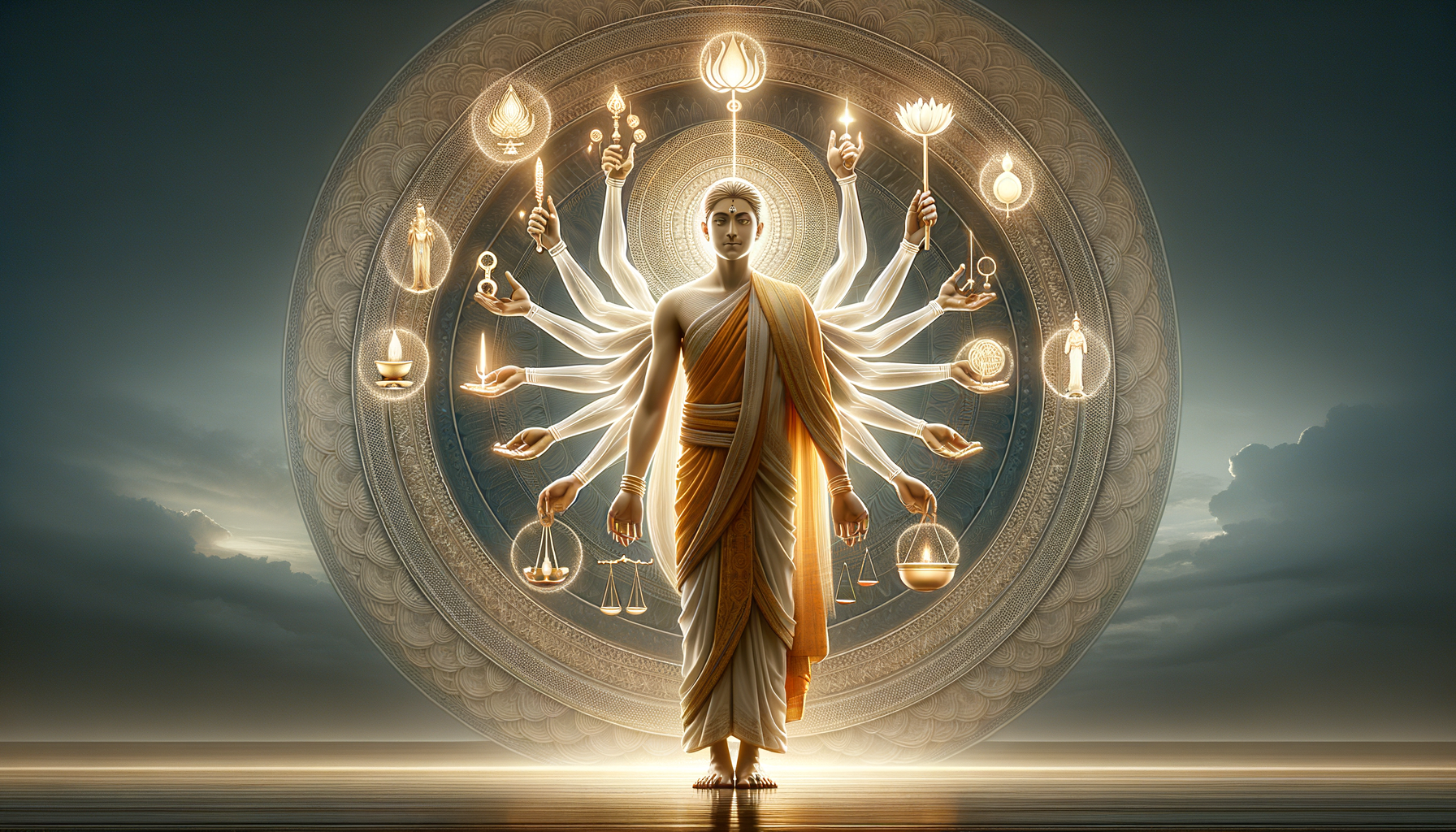
Mahabahu, from the Sanskrit roots “maha” (great) and “bahu” (arms), is a profound ideal in Hindu scriptures that unites power with ethical responsibility. Found in the Ramayana, Mahabharata, and Bhagavad Gita, it signifies strength guided by self-mastery and compassion. The term illuminates how epic narrative encodes philosophical principles: arms symbolize disciplined action in the service…
-
Heart and Mind in Harmony: A Hindu Dharma Blueprint for Balanced, Compassionate Living

Modern life demands more than speed; it calls for a values-centered way to live with clarity and compassion. Hindu philosophy offers a practical synthesis of heart (karuṇā) and brain (buddhi), aligning emotion with discernment. Through brief daily practicespranayama, svādhyāya, and sevareaders can cultivate inner peace, emotional balance, and ethical decision-making. The Bhagavad Gita’s integrated path,…
-
From Quietism to Courage: Sri Aurobindo on Dharma, Action, and Dharmic Unity

This essay reframes contemporary debates about quietism and civic disengagement through Sri Aurobindo’s lens, emphasizing balanced Dharma: inner realization joined with ethical action. It highlights how the Bhagavad Gita integrates nonattachment with responsibility, using Arjuna as a template for principled courage. It proposes constructive, non-inflammatory ways for temples and community centers to preserve heritage, educate…
-
Prahlada Gita: Timeless Lessons on Devotion, Fearless Faith, and Dharma for Everyday Life

Prahlada Gita presents a clear, practice-centered pathway to devotion, ethical courage, and emotional steadiness grounded in Sanatan Dharma. Set within the Gurukulam context of Sri Shukracharya, Prahlada’s instruction guides peers toward fearless faith in Lord Vishnu and principled living. Its disciplinesśravaṇa, smaraṇa, seva, and ātma-nivedanatranslate readily into modern routines that foster clarity and resilience. Read…
-
Sacred Sound at Life’s Threshold: The Transformative Power of Om for Conscious Departure

This essay explores why chanting Om at the end of life is revered in Hinduism and how it supports a conscious, peaceful departure. Drawing on the Bhagavad Gita and the Upanishads, it explains Om as a symbol of total consciousness and a practical aid for liberation (moksha). It highlights how regular mantra-japa, meditation, and pranayama…
-
Find Lasting Peace: The Transformative Hindu Teaching of Not Looking at Others’ Faults

A time-tested teaching in Hindu philosophy states, “If you want peace, do not look into anybody’s faults.” Grounded in the Bhagavad Gita, the Upanishads, and Yoga, this practice transforms attention from judgment to self-reflection, acceptance, and mindful speech. Dharmic perspectivesAnekantavada in Jainism, mindfulness and Right Speech in Buddhism, and humility with seva in Sikhismconverge to…
-
Krishna’s Bold Reframing of Dharma: An Enlightened Householder Blueprint for Kali Yuga

This article clarifies the long-standing tension between renunciation (sannyasa) and worldly engagement (grihastha) and explains Krishna’s synthesis in the Bhagavad Gita. It shows how Karma Yoga transforms daily duties into spiritual practice, especially suited to the demands of Kali Yuga. Readers gain practical stepsnishkama karma, mindful remembrance, ethical livelihood, generosity, and sevato integrate dharma into…
-
Be Brave, Live to Give: Global ISKCON 2025 Celebration Powering the Prabhupada Marathon
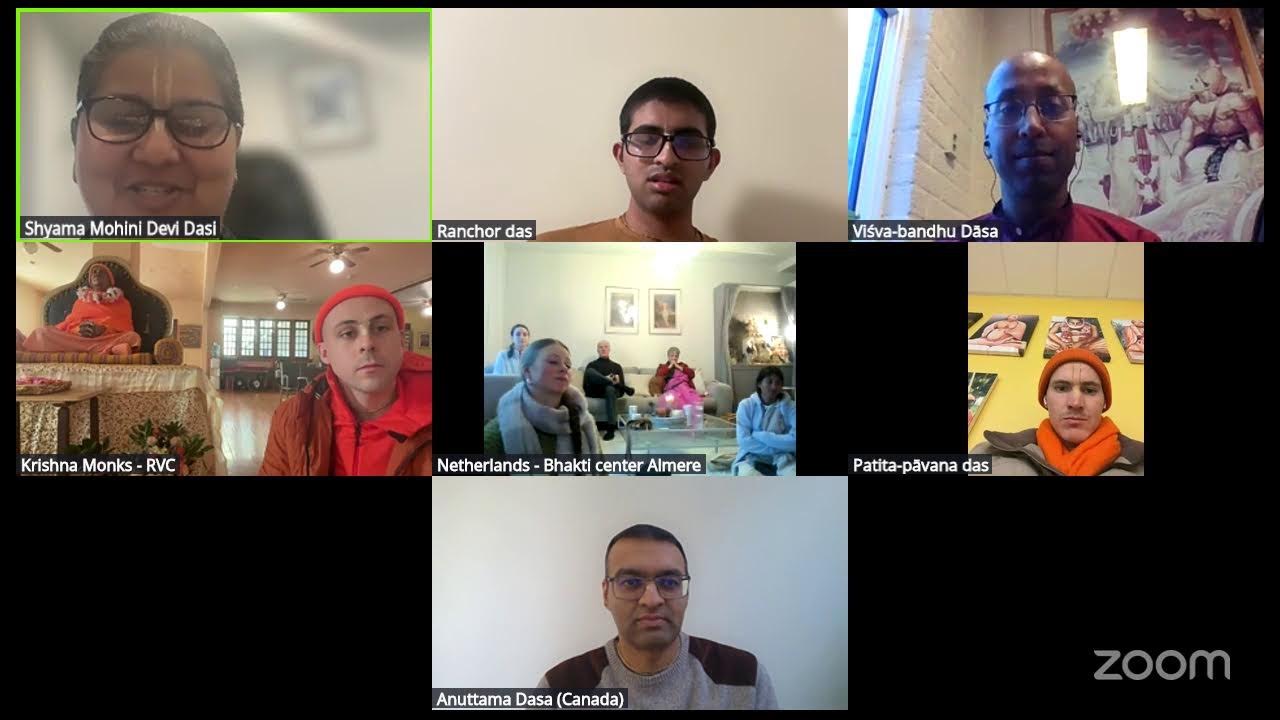
The Be Brave! Live to Give 2025 Celebration brought ISKCON leaders and devotees together online to share outcomes from the 2025–2026 “Live to Give” campaign centered on distributing Bhagavad Gita As It Is. Presentations combined metrics with field insights, including a notable report from Africa: 10 countries distributing 15,189 Bhagavad Gitas. The program emphasized disciplined…
-
Choice, Control, and the Senses: An Eye-Opening Guide to Real Freedom in Daily Life

Freedom in daily life is shaped by many inner voicessenses, mind, intelligence, ego, and habitworking at once. Drawing on the Bhagavad-gita and allied dharmic traditions, this piece explains how recognizing these layers clarifies real agency. A simple pause, mindful breathing, and recalling dharma-centered priorities can turn impulse into intention. Rather than self-blame, compassionate self-knowledge builds…
-
Hindu Wisdom on Human Nature: Why Grand Reforms Fail Without Inner Transformation

Hindu thought explains why many global reforms falter: they overlook the depth of human conditioning shaped by avidya, samskara, and the three gunas. Sustainable change emerges when inner transformation precedes institutional redesign, aligning personal ethics with public policy. A dharmic, three-layer approachself, community, and systemsintegrates nishkama karma, seva, and accountability to support lokasangraha. This perspective…
-
Karya in Hindu Thought: How Actions Shape Destiny, Ethics, and Liberation

Karya, derived from the Sanskrit root “kr” (to act), encapsulates “that which is done” and unites Hindu philosophy, ethics, and daily practice. It connects intention with outcome across traditionsfrom Sāṅkhya’s satkāryavāda and Nyāya’s causal clarity to Mīmāṁsā’s duty and Vedanta’s purifying karma yoga. The Bhagavad Gita’s “kāryam karma” frames action as an obligation performed without…
-
Manas and Buddhi Explained: Harness the Two Minds for Clarity, Calm, and Wise Action

Manas and Buddhi describe two complementary functions of the mind in Hinduism: Manas gathers sensory impressions and emotions, while Buddhi provides discriminative clarity and ethical direction. The Bhagavad Gita (3.42) places Buddhi above Manas and both beneath the Self, offering a practical inner hierarchy for wise action. This model resonates across Buddhism, Jainism, and Sikhism,…
-
Jnana as Eternal Light: How Sacred Knowledge Unites Hindu, Buddhist, Jain, Sikh Paths

This essay presents jnana as the eternal light central to Hindu wisdom while connecting it with prajna in Buddhism, kevala-jnana in Jainism, and gyaan in Sikhism. It clarifies how knowledge in the Upanishads and Bhagavad Gita is transformative rather than merely intellectual, aligning atman with Brahman. Readers gain practical guidancesvadhyaya, dhyana, seva, satsangafor integrating insight…
-
Karma Yoga Made Practical: Serve with Compassion, Protect Your Sanity and Resources

Karma Yoga offers a practical path to inner purification through selfless service performed with discernment. Acting without attachment to outcomes builds equanimity while ensuring help remains effective and sustainable. Clear boundaries, realistic budgets, and due diligence protect mental calm and financial stability, preventing burnout and enabling long-term impact. Across dharmic traditions, wise compassion is a…
-
Free Will and Maya: Dharmic Wisdom for Choosing Well Amid Life’s Illusions

The Bhagavad Gita affirms human agency“Deliberate on this fully and then do what you wish to do” (Gita 18.63)while dharmic traditions explain how avidya, moha, and maya condition choice. This piece reconciles freedom and conditioning, showing how responsibility and compassion can coexist. Practical guidance highlights viveka, meditation, breathwork, bhakti, seva, and ethical vows as tools…
-
Touching the Book, Touching Freedom: HG Satyanarayana Prabhu on Bhakti and Service
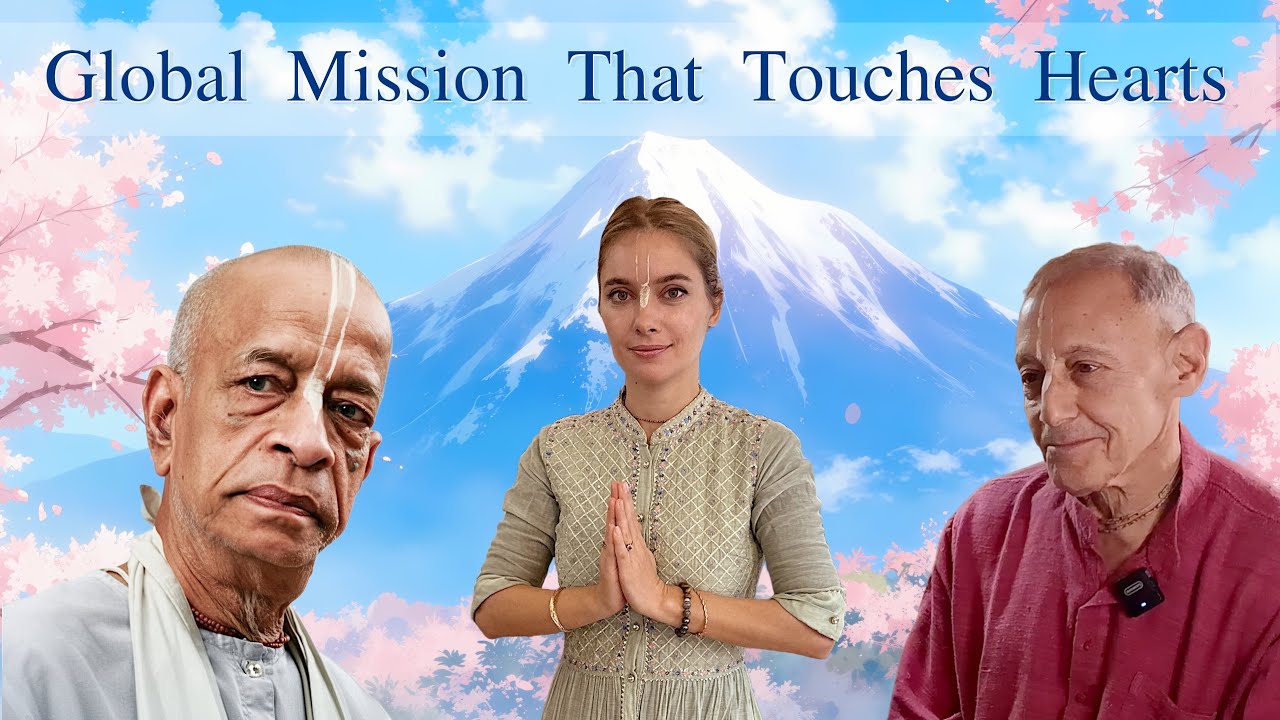
This piece profiles HG Satyanarayana Prabhu, a direct disciple of Srila Prabhupada, whose service as Director of the Bhaktivedanta Book Trust in the Far East and Middle East exemplifies devotion grounded in scholarship. It highlights the bhakti conviction that sacred texts can catalyze inner transformation, beginning with a simple touch and deepening through study and…
-
Fearlessness and Detachment in Hinduism: Powerful Practices for Inner Freedom and Growth

Fearlessness (abhaya) and detachment (vairagya) are central to Hindu philosophy, shaping a confident, ethical, and compassionate way of life. Fearlessness stabilizes decision-making under uncertainty, while detachment clarifies judgment by releasing attachment to outcomes. Practical disciplinesYoga, meditation, pranayama, japa, svadhyaya, and sevahelp integrate these virtues into daily interactions at home, work, and online. The approach strengthens…