
-
Indratva vs Nidratva: Kumbhakarna’s Boon, Ambition, and the Lost Science of Balance

Kumbhakarna’s story in the Ramayana, often reduced to a trope of excess, encodes a precise philosophy of balance through the dialectic of Indratva (unbounded agency) and Nidratva (overpowering inertia). Read across Valmiki and later retellings, the episode becomes a systems lesson in regulating rajas and tamas under sattva’s guidance. The analysis connects dharmic psychology with…
-
Insults Reveal Insecurity: Dharmic Wisdom on Speech, Self‑Mastery, and Real Strength
Insults are often misread as strength, yet dharmic traditions consistently treat them as signs of insecurity and weak self-mastery. Drawing on the Bhagavad Gita, Dharmaśāstra, Buddhist Right Speech, Jain vows, and Sikh teachings, this analysis outlines a rigorous fourfold test for ethical speech: non-agitating, true, beneficial, and skillfully delivered. Contemporary psychology and neuroscience corroborate these…
-
Spiritual Thirst: Building Unshakable, Heartfelt Devotion across Dharmic Traditions

Spiritual thirst is the disciplined, whole‑hearted longing for the Divine or ultimate truth, expressed across Hinduism, Buddhism, Jainism, and Sikhism through listening, singing, remembrance, contemplation, and seva. Drawing on Yoga Sutra principles such as tivra samvega and nairantarya abhyase, it emphasizes intensity and unbroken practice over half‑hearted effort. The Varkari saints exemplify steadiness through kirtan,…
-
Who Is the Real Father? Dharmic Wisdom on Body, Soul, Karma, and the Supreme Source

What distinguishes a living person from a lifeless body points directly to the dharmic insight at the heart of the Hare Krishna Movement: the living self (atman) is distinct from matter, and its ultimate source is the Supreme. This article presents a rigorous, compassionate exploration of “Who is the real father?” across ISKCON’s Gaudiya Vaishnava…
-
Idle Mind, Restless Life: Dharmic, Yogic, and Mindfulness Practices to Build Purposeful Focus

The age-old saying that an idle mind becomes a workshop for unwholesome impulses is reframed here through the shared wisdom of Hinduism, Buddhism, Jainism, and Sikhism. Instead of moralizing idleness, the analysis distinguishes healing rest from tamasic drift and presents a technical, evidence-aligned path to train attention and action. Readers gain a clear map of…
-
Beyond Luck and Fate: Timeless Dharmic Wisdom on Karma, Free Will, and Untouched Truth

This article reframes “luck” and “fate” through a dharmic lens as shorthand for complex causality rather than forces that control life. It integrates Hindu, Buddhist, Jain, and Sikh perspectives to show how karma, dependent origination, niyama, and hukam together replace fatalism with responsibility and wisdom. Hindu teachings on sañcita–prārabdha–kriyāmāṇa karma and puruṣārtha emphasize effort within…
-
The Curse of Immediacy: Reclaiming Kshama and Dhairya for Deep Focus in a Digital Age

Modern life rewards speed yet quietly punishes impatience with poor judgment, anxiety, and brittle relationships. This essay examines Kshama (forbearance) and Dhairya (steadfast patience) as precise antidotes drawn from Hindu philosophy and aligned with Buddhist, Jain, and Sikh insights. It clarifies the terms linguistically and textually, situates them within the Bhagavad Gita, Vedānta’s preparatory disciplines,…
-
Design Your Destiny: A Dharmic Guide to Karma, Choice, and Responsible Living

This article examines how Hindu philosophy and related dharmic traditions align on a rigorous, empowering approach to choice, karma, and destiny. It clarifies the technical distinctions among sanchita, prarabdha, and agami karma, and explains how the purushartha framework and the shreyas–preyas distinction guide ethical decision-making. Drawing on the Bhagavad Gita, Yoga philosophy, and insights from…
-
Karma and the Realized Soul in Hinduism: Sanchita, Prarabdha, Agami and Jivanmukti Explained

This article explains how the threefold classification of karma in Hinduismsanchita, prarabdha, and agamioperates for both seekers and the realized person in Advaita Vedanta. It shows why Self-knowledge nullifies sanchita, prevents the accrual of agami, and yet allows prarabdha to complete its course until the body’s end. Readers gain scriptural grounding from the Bhagavad Gita…
-
Decoding the True Guru: Parampara, srotriyam, and brahma-nistham for Dharmic seekers
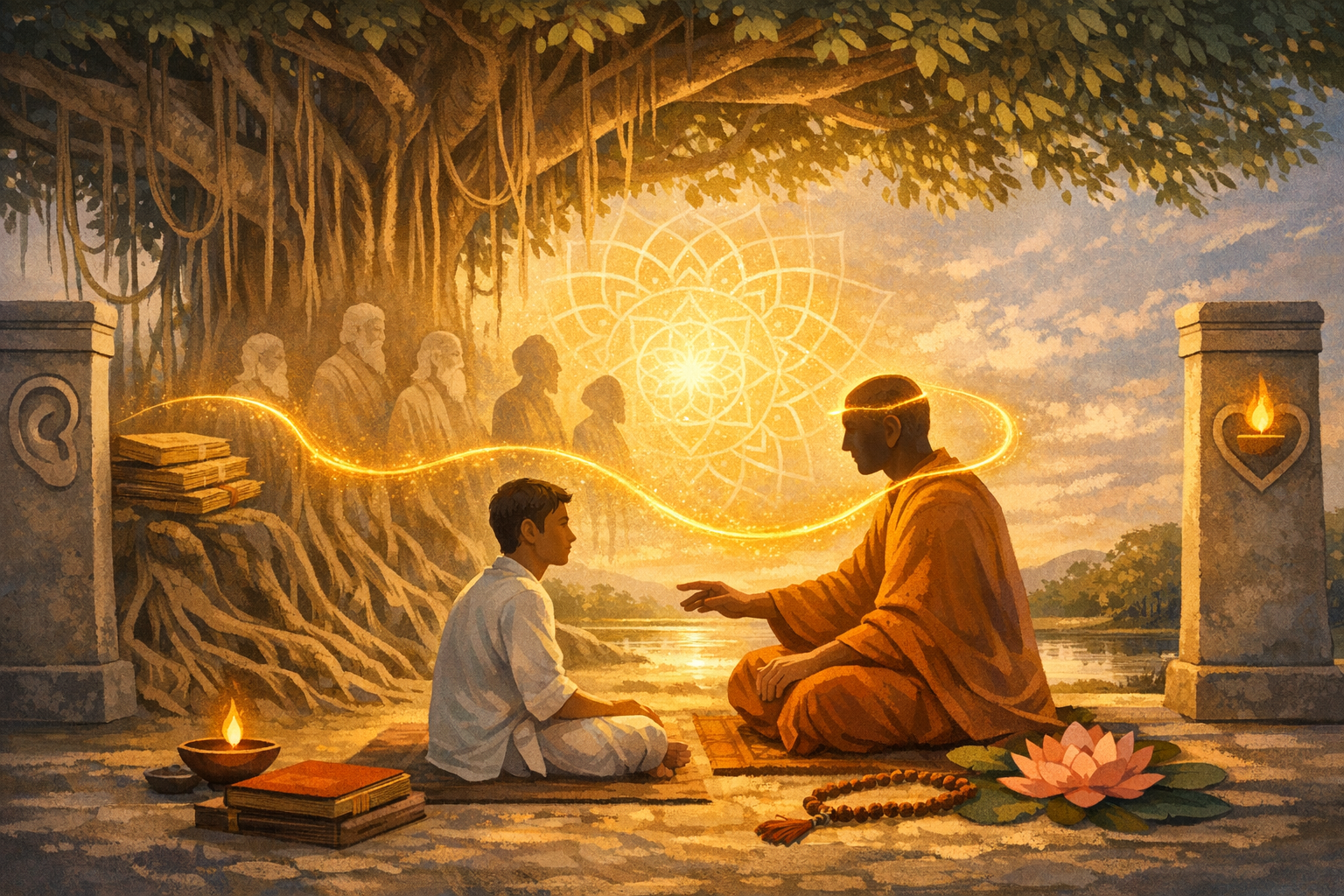
What makes a true guru, and how can seekers discern reliable guidance today? Drawing on the Upanishadic standard of “srotriyam” (lineage-grounded hearing) and “brahma-nistham” (unwavering dedication to the Supreme Truth), this analysis shows why parampara safeguards Vedic wisdom from speculation. It explains how a realized teacher blends scriptural fidelity with lived steadiness, aligning with the…
-
When Darkness Becomes Light: Dharmic Perspectives for Clarity, Compassion, and Unity

This essay unpacks the metaphor “Darkness from one side is light from the other side” through Hindu philosophy and its sister Dharmic traditionsBuddhism, Jainism, and Sikhism. Drawing on the Upanishads, the Bhagavad Gita, Advaita Vedanta, Nyaya, Samkhya, and Yoga, it explains why perspectives diverge and how disciplined methods convert contradiction into clarity. Jain Anekantavada and…
-
Why Nothing Is Ever Lost: Dharmic Wisdom to Transform Grief into Clarity and Peace

This long-form exploration explains why, across Hinduism, Buddhism, Jainism, and Sikhism, nothing is ever truly lostforms change while meaning, memory, and value continue. It clarifies Vedanta’s two levels of truth, showing how the atman remains untouched even as prakriti transforms. It integrates Buddhist dependent origination, Jain Anekantavada, and Sikh Hukam to present a unified dharmic…
-
Living Fully Now: Dharmic Science of Memory, Mindfulness, and Ethical Action

A simple lessontouching fire once teaches lasting respectunlocks a profound dharmic principle: live fully in the present while letting memory inform, not govern, wise action. Drawing on the Bhagavad Gita, the Yoga Sūtra, Buddhist mindfulness, Jain anekāntavāda, and Sikh simran, this analysis shows how experience becomes discernment across Hinduism, Buddhism, Jainism, and Sikhism. It connects…
-
Beyond Degrees: Reclaiming Education’s Purpose to Awaken Spiritual Identity and Shared Dharma
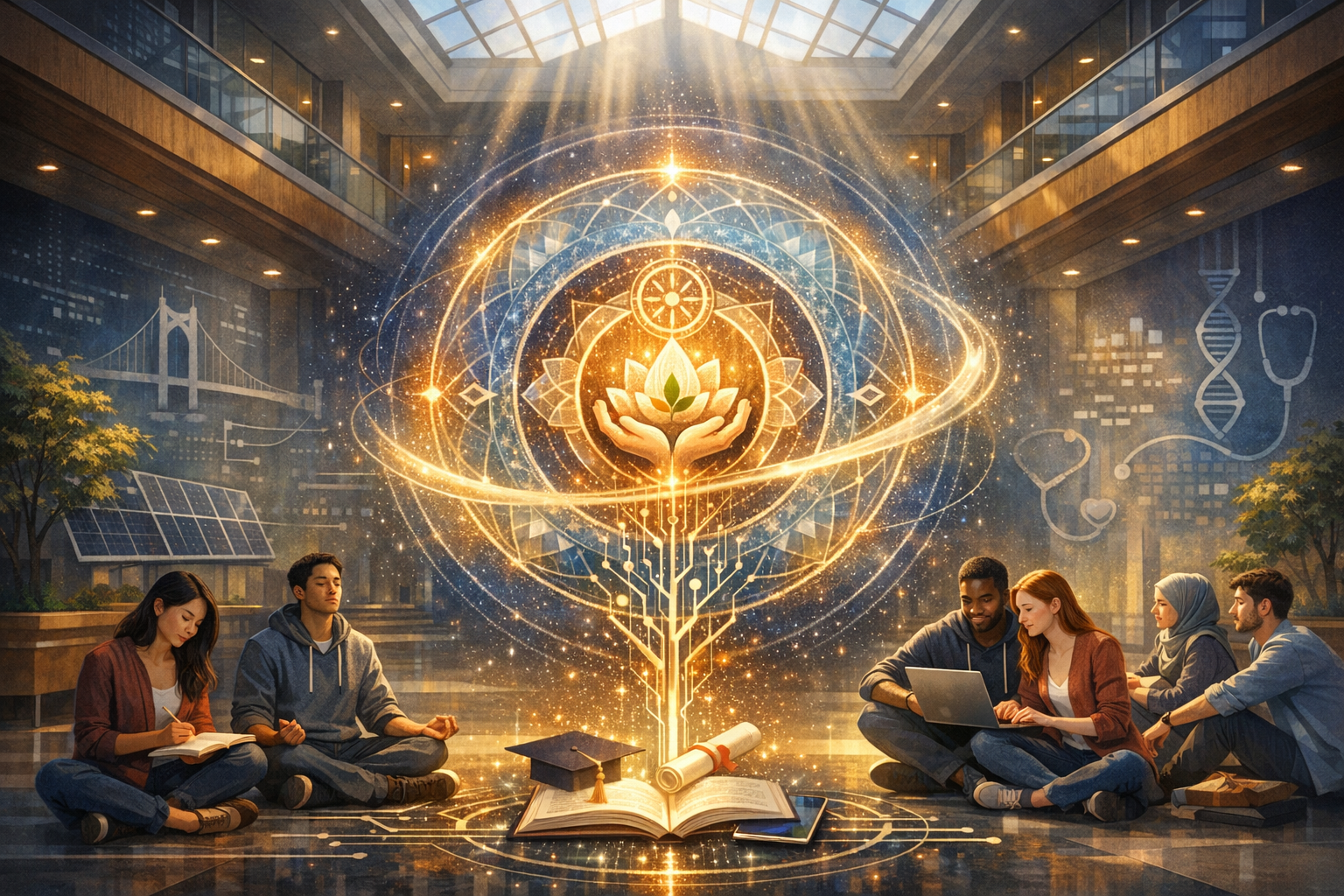
Modern education excels at producing skilled professionals, yet it risks losing its soul when detached from deeper purpose. This article proposes a rigorous, plural approach that integrates scientific excellence with dharmic insights from Hinduism, Buddhism, Jainism, and Sikhism. Drawing on frameworks like pañcakośa, UNESCO’s four pillars, and NEP 2020, it outlines research-aligned methods to cultivate…
-
At the Guru’s Last Breath: A Mango, Mindfulness, and the Taste of Immortality

A classical Hindu teaching story recounts a Guru who, at the threshold of death, uses a simple mango to demonstrate how breath awareness, mindful attention, and remembrance reveal the peace of the Atman. The narrative is analyzed through the Bhagavad Gita and the Upanishads, showing how last-thought psychology aligns with daily practice in dhyana, japa,…
-
S.R. Ramaswamy’s Enduring Legacy: Dharma, Journalism, and the Rescue of DVG’s Memory
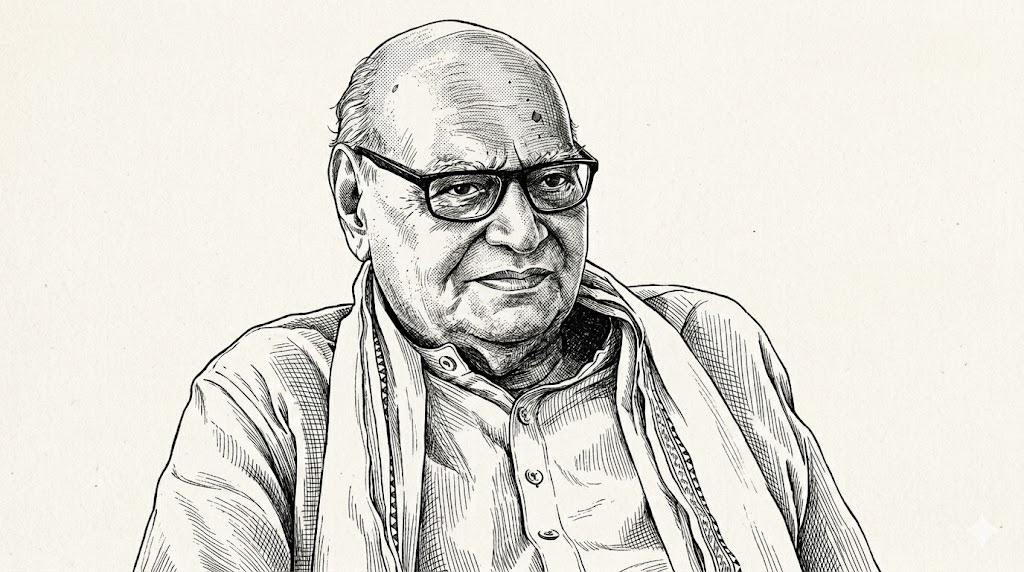
S.R. Ramaswamy (SRR) leaves an enduring legacy as a culture-shaping editor, institution-builder, and custodian of D.V. Gundappa’s (DVG) memory and thought. For nearly five decades he guided Utthana, embodying true journalism through integrity, workmanship, and a Gita-rooted ethic of action without attachment. He revived the Gokhale Institute of Public Affairs (GIPA), rescuing a critical platform…
-
The Sacred Power of Small Acts: Hindu Scriptures on Daily Compassion and Life Mastery

Hindu scriptures teach that extraordinary lives are shaped by small, sincere actions aligned with dharma. Drawing on the Bhagavad Gita, Ramayana, Mahabharata, and Bhāgavata Purāṇa, this essay shows how everyday kindnessseva, dana, dayā, and ahiṁsābecomes transformative spiritual practice. It translates classical teachings like Karma Yoga and the Yoga Sūtra’s citta-prasādanam into practical micro-ethics for modern…
-
BG 18.75 Unveiled: Vyāsa’s Grace, Kṛṣṇa’s Living Voice, and the Timeless Science of Yoga
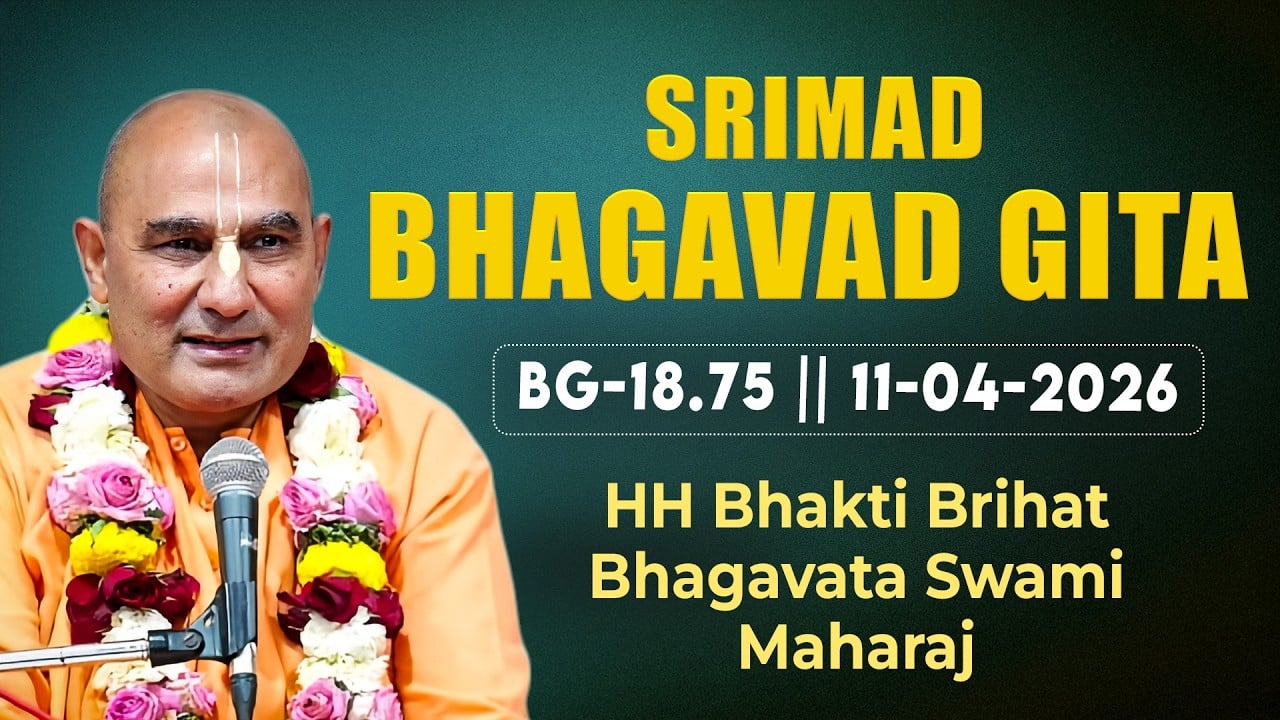
Bhagavad-gītā 18.75 crystallizes how liberating wisdom is known: by Vyāsa’s grace, Sañjaya directly hears Kṛṣṇa guiding Arjuna, modeling lineage-based transmission and receptive practice. The verse illuminates Vedic epistemologyśabda-pramāṇa, paramparā, and divya-dṛṣṭiwhile clarifying that “most confidential” teaching is inward profundity, not exclusion. By presenting Kṛṣṇa as Yogeśvara, it frames yoga as an integrated science of action,…
-
Embracing Sukha and Dukha: Dharma’s Transformative Science of Resilience and Freedom

This essay explains why Sanatana Dharma views Sukha (happiness) and Dukha (distress) as complementary threads woven into the fabric of life. Drawing on the Bhagavad Gita, the Yoga Sutra, and convergent insights from Buddhism, Jainism, and Sikhism, it shows how Dharma transforms hardship into clarity and compassion. Readers learn practical methodsKarma Yoga, Bhakti, Jnana, Raja…
-
The Most Vital Duty: Restoring Devotees Through Vaisnava Seva, Trust, and Dharmic Solidarity

The Vaisnava tradition emphasizes a clear responsibility: when a devotee falters, the community uplifts them through selfless service with Krishna at the center. This Krishna-centered seva cultivates trust, and trust nourishes love, forming the thread that binds all on the necklace of bhakti. Practical stepsgentle noticing, compassionate presence, structured reintroduction to kirtan, japa, scripture, and…