
-
Somvati Amavasya Fasting Masterclass: What to Eat, What to Avoid, and Safe Nirjala–Phalahari Plans
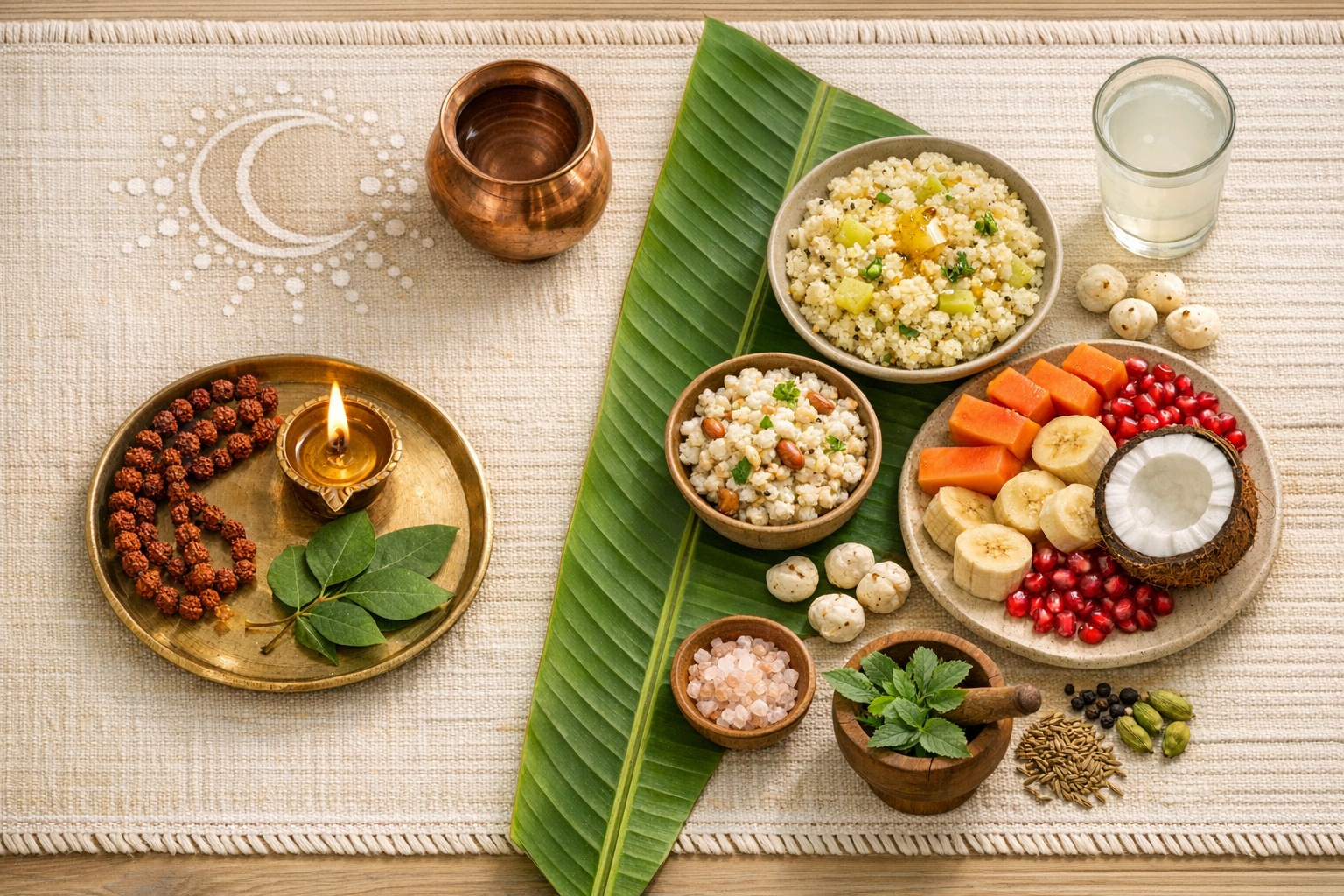
Somvati Amavasya is a powerful observance for inner quietude and ethical living, and its food code is central to the practice. This step-by-step guide clarifies what to eat and what to avoid for both Nirjala Vrat and Phalahari Vrat, grounding recommendations in sāttvika principles, customary practice, and Ayurvedic reasoning. Readers learn which vrat staples are…
-
Sacred Science of Nidra: Yogic Sleep in Vedas, Upanishads, and Ayurveda for Whole-Person Wellbeing

Nidra, or sleep, occupies a sacred and carefully defined role in yoga and Hindu scriptures: it stabilizes the nervous system, ripens sattva, and supports deeper meditation. The Upanishads interpret deep sleep as a vital experiential key to understanding consciousness, while Patanjali frames nidra as a distinct mental modification that can inform contemplative practice. The Bhagavad…
-
Jwarahareshwara Shiva: Rare Three-Headed Healer Guarding Humanity from Disease and Fear

Jwarahareshwara Shiva is a rare and powerful healing manifestation of Lord Shiva, envisioned with three heads, three legs, and six arms to symbolize balance, fearlessness, and compassionate protection. The form integrates Vedic portrayals of Rudra as the supreme healer with Puranic narratives that dramatize the pacification of disease and dread. Its triadic symbolism aligns closely…
-
As You Believe, So You Live: Hindu Dharma’s Science of Mindset, Health, and Longevity

This long-form analysis explores how dharmic wisdomHinduism, Buddhism, Jainism, and Sikhismanticipated modern findings on the mind-body connection by showing that belief (śraddhā, bhāva) measurably shapes healthspan and longevity. It integrates Bhagavad Gita and Yoga Sūtra insights with Ayurveda’s sattvavajaya and rasāyana, and aligns them with contemporary stress biology, autonomic regulation, and immune resilience. Practical guidance…
-
Panchamrita Abhisheka: Sacred Science, Symbolism, and Temple Tradition of the Five Nectars

Panchamrita Abhishekathe bathing of deities with milk, curd, ghee, honey, and sugar/jaggeryunites sacred symbolism, Ayurveda, and practical icon care. Sri Sri Ravishankar’s observation that these five are “like nectar” echoes Agamic and Puranic guidance and explains why they endure in temple ritual. Each substance contributes uniquely: milk cools and nourishes, curd clarifies, ghee protects, honey…
-
Atharva Veda Unveiled: The Fourth Veda That Bridges Ritual, Healing, and Daily Life
The Atharva Veda distinguishes itself from the Rig, Sama, and Yajur Vedas by extending Vedic wisdom into healing, household life, and public welfare while sustaining rigorous ritual and philosophical depth. It preserves two major recensions (Śaunaka and Paippalāda), the Gopatha Brāhmaṇa, and Atharvanic Upanishads like Muṇḍaka, Māṇḍūkya, and Praśna. Signature hymnssuch as the Bhūmi Sūkta,…
-
Cradled by Prakriti: A Dharmic and Science-Backed Guide to Caring for Mother Nature
This article reframes the classic insightGod as supreme source and nature as nurturing motherthrough a unified dharmic and scientific lens. Drawing on Hindu concepts of Prakriti, the pañca-mahābhūta, and guṇa theory, it aligns Vedic philosophy with modern ecology’s ecosystem services. It integrates Ayurveda’s seasonal and daily regimens to translate ecological literacy into embodied health. Ethical…
-
Bilva Tree and Goddess Lakshmi: Timeless Symbolism, Prosperity Rituals, and Sacred Ecology
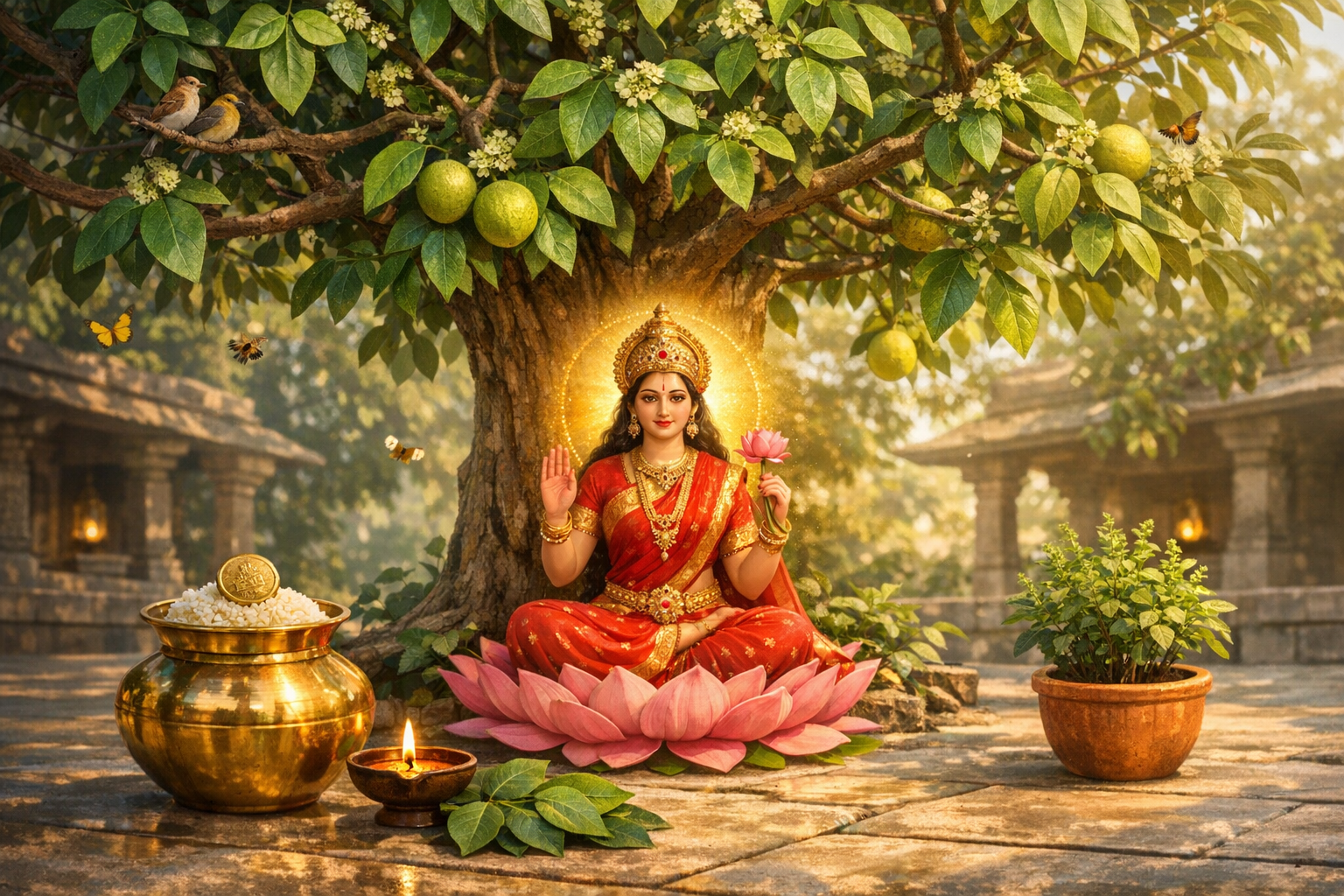
The Bilva tree (Aegle marmelos) is venerated in Hinduism not only as dear to Shiva but also as a sacred abode of Goddess Lakshmi, embodying durable, dharmic prosperity. This long-form exploration synthesizes scripture, ritual practice, Ayurveda, and temple ecology to show how Bilva bridges Śaiva and Vaiṣṇava devotion while nurturing household well-being. It explains the…
-
From Numb to Whole: How Emotional Suppression Derails Hormones, Gut Health, and the Nervous System

This case study traces how lifelong emotional suppression created nervous system dysregulation, hormonal imbalance (notably PMS), and gut-brain axis disturbancesand how listening to the body reversed these trends. It explains mechanisms (polyvagal theory, HPA/HPO axes, vagus nerve, microbiome) alongside Ayurvedic concepts (vata, pitta, kapha, agni) to show why symptoms escalated with “push through” strategies. Evidence-aligned…
-
Five Sacred Trees of Tantra: Living Altars for Deep Meditation and Inner Awakening

Tantric practitioners across the dharmic traditions purposefully select five sacred treesAśvattha (Peepal), Nyagrodha (Banyan), Bilva, Nimba (Neem), and Āmalakī (Amla)to create a stable, lucid environment for deep meditation. Each species contributes a distinct blend of scriptural symbolism, ayurvedic energetics, ecological benefit, and subtle-body alignment. The Peepal supports clarity and uplift; the Banyan grounds long sittings;…
-
Vedic Environmentalism: Dharmic Ethics for Sustainability, Ahimsa, and Planetary Care

This in-depth exploration of Vedic environmentalism presents a rigorous, dharmic framework for sustainability that unites Hinduism, Buddhism, Jainism, and Sikhism around shared ecological ethics. Drawing on the Īśā Upaniṣad, Bhūmi Sūkta, and the Bhagavad Gītā, it translates reverence into practical guidance on resource conservation, circular economy design, and Clean Energy transitions. It highlights sacred groves,…
-
Compassionate Destroyer: Kinnara Shiva, Divine Healer Who Burns Away Disease and Suffering

This study interprets Kinnara Shiva as a compassionate destroyer and divine healer within Hindu worship, framing disease and suffering through Shiva’s dual symbolism of purifying fire and cooling grace. It situates the epithet historically and doctrinally, clarifying that “Kinnara Shiva” functions as a living, vernacular honorific while grounding the healing theology in Sri Rudram and…
-
Kindling the Inner Agni: How Food, Breath, and Mind Shape Consciousness in Hindu Philosophy

This essay explores Agni as the inner principle of transformation in Hindu philosophy and across Dharmic traditions. It explains how food, breath, sensory inputs, and intention function as fuels for consciousness through the Upanishadic pañca-kośa model. Drawing from the Bhagavad Gītā’s sāttvika–rājasa–tāmasa framework and Ayurveda’s doctrine of Agni, it outlines practical protocols to strengthen clarity,…
-
Surya Damanotsavam 2026: Auspicious Sun-Worship on Chaitra SaptamiA Complete Guide
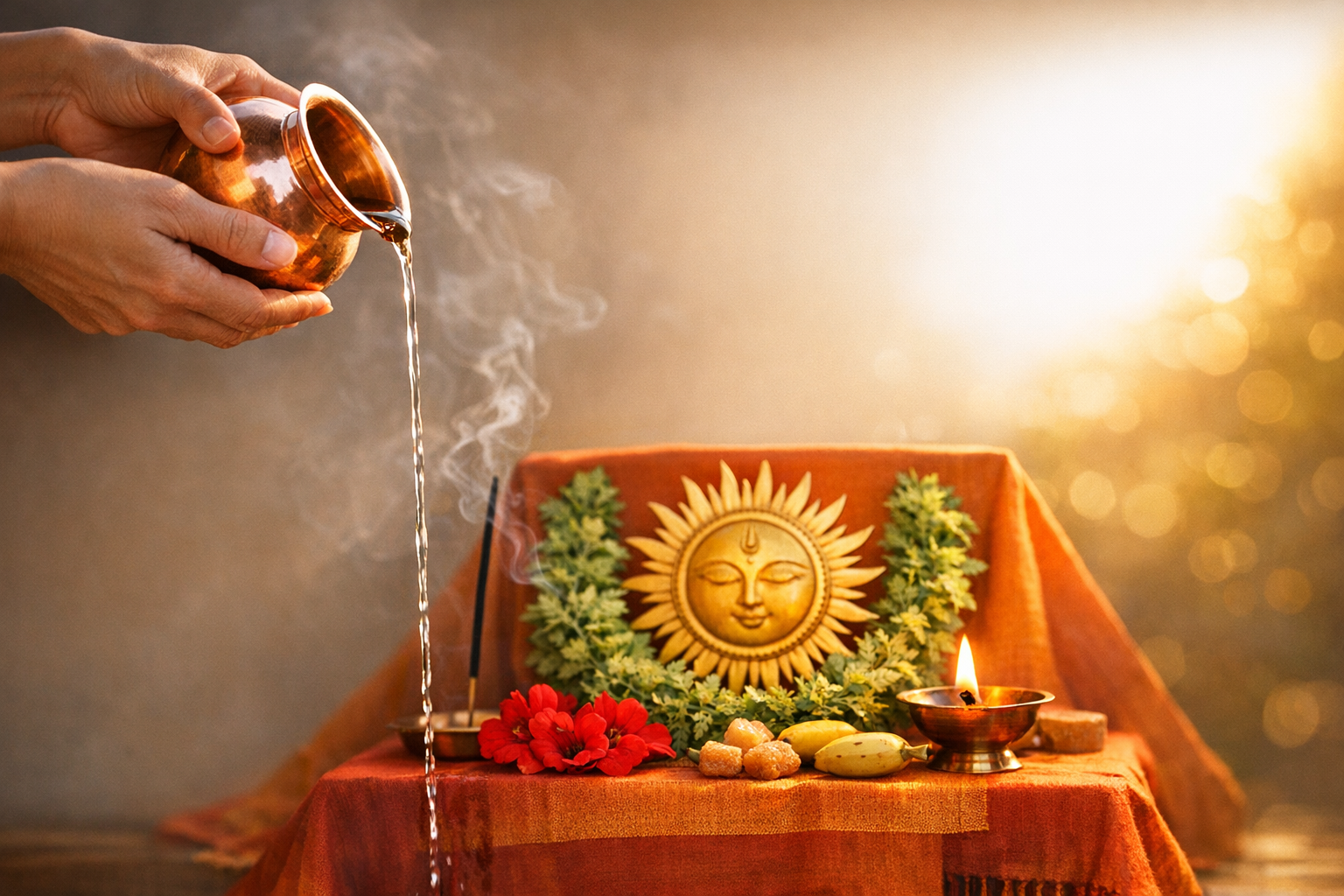
Surya Damanotsavam (Surya Damanaka Puja) falls on Chaitra Masa Shukla Saptami and, in 2026, occurs on Wednesday, March 25. Dedicated to Lord Surya and marked by the offering of Dhavanam (Artemisia pallens), the observance blends Vedic symbolism with regional temple traditions. This guide explains the lunar tithi basis of Saptami, why local panchang times matter,…
-
From Overwhelm to Ease: A Dharmic, Science-Backed Guide to Cooling an Anxious Mind

Anxiety can be cooled reliably by combining physiology, contemplative training, and ethical living. This guide bridges modern neuroscience with dharmic wisdom from Hinduism, Buddhism, Jainism, and Sikhism to offer practical tools that downregulate the nervous system. Readers learn how breath awareness, pranayama, and humming stimulate the vagus nerve and improve HRV for fast-acting calm. Somatic…
-
Yoga and Psychological Stress Relief: Evidence-Based Pathways to Calm, Clarity, and Resilience

HH Krishna Kshetra Swami’s address at China Medical University highlighted how the classical yoga tradition approaches stress through systematic preparation of the minduniting meditation, Pranayama, and ethics. This comprehensive analysis bridges those insights with contemporary psychophysiology, explaining how slow breathing boosts vagal tone, meditation reshapes attention and emotion, and ethical congruence reduces cognitive load. Practical…
-
Ganesha Damana Puja 2026: Damanak Chaturthi Date, Dhavanam Significance, Complete Vidhi
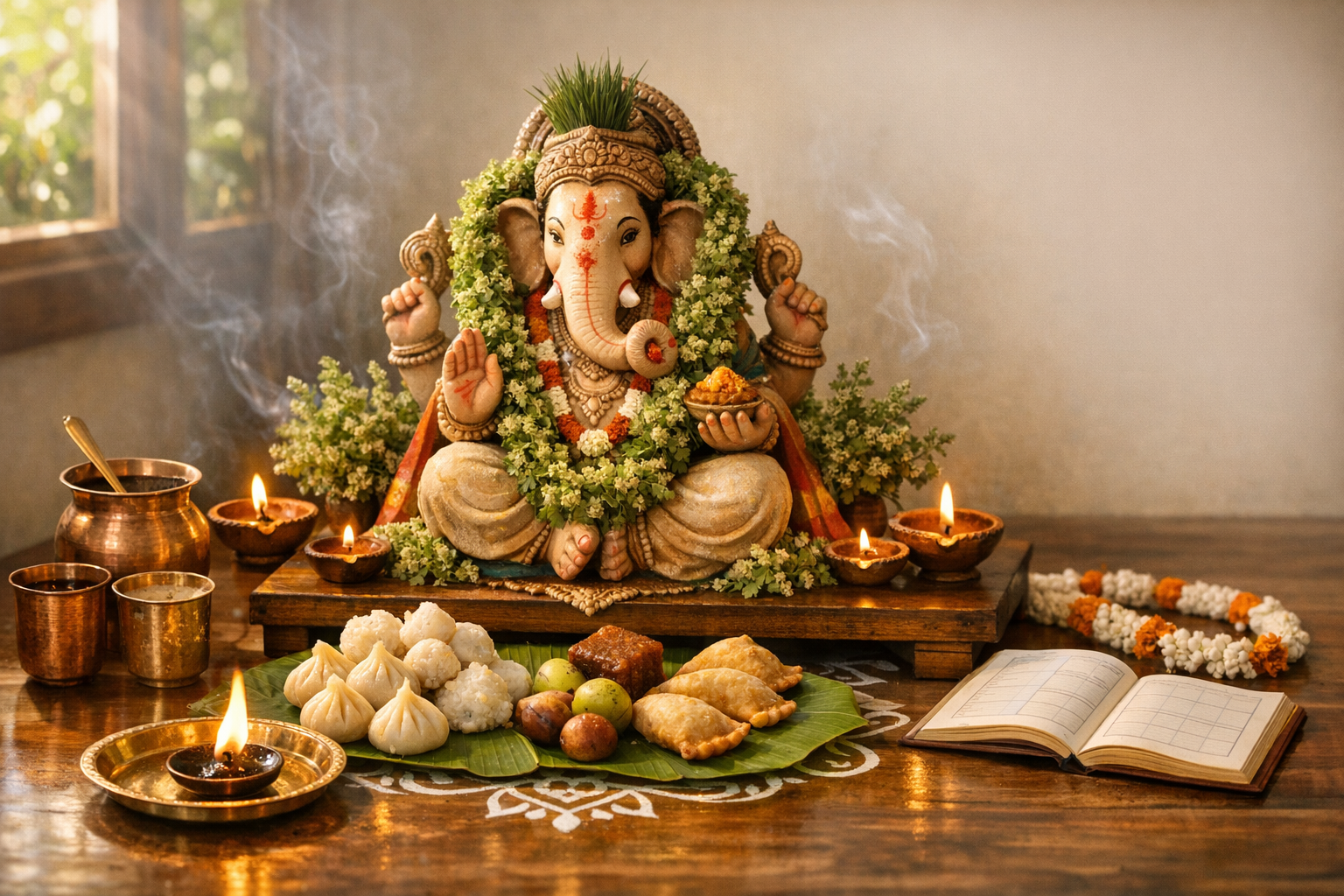
Ganesha Damana Puja (Damanak Chaturthi) in 2026 falls on 22 March, observed on Chaitra Shukla Chaturthi with the central offering of Dhavanam (Artemisia pallens). The rite follows the Vinayaka Chaturthi rule of performing the puja during the Madhyahna period on the day when Chaturthi prevails locally. This long-form guide explains the botanical identity and aromatic…
-
Healthy Jiva Seminar Insights: Harnessing Vedic Wisdom for Body–Mind–Atma Harmony and Resilience

The “Healthy Jiva” seminar by HH Bhanu Swami (Fri 06 Mar 2026) distilled a Vedic, evidence-aligned model of health that integrates the gross body, the subtle body, and the atma. It explained how imbalances propagate across layers, clarifying why mind-body practices such as asana, pranayama, meditation, and bhakti stabilize well-being. Drawing on tri-sharira, pancha-kosha, and…
-
Navaratri Vrata Mahatmyam: Scriptural Roots and Seasonal Science Behind Chaitra & Ashwin Fasts
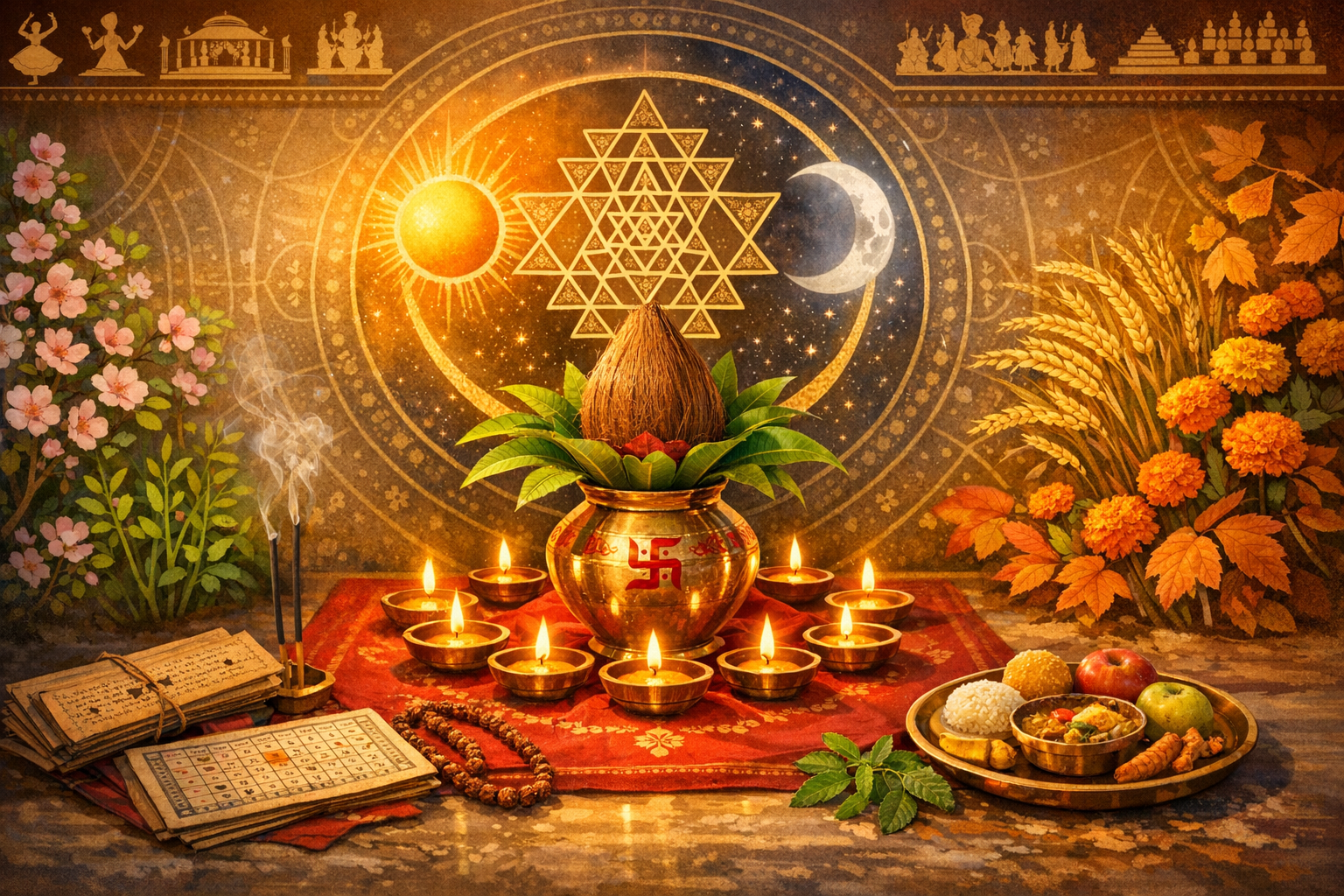
Navaratri Vrata Mahatmyam explains why the sacred nine-night fast centers on Chaitra and Ashwin: both occur at powerful seasonal junctions near the equinoxes, making them ideal for renewal and inner rebalancing. Scriptural foundations in the Devi Mahatmya and traditions attributed to Veda Vyasa affirm the efficacy of the vow when aligned with Shukla Pratipada to…
-
Dhanvantari Homam Explained: Benefits, Moolamantra, and Step-by-Step Vidhi for Lasting Health
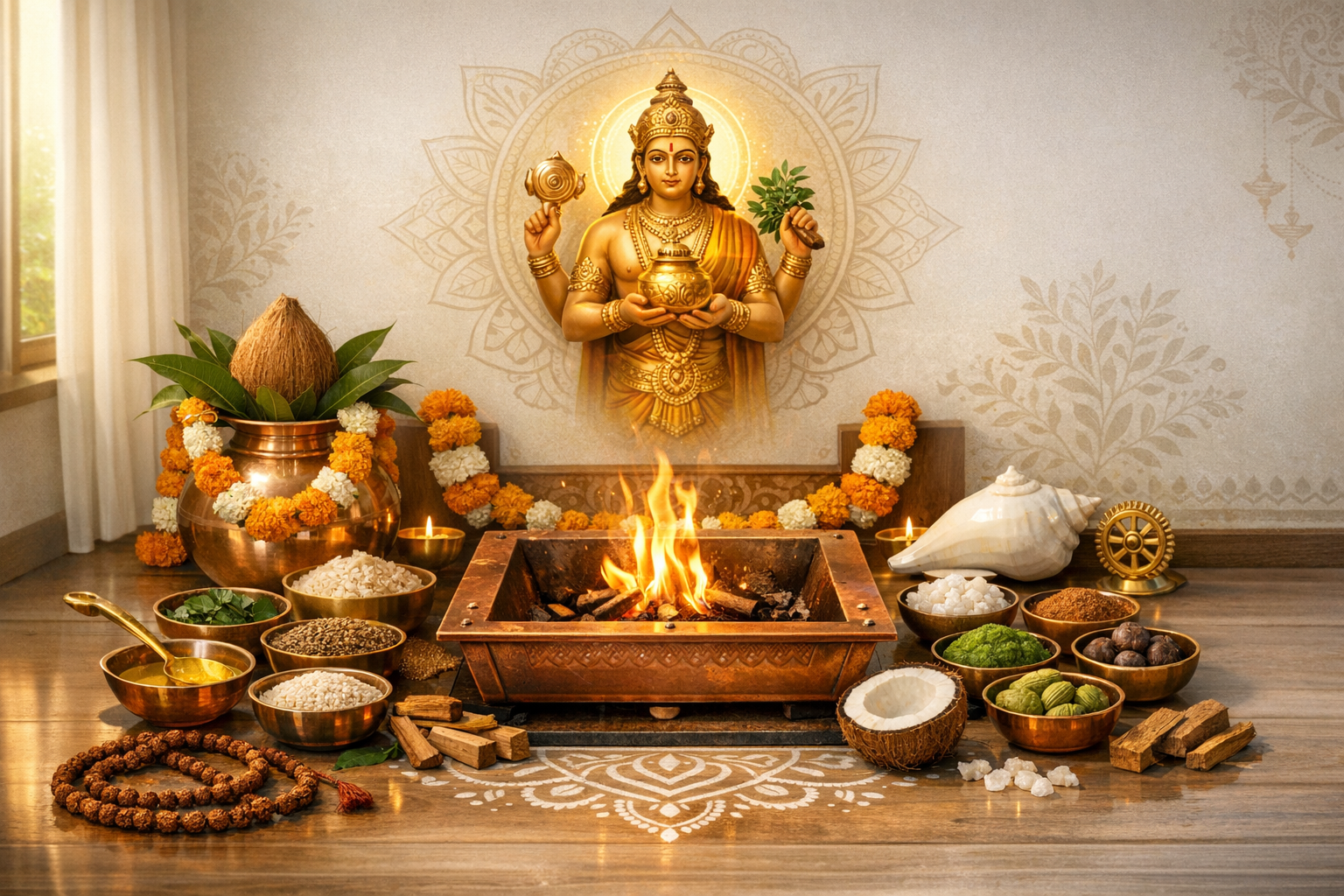
Dhanvantari Homam is a Vedic yagna to invoke Lord Dhanvantarithe Divine Physicianfor health, longevity, and the alleviation of disease. The rite integrates the Dhanvantari Moolamantra with disciplined vidhi and vidhana, aligning Ayurvedic symbolism and Havan Kund niyams with a clear, healing sankalpa. It is best performed on Dhanvantari Jayanti (Dhanteras), during Pushya Nakshatra, or in…