-
Janeu at the Exam Gate: What the KCET Row Reveals About Religious Freedom

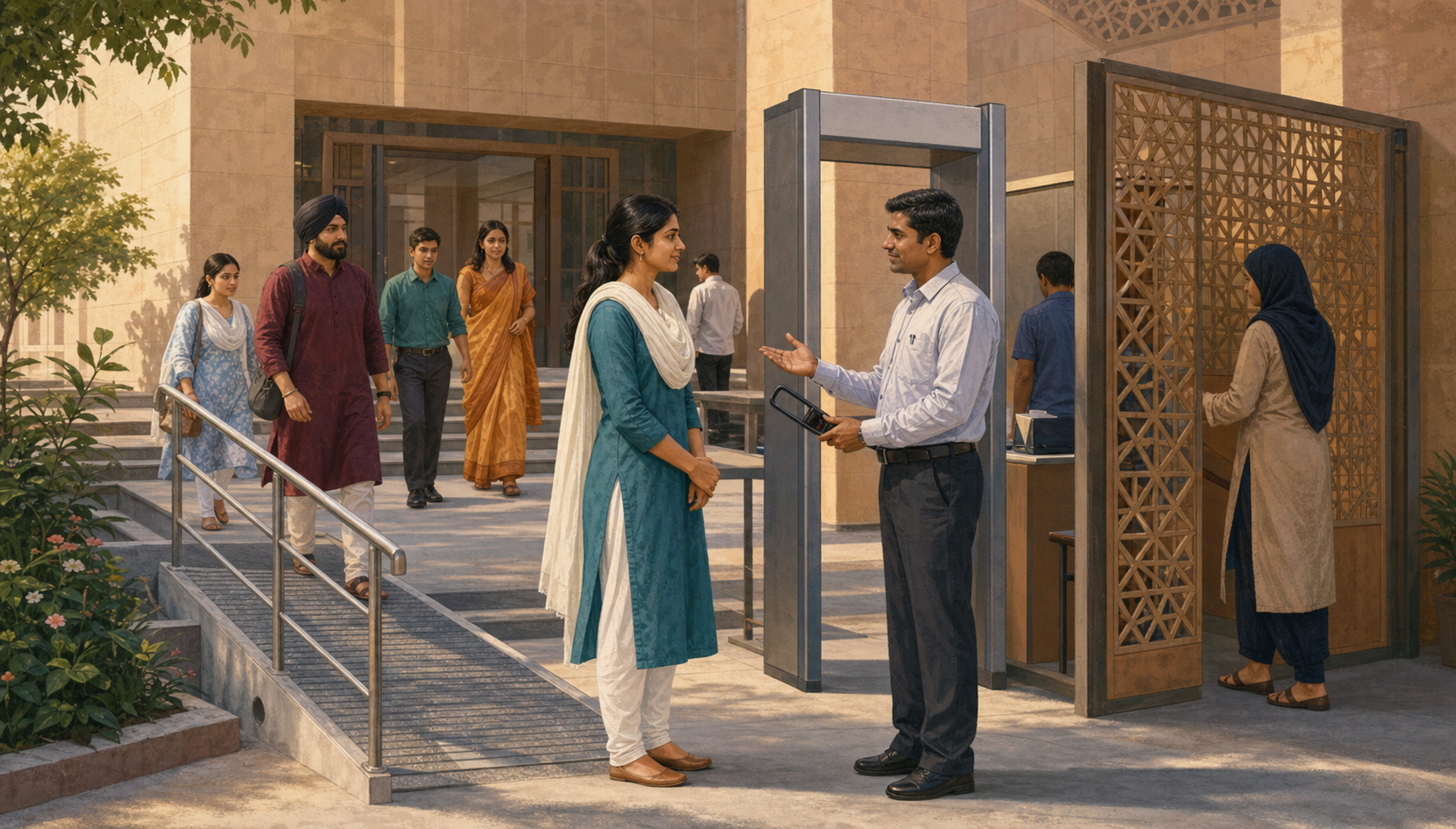
The Karnataka CET janivara row has raised important questions about examination security, religious freedom, and institutional sensitivity in Bharat. Reports that students were asked to remove the Janeu or Kalava before entering an examination hall show how routine procedures can become deeply personal when they touch sacred practice. This article explains the cultural significance of…
-
Alarming reports of organised conversions in Mumbai trains; HJS urges urgent, lawful probe

Reports indicate an organised religious conversion push inside Mumbai’s local trains, with HJS urging swift but lawful scrutiny. This analysis clarifies the constitutional balance under Article 25protecting the right to propagate religion while prohibiting force, fraud, or inducement as affirmed by Supreme Court jurisprudence. It outlines how railway norms, GRP/RPF roles, and general criminal provisions…
-
Nagpur Viral Video Spurs Probe: Harrowing Allegations of Rape, Blackmail, Forced Conversion, and Unity

A viral video from Nagpur has prompted an active police probe into allegations of rape, blackmail, extortion, and forced religious conversion, with two suspects reportedly in custody. The discussion situates these claims within India’s updated criminal law framework (BNS/BNSS) and the Information Technology Act’s cyber provisions, emphasizing survivor anonymity, evidentiary rigor, and due process. It…
-
Awaken Dharmic Unity: Ku. Kranti Petkar’s clarion call to safeguard faith, pluralism, and rights

At the Grand Hindu Convention in Wing, Ku. Kranti Petkar (HJS) urged a renewed, law-abiding pride in Dharma that strengthens Hindu Unity while honoring the broader dharmic familyHinduism, Buddhism, Jainism, and Sikhism. This analysis frames the call as a constitutional, ethical, and community-centered agenda that advances pluralism and public safety. It outlines practical Counterextremism steps…
-
Arunachal’s Decisive Move: 15 Unauthorised Mosque Sites Sealed to Protect Indigenous Land

On 6 June 2026, the Itanagar Capital Region administration sealed 15 unauthorised mosque sites in Arunachal Pradesh, framing the action as a rule-of-law measure aligned with indigenous land safeguards. This analysis explains how Articles 25–28 protect religious freedom while allowing the State to regulate land, safety, and planning for all places of worship. It situates…
-
Ahilyanagar Ganga Udyan Namaz row: safeguarding religious freedom, public order, harmony

Reports of collective Namaz at Ganga Udyan in Ahilyanagar sparked protests by local Hindu organisations and criticism from MLA Shri. Sangram Jagtap over administrative handling. This analysis explains how Article 25 protects religious freedom while allowing neutral, time-place-manner regulation to uphold public order and equitable access to parks. It outlines applicable frameworksstate police permissions, municipal…
-
Gaighata Wall Dispute Resolved: Decisive Police Mediation Restores Calm After Deity-Image Row

A brief dispute in Gaighata, North 24 Parganas, over deity images on a street-facing wall was peacefully resolved through police mediation, with the resident voluntarily removing the images. The episode highlights how constitutional rights under Article 25 and Article 19 intersect with public-order concerns and municipal rules. It demonstrates why community policinglistening sessions, neutral venues,…
-
Temple Lands at Risk? Why Maharashtra’s 2026 Devasthan Inams Draft Act Alarms Dharmic Bodies

Maharashtra’s proposed Devasthan Inams Abolition Draft Act, 2026 has raised alarms among temple trusts and dharmic institutions that rely on endowment-backed revenues for worship, welfare, and heritage conservation. This analysis clarifies what devasthan inams are, why they matter to community life across Hindu, Buddhist, Jain, and Sikh traditions, and how constitutional safeguards under Articles 25,…
-
Shyam Manav’s Pune Remarks Ignite Fierce Debate: Free Speech, Faith, and Social Harmony

A public programme in Pune featuring rationalist activist Shyam Manav sparked a forceful debate about the boundaries of criticism, constitutional protections for free speech, and the duty to uphold dignity around Hindu Dharma, saints, and traditions. This analysis frames the incident through a dharmic-unity lens, emphasizing shared values across Hinduism, Buddhism, Jainism, and Sikhism. It…
-
Calcutta HC upholds Bengal’s Bakri Eid cattle curbs, says cow sacrifice non-essential

Calcutta High Court has upheld West Bengal’s pre‑Bakri Eid notification that restricts cattle slaughter and bars public slaughter, clarifying that cow sacrifice is not an essential religious requirement of Islam. The bench led by Chief Justice Sujoy Paul and Justice Partha Sarathi Sen anchored its analysis in Article 25, stressing that religious freedom is subject…
-
West Bengal Flashpoint: Police Complaint Over Mamata Banerjee’s Alleged Anti-Hindu Remarks

A police complaint against Mamata Banerjee over alleged anti-Hindu remarks has ignited a West Bengal flashpoint where constitutional rights, statutory limits on hate speech, and communal harmony meet. This analysis explains the relevant IPC provisions (295A, 153A, 505), the Supreme Court’s tests for intent and harm, and the procedural safeguards including Section 65B electronic evidence…
-
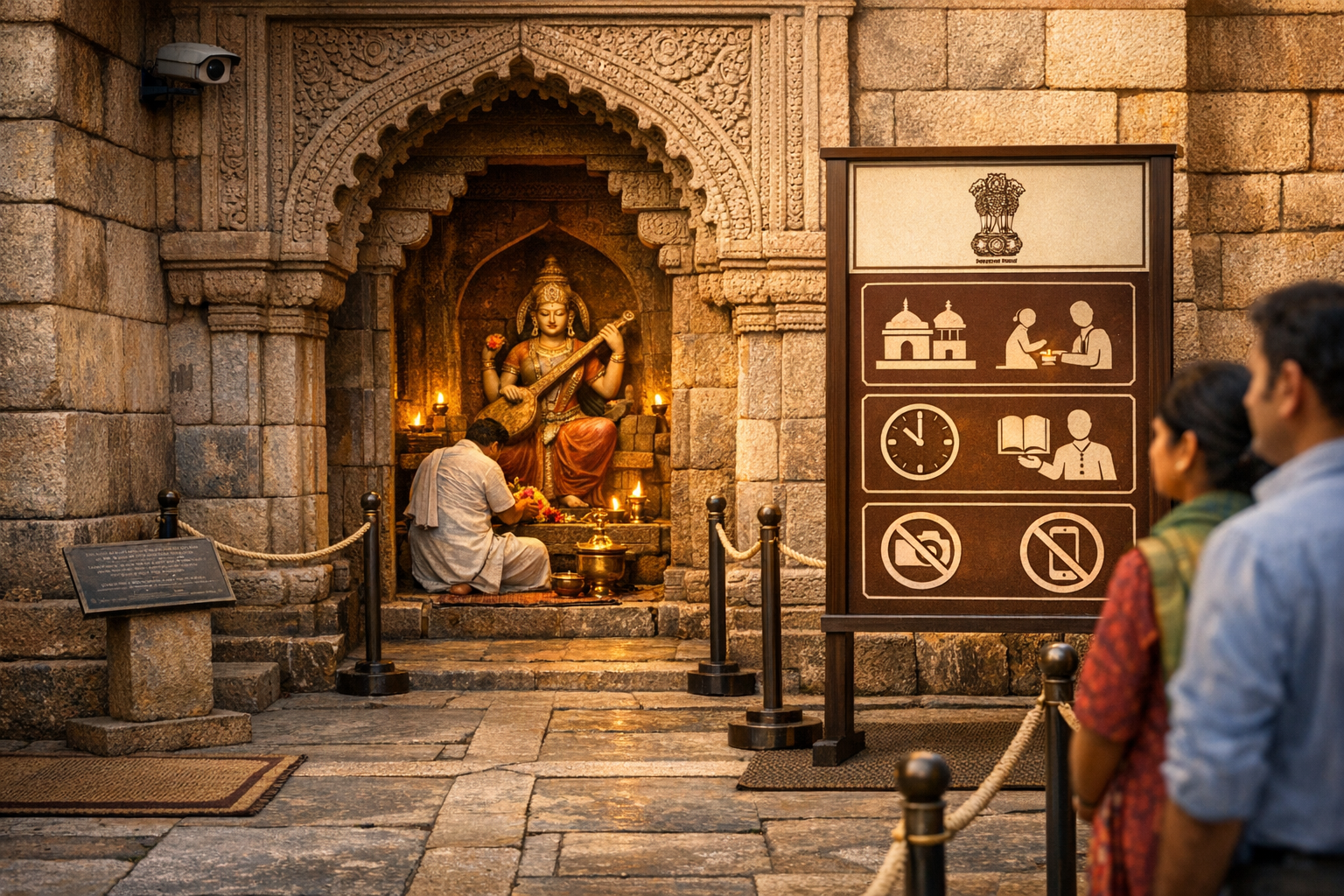
Bhojshala at a crossroads: Saraswati idol reportedly installed; entry rules tighten after court

Reports from Dhar, Madhya Pradesh suggest that a consecrated idol of Mata Saraswati has been installed at Bhojshala with daily worship commencing, and that entry protocols have tightened following a court directive. This analysis explains the legal frameworks (Articles 25–26, AMASR Act, and the Places of Worship Act) that shape permissible action. It outlines how…
-
Mandir Mahasangh’s Statewide Drive Challenges Maharashtra Devasthan Inam Abolition Draft 2026

Mandir Mahasangh has launched a statewide memorandum campaign opposing the Maharashtra Devasthan Inam Abolition Draft Act 2026, bringing temple autonomy and dharmic heritage to the forefront of policy debate. This analysis explains what Devasthan inams are, why abolition frameworks can affect core religious and charitable functions, and how Articles 25 and 26 shape constitutional limits…
-
Rajabazar Tension in Kolkata After Jumma Namaz Road Block: Upholding Law, Peace, and Pluralism

A brief dispute over Jumma Namaz on a public road in Kolkata’s Rajabazar highlighted a familiar urban challenge: balancing freedom of worship with the right to movement and livelihood. This analysis outlines the constitutional framework (Article 25 and Article 19), relevant judicial principles on the non-occupation of public ways, and Kolkata’s practice of permission-based, time-bound…
-
Maharashtra’s Devasthan Land Transfer Row: Legal Risks, Community Fears, and a Sensible Way Forward

The Maharashtra Mandir Mahasangh has warned of a statewide agitation against a proposed law enabling transfers of Devasthan lands, citing fears of land mafia capture and erosion of sacred trusts. This analysis maps the constitutional guardrails (Articles 25, 26, and 300A), the statutory framework of the Maharashtra Public Trusts Act, 1950, and key Supreme Court…
-
Panaji Police HQ Protest: Hindus Demand Equal Action on Hate Speech, Uphold Rule of Law

Hundreds of citizens gathered outside the Panaji Police Headquarters in Goa, contending that laws on derogatory religious speech are being enforced unevenly. Protesters cited the swift arrest of Gautam Khattar over remarks about St. Francis Xavier and demanded similar urgency when Hindu deities and traditions are mocked. The analysis situates their demand within India’s constitutional…
-
Sindhudurg Memorandum: HJS, Mandir Mahasangh urge funding transparency to safeguard temple autonomy

A joint memorandum in Sindhudurg by Hindu Janajagruti Samiti (HJS) and the Maharashtra Mandir Mahasangh urges the state to improve funding transparency for religious education, proportionately address illicit financial flows into extremism, and protect Hindu temple autonomy. The submission frames these as constitutional, administrative, and cultural priorities that build public trust. It recommends neutral, parity-based…
-
Karnataka CET Uproar: Sacred Janeu Cut Spurs Police Probe, Rights Debate, and Reforms

An alleged cutting of a Hindu student’s janeu at a Karnataka CET centre has ignited a vital debate on how exam security can coexist with constitutional protections for religious practice and student dignity. This analysis explains the sacred significance of the yajnopavita, situates the incident within Article 25 and Article 21, and applies the proportionality…
-
Urgent Call to Enforce Maharashtra’s Anti-Conversion Law in Nashik TCS Case, With Due Process

The Nashik TCS case has prompted a focused demand to apply Maharashtra’s emerging anti-conversion framework with rigor and due process. Grounded in Article 25 and the Supreme Court’s jurisprudence, the analysis explains how state Freedom of Religion Acts are designed to deter force, fraud, and allurement without chilling voluntary faith choices. It outlines practical steps…