-
Mahamaya’s Triumphant Illusion: How Adi Shakti Humbled Madhu-Kaitabha and Ego
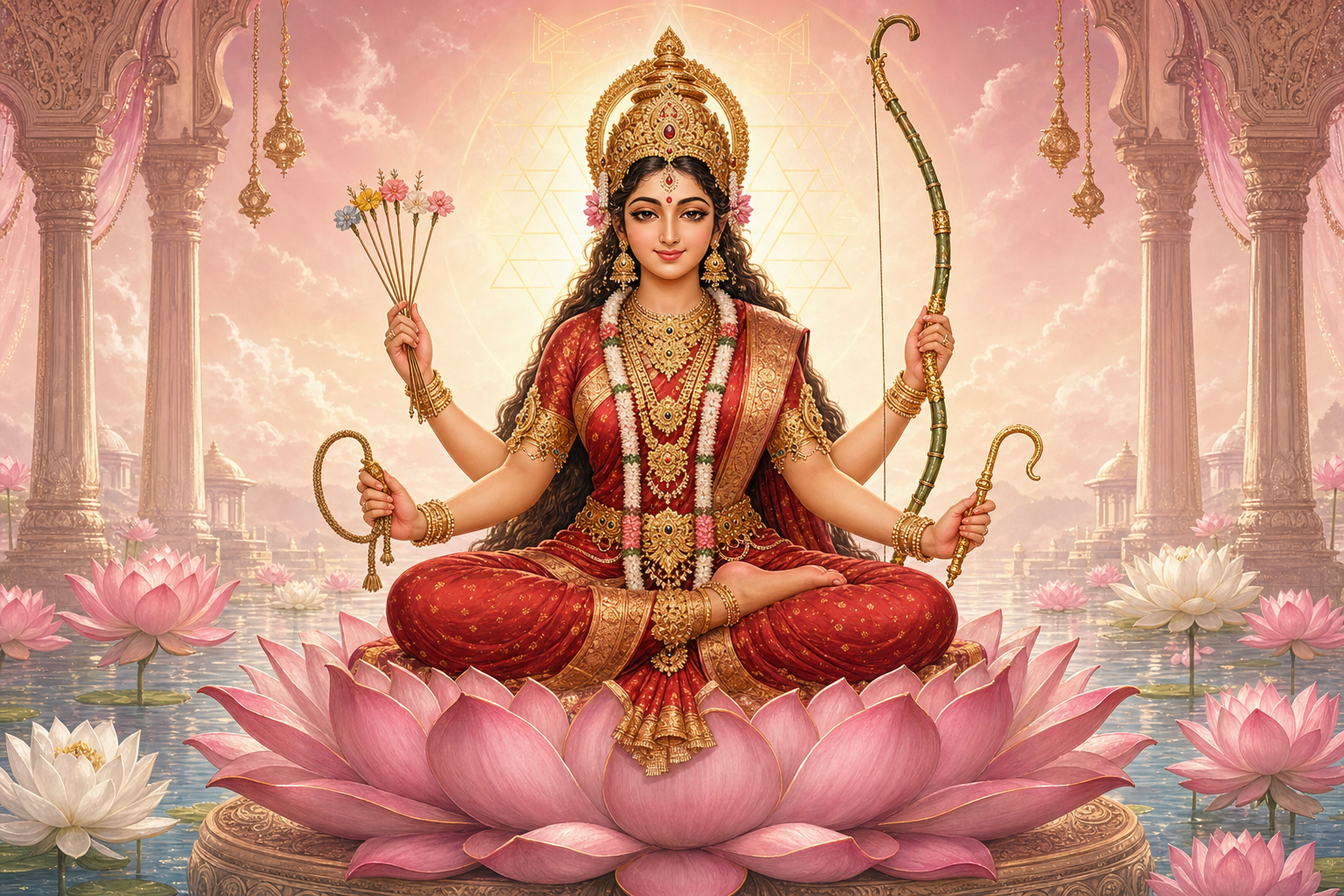
The Devi Mahatmyam’s account of Mahamaya and the defeat of Madhu–Kaitabha illuminates how Adi Shakti restores balance when arrogance threatens creation. The narrative shows Maya as both veil and revealer, empowering discernment (viveka) and humility over ego. Readers gain a clear retelling of the episode, a careful unpacking of Hindu symbolism, and practical ways to…
-
Majestic Legacy of Kubera: Guardian of the North and Lord of Wealth Revealed

Kubera—Lord of Wealth, King of the Yakshas, and guardian of the northern direction—embodies prosperity grounded in dharma. Rooted in Hindu scriptures and echoed across Buddhist and Jain traditions (as Vaisravana and through Yaksha guardianship), his story aligns material abundance with ethical responsibility. The Mahabharata acclaims him as radiant and exemplary, while Puranic lineages present a…
-
Timeless Foundations of Dharma: Gautama’s Dharmasutra on Law, Ethics, and Daily Life
Gautama’s Dharmasutra is among the earliest and most influential Hindu scriptures on law, ethics, and social order, dated to roughly 600–400 BCE. It systematically codifies duties, rites, legal procedures, and penances, shaping the foundations of the Hindu legal system. Its ethical core—non-violence, truthfulness, generosity, and self-restraint—resonates across Buddhism, Jainism, and Sikhism, reinforcing unity among dharmic…
-
Mahahavis and Chaturmasya: Unveiling the Sacred Cycle of Great Vedic Offerings

Mahahavis, the “great offering,” takes center stage within the Chaturmasya cycle of Vedic rituals, which comprises Vaishvadeva, Varuna-praghasa, and Sakamedha at four-month intervals. Set in the Shrauta tradition of ancient India, this sequence affirms reciprocity, ecological care, and cosmic order through ishti-type sacrifices. The concluding role of Sakamedha highlights the integrative purpose of the cycle,…
-
Decoding Kali’s Fierce Grace: Kali Tantra Symbolism, South-Facing Form, and Liberation

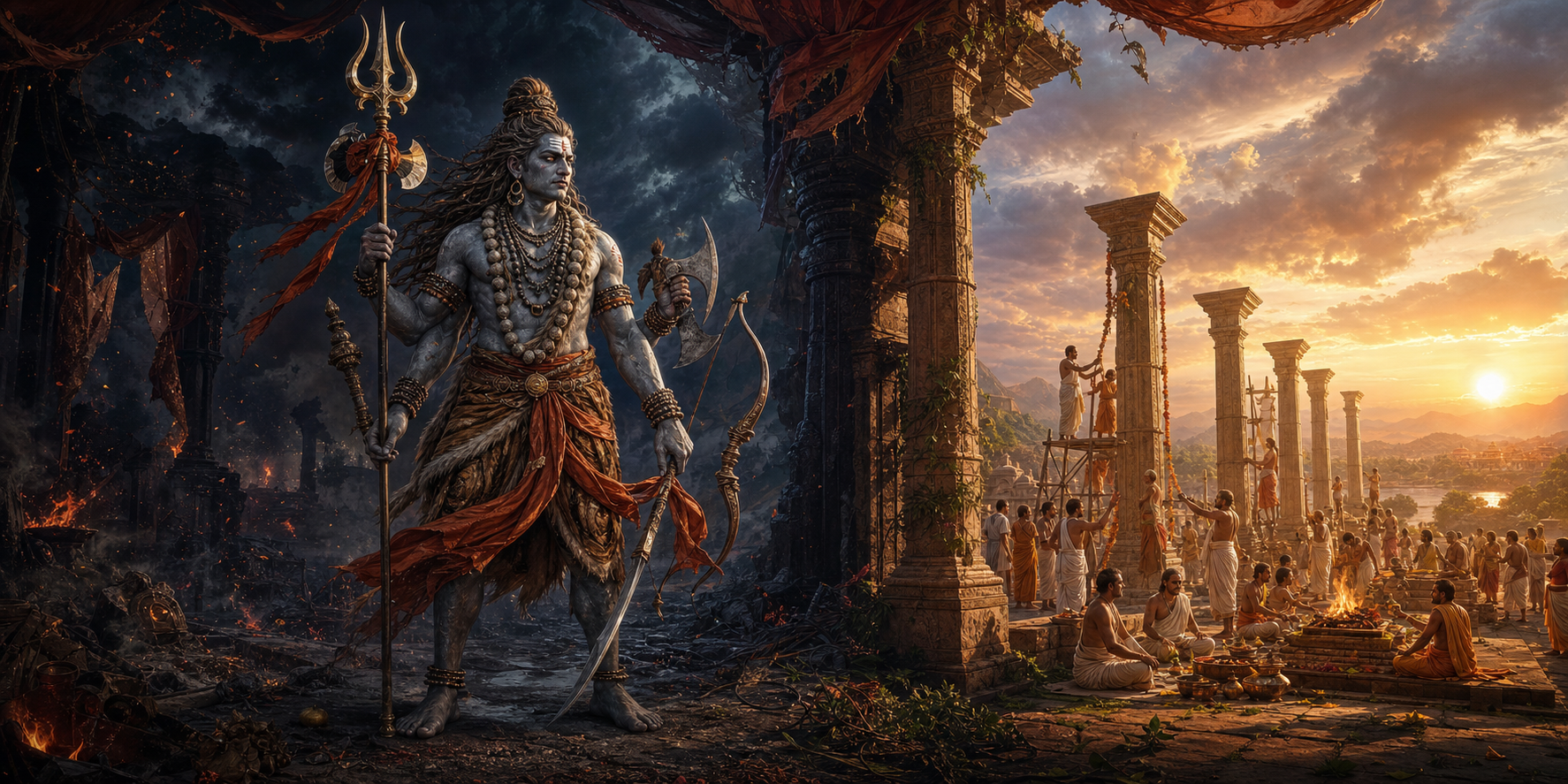
The Kali Tantra presents Goddess Kali as the south-facing embodiment of fierce grace, uniting destruction and liberation in a single, illuminating form. Kali’s orientation toward the south symbolizes a fearless encounter with death and change, transforming dread into wisdom. Her sword signifies discriminating insight, while the cremation-ground setting teaches impermanence without despair. Mudras of fearlessness…
-
Lucknow University Conference on Hindutva Calls for Teaching Hindu Texts to Enrich Curriculum

A national conference at Lucknow University on 20 January 2026 explored how the study of Hindu texts can be academically integrated into university curricula. Framed as civilizational inquiry rather than partisanship, the dialogue emphasized comparative study across Hinduism, Buddhism, Jainism, and Sikhism. Proposed pathways included electives, reading seminars, philological methods, and interdisciplinary courses that connect…
-
Why Madanaratna Still Matters: Illuminating Dharmashastra, Law, and Ethics from Kashi

Madanaratna—also known as Madanaratnapradipa and Madanapradipa—stands as a notable Dharmashastra compendium that illuminates ancient Indian law, ethics, and social order. Attributed to Vishvanatha of Kashi, it reflects the intellectual vitality of Sanskrit scholarship and the disciplined transmission of legal-ethical knowledge. The text’s layered titles evoke the imagery of a jewel and a lamp, signaling guidance…
-
Sri Hanumad Ramayana: The Awe-Inspiring Himalayan Legend of Hanuman’s Sacred Epic

The legend of the Hanumad Ramayana tells of Lord Hanuman inscribing an early Ramayana on Himalayan rocks and then humbly effacing it to honor Valmiki’s destined epic. Presented as a sacred teaching story rather than a recoverable text, it illuminates core values of devotion, service, and humility. The narrative enriches understanding of Hindu scriptures as…
-
Bhojavritti on Patanjali’s Yogasutra: A Brilliant Royal Exegesis Illuminating Yoga Philosophy

Bhojavritti (Rajamartandavritti) is a lucid and faithful Sanskrit commentary on Patanjali’s Yogasutra by Bhoja, the versatile king of Malava (1018–60 CE). It clarifies the internal meaning of the sutras while preserving their precision, making complex ideas accessible to careful readers. Drawing on Bhoja’s broad learning—from Ayurveda to governance—the work illuminates Yoga’s ethical, psychological, and contemplative…
-
Kulluka Bhatta’s Manvarthamuktavali: A Brilliant Beacon in India’s Dharmashastra Heritage

Kulluka Bhatta’s Manvarthamuktavali shaped how generations interpret the Manusmriti, blending Mimamsa hermeneutics and Nyaya reasoning to clarify a foundational Dharmasastra text. Situated in Varendra Bengal and remembered as the son of Bhatt-ivakara, Kulluka’s biography points to vibrant medieval Sanskrit networks. His commentary stabilized a widely read recension, influenced later editions and translations, and refined debates…
-
Atala in the Puranas: Awe-Inspiring Splendor of the Hidden Realm Beneath Bhuloka

Atala, the first of the seven Patala-lokas beneath Bhuloka, is portrayed in the Puranas as a realm of radiant beauty rather than infernal gloom. Drawing on the Bhagavata Purana and Vishnu Purana, this article clarifies Atala’s place in Hindu cosmology and explains how its opulence complements broader philosophical themes of maya and discernment. It offers…
-
Pitrgatha in the Matsya Purana: Sacred Hymn of Ancestral Blessings, Duty, and Legacy

The Pitrgatha (Song of the Manes) in the Matsya Purana (204.3–17) presents the ancestors’ own voice, offering blessings while affirming ethical duty. It frames Shradh not merely as ritual, but as a living ethic of compassion, truth, and generosity. The hymn’s dialogic form draws readers into a personal encounter with ancestral legacy. Its themes resonate…
-
Pavamana Suktam in the Rig Veda: Timeless Hymn of Soma, Purity, and Dharmic Unity

Pavamana Suktam (Rig Veda 9.1.1–10) opens the Soma Mandala with a powerful vision of purification, clarity, and renewal. Attributed to Madhucchanda and composed in the Gayatri meter, it functions as both liturgical chant and contemplative text. The imagery of Soma’s sacred flow symbolizes inner transformation, aligning with shared values across Hinduism, Buddhism, Jainism, and Sikhism.…
-
Dharmaskandha in Chandogya Upanishad: Three Pillars of Vedic Life for Timeless Ethical Living

Dharmaskandha in the Chandogya Upanishad (2.23.1) presents three complementary pillars of Vedic life: the Vedic student, the householder, and the forest-dweller. Together they integrate disciplined learning, social responsibility, and contemplative depth into a unified ethic. This triad offers a relatable blueprint for modern living—continuous education, family and civic stewardship, and mindful simplicity. The framework resonates…
-
Chatus Sana in Hinduism: The Eternal Four Sages of Brahma and Their Timeless Wisdom

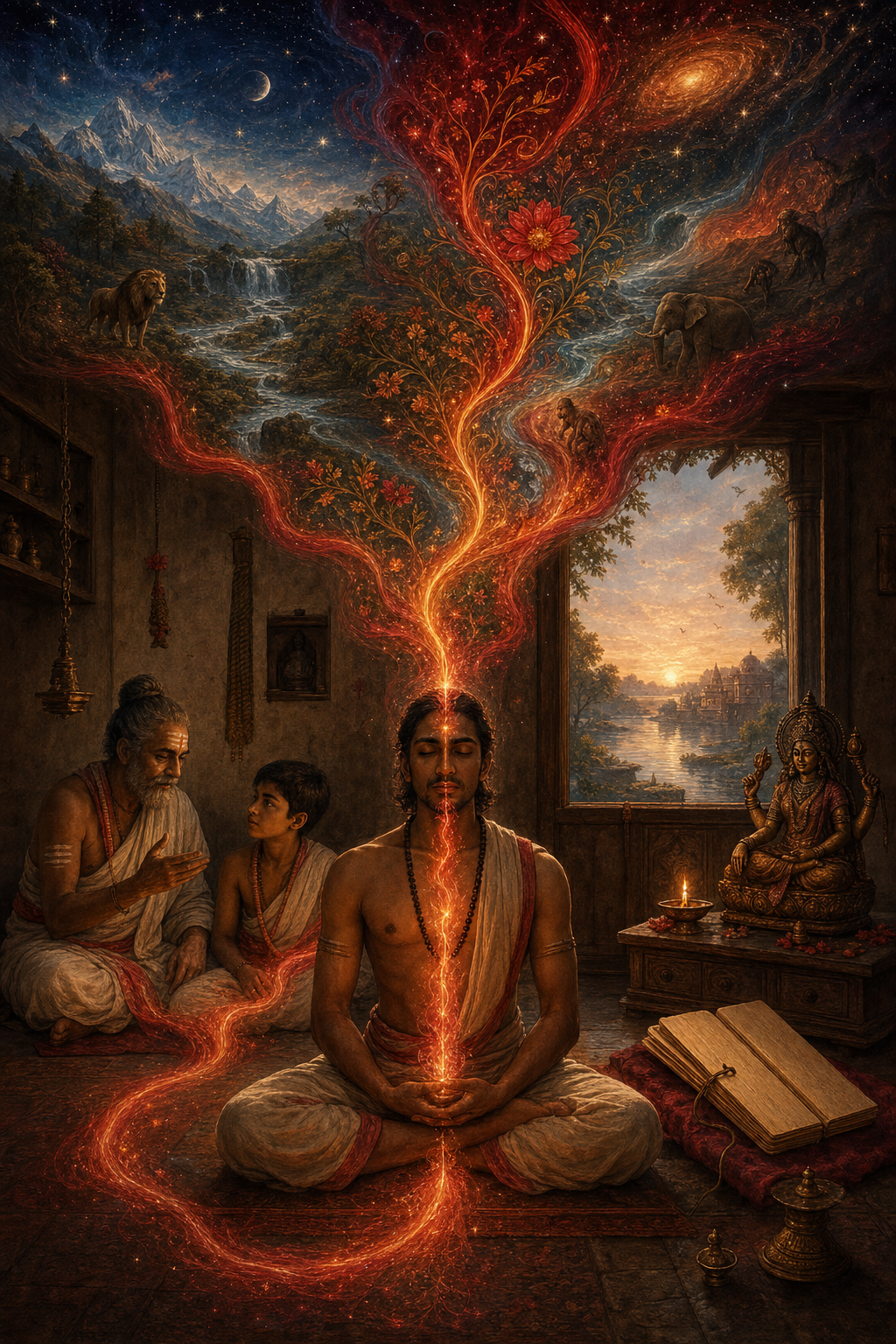
The Chatus Sana—Sanaka, Sanatkumara, Sanatsujata, and Sanandana—are revered in Hinduism as the eternal, mind-born sages of Brahma who embody purity, wisdom, and spiritual knowledge. Their presence across the Puranas, the Mahabharata, and the Upanishads highlights a shared commitment to contemplation, ethical clarity, and inner freedom. Sanatkumara’s Upanishadic teaching, Sanatsujata’s discourse on deathlessness, and Sanaka and…
-
Aruna’s Incomplete Form: Hindu Symbolism of Patience and Dharma in Surya’s Charioteer

Aruna, the charioteer of Surya, is portrayed with an incomplete lower body to convey a precise ethical message: impatience deforms outcomes, while patience enables wholeness. Rooted in Ancient Hindu Texts and the Mahabharata, the narrative of Vinata’s premature act and Aruna’s emergence becomes a timeless lesson in timing, restraint, and service. As the personification of…
-
Indrajala Unveiled: The Ancient Hindu Art of Illusion, Ethics, and Dharmic Harmony

Indrajala—literally the “web” or “net” of Indra—names an ancient Hindu art of illusion included among the 64 kalas. Classical sources present it as a disciplined skill in shaping perception across ritual, theatre, and strategy. Read as a dharmic metaphor, it mirrors ideas of maya and interconnection often associated with Indra’s Net. Framed ethically within dharma…