-
Congress, Khilafat, and the Crucial Question of Defending India Under British Rule

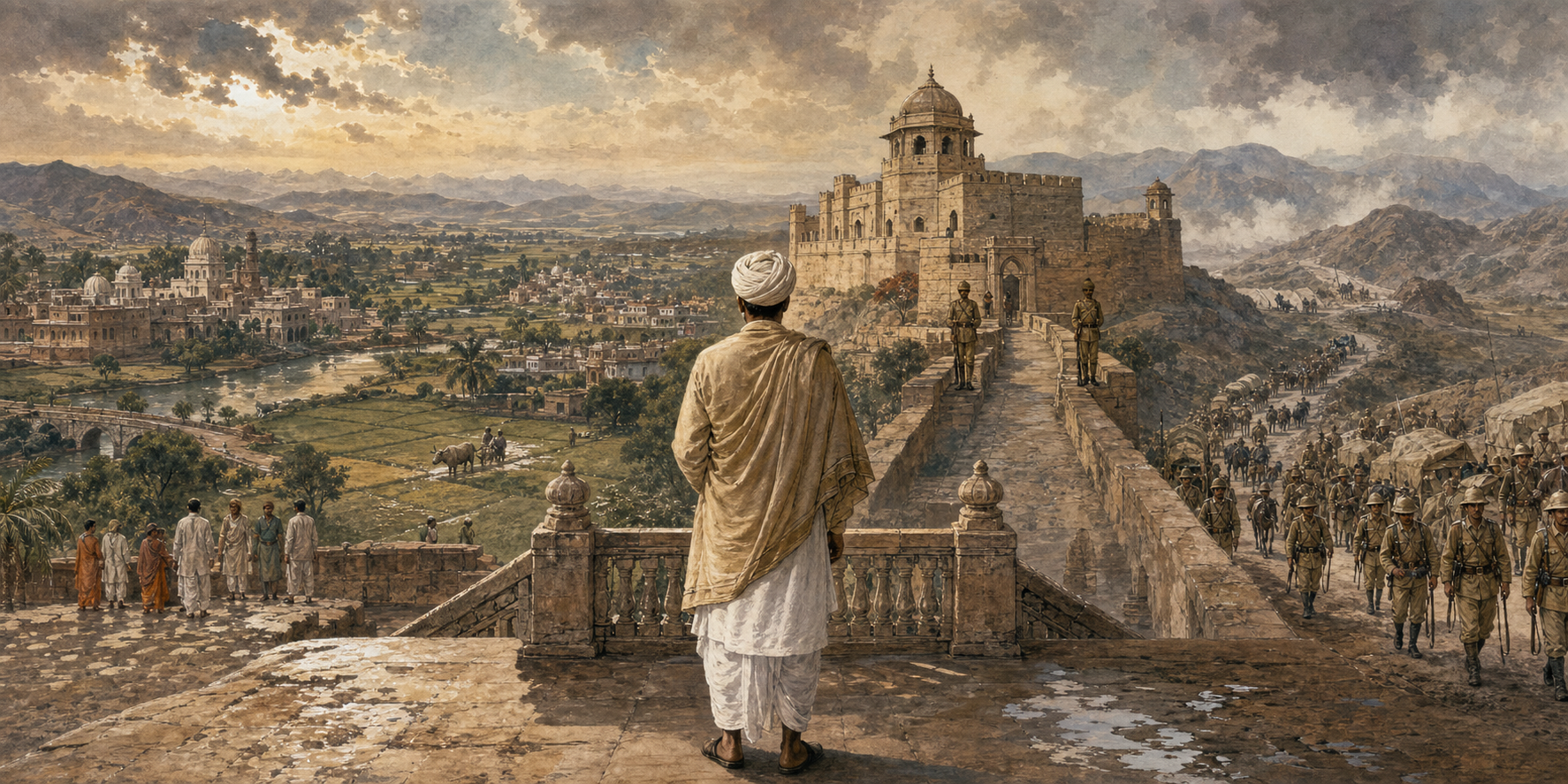
This study examines how Congress, the Khilafat leadership, the Muslim League, and British authorities approached national defence during the crises of 1921 and the Second World War. It explains why opposition to colonial rule did not remove India’s need to resist foreign conquest. Statements attributed to Maulana Abul Kalam Azad and Lala Lajpat Rai are…
-
Malegaon 1921: Untold Lessons from the Khilafat Unrest, Gandhi’s Strategy, and Communal Healing

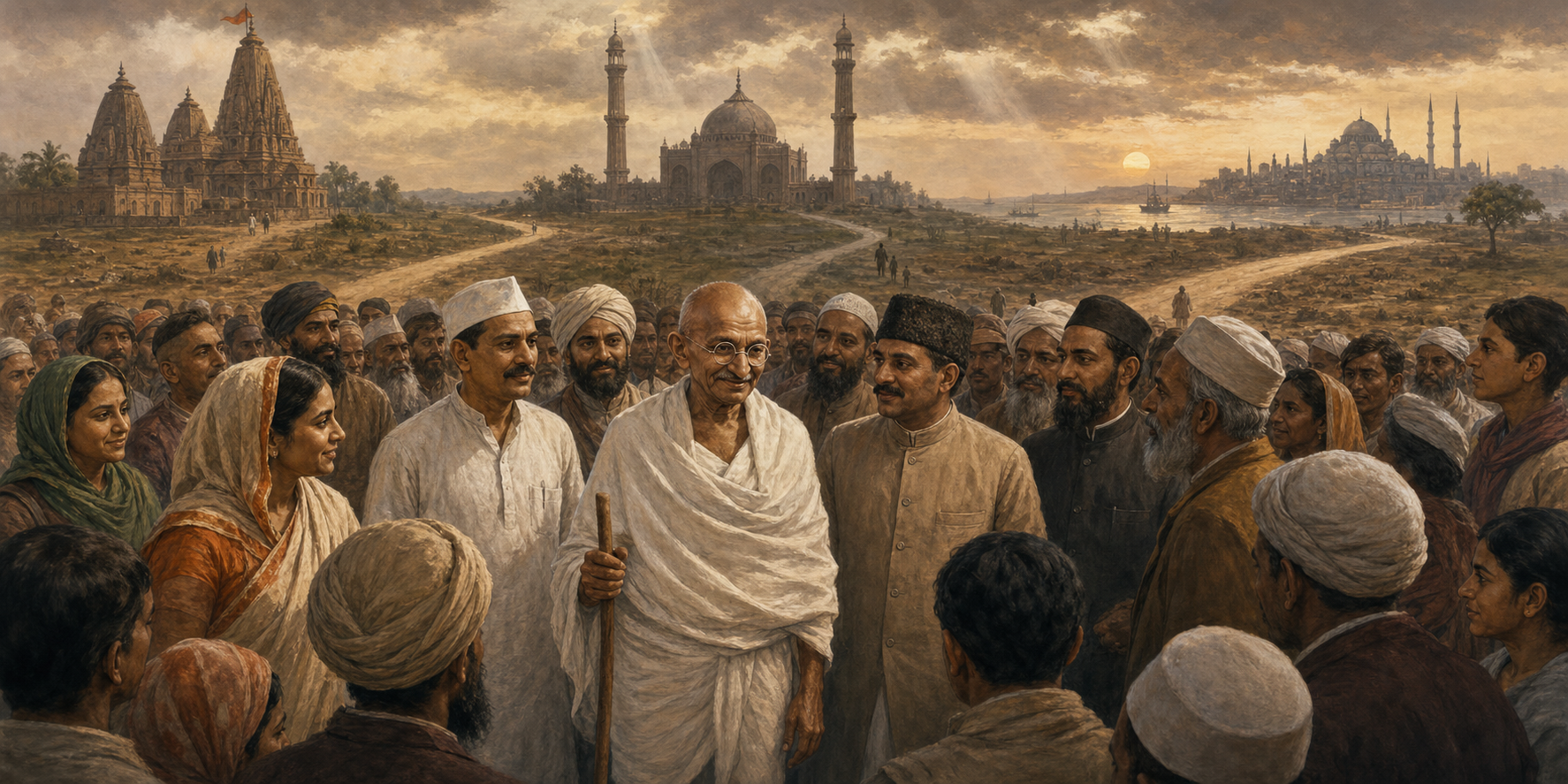
This historically grounded analysis re-examines the Malegaon riots of April 1921 in the context of the Khilafat Movement and British colonial rule. It explores Gandhi’s strategic alignment with Khilafat leaders, the public stature of the Ali Brothers, and claims about a fatwa attributed to Mohammad Ali and several hundred ulema. Readers gain a nuanced perspective…
-
Malegaon 1921 – a precursor to the Moplah Riots

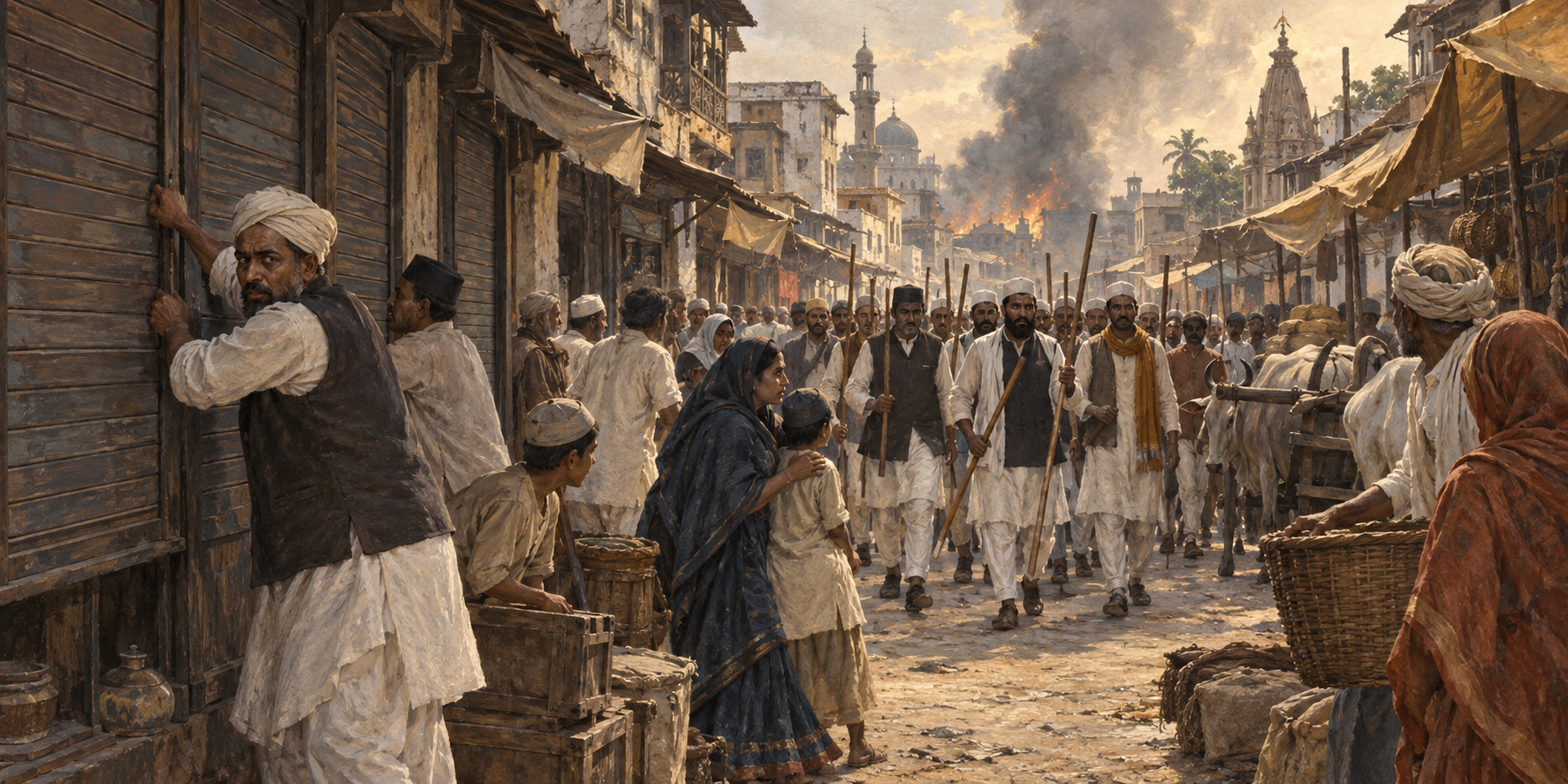
The Khilafat violence of 1921 is a forgotten event. It was a precursor to the Malabar Riots of 1921. On March 15th, 1920, a Khilafat committee was formed in Malegaon to conduct lectures and religious sermons. Nine months later, one of the Khilafat leaders, Shaukat Ali, visited Malegaon and political activities got a religious boost.…