
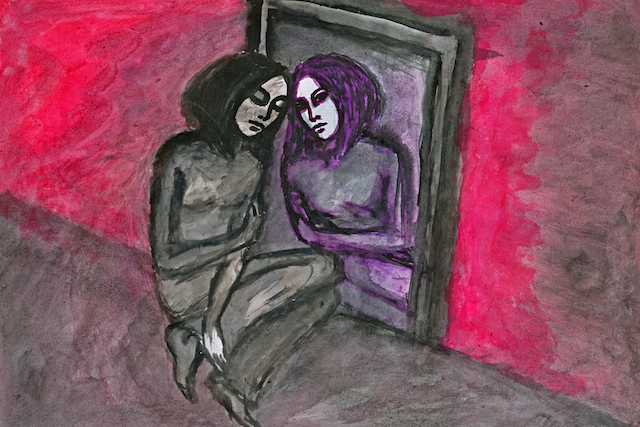
“Highly sensitive people are too often perceived as weaklings or damaged goods. To feel intensely is not a symptom of weakness, it is the trademark of the truly alive and compassionate.” ~Anthon St. Maarten
Across cultures and families, the phrase “you’re too sensitive” has been used as a blunt instrument, often landing with the heat of shame. Such remarks commonly follow moments of perceived overreactiontears during a tense exchange, discomfort in noisy rooms, or a tendency to dwell on a tone of voice or a delayed message. For highly sensitive people (HSPs), these experiences are not defects; they reflect a biologically rooted temperament that processes information deeply and feels emotions intensely.
The day-to-day reality of high sensitivity includes keen perception, strong empathy, and frequent overstimulation. Crowded gatherings, relentless notifications, or harsh lighting can tax the nervous system; in such states, irritability or withdrawal are not character flaws but signs that the system is signaling overload. Many sensitive individuals also ruminate, analyzing micro-gestures, facial expressions, and word choices in an effort to understand social nuance and maintain connectedness.
There is a well-established scientific construct for this trait: sensory processing sensitivity (SPS). Research pioneered by psychologist Elaine Aron estimates that approximately 15–20% of the population scores high on SPS. This is a normal, heritable temperament, not a disorder. A useful shorthand for its core features is DOES: Depth of processing, Overstimulation, strong Emotional reactivity and Empathy, and Sensing the subtle.
Neuroscience offers converging evidence for this profile. Functional neuroimaging studies suggest greater activity in regions associated with salience and social-emotional processingsuch as the insula, amygdala, and anterior cingulatewhen HSPs view emotional stimuli. Heightened sensitivity to sensory and interpersonal subtleties corresponds with increased depth of processing, often observed as richer reflection and meaning-making. These same capacities can produce vulnerability to stress when stimuli accumulate faster than the nervous system can regulate.
Strengths frequently observed in sensitive individuals include compassion, ethical discernment, creativity, and systems-level thinking. They tend to detect pattern shifts, unspoken needs, and interpersonal micro-signals that others might overlook. Yet common protective responses to chronic overstimulationoveranalyzing, internalizing harsh judgments, self-criticism, people-pleasing, or numbing with substancesoften worsen exhaustion and diminish self-trust.
Evidence-informed practices can moderate reactivity and build emotional resilience. Mindfulness, breathwork, meditation, and gentle yoga support parasympathetic activation and vagus nerve regulation. Thoughtful boundaries, deliberate recovery after intense demands, and sufficient sleep are not luxuries; they are core strategies for a sensitive nervous system. Over time, sensitive people frequently report a shift from feeling like a rag doll in a storm to feeling like a deeply rooted treeresponsive, flexible, and enduring.
Viewed through a dharmic lens shared across Hinduism, Buddhism, Jainism, and Sikhism, sensitivity aligns with universal values: karuṇā (compassion), ahimsa (non-harm), and maitri (loving-kindness). These traditions emphasize mindfulness, self-awareness, and ethical presence, affirming that feeling deeply is a strength when coupled with skillful action. Unity among dharmic paths highlights a common insight: inner steadiness enables outer service.
For those who frequently feel drained, ashamed, or judged, the following reminders integrate psychological science, contemplative wisdom, and practical self-care. They can be revisited as neededespecially when the system feels taxed or self-doubt grows loud.
When feeling drained
1. Emotional responsibility is intra-personal: one can witness and support others without attempting to remove or absorb their pain. Growth often requires engaging one’s own emotions and lessons.
2. Problem-solving is not mandatory; attentive listening and presence are often sufficient. It is appropriate to pause or step back when listening exceeds available energy.
3. Self-selecting environments is a valid choice. Declining loud or chaotic settings protects health and does not diminish sociability or worth.
4. If a commitment predictably leads to exhaustion, the cost likely exceeds the benefit. Energy management is a core life skill, not avoidance.
5. Prioritize interoceptive wisdom over social anxiety. When an inner signal indicates “it is time to leave,” trust that signal and exit respectfully.
6. Draining interactions require access. Boundariesclear, kind, and firmare protective structures that conserve attention, time, and physiological resources.
7. Self-care is pro-social. A replenished system relates more skillfully; one cannot sustainably support others from an empty reserve.
8. Sleep is non-negotiable neurobiology. Adequate rest restores attention, mood regulation, and stress tolerance.
9. In overwhelm, ask, “What is needed right now?” This single question reorients attention from rumination to action, enabling micro-adjustments that restore balance.
10. Effective regulation is not all-or-nothing. Five minutes of paced breathing, a brief walk, or a short yoga sequence can materially reduce physiological arousal.
When feeling ashamed
11. A highly sensitive nervous system is a temperament, not a moral failingno more shameful than eye color. Temperament diversity supports collective resilience.
12. Sensitivity is a strength: it powers compassion, ethical imagination, depth of understanding, and creativity.

13. Inherent worth is not contingent on performance or emotional stoicism. Sensitivity and dignity coexist.
14. High sensitivity is common; estimates place prevalence between fifteen and twenty percent. Being part of a meaningful minority is normal.
15. External shamingof sensitivity or imperfect coping learned under stresswas undeserved. Repair begins with self-compassion and skill-building.
16. Shame often rides on a self-story. The narrative can be revised with accuracy and kindness, aligning identity with strengths and growth.
17. Emotional intensity does not require suppression; it invites observation. Mindfulness transforms reactivity into information.
18. Behavior is not identity. If overstimulation leads to actions that miss the mark, repair them, learn, and move forward.
19. Tears regulate. Crying can reduce sympathetic arousal and release accumulated stress; allowing it is an act of courage.
20. All emotions move. Sitting with shamewithout numbingallows it to crest and pass.
When feeling judged
21. For every person who dismisses sensitivity, others value depth, reliability, and care. Seek contexts where strengths are recognized.
22. Universal approval is not required. Self-understanding and self-compassion provide stable belonging.
23. Opinions are projections filtered through another’s experience. They gain power only through internalization.
24. “Too sensitive” is not a moral diagnosis. Sensitivity paired with skills is adaptive.
25. When others fail to value depth, they miss opportunities for meaningful, trustworthy relationships.
26. Judgment reveals the evaluator’s stage and stressors more than the evaluated person’s worth.
27. Minimization does not erase validity. Feelings remain real even when unrecognized by others.
28. It is appropriate to end a conversation when boundaries are violated or feelings dismissed.
29. Consistent devaluation is sufficient reason to exit a relationship. Dignity is a non-negotiable boundary.
30. Apparent judgment may be misperception. Silence or distance often reflects unrelated factors; verify before concluding.
Implementation is practice-dependent. In charged moments, recall tends to falter; printing or bookmarking key reminders helps translate insight into action. Sensitivity, supported by mindfulness, meditation, breathwork, and yoga, can cultivate emotional resilience and sustainable engagement. From a dharmic perspective shared by Hinduism, Buddhism, Jainism, and Sikhism, feeling deeply is not a liability to be armored against; it is a capacity to be refined in the service of ahimsa, karuṇā, and shared flourishing.
One core affirmation summarizes this approach: sensitive people are not defective, and thick skin is not a prerequisite for wisdom. The world benefits from individuals who notice subtlety, respond with compassion, and create beauty where it did not yet exist. With clear boundaries, adequate rest, and steady self-respect, sensitivity becomes a disciplined strength that unifies inner clarity with outer carean expression of lived dharma that serves the whole.
Inspired by this post on Tiny Buddha.
