
Tag: AncientSymbols
-
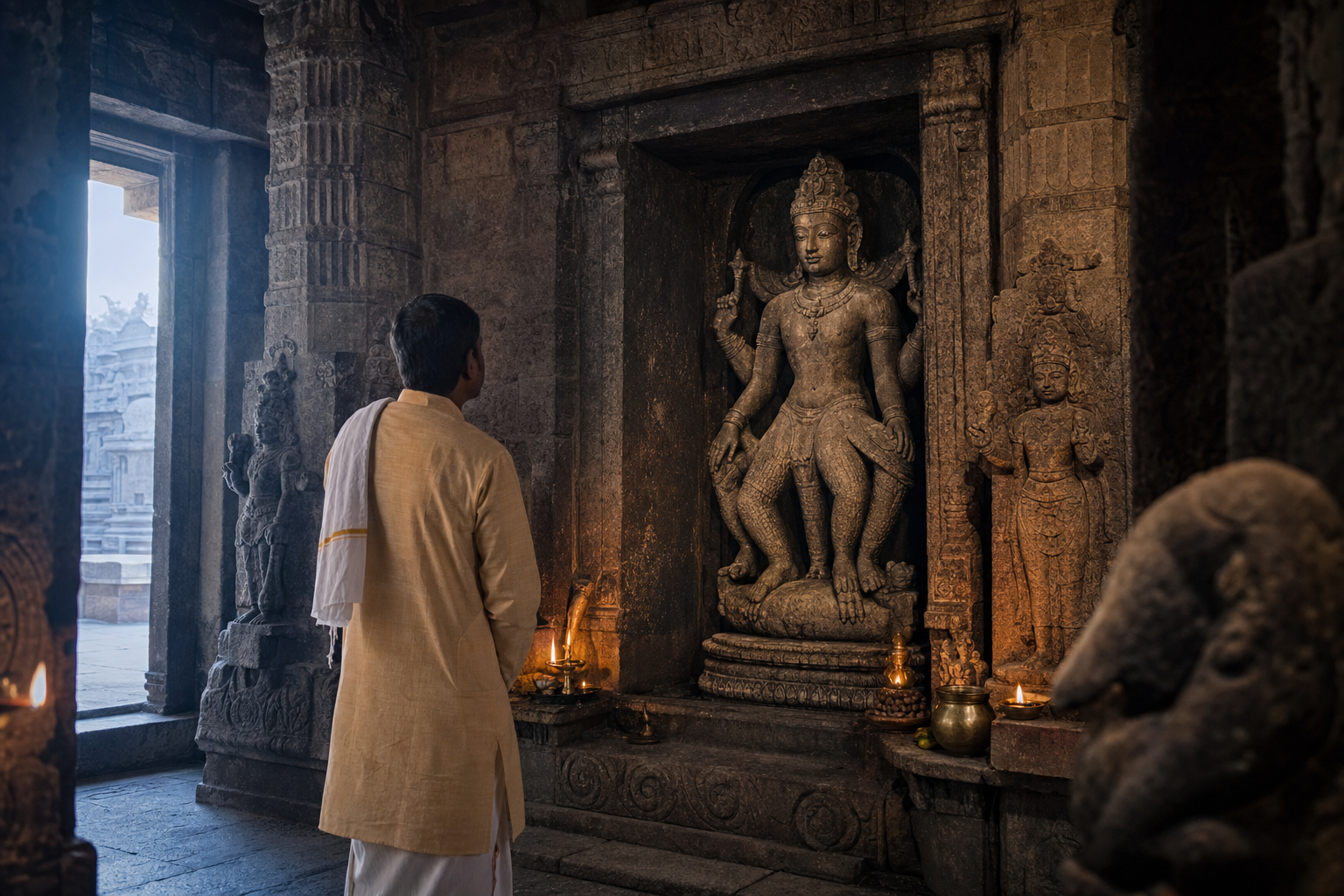
How to Read Unusual Hindu Sacred Iconography Without Guessing
-
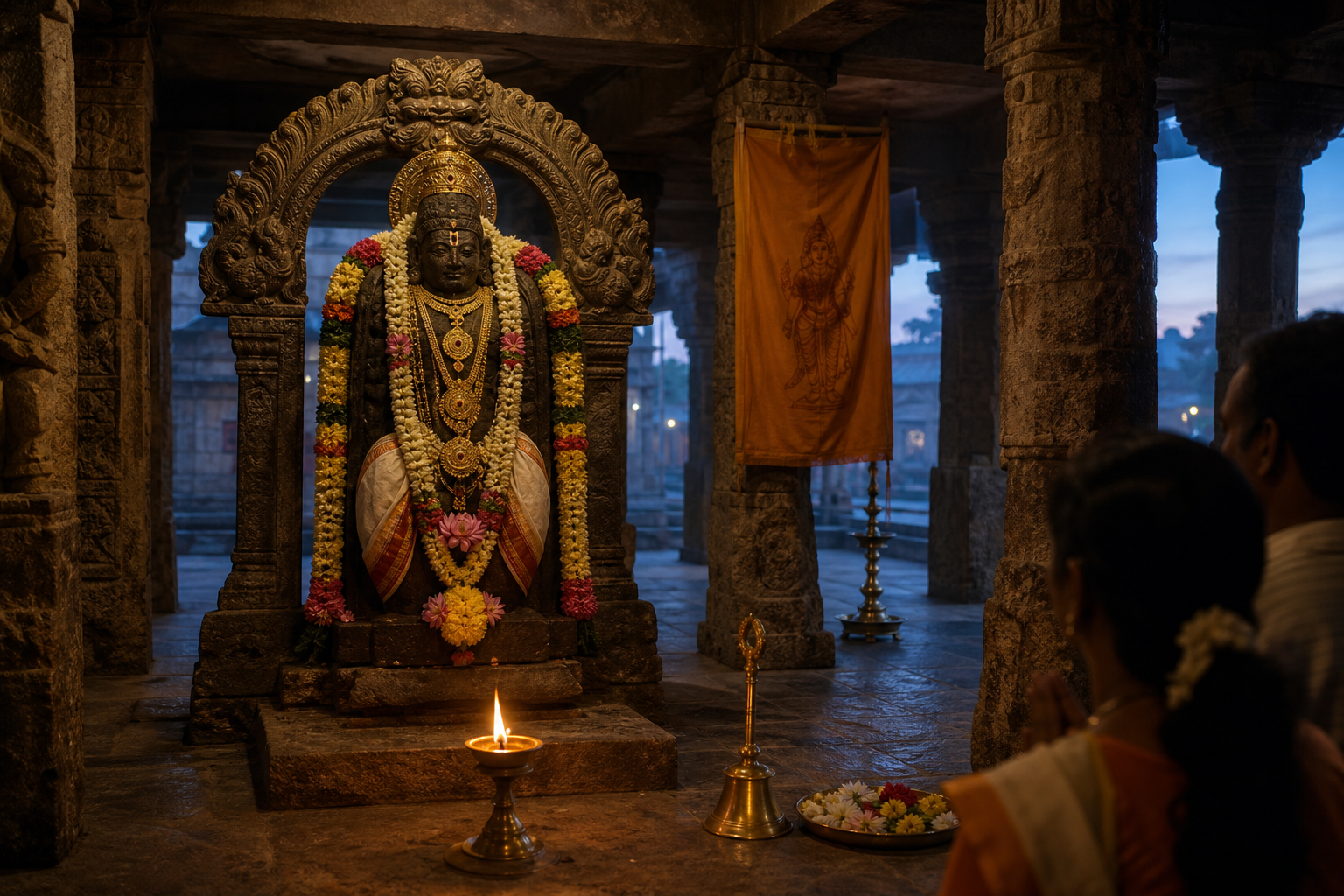
How to Read Sacred Forms and Symbols in Hindu Tradition
-

Sacred Symbols and Daily Conduct: A Practice of Lived Dharma
-

How to Meet Sacred Presence in Temple, Icon, and Nature
-

Why Vetal Hangs Upside Down: Reading Tantric Iconography
-
Kamadeva’s Many Names: A Guide to Their Symbolism
-
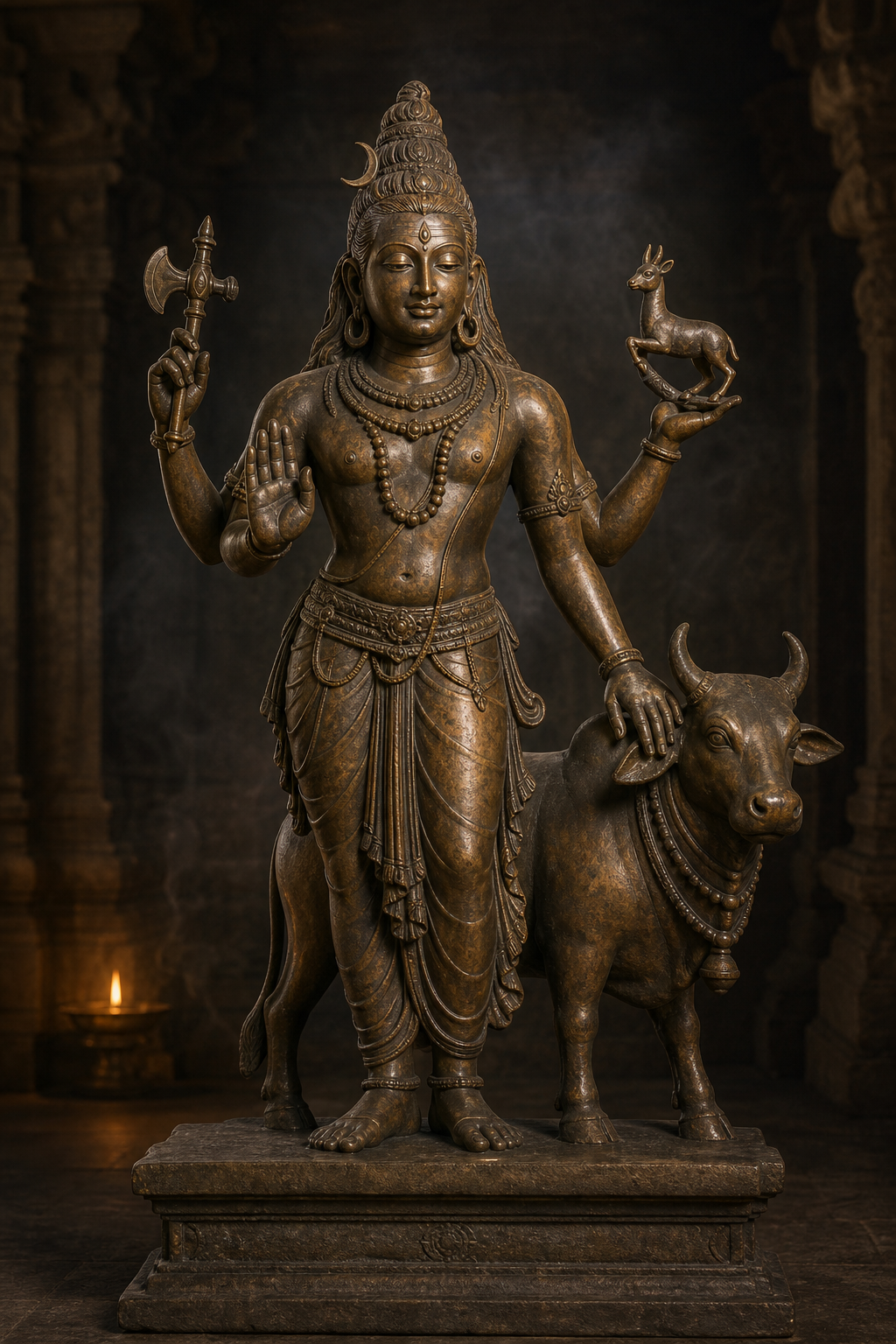
Vrishabhavahana Shiva: How to Read the Sacred Image
-
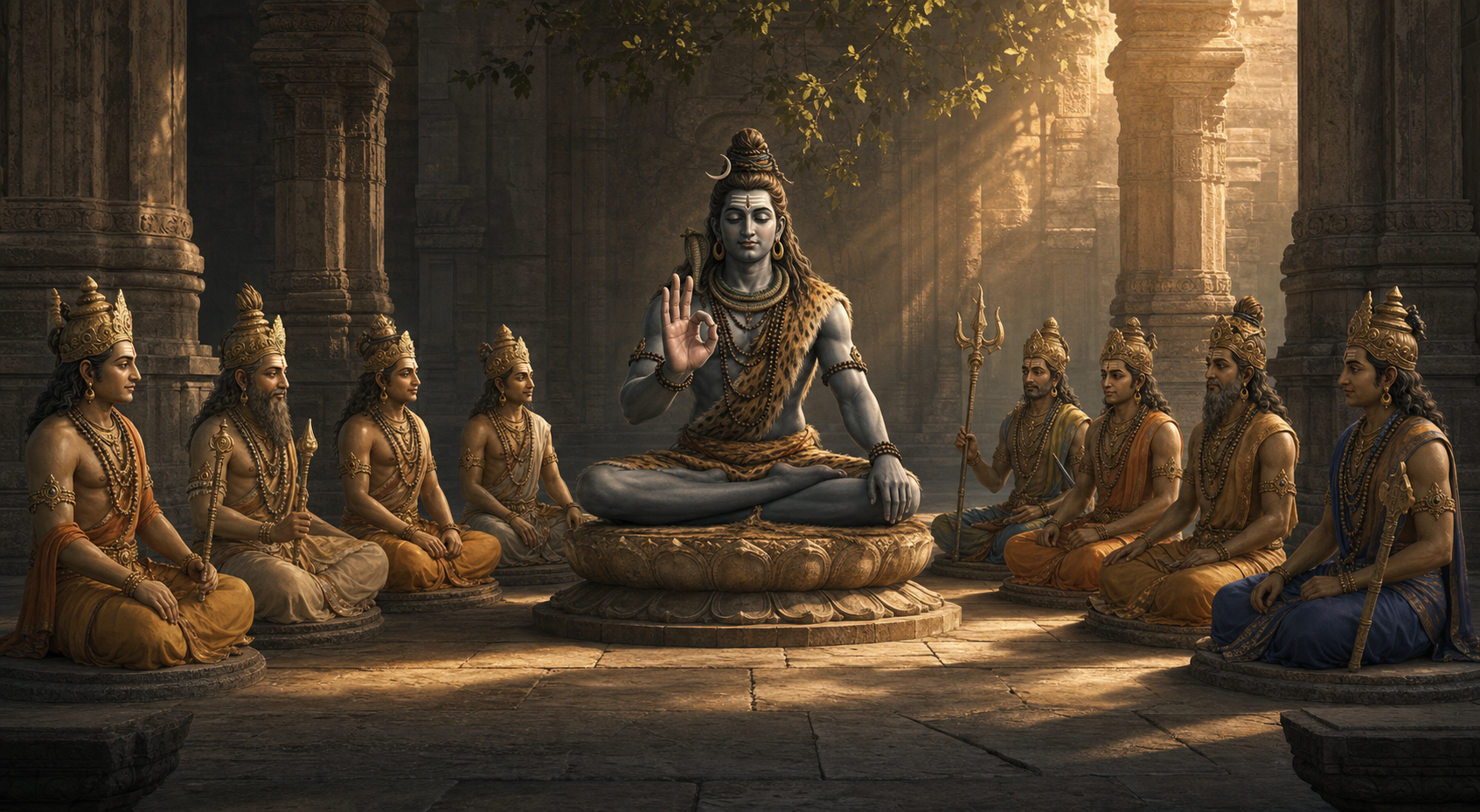
How Shaiva Symbols Carry and Transmit Sacred Knowledge
-
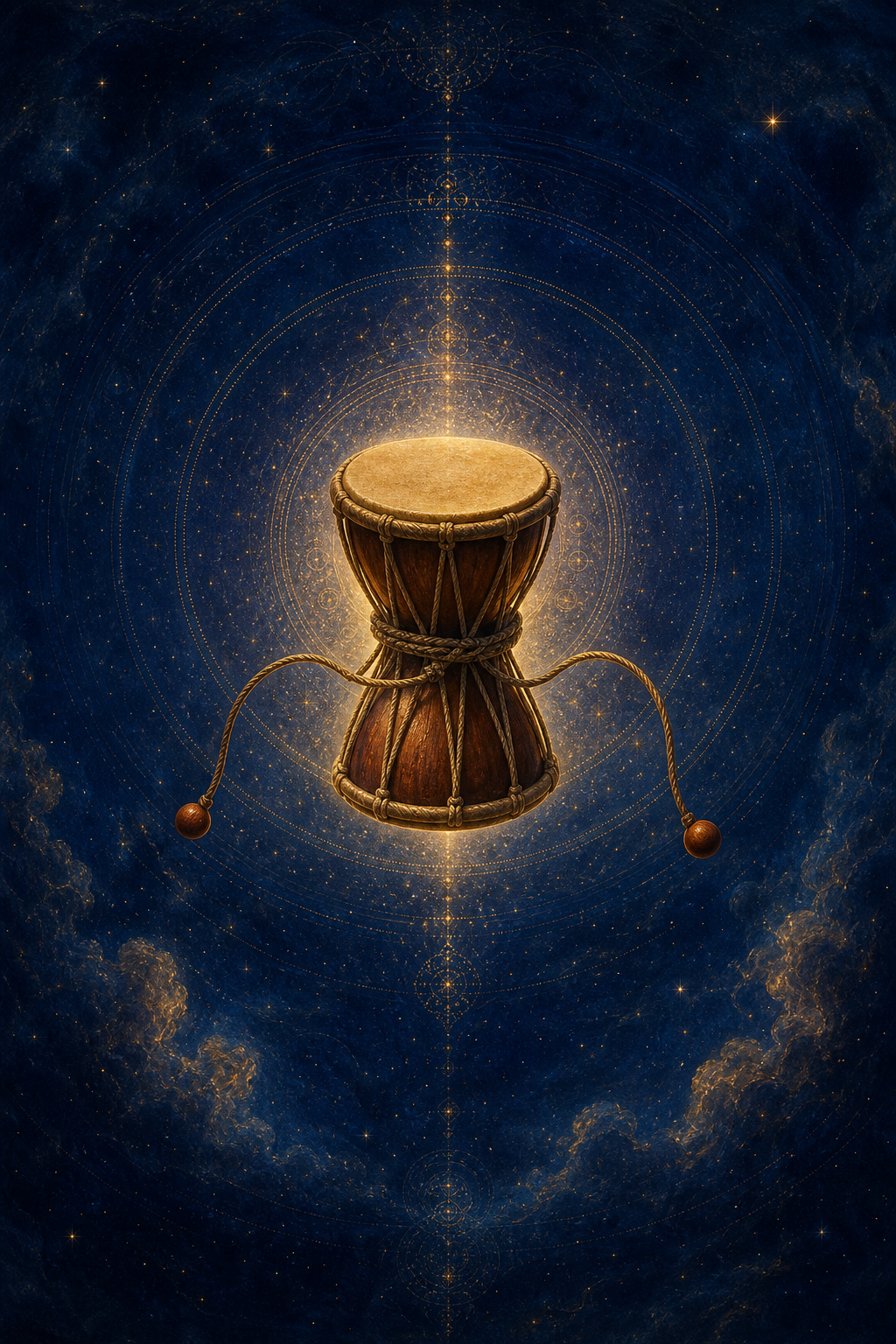
Sacred Drums in Hinduism: How to Read Their Symbolism
-
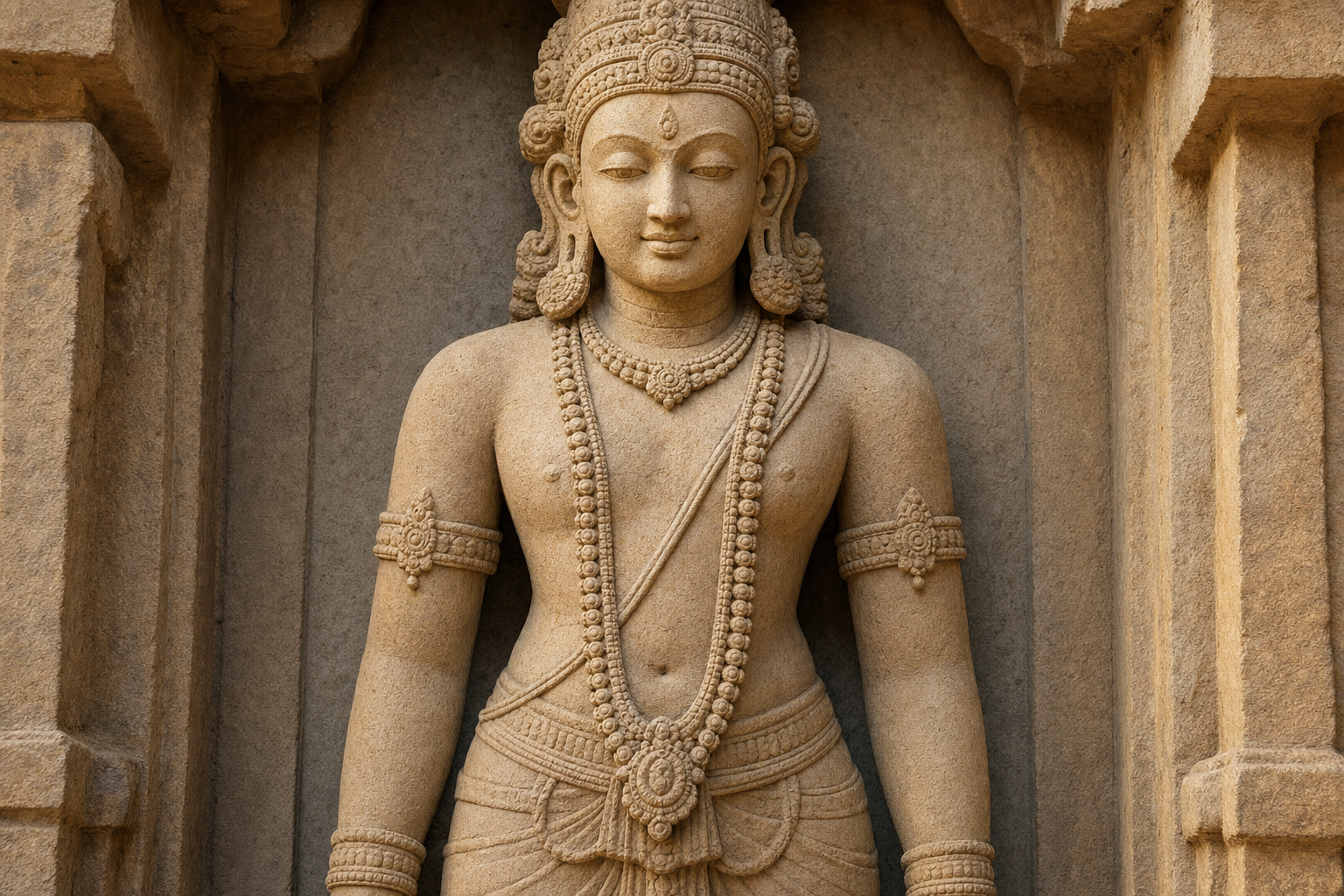
How Hara Necklaces Shape Meaning in Hindu Sculpture
-
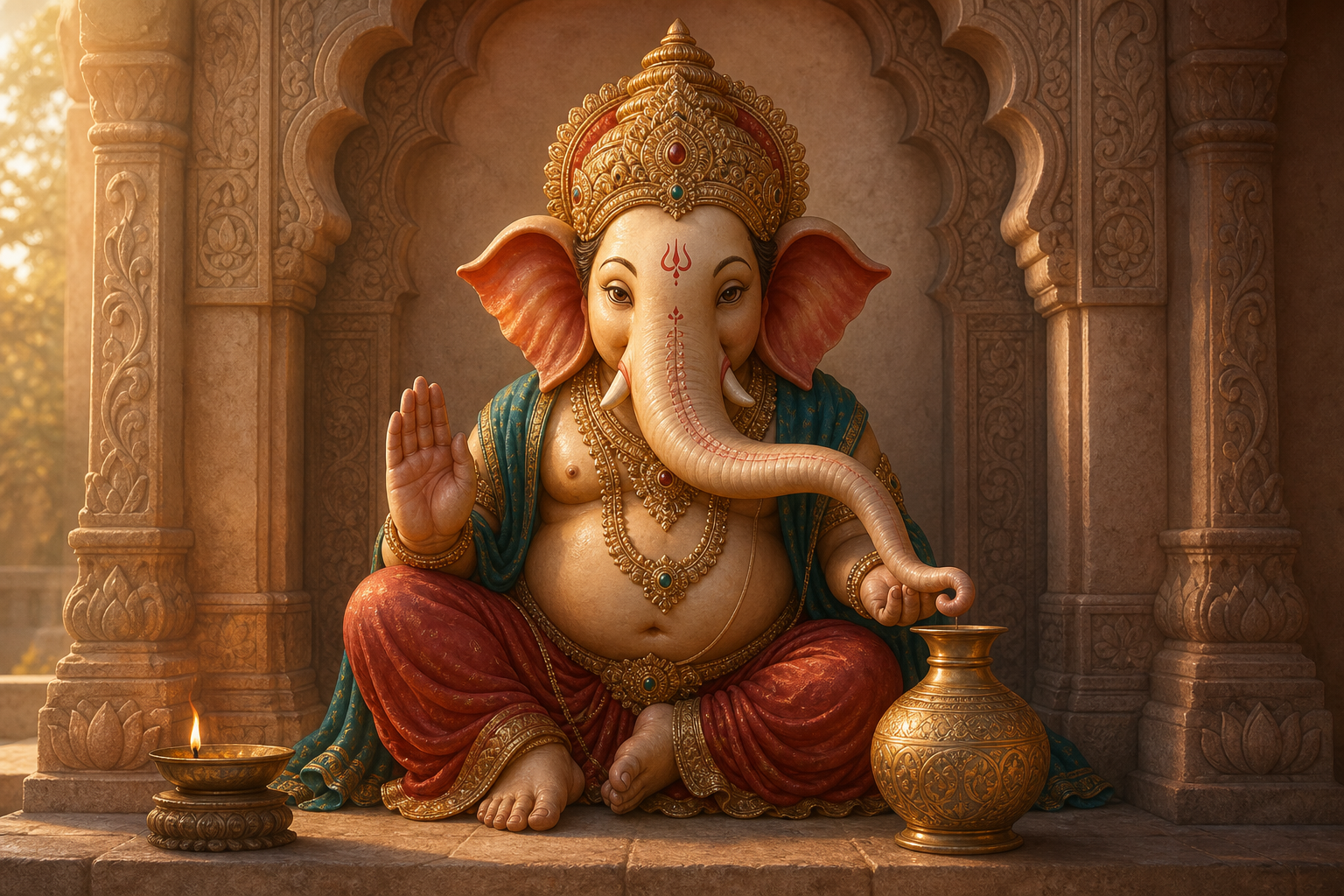
Ganesha and the Kalasha: Reading the Vessel at His Trunk
-

Bhumi Sparsha Mudra in Buddhist Art: Gesture and Meaning
-

Parvati’s Lion and Tiger Traditions: Vahana or Guardian?
-
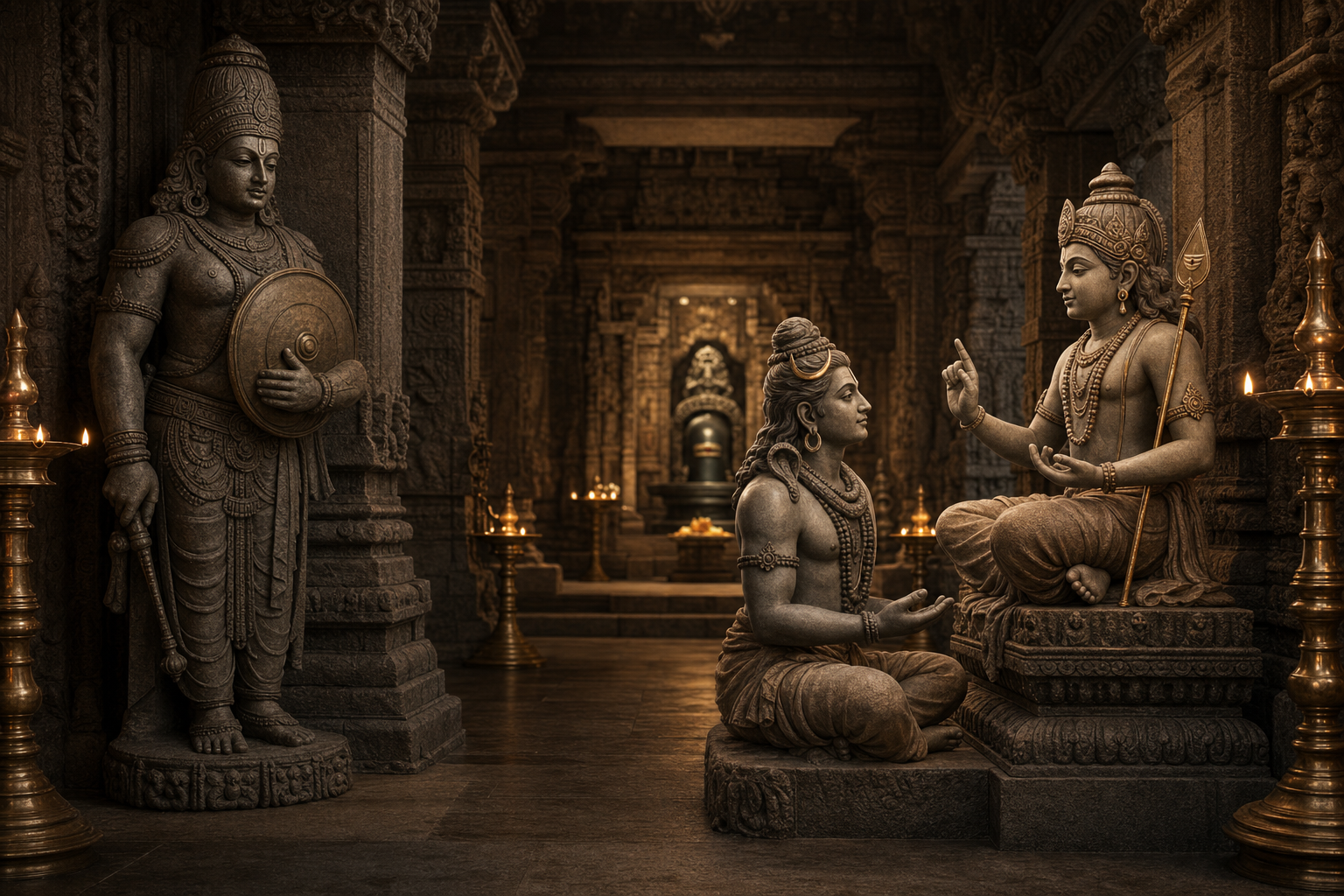
Shield and Disciple: How Hindu Icons Define Sacred Authority
-

How Hindu Sacred Objects and Ritual Materials Carry Meaning
-

Drona’s Kamandalu Emblem and the Ethics of Sacred Knowledge
-

Pushpa Bana: Desire, Perception and Divine Power in Hindu Art
-

Kapalamalini and the Shakta Theology of the Skull Garland
-
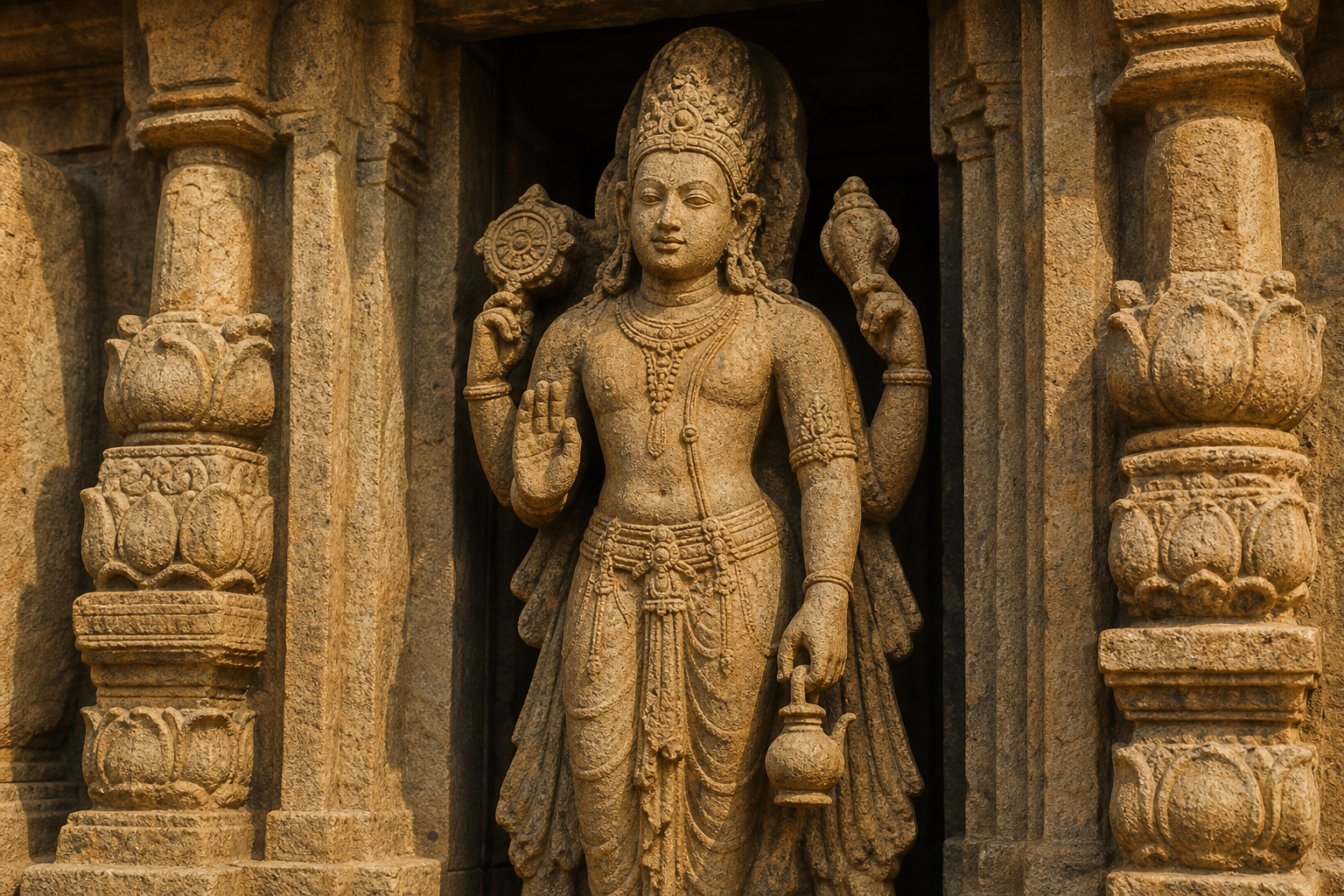
Reading Kundika Symbolism in Hindu Temple Iconography
-

Vasuki and the Dikpala Tradition: Guardian of the Depths
-

The Shivalinga as Sign, Axis, and Path of Transformation
-
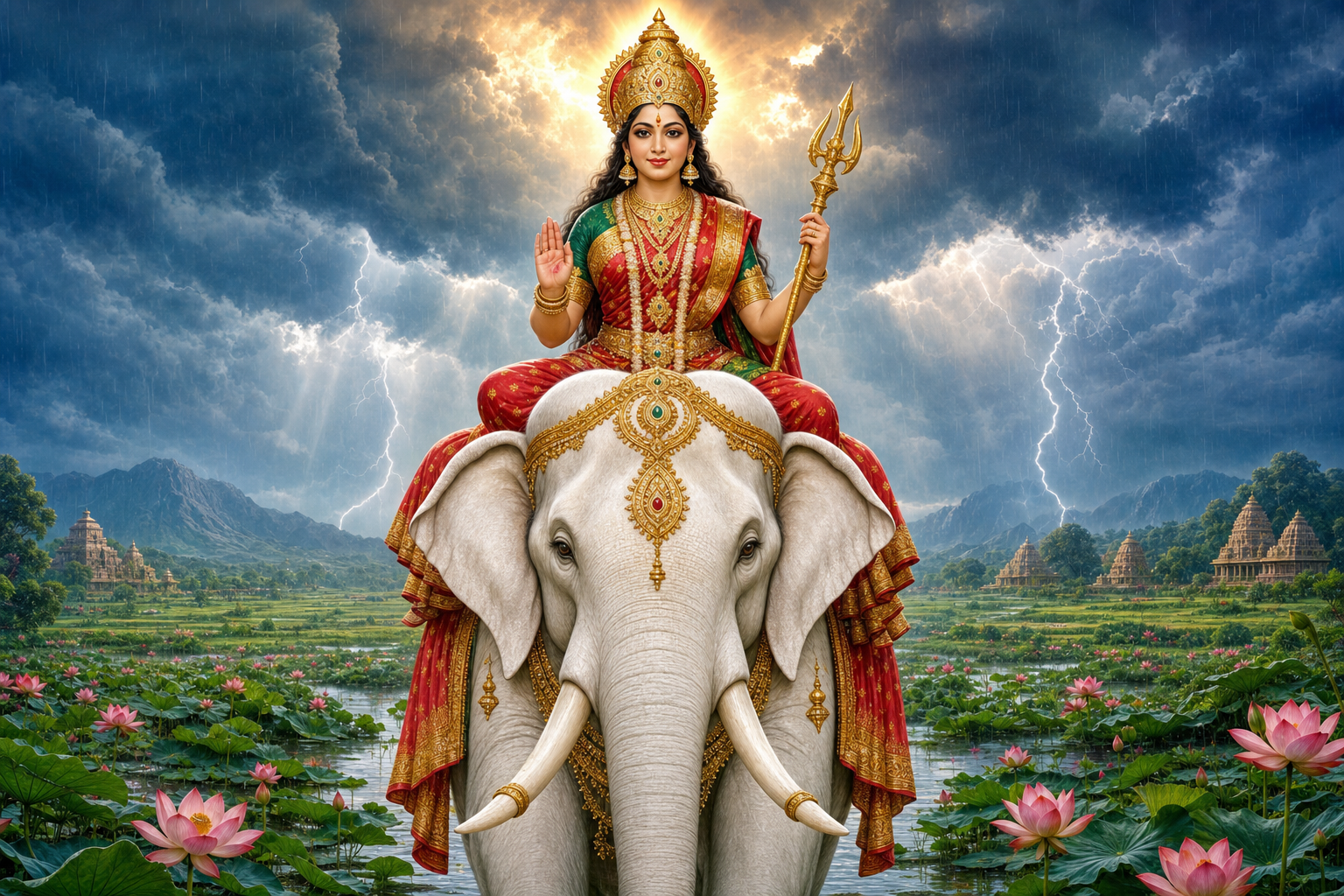
Reading Indrani Iconography: Power, Rain, and Sovereignty
-
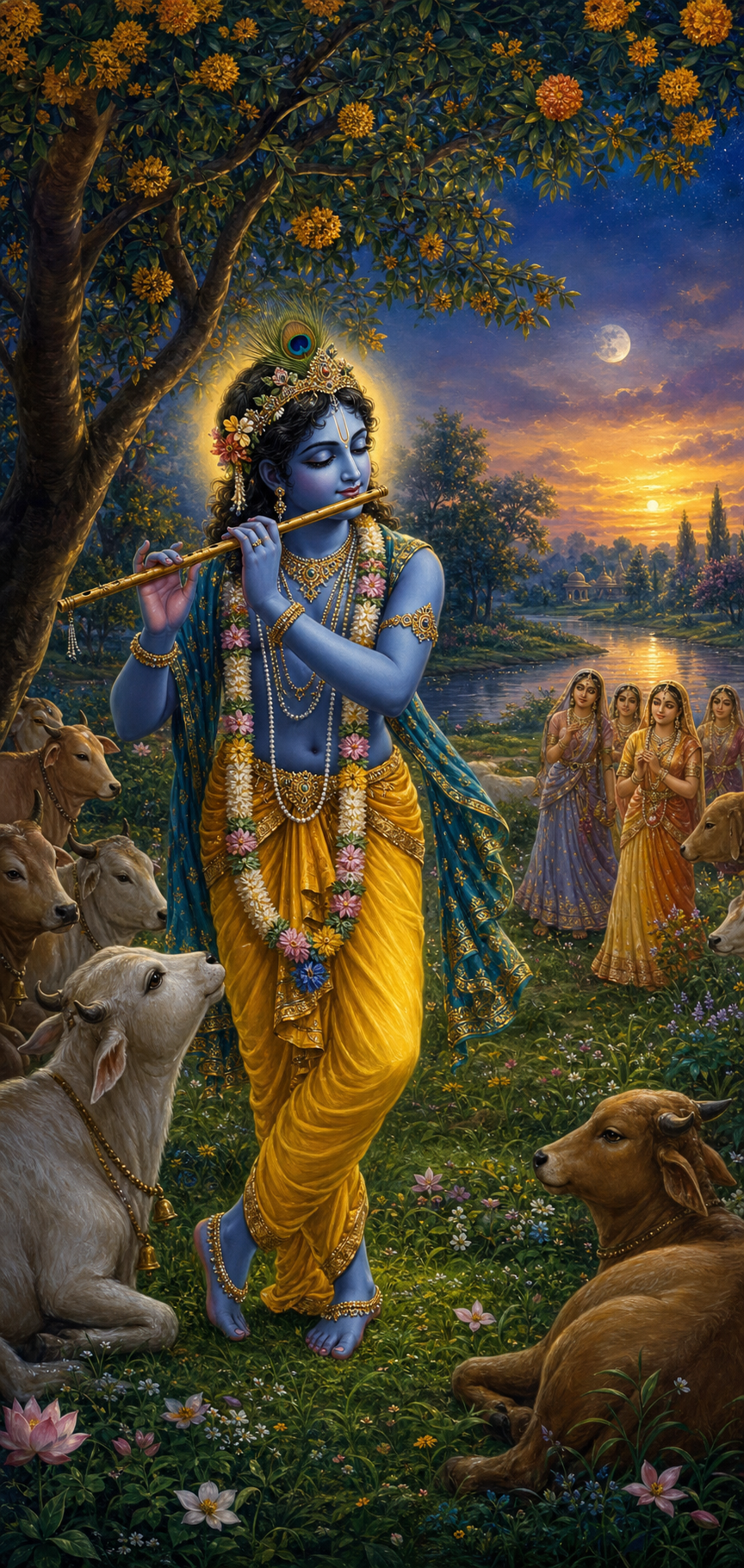
Madana Gopala Iconography: Form, Love, and Devotion
-

Uchchaihshravas in Hindu Tradition: Power, Purity, Perception