
Tag: ancient traditions
-
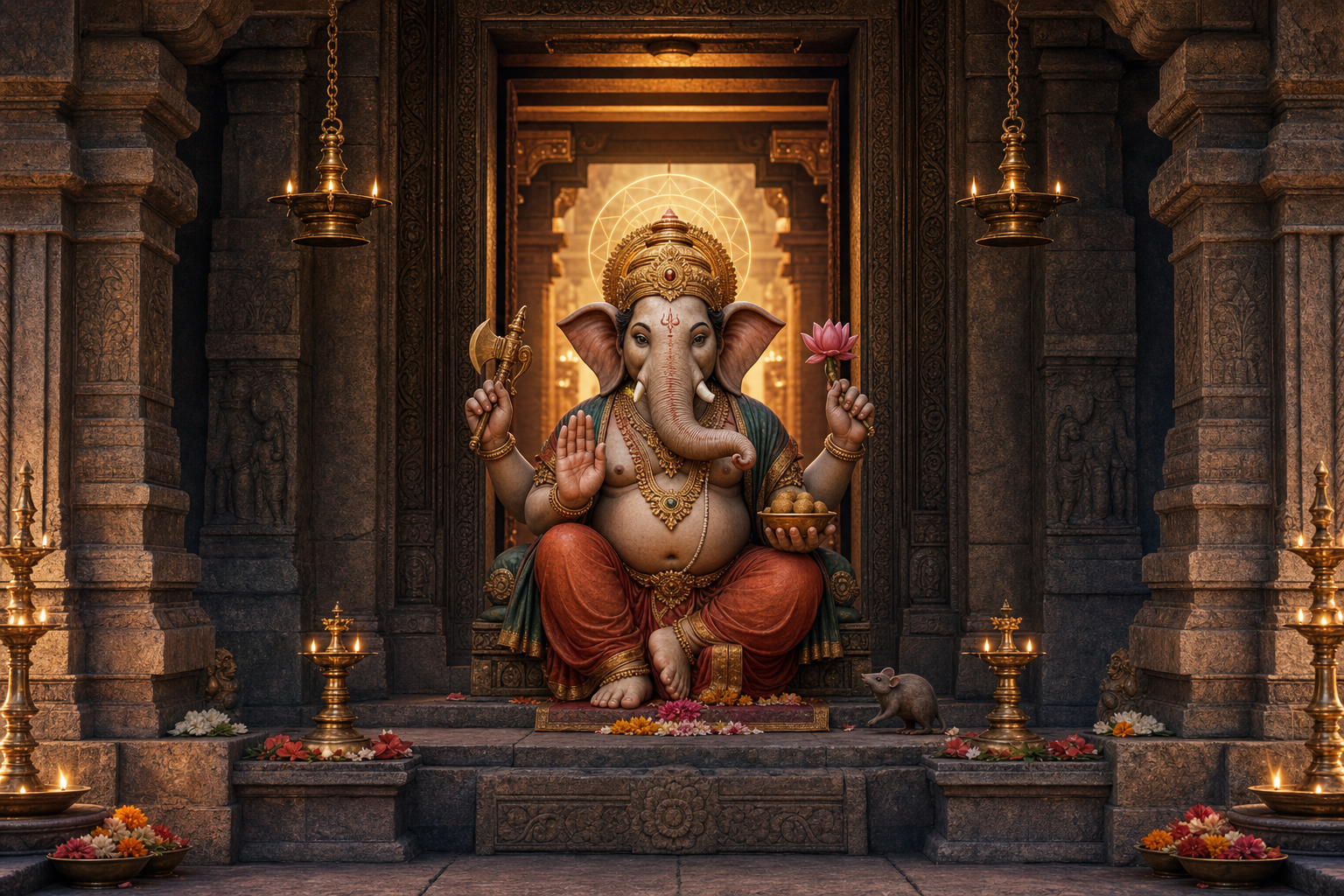
Why Ganesha Comes First in Tantric and Agamic Worship
-
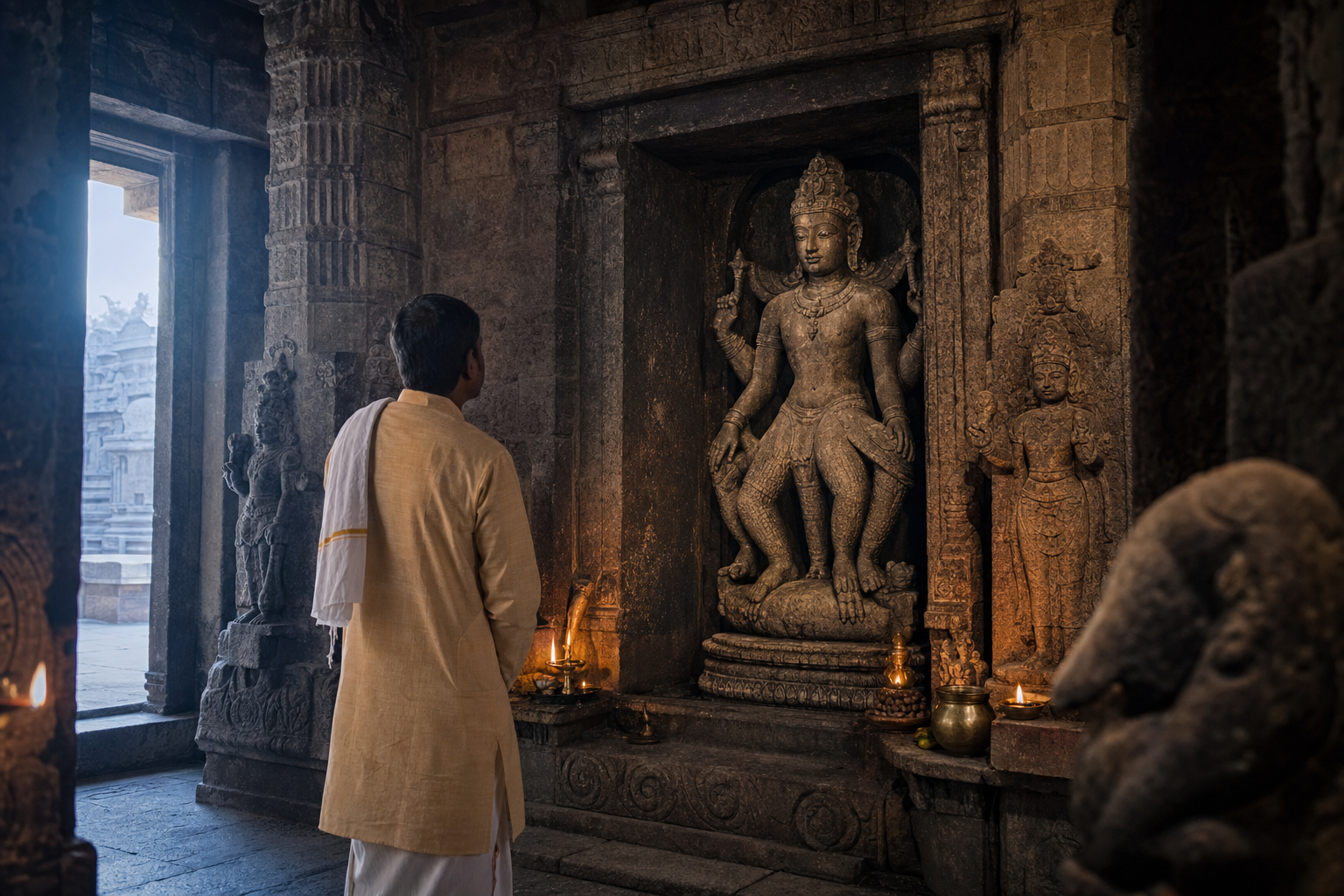
How to Read Unusual Hindu Sacred Iconography Without Guessing
-

Prana, Death, and the Meaning of Hindu Cremation Rites
-
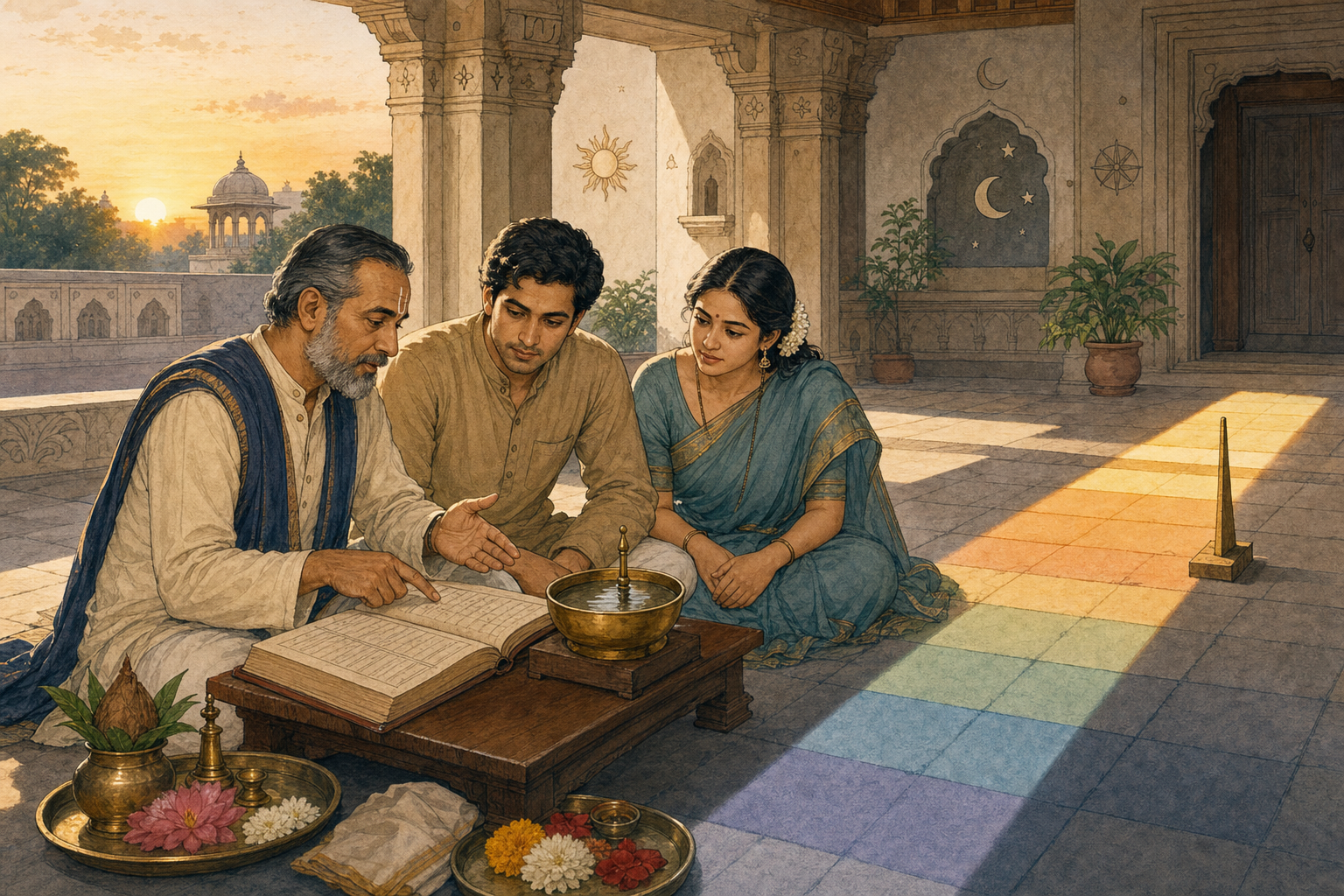
How to Read a Panchanga and Choose an Auspicious Time
-

Why Vetal Hangs Upside Down: Reading Tantric Iconography
-
How European Categories Reshaped Neo-Hindu Social Reform
-
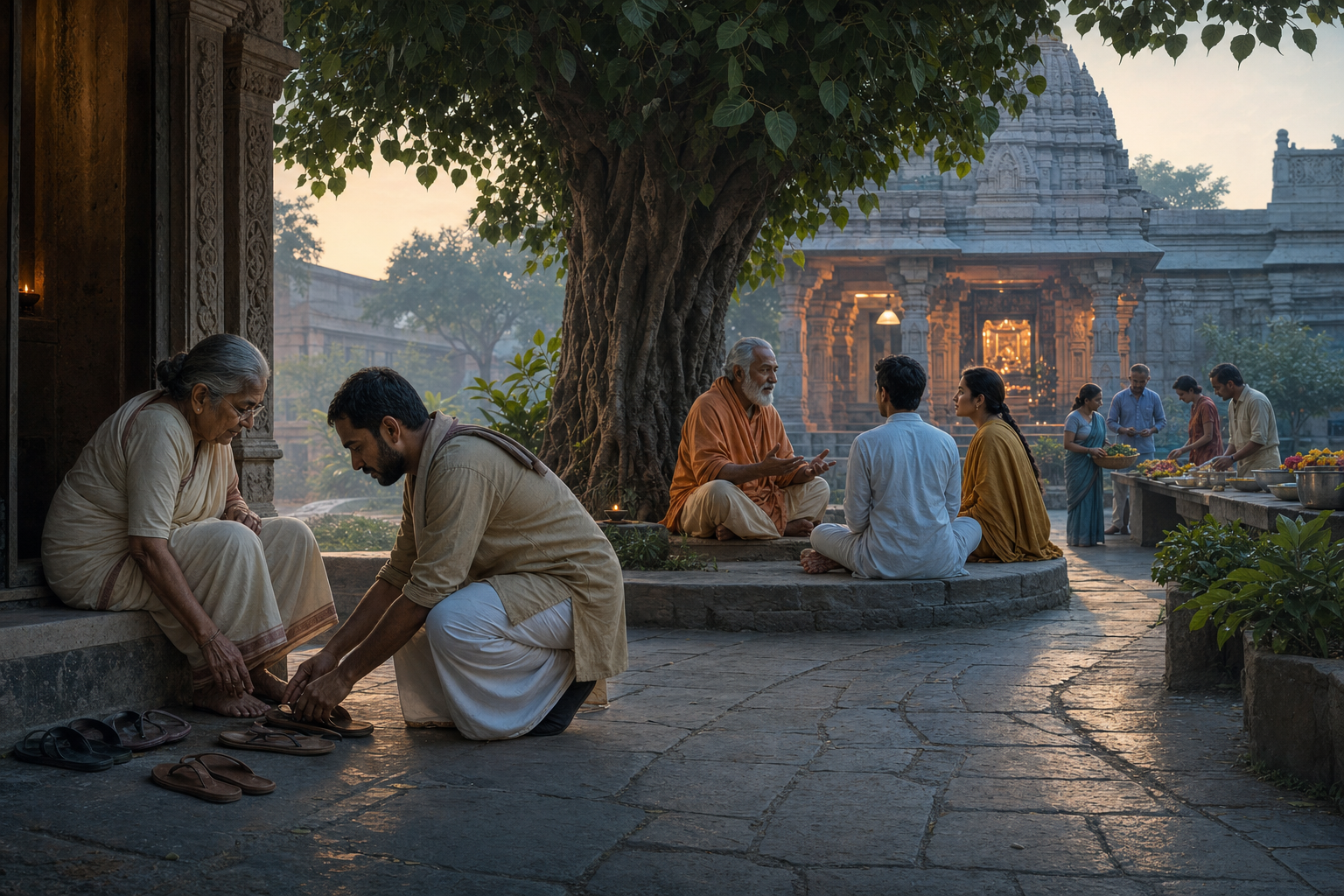
Temple, Guru, and Seva: How to Hold All Three Together
-
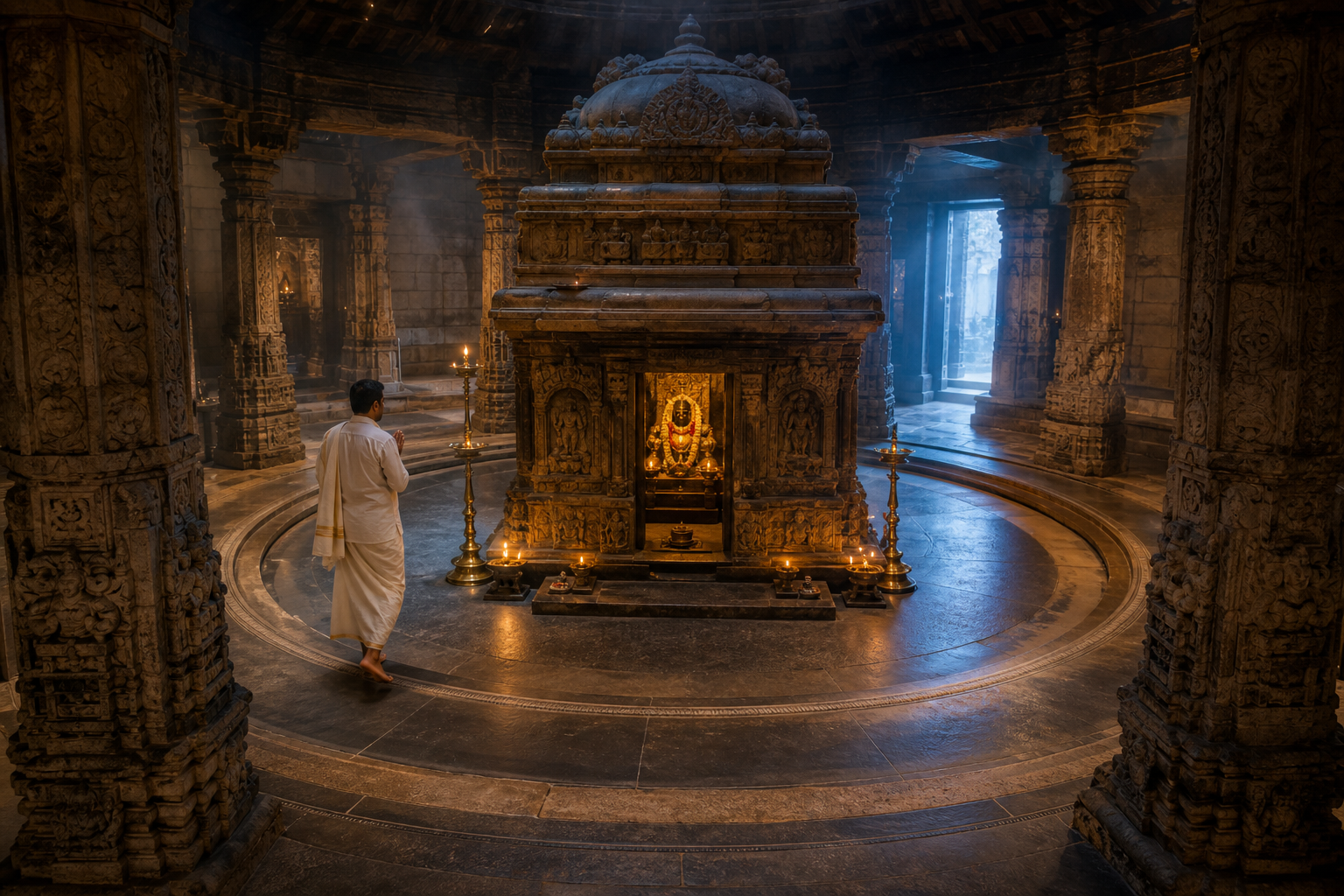
The Spiritual Meaning of Pradakshinam in Hindu Worship
-
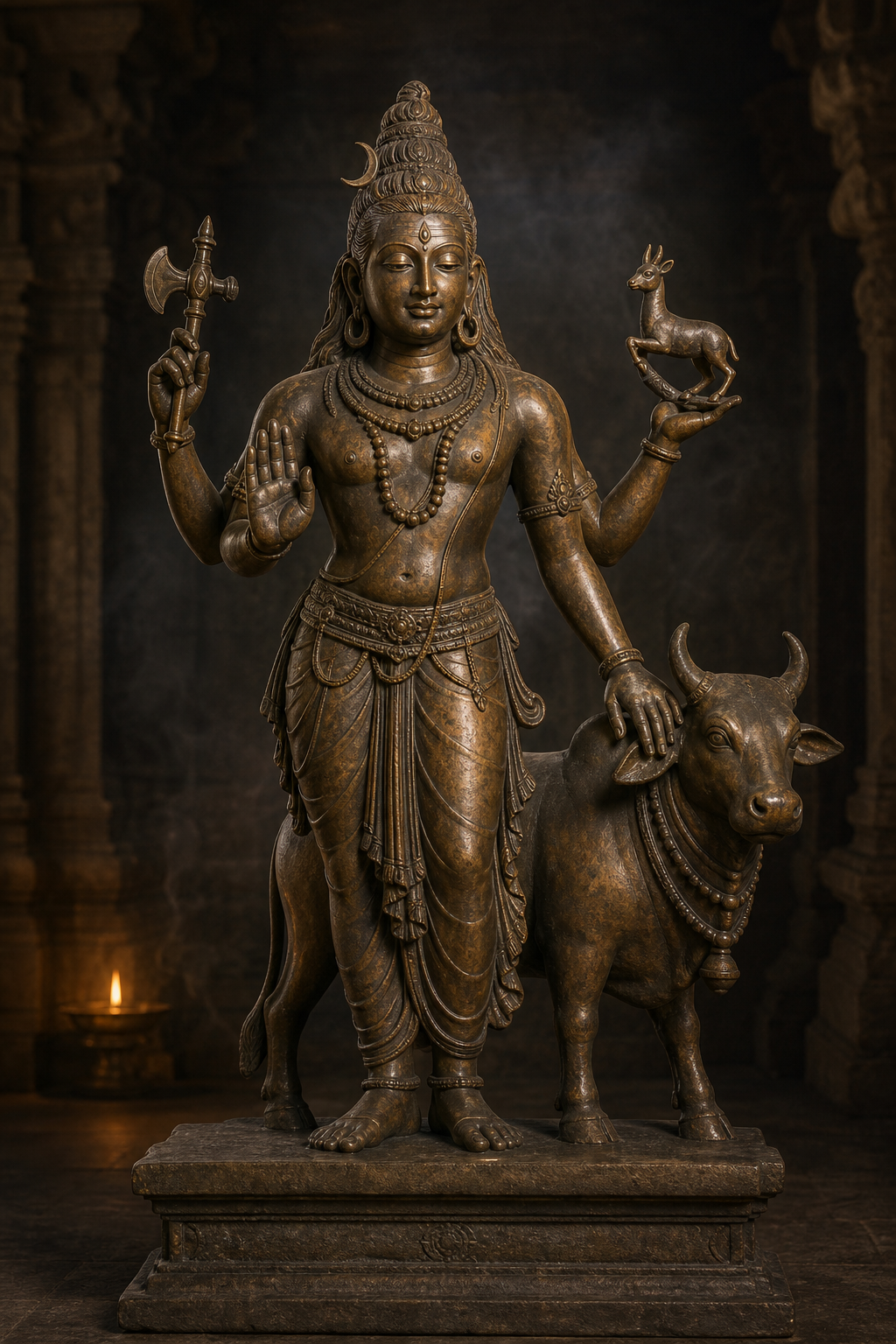
Vrishabhavahana Shiva: How to Read the Sacred Image
-
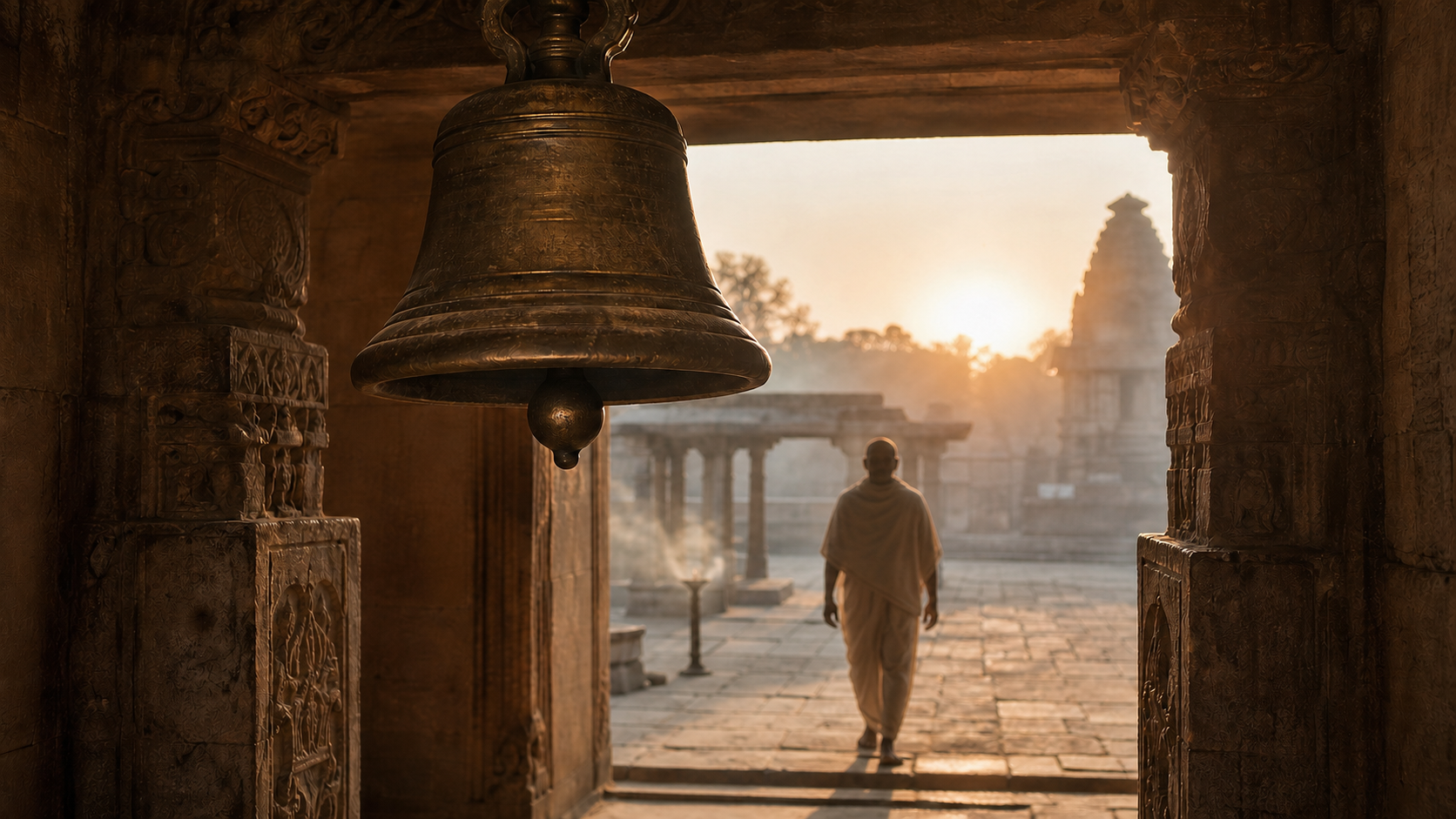
Why Hindu Temples Ring Bells: A Guide to Sacred Sound
-
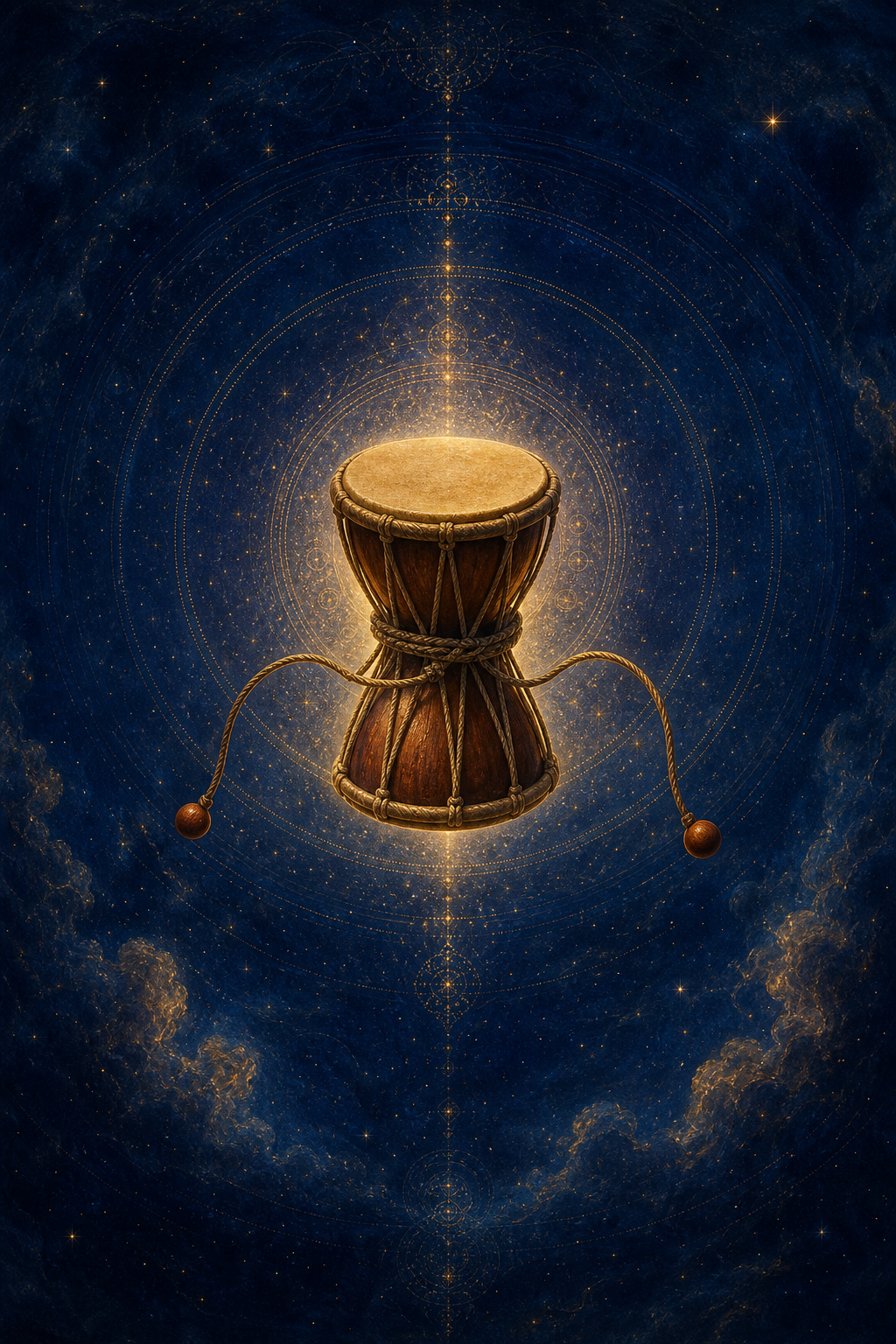
Sacred Drums in Hinduism: How to Read Their Symbolism
-
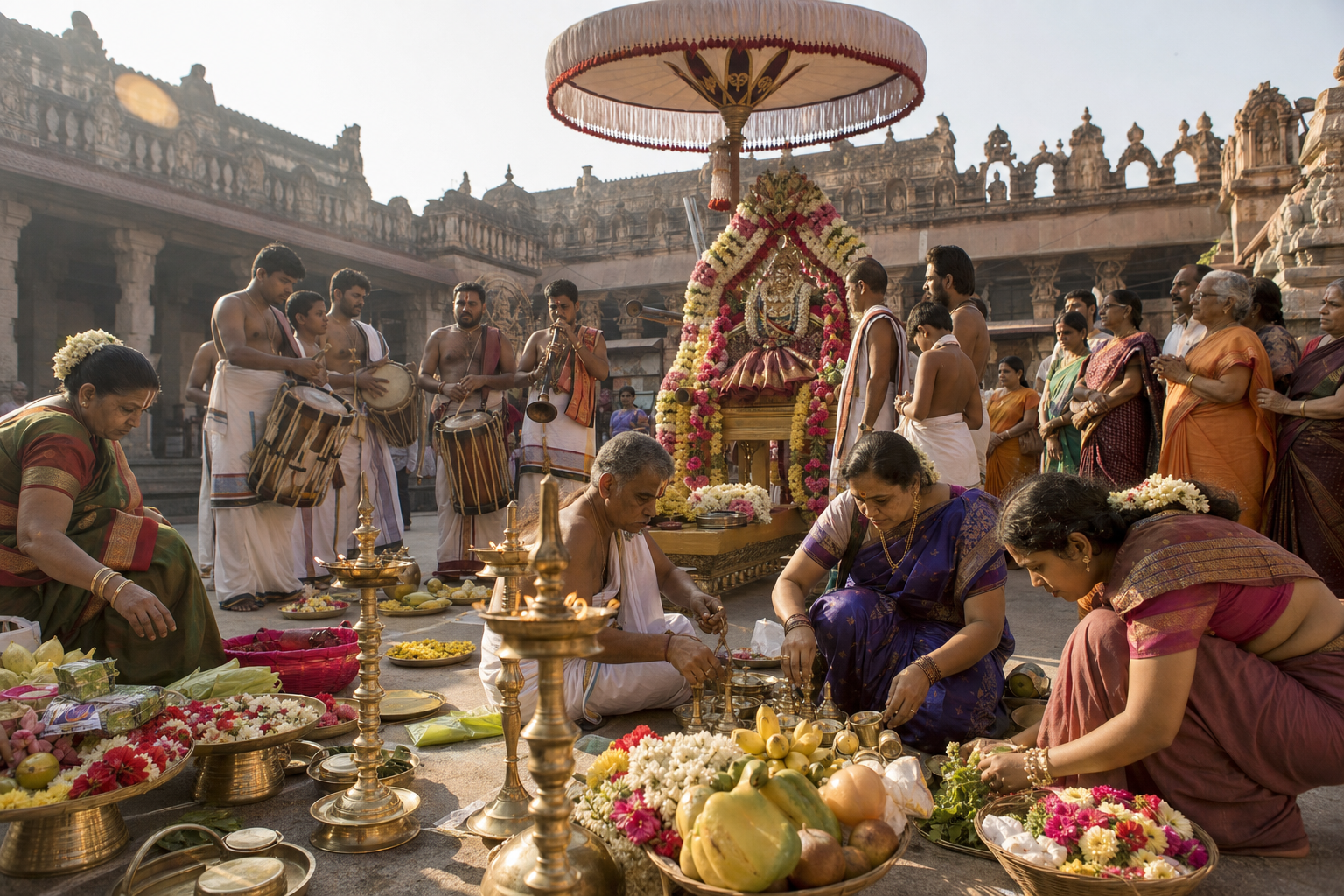
How Indic Sacred Festivals Live Through Place and Practice
-

Vrishabha Rashi Prayer: A Grounded Jyotisha Practice
-

Batuk Bhairava Traditions: Child, Guardian and Deliverer
-
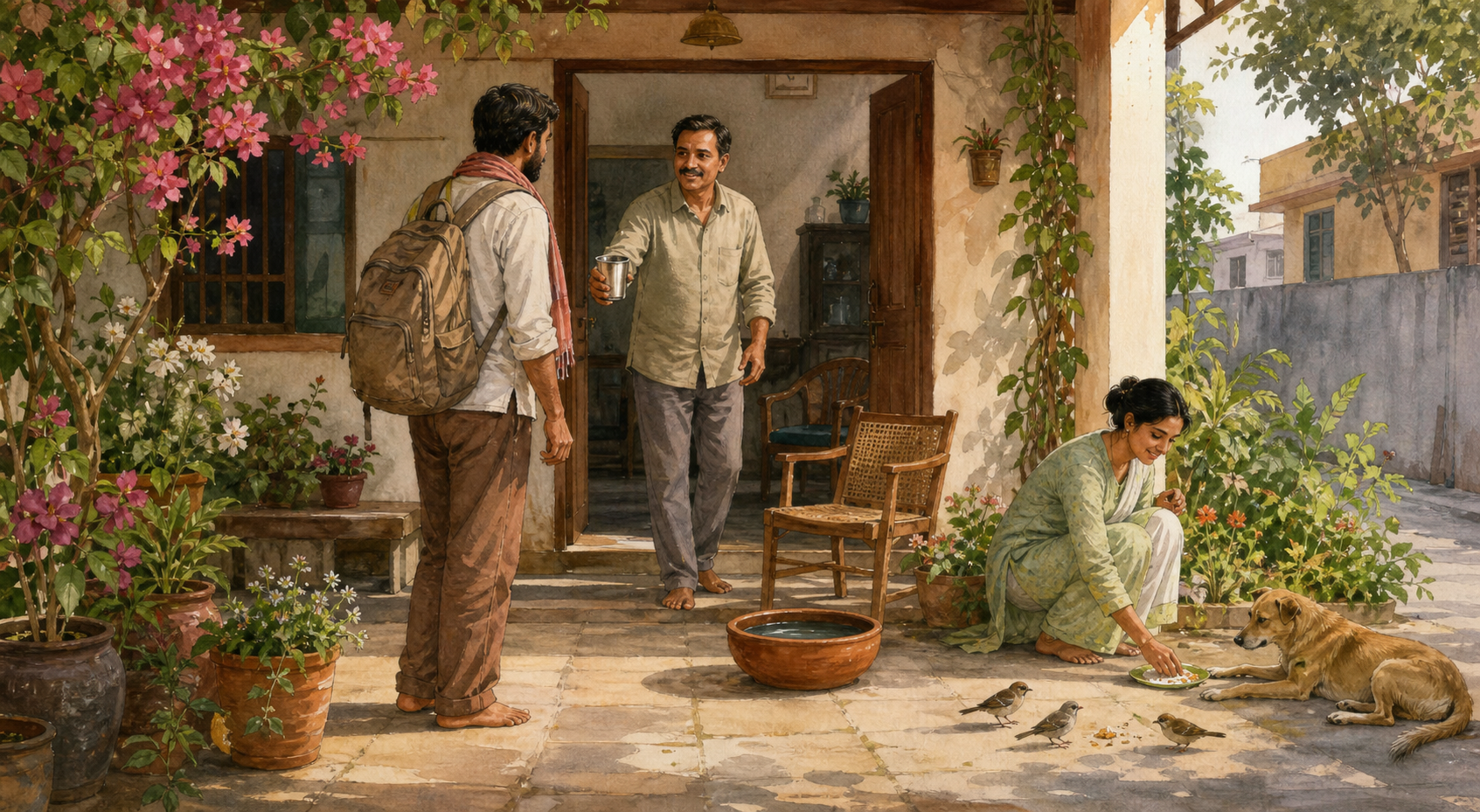
Nriyajna and Bhutayajna in Hindu Householder Ethics
-
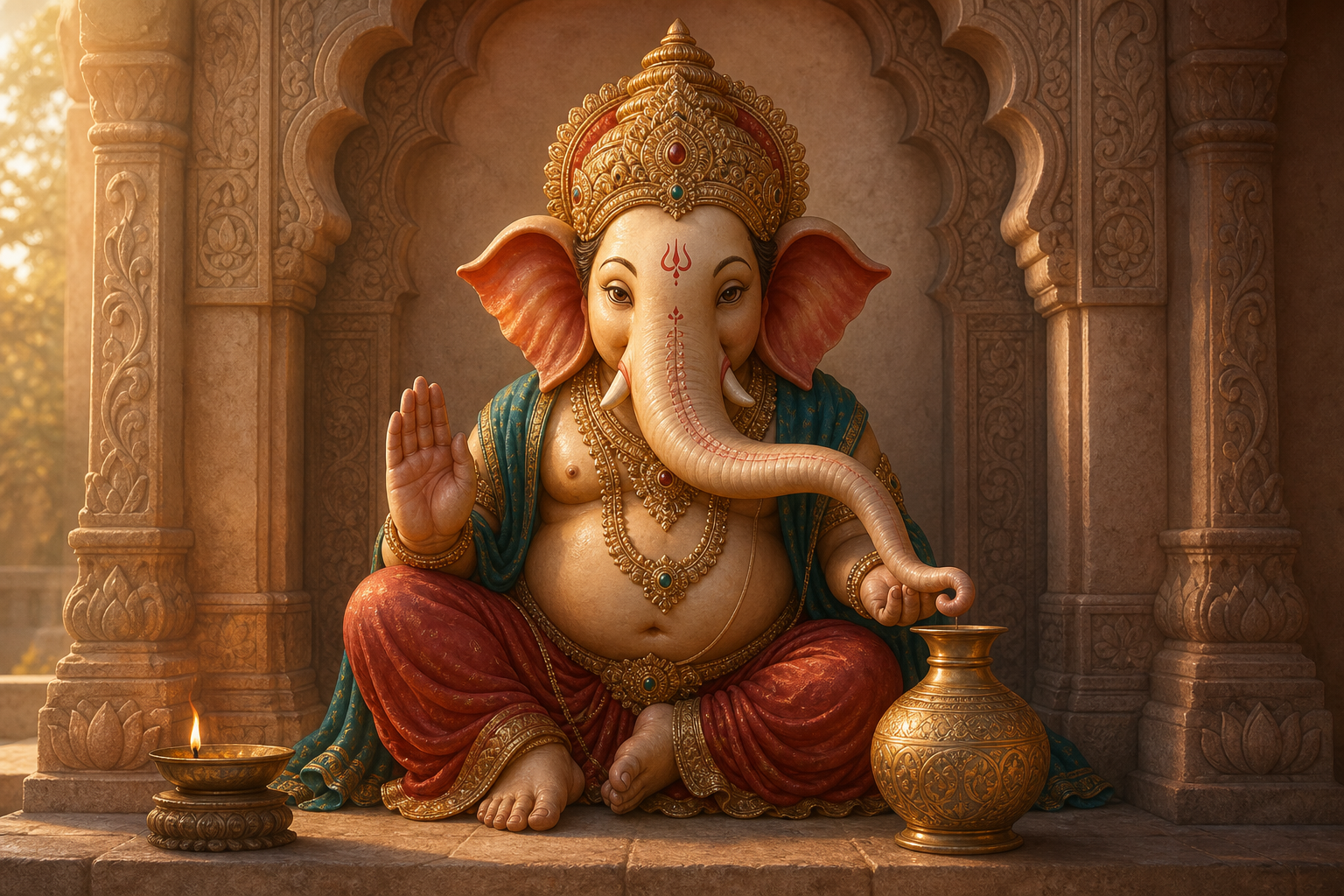
Ganesha and the Kalasha: Reading the Vessel at His Trunk
-
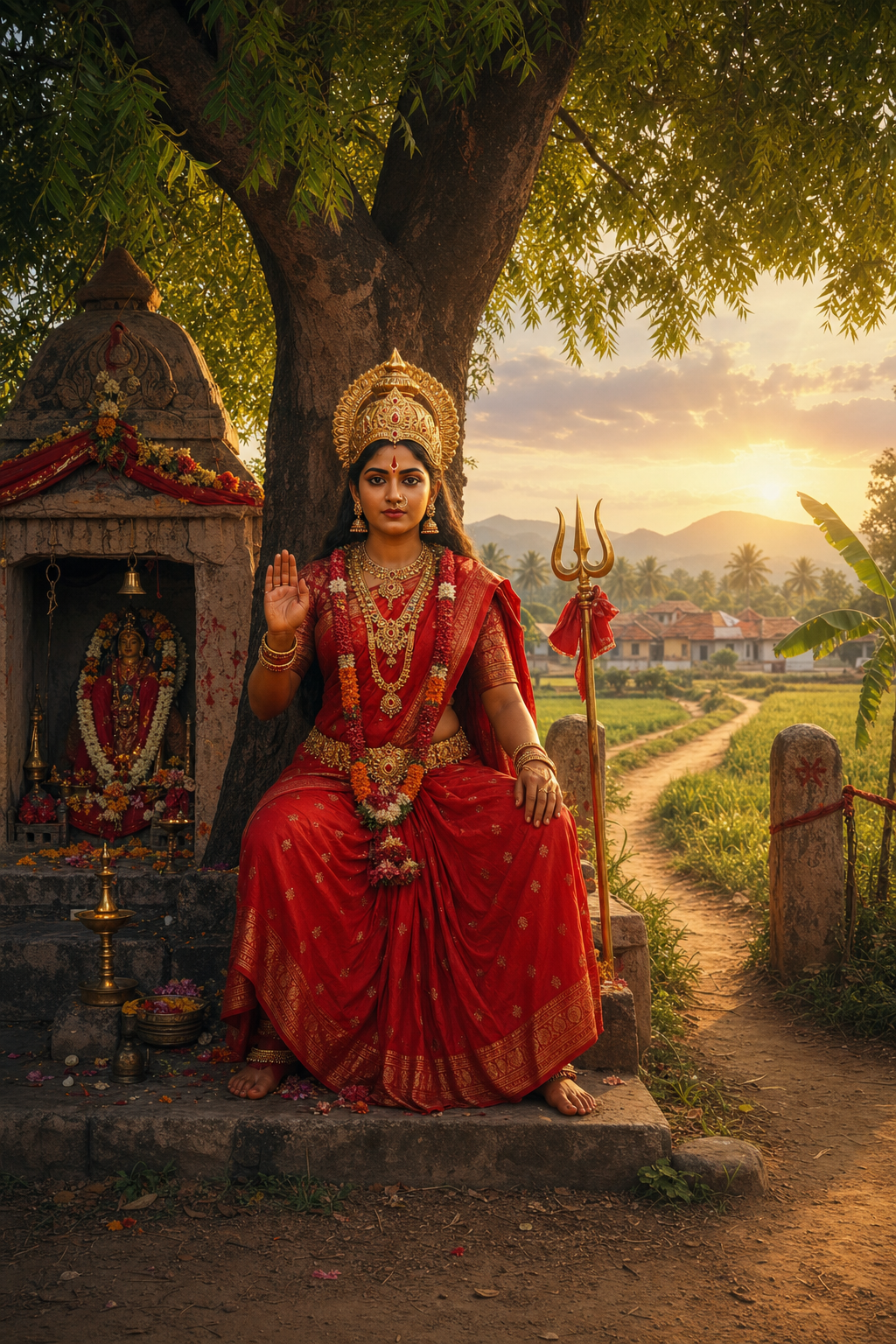
Pidari Amman: Boundary, Fierce Form, and Living Tradition
-
Deeparadhana: Meaning, Diya Science, and Safe Practice
-
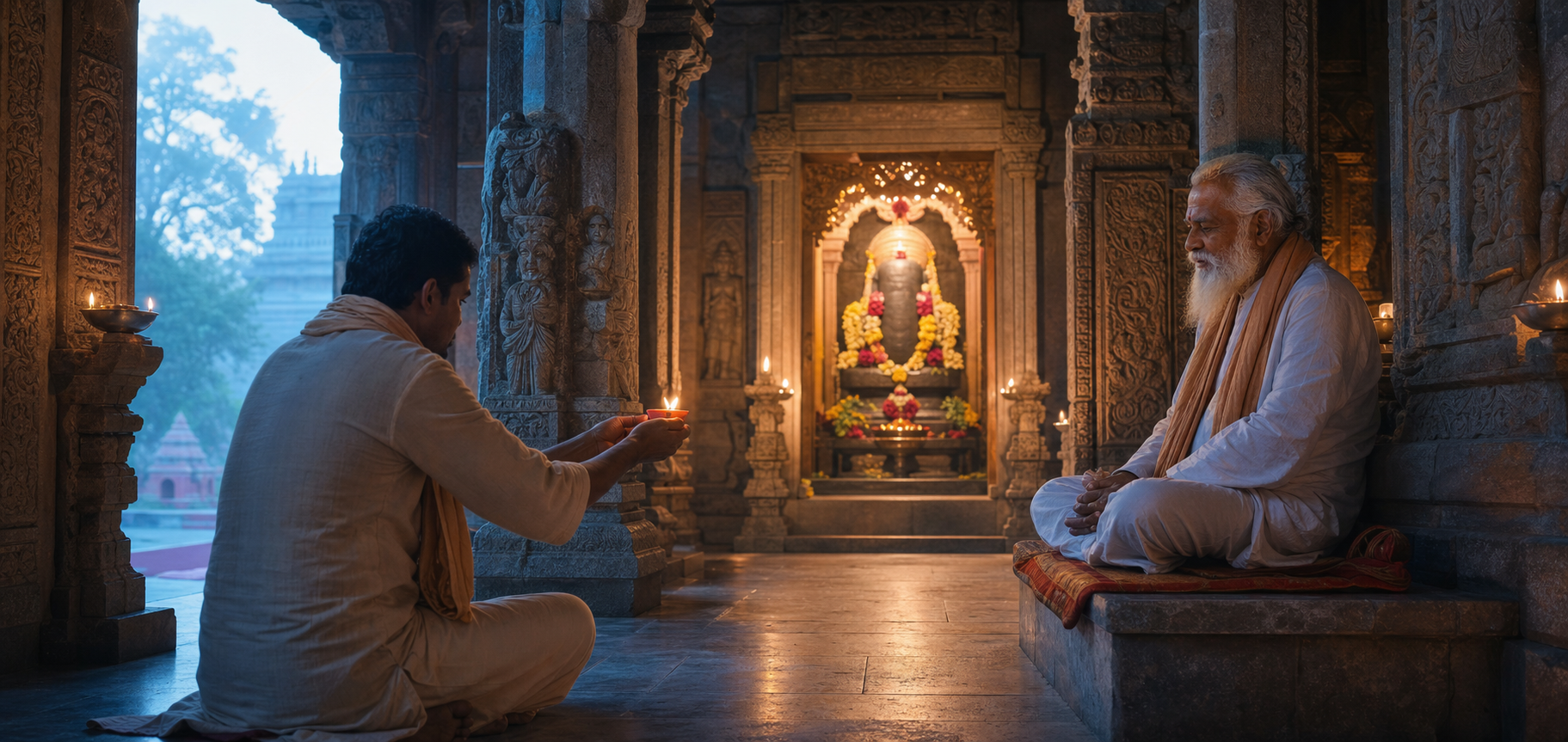
Guru Precedence in Hindu Worship: Meaning and Limits
-

Bhumi Sparsha Mudra in Buddhist Art: Gesture and Meaning
-

Tirumala Saptarishi Tradition: Liturgy, Time and Darshan
-
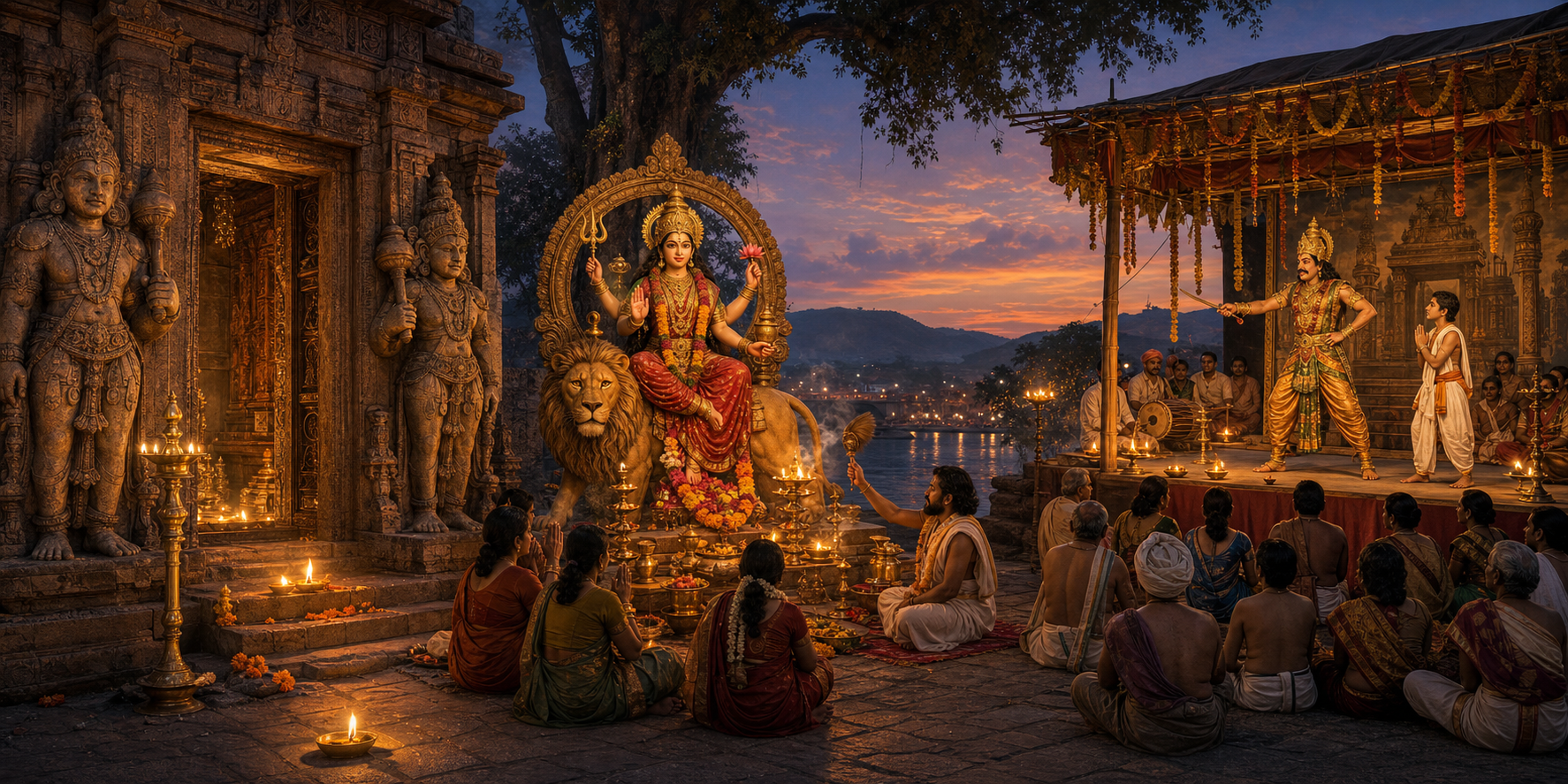
How Puranic Devotion Lives in Sculpture, Ritual, and Theatre
-
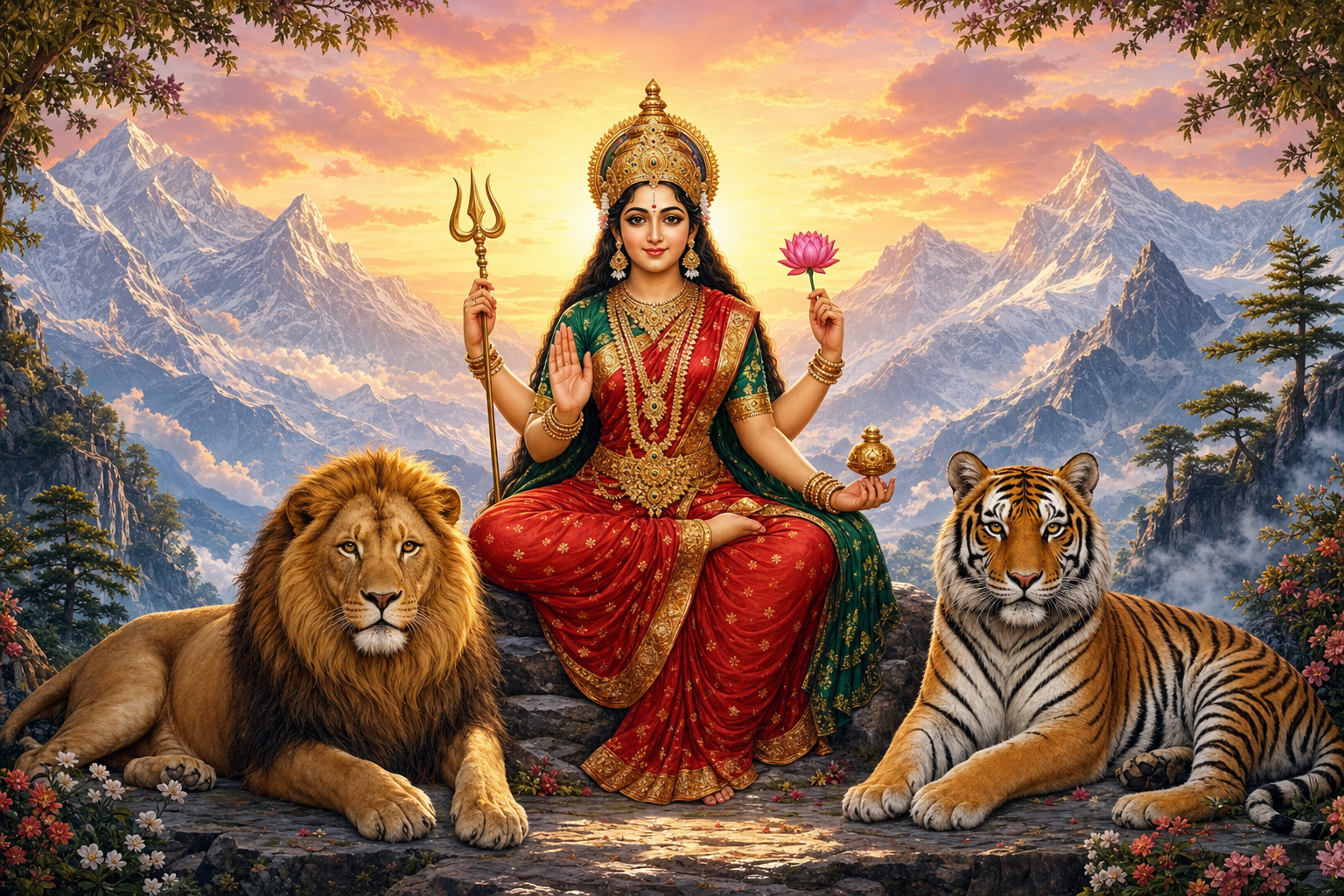
Why Parvati Has Both Lion and Tiger Vahana Traditions
-

The Saptarishis at Tirumala: Sacred Time, Darshan and Grace