-
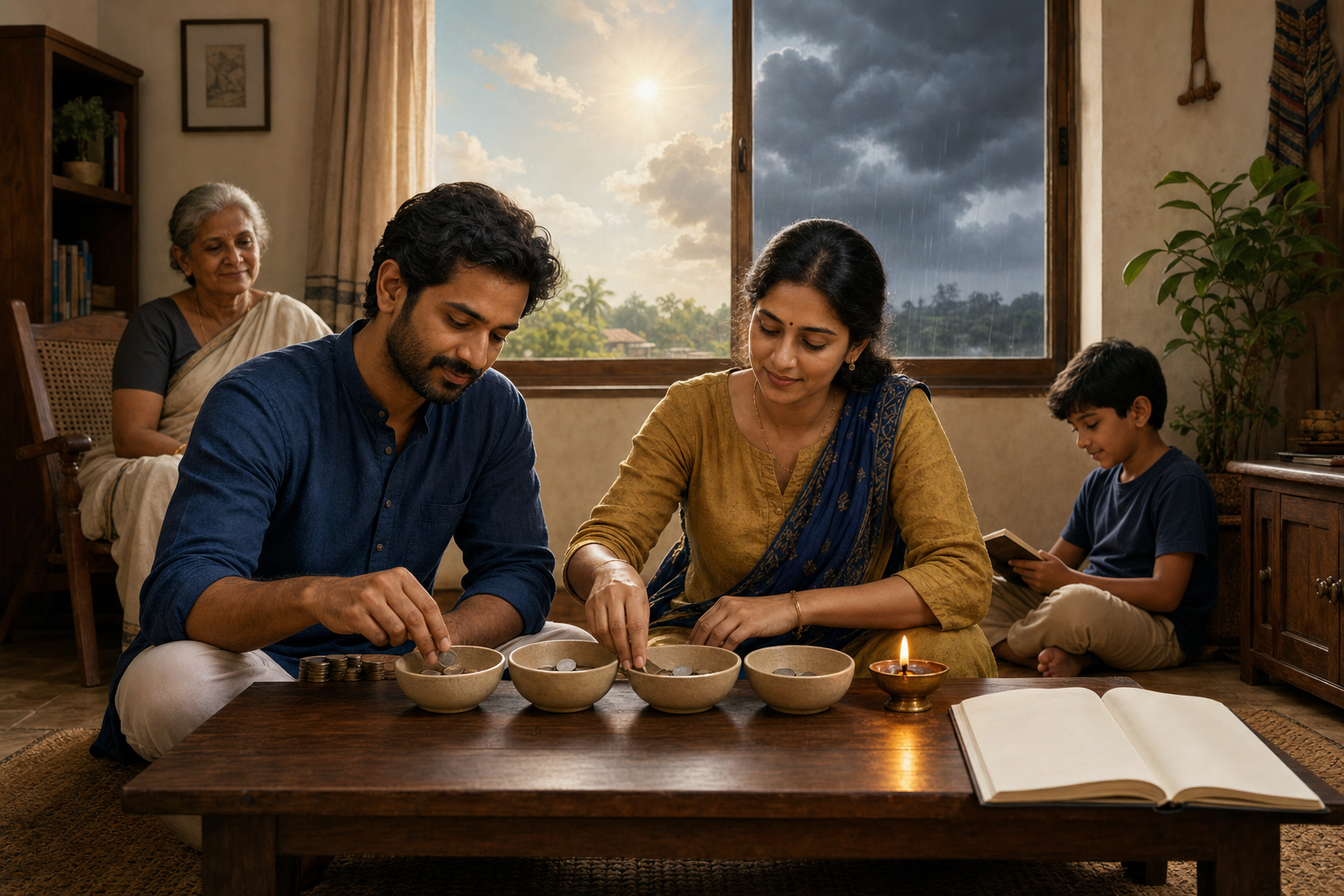
When Motives Turn Impure: Why Restlessness Rises—A Dharmic Insight from Kamsa’s Tale

This essay examines why impure motives generate mental restlessness, drawing on Hindu scriptures and the cautionary tale of Kamsa (Kansa). It explains how fear, greed, and hatred disturb the mind, aligning classical insights with contemporary psychology. The discussion highlights shared dharmic wisdom across Hinduism, Buddhism, Jainism, and Sikhism—emphasizing Right Intention, Ahimsa, Aparigraha, seva, and living…
-
Maa Durga’s Shankha: Sacred Sound of Liberation, Dharma, and Victory Over Evil

The Shankh (Shankha) in Maa Durga’s hand symbolizes the sacred sound that restores dharma and proclaims victory over adharma. Gifted by Lord Varuna, it links purity, water, and cosmic order to Durga’s restorative power in the Devi Mahatmyam. As a manifestation of nāda and the primordial Om, the conch dispels fear, clarifies intent, and anchors…
-
February 16, 2026 Panchang: Krishna Paksha Chaturdashi to Amavasya—Timings & Insights

February 16, 2026 marks Krishna Paksha Chaturdashi in the Hindu calendar until 5:09 PM, followed by the start of Amavasya in the evening. This transition in the Panchang encourages a contemplative mood, emphasizing japa, dhyana, and seva as families prepare for the new lunar cycle. Because regional calculations differ, readers are advised to confirm Shubh…
-
Payo Vrata 2026 Dates & Meaning: Twelve Sacred Days of Vishnu Devotion in Phalguna

Payo Vrata 2026 is a twelve-day Vaishnava observance in Phalguna Masam, beginning on 18 February (Shukla Padyami) and concluding on 1 March (Shukla Dwadashi), with local Panchang nuances guiding precise timings. Grounded in Srimad Bhagavatam—where Aditi performs the payo-vrata before the appearance of Vāmana—the vow emphasizes sattvic restraint, daily worship, and mindful charity to Lord…
-
Falgun Amavasya 2026: Exact Dates, Regional Calendars, Rituals, and Profound Significance

Falgun Amavasya 2026 brings a powerful opportunity for reflection, remembrance, and quiet renewal. The date falls on 18 March in Telugu, Marathi, Gujarati, and Kannada calendars, and on 17 February in North Indian calendars. The 18 March Amavasya, known as Ugadi Amavasya / Gudi Padwa Amavasya, is classified as Chaitra Amavasya by North Indian reckoning.…
-
Goddess Durga’s Triumph over Durgamasura: A Sacred Tale of Dharma, Grace, and Renewal

This article presents an academically grounded retelling of Goddess Durga’s triumph over Durgamasura, highlighting how Shakti restores balance first through compassion as Śatakṣī–Śākambarī and then through righteous courage as Durga. Readers gain clear insight into the Puranic sources, the symbolism of eclipsed knowledge and restored Vedas, and the ecological and ethical dimensions of the legend.…
-
Surya in Bengal: The Sacred Dharma Deva (Ral Deva) Uniting Light, Righteousness, and Prosperity

In Bengal and eastern India, Surya—revered as Dharma Deva or Ral Deva—embodies light, righteousness, fertility, and prosperity. The tradition integrates ethics with ecology, aligning daily life to the solar cycle through dawn arghya and seasonal vows, especially in Poush and Magh. Folk practices transmit values across generations, while classical Vedic symbolism links Bengal’s Dharma Deva…
-
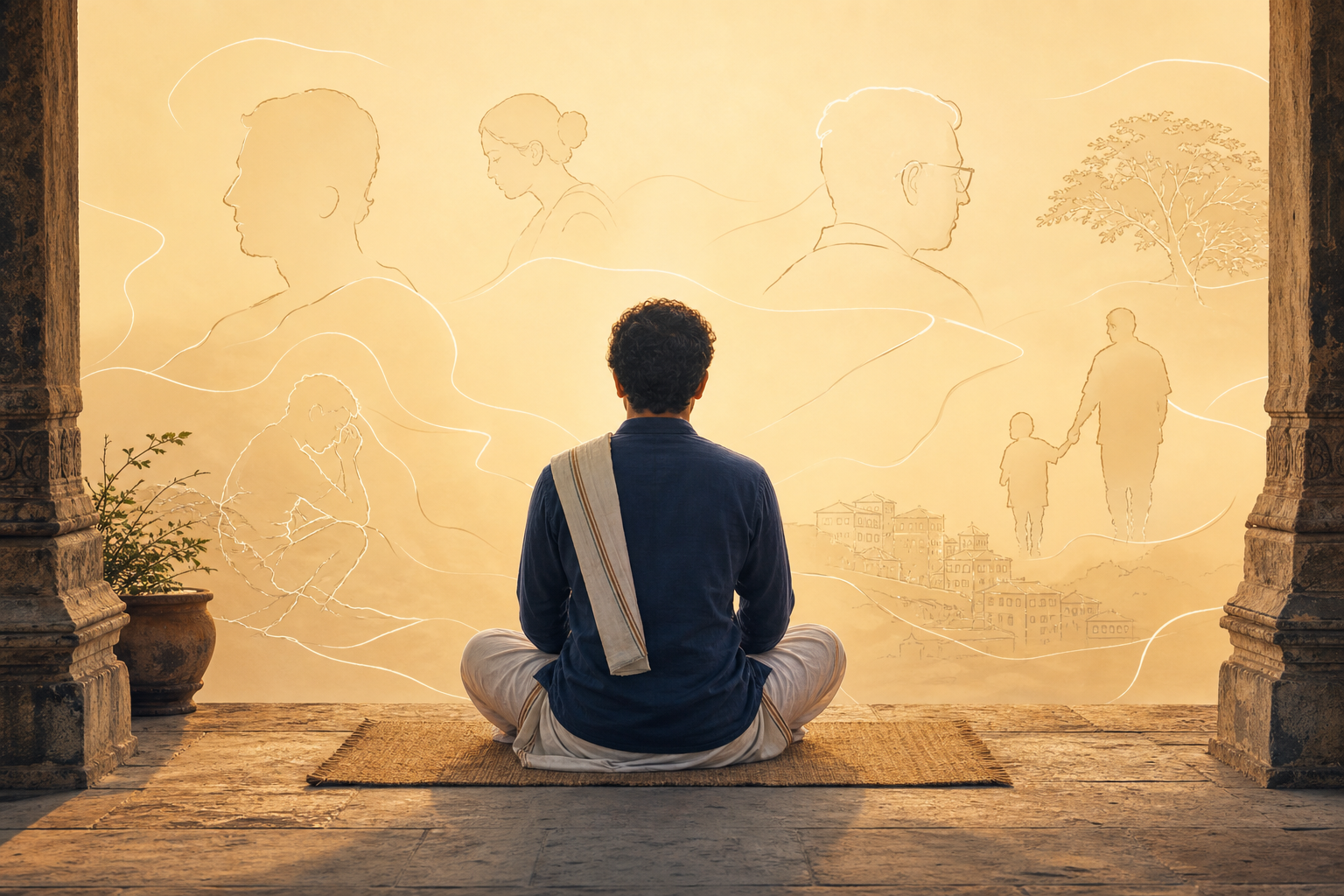
When ‘Failure’ Becomes Success: Transforming Painful Chanting Doubts into Growth

Acknowledging chanting as central to spiritual practice can feel painful because it exposes gaps between ideals and daily effort. This reflection reframes that discomfort as diagnostic feedback, turning apparent failure into a catalyst for growth. Instead of avoiding conversations about quality chanting, compassionate accountability and mindful attention help align intention, technique, and devotion. The same…
-
Awe and Revelation: Early Miracles of Caitanya Mahaprabhu and the Transforming Power of Nama

Early narratives of Caitanya Mahaprabhu recount how, after Sarvabhauma Bhattacarya sought refuge, the Lord revealed a four-armed Visnu form and then the original two-armed Krsna form. This sequence communicates both transcendence and intimacy, guiding readers toward humility and sustained remembrance through chanting. The episode clarifies a core bhakti principle: mercy opens understanding, and understanding ripens…
-
From Seer to Seen: Liberating the jiva through Krishna-centered Vision and Joyful Service

This exploration of Srila Bhakti Siddhanta Saraswati’s teaching on the seer and the seen clarifies how misidentifying the senses as the true knower distorts perception. It shows why the jiva’s ego-centered stance—seeing the world as material for private enjoyment—leads to anxiety and dissatisfaction. By reframing life as Krishna’s world and the self as the object…
-
Beliefs as Mirrors of Consciousness: Timeless Dharmic Wisdom from Yoga Vasishta to Today

This reflection explores how Hindu philosophy understands beliefs as mirrors of consciousness, drawing on the Yoga Vasishta, the Upanishads, and Advaita Vedanta. It highlights convergences with Buddhism, Jainism, and Sikhism, showing how Dharmic traditions foster clarity, compassion, and ethical living. Readers gain a precise framework—samskara, vasana, manas, buddhi, and ahamkara—to understand how beliefs form and…
-
Durga’s Sacred Mace (Gada): A Powerful Emblem of Strength, Justice, and Living Dharma

The gada (mace) in Goddess Durga’s hands signifies ethical strength guided by justice and compassion. Rooted in the Devi Mahatmya, it recalls how Yama endowed Durga with the power to restore order against adharma. The mace symbolizes grounded resolve, impartial accountability, and the stabilizing force of dharma in public and personal life. Beyond martial imagery,…
-
February 15, 2026 Panchang: Exact Tithi Shift—Krishna Paksha Trayodashi to Chaturdashi at 4:23 PM

On Sunday, February 15, 2026, the Hindu calendar notes Krishna Paksha Trayodashi until 4:23 PM, followed by Krishna Paksha Chaturdashi from 4:23 PM onward. This exact tithi transition supports accurate planning for daily worship, vratas, and community observances. Because Pradosha customs depend on Trayodashi’s presence during evening twilight, observers should verify local timings. Nakshatra and…
-
Bhagavatha Anugraha Moorthy: Vishnu’s Boundless Grace, Hope, and Protection for Devotees

Bhagavatha Anugraha Moorthy presents Lord Vishnu as the embodiment of unconditional grace responsive to sincere devotion. Classical Puranic narratives of Dhruva, Prahalada, and Narada illustrate how steadfast bhakti invites protection, guidance, and spiritual elevation. The concept emphasizes that divine compassion is inclusive and accessible, not transactional or exclusive. In daily life, practices such as japa,…
-
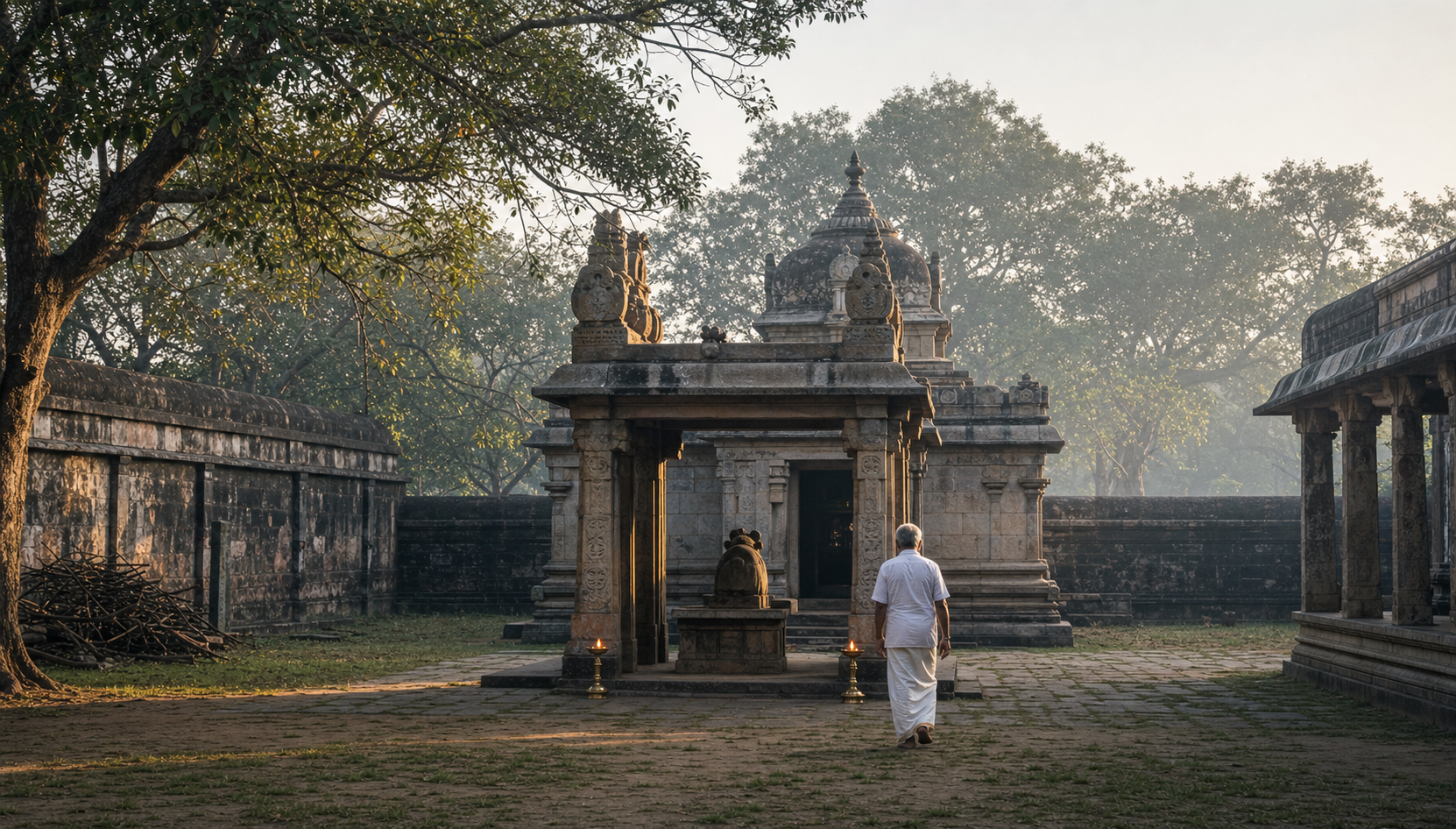
Bhikshatanamurti: Shiva as the Supreme Mendicant—Symbolism, Stories, and Dharmic Unity

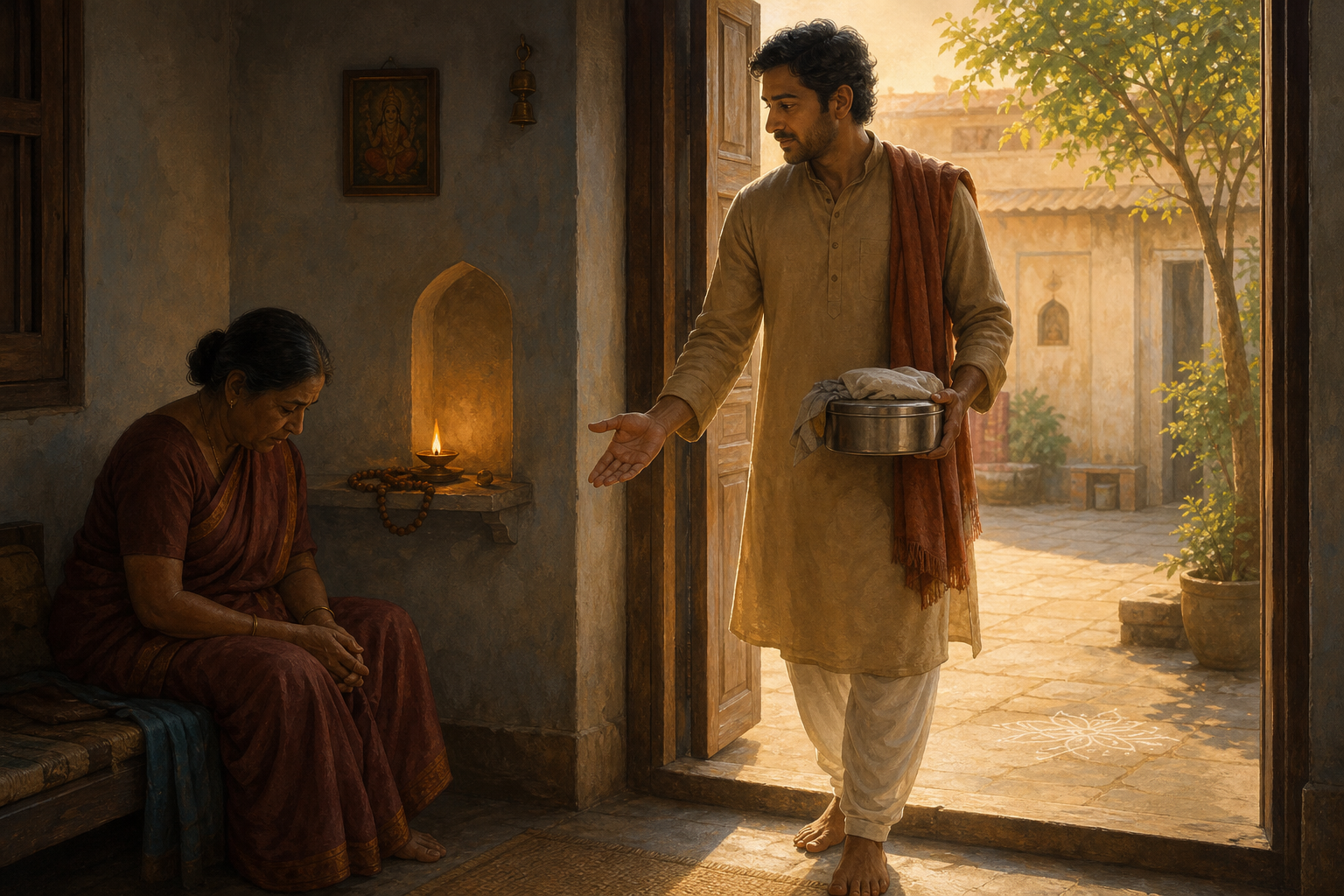
Bhikshatanamurti, the Supreme Mendicant form of Lord Shiva, embodies humility, compassion, and aparigraha while elevating giving into a sacred exchange. This academic overview clarifies the meaning of “mendicant” beyond mere begging and explores how Shaivism frames detachment as inner freedom. It surveys key narratives and iconography—such as the kapala bowl and staff—so readers can interpret…
-
Kamala Kamini Durga: Compassionate Two-Armed Mother—Iconography, Symbolism, Story

Kamala Kamini Durga presents a compassionate, two-armed manifestation of Goddess Durga that emphasizes rescue, reassurance, and inner restoration over outward conquest. The lotus symbolism of Kamala conveys purity and auspicious resilience, while the two hands often reflect abhaya and varada mudras. This form aligns naturally with shared dharmic values of daya, ahimsa, karuna, and seva,…
-
Hare Krishna Norway: Sraddha in Oslo—A Call to Ahimsa, Compassion, and Interfaith Harmony

Set in the context of Oslo’s Hare Krishna community, this reflection examines how Sraddha (faith) translates into compassionate, practical action. It emphasizes ahimsa (non-violence) across Hinduism, Buddhism, Jainism, and Sikhism while encouraging interfaith harmony and mutual respect. The piece reframes moral concern about large-scale animal slaughter as a shared ethical challenge rather than a point…
-
Heart and Mind in Harmony: A Hindu Dharma Blueprint for Balanced, Compassionate Living

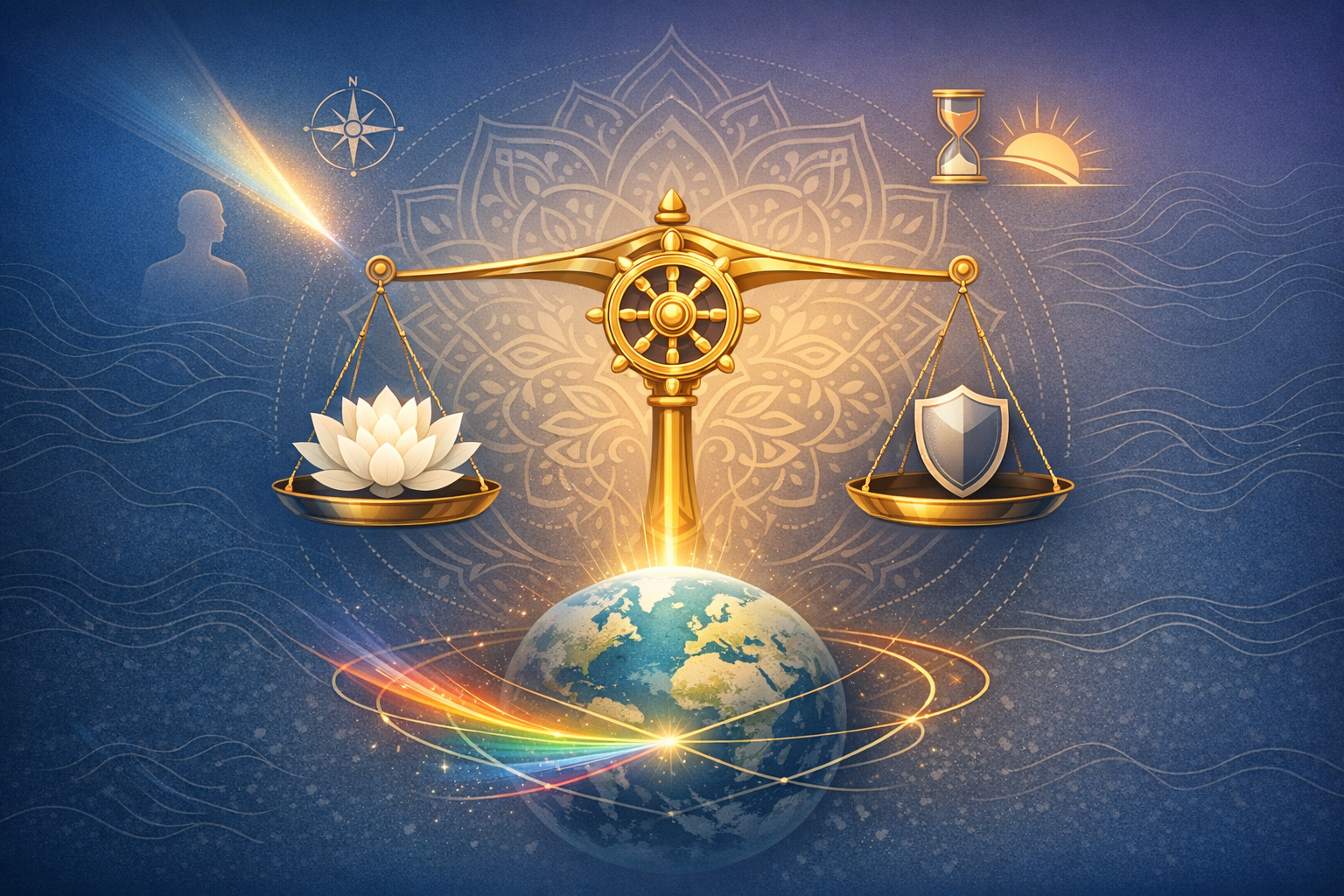
Modern life demands more than speed; it calls for a values-centered way to live with clarity and compassion. Hindu philosophy offers a practical synthesis of heart (karuṇā) and brain (buddhi), aligning emotion with discernment. Through brief daily practices—pranayama, svādhyāya, and seva—readers can cultivate inner peace, emotional balance, and ethical decision-making. The Bhagavad Gita’s integrated path,…