
-
Indrajit and Shiva: The Complete Ramayana Mystery RevealedDiscover a Timeless Truth

Was Indrajit truly Shiva’s son? The Ramayana’s canonical account identifies Indrajit (Meghnad) as the son of Rāvaṇa and Mandodarī, while later traditions speak of him as Shiva’s ‘son’ in a spiritual sense. This analysis clarifies the difference between biological lineage and theological kinship through concepts like amsha and dīkṣā-putra. Readers gain a precise understanding of…
-
Essential Dharmic Wisdom: Discover How to Protect Self‑Worth by Distancing from Belittlers

This article explores the dharmic principle “Distance yourself from those who belittle you” as a practical, ethical discipline for safeguarding dignity and Inner Divinity. It situates the teaching within Hinduism’s focus on atman, sva-dharma, and supportive satsang, and shows convergence with Buddhism, Jainism, and Sikhism. Readers discover how Ahimsa, Anekantavada, Right Speech, and the value…
-
Discover the Essential Dharma of Diversity: Ishta and Pluralism for a Happier Life
Hinduism presents diversity as a disciplined, life-enhancing principle rather than a source of chaos. Through ishta-devata and multiple marga, seekers align practice with temperament while honoring other paths. The popular image of countless deities signals symbolic plurality; classical references to 33 koti clarify its philosophical depth. Allied dharmic traditionsAnekantavada in Jainism, Buddhist compassion, and Sikh…
-
Mahakapala in the Ramayana: Discover the Complete Path to Moksha through Divine Grace
Mahakapala’s brief but evocative appearance in Ramayana lore illustrates how divine grace can reveal the path to moksha even for those aligned with adharma. Framed within Dharma-Yuddha, his defeat is contemplated as a sacred end that preserves justice and dignity. The narrative shows how loyalty becomes virtue only when tethered to truth, and how sincere…
-
Shani Trayodashi 2025 (18 Oct): Essential Pradosham Guide to Meaning, Fasting, and Puja

Shani Trayodashi (Shani Pradosha Vratham) falls on 18 October 2025, uniting Trayodashi with Shanivar for an auspicious observance focused on discipline, justice, and karma. In Hindi panchangs it occurs in Kartik, in Marathi–Kannada–Telugu–Gujarati calendars in Ashwayujam, and in the Bengali calendar in Kartik. The observance traditionally includes vrata, til oil lamps, offerings of black sesame,…
-
Ultimate Guide to Goddess Sundarikali: Discover the Radiant, Compassionate Power of the Divine

Goddess Sundarikali (Sundarkali) embodies a luminous union of compassionate grace and protective strength within Hindu Dharma. This guide explains how the form integrates aesthetic radiance with transformative power, enriching the broader tapestry of Devi traditions. Readers discover how devotees engage in practices like japa and mindful contemplation to cultivate ethical clarity, resilience, and loving-kindness. The…
-
October 25, 2025 Panchang: Essential Guide to Shukla Paksha Chaturthi Timings and Puja

Saturday, October 25, 2025 features Shukla Paksha Chaturthi for the entire civil day, transitioning to Shukla Paksha Panchami at 12:31 AM on October 26. Readers gain a clear tithi timeline for confident planning. The guide explains the devotional significance of Chaturthiespecially Ganesha-focused worship for clarity and new beginnings. It recommends simple, eco-conscious observances and mindful…
-
Guru Dwadashi 2025: Discover the Complete Guide to Date, Significance, and Observances

Guru Dwadashi 2025 is observed on October 17–18, aligning with Krishna Paksha Dwadashi in the Ashwin month (Ashwayuja masam). Devotees of Sri Guru Datta (Dattatreya) commemorate the day with puja, vrata, parayana, bhajans, and seva, emphasizing humility and ethical living. Many traditions remember SriPada Sri Vallabha swamy in connection with this date, reflecting on the…
-
Anahata (Heart Chakra) Explained: The Complete Guide to Discover Inner Balance and Compassion

Anahata Chakra, the fourth energy center in the traditional chakra system, bridges material concerns and spiritual insight through compassion, balance, and ethical clarity. Grounded in yogic anatomy, it is associated with air (vayu), the color green, and the bīja mantra “Yam,” framing a contemplative model for mind-body connection. Practitioners often report steadier breath, emotional regulation,…
-
Discover the Complete Meaning of Ashtabhuja: Goddess Kushmanda’s Eight Arms Explained
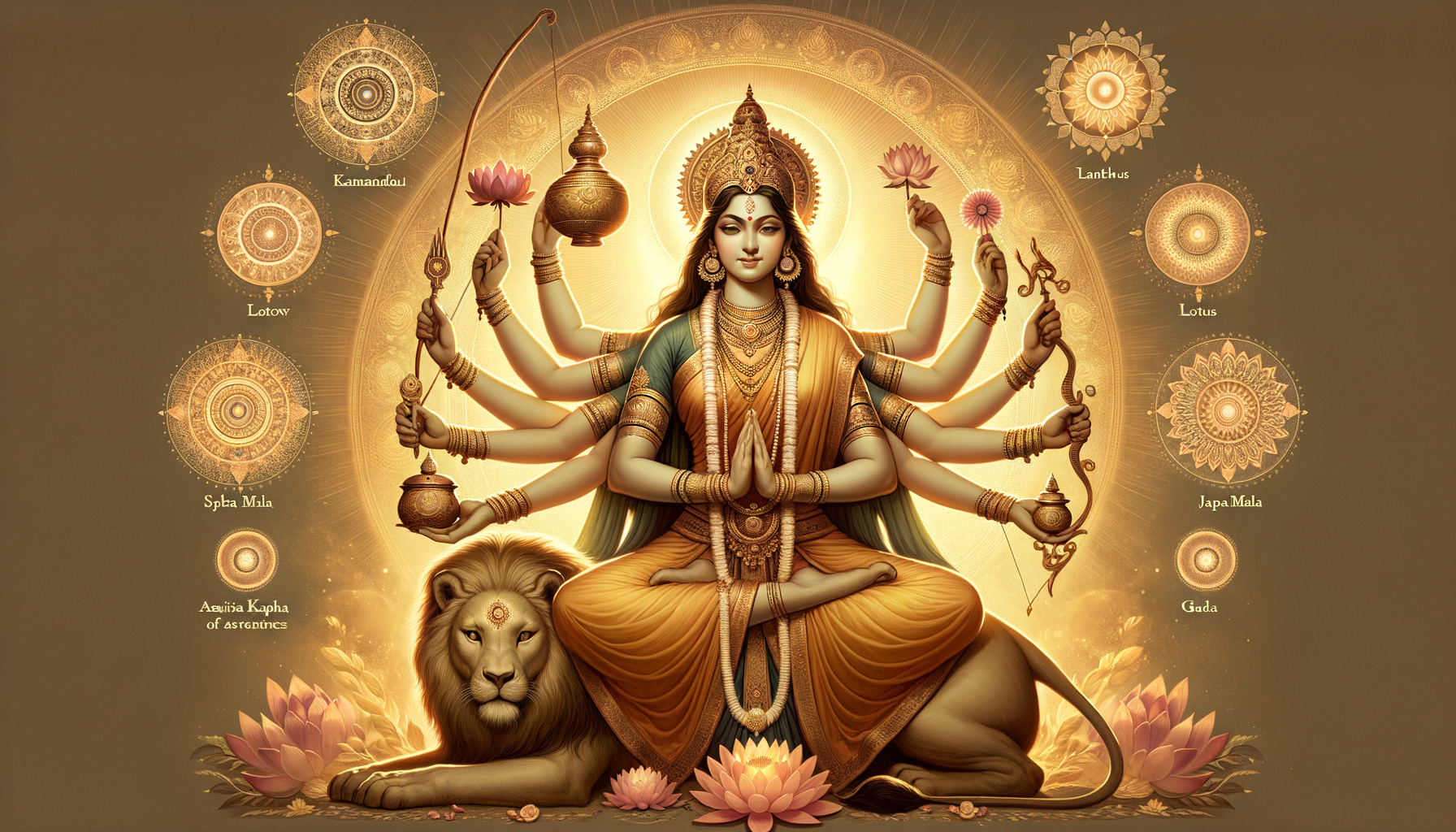
Goddess Kushmanda is called Ashtabhuja because her eight-armed iconography encodes a complete map of spiritual and worldly stewardship in Hindu philosophy. Each attributekamandalu, bow, arrow, lotus, amrit kalash, jap mala, chakra, and gadaconveys a specific virtue, linking creation, protection, and inner transformation. The form resonates with the eight directions and the ashta-siddhis, emphasizing ethical mastery…
-
Master Purva Mimamsa’s Complete Insight: Discover an Eternal, Uncreated Universe

This article presents Purva Mimamsa’s core insight: an eternal, uncreated universe governed by dharma, adrishta, and apurva rather than a one-time creation event. Readers gain a clear overview of how Vedic authority (apaurusheyatva) and precise ritual action explain moral causality without requiring a creator-deity. The piece shows how this perspective aligns with broader Dharmic traditionsBuddhism,…
-
Discover the Proven Joy of Sankirtan: How Book Distribution Sustains a Lifelong Practice

The first verse of the siksastakam becomes experientially vivid during sankirtan, where book distribution reveals an ocean of bliss independent of external circumstances. Srila Prabhupada’s journeyfrom hardship in Vrndavana to recognition in the Westillustrates the reciprocation of mercy that follows sincere service. This path cultivates devotion, humility, and resilience while offering inner clarity and steadiness…
-
Essential Insights on Power and Dharma: Discover the Proven Truth of Uncorrupted Divinity

Power often begins as a learned behaviorcrying for attention, exerting strength, leveraging beauty, or wielding statusbut dharmic wisdom clarifies that such tactics affect the ego, not the Divine. Hindu, Buddhist, Jain, and Sikh teachings converge on a central truth: the Divine remains uncorrupted, while human impulses require discipline. This essay offers practical toolspranayama, mindfulness, japa,…
-
A Mother’s Final Words: A Complete Breakthrough in Dharmic Understanding of the Eternal Self

A late-night call informed that a mother had passed, yet her final words“I’m not this body… I’m going to Krsna!”reframed grief into reflective calm. The account situates her transformation within dharmic perspectives on the self, liberation, and impermanence. It connects Hindu, Buddhist, Jain, and Sikh insights, showing how they converge ethically on fearlessness, compassion, and…
-
The Complete Guide to Emotional Balance: Discover Resilient Wisdom Across Joy and Grief

This piece explores emotional balance through three thresholds: awe, grief, and silent resilience. It defines thresholds as turning points that reshape perception and identity, then illustrates them with vivid, real-world examples. The analysis frames balance not as neutrality but as grounded presence amid intensity. It highlights shared dharmic wisdom across Hinduism, Buddhism, Jainism, and Sikhism,…
-
October 24, 2025 Panchang: Complete Guide to Shukla Tritiya, Good Time, and Chaturthi Transition

On October 24, 2025, Shukla Paksha Tritiya prevails until 10:30 PM, then transitions to Shukla Paksha Chaturthi. This concise Panchang guide helps readers plan key observances by aligning with the active tithi. It outlines how to approach good time (auspicious time) selection and why local Panchang consultation is essential. It explains how Nakshatra and Rashi…
-
The Proven Power of Santosha: Discover How Inner Satisfaction Ignites Creativity

Santosha (contentment) in Hindu philosophy functions as a practical catalyst for creativity by quieting mental noise and freeing attention for insight. As a niyama of Yoga, it refines motivation from scarcity-driven striving to curiosity-driven exploration. Parallels in Buddhism (upekkhā), Jainism (aparigraha), and Sikhism (Santokh) reveal a shared Dharmic emphasis on inner satisfaction as a basis…
-
Essential Dharma Breakthrough: How Silent Goodness Enables Eviland How to Transform It
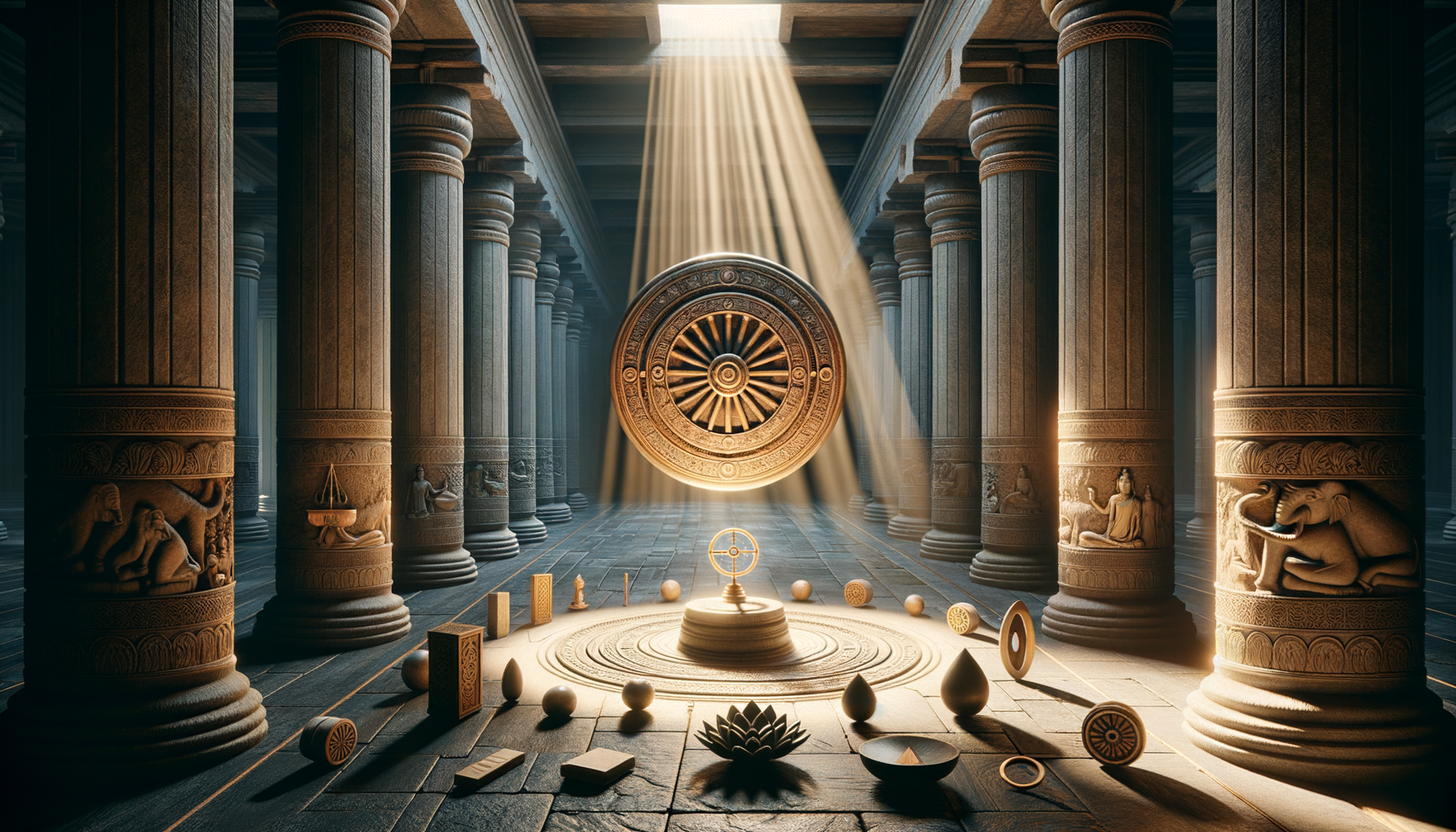
Indraprastha’s Rajasuya yajna offers an enduring lesson: when courtesy lacks boundaries, adharma grows. The Mahabharata shows how excessive toleranceat the Rajasuya and later in the dice hallcan legitimize injustice, as seen in the silence during Draupadi’s humiliation. Dharma demands proportionate, principled action after patient dialogue, a sequence Sri Krishna models in the Udyoga Parva. This…
-
Complete Guide to Jyeshta Lakshmi Iconography: Discover Proven Symbols of Prosperity and Wisdom

Goddess Jyeshta Lakshmi’s iconography encodes a practical theology of ethical prosperity and reflective wisdom. The lotus seat models purity amidst change, while the kalasha, lotus, and knowledge emblems unite abundance with study and restraint. Abhaya and varada mudrās teach fearlessness and generosity, reframing wealth as a responsibility grounded in dharma. Attire, radiance, and Gaja-Lakshmi motifs…
-
Discover Yama Deepam’s Timeless Power: Complete Dhanteras 2025 Yama Deeparadhana Guide

Yama Deepam (Yama Deeparadhana) is a Dhanteras observance that honors Yama through the symbolic lighting of an oil lamp, fostering protection, order, and inner calm. Celebrated on 18 October 2025, it is typically performed at dusk with a clay diya filled with sesame oil and placed at the entrance or facing south. The ritual’s meaninglight…