Category: Spiritual Insight

  • Tripura Tandava of Shiva: Decoding the Sixteen-Armed Dance of Cosmic Dissolution

    Tripura Tandava of Shiva: Decoding the Sixteen-Armed Dance of Cosmic Dissolution

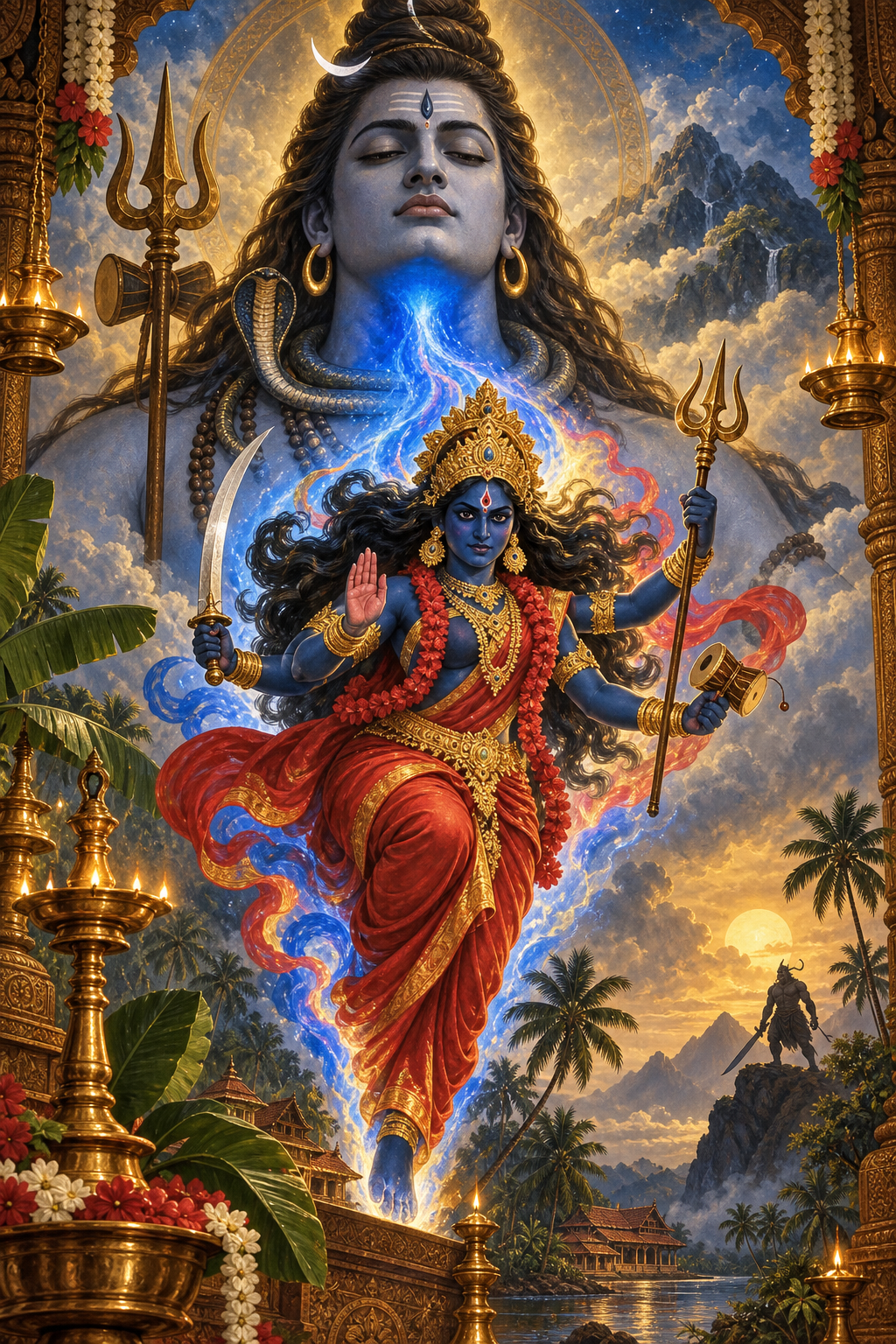
    Tripura Tandava, often aligned with Shiva’s role as Tripurāntaka, encapsulates the precise instant of cosmic dissolution where triadic structures resolve into pure awareness. Grounded in the pañcakṛtya framework, it brings together saṁhāra (dissolution) and tirodhāna (concealment) to culminate in laya (absorption). The post examines Purāṇic narratives, āgamic iconography—including the striking sixteen-armed convention—and the dance grammar…

  • Srimad Bhagavatam 3.25.43: Kapila’s Transformative Bhakti‑Sankhya, Sādhu‑Saṅga, and Dharmic Unity

    Srimad Bhagavatam 3.25.43: Kapila’s Transformative Bhakti‑Sankhya, Sādhu‑Saṅga, and Dharmic Unity

    Śrīmad-Bhāgavatam 3.25.43 crowns Kapila’s theistic bhakti‑sāṅkhya, showing how analysis attains completion only when joined to devotion. This academic yet accessible exploration, based on a Mayapur TV – English discourse by H.H. Bhakti Arjava Priti Vardhan Swami Maharaj, explains why sādhu‑saṅga, śravaṇa, and sevā reliably reconfigure consciousness. It clarifies how Bhāgavatam treats bhakti as a rigorous…

  • HH SB Keshava Swami at ISKCON Dallas: Timeless Bhakti-Yoga Wisdom and Dharmic Unity

    HH SB Keshava Swami at ISKCON Dallas: Timeless Bhakti-Yoga Wisdom and Dharmic Unity

    This analysis examines HH SB Keshava Swami’s ISKCON Dallas lecture as a model of rigorous, text-rooted bhakti-yoga tailored for a global audience. It clarifies Gaudiya Vaishnava frameworks such as sambandha–abhideya–prayojana, the nine limbs of devotion, and the acintya-bhedabheda philosophy. Readers gain practical methods to integrate mantra meditation, kirtan, seva, and shastra study into daily life.…

  • Chudamani: Radiant Crest Jewel of Hindu Deities and the Apex of Sacred Iconography

    Chudamani: Radiant Crest Jewel of Hindu Deities and the Apex of Sacred Iconography

    This article explores the chudamani — the crest jewel at the summit of a deity’s crown — as the apex of Hindu iconography and meaning. Readers learn the term’s etymology and literary memory in the Ramayana, its precise placement on mukuta types, and its codification in Shilpa Shastra and Agamic texts. The discussion unpacks symbolism…

  • How Sharing Food Heals Enmity: Timeless Dharmic Practices from Hindu, Buddhist, Jain, Sikh Traditions

    How Sharing Food Heals Enmity: Timeless Dharmic Practices from Hindu, Buddhist, Jain, Sikh Traditions

    Hinduism and its sister dharmic traditions treat shared food as a deliberate instrument of reconciliation. Philosophical axioms such as Annam Brahma, Atithi Devo Bhava, and Vasudhaiva Kutumbakam elevate feeding from charity to peacecraft. Ramayana narratives, temple prasada, Sikh langar, Jain anna-kshetras, and Buddhist dana converge on a single ethic: dignified, vegetarian commensality dissolves social distance…

  • Brahman Alone Is Real: A Rigorous Guide to ‘Jagat Mithyā’ via Sri Ramakrishna

    Brahman Alone Is Real: A Rigorous Guide to ‘Jagat Mithyā’ via Sri Ramakrishna

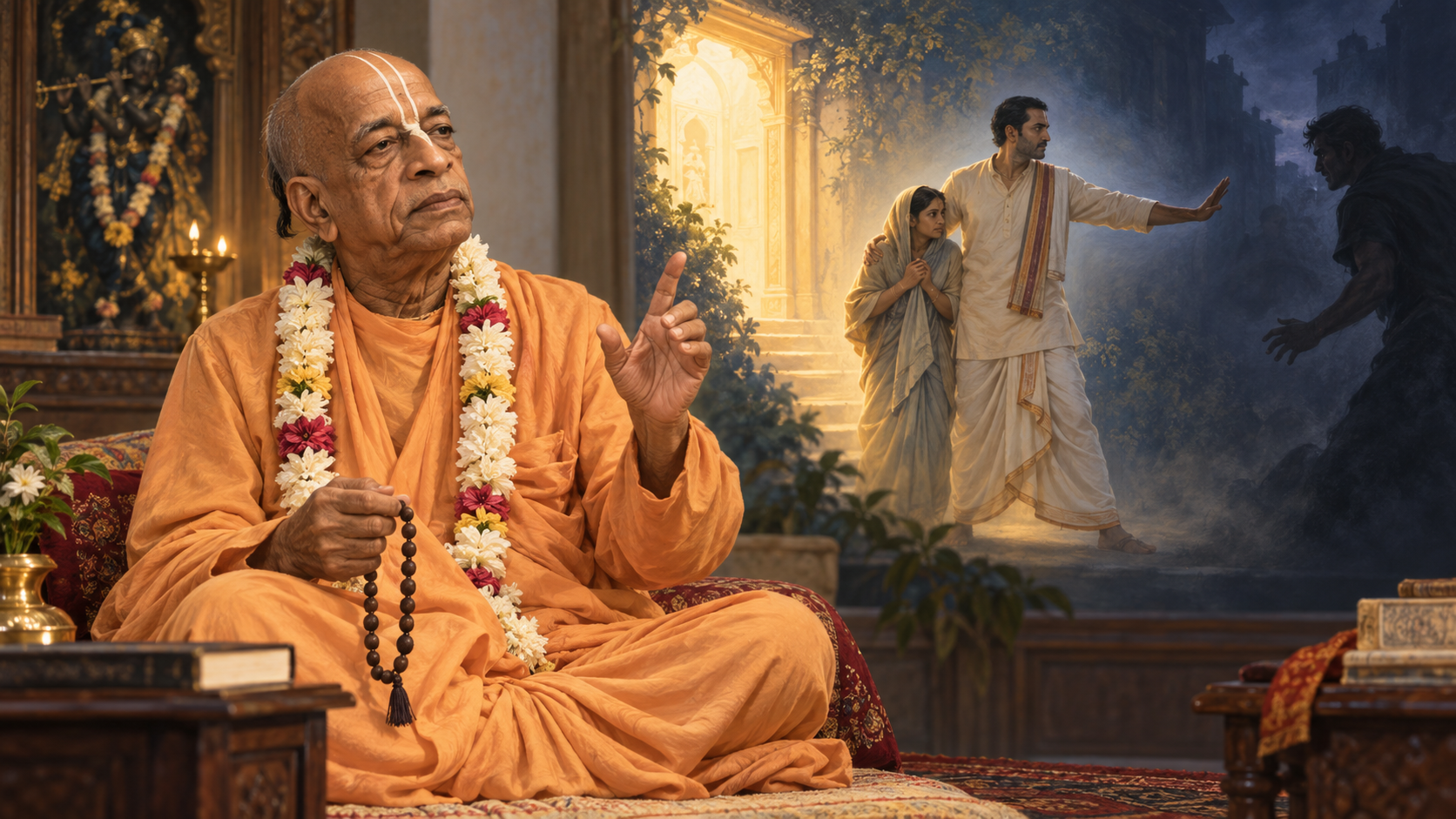
    A well-known story about Harinath—later Swami Turiyananda—and Sri Ramakrishna becomes a doorway into the core Advaita Vedanta assertion that Brahman alone is real and the universe is mithyā. This long-form analysis clarifies that mithyā does not mean nonexistence but dependent reality, carefully distinguishing pāramārthika, vyāvahārika, and prātibhāsika levels. It explains key Advaita tools—adhyāsa, adhyāropa–apavāda, and…

  • Definitive May 19, 2026 Panchang: Shukla Tritiya to Chaturthi, Auspicious Times, Nakshatra, Rashi

    Definitive May 19, 2026 Panchang: Shukla Tritiya to Chaturthi, Auspicious Times, Nakshatra, Rashi

    May 19, 2026 spans two tithis: Shukla Paksha Tritiya until 6:19 PM (most regions), followed by Shukla Paksha Chaturthi. The article explains how tithi is calculated and why it can end mid-day, then shows how to apply Panchang frameworks—Abhijit Muhurta, Brahma Muhurta, and the avoidance of Rahu Kalam, Yamaganda, and Gulika—to choose Shubh Muhurat intelligently.…

  • Trapped in a ‘Perfect’ Life: Evidence-Based Steps to Reclaim Agency, Clarity, and Joy

    Trapped in a ‘Perfect’ Life: Evidence-Based Steps to Reclaim Agency, Clarity, and Joy

    Many people feel trapped in a life that looks good on paper, yet their bodies and emotions signal misalignment. This analysis explains why such lives are hard to leave—status quo bias, loss aversion, sunk costs, and identity foreclosure—and shows how evidence-based methods can restore clarity. It integrates Self-Determination Theory, mindfulness, breath-based vagal regulation, and values-based…

  • Bhairava as Bhudhara Atma: The Unshakable Ground of Kalika, Earth, and All Worlds

    Bhairava as Bhudhara Atma: The Unshakable Ground of Kalika, Earth, and All Worlds

    This long-form exploration clarifies Bhudharatmajaya Bhairava as the atma of Bhudhara—the conscious support of Earth and mountains—and the Adhara, the unmoving ground of charachar prakriti. It decodes the Sanskrit terms, situates Bhairava and Kalika within Tantric and Purana frameworks, and maps their complementarity across the panchabhuta and Shaiva tattvas. Temple architecture, kshetrapala guardianship, and contemplative…

  • Phalashruti in Hindu Scriptures: Timeless Promise, Mimamsa Logic, and Transformative Practice

    Phalashruti in Hindu Scriptures: Timeless Promise, Mimamsa Logic, and Transformative Practice

    Phalashruti, the fruit of hearing or recitation, is a core feature of Hindu scriptures that links practice to purpose. It functions within Mimamsa hermeneutics as arthavada, motivating ethical discipline and clarifying the benefits of mantra, vrata, pilgrimage, and study. Found across Puranas, sahasranamas, and tirtha-mahatmyas, it maps outcomes from mental clarity and peace to devotion,…

  • From Impermanence to Eternal Service: A Clear Path through Dharma, Devotion, and Liberation

    From Impermanence to Eternal Service: A Clear Path through Dharma, Devotion, and Liberation

    The essay reframes the modern pursuit of longevity through a dharmic lens, showing how Hinduism, Buddhism, Jainism, and Sikhism converge on training attention, purifying intention, and embodying seva. Instead of biological duration, it emphasizes the continuity of rightly directed consciousness and compassionate action. Technical concepts are clarified—atman, saṁsāra, karma, ahaituky apratihata, moksha—while practical disciplines (śravaṇa,…

  • Chanting with Feeling: How Remembrance of Hari Dissolves Fear and Calms the Mind

    Chanting with Feeling: How Remembrance of Hari Dissolves Fear and Calms the Mind

    This article explains how chanting with genuine feeling dissolves fear by uniting scriptural insight and modern psychophysiology. It outlines why Hari—“the one who takes away”—removes anxiety rooted in uncertainty through heartfelt remembrance (smaraṇa) and steady mantra meditation. Readers learn practical, evidence-aligned methods for pacing breath, engaging emotion (bhāva), and consolidating calm after practice. Everyday scenarios…

  • Facing Kāla, the Winkless God: A Dharmic and Scientific Exploration of Time’s Power

    Facing Kāla, the Winkless God: A Dharmic and Scientific Exploration of Time’s Power

    This essay examines kāla—“the winkless God”—as a propertyless yet sovereign principle across Hindu, Buddhist, Jain, and Sikh thought. Drawing on classical commentaries that describe time as causally independent and “endless,” it explains how time can terminate all conditioned things without itself being terminated. It situates Purāṇic time reckoning within vast cycles and relates the metaphor…

  • CC Madhya 4.112–123: Madhavendra Puri, Kshirachora Gopinatha, and the Power of Devotional Humility

    CC Madhya 4.112–123: Madhavendra Puri, Kshirachora Gopinatha, and the Power of Devotional Humility

    This analysis distills the core teachings of CC Madhya 4.112–123 as presented at ISKCON New Govardhana Temple on Sat 09 May 2026 by HG Aniruddha das. It explains how the Kshirachora Gopinatha narrative reveals the Lord’s intimate reciprocity with Madhavendra Puri while modeling uncompromising humility. The piece clarifies key Gaudiya Vaishnava doctrines—archa-vigraha, prasada-tattva, and the…

  • Krishna’s Awe-Inspiring Arena Entry: The Definitive SB 10.43.17 Guide to Dharmic Valor

    Krishna’s Awe-Inspiring Arena Entry: The Definitive SB 10.43.17 Guide to Dharmic Valor

    This article examines Srimad Bhagavatam 10.43.17—Krishna’s entrance into the Mathura wrestling arena—as presented in a live discourse by HH Krishna Kshetra Swami at ISKCON Ljubljana. It situates the narrative within the Dhanur-yajna context, Kaṁsa’s tyranny, and the ethical logic of dharma-yuddha. Readers gain a philological, theological, and aesthetic analysis, including how diverse onlookers perceive Krishna…

  • Revealing the Fifth Chapter: Sudarshana Chakra in Nrisimha Tapaniya Upanishad—Sacred Geometry and Dhyana

    Revealing the Fifth Chapter: Sudarshana Chakra in Nrisimha Tapaniya Upanishad—Sacred Geometry and Dhyana

    The Nrisimha Tapaniya Upanishad’s fifth chapter elevates Sudarshana Chakra from a divine symbol to a precise contemplative technology that unites mantra, yantra, and dhyana. By presenting the Chakra as a pivot of “auspicious seeing,” it refines attention, stabilizes ethical intent, and supports protective clarity in daily life. The analysis explains core mantras—including the Nṛsiṁha and…

  • Lakshmana in Sacred Art: Powerful Iconography, Proportion Rules, and Spiritual Meaning

    Lakshmana in Sacred Art: Powerful Iconography, Proportion Rules, and Spiritual Meaning

    Lakshmana’s sacred form in Hindu sculptures fuses epic narrative with precise Shilpa Shastra proportion rules to communicate seva, discipline, and fraternal loyalty. Typically positioned to Sri Rama’s left (viewer’s right) with bow, arrows, and quiver, Lakshmana’s slightly reduced scale expresses devoted service rather than sovereignty. Regional schools—from Chola bronzes to Hoysala stone and Vijayanagara ensembles—retain…

  • Shattering the Myth: Why Enlightenment Demands Action—Dharma, Karma Yoga, and Sacred Work

    Shattering the Myth: Why Enlightenment Demands Action—Dharma, Karma Yoga, and Sacred Work

    Many assume enlightenment frees a person from work; Hindu philosophy and its dharmic counterparts show the opposite. The Bhagavad Gītā teaches that action is unavoidable and must be transformed through Karma Yoga into selfless service. Dharma aligns individual role and aptitude with the common good, while prārabdha karma explains why even the realized remain outwardly…

  • As You Believe, So You Live: Hindu Dharma’s Science of Mindset, Health, and Longevity

    As You Believe, So You Live: Hindu Dharma’s Science of Mindset, Health, and Longevity

    This long-form analysis explores how dharmic wisdom—Hinduism, Buddhism, Jainism, and Sikhism—anticipated modern findings on the mind-body connection by showing that belief (śraddhā, bhāva) measurably shapes healthspan and longevity. It integrates Bhagavad Gita and Yoga Sūtra insights with Ayurveda’s sattvavajaya and rasāyana, and aligns them with contemporary stress biology, autonomic regulation, and immune resilience. Practical guidance…

  • Why Sindoor Adorns Hanuman: Sacred Legend, Protective Power, and Puja Guide

    Why Sindoor Adorns Hanuman: Sacred Legend, Protective Power, and Puja Guide

    Hanuman murtis are often adorned in orange sindoor to honor a beloved devotional legend that celebrates Hanuman’s boundless bhakti to Sri Rama. While not recorded verbatim in the earliest Ramayana strata, the narrative is deeply rooted in living tradition and expresses theology through iconography and ritual. The red–orange hue signifies energy, courage, tapas, and protective…