-
December 25, 2025 Panchang Guide: Shukla Paksha Panchami → Sashti, Auspicious Timings & Insights

On Thursday, December 25, 2025, the Hindu Panchang notes Shukla Paksha Panchami until 10:41 AM, transitioning to Shukla Paksha Sashti afterward in most regions. The waxing moon supports reflective effort early in the day and purposeful action later. Readers gain clear, time-specific guidance without overgeneralization, with reminders to consult a local Panchang for exact Shubh…
-
Shani Sade Sati for Karka Rashi: Master the First 2½ Years of Viraya Shani Wisely

Shani Sade Sati for Karka Rashi begins with Viraya Shani, the 12th-house phase emphasizing outflow, reflection, and disciplined restructuring. Readers learn how to identify typical patterns—rising expenses, solitude, travel, and logistical duties—and respond with budgeting, process discipline, and ethical steadiness. The piece highlights inward growth through dhyana, seva, daana, and aparigraha, resonating across Hindu, Buddhist,…
-
Janma Shani in Karka Rashi: Navigate the Intense Middle Sade Sati with Clarity and Grace

Janma Shani—the middle phase of Shani Sade Sati in Karka Rashi—traditionally signals a period of sober self-reflection and patient restructuring. Relationships may feel tested, yet honest communication and steady empathy can deepen trust. Career progress favors discipline and consolidation over speed, turning consistent effort into durable results. Emotional steadiness improves through simple routines and contemplative…
-
Shani Sade Sati for Karka Rashi: Navigate the Powerful Paada Shani Final 2½ Years

As Shani enters Simha Rashi, Karka Rashi reaches the final 2½ years of Shani Sade Sati—known as Paada Shani, Pata Shani, or Foot Shani. This concluding phase emphasizes discipline, responsibility, and emotional steadiness rather than fear. Practical focus areas include simplifying routines, honoring duties, prudent decisions, and consistent spiritual practice. Shared dharmic values across Hinduism,…
-
Vayudeva Mahatmyam: Unveiling the Power, Grace, and Living Legacy of Vayu Bhagavan

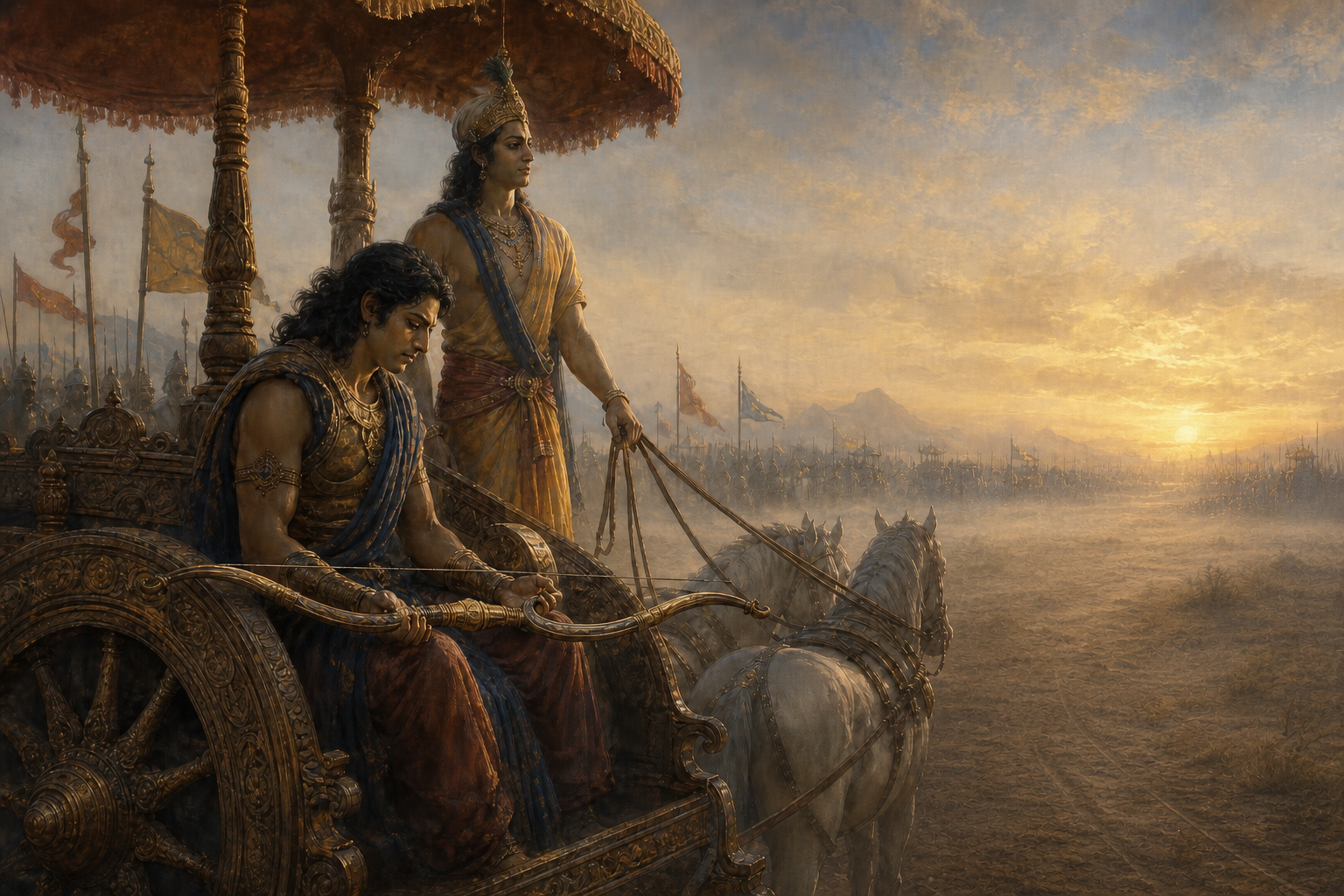
Vayu Bhagavan, the wind god of Hindu scriptures, embodies the cosmic prana that sustains life and guides conscious action. The Vayudeva Mahatmyam highlights his lineage from Rishi Kashyapa and Aditi, and his enduring legacy through Hanuman and Bhima, whose service to Lord Rama and Lord Krishna exemplifies strength, humility, and devotion. By linking Vayu’s power…
-
Vaastu Bhagawan Explained: Harness Sacred Architecture for Peace, Protection, and Prosperity

Vaastu Bhagawan is honored in Hinduism as the guardian of structures, invoked to protect homes and sacred spaces. When Vastu Shastra principles are followed, spaces are believed to gain safety, peace, and prosperity through alignment with the Pancha Mahabhuta and cardinal directions. The deity is described as embodying aspects of the Trimurtis and the Tridevis,…
-
The Quiet Power of Listening: Patience and Presence that Transform a Barbershop—and Life

This piece demonstrates how active listening, patience, and mindful presence can outperform advice in creating trust and emotional safety. Through real barbershop encounters, it shows how attention to nonverbal cues, calm silence, and empathy can de-escalate frustration and invite genuine connection. The narrative highlights how allowing learners to struggle productively fosters ownership and confidence. It…
-
Master the Mind, Transform Reality: Dharmic Wisdom for Inner Freedom and Resilient Living

Dharmic wisdom teaches that mental mastery, not circumstances, determines freedom. The Bhagavad Gita, the Upanishads, the Dhammapada, Jain disciplines, and Sikh teachings converge on a shared insight: inner clarity transforms how reality is experienced. Practical methods such as breath awareness, mindfulness meditation, japa or simran, ethical restraint, and seva stabilize attention and soften reactivity. This…
-
Chant Shiva’s Eight Sacred Names for Inner Peace, Focused Mind, and Spiritual Awakening

Chanting the eight sacred names of Shiva (Ashtanama Shiva) offers a concise, effective practice for inner peace, focused attention, and spiritual clarity. Each name—Bhava, Sharva, Rudra, Pashupati, Ugra, Mahadeva, Bhima, and Ishana—embodies a distinct contemplative quality that strengthens resilience and compassion. Practiced as mindful nama-japa with calm breathing and clear pronunciation, it enhances attentional stability…
-
Chatus Sana in Hinduism: The Eternal Four Sages of Brahma and Their Timeless Wisdom

The Chatus Sana—Sanaka, Sanatkumara, Sanatsujata, and Sanandana—are revered in Hinduism as the eternal, mind-born sages of Brahma who embody purity, wisdom, and spiritual knowledge. Their presence across the Puranas, the Mahabharata, and the Upanishads highlights a shared commitment to contemplation, ethical clarity, and inner freedom. Sanatkumara’s Upanishadic teaching, Sanatsujata’s discourse on deathlessness, and Sanaka and…
-
Discover the 68 Swayambhulingas: Self-Manifested Shiva Forms and Bharat’s Sacred Geography

This article explores the 68 Swayambhulingas as self-manifested forms of Lord Shiva that shape the sacred geography of ancient Bharat. It clarifies the meanings of Swayambhu and linga, emphasizing the linga as a cosmic symbol of formless consciousness. Readers gain historical and cultural context for these sites within India’s interconnected temple landscapes. The piece highlights…
-
Gadadhara Vishnu: The Awe-Inspiring Power of Kaumodaki and the Protection of Dharma

Gadadhara Vishnu, “He who holds the mace,” highlights Vishnu’s protective strength through the sacred Kaumodaki. In Hindu symbolism, the mace represents moral discipline, the power to dispel ignorance, and the guardianship of Dharma. Temple darshan and classical iconography communicate reassurance: strength aligned with compassion. This theme resonates across dharmic traditions—Hinduism, Buddhism, Jainism, and Sikhism—emphasizing ethical…
-
Srimad-Bhagavatam: The Living Book-Form of Sri Krsna Revealing Ten Transcendent Themes

Srimad-Bhagavatam is honored in Vaisnava tradition as the “book form” of Lord Sri Krsna, unfolding twelve cantos that mirror His bodily limbs and present ten transcendental topics. Lord Sri Caitanya Mahaprabhu praised it as pramanam amalam—“the spotless authority”—while Srila Rupa Gosvami highlighted hearing the Bhagavatam as a most potent limb of bhakti-yoga. Its narrative and…
-
Compassion Beyond Envy: Seeing the Divine in All and Cultivating Dharmic Unity

A society without envy grows from compassion that is equal, unwavering, and rooted in the recognition of sacred life in all beings. Drawing on Vaishnava insight—Jivanam sarva-bhutesu—and aligned with Buddhism’s karuna, Jainism’s ahimsa, and Sikhism’s seva, this reflection shows how Dharmic traditions converge on spiritual unity. It explains why real prana expresses itself through action—Prana…
-
Cultivating an Unwavering Mind: Timeless Yogic Wisdom to Embrace the Whole of Life

Hindu philosophy teaches that a stable and unwavering mind is essential for perceiving the interconnected whole of life. Drawing on the Upanishads, the Bhagavad Gita, and Patanjali’s Yoga Sutras, this reflection explains how steady awareness emerges through disciplined practice and ethical living. It outlines practical steps—mindful breathing, mantra japa, and the yamas–niyamas—that reduce agitation and…
-
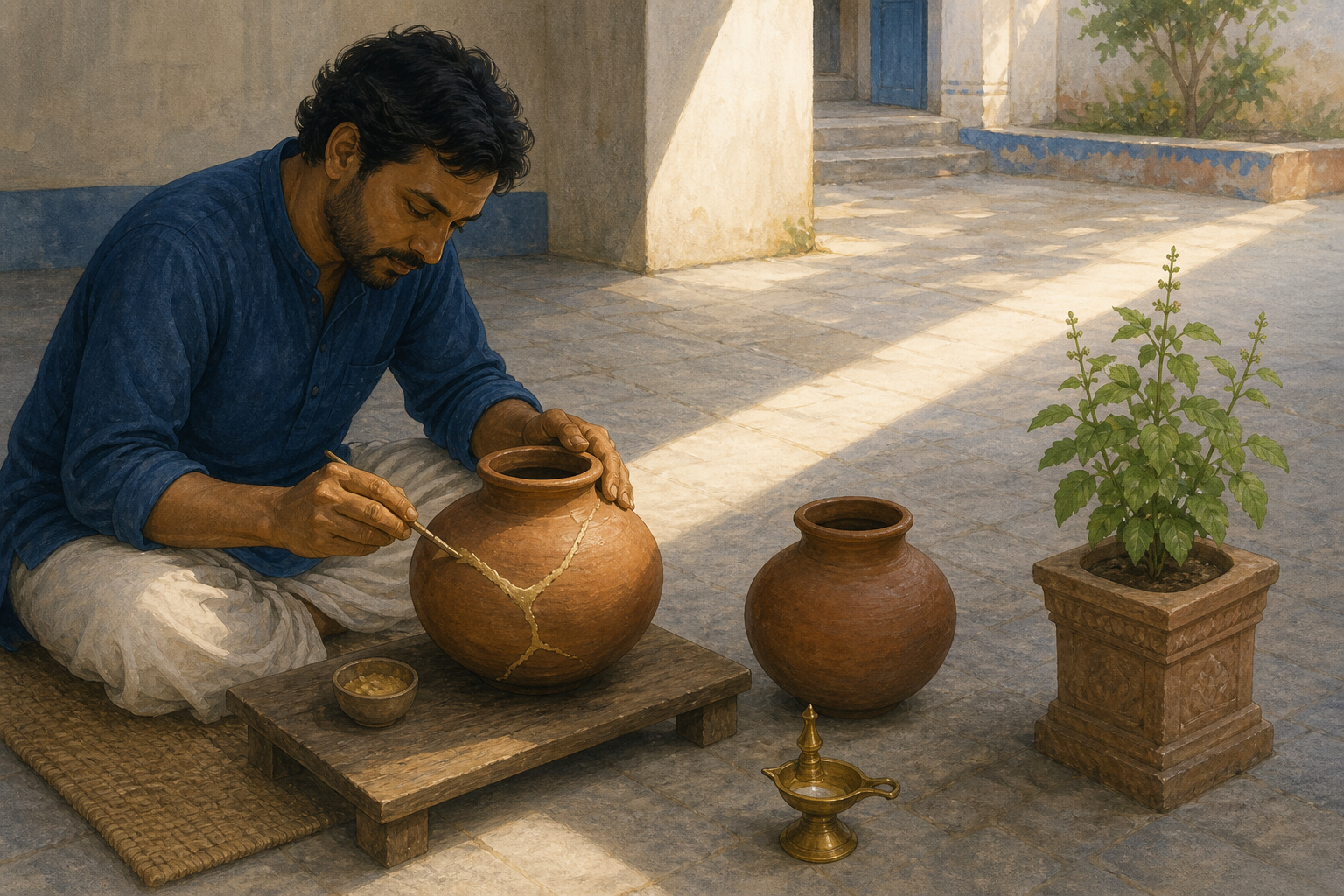
Becoming an Empty Vessel: Surrendering Doership for Peace and Clarity in Dharmic Paths

This reflection explores the Dharmic insight that ego-driven doership is an illusion and that becoming an “empty vessel” restores clarity, peace, and ethical strength. It explains how the Bhagavad Gita’s Karma Yoga reframes action as service, releasing attachment to outcome without weakening responsibility. The discussion highlights convergences across Hinduism, Buddhism, Jainism, and Sikhism—anatta, aparigraha, samayik,…
-
Pashupati’s Sacred Symbolism: How Shiva Liberates Bound Souls and Guides All Beings

Pashupati, the profound epithet of Shiva, unites care for all beings with the promise of liberation from worldly bondage. Drawing on Hindu philosophy, it presents the Lord as protector of the bound soul and the One who severs the cords of ignorance and karma. The symbolism nurtures compassion, non-harm, and ethical living while guiding seekers…
-
Honoring Guru Tegh Bahadur’s 350th Shaheedi: Courage, Gurbani in Action, and Religious Freedom

The 350th Shaheedi of Guru Tegh Bahadur Sahib Ji invites communities to honor a historic stand for freedom of conscience by living Gurbani through collective reflection and compassionate action. This piece outlines how remembrance can move beyond ceremony into seva—through sangat-led dialogues, interfaith collaboration, and ethical education. It highlights shared dharmic values across Sikhism, Hinduism,…
-
December 24, 2025 Panchang: Shukla Chaturthi to Panchami, Auspicious Timings and Guidance

December 24, 2025, begins with Shukla Paksha Chaturthi and transitions to Shukla Paksha Panchami at 10:52 AM in most regions. The early portion of the day is well suited for invoking Sri Ganesha’s guidance for learning and fresh starts, while the later portion favors steady execution and continuity. Selecting auspicious timings involves preferring Abhijit Muhurat…