-
Beyond the Brain: Transformative Dharmic Wisdom on Mind, Universal Consciousness, and Well-Being

Where is the mind? This essay bridges Hindu philosophy and contemporary science to show why the mind cannot be reduced to the brain alone. Drawing on Advaita Vedanta, Sāṅkhya-Yoga, and the Pañca Kośa model, it explains mind as a subtle instrument illuminated by universal consciousness. It highlights shared dharmic insights from Buddhism, Jainism, and Sikhism…
-
December 28, 2025 Panchang: Ashtami→Navami Timing, Nakshatra/Rashi Guide & Shubh Times

December 28, 2025 marks a shift from Shukla Paksha Ashtami to Shukla Paksha Navami, beginning with Ashtami until 7:23 AM and continuing with Navami thereafter in most regions. The day’s Panchang encourages steady practice in the morning and service-oriented actions as the day progresses. Those planning rituals can consult local Panchang data for precise Shubh…
-
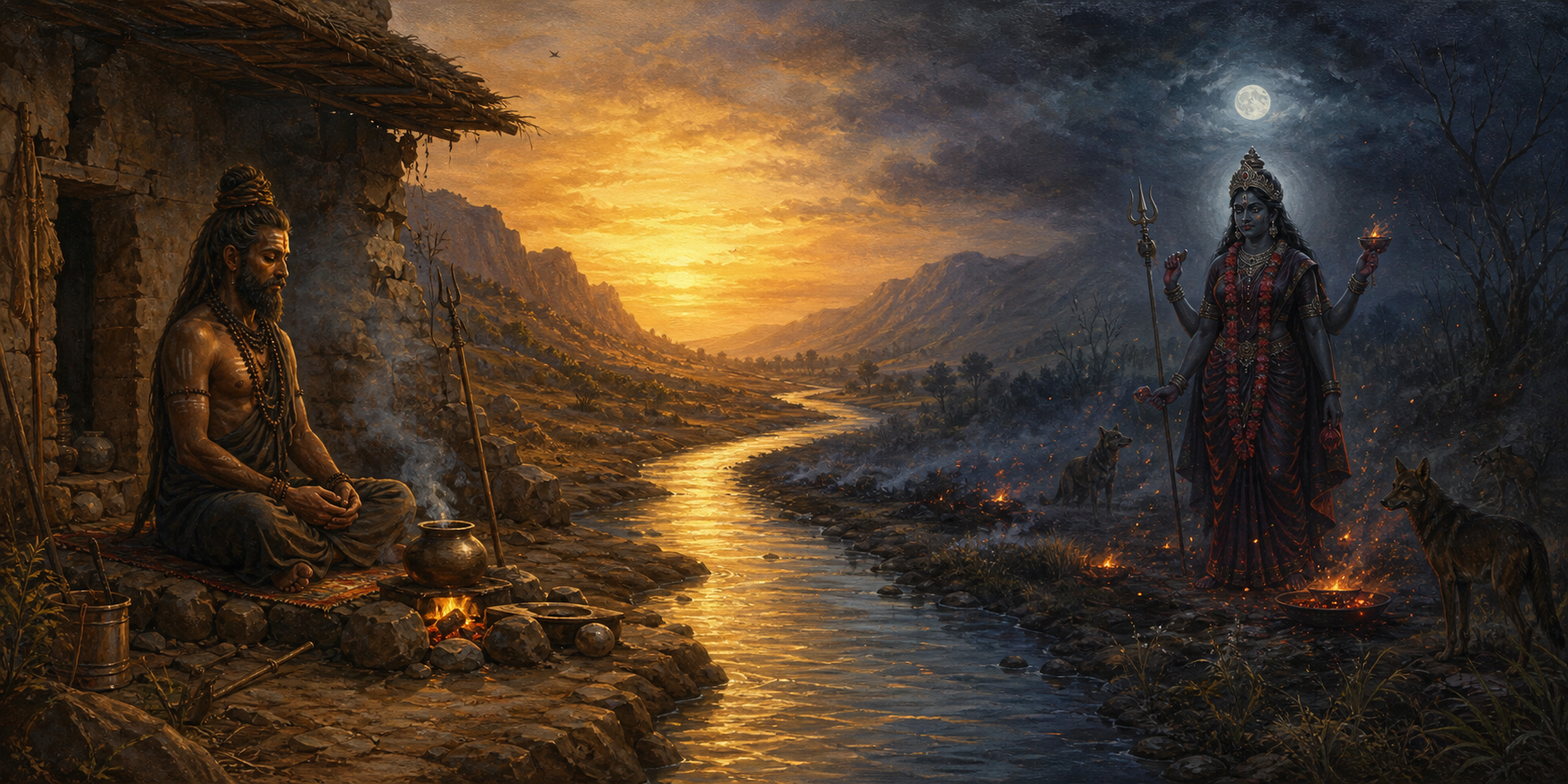
Goddess Chinnamasta and the Jackals: Tantric Symbolism, Fierce Grace, and Inner Transformation

Goddess Chinnamasta’s self-decapitated form and the presence of jackals create a profound Tantric teaching on ego-transcendence, impermanence, and compassionate energy. The three blood streams symbolize iḍā, piṅgalā, and suṣumṇā, suggesting redistribution of prāṇa rather than loss. Jackals, as cremation-ground denizens, represent threshold spaces and the recycling of form, turning fear and instinct into wisdom. Psychological…
-
Discover Your Janm Kundli in Hindi: Accurate Online Birth Chart & Vedic Insights

This guide explains how anyone can obtain a precise Janm Kundli in Hindi online using accurate birth data and trustworthy Vedic settings. It outlines essential components—Lagna, Rashi, Nakshatra, Vimshottari Dasha, yogas, and transits—and why Hindi/Devanagari output preserves nuance. Practical tips cover verifying birth time, selecting Lahiri Ayanamsa, reviewing divisional charts like Navamsa, and safeguarding data…
-
When Family Says You’re Always Wrong: Dharmic, Evidence-Based Strategies to Reclaim Inner Balance

Many individuals feel unfairly criticized by family despite sincere effort. A dharmic response begins by dropping absolutes like “always,” tracking real instances of criticism, and inviting specific feedback. Shared principles across Hinduism, Buddhism, Jainism, and Sikhism—ahimsa, mindfulness, non-attachment (nishkama karma), and seva—guide calm, constructive action. Practical steps include setting kind boundaries, using precise and solution-focused…
-
Bhakti and Swachchatha: How Devotion Cultivates Inner Purity, Clarity, and Everyday Discipline

Bhakti and Swachchatha are presented as mutually reinforcing: sincere devotion naturally matures into inner purity and disciplined living. Multiple dharmic methods—temple worship, meditation, chanting, and honoring spiritual guidance—allow seekers to choose a path aligned with temperament without compromising the goal of ethical refinement. The perspective is inclusive, highlighting how Hinduism, Buddhism, Jainism, and Sikhism share…
-
Enthusiasm, Determination, and Patience in Japa: Transformative Insights from NJ, 12/19/2025

A New Jersey dialogue on 12/19/2025 examined how enthusiasm, determination, and patience cultivate sustainable japa. It clarified motives for chanting Krishna’s names, moving beyond habit or fear toward devotion and gratitude. The discussion offered a practical framework for aligning intention, choosing between silent japa and loud japa, and assessing qualitative outcomes like equanimity and compassion.…
-
Kartik Parikrama 2025 in Mayapur: A Transformative Journey Through Navadvipa’s Sacred Sites

Kartik Parikrama 2025 in Mayapur offers a focused tirtha-yatra through Navadvipa’s sacred sites associated with Sri Chaitanya Mahaprabhu and His associates. Beginning at Yogapitha, the pilgrimage underscores sankirtan as the yuga-dharma and highlights the inclusive vision to uplift all, regardless of background. Participants frequently observe enhanced clarity, compassion, and community connection through congregational chanting. The…
-
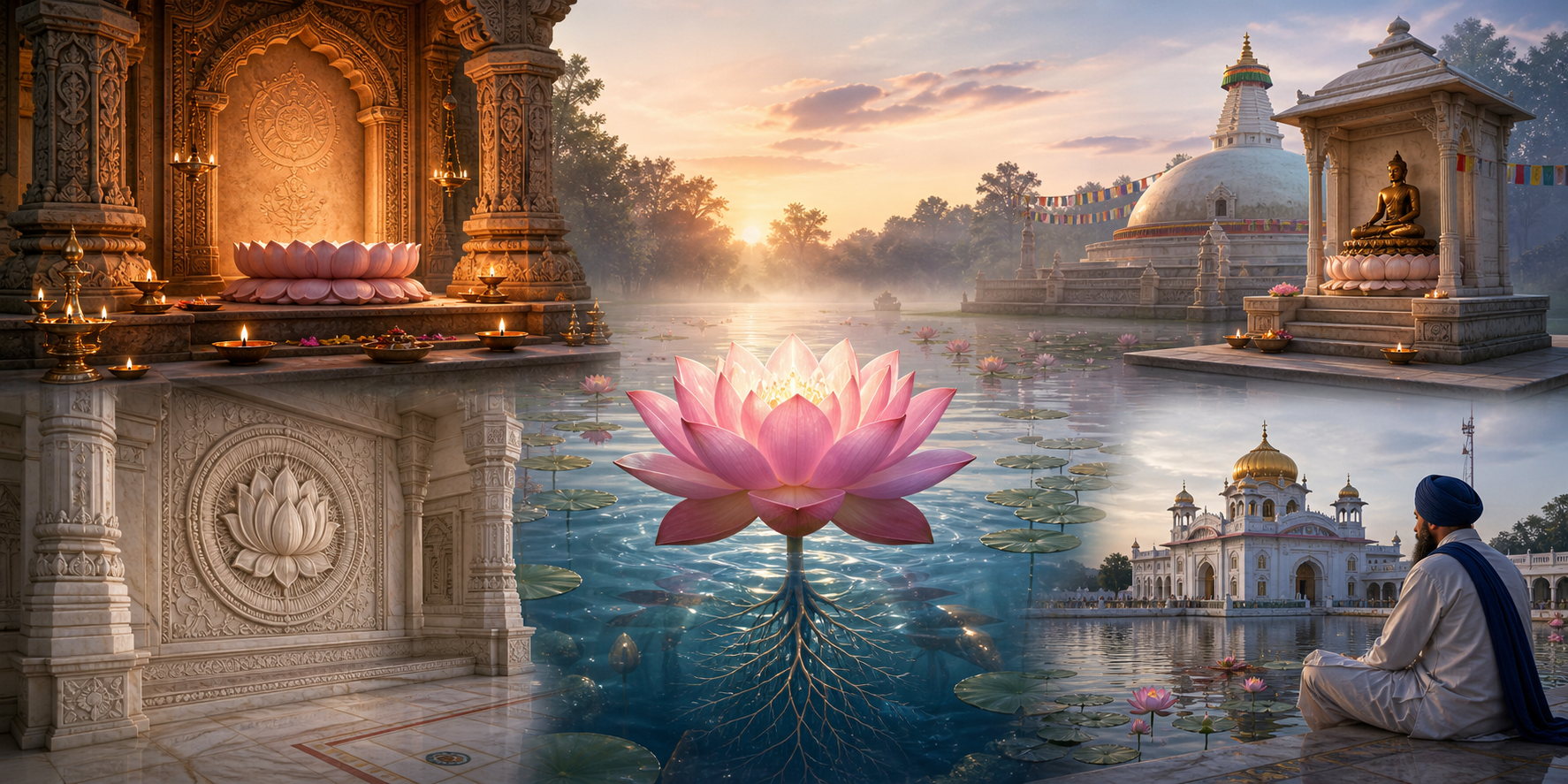
Dharma as Cosmic Law: A Timeless Path of Harmony, Responsibility, and Dharmic Unity

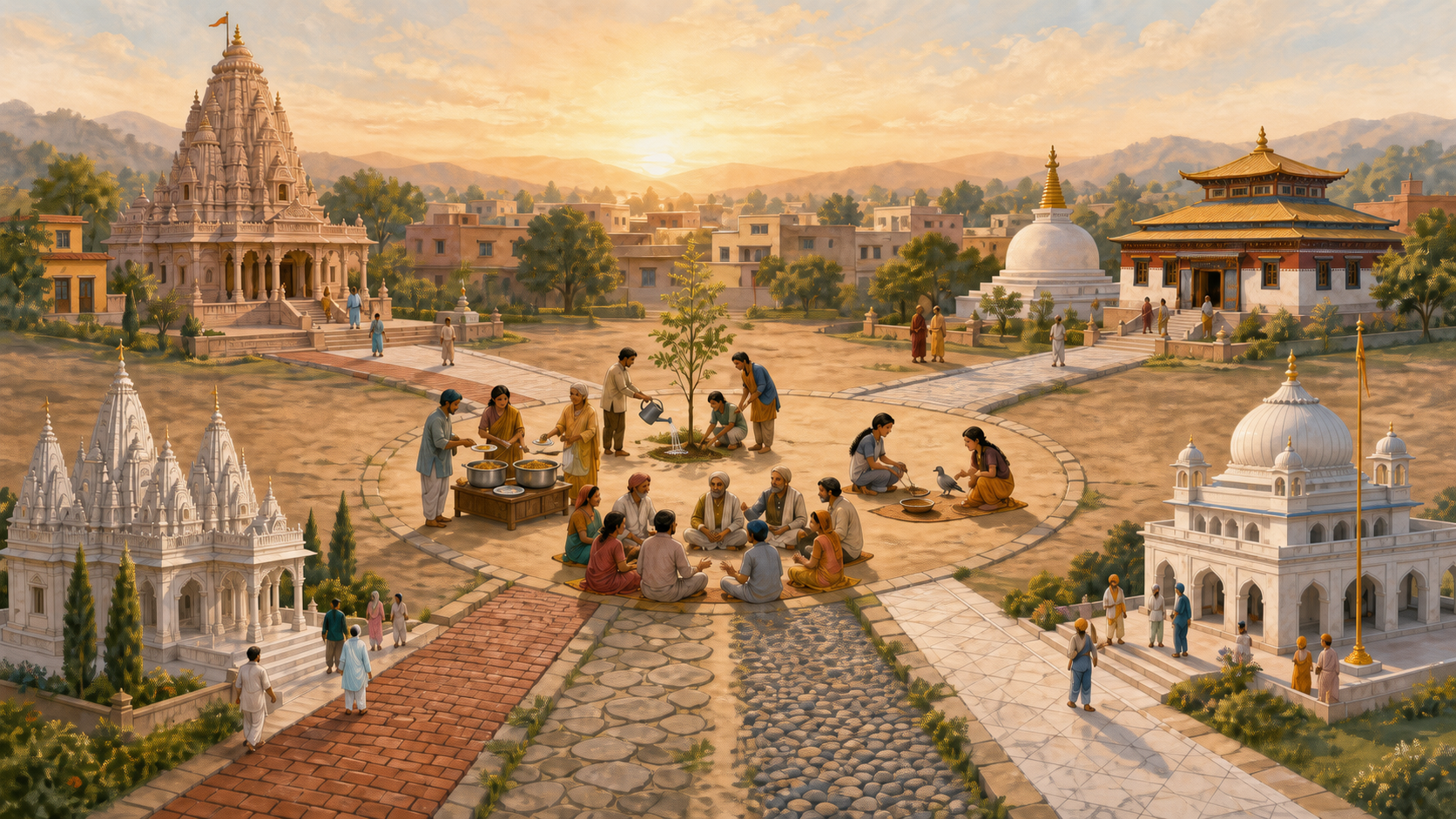
Dharma is presented as the cosmic law that sustains life and nurtures harmony across individuals, societies, and species. It is dynamic rather than rigid, aligning personal duty with universal values and linking ethical action to spiritual aims such as Karma and Moksha. The dharmic traditions—Hinduism, Buddhism, Jainism, and Sikhism—converge on compassion, responsibility, and pluralism, making…
-
Beyond Stereotypes: Understanding Why Hindu Women Often Seem More Devout—and How Men Engage

Research across cultures often finds that women report higher religious engagement than men, and similar patterns appear in Hindu communities. Women frequently lead household puja, vrata, and festival observances, sustaining daily devotion and cultural memory. Men often serve in public-facing roles such as temple administration, yatra, and teaching, highlighting different but complementary forms of engagement.…
-
December 27, 2025 Panchang: Saptami to Ashtami Transition with Auspicious Insights

December 27, 2025 begins with Shukla Paksha Saptami and transitions to Shukla Paksha Ashtami at 8:53 AM in most regions. The Saptami portion of the morning supports intention-setting and constructive activity, while the Ashtami phase invites contemplative focus and devotional steadiness. Readers are encouraged to consult a local Panchang for Nakshatra, Rashi, Shubh Muhurat, and…
-
नक्षत्र के अनुसार राशि: Accurate, Insightful Guide to Rashi Mapping by Nakshatra Padas

This academically grounded guide explains how to determine one’s zodiac sign (Rashi) from the birth Nakshatra and its pada within the sidereal framework used in the Hindu calendar, Panchang, and Janam Kundali. It preserves key Hindi formulations for मेष and वृषभ while clarifying the general rule that each Rashi comprises complete and boundary padas of…
-
The Illusion of Need: Dharmic Wisdom on Desire, Contentment, and Modern Consumer Traps

Modern marketing often manufactures desire, creating an illusion of need that fuels restlessness rather than fulfillment. Drawing on shared dharmic insights from Hinduism, Buddhism, Jainism, and Sikhism, this analysis shows how contentment can be cultivated through santosha, aparigraha, mindfulness, and santokh. Readers learn a clear, five-step decision sequence to pause, examine, align with dharma, simplify,…
-
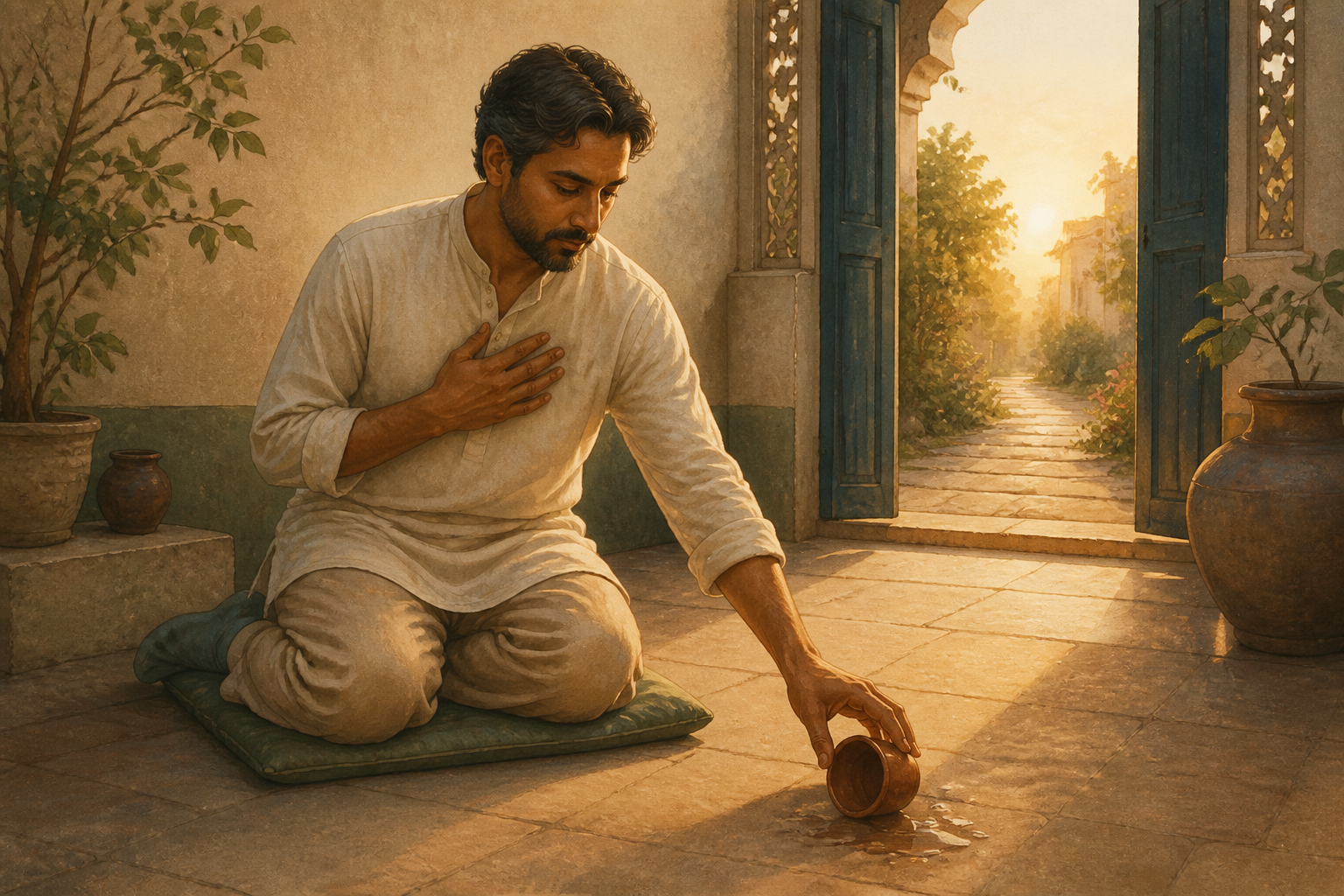
When Trauma Hides Your Childhood: Regulate Your Nervous System and Reclaim Joy

A simple birthday scene can expose the hidden cost of childhood trauma: memory gaps that arise as protective dissociation. This reflection presents a calm, evidence-informed framework for those moments—acknowledge the pain, regulate the body, return to the present, plan forward, and share with a trusted person. The approach blends practical grounding techniques with the compassionate…
-
Hindu Goddess Kali’s Fifty-Skull Garland: Fearless Wisdom on Creation, Death, and Renewal

Kali’s mundamala, the garland of fifty skulls, is a precise philosophical symbol rather than a macabre accessory. Each skull corresponds to a Sanskrit phoneme, expressing the creative power of Vāk and the sovereignty of Shakti over time and form. The image teaches fearlessness, non-attachment, and ethical clarity by confronting impermanence and dissolving ego. Variations in…
-
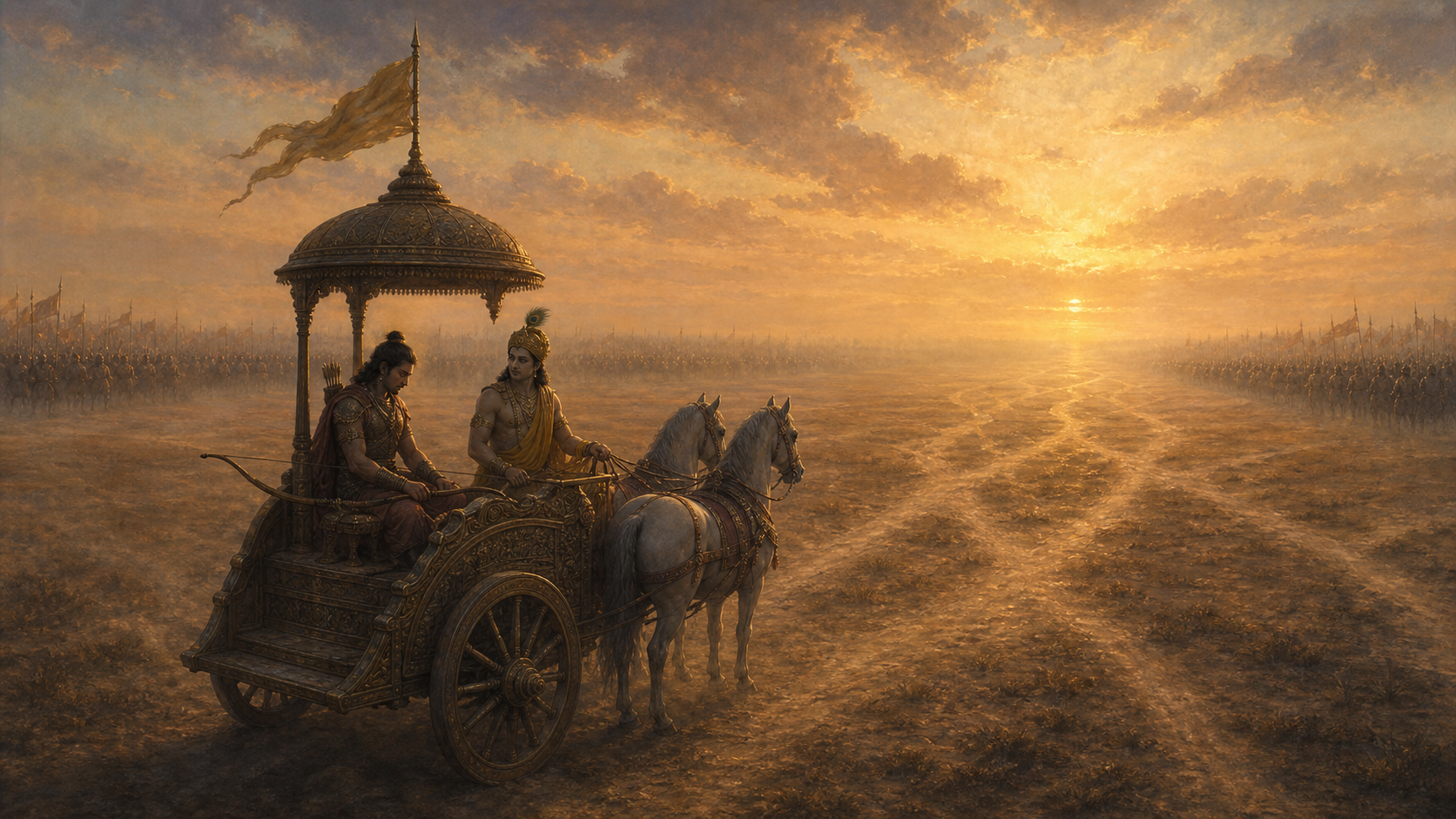
Beyond Male and Female: Dharmic Wisdom on God, the Soul, and Transcending Gender

This exploration reframes the question of God’s gender by first distinguishing spiritual identity from bodily identity. Drawing on the Bhagavad-gita (8.5), it explains how reincarnation reveals gender as transient while the soul remains enduring. It then argues that, in the bodily sense, God is neither male nor female, since the Absolute transcends material attributes. The…
-
Whom to Worship? A Clear, Compassionate Guide to Ishta within Dharmic Unity

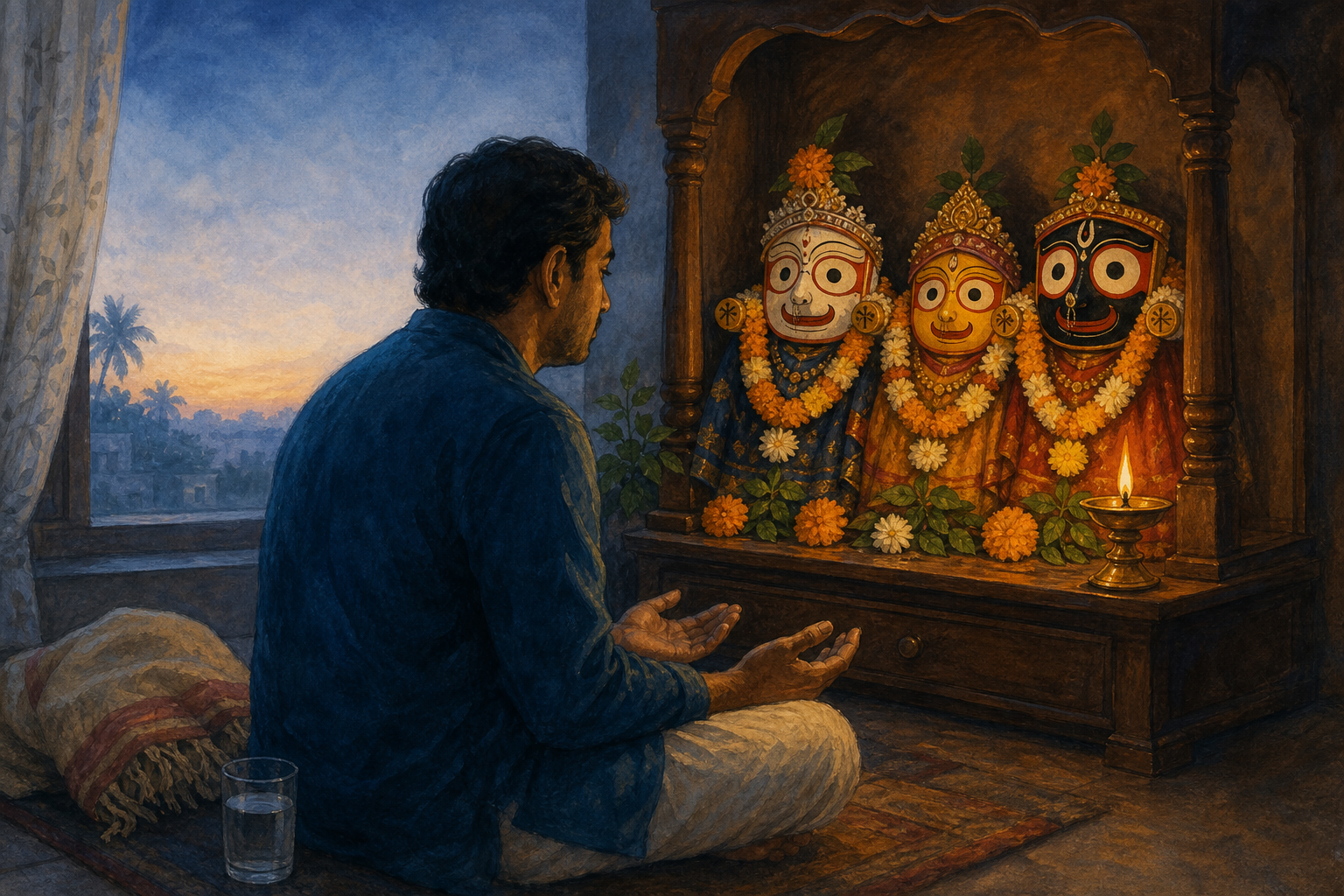
Many seekers encounter multiple deities on the home altar and wonder whom to worship. The dharmic traditions affirm unity with meaningful distinctions, where Ishta in Hinduism offers a focused, loving path without diminishing other forms. A team-photo analogy clarifies why context and study matter for understanding sacred diversity. Hindu philosophy encourages rigorous inquiry through texts…
-
No Life Is Lesser or Greater: A Transformative Dharmic Insight on Sacred Equality

This article explores the Hindu philosophical teaching that no life is inferior or superior, grounding sacred equality in Atman and the unity of all existence in Brahman. It clarifies how this insight becomes an ethical imperative through Ahimsa and Dharma, encouraging compassionate, responsible action. Readers gain a clear understanding of sama-darśana in the Bhagavad Gita…
-
Kali Yuga’s Silent Crisis: Contentment as the Missing Key to Inner Peace and Dharma

Kali Yuga is marked by restlessness despite material progress, and ancient wisdom identifies contentment as the missing key to inner peace. This piece explains how santosha is understood across Hinduism, Buddhism, Jainism, and Sikhism and why these convergent teachings matter now. Readers gain a clear distinction between contentment and complacency, seeing how inner steadiness enables…