
-
Manifestation of Maa Lakshmi: A Timeless Brahma Purana Tale of Dharma and Prosperity
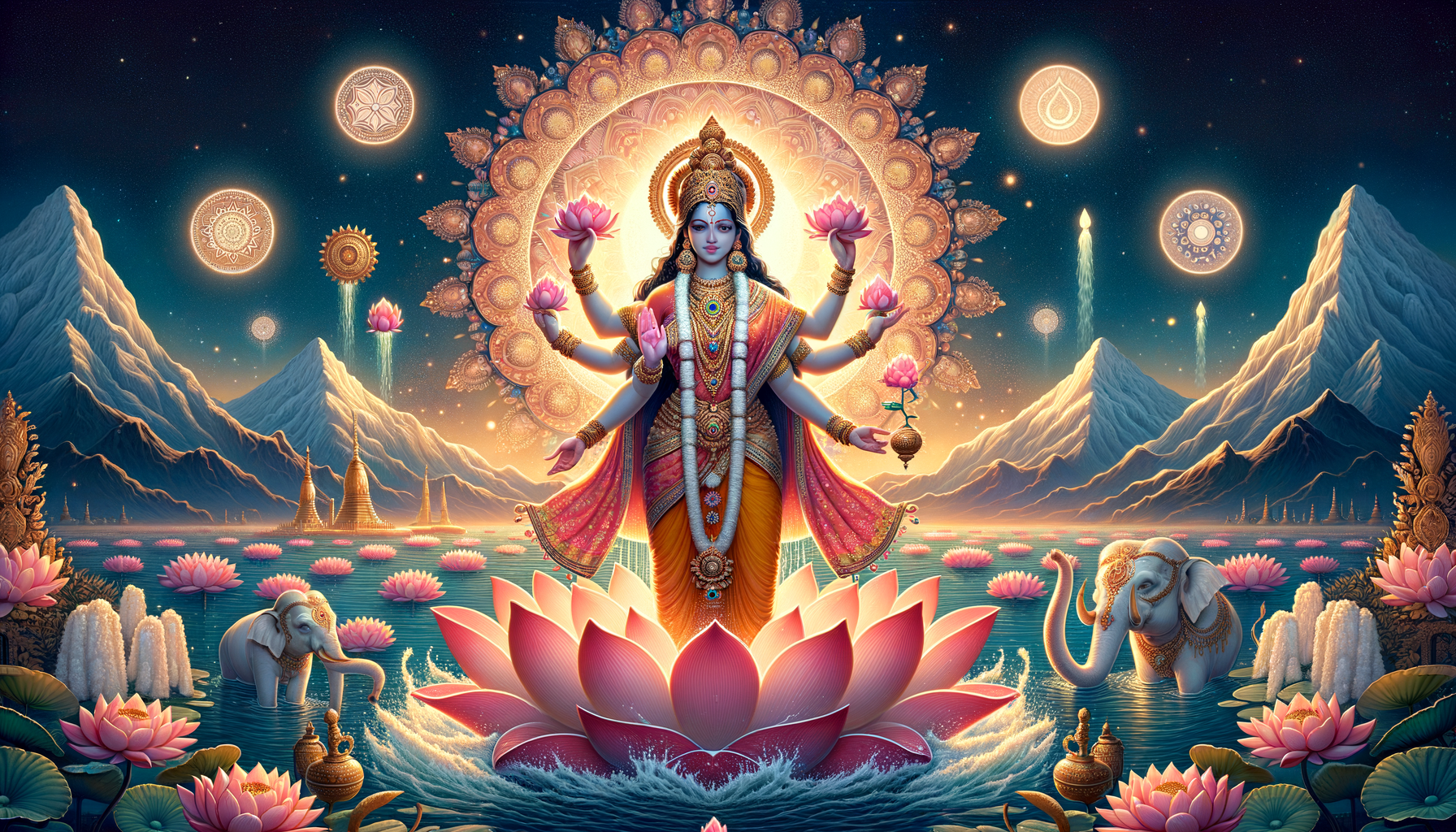
The Brahma Purana recounts how Maa Lakshmi manifested during the Samudra Manthan, when devas and asuras churned the Ocean of Milk under Lord Vishnu’s guidance. The story teaches that enduring prosperity rests on dharma, cooperation, and disciplined effort. Lakshmi’s lotus-seat symbolizes purity, while her choice of Vishnu signifies prosperity aligned with order and compassion. Readers…
-
Grace on the Temple Floor: A Sweetball, Surrender, and Srila Prabhupada’s Blessing
A crowded darshan in New Dwaraka revealed how surrender in service can invite unexpected grace. As Srila Prabhupada tossed sweetballs, one rolled through the packed temple to reach Omkara devi dasi at the very moment she bowed in departure. This seemingly impossible detail became a vivid emblem of Guru’s Blessings and the sanctity of prasadam…
-
Youth Flock to HJS Fort Excursions: ‘A Day in Presence of Chhatrapati Shivaji Maharaj’

Hindu Janajagruti Samiti’s fort excursions under ‘A day in presence of Chhatrapati Shivaji Maharaj’ drew strong youth participation and renewed interest in Indian history. The guided treks offered evidence-based insights into Maratha-era strategy, architecture, and governance in a hands-on setting. Participants described the experience as motivating, informative, and unifying in its emphasis on duty, courage,…
-
Bhakti Night in Chandigarh: Radhika Das Leads Mantra Music Uniting Dharmic Hearts
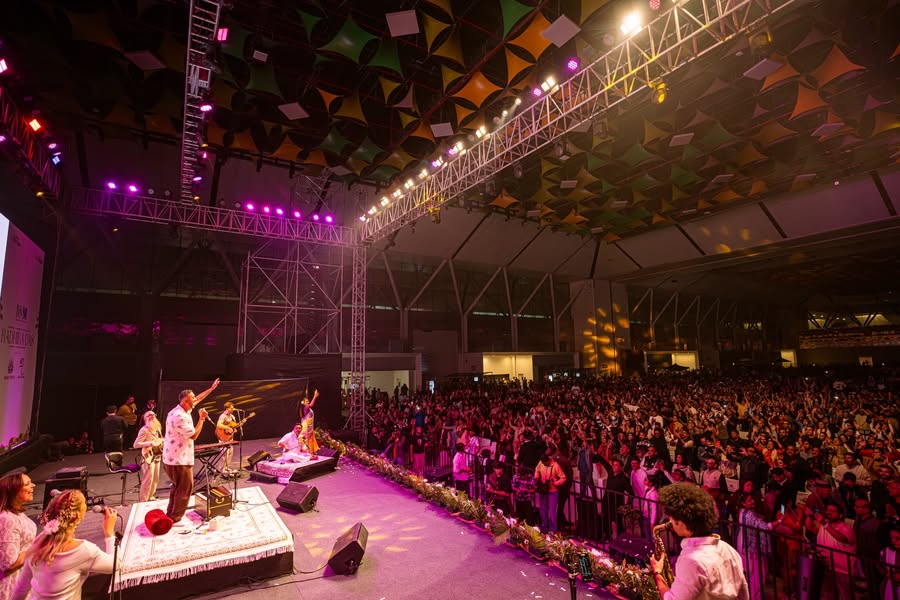
A Bhakti concert at Homeland Global Park, Chandigarh, showcased kirtan and mantra chanting led by Radhika Das, drawing a diverse audience into a calm yet celebratory atmosphere. The program emphasized devotional music as a unifying force that nurtures well-being and collective resonance. Call-and-response mantras made participation accessible for both newcomers and seasoned practitioners. The evening’s…
-
Inside Sita Ram Goel’s Unanswered Challenge: Rethinking Marxist History for Dharmic Unity
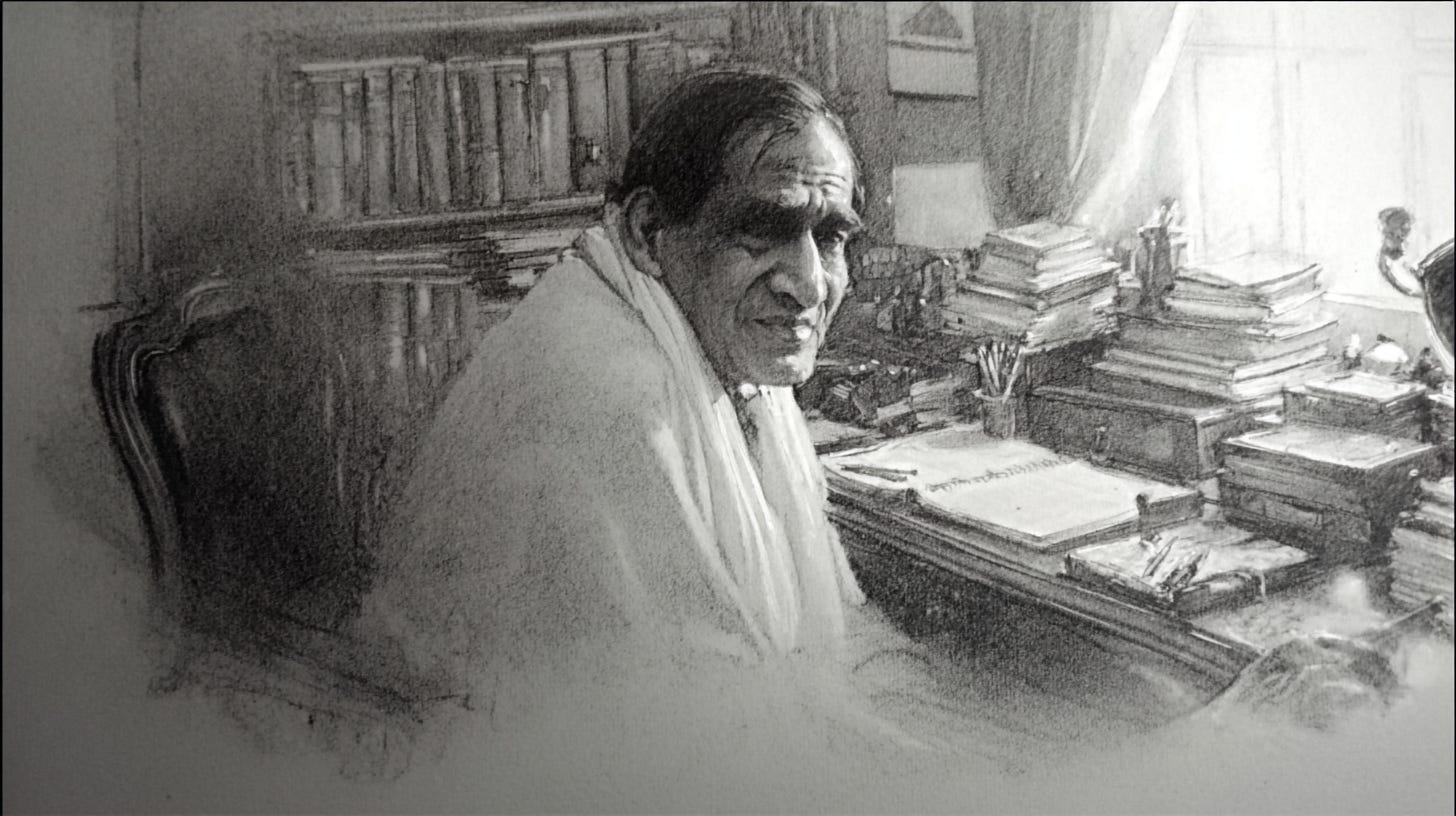
In 1986, a public exchange over reports on Qutub Minar and Mathura exposed how labels can pre-empt historical inquiry. The debate intensified when Sita Ram Goel, in 1991, issued a precise, evidence-based questionnaire asking for proof of a supposed Hindu “tradition” of destroying Buddhist and Jain monuments. No comprehensive response addressed his eight empirical requests…
-
Immersive Devotional Dramas at ISKCON Vrindavan: Srila Prabhupada’s Living Legacy

Srila Prabhupada’s ISKCON Vrindavan Cultural Theatre (IVCT) transforms devotional drama into a contemplative practice centered on Krishna’s leelas. The performances create an immersive environment that deepens remembrance and supports mindful attention. As a living repository of cultural heritage, IVCT translates scriptural narratives into accessible, intergenerational learning. The theatre’s inclusive ethos resonates with shared values across…
-
Awaken Inner Awareness: Sri Sri Ravi Shankar on the Proof of Consciousness Within
A disciple asked Sri Sri Ravishankar, “Is there consciousness within me?” The response revealed a precise truth: the ability to ask, hear, and understand already confirms awareness. This insight aligns with Hindu philosophy and echoes across Buddhism, Jainism, and Sikhism, highlighting unity in spiritual diversity. Practical methodsconscious breathing, sensory noticing, and brief pausesmake this recognition…
-
Enlightenment Meets Dharma: Uniting Dharmic Paths with Krishna-Conscious Compassion
This reflection presents Krishna consciousness as a bridge to universal values that resonate across Hinduism, Buddhism, Jainism, and Sikhism. It explains how Vedic principles harmonize with compassion, dignity, protection of life, and the cultivation of wisdom. The discussion highlights ahimsa, karuna, maitri, and seva as practical, everyday commitments that build social cohesion. It emphasizes ethical…
-
Vilamal Temple’s Amavasai Annabhishekam: A Profound Shiva Ritual of Pithru Tharpanam
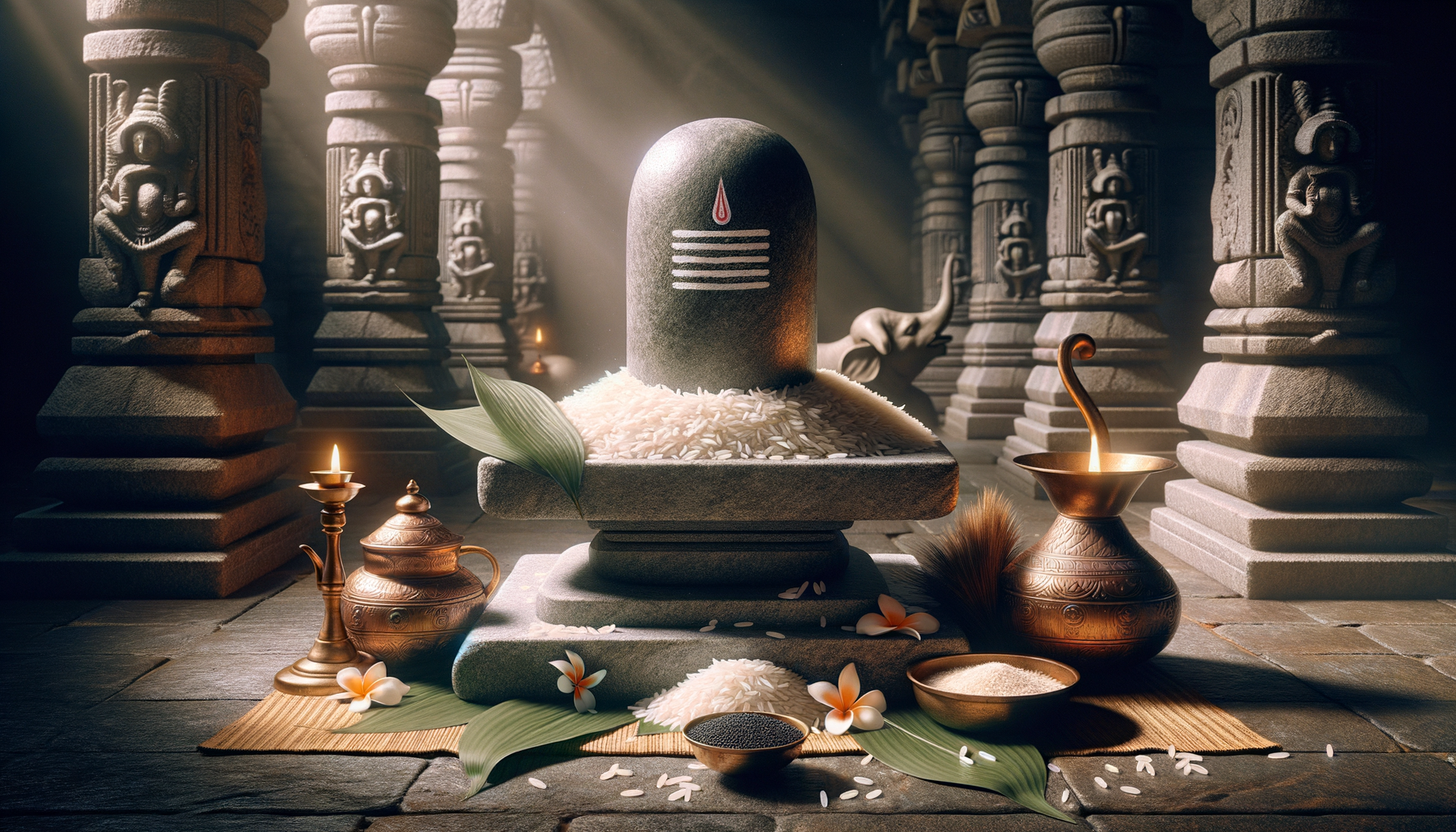
Vilamal Temple near Thiruvarur, Tamil Nadu, venerates Lord Shiva as Pathanjali Manoharar and is renowned for performing Annabhishekam on Amavasai rather than the more common Aippasi Pournami. This No Moon observance deepens contemplative focus and harmonizes naturally with Pithru Tharpanam, joining gratitude for sustenance with remembrance of ancestors. Associated with Ajapa Natanam, the temple’s ritual…
-
Sacred Meaning Revealed: Why Hands Are Wiped Before Chandikeswarar in Tamil Nadu Shiva Temples
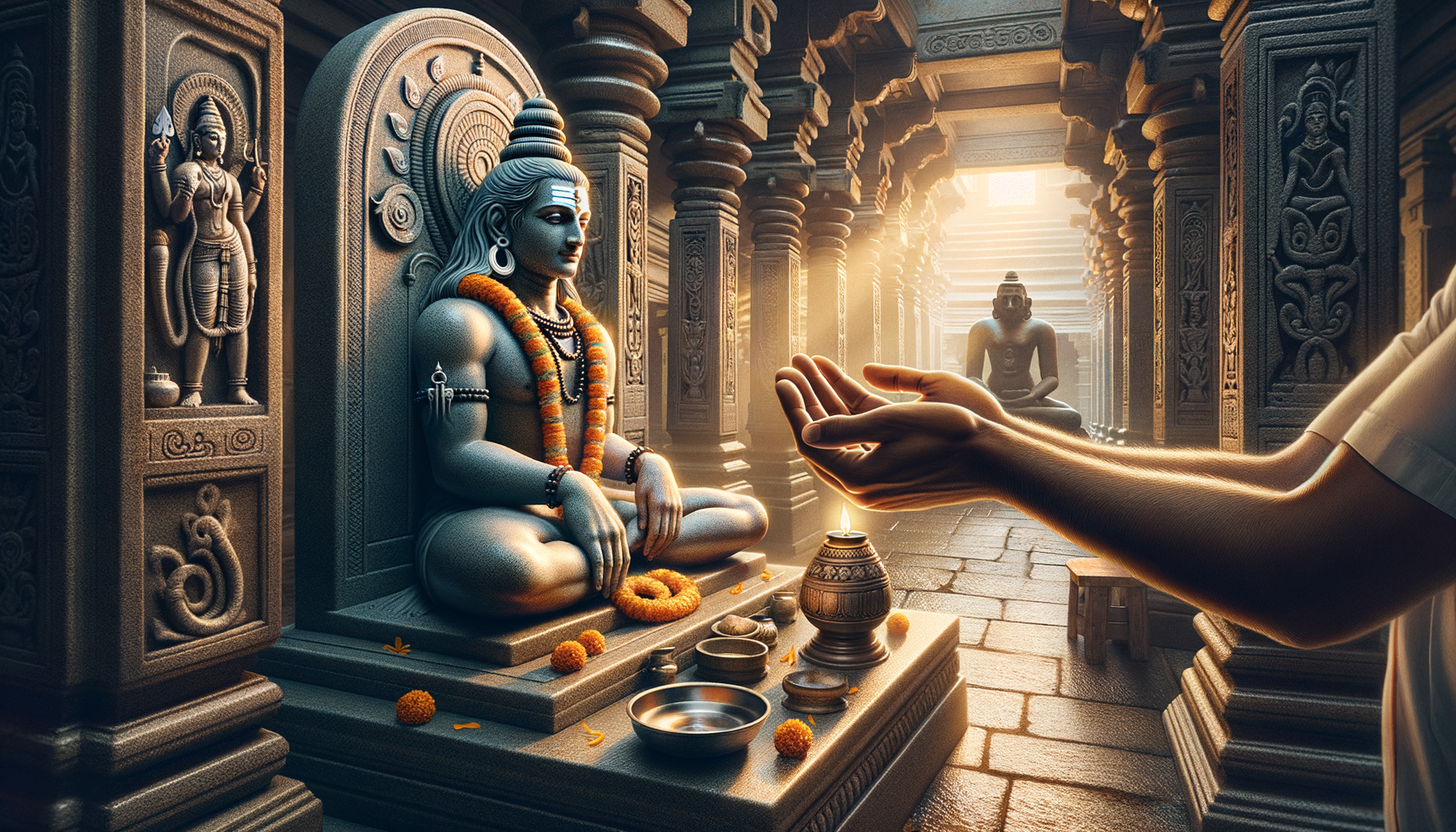
In Tamil Nadu Shiva temples, the hand-wiping gesture before Chandikeswarar is a concise ritual rich in meaning. It signals non-possession, affirming that no temple property is taken after worship. The act also embodies karmasamarpanaoffering one’s actions to Shivaby symbolically removing the residue of ego. Rooted in Shaiva Siddhanta and Agamic practice, the custom complements broader…
-
Shankari Devi Shakti Peetham at Trincomalee: Mythic Origins, Sacred Power, and Visitor Insights

Shankari Devi Shakti Peetham in Trincomalee stands among the 51 Shakti Peethas, revered for its Puranic association with Sati and its deep Shakta–Shaiva devotion. Set within the Koneswaram Temple complex on Swami Rock, the shrine blends mythic origins with a dramatic oceanfront landscape to create an atmosphere of contemplative power. Traditional sources variously link the…
-
Planets and Health Decoded: Ayurvedic, Dharmic Insights for Body–Mind Balance and Healing

This article explores how planetary correspondencesgrains, colors, shapes, birds, animals, and even the fingersserve as a contemplative map for holistic health within Ayurveda and related dharmic traditions. It explains the macrocosm–microcosm idea in an academic yet accessible manner, showing how symbolic associations can guide gentle, personalized routines. Readers gain practical suggestionsmindful breathing, light exposure, simple…
-
Vishnu Deepam 2025 in Tamil Nadu: Karthigai Pournami, Sokkappanai, and Sacred Lamps
Vishnu Deepam, observed on Pournami in Karthigai masam per the Tamil panchangam, falls on December 3, 2025. Celebrated across Tamil Nadu and central to Vaishnava practice, it is also known as Karthigai Deepam and centers on lighting oil lamps to symbolize wisdom overcoming darkness. Devotees clean homes and temples, light agal vilakku at doorways and…
-
Reclaiming Sacred Duties: Hindu Women Performing Tarpan, Pinda Daan, and Shradh with Dignity

Hindu philosophy defines Matri-Pitri Rinthe universal debt to parents and ancestorsas a duty that applies to all, not restricted by gender. This post clarifies that Hindu women can perform Tarpan, Pinda Daan, and Shradh in line with both scriptural breadth and regional practice. It highlights intention, relationship, and ethical action as the core of these…
-
Makarajyothi 2026: Sacred Makara Jyoti Darshanam at Sabarimala on January 14, Makara Sankranti

Makarajyothi 2026 falls on January 14, coinciding with Makara Sankranti and the revered Makara Jyoti Darshanam near the Sabarimala Ayyappa Temple. The week-long observance culminates at dusk, when devotees focus on the hills beyond Sabarimala as temple deeparadhana resonates with collective chants. Rooted in Makara Sankramana, it marks the close of the Mandala–Makaravilakku season and…
-
The Potter’s Gift and the Wasted Vessel: Hinduism’s Powerful Life Symbol and a Call to Purpose

The parable of the potter and the pot in Hinduism teaches that human life is a carefully crafted vessel meant to hold wisdom, compassion, and purposeful action. Read in the light of the Bhagavad Gita and the Upanishads, the vessel represents the body-mind where dharma is lived and moksha is pursued. The image resonates across…
-
SB 3.20.3 with Nagaraja dasa: Timeless Wisdom from Maitreya–Vidura at ISKCON Alachua (2025)

Delivered at the Hare Krishna temple in Alachua on October 31, 2025, this class by Nagaraja dasa explores Srimad-Bhagavatam 3.20.3 as a model for disciplined, compassionate inquiry. It clarifies how the Maitreya–Vidura dialogue blends rigorous reasoning with devotional insight, guiding seekers to approach scripture with humility and purpose. The session draws meaningful bridges across dharmic…
-
Vishishtadvaita on Prakriti: A Clear Guide to Nature, Matter, and Spiritual Purpose

Vishishtadvaita Vedanta understands Prakriti as the real, insentient material world governed by Ishvara. It includes both gross (sthula) forms like the body and subtle (sukshma) instruments such as mind and intellect. As the dynamic field shaped by the three gunassattva, rajas, and tamasPrakriti supports the jiva’s actions across samsara. Ethical living, devotion (bhakti and prapatti),…
-
See Through Conditioning: A Dharmic Guide to Compassionate Counsel without Attachment

The term “conditioned soul” conceals a vital insight: the self is distinct from matter even as conditioning shapes experience. This piece clarifies the paradox across Hinduism, Buddhism, Jainism, and Sikhism, showing how to consider conditioning without identifying with it. Readers gain practical toolssakshi-bhava, mindfulness, japa, seva, and graduated sadhanato offer compassionate guidance while staying anchored…
-
Right Thinking, Real Change: Hindu Dharma’s Timeless Tools to Transform Self and Society

Ancient Hindu wisdom teaches that the quality of thoughts shapes realityan insight echoed across the Bhagavad Gita, the Upanishads, and yogic psychology. This post outlines practical tools such as mindfulness, breath awareness, and values-aligned intention to cultivate clarity and compassion. It highlights how right thinking extends beyond personal wellness to strengthen social trust and community…