
-
Miraj Temple Trust Land Encroachment Halted: Authorities Seal Site, 30‑Day Resolution Sought
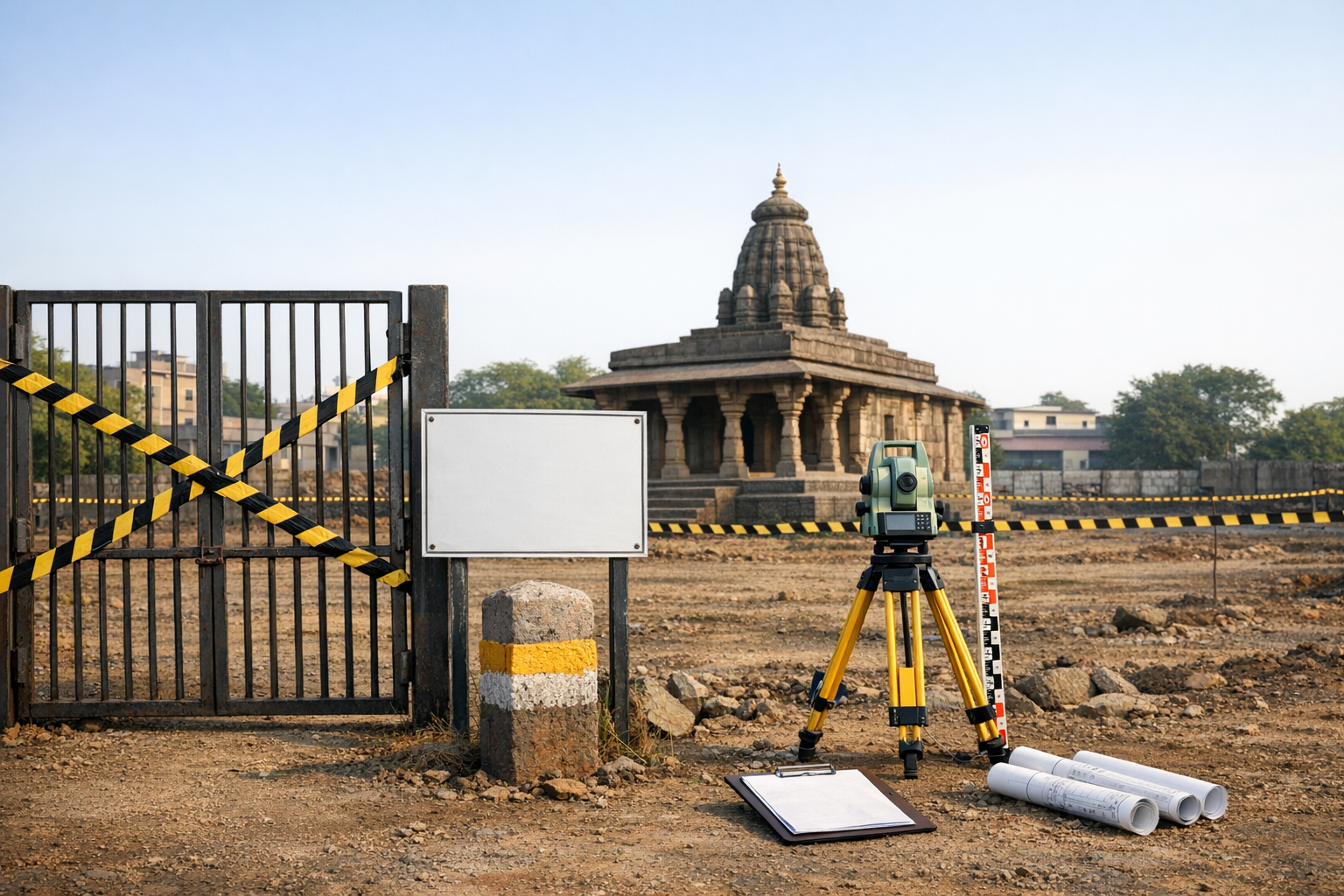
Authorities in Miraj halted unauthorized construction on Shri Dnyangiri Swami Maharaj Trust land and sealed the site, initiating a due-process pathway for resolution. The legal frameworkincluding Article 26 of the Constitution, the Bombay Public Trusts Act, 1950, and the MRTP Act, 1966supports firm, fair enforcement against encroachment. Community representatives have requested complete removal of the…
-
Varanasi Vigilantism Allegations: Interfaith Rumors, Rule of Law, and Paths to Communal Harmony

Allegations of an assault in Varanasi over interfaith rumors highlight why vigilantism has no place in a constitutional democracy. This analysis explains the legal framework in Uttar Pradesh and India, including key Supreme Court judgments protecting adult autonomy and anti-lynching guidelines. It clarifies that the phrase “love jihad” lacks a legal definition and that only…
-
Shani Sade Sati for Tula Rashi: Navigate the Final 2.5 Years (Paada Shani) with Wisdom

Shani Sade Sati for Tula Rashi culminates with Paada Shani, the 2nd-house transit of Saturn through Scorpio. Classical Vedic astrology frames this final 2.5-year phase as an audit of finances, family bonds, speech ethics, and personal values. With Shani in a Mars-ruled sign, results arrive through steady, disciplined effort rather than speed. Outcomes vary by…
-
Break Free from the Cult of Approval: A Seven-Year Deprogramming Toward Dharmic Inner Freedom

This essay examines the “cult of approval” as a pervasive people-pleasing pattern and presents a seven-year deprogramming arc grounded in psychology and dharmic wisdom. It clarifies how unspoken social contractstrading authenticity for belongingform and why they are so hard to leave. It outlines pragmatic steps for change: mapping implicit rules, creating ethical distance, regulating the…
-
Is Life Easy or Difficult? An Evidence-Backed Dharmic Guide to Joy, Suffering, and Mastery

Is life easy or difficult? A dharmic analysis shows the question spans two complementary levels: the conventional reality of dukkha (unsatisfactoriness) and the ultimate discovery of ananda (joy). Buddhism’s Four Noble Truths, the Yoga Sutra, Vedanta’s ananda doctrine, Jain anekantavada, and Sikh Chardi Kala together form a unified method for transforming difficulty into resilience while…
-
Chandra Darshan 17 May 2026: Adhika Jyeshtha Significance, Visibility Guide, and Vrat Rituals

Chandra Darshan falls on 17 May 2026, inaugurating Shukla Paksha Pratipada with the first sighting of the waxing crescent Moon. In 2026 it coincides with Adhika Jyeshtha across North India, Andhra Pradesh, Telangana, and Karnataka, while corresponding to Vaigasi (Tamil), Edavam (Malayalam), and Jyeshṭo (Bengali). The observance blends astronomy and devotion: visibility depends on the…
-
Revealing the Fifth Chapter: Sudarshana Chakra in Nrisimha Tapaniya UpanishadSacred Geometry and Dhyana

The Nrisimha Tapaniya Upanishad’s fifth chapter elevates Sudarshana Chakra from a divine symbol to a precise contemplative technology that unites mantra, yantra, and dhyana. By presenting the Chakra as a pivot of “auspicious seeing,” it refines attention, stabilizes ethical intent, and supports protective clarity in daily life. The analysis explains core mantrasincluding the Nṛsiṁha and…
-
Women in Vedic Culture: Rights, Scholarship, and Sacred Agency Across Dharmic Traditions
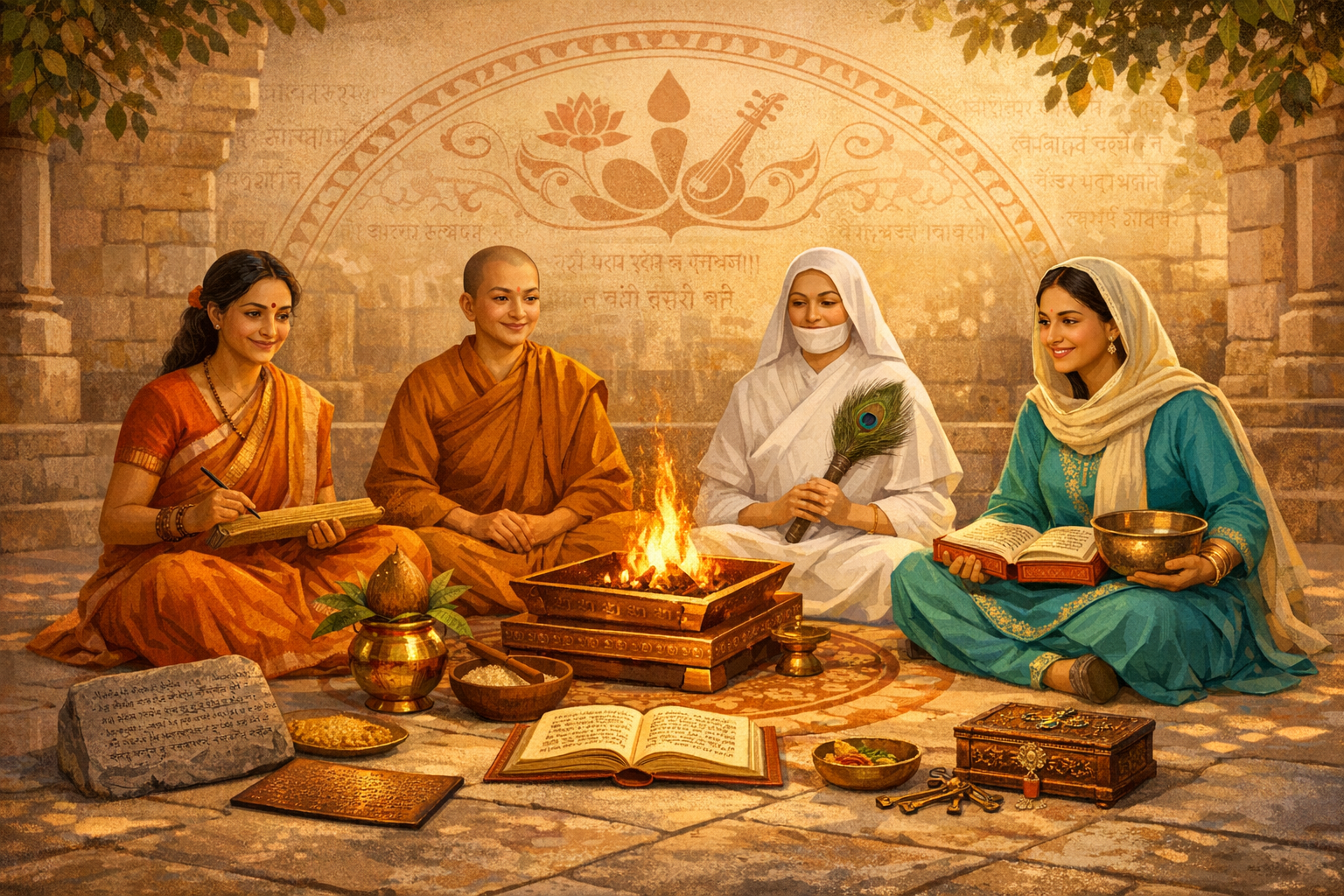
A society’s civility is often measured by the dignity it grants to women. Vedic culture, read alongside the Upanishads, Dharmashastras, and epigraphic records, presents women as scholars, ritual partners, property holders, and moral exemplars. From Rigvedic ṛṣikās and the Devī Sūkta to the Upanishadic debates of Gārgī and Maitreyī, the textual record documents rigorous female…
-
Beyond Moving On: Evidence-Based Strategies for Trauma Integration and Nervous System Healing

Many people “move on” from painful relationships yet remain vulnerable to old triggers because the nervous system retains unintegrated memories. This evidence-based guide explains why familiar dysregulation can feel like “home,” how naming patterns such as gaslighting and trauma bonding restores clarity, and why daily regulation practices matter. Drawing on neuroscience and dharmic wisdom (yoga,…
-
Omnipotence and Sacred Sound: Why Krishna’s Words Remain a Living Presence Across Traditions

Omnipotence in Vedic philosophy explains how Krishna remains in unbroken companionship with living beings through sacred sound. Vaishnava theology teaches nāma–nāmi abheda, the non-difference between the Divine Name and the Divine Person, grounding the transformative power of the Hare Krishna Mahāmantra. The principle of śabda-brahman shows that divine words are not merely symbolic; they are…
-
From Tehsils to Nation: Gau Samman Avahan Abhiyan’s Roadmap to Honor Gaumata as ‘Rashtramata’

The ‘Gau Samman Avahan Abhiyan’ channels reverence into a lawful, evidence-based framework for cow protection and conservation. By submitting detailed memorandums to Tehsildars across Maharashtra and Goa, citizen groups seek tehsil-level coordination, humane animal care, and transparent, data-driven governance. The campaign’s invocation of Gaumata as ‘Rashtramata’ functions as an inclusive civilizational metaphor that unites Hindu,…
-
Odisha’s Hero Dog ‘Kali’ Saves 30 Children from Cobra, Honoured with Dharmic Rites

On 20 April 2026 in Dhirakula, Odisha, a community dog named Kali shielded approximately 30 schoolchildren from a venomous snake, believed to be an Indian cobra, and later died of envenomation. The village honored her with full rites, a response that coheres with dharmic values of compassion, non-violence, and selfless service shared across Hinduism, Buddhism,…
-
Devantaka’s Fall in the Ramayana: Hanuman’s Decisive Blow Against Ravana’s Mighty Son
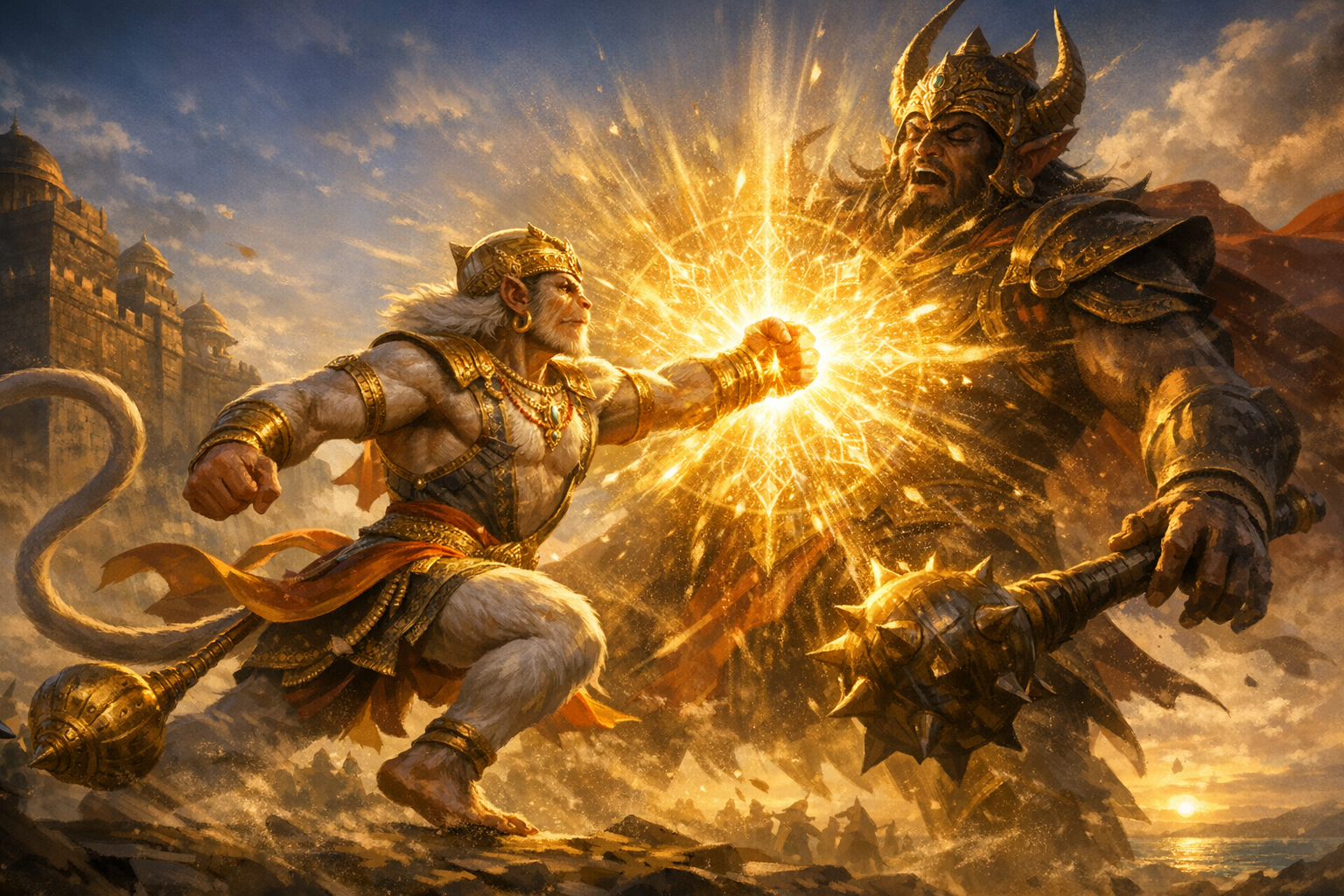
Devantaka’s fall in the Yuddha Kanda of the Ramayana captures a decisive moral and strategic lesson: disciplined strength, anchored in dharma, defeats ferocity untethered to ethics. Classical sources consistently pair Devantaka with Narantaka, Trisira, and Mahodara as Lanka’s shock corps, yet it is Hanuman’s single, precisely timed strike that ends Devantaka’s assault. The episode’s symbolism…
-
Rgvidhana of Śaunaka: Unlocking Rigvedic Mantras for Healing, Prosperity, and Dharma

The Rgvidhana of Śaunaka is a seminal Hindu scripture that adapts Rigvedic mantras for everyday healing, protection, prosperity, and inner steadiness. Often dated to the late Vedic period, it exemplifies how sacred sound moved from public sacrifice into household and civic life. The manual’s method is exactingclear intention, careful pronunciation, appropriate timing, and ethical restraintyet…
-
Lakshmi Ghot in Bengal: Sacred Clay-Pot Worship for Prosperity, Harmony, and Eco-Devotion
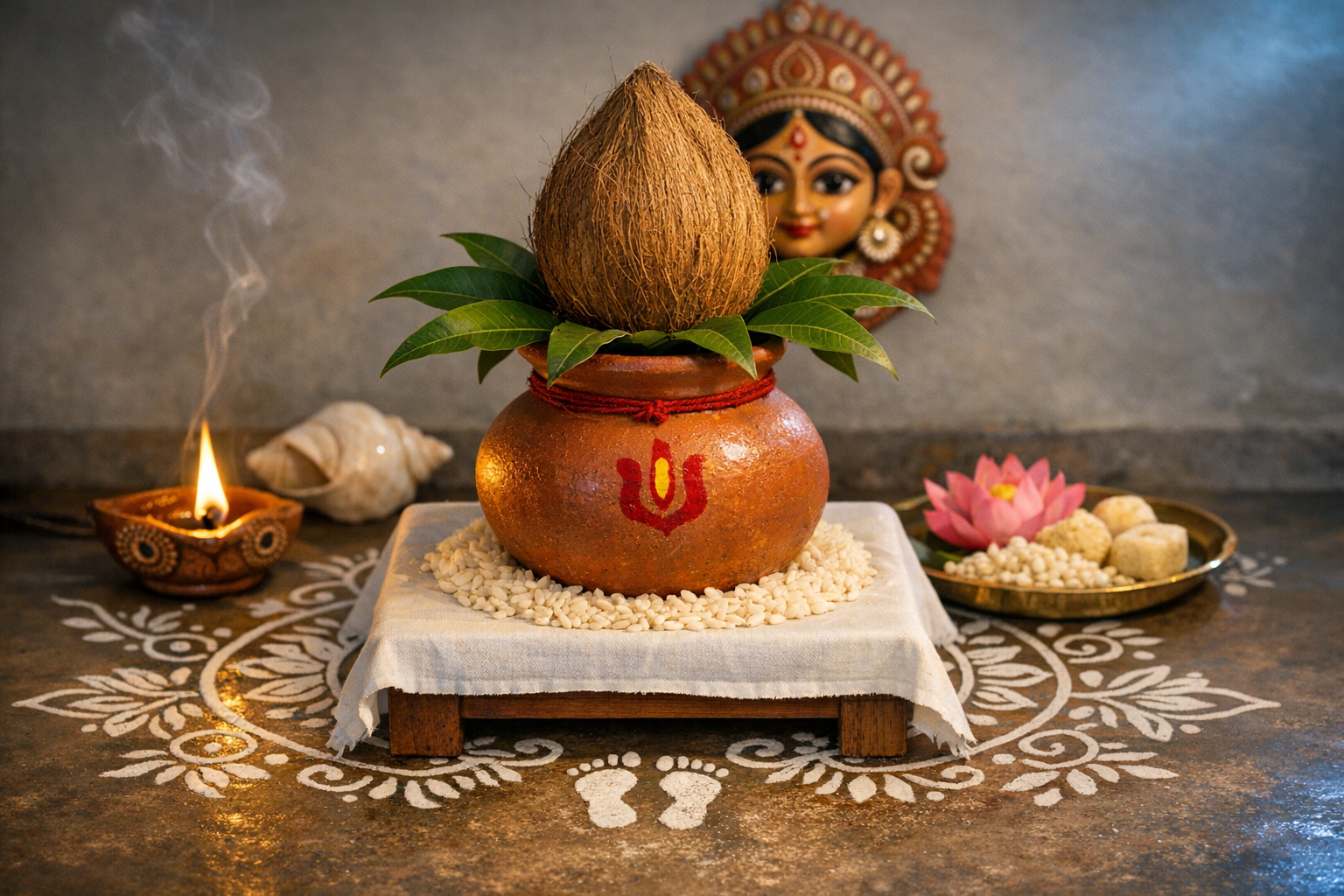
Bengal’s Lakshmi Ghot tradition consecrates an earthen pot as the living locus of Goddess Lakshmi, offering a compact yet theologically complete home ritual. This long-form guide decodes the symbolism of the kalashaclay, water, leaves, grains, and coconutas a microcosm of abundance governed by dharma. It situates the practice within Kojagari Lakshmi Puja on Sharad Purnima…
-
12th State Gatka Championship for Girls: Precision, Courage, and Dharmic Unity on Display

The 12th State Gatka Championship for Girls showcased a disciplined, safety-first competition rooted in the Sikh martial tradition, highlighting precision, timing, and ethical strength. Organized with standardized rules and protective equipment, it balanced point-sparring duels with judged demonstrations that rewarded control, coordination, and cultural literacy. Athletes benefited from periodized training, sports medicine awareness, and psychology-informed…
-
Krishna Katha at ISKCON Silicon Valley: Transformative Bhakti through Chanting and Hearing
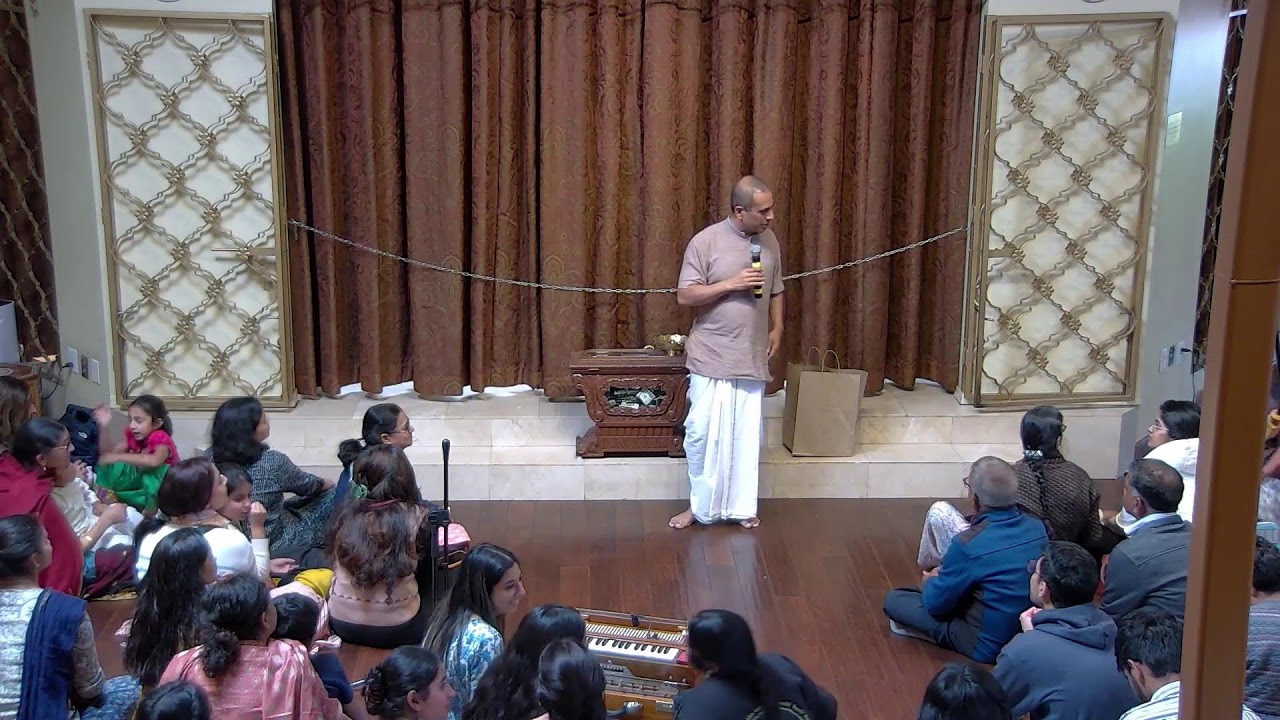
This long-form analysis contextualizes the Krishna Katha presented by H.G. Vaisesika Dasa at ISKCON of Silicon Valley on 26 April 2026. It explains why hearing and chanting are central in the Bhakti Tradition, grounding the discussion in the Bhagavad Gita and Srimad Bhagavatham. The piece outlines practical methods of kirtan and japa, describes their physiological…
-
Jyotiba of Maharashtra’s Sacred Hills: Radiant Warrior-Protector, Fusion of Shiva and Surya
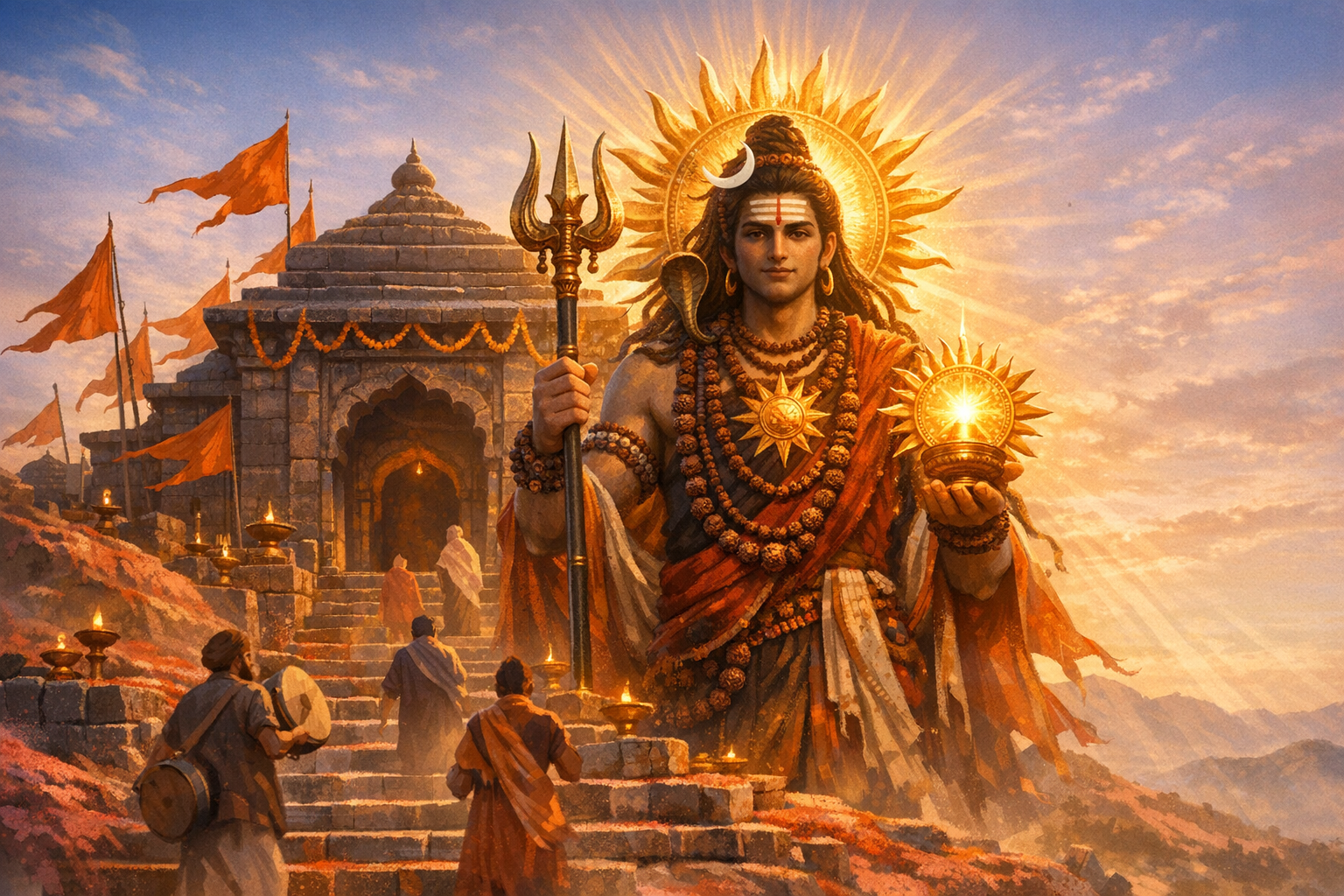
Jyotiba, the radiant warrior-protector of Maharashtra’s sacred hills, is revered across the Deccan as a powerful fusion of Shiva’s transformative force and Surya’s life-giving radiance. Set on Wadi-Ratnagiri near Kolhapur, the temple anchors a sacred geography that interlinks with the famed Mahalakshmi shrine, illustrating how local ecology and pan-Indic theology cohere. The Chaitra Purnima yatra,…
-
The Two Wolves Within: A Science-Backed Dharmic Guide to Mastering Inner Conflict

{ “title”: “The Two Wolves Within: A Science-Backed Dharmic Guide to Mastering Inner Conflict”, “content”: “ The widely circulated moral story often titled “Two Wolves” distills an enduring human reality: the inner contest between destructive impulses and ennobling virtues. Frequently framed as a Cherokee elder’s counsel to a child, the narrative’s force lies in its…
-
Dashamahavidya Jayanti 2026–2027: Accurate Tithi Guide, Deep Meanings, and Home Puja Methods

This comprehensive guide to Dashamahavidya Jayanti 2026–2027 explains how the ten Jayantis of Mahatara, Matangi, Bagalamukhi, Chinnamastika, Dhumavati, Mahakali, Bhuvaneshwari, Kamala, Tripurabhairavi & Lalita are determined by tithi, with clear notes on regional calendar differences. It summarises widely observed tithis for each Mahavidya, indicates likely 2026–2027 Gregorian windows, and offers practical home-puja methods aligned to…