
-
Charak Puja 2026 (Neel Puja): A Sacred, In‑Depth Guide to Dates, Gajan Rituals and Meaning in Bengal
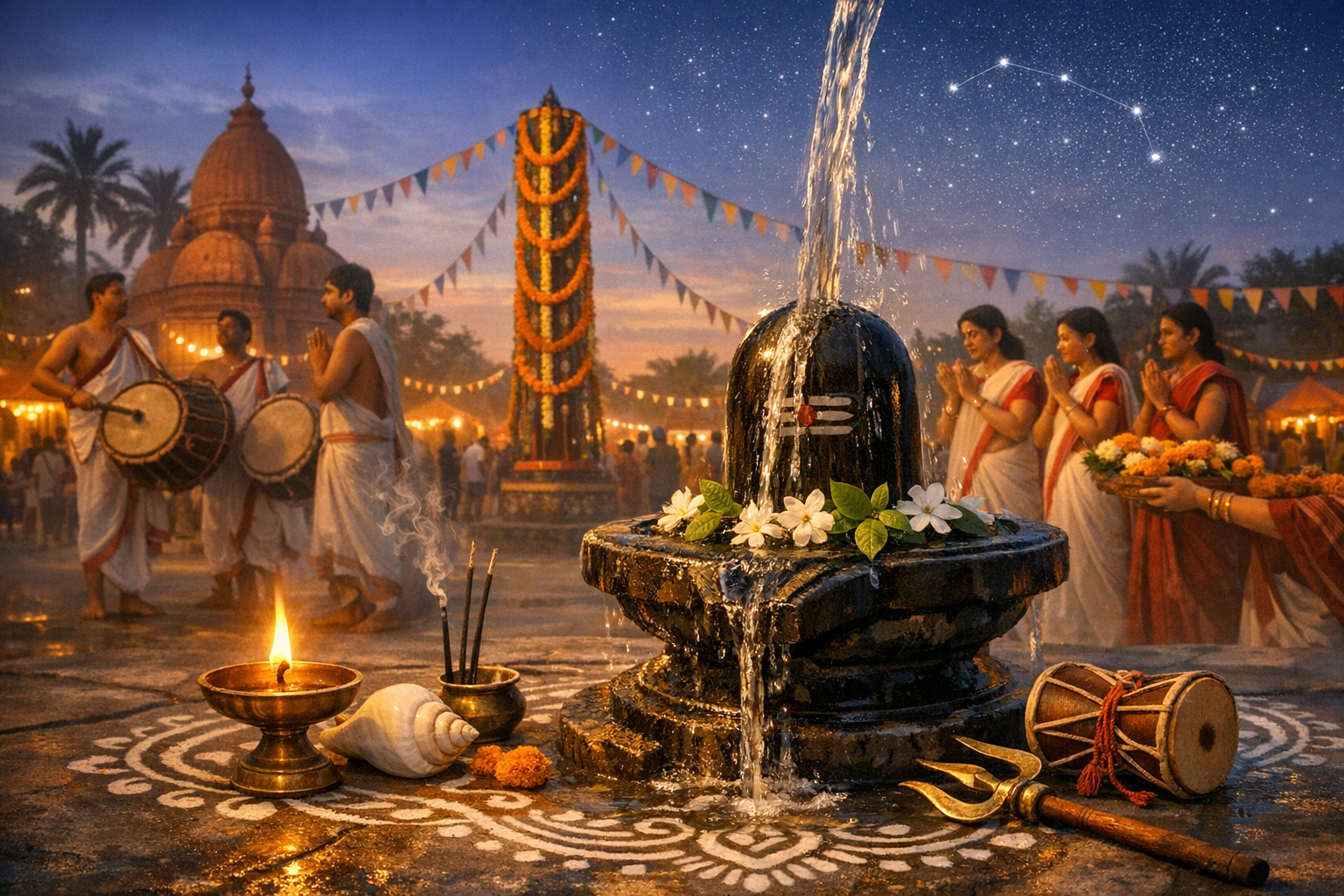
Charak Pujaalso called Neel Pooja and Hajrha Pujaarrives at Chaitra Songkranti, the Bengali year’s closing threshold. In 2026, Neel Puja will be observed on April 12 and Charak Puja on April 13, aligning with Mesha Sankranti. This in-depth guide explores the festival’s theology centered on Shiva as Neelkantha, the Gajan cycle of vows, the Charak-gach…
-
Mayiladuthurai’s Vadaranyeswarar: Nandi’s Redemption under Dakshinamurti’s Timeless Grace
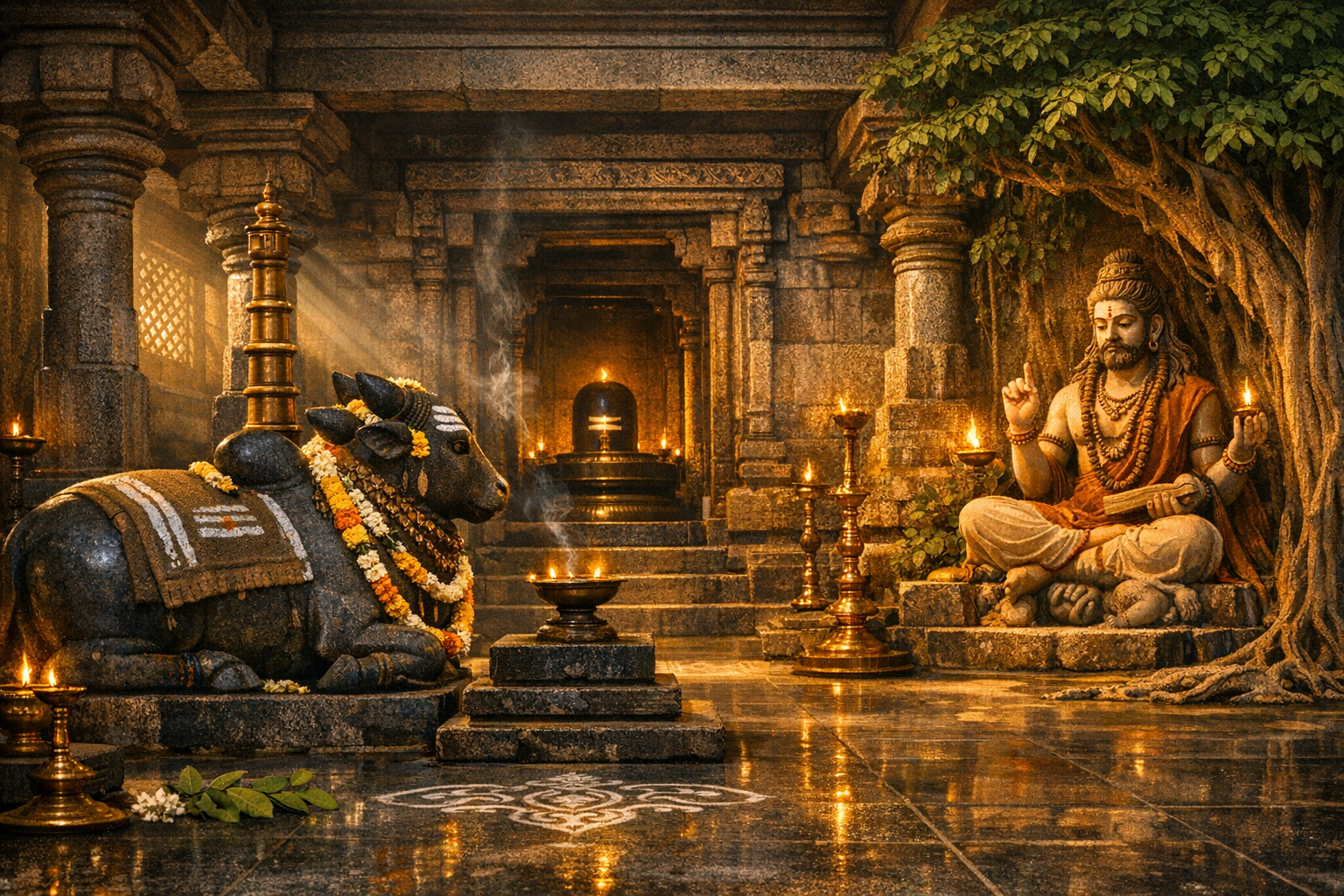
Set on the Kaveri’s banks in Mayiladuthurai, the Vadaranyeswarar Temple preserves a luminous legend in which Nandi’s unintended pride dissolves under Dakshinamurti’s silent, southward teaching. The narrative is embodied in spaceclear sight-lines, pedagogic iconography, and the banyan’s contemplative presenceturning architecture into spiritual practice. Readers discover how Dravidian temple grammar, Shaiva-Agamic iconography, and Thevaram recitation integrate…
-
Two Yet One: Advaita Vedanta’s Science of Oneness and a Dharmic Bridge across Traditions

The teaching ‘you and I are two persons; yet we are one’ expresses Advaita Vedanta’s core insight: empirical plurality and ultimate unity coexist without contradiction. This long-form exploration clarifies Brahman, Atman, and the roles of maya and avidya, situating ethics and devotion within a rigorous non-dual framework. Drawing on the Upanishads and the Bhagavad Gita,…
-
Definitive TTD March 2026 Festivals Guide: Sacred Utsavams, Key Dates, Pilgrim Essentials
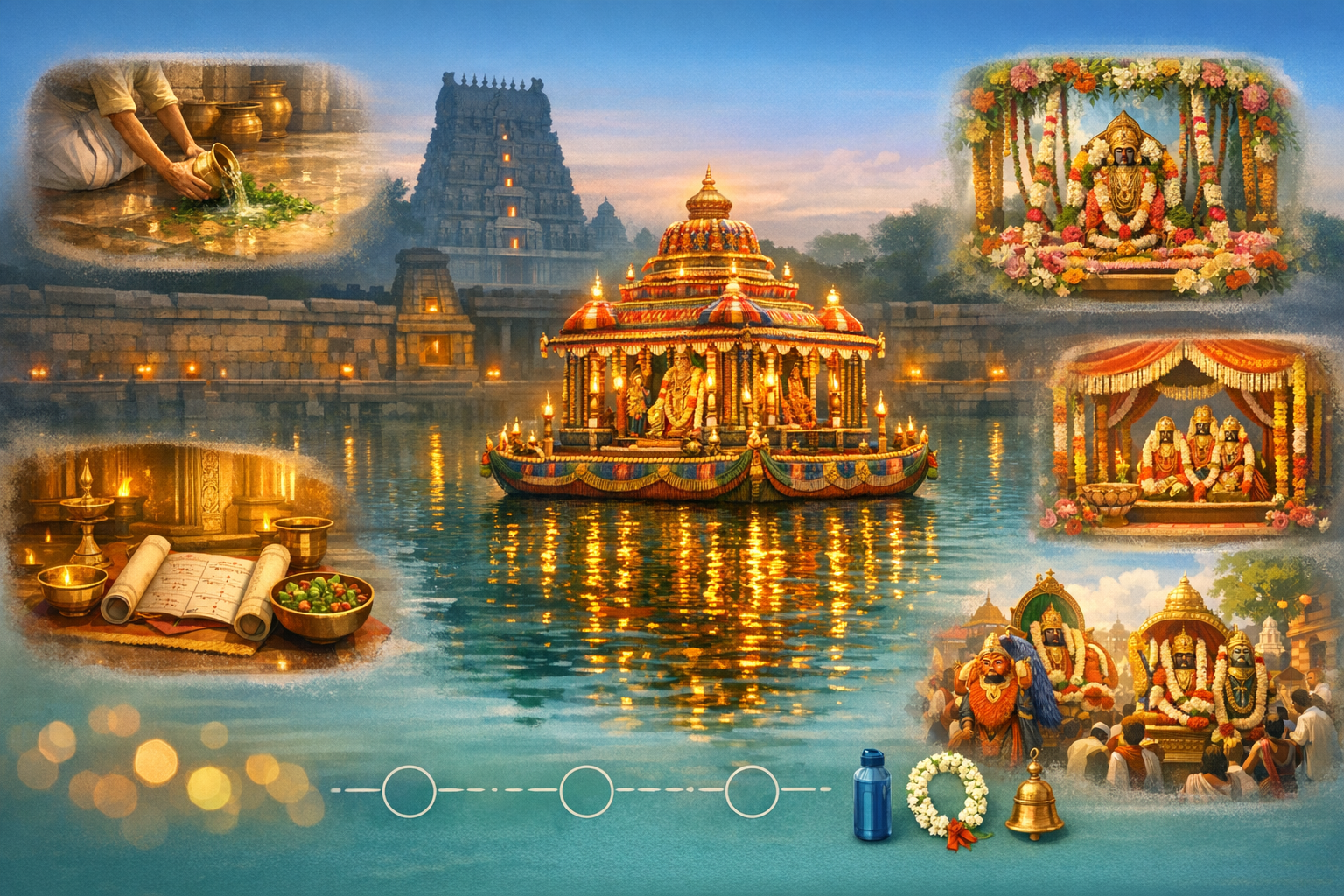
March 2026 at Tirumala Tirupati Devasthanam (TTD) features a high-energy sequence of utsavams anchored by Phalguna Pournami and the onset of Chaitra. This definitive guide highlights the conclusion of Srivari Salakatla Teppotsavam on 2 March 2026, the pre-Ugadi Koil Alwar Tirumanjanam, Ugadi Asthanam with Panchanga Sravanam, Panguni Uttiram Kalyanotsavams, and the Sri Kodandarama Swamy Temple…
-
Remembering Badrinarayan Swami: A Lasting Legacy of Hope, GBC Service, and Guru–Shishya Grace
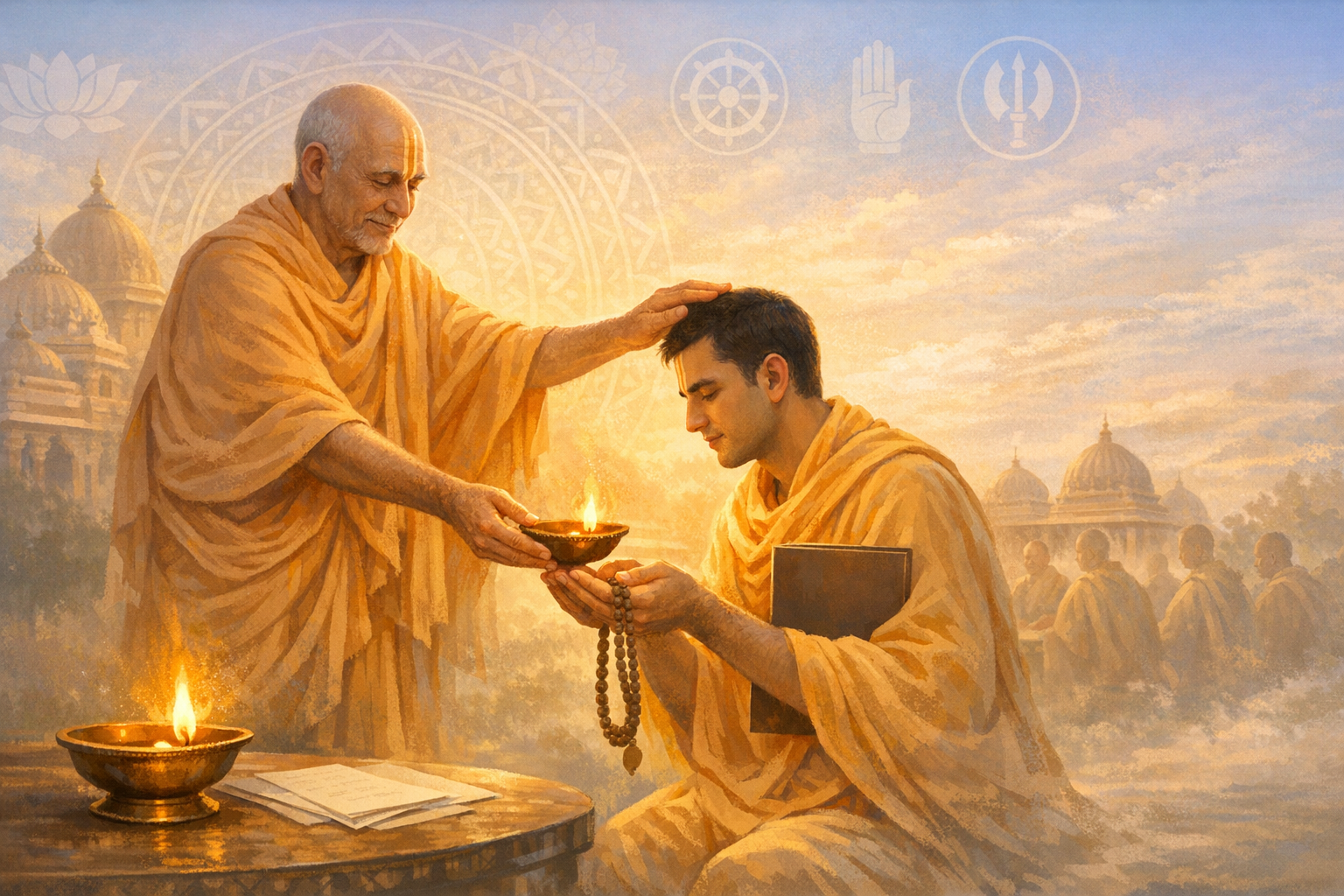
This tribute distills a remembrance of Badrinarayan Swami into practical insight on succession and spiritual leadership. It explains why a simple blessing„Now I can peacefully die“embodies generational trust and institutional resilience. Readers gain a clear overview of the GBC’s role within ISKCON and how governance aligns with the Guru–Shishya Relationship. The essay unpacks bhakti concepts…
-
Kalki’s White Horse Devadatta: Profound Symbolism, Dharmic Unity, and Timeless Renewal
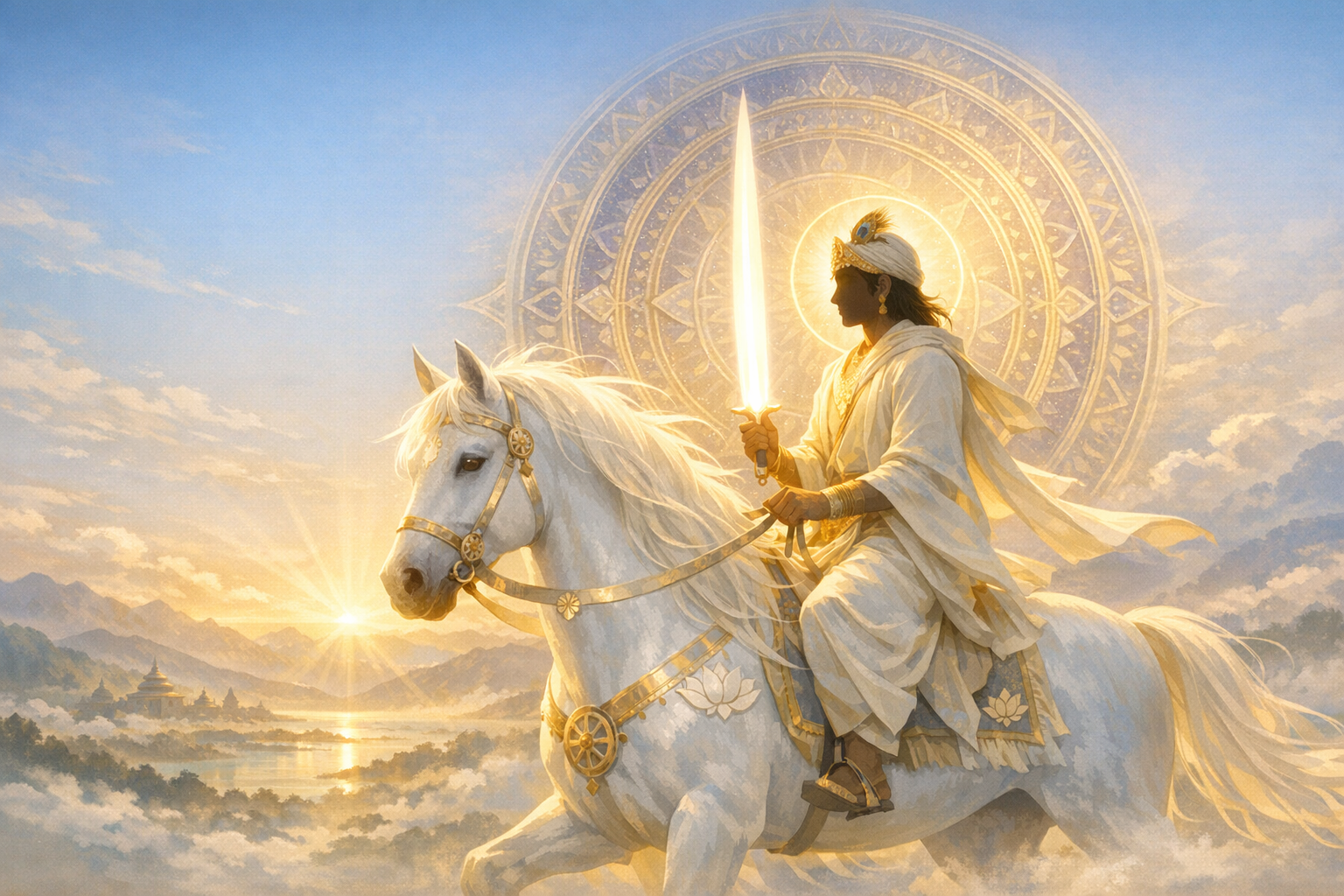
This article unpacks the symbolism of the Kalki Avatar’s white horse, Devadatta, drawing on the Vishnu Purana and the Bhagavata Purana to show how the motif encodes sattva, disciplined energy, and dharma-restoration at the end of Kali Yuga. It connects Vedic horse imagery (aśva) to prāṇa, time, and ethical action, and clarifies the distinction between…
-
When Krishna Lifts Govardhan: Tribhanga Beauty, Bhakti-Rasa, and the Ease Found in Surrender

This essay offers a close reading of Krsna’s tribhanga posture amid the Govardhana-dhara-lila, highlighting how visual detail, poetic mood, and theology interlock to transform crisis into joy. It explains how the left foot ‘kissing’ the earth and the effortlessly raised arm express immanence and transcendence in one gesture. Drawing from Srimad-Bhagavatam and Sanskrit aesthetics, it…
-
Bhagavad Gita on Inescapable Action: Krishna on Nature’s Gunas and Dharmic Responsibility

The Bhagavad Gita teaches that action is inescapable because Nature (Prakriti) operates through the gunas, compelling continuous activity. Krishna reframes the human challenge from “whether to act” to “how to act” through Karma Yogaduty aligned with dharma and freedom from anxious attachment to results. Key verses (3.5, 3.27, 18.60, 2.47–48) establish a compatibilist vision in…
-
Karma and Karmaphala in the Ramayana and Mahabharata: Dharma, Consequence, and Liberation

This essay reads the Ramayana and Mahabharata as precise ethical maps of karma (action) and karmaphala (consequence), showing how intention, duty, and context shape outcomes. It explains sañchita, prārabdha, and āgāmi karma, and situates them within dharma and the puruṣārthas. Through case studiesDaśaratha’s unintended harm, Rāvaṇa’s hubris, the dice hall’s complicity, Karna’s complexity, and Bhīṣma’s…
-
Break Free from Fragmentation: Seeking the Whole in Vedanta and Dharmic Paths for Inner Peace

This article unpacks the insight that suffering arises from fragmentation and shows how Vedanta and the broader dharmic traditions offer a precise remedy by seeking the whole. It explains avidya through the Upanishads and the Bhagavad Gita, connects Yoga’s kleshas and eightfold discipline to integration, and brings in Buddhist, Jain, and Sikh perspectives that converge…
-
Punganur Sri Kalyana Venkateshwara Brahmotsavams 2026: Dates, Vahana Sevas, Rituals, Travel Guide
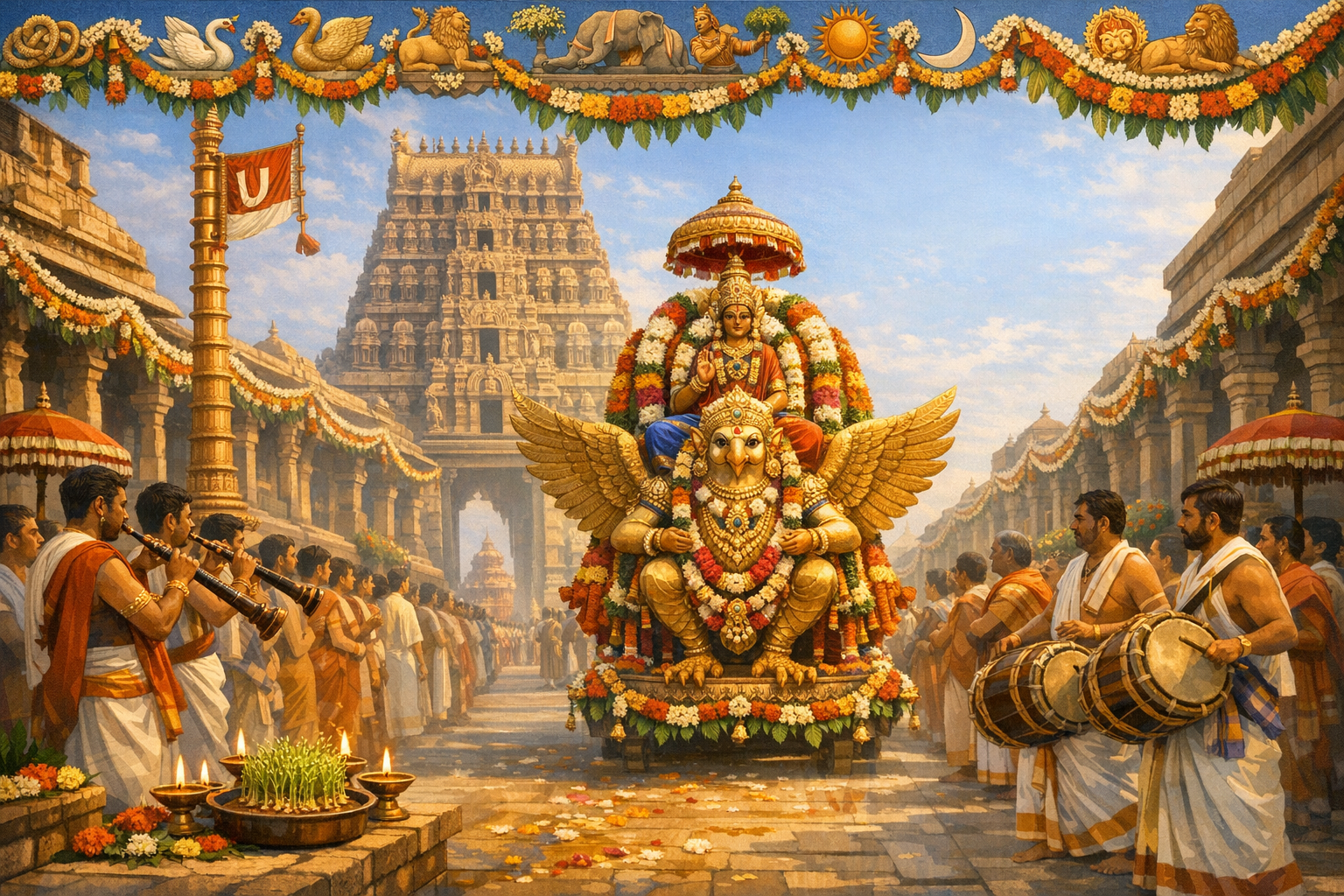
Sri Kalyana Venkateshwara Swamy Temple in Punganur will conduct its annual Brahmotsavams from 24 February to 4 March 2026, with Ankurarpanam on 23 February between 7:00 pm and 8:30 pm IST. Daily Vahana Sevas are scheduled from 8:00 am to 11:00 am, offering prime viewing for devotees. The festival follows Vaishnava agamic tradition, featuring Dhwajarohanam,…
-
Historic Milestone: Pran Pratishtha of 12 Jyotirlingas at Shri Goveshwar Devasthan, Old Goa
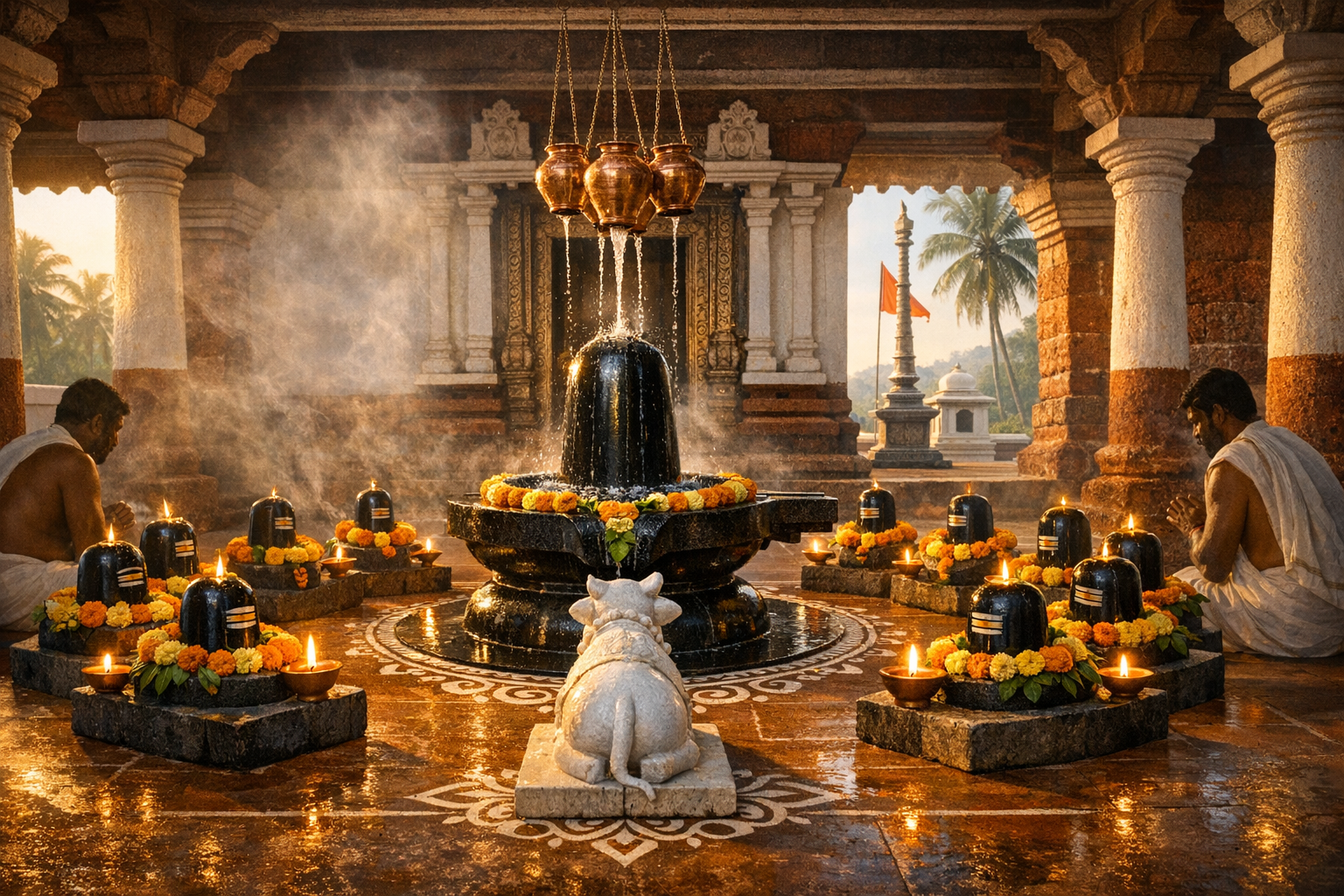
Shri Goveshwar Devasthan (Mahashiv Temple) in Old Goa has marked a historic milestone with the Pran Pratishtha of twelve Jyotirlinga representations in a single precinct. The ceremony aligns with Agamic and Shilpa Shastra principles, transforming crafted icons into a living locus of presence through mantric and liturgical precision. The twelve-Jyotirlinga configuration offers a compact, pedagogical…
-
Boundaries That Heal: End People‑Pleasing, Reclaim Energy, and Protect Your Peace

This research‑grounded narrative shows how a single, consistently enforced boundary can reverse burnout, resentment, and people‑pleasing. It distinguishes non‑negotiable needs from others’ non‑emergent wants and explains why early pushback (the “extinction burst”) is normal. Readers receive technical toolsimplementation intentions, triage matrices, respectful scripts, and capacity checksto operationalize boundaries. Practical aftercare (breathwork, mindfulness, brief walks) is…
-
Unlocking the Kalagni (Panchavaktra) Rudraksha: Sacred Meaning, Safe Practice, and Dharmic Unity
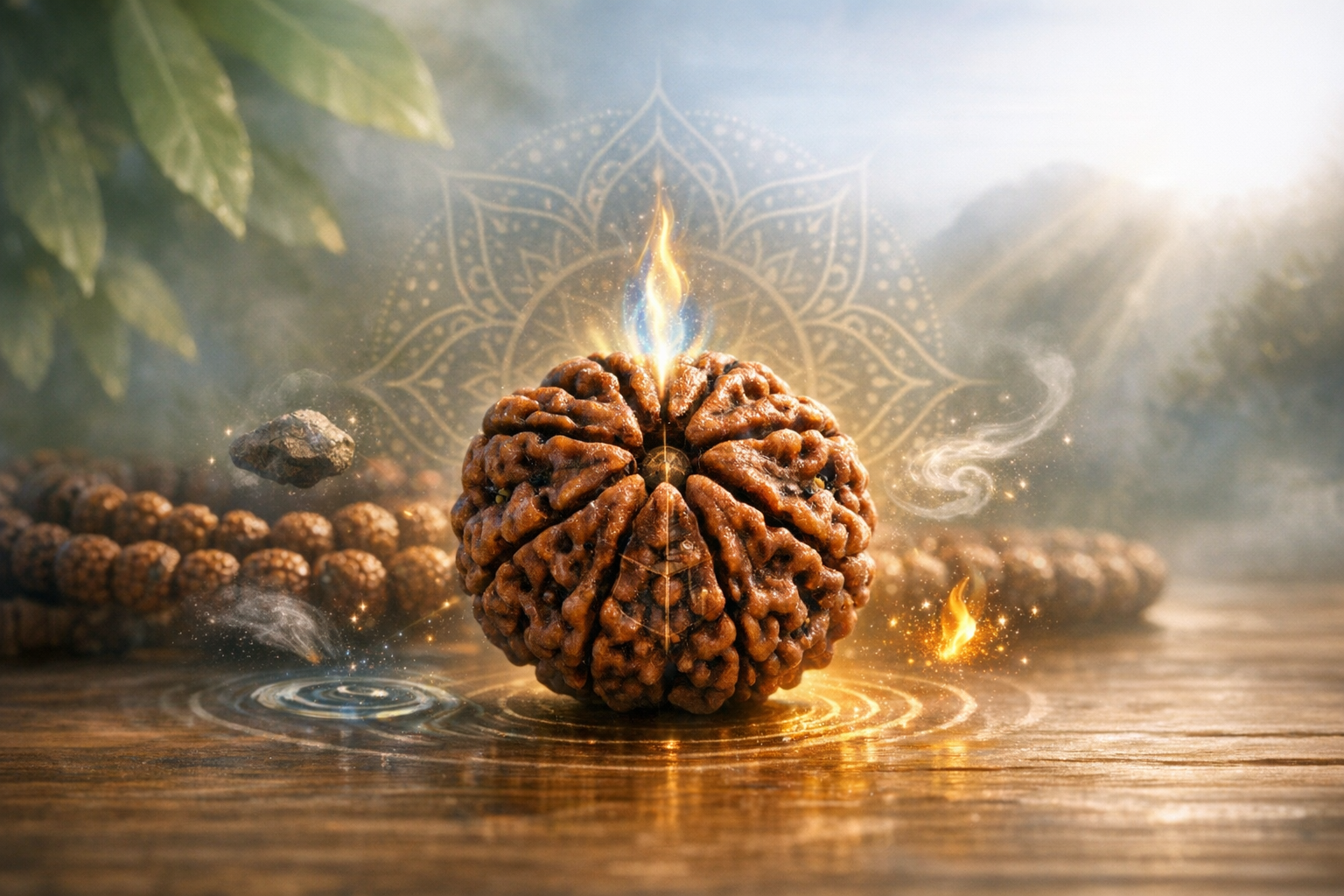
The Panchavaktra (Kalagni) Rudraksha is the five-faced sacred bead revered in Hindu Dharma and identified in Shiva Purana (1.25) with Rudra Himself. This comprehensive guide explains its symbolic link to Shiva’s five cosmic faces and to fivefold frameworks such as the elements, vital airs, and sheaths. It outlines safe, lineage-respectful practice with mantras like Om…
-
What D.V. Gundappa’s 1959 Letters Reveal: Protocol, Federalism, and Public Decency

Archival letters written by D.V. Gundappa in January 1959, following the death of Sir Mirza Ismail, open a window into the administrative culture of post-Independence India. The correspondence probes how states should register public sentiment, the extent of central guidance on official holidays, and the federal balance between Delhi and state capitals. By foregrounding courtesy…
-
February 20, 2026 Panchang: Sacred Timings from Tritiya to Chaturthi, Auspicious Guidance
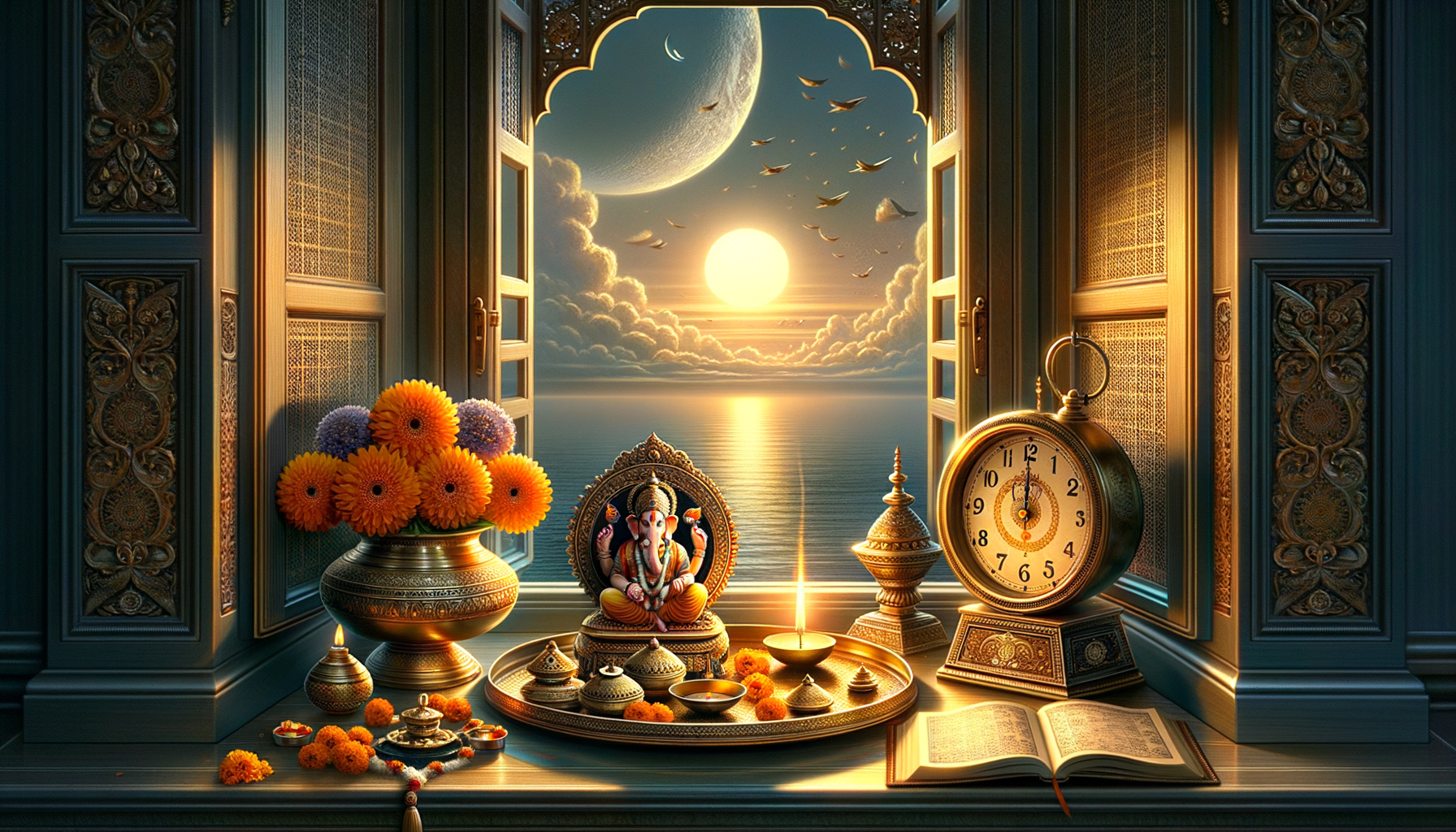
On Friday, February 20, 2026, Shukla Paksha Tritiya prevails until 3:05 PM in most regions, then the day transitions to Shukla Paksha Chaturthi. Tritiya supports auspicious initiatives, study, charity, and refined intentions, while Chaturthi invites Ganesha-centered worship and steady, obstacle-clearing effort. Practical guidance emphasizes choosing shubh muhurat locally, avoiding inauspicious intervals like Rahu Kalam, and…
-
Surabhi (Kamadhenu), the Divine Gomatha: Timeless Symbolism, Blessings, and Dharmic Unity

Kamadhenu (Surabhi), revered as Gomatha, embodies abundance, compassion, and auspiciousness in Hindu thought. Though rarely worshipped in independent temples, devotion to Gomatha flourishes through daily reverence, Gau Seva, and festivals like Gopashtami. Her symbolism aligns with ahimsa and sustainable living, inspiring care for cows and ecological responsibility. The ethical resonance extends across Hinduism, Buddhism, Jainism,…
-
Kalita Tandava Unveiled: Shiva’s Eight-Armed Cosmic Dance of Balance, Time, and Renewal
Kalita Tandava, an eight-armed manifestation of Shiva’s cosmic dance, illuminates the cycles of creation, preservation, and dissolution through a precise symbolic grammar. Readers gain a clear map of its iconographydamaru, agni, triśūla, and protective mudrāsand how these elements encode the pañcakṛtya and expanded functions of grace and discernment. The article connects Vedānta, Kashmir Śaivism, and…
-
Opera Mahabharat: BRICS-CMF’s Grand Collaboration Elevating Dharmic Heritage and Global Arts

Opera Mahabharat, a BRICS-CMF initiative, blends India’s epic with the grandeur of opera to advance cultural diplomacy. The production reimagines the Mahabharata for global audiences, enhancing accessibility without compromising authenticity. Its universal themesdharma, duty, and compassionhighlight unity across Hinduism, Buddhism, Jainism, and Sikhism. The work strengthens BRICS cultural cooperation and exemplifies respectful cultural exchange. Rich…
-
Mahabahu in Hinduism: Unveiling the Mighty-Armed Ideal of Strength, Dharma, and Service
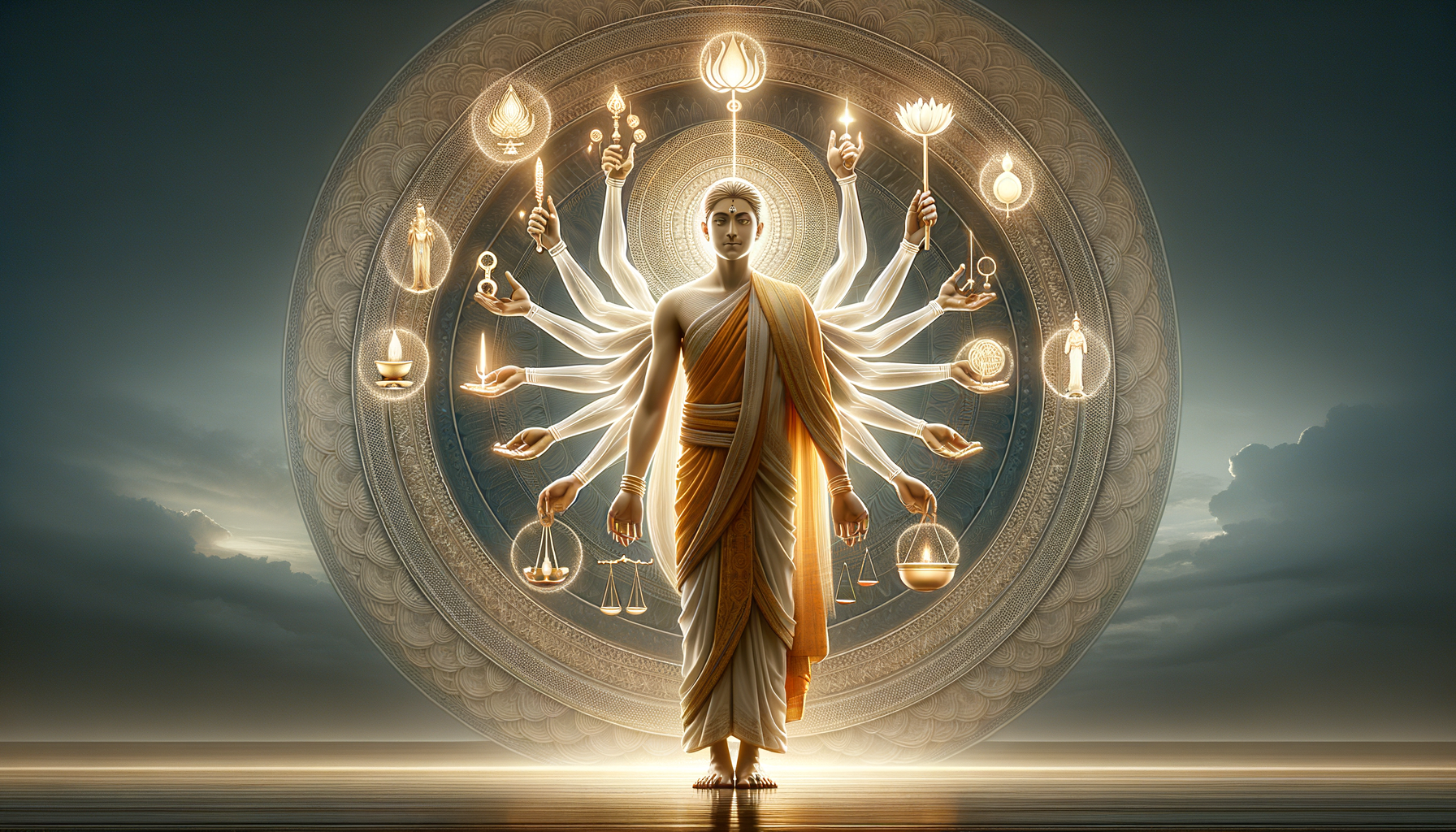
Mahabahu, from the Sanskrit roots “maha” (great) and “bahu” (arms), is a profound ideal in Hindu scriptures that unites power with ethical responsibility. Found in the Ramayana, Mahabharata, and Bhagavad Gita, it signifies strength guided by self-mastery and compassion. The term illuminates how epic narrative encodes philosophical principles: arms symbolize disciplined action in the service…