
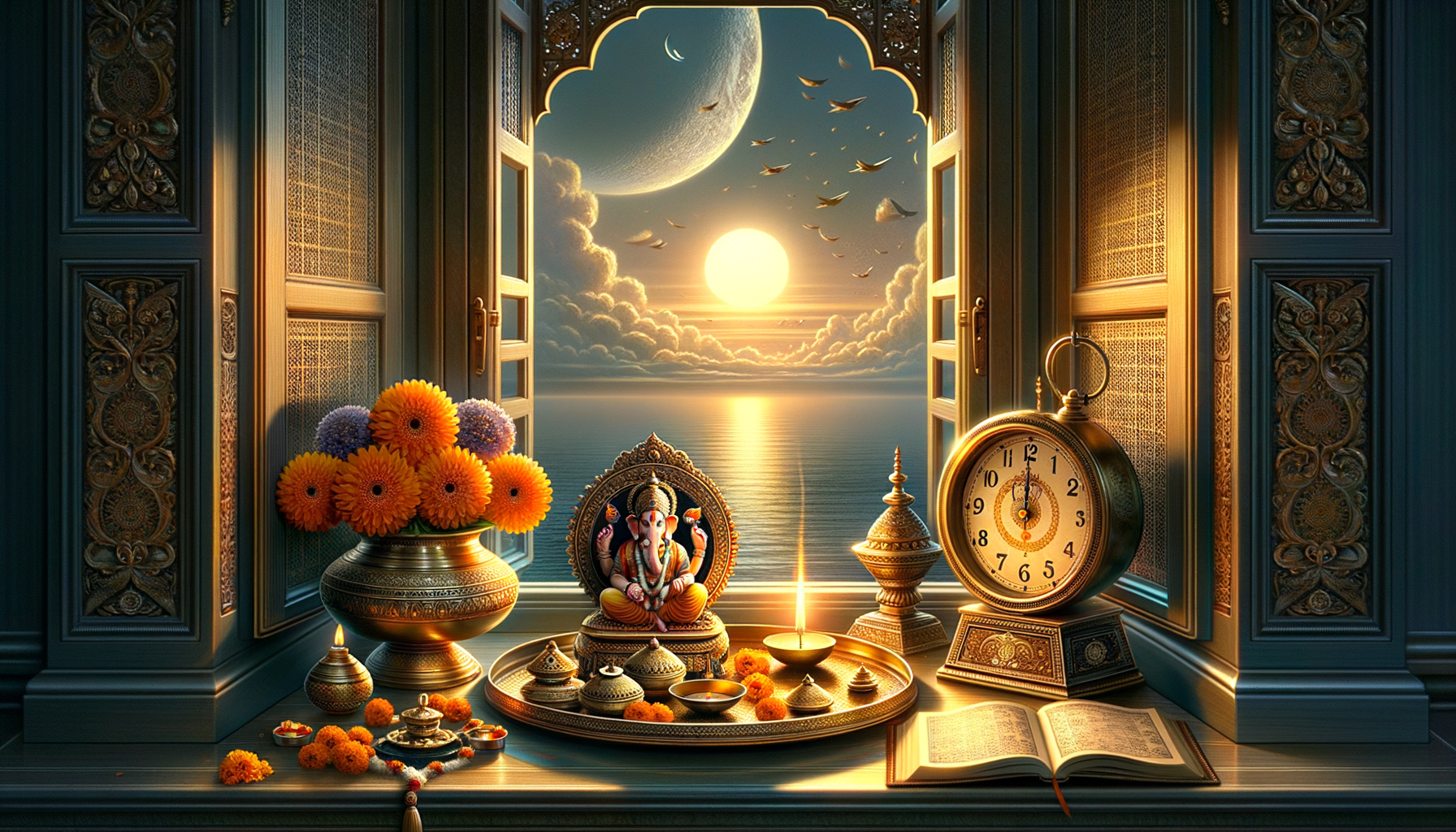
On Friday, February 20, 2026, the Panchang – Hindu Calendar notes Shukla Paksha Tritiya (the third lunar day of the waxing phase) prevailing in most regions until 3:05 PM. From 3:05 PM onward, the day transitions to Shukla Paksha Chaturthi (the fourth lunar day of the waxing phase). This shift in tithi shapes daily observances, with many households aligning puja, study, and community activities to the rhythm of the lunar calendar.
Shukla Paksha Tritiya is traditionally regarded as shubha (auspicious) for initiating constructive endeavors, learning, devotional study, modest new purchases, and acts of dana (charity). As the light of the moon increases, Tritiya symbolically supports growth, refinement, and clarity of purposequalities that practitioners often harness for prayer, vrata planning, or beginning creative and educational work.
After 3:05 PM, with the commencement of Shukla Paksha Chaturthi, the day’s devotional emphasis commonly turns toward Sri Ganesha, revered as Vighna-vinashaka (remover of obstacles). Many observe simple Ganesha puja, reflect on humility and steadiness, and choose mindful tasks that benefit from patience and obstacle-clearing intent. While monthly sankalpas vary by region and tradition, the spirit of Chaturthi favors disciplined effort and thoughtful beginnings supported by prayerful remembrance of Ganapati.
Good time (shubh muhurat) selection on this date is generally oriented toward the Tritiya period for initiating auspicious undertakings and toward the Chaturthi period for Ganesha-centered worship and tasks requiring steadiness. Because exact muhurat windows depend on locality and calculation method, consulting a trusted local Panchang is recommended. As a practical guideline, practitioners often avoid inauspicious intervals such as Rahu Kalam and align important actions with stable daylight hours or established household worship times.
Nakshatra and Rashi insights enhance personal alignment on this date. While this summary focuses on the tithi transition, individualized guidance traditionally considers the day’s Nakshatra and the Moon’s Rashi to refine sankalpa, mantra choice, and puja timing. Checking a region-specific Panchang or temple noticeboard can provide precise Nakshatra–Rashi data for February 20, 2026, ensuring both accuracy and ease of observance.
Across dharmic traditions, observing lunar cycles nurtures a shared ethos of mindfulness and reverence. In Hindu, Buddhist, Jain, and Sikh communities, attention to time, intention, and compassionate action strengthens unity in diversity. Aligning with Shukla Paksha Tritiya and Chaturthi in this spirit encourages kindness, self-discipline, and service, fostering social harmony alongside personal spiritual growth.
Regional variations in Panchang calculations mean that local sunrise, moonrise, and community practice may shift the precise experience of this day. The tithi change citedShukla Paksha Tritiya until 3:05 PM, then Shukla Paksha Chaturthi thereafterapplies to most regions but should be verified locally for ritual precision. With mindful preparation and a focus on unity, the day’s sacred timings can be observed with clarity, devotion, and confidence.
Inspired by this post on Hindu Blog.
