
-
From Sadhana to Etiquette: Angas of Bhakti for Daily Practice and Interfaith Dharmic Harmony
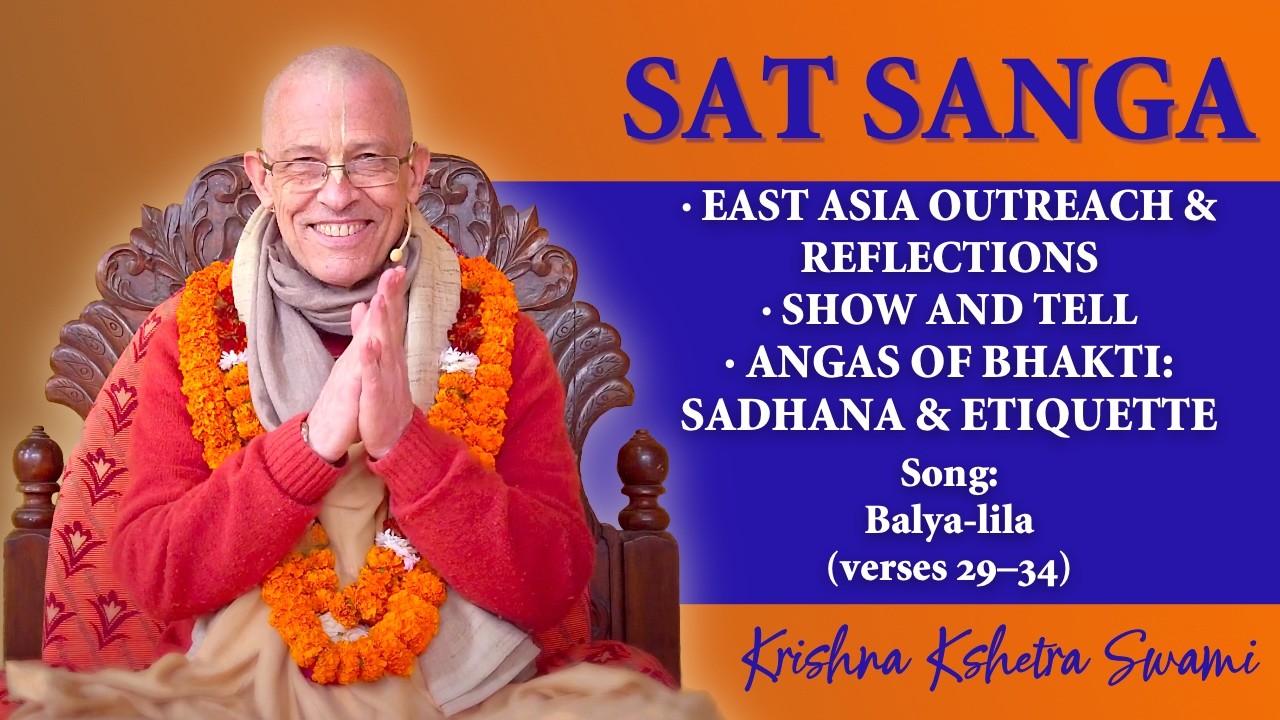
This in-depth reflection on a Sat Sanga with HH Krishna Kshetra Swami (09.05.2026) unpacks the Angas of Bhakti—how sadhana (disciplined daily practice) and Vaishnava etiquette (sadachara) jointly mature devotional life. Readers gain a clear map of foundational and potent practices from the Gaudiya tradition, learn practical routines for japa, kirtana, and study, and see how…
-
Hare Kṛṣṇa as a Heartfelt Cry: Surrender, Bhakti, and Dharmic Unity in Practice
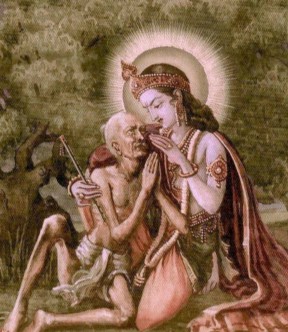
The mantra Hare Kṛṣṇa, Hare Kṛṣṇa can be read as a concise theology of surrender: “O the energy of the Lord, O the Lord, please accept me.” Situated within the bhakti tradition, this cry for acceptance aligns with Lord Caitanya’s emphasis on humility and constant kīrtana. The piece explores how śaraṇāgati in the Bhagavad Gītā,…
-
Srila Prabhupada’s 1976 Vrindavan Marathon: Seva, Scholarship, and Global Sankirtana
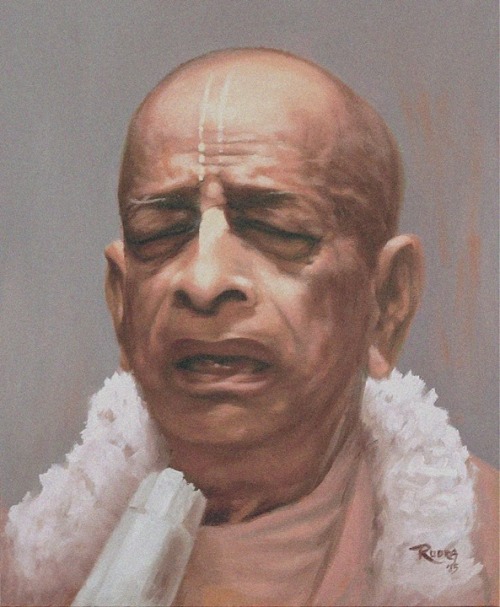
In 1976 at Vrindavan, Srila Prabhupada’s day began at mangal arotik and ended past midnight with a Mathura pandal program before more than twenty thousand attendees. Eyewitness details—such as the right-hand lesson during a morning walk—reveal how subtle etiquette conveyed dharmic principles. His apology for speaking in Hindi at the pandal highlighted humility and inclusive…
-
Bond of Love with HG Akuti dd: Profound insights on Bhakti, Seva, and Dharmic Unity
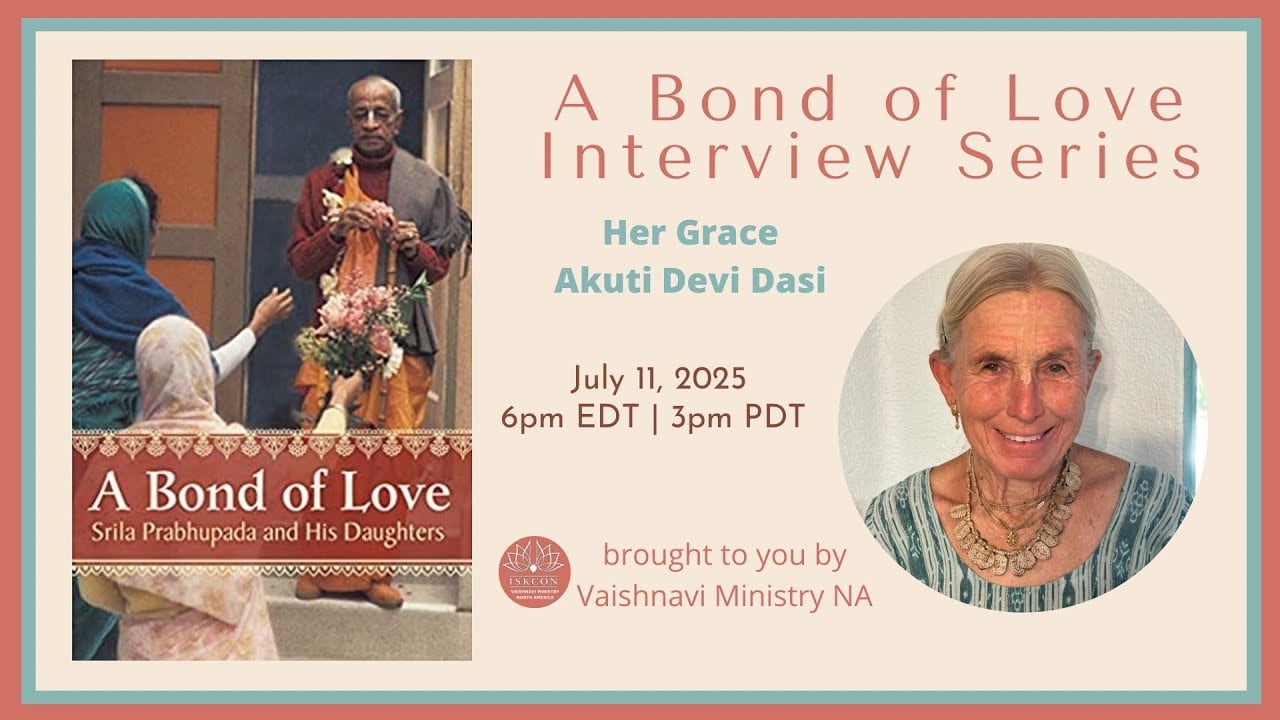
This in-depth preview examines the Bond of Love Interview Series featuring HG Akuti dd, streamed by Vaishnavi Ministry on July 11, 2025, and situates it within the global evolution of ISKCON’s Bhakti Tradition. The analysis shows how love-centered devotion (prema-bhakti), seva, and the Guru-Shishya Tradition converge to strengthen community resilience in digital settings. Cross-dharmic parallels—maitrī…
-
Festival of Chariots 2026, ISKCON Brisbane: A Timeless Ratha Yatra Uniting Dharmic Communities
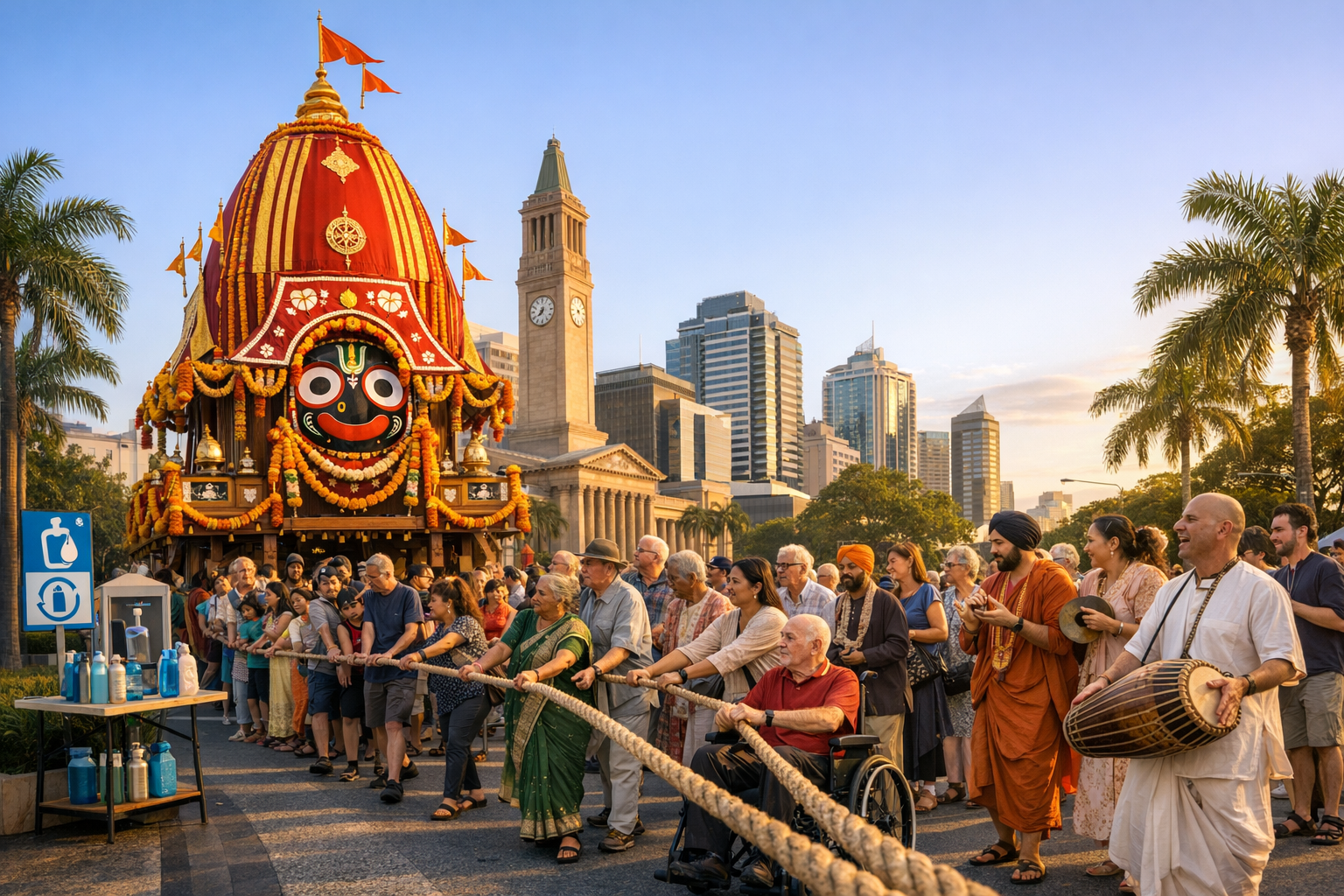
Ratha Yatra—the Festival of Chariots—returns to Brisbane in 2026 for its eleventh year, bringing a millennia-old tradition into a modern, multicultural city. Rooted in the Jagannath heritage of Odisha, the festival blends kirtan, chariot-pulling, arati, and the sharing of prasadam into an inclusive public celebration. Organized by ISKCON Brisbane, the event exemplifies safe, well-managed use…
-
Surrender that Liberates: How Dāsa‑Bhāva Shapes Bhakti, Seva, and Dharmic Unity
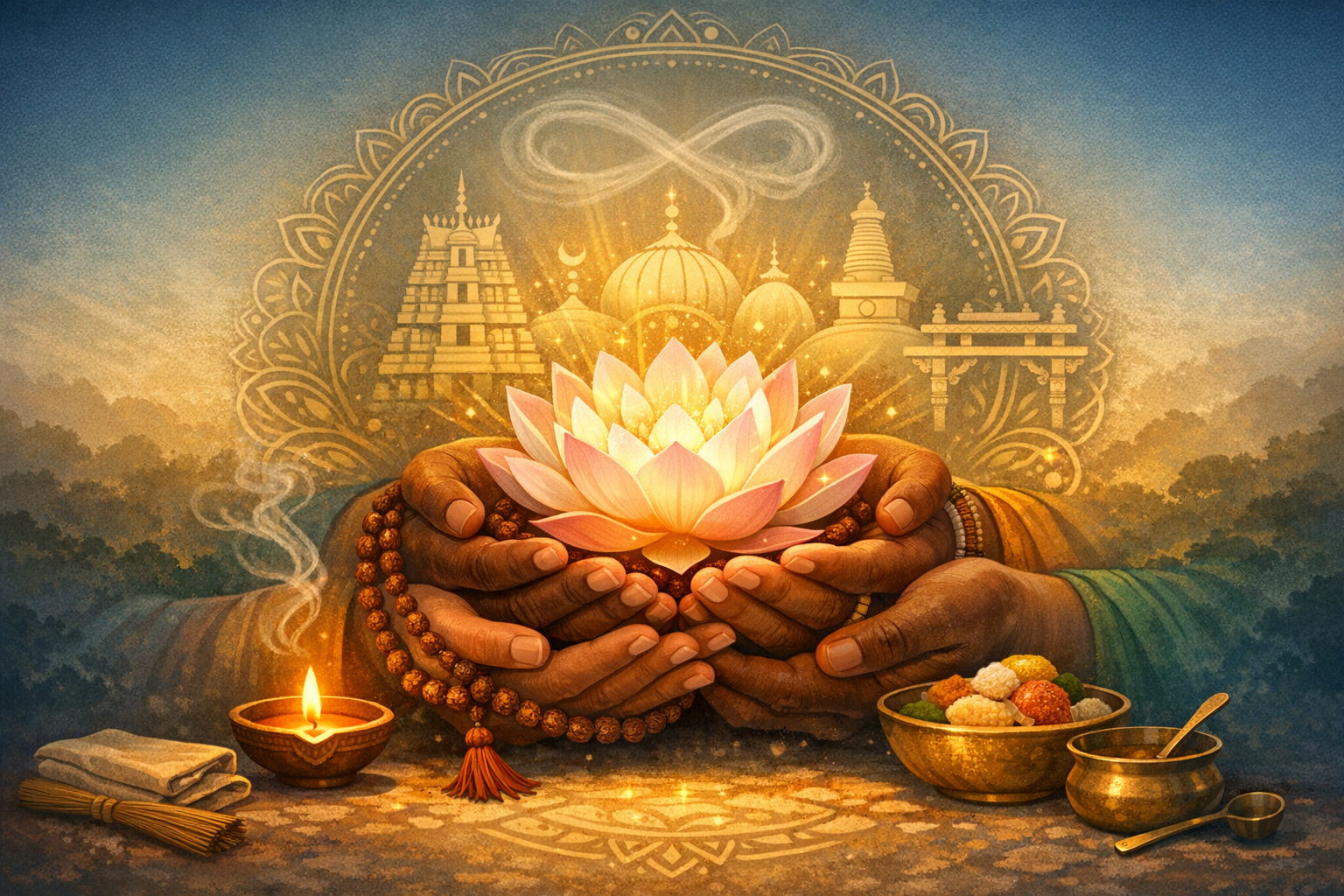
The Bhakti concept of “dasa” (dāsa)—a chosen identity of loving service and surrender—anchors Hindu spirituality in a disciplined ethic of humility, seva, and śaraṇāgati. Grounded in scriptural sources like the Bhagavad Gita and Srimad Bhagavatham, dāsya-bhāva appears across Vaishnava, Śaiva, and Śākta traditions and is elaborated by Ramanujacharya, Madhvacharya, and Chaitanya Mahaprabhu. It flourishes in…
-
Ramayana’s Unfinished Truth: Why Rama and Sita Don’t Get a Fairy-Tale Ending (and Dharma’s Lesson)

Ramayana is not a fairy tale about bliss after victory; it is a rigorous meditation on dharma under the pressures of love, power, and public trust. The narrative after Ravana’s defeat intensifies into a study of rajadharma, where Rama’s personal anguish and public duty collide. Sita’s trials—Agni Pariksha, exile, and her return to Mother Earth—expose…
-
Why Ramanujacharya Asked ‘Have You Loved?’—Bhakti, Emotional Maturity, and Divine Grace

A classic teaching story about Sri Ramanujacharya turns on a simple question: “Have you ever loved anybody?” Rather than prescribing abstract doctrine, he points to love (prema) as the formative ground of bhakti. In Vishishtadvaita Vedanta, devotion matures through lived relationship, culminating in prapatti (surrender) supported by divine grace. The distinction between kama (desire) and…
-
Khajuraho’s Matangeshwar Temple: Awe-Inspiring ‘Living’ Shivling and 1,000 Years of Worship
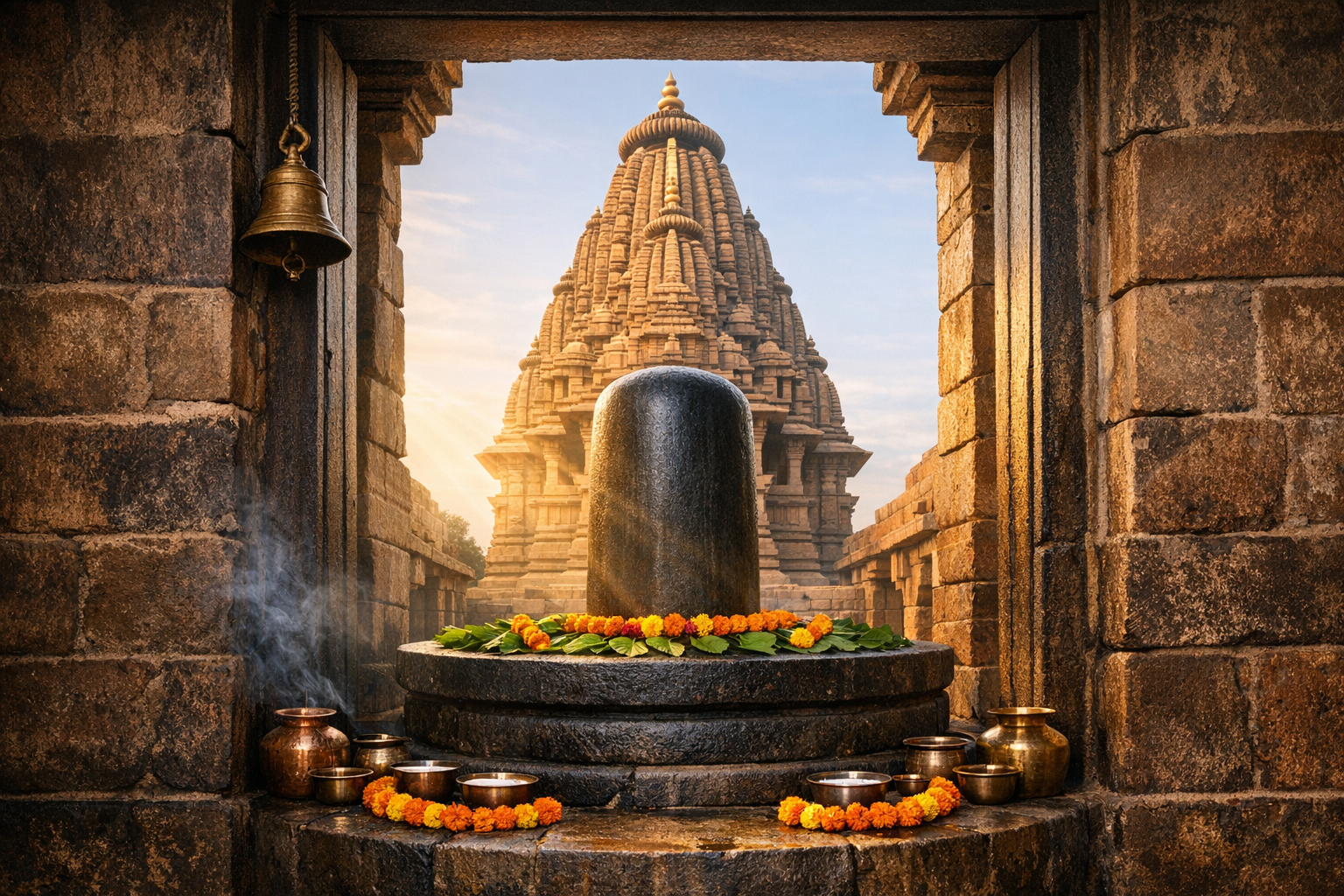
Matangeshwar Temple in Khajuraho, Madhya Pradesh, is a living Shiva shrine renowned for its colossal Shivling and an enduring belief that the icon grows over time. Set within the UNESCO-listed Khajuraho Group of Monuments, it balances Chandela-era Nagara architecture with uninterrupted ritual practice. The temple’s restrained superstructure intensifies focus on the sanctum and active worship,…
-
Adi Granth as an Ecumenical Beacon: Guru Granth Sahib’s Universal Wisdom for Dharmic Harmony

This essay presents the Adi Granth, enshrined today as the Guru Granth Sahib, as a uniquely oecumenical scripture whose language, music, and ethics resonate across Hindu, Buddhist, Jain, and Sikh traditions. It traces the canon’s historical formation, its multivocal authorship, and its raga-based architecture to explain why the text travels so well across communities. Theological…
-
Baba Deep Singh Ji: Scholar‑Warrior who safeguarded the Guru’s Word and Amritsar’s sanctity

Baba Deep Singh Ji (1682–1757) embodies the Sikh Sant‑Sipahi ideal, uniting rigorous scholarship with principled courage. This comprehensive account situates his formation at Anandpur Sahib and Damdama Sahib, his role in scribing and standardizing Gurbani manuscripts, and his leadership within the Dal Khalsa and the Shaheedan Misl. It presents the 1757 defense of Amritsar with…
-
May 20, 2026 Panchang: Shukla Chaturthi to Panchami—Auspicious Timings, Expert Ritual Guide

On Wednesday, May 20, 2026, Shukla Paksha Chaturthi prevails until 3:56 PM and then transitions to Shukla Paksha Panchami. This comprehensive Panchang guide explains how to compute good times using the universal eight-part daylight method and how to avoid Rahu Kalam, Yamaganda, and Gulika Kalam for new beginnings. It highlights the strength of Abhijit Muhurta…
-
Baba Deep Singh Ji: Scholar‑Soldier of the Khalsa and Guardian of the Golden Temple
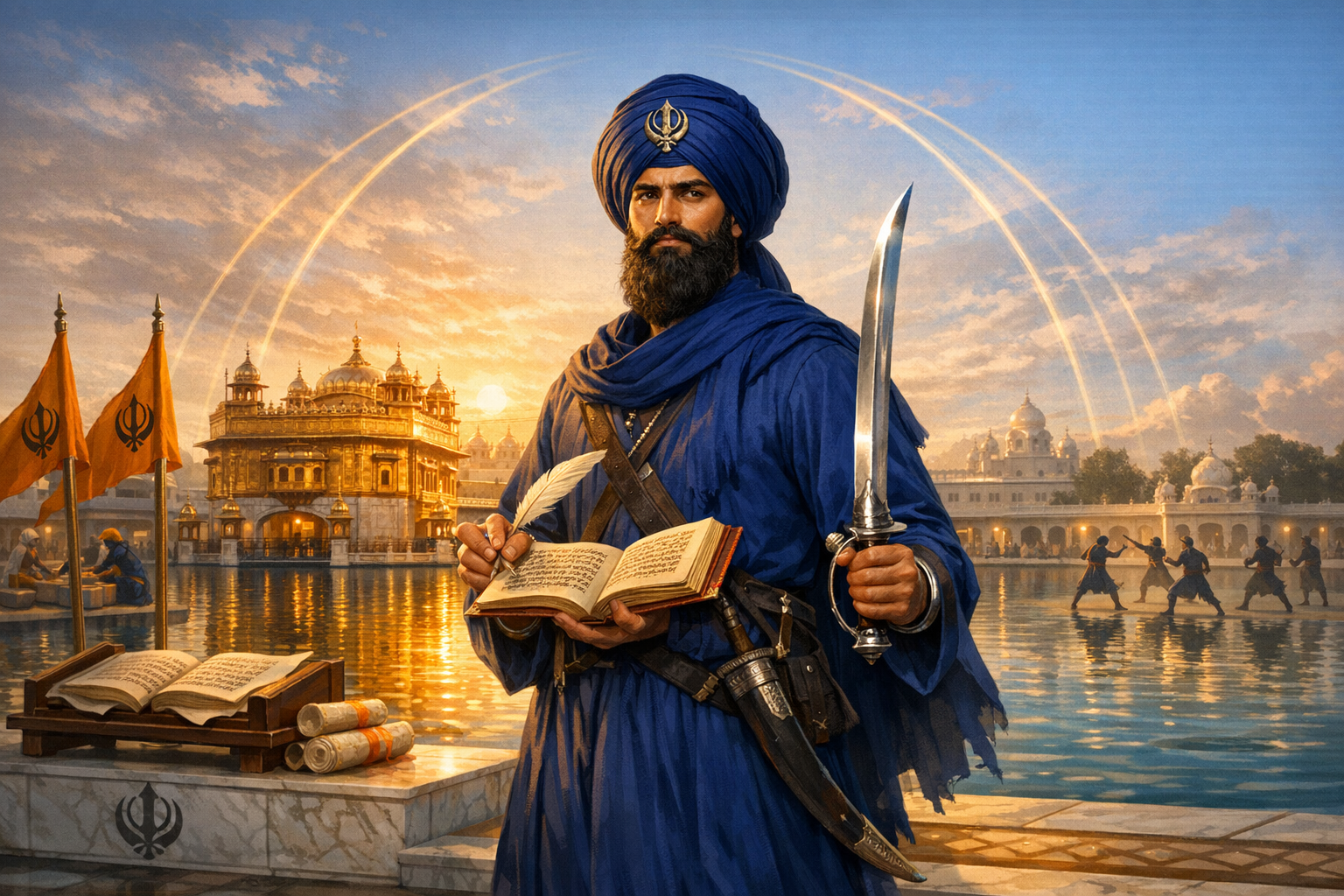
Baba Deep Singh Ji embodied the Sikh sant‑sipahi ideal by uniting deep scholarship with principled courage, ensuring the protection of sacred spaces and the continuity of learning. Set against the turbulence of eighteenth‑century Punjab, his work at Damdama Sahib safeguarded scriptural integrity while his leadership helped restore access to Harmandir Sahib after its desecration in…
-
Houston Art Car Parade 1986–Today: Visionary Vehicles, Community Pride, and Interfaith Unity
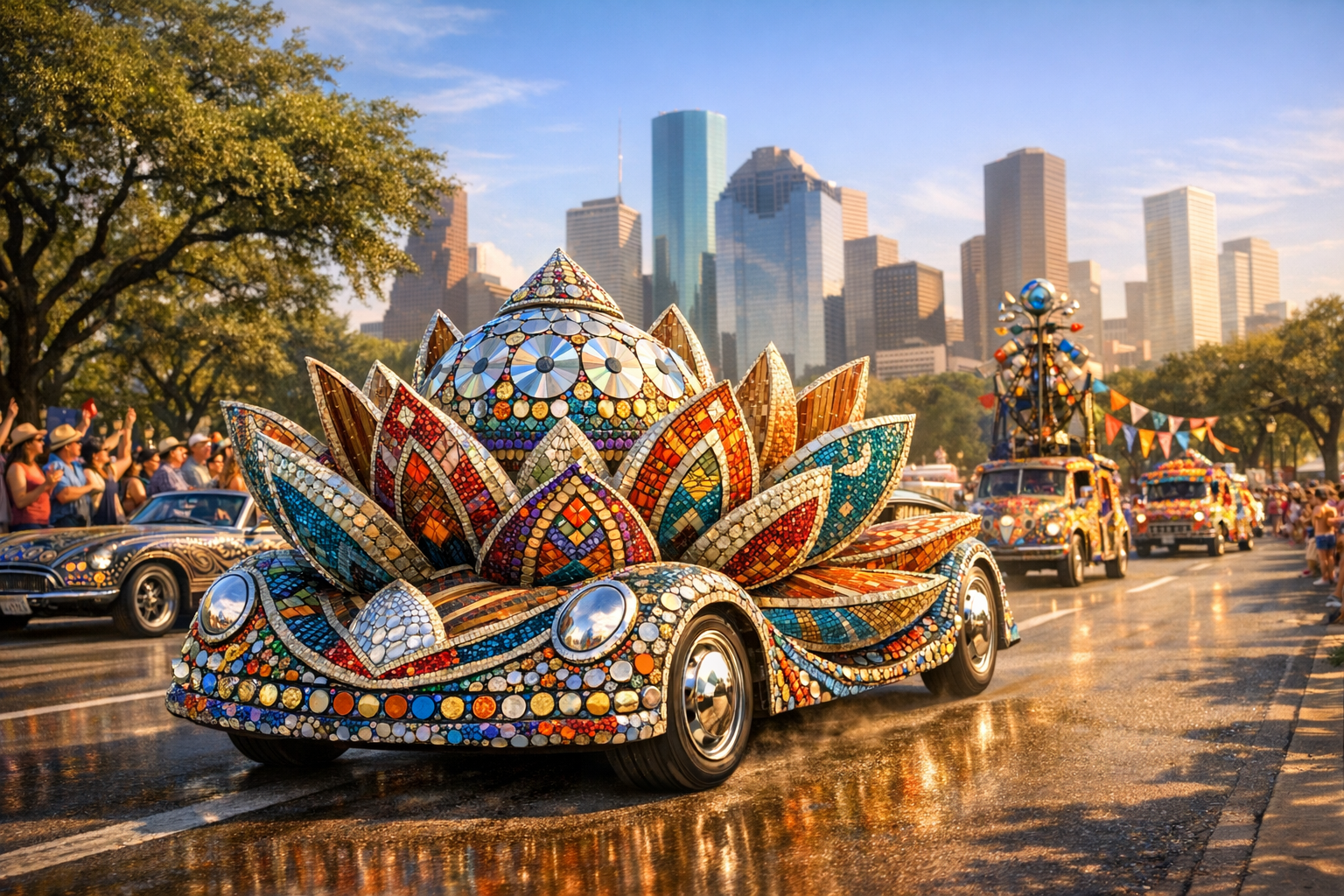
Beginning with eleven vehicles in 1986, the Houston Art Car Parade has evolved into a major community celebration that unites visionary art, cultural heritage, and public safety in a single moving showcase. Organized with curatorial care by the Orange Show Center for Visionary Art, it blends grassroots creativity with best practices in maker safety and…
-
Chandra Darshan 17 May 2026: Adhika Jyeshtha Significance, Visibility Guide, and Vrat Rituals

Chandra Darshan falls on 17 May 2026, inaugurating Shukla Paksha Pratipada with the first sighting of the waxing crescent Moon. In 2026 it coincides with Adhika Jyeshtha across North India, Andhra Pradesh, Telangana, and Karnataka, while corresponding to Vaigasi (Tamil), Edavam (Malayalam), and Jyeshṭo (Bengali). The observance blends astronomy and devotion: visibility depends on the…
-
NCW Flags Alleged ‘Toxic Culture’ at TCS Nashik: Evidence-Based Guide to POSH and Faith Respect

Media reports from May 2026 suggest the NCW has flagged allegations of a “toxic culture,” POSH lapses, and religious harassment at a TCS unit in Nashik. This analysis translates that moment into an evidence-based roadmap for Indian IT–BPO workplaces. It explains the POSH Act 2013 in plain terms, outlines what constitutes a hostile environment online…
-
Calm Your Nervous System, Deepen Connection: Two Open-Access Events for Love and Resilience

Widespread feelings of loneliness and overwhelm make evidence-based, heart-centered resources especially valuable right now. Two open-access programs—the Power of Love Summit and The Seven Strengths—combine contemplative wisdom with psychological science to reduce stress and deepen connection. Participants can expect practices such as breathwork, mindfulness, journaling, and movement, all aimed at autonomic regulation, emotional clarity, and…
-
Beneath the Conqueror’s Shadow: Unflinching South Asian History and Dharmic Resilience
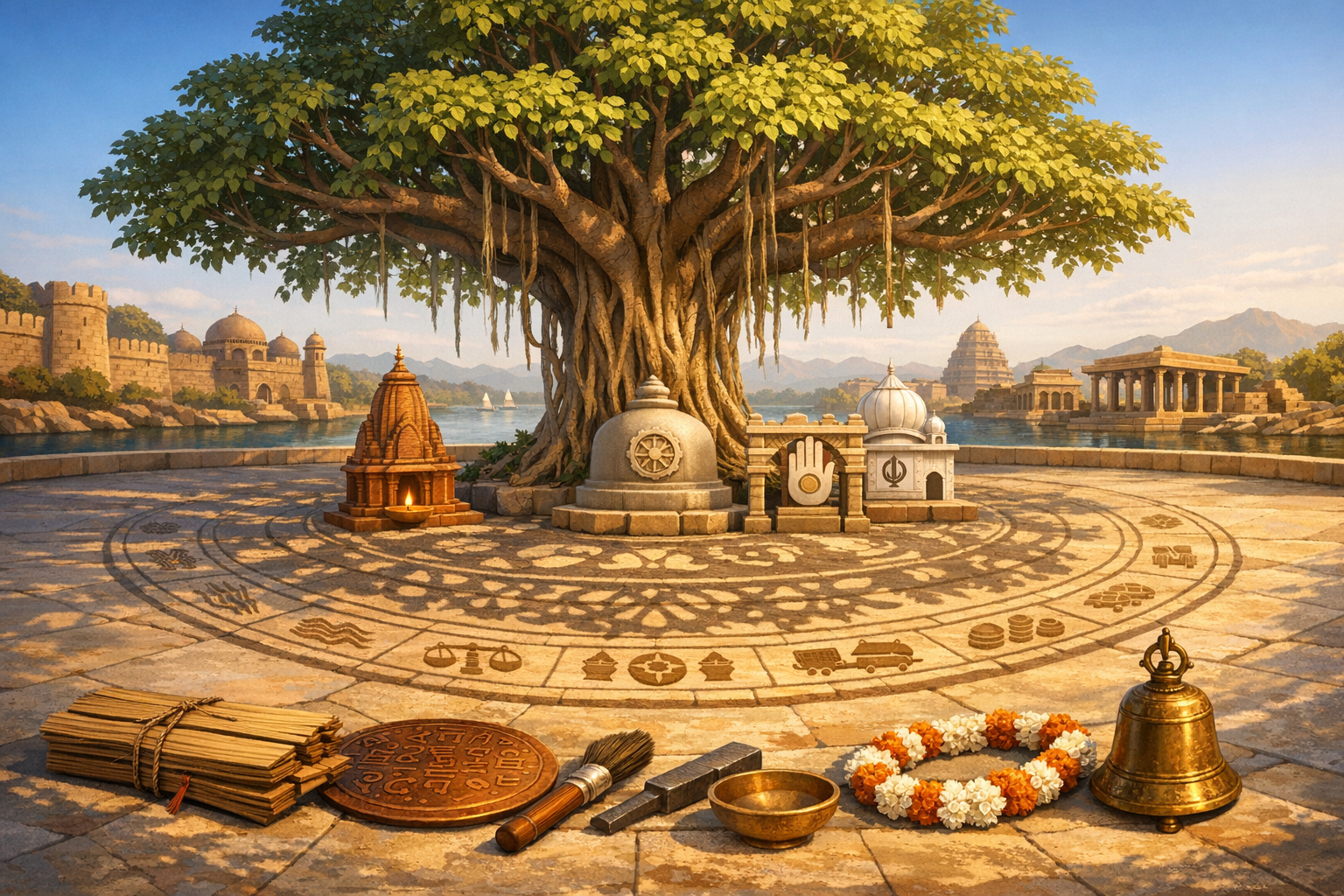
This long-form analysis interprets South Asian history through five “folds” of the Conqueror’s Shadow—material, institutional, ritual, intellectual, and ethical—showing how Hindu, Buddhist, Jain, and Sikh communities adapted with resilience rather than rupture. It synthesizes inscriptions, archaeology, and historiography to avoid simplistic narratives while honoring lived memory. Readers gain clear frameworks for understanding revenue systems, sacred…
-
Why Kamsa Spared Devaki and Vasudeva: Prophecy, Pitru Dosha, and the Tyrant’s Dilemma

A prophecy at a wedding foretells that Devakī’s eighth son will slay Kamsa, forcing the tyrant into a chilling moral and political calculus. Drawing on the Bhagavata Purana, Dharmashastras, and later Jyotisha-based exegesis, the analysis explains why Kamsa kept Devakī and Vasudeva together rather than separate them. The prophecy’s literal wording, fear of grave sins…
-
Upadhi in Hindu Thought: Unmasking Limiting Adjuncts that Veil Reality and Freedom

Upadhi—“limiting adjunct”—explains how unconditioned reality appears delimited without itself changing. In Advaita Vedānta, it clarifies the jīva–Īśvara distinction, the role of avidyā and māyā, and why body–mind vestures only seem to bind the Self. Classic analogies—pot-space, crystal-and-flower, and reflections of the sun—demonstrate avaccheda-vāda and pratibimba-vāda. Taittirīya Upaniṣad’s pañca-kośa viveka and the three-body model present a…