-
Manmatha’s Five Arrows and the Five Bhakti Rasas: Symbolism, Practice, and Dharmic Unity

This article explores Manmatha (Kamadeva) as the celestial archer whose five flower-arrows symbolize the refinement of love from emotion to devotion. It connects these arrows to the five bhakti rasas—śānta, dāsya, sakhya, vātsalya, and mādhurya—clarifying how each rasa expresses a distinct relationship with the Divine. Readers gain practical ways to integrate these rasas into daily…
-
Sacred Hearth of Bengal: How the Kitchen Stove Embodies Goddess Manasa’s Protection

The sacred hearth in rural Bengal carries a profound symbolism: the kitchen stove (chulha) doubles as a domestic altar that invokes the protection of Goddess Manasa. This article explains who Manasa is—Bishahari, Jagat Gauri, Padmavati—and why her worship intensifies during the monsoon. It shows how daily acts of cleaning, marking, and offering from the first…
-
Vrindavan Concern: Saints Urge Transparent, Respectful Contracting at Banke Bihari Mandir

The concern in Vrindavan over a contract to install steel railings inside Banke Bihari Mandir has led Sadhus and Saints to seek a transparent review from Chief Minister Yogi Adityanath. Their focus is process integrity: heritage-sensitive procurement, public disclosure of criteria, and proven expertise in sacred environments. Framed constructively, the issue is less about identity…
-
Madras HC Halts TN Plan to Divert Temple Funds, Upholds Sacred Trust and Devotee Faith

The Madras High Court quashed the Tamil Nadu government’s plan to use Kallazhagar Temple’s surplus funds for commercial facilities, reaffirming that temple funds must be devoted strictly to religious purposes. This ruling protects donor intent and strengthens trust in Hindu temple administration. It also sets a broader precedent for religious endowments across dharmic traditions—Hindu, Buddhist,…
-
Mahidhara of Kashi: The 16th‑Century Vedic Exegete Who Illuminated the Shukla Yajur Veda

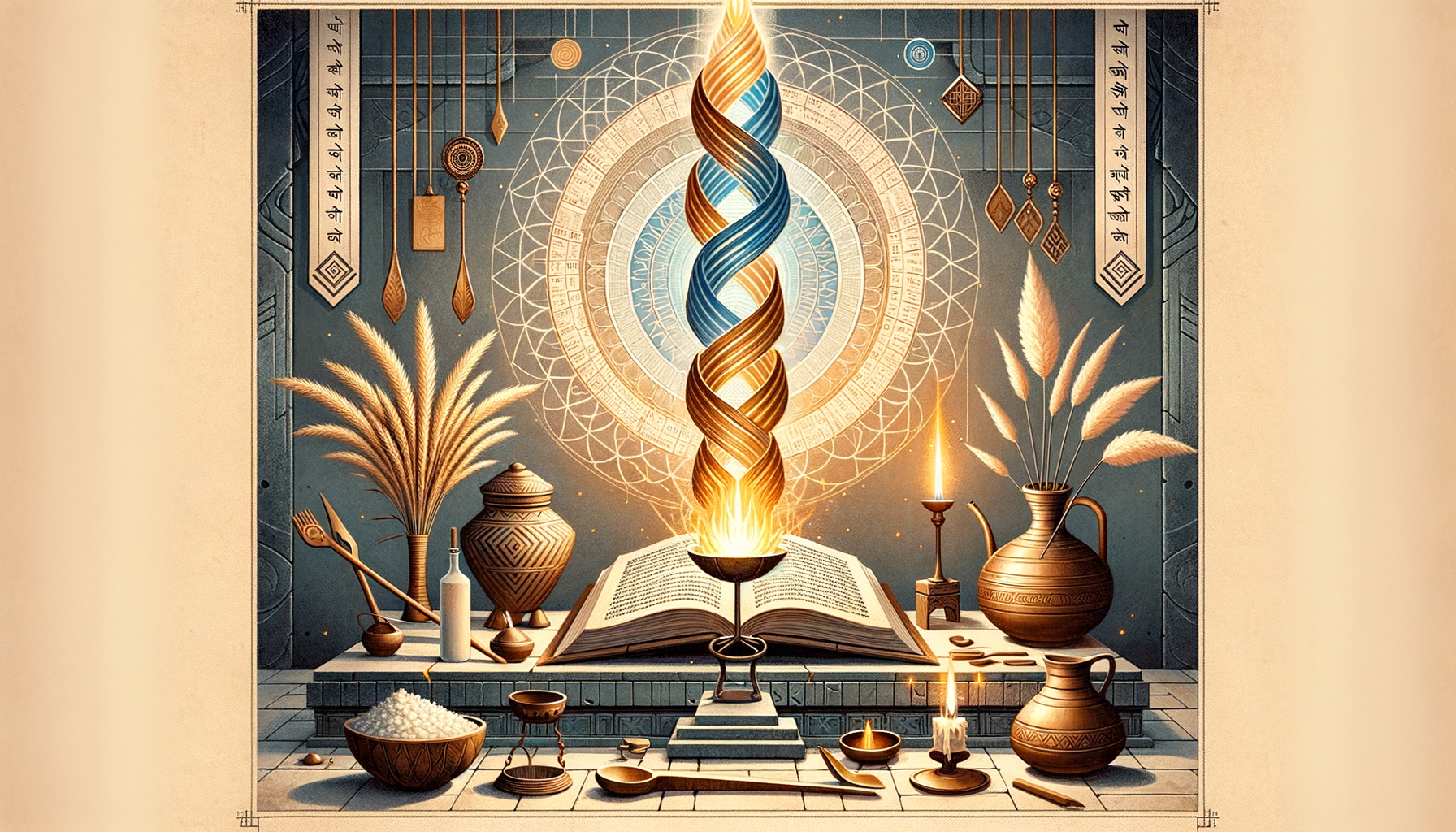
Mahidhara, a seminal 16th-century scholar from Kashi (Varanasi), shaped the study of the Shukla Yajur Veda through his Vedadipa, a lucid commentary on the Madhyandina Samhita. The work blends textual precision with ritual context, making complex mantras intelligible to students, practitioners, and researchers. Readers benefit from a model of Vedic exegesis that transmits tradition without…
-
Elephant, Swan, or Horse? Decoding Vishwakarma’s Vahana and Its Sacred Symbolism

Vishwakarma’s vahana is not fixed to a single form; Hindu iconography across regions presents the divine architect with an elephant, a swan, or a horse. Each vehicle encodes a distinct facet of sacred craftsmanship: the elephant symbolizes stability and strength, the swan represents discernment and knowledge, and the horse conveys mobility and industrious energy. Puranic…
-
Kashyapa Samhita & Smriti: Unraveling Dharma’s Timeless Blueprint for Ethical Life

Ancient Indian literature remembers the Kashyapa Samhita and Kashyapa Smriti through later citations, signaling their importance in the Dharmasastra tradition. Though not fully extant, these works likely addressed ritual, ethics, jurisprudence, and social duty, shaping the Hindu legal system and cultural heritage. Readers gain clarity on how dharma was transmitted intertextually—through compendia and commentaries that…
-
Mamankam Reborn on Kerala’s Nila: A Dharmic Kumbh Uniting Faith, Peace, and Prosperity

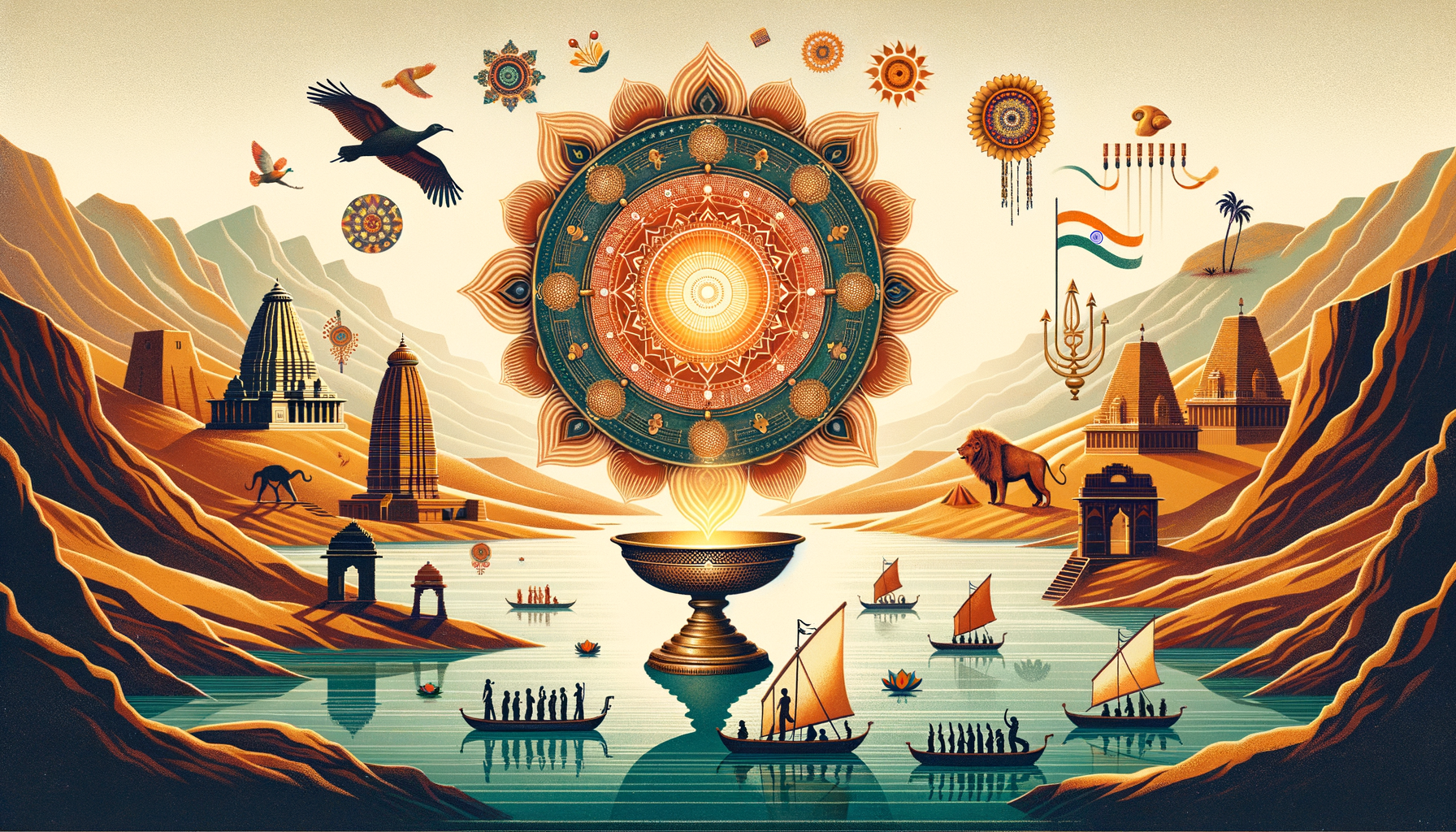
Mamankam’s revival on the Bharathapuzha (Nila) functions as Kerala’s own Kumbh-like gathering, renewing a historic festival through inclusive, dharmic values. The event reframes heritage as a living practice—prioritizing peace, prosperity, and unity across Hinduism, Buddhism, Jainism, and Sikhism. Readers gain clear historical context, a sense of the festival’s rituals and symbolism, and insight into how…
-
Why Contentment Differs for Everyone: Dharmic Wisdom to Transform Suffering into Peace

Contentment, in Hindu philosophy and allied dharmic traditions, is an inner equilibrium that naturally varies across individuals. This piece explains why that variability often generates suffering, and how dharmic wisdom reframes it as a pathway to growth. Drawing on concepts such as santosha, aparigraha, Anekantavada, and santokh, it shows how plural measures of fulfilment can…
-
Agni’s Gift to Durga: The Sacred Spear of Shakti and the Transformative Fire of Wisdom

Agni’s gift of the spear (Borsha) to Goddess Durga, as narrated in the Devi Mahatmya, signifies the union of righteous strength with purifying wisdom. The spear’s straight shaft symbolizes disciplined focus, and its tip stands for discriminative insight that pierces ignorance. Ritual experiences—from āratī to Navaratri celebrations—invite practitioners to internalize this clarity in ethical action.…
-
Kabandha as Kali’s Vahana: Tantric Symbolism of Ego-Transcendence and Inner Liberation
This exploration unpacks the esoteric image of Kabandha as Kali’s vahana as found in certain Shakta-tantric interpretations. It clarifies how headlessness symbolizes cutting through ego, aligning the body-mind as the disciplined “vehicle” of Shakti. Readers discover how this symbolism resonates with shared dharmic insights across Hindu, Buddhist, Jain, and Sikh traditions, emphasizing humility, fearlessness, and…
-
ISKCON Constitution FAQ: Clear, Trust-Building Answers for Unity and Dharmic Harmony

The ISKCON Constitution Drafting Committee presents a concise FAQ that clarifies key principles of the ISKCON Constitution. This accessible resource centralizes authoritative answers, reducing ambiguity and promoting informed participation. Its structured, reliable format supports devotees, community organizers, and researchers alike. By modeling transparent and ethical governance, it also strengthens interfaith dialogue and unity in spiritual…
-
Masik Sankranti 2026: Powerful Sun Transits, Monthly Dates Overview, and Vratham Guide

Masik Sankranti 2026 marks twelve precise Surya Sankramana events that begin with Makar Sankranti (Sun’s ingress from Dhanu to Makara) and culminate with Dhanu Sankranti (from Vrischika to Dhanu). Each transit inaugurates a new solar month, making Monthly Sankranti dates a reliable guide to vratas and regional observances. Because timings vary by location, consulting a…
-
Sambrani Dhoop: Ancient Origins, Sacred Uses, and Everyday Benefits for Mindful Homes

Sambrani dhoop has been used since ancient India to sanctify spaces, enhance focus, and mark the beginning of sacred time. Its warm, resinous fragrance—traditionally associated with the Sal Tree and related benzoin-type resins—supports calm breathing and meditative attention. Families often light Sambrani after cleaning to refresh rooms and create a welcoming, prayerful atmosphere. Ayurvedic perspectives…
-
Kuja in Lagna (Mars in 1st House): Powerful Ascendant Insights, Strengths & Cautions

Mars (Mangal/Angaraka/Kuja) in the 1st house (Lagna) intensifies vitality, identity, and initiative in Vedic Astrology. Ruling Mesha (Aries) and Vrischika (Scorpio), exalted in Makara (Capricorn), and debilitated in Karka/Karkatakam (Cancer), Mars shapes both strengths and cautions through dignity and aspects. This placement supports decisive leadership, athleticism, and tactical thinking, while urging care with impatience, abrasiveness,…
-
Decode the Sun–Mercury (Ravi–Budha) Conjunction: Timing, Strength, and Life Impact

This analysis examines the Sun–Mercury (Ravi–Budha) conjunction as a cohesive pattern linking identity to intellect. It explains why the combined influence is considered most noticeable until about age 39 and clarifies the traditional 2:1 strength weighting in favor of the Sun. Readers gain a clear framework for understanding how house placement, Lagna, and Rashi refine…
-
Sun–Rahu Conjunction Explained: Ravi Rahu in Each House, Karmic Lessons and Remedies

This analysis clarifies the Sun–Rahu conjunction (Ravi Rahu in the same house) using the classical eclipse metaphor while avoiding fatalism. It explains how outcomes depend on house placement, sign dignity, aspects, and timing, and offers a concise overview of effects across all twelve houses. The discussion reframes traditional notes about midlife delays as tendencies moderated…
-
Transformative Lal Kitab Remedies for Shukra in the 1st House (Lagna)

This guide explains the Lal Kitab view of Venus (Shukra) in the 1st house (Lagna), including why the Saturn–Venus “Crow Line” is considered challenging and how to respond with balanced, ethical remedies. Readers learn practical Friday observances, charitable donations of white items, and the symbolic use of silver to ease Venus afflictions. Cleanliness, gentle fragrance,…
-
Kumbha Sankranti 2026 (13 Feb): Auspicious Sun Transition to Aquarius, Rituals, and Unity

Kumbha Sankranti 2026 occurs on 13 February, marking the Sun’s transition from Makara (Capricorn) to Kumbha (Aquarius). Recognized as the eleventh and penultimate Sankranti of the Hindu solar year, it commences Kumbha masam in Malayalam (Kumbham) and Masi masam in Tamil (Masi) calendars. The day is ideal for daana, snana, Surya arghya, and steady japa,…
-
Maasi Masam 2026 (Masi Month): Sacred & Auspicious Tamil Dates, Shiva Worship, and Ancestral Rites

Maasi Masam (Masi month), the eleventh month of the Tamil calendar, runs from February 13 to March 14 in 2026. Dedicated to Lord Shiva and Pitru Devatas, it is widely considered auspicious for new ventures, family milestones, and intention-setting. Communities observe Masi Magam, Maasi Pournami, and Masi Makam with temple visits, processions, and full-moon prayers.…