
-
Friendship Anxiety and Overthinking: 6 Insecure Attachment Signs and How to Heal

Many socially confident people feel anxious in close friendships, overthink unanswered messages, and people-please to avoid rejection. Attachment theory explains these patterns and shows how insecure attachment fuels jealousy, withdrawal, and self-editing that undermine authentic bonds. This article outlines six clear signs of friendship insecurity and offers practical, evidence-based steps for healing: mindful self-compassion, nervous…
-
Malegaon 1921: Untold Lessons from the Khilafat Unrest, Gandhi’s Strategy, and Communal Healing
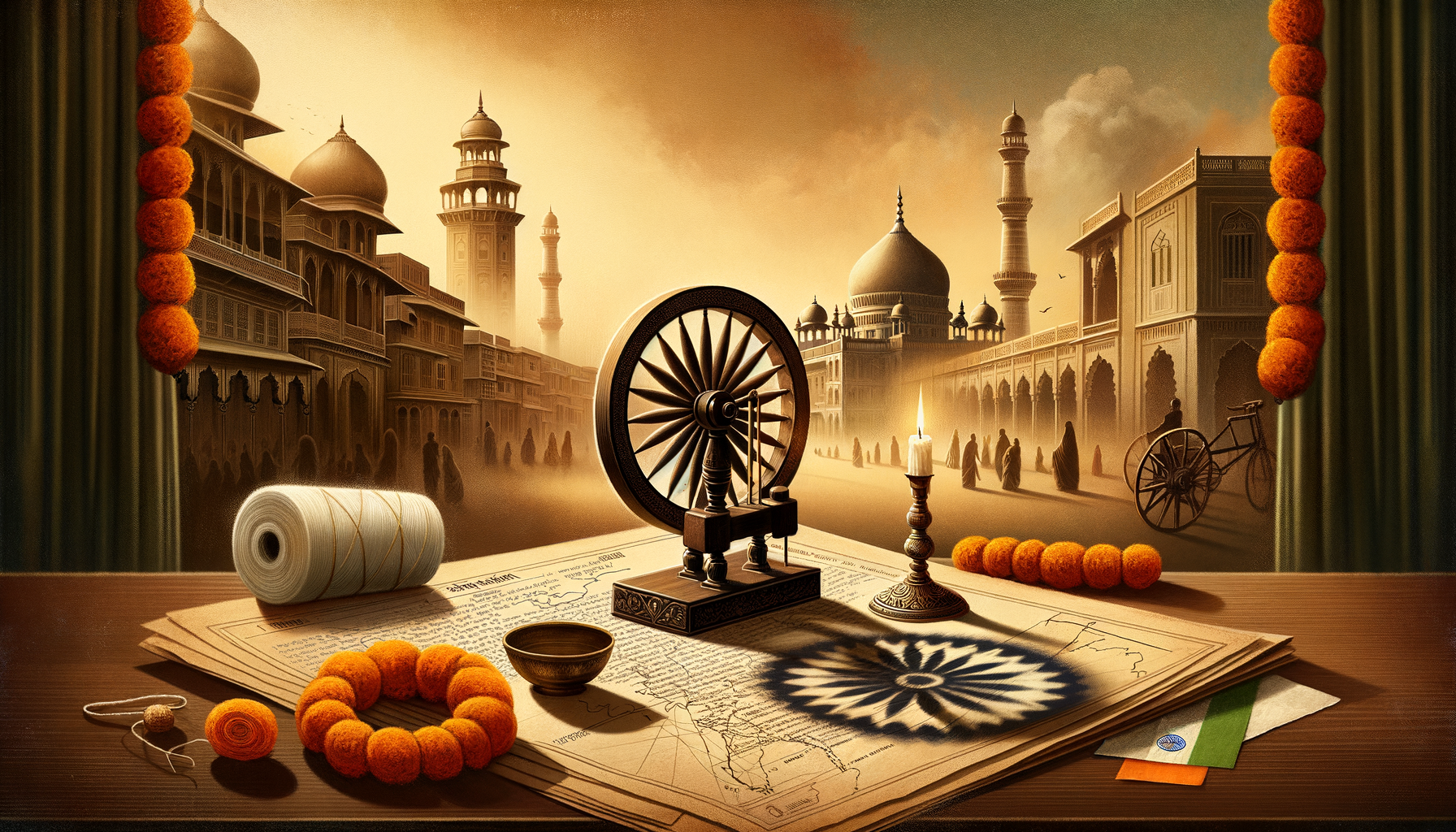
This historically grounded analysis re-examines the Malegaon riots of April 1921 in the context of the Khilafat Movement and British colonial rule. It explores Gandhi’s strategic alignment with Khilafat leaders, the public stature of the Ali Brothers, and claims about a fatwa attributed to Mohammad Ali and several hundred ulema. Readers gain a nuanced perspective…
-
Heaven on Earth Is Contentment: A Dharmic Path to Lasting Joy Beyond Wealth and Status

This article examines why contentment—santosha in Hindu thought—functions as a greater treasure than material abundance and how it manifests as “heaven on earth.” It contrasts the emptiness that can persist despite wealth with the quiet joy possible in simplicity. Drawing on shared insights from Hinduism, Buddhism, Jainism, and Sikhism, it shows how santosha, aparigraha, upekkhā,…
-
March 2026 Hindu Festivals & Vrat Guide: Key Dates—Holika Dahan, Pradosh, Masi Magam, Purnima

This March 2026 guide presents key Hindu festivals and vrat aligned to Indian Standard Time (IST) for accurate planning. It highlights Pradosh, Holika Dahan with the end of Holashtak, Purnima Vrat, Masi Magam, Attukal Pongala, and Chaitanya Mahaprabhu Jayanti. Each entry briefly explains the observance and its significance in daily spiritual life. The focus on…
-
Asura Power vs Dharma’s Restraint: Ravana, Sita, and the Ramayana’s Moral Reckoning
This article examines why Asura Dharma might not condemn Ravana’s abduction of Sita, contrasting a power-first ethos with the Dharmic insistence on righteousness, restraint, and duty. It clarifies how the Ramayana positions legitimacy not in dominance but in ethical means and ends. Readers gain a clear framework to assess might versus right, applying tests of…
-
Hindu Rashtra-Jagruti Sabhas in Pune Spark Dharmic Unity and Community Resolve
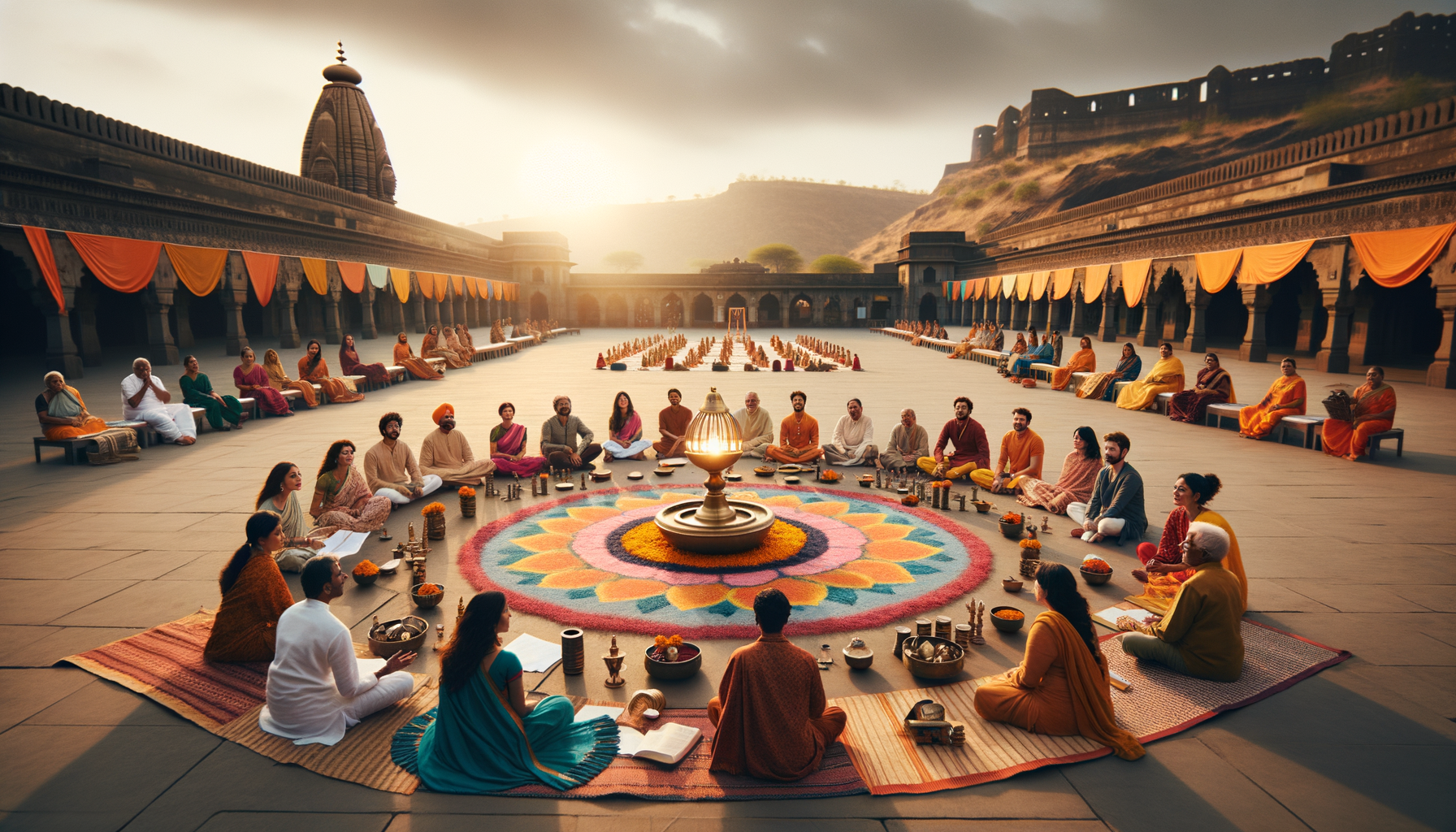
Hindu Janajagruti Samiti hosted Hindu Rashtra-Jagruti Sabhas in Uravade (Mulshi), Talegaon Dabhade (Maval), and Peth (Haveli) in Pune district, drawing an enthusiastic public response. The multi-location format improved accessibility and deepened local engagement. Attendees emphasized shared dharmic values common to Hinduism, Buddhism, Jainism, and Sikhism—seva, non-violence, and civic responsibility. Speakers highlighted cultural heritage, constitutional harmony,…
-
Peace and the Dharma of Self‑Defence: Devkinandan Thakur’s Measured Reply to Mani Shankar Aiyar

A national debate has followed Devkinandan Thakur’s assertion that peace and lawful self‑defence are compatible within the ethical compass of Sanatan Dharma and contemporary Hindutva discourse. This analysis clarifies how Ahimsa remains paramount while acknowledging a narrowly circumscribed right to protect life under the rule of law. Comparative insights from Sikh, Buddhist, and Jain traditions…
-
Sacred Origin of Narmada and the Banalinga: Shiva’s Grace, Vishnu’s Compassion, Humanity’s Hope

This article presents an academically grounded narrative of the Narmada’s sacred origin and the Banalinga tradition, tracing how Puranic lore frames the river as Shiva’s grace responding to Bhagavan Vishnu’s compassionate impulse to restore dharma. It explains why traditions describe amrita-like potency flowing from Shiva’s jata and how variations in the source accounts all affirm…
-
Twelve Sacred Names of Surya Bhagavan: Radiant Benefits, Auspicious Timing, and How to Chant

The Twelve Sacred Names of Surya Bhagavan offer a concise, profound practice rooted in Vedic mantras and Hindu rituals. Chanting Mitra, Ravi, Surya, Bhanu, Khaga, Pushan, Hiranyagarbha, Marichi, Aditya, Savitru, Arka, and Bhaskara promotes vitality, focus, and emotional balance while cultivating gratitude and clarity. Sunrise, Sundays, and auspicious tithis such as Ratha Saptami are especially…
-
Upadanakarana Explained: The Material Cause That Unites India’s Dharmic Wisdom

Upadanakarana (Upadana Karana) explains the material cause at the heart of Hindu philosophy, using clear examples such as clay and pots or gold and jewels. Advaita highlights Brahman as both efficient and material cause, while Samkhya, Nyaya–Vaisheshika, Vishishtadvaita, and Dvaita offer complementary frameworks. Jainism’s nimitta–upadana distinction and Buddhism’s emphasis on conditionality enrich a plural conversation…
-
Kāma vs Prema in Chaitanya-charitamrita: Transforming Desire into Selfless Divine Love

C.C. Adi-lila 4.158–162 offers a lucid distinction between kāma (self-centered desire) and prema (selfless love), showing how intention transforms desire into devotion. The class by H.G. Braja Bihari Prabhu emphasizes that prema seeks to gladden Kṛṣṇa through service, humility, and steadfastness. A preserved Sanskrit verse highlights love’s resilience even when dissolution seems justified. Parallels across…
-
Eternal Gains vs. Fleeting Wins: Sunday Feast Bhagavad Gita with Prabhupada Priya Devi Dasi

This Sunday Feast lecture (January 11, 2026) by Prabhupada Priya Devi Dasi presents a clear contrast between spiritual activities and material pursuits through the lens of the Bhagavad Gita. It highlights that material achievements are inherently temporary, while spiritual advancement carries enduring benefits. Referencing Karma Yoga (Bhagavad Gita 2.40), the talk notes that even small…
-
Mind, Intelligence, and Yoga in Srimad Bhagavatam: Aniruddha’s Grace and Dharmic Unity

This Srimad Bhagavatam (Canto 3, Chapter 26) exploration by HH Mukunda Goswami examines mind, intelligence, and yoga through Srila Prabhupada’s purports and the Gaudiya Vaishnava tradition. It clarifies the mind’s identification with Lord Aniruddha, the ruler of the senses, translating sensory mastery into sacred practice. The session presents a practical, integrated yoga—yama-niyama, pratyahara, dhyana, and…
-
Tisgaon Outcry Spurs Action: HJS Demands Closure of Illegal Slaughterhouses; 10-Day Deadline
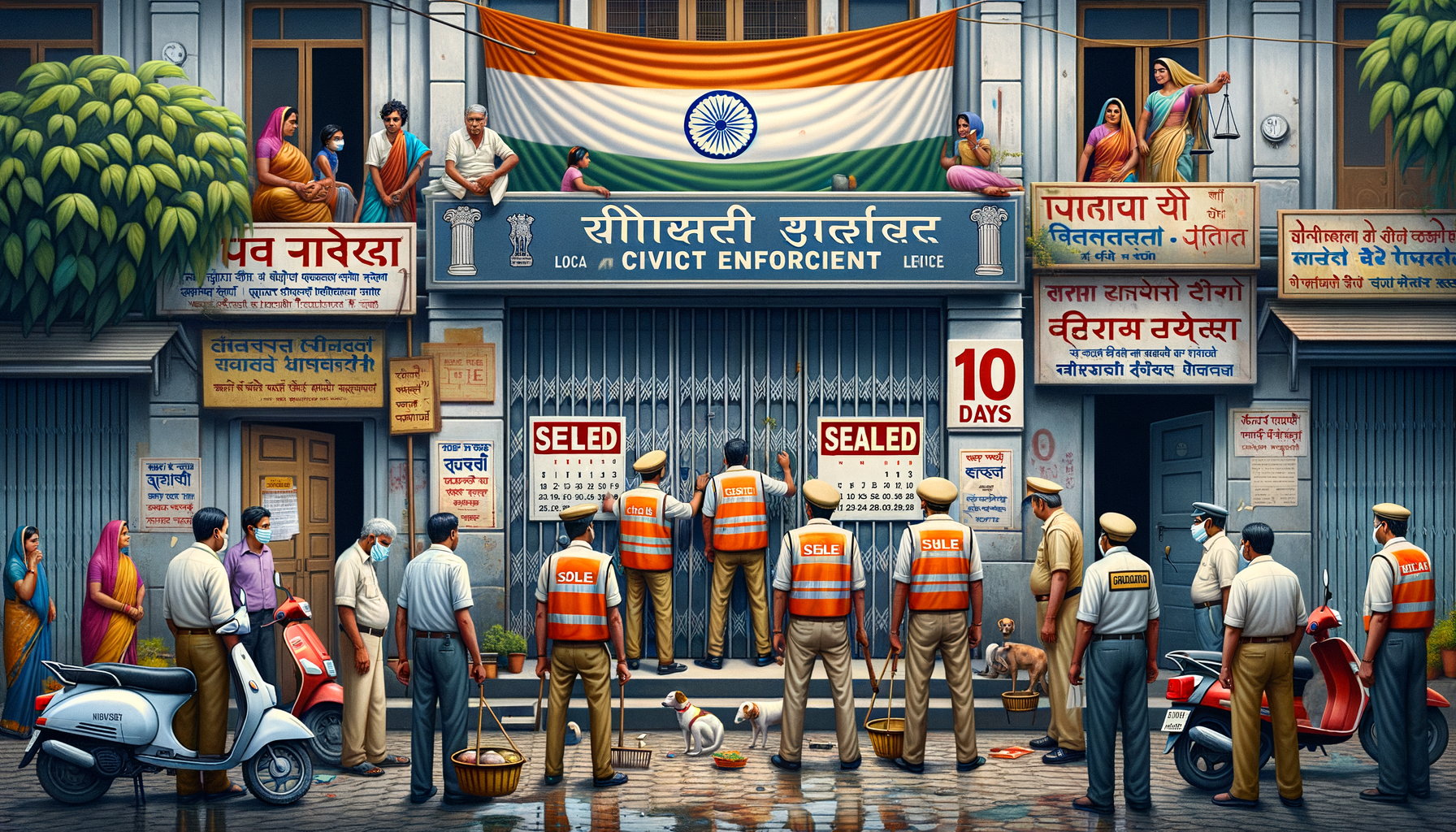
Illegal cattle slaughter in Tisgaon, Maharashtra, has led to public protests and a call by Hindu Janajagruti Samiti (HJS) for immediate closure of unauthorised slaughterhouses. The District Guardian Minister has committed to demolishing illegal facilities within 10 days, indicating a decisive administrative response. The situation brings together key priorities: rule of law, public health, animal…
-
Ranragini Petitions Goa CM: Stronger Safeguards Against Coercion in Interfaith Marriages

A delegation from the Ranragini wing of Hindu Janajagruti Samiti submitted a memorandum to the Goa Chief Minister and MLAs, urging safeguards against coercion and deceit in interfaith relationships. The appeal, which referenced an “anti–love jihad law,” is examined here through the lens of constitutional rights, women’s safety, and interfaith harmony. The analysis highlights the…
-
Historic nationwide outreach: RSS to host 1 lakh Hindu Sammelans for centenary, advancing dharmic unity
A nationwide outreach aligned with RSS@100 will see over one lakh Hindu Sammelans convened across India to mark the centenary arc (1925–2025). The initiative emphasizes dharmic unity across Hinduism, Buddhism, Jainism, and Sikhism, foregrounding shared ethics such as dharma, seva, and satya. By focusing on cultural education, community dialogue, and volunteerism, the Sammelans aim to…
-
Why the Upanishads Inspire Unity: Timeless, Non-Sectarian Wisdom for All Seekers

The Upanishads endure as non-sectarian, universal Scriptures that speak across traditions and eras. Their core inquiry into ātman, Brahman, and truth encourages seekers to look beyond labels and toward direct realization. By emphasizing disciplined reflection, meditation, and ethical living, they offer tools for clarity, compassion, and inner stability. This approach strengthens unity among the Dharmic…
-
The Inner Inferno: How Hindu Wisdom Transforms Uncontrollable Anger into Clarity and Peace

Hindu philosophy reframes hell as an inner state—uncontrollable anger (krodha)—that distorts judgment and harms relationships. Drawing on the Bhagavad Gita and yogic disciplines, this article explains how anger escalates and how breath, meditation, and self-study interrupt the cycle. Practical steps—such as short pranayama sets, mindful naming of emotions, and satttvic routines—build emotional resilience and self-control.…
-
Chhinnamasta in the Pranatosini Tantra: Divine Self-Sacrifice and Cosmic Renewal

This article explores the Pranatosini Tantra’s account of Chhinnamasta, a Mahavidya who embodies divine self-sacrifice and cosmic renewal. It explains how the Goddess nourishes her attendants through three life-giving streams, an image read as both prāṇa symbolism and radical generosity. The iconography—standing over Kāma and Rati—illustrates mastery over desire and the transformation of passion into…
-
Poh’s Quiet Fire: Separation, Remembrance, and Inner Awakening across Dharmic Paths

Poh, corresponding to the Poush Month of the Hindu calendar, arrives with the Winter Solstice and encourages quiet reflection. Across Sikh, Hindu, Buddhist, and Jain traditions, it frames a threefold journey: separation as restorative pause, remembrance as ethical memory, and inner awakening as steady practice. Observances such as simran, japa, dhyana, samayik, and mindful reading…