-
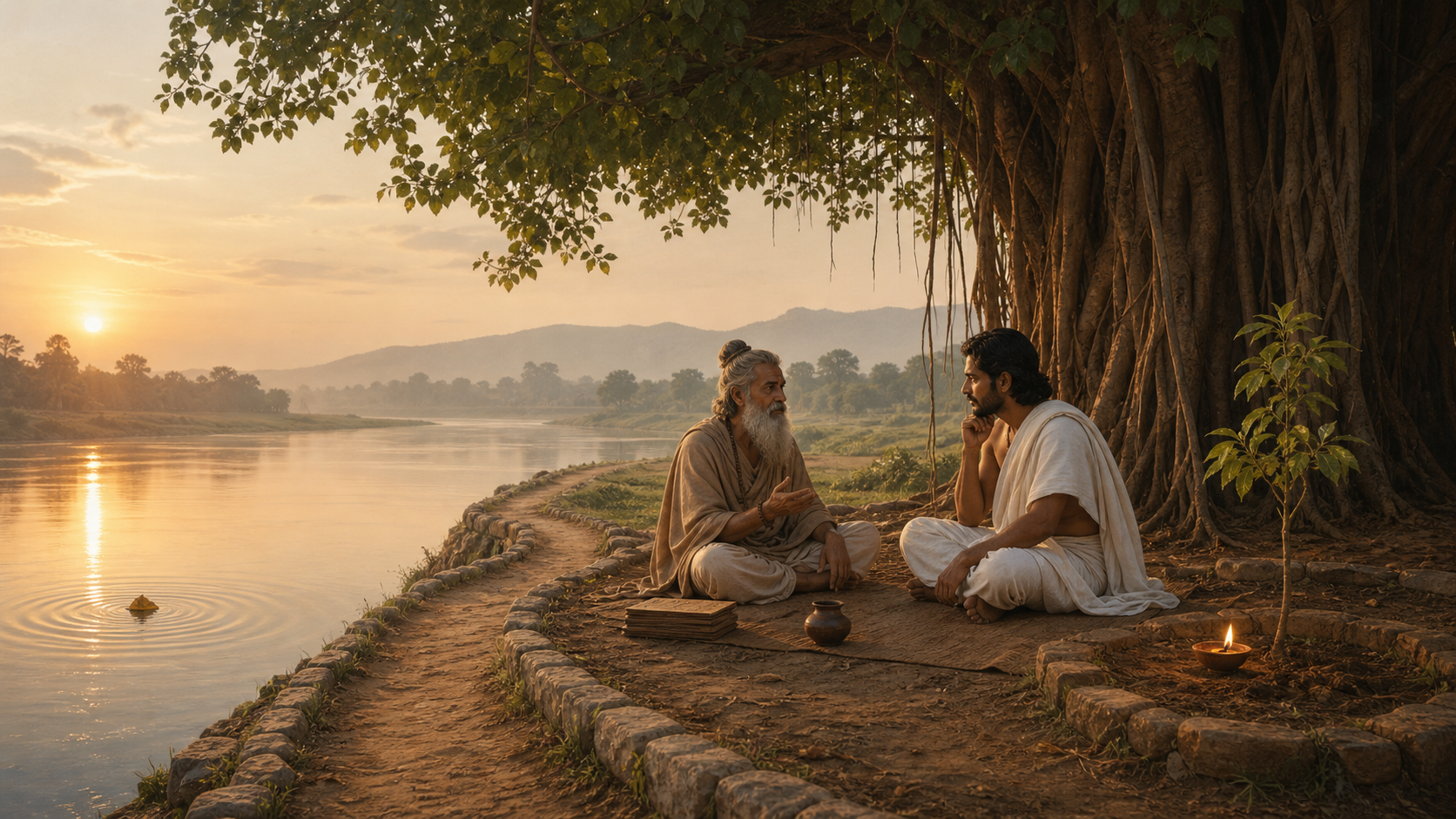
Sankhya Philosophy Explained: A Timeless, Rational Roadmap to Absolute Reality

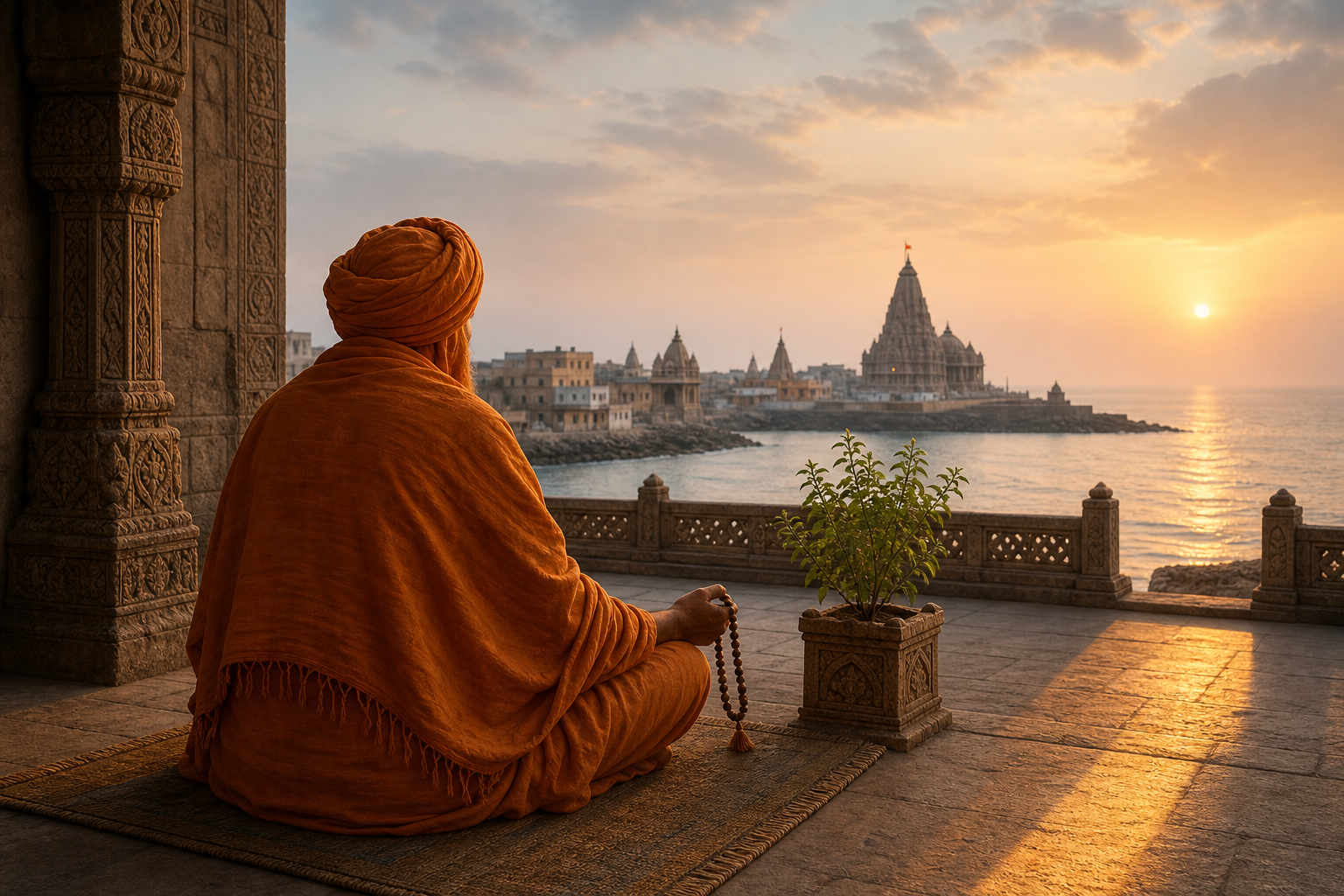
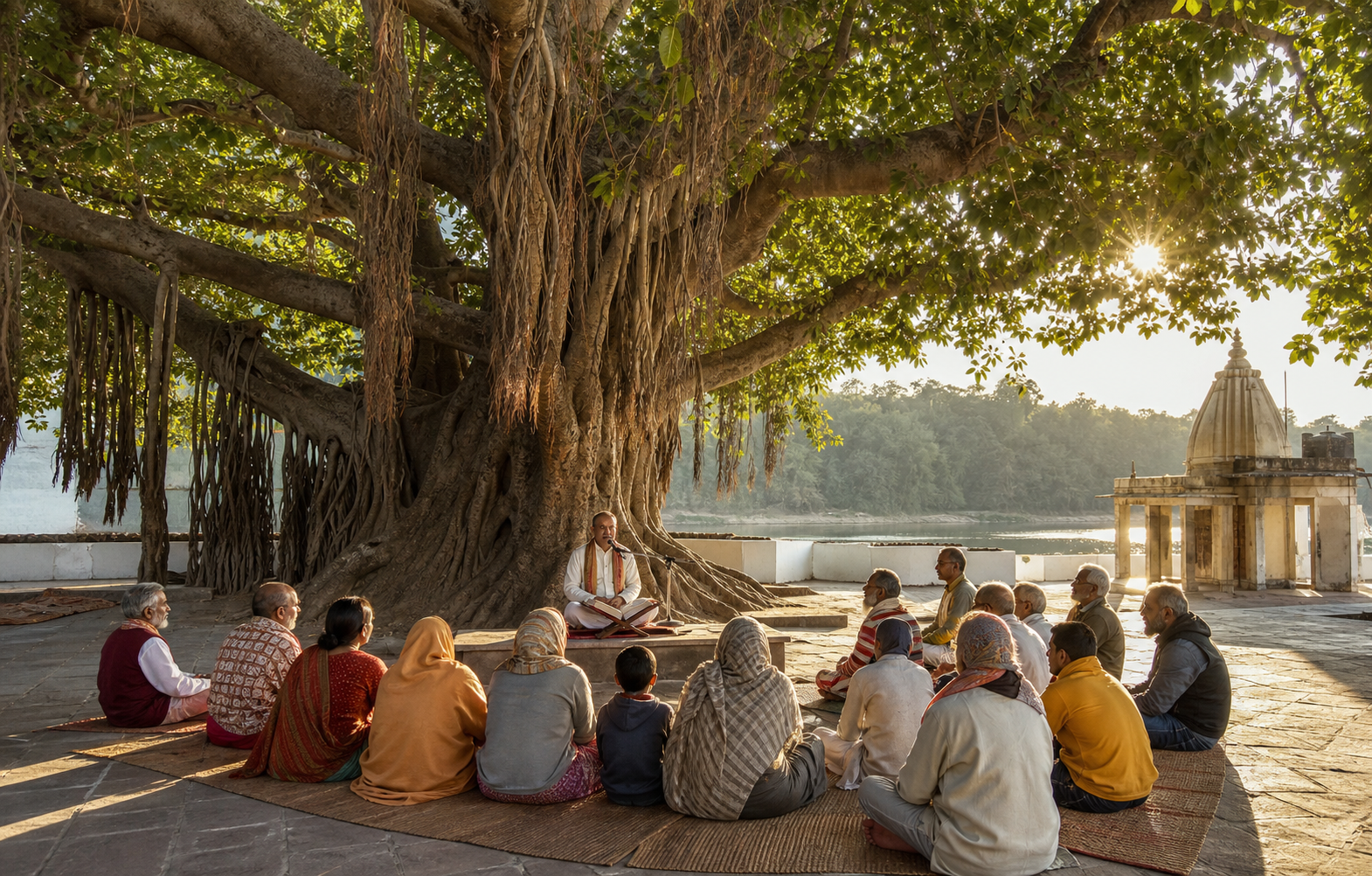
Sankhya offers a clear, rational pathway for understanding absolute reality within Hindu philosophy. By distinguishing Purusha (consciousness) from Prakriti (nature), it explains both experience and liberation. Its ordered model of tattvas and emphasis on valid knowledge make it a rigorous system rather than speculation. The philosophy directly supports Yoga’s practical methods for inner transformation and…
-
Inside the Carnegie Indian American Survey: What the Data Misses on Dharmic Lives

The Carnegie Endowment’s 2024 Indian American Attitudes Survey offers a useful snapshot of the diaspora, but several findings require careful interpretation. Treating “Indian American” as synonymous with “Hindu American” can obscure the distinct experiences of dharmic communities, including Hindus, Buddhists, Jains, and Sikhs. Reported caste discrimination (7%) is lower than discrimination based on skin color,…
-
Yoga and Peace: How Breath, Movement, and Mindfulness Transform Stress into Calm

Yoga connects body, mind, and subtle awareness to cultivate inner peace and reduce stress. Through asana, pranayama, and meditation techniques, it modulates the autonomic nervous system and strengthens emotional regulation. Ethical principles such as ahimsa and satya translate inner calm into compassionate action. These values align with Buddhism’s metta, Jainism’s ahimsa, and Sikhism’s seva, fostering…
-
Govind Dev Ji Temple, Jaipur: A Timeless Sanctuary of Krishna Bhakti in City Palace

Govind Dev Ji Temple, set within Jaipur’s City Palace Complex, is a renowned Krishna shrine that blends living worship with cultural heritage. The name “Govind” reflects the intimate bhakti bond between Lord Krishna and devotees, embodied through aarti, kirtan, and daily darshan. Historical patronage by Sawai rulers sustained its rituals and conservation, reinforcing its status…
-
Playful Spiritual Parenting: Nurturing Joy, Respect, and Mindfulness the Dharmic Way

Spiritual parenting is most effective when rooted in play, presence, and respect rather than constant instruction. By engaging children with mindful routines and joyful micro-rituals, families foster emotional well-being and secure attachment. This approach aligns with dharmic values shared across Hinduism, Buddhism, Jainism, and Sikhismlila, mindfulness, ahimsa, and sevaguiding children through experience instead of lectures.…
-
Awaken Inner Awareness: Sri Sri Ravi Shankar on the Proof of Consciousness Within

A disciple asked Sri Sri Ravishankar, “Is there consciousness within me?” The response revealed a precise truth: the ability to ask, hear, and understand already confirms awareness. This insight aligns with Hindu philosophy and echoes across Buddhism, Jainism, and Sikhism, highlighting unity in spiritual diversity. Practical methodsconscious breathing, sensory noticing, and brief pausesmake this recognition…
-
Elevate 2026 with Tiny Buddha’s Daily Mindfulness: A Compassionate Calendar for Dharmic Unity

The 2026 Tiny Buddha Day-to-Day Calendar provides concise daily reflections that support mindfulness, compassion, and self-care. Printed on FSC certified paper with soy-based ink, it aligns with eco-conscious values and the principle of ahimsa. Readers appreciate how a brief morning reading offers perspective, steadies attention, and builds emotional resilience. The entries span happiness, relationships, change,…
-
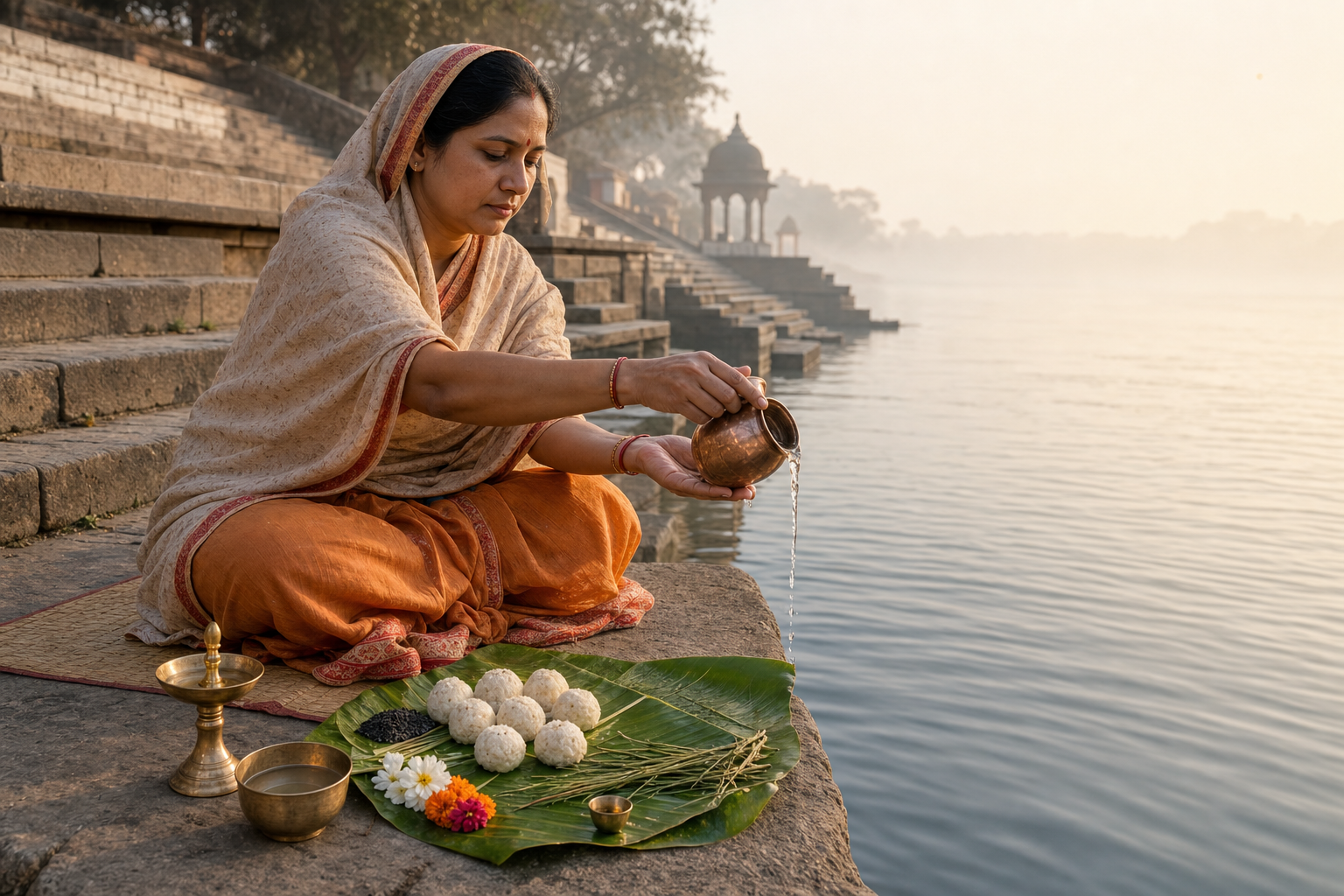
Grahayajna and the Navagrahas: A Timeless Vedic Path to Balance, Healing, and Harmony

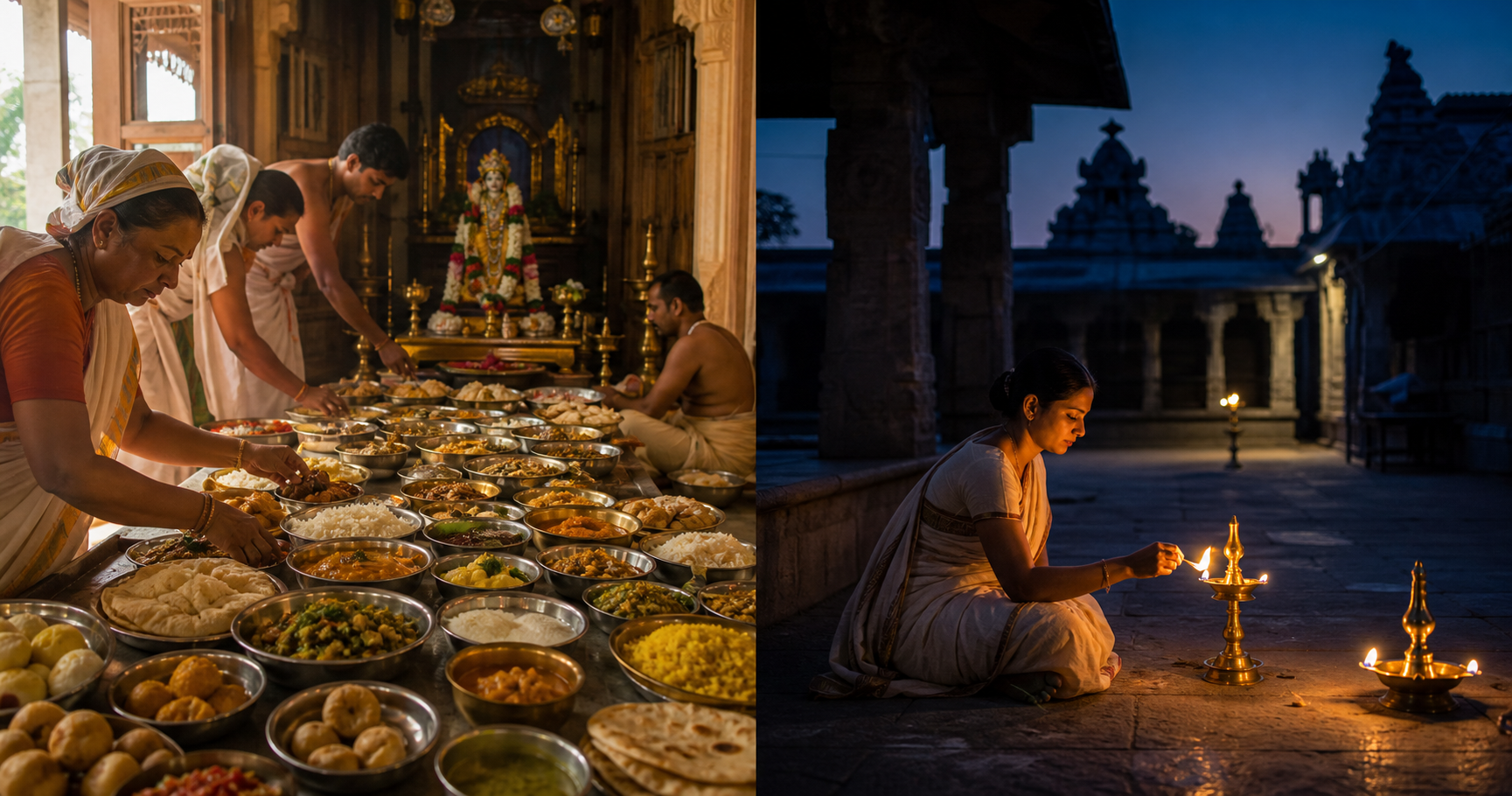
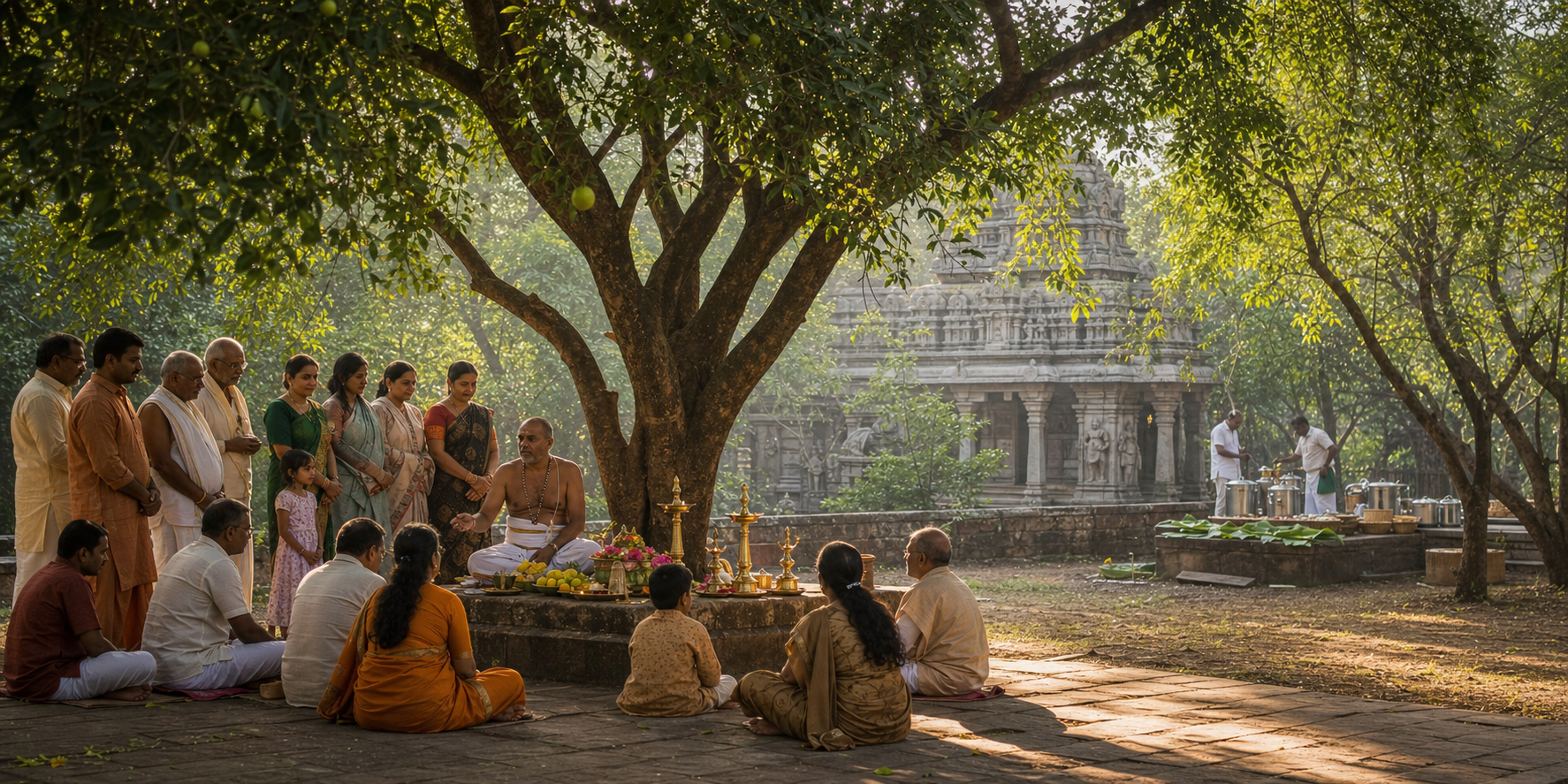
Grahayajna is a refined Vedic ritual tradition dedicated to the Navagrahas, practiced to harmonize life with cosmic order and cultivate inner balance. Anchored in Jyotish Shastra, it frames planetary influences as ethical invitations rather than fixed destinies. The rite unites homa, mantra, daana, vrata, and seva, emphasizing moral self-correction alongside precise ritual steps. Families and…
-
No Soul Is Ever Lost: Hinduism’s Compassionate Path to Liberation Beyond Fear

Hinduism affirms that no soul is eternally doomed; every jiva progresses through samsara toward moksha through karma, dharma, and disciplined practice. This non-eternalist vision frames suffering as corrective and finite, not permanent punishment. Upanishadic and Bhagavad Gita teachings support moral agency over fatalism, inviting steady self-cultivation. Parallel perspectives in Buddhism, Jainism, and Sikhism further strengthen…
-
Parashurama Iconography Decoded: Powerful Symbols of Vishnu’s Warrior-Sage Avatar
This article decodes the iconography of Parashurama, Vishnu’s sixth avatar, to reveal how the warrior-sage form unites austerity (tapas) with protective strength (kshatra). Readers learn the meaning of the parashu (axe), bow and arrow, attire, and posture, and how these symbols teach disciplined action aligned with dharma-yuddha. The analysis situates regional motifs such as the…
-
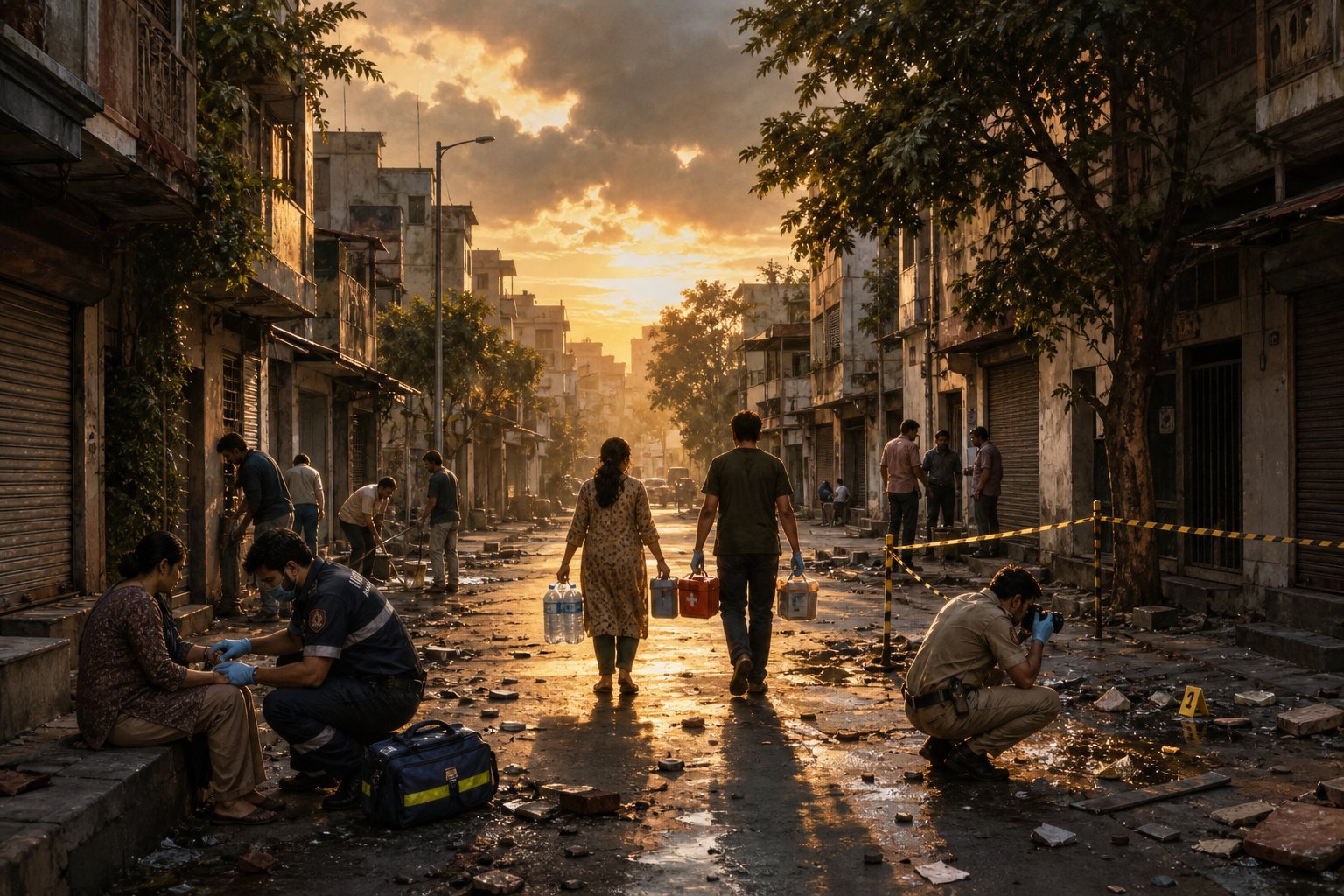
Surajya Abhiyan demands mandatory bridge audits, digital Health Cards to avert deadly collapses

Surajya Abhiyan calls for mandatory structural audits of all bridges in India and a nationwide Bridge Health Card system to prevent collapses. The twin measures would standardize safety assessments, improve maintenance planning, and enhance infrastructure governance. A digital Health Card for each bridge would centralize inspection records, load ratings, and repair timelines for transparent oversight.…
-
Global ‘Shri Narayan Mahayadnya’ concludes in Mumbai, uniting voices for Shri Krishna Janmabhoomi

A two-day ‘Shri Narayan Mahayadnya’ organized by the Shri Krishna Janmabhoomi Sangharsh Nyas concluded in Mumbai after being conducted across 16 nations. The observance emphasized peaceful, community-led efforts related to Shri Krishna Janmabhoomi and the preservation of sacred heritage. Its global format highlighted the strength of diaspora networks in sustaining cultural memory and temple traditions.…
-
Unpacking CNN’s Anti-Indian Racism Story: Media Bias, Hinduphobia, and Dharmic Unity
This piece analyzes CNN’s coverage of anti-Indian racism in the U.S., recognizing why many in the diaspora felt seen while scrutinizing the story’s expert framing on Hinduphobia. It explains how minimizing or disputing Hinduphobia conflicts with documented evidence of anti-Hindu bias and religious stereotyping. The discussion situates CNN’s approach within a broader media-bias context, referencing…
-
Srivilliputtur’s Sacred Legacy: Andal’s Tamil Nadu Temple City and Vaishnava Devotion

Srivilliputtur in Tamil Nadu stands as a luminous center of Vaishnavism, shaped by the enduring legacies of Periazhwar and Andal. The town’s twin Divya Desams, including the emblematic Nachiyar (Andal) Temple, preserve a living tradition of ritual, architecture, and song. Andal’s Tiruppavai and Nachiyar Tirumoli articulate devotion grounded in love and surrender, inspiring collective recitation…
-
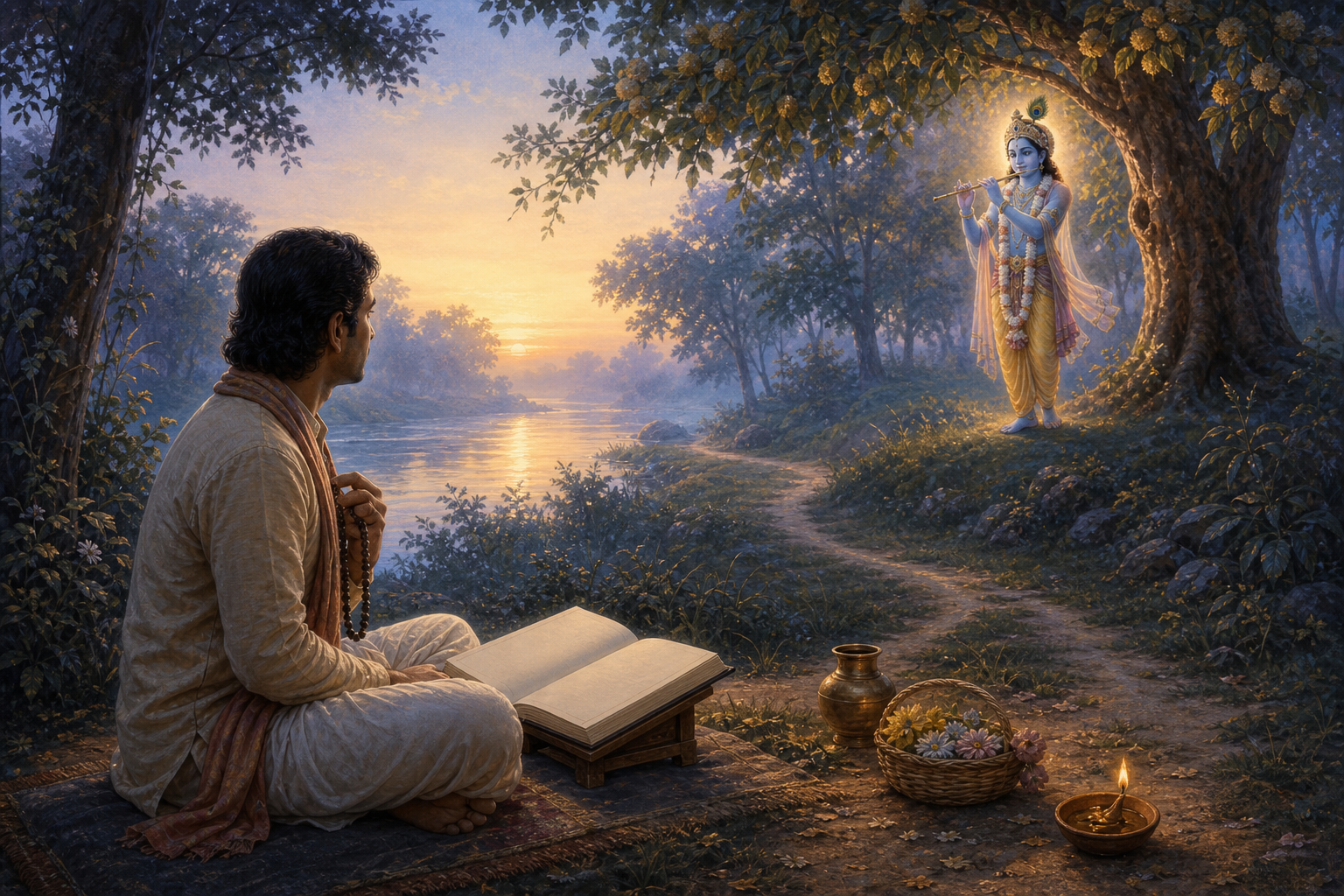
Sacred Footsteps in New Vrindaban: Srila Prabhupada’s Timeless Guidance on Simple Living

Srila Prabhupada’s four visits to New Vrindaban offered ISKCON a practical, enduring blueprint for simple, devotional living. His first month-long stay in 1969 emphasized austere contentment, praising modest lodgings, well water, and fresh milk from “Kaliya,” ISKCON’s first cow. These moments translated the Bhakti Tradition into everyday practiceself-sufficiency, cow protection, and sustainable village life rooted…
-
Vasudhaiva Kutumbakam: Embracing One Global Family through Dharmic Unity and Compassion

Vasudhaiva Kutumbakam“the whole world is one family”offers a timeless, practical ethic for unity in diversity. Drawing on Hindu, Buddhist, Jain, and Sikh insights, it fosters interfaith harmony, mutual respect, and community cohesion. Audiences often recognize that its spirit already animates family rituals, seva, and inclusive festivals. The principle aligns with ahimsa, anekāntavāda, metta, and sarbat…
-
Rare 1970 ISKCON Footage: Devotees at Sweden’s Midnight Sun Festival near Jönköping

This archival video presents rare 1970 footage of Dhanajaya Prabhu and London-based devotees at Sweden’s Festival of the Midnight Sun near Jönköping. Curated by Mukunda dasa, it documents an early moment in ISKCON’s Scandinavian outreach with unique film clips and photographs. The material offers primary-source insights into devotional practice, cultural exchange, and diaspora dynamics. Viewers…
-
When Poor Japa Becomes Habit: Proven Steps to Transform Chanting and Reclaim Joy

Sustained observation shows that inattentive japa tends to create more inattentive japa, normalizing poor quality and making rounds harder to complete. The cycle can be reversed with intentional, tradition-aligned steps that improve attention, taste, and steadiness. Practical methods include forming a clear sankalpa, slowing pace and pronouncing each syllable, using breath awareness to stabilize the…
-
Essential Panchang Guide for November 24, 2025: Chaturthi to Panchami, Key Timings

Monday, November 24, 2025, features Shukla Paksha Chaturthi until 6:18 PM, followed by Shukla Paksha Panchami. This Panchang update helps align daily activities with the Hindu calendar’s waxing phase for clarity and steady progress. Chaturthi supports fresh beginnings and obstacle-clearing, while Panchami encourages disciplined learning and consolidation. For accurate planning of auspicious timings, consult a…