
You enter a temple, stand before a stone or metal murti, and hear someone address the deity as a living presence. What, exactly, are you being asked to believe? Has the material object changed, is the language symbolic, or is something more precise being claimed?
Prana Pratishtha answers that question through ritual rather than argument. It establishes a sacred form as a particular place of divine presence and worship. Understanding that distinction changes how you see the murti, how you behave in a temple, and how carefully you should think before installing a formally consecrated image at home.
What changes when Prana Pratishtha is performed
Prana refers to life force or vital breath. Pratishtha conveys establishment, placement, or firm installation. Prana Pratishtha can therefore be understood as the establishment of sacred life or presence in a form prepared to receive worship.
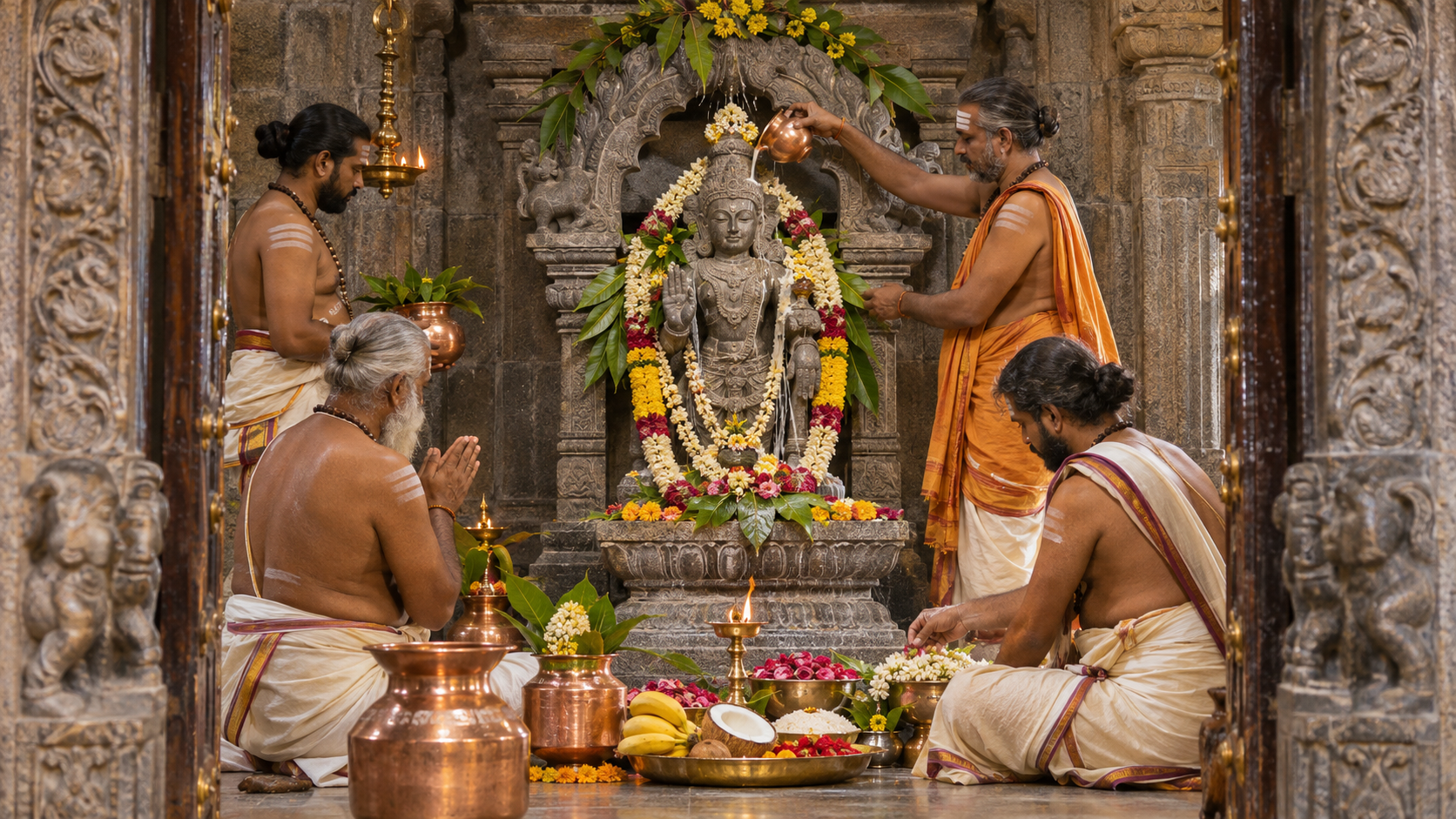
The material does not stop being stone or metal. Its religious status changes. Through the ceremony, the murti ceases to be treated as a decorative representation and becomes a consecrated focus of encounter, worship, and service. The rite is traditionally understood as infusing prana into the image so that it becomes a living vessel of divine presence.
This distinction is easy to miss when every sacred image is casually called an idol. A museum object, a newly carved murti, a devotional picture in a home, and the principal deity of a temple may look like objects of the same general kind. They do not necessarily possess the same ritual standing. Consecration places the image within an enduring relationship involving the deity, the officiating tradition, the temple or household, and the worshipping community.
That is why Prana Pratishtha is not simply an opening ceremony. A public inauguration marks the beginning of an institution. Consecration establishes the conditions for continuing worship. The event matters because of the life of seva that follows it.
The infinite is not being confined inside stone
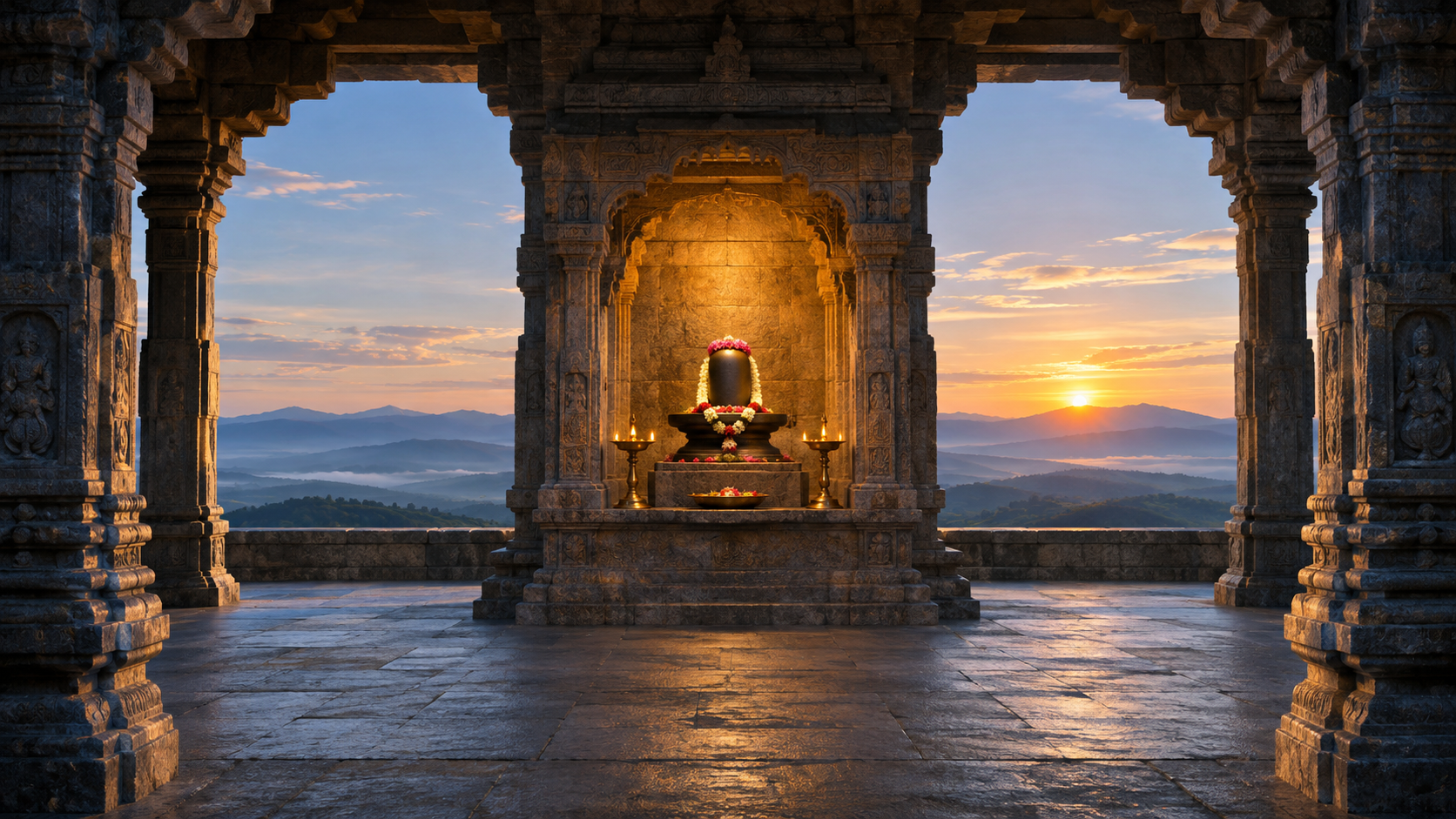
A common objection asks how the limitless Divine could inhabit a finite object. The question assumes that presence must mean confinement. Sanatana Dharma does not require that assumption. The Divine can exceed every form while becoming accessible through a particular form.
Consider the difference between saying that the Divine is everywhere and learning to give undivided attention to the Divine somewhere. The first statement is metaphysical. The second creates a practice. A consecrated murti gives devotion an address: a place where you can stand, see, offer, bow, remember, and serve.
This is also why calling the murti a symbol can clarify or distort the practice. It clarifies matters if a symbol means a visible form through which an unseen reality becomes approachable. It distorts matters if symbol is taken to mean an arbitrary reminder with no presence beyond the devotee’s imagination. Prana Pratishtha belongs to a stronger understanding of sacred form. The murti is not treated merely as an aid for thinking about an absent deity.
Different sampradayas may explain divine presence in different philosophical language. Some emphasize the deity’s gracious willingness to become accessible in worship. Others emphasize mantra, consciousness, or the inseparability of the ultimate reality from its manifestations. You do not need to flatten those differences into one theory. The shared practical point is that the consecrated murti receives reverence as presence, not inspection as an ordinary object.
A living sacred image calls for seva, not possession
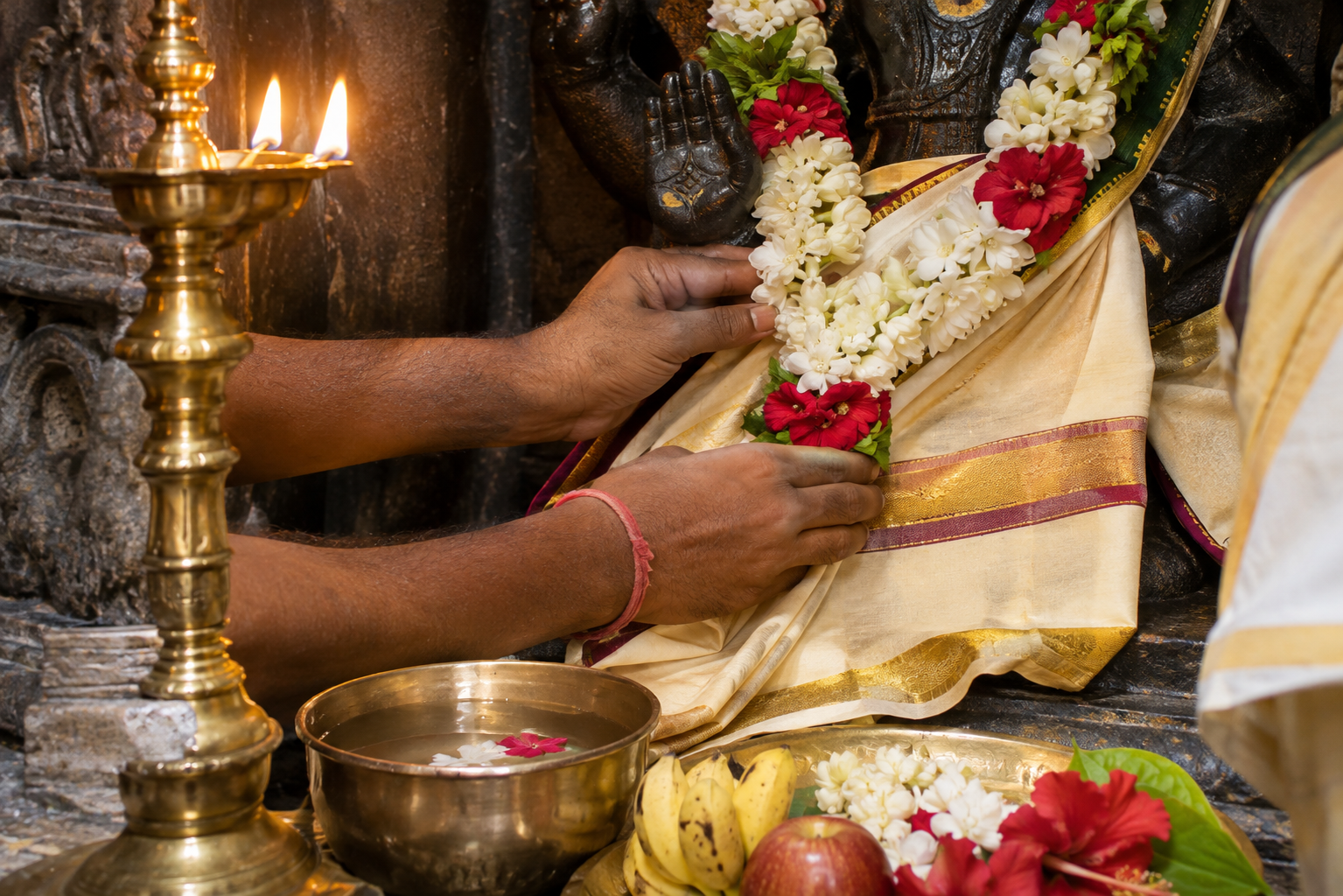
The clearest way to understand the claim of living presence is to notice what happens after consecration. A living relationship requires continuity. Depending on the temple and tradition, that continuity may be expressed through awakening the deity, bathing or anointing the murti, dressing and adorning it, presenting food, performing aarti, offering music and prayer, and observing periods of rest.
These actions are not maintenance in the ordinary sense, although careful physical maintenance may also be necessary. They are seva: disciplined service offered to the deity. The routine prevents consecration from becoming a spectacular event followed by neglect.
This gives you a useful test for interpreting temple worship. When food is presented, lamps are waved, garments are changed, or access is arranged according to a daily schedule, do not dismiss these acts as attempts to satisfy the biological needs of a statue. They express hospitality, intimacy, reverence, and duty toward the divine presence established there.
The same principle explains why a consecrated murti is not simply owned like household decor. Human beings may hold legal responsibility for a temple or possess the material from which an image was made, but devotion reverses the deeper relationship: the worshipper approaches as servant, guest, child, or devotee. The sacred presence is not a possession arranged for personal convenience.
This is where Prana Pratishtha becomes an inward discipline as well as an outward rite. The murti is awakened to worship, but the worshipper must also awaken from distraction. Regular seva trains attention, steadiness, humility, and responsibility. If your conduct remains careless while your language about consecration becomes grander, you have understood the spectacle and missed the demand.
How to approach a consecrated murti with understanding
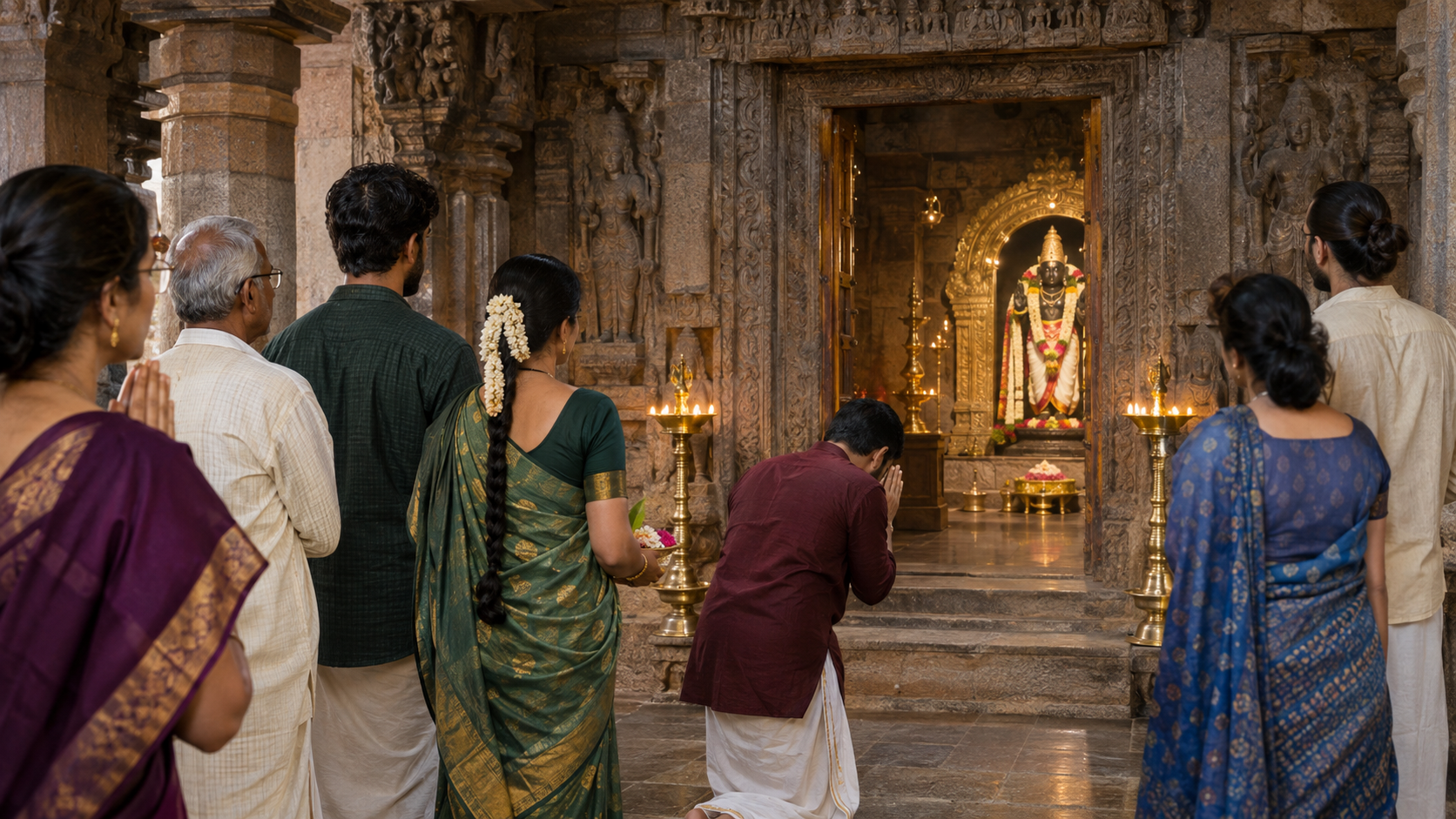
You do not need specialist knowledge to visit a temple respectfully. You do need to recognize that you are entering an established relationship whose local disciplines are not yours to rewrite. Customs differ, so observe the temple’s instructions rather than assuming that one practice applies everywhere.
- Prepare before entering. Follow the local rules concerning footwear, cleanliness, clothing, offerings, photography, and access to inner areas. These are part of the temple’s discipline, not obstacles to a private experience.
- Let darshan be more than looking. Stand with attention before the deity. In the devotional understanding of darshan, you are not merely examining a sacred object; you are presenting yourself before a presence.
- Do not touch without permission. Physical access to a consecrated murti and its immediate ritual space may be restricted. Reverence does not entitle a visitor to cross those boundaries.
- Offer through the temple’s established practice. If you bring flowers, food, money, or another offering, ask how it should be given. A sincere intention does not make every action ritually appropriate.
- Watch the rhythm of seva. Notice how worship continues beyond a single moment of prayer. Aarti, abhishekam, adornment, offerings, and scheduled darshan reveal what living presence means in practice.
- Carry the encounter into conduct. Bowing before the deity should make arrogance, dishonesty, and contempt harder to excuse after you leave. The point is not to manufacture a passing mood but to reorder attention and action.
If you are considering a murti for your home, first ask whether you want a devotional image for prayer or a formally consecrated murti carrying defined obligations. Those are not automatically the same choice. Do not arrange a major consecration merely because it appears more spiritually impressive.
- Identify the tradition you intend to follow. Ritual obligations vary by deity, sampradaya, lineage, and household custom.
- Ask what continuing seva will be required. Find out who will perform it, how often it must be performed, and what should happen during travel, illness, or other interruptions.
- Seek qualified guidance before the ceremony. A priest or acharya rooted in the relevant tradition can tell you whether formal Prana Pratishtha is appropriate for your circumstances.
- Plan for the end as well as the beginning. If the murti is damaged, the home changes hands, or regular worship can no longer continue, consult the same tradition about the proper procedure. Do not casually discard a consecrated image.
The practical rule is simple: accept only the ritual responsibility you can sustain. A modest, regular practice performed with care is more coherent than seeking formal consecration and then treating its obligations as optional.
Key takeaways
- Prana Pratishtha establishes a murti as a consecrated locus of divine presence; it is more than the public unveiling of an image.
- The material remains stone or metal, but the murti’s ritual status and the community’s obligations toward it change.
- Divine presence in a form does not require the belief that the infinite is trapped or exhausted by that form.
- The meaning of consecration becomes visible in continuing seva: reverent, disciplined care rather than occasional attention.
- Temple visitors should follow local rules, respect boundaries, and approach darshan as an encounter rather than visual consumption.
- Before arranging Prana Pratishtha at home, determine the continuing obligations and seek guidance within the tradition you will actually follow.
The next time you stand before a consecrated murti, resist the shallow choice between saying it is only stone and pretending the stone has ceased to be material. Attend instead to the relationship Prana Pratishtha establishes. Then let that presence ask something concrete of you: steadier attention, faithful seva, and conduct worthy of the deity before whom you bow.
References

Leave a Reply
You must be logged in to post a comment.